Explore our engaging "Comparing Fractions Worksheets for Ages 5-6" and make learning fun for your child! These expertly designed printable worksheets by Kids Academy help young learners grasp the basics of fractions in an interactive and enjoyable way. With vibrant visuals and simple exercises, children will develop essential math skills while comparing different fractions. Perfect for classroom use or at-home practice, these activities cater to various learning styles and paces, ensuring every child gains a solid foundation in fractions. Start your child's fraction learning journey today with our comprehensively crafted worksheets!

Check out this FREE "Comparing Fractions" Trial Lesson for age 5-6!

Lesson 1- Partitioning Shapes

Favorites
With answer key
Interactive
  • 5-6
  • Comparing Fractions
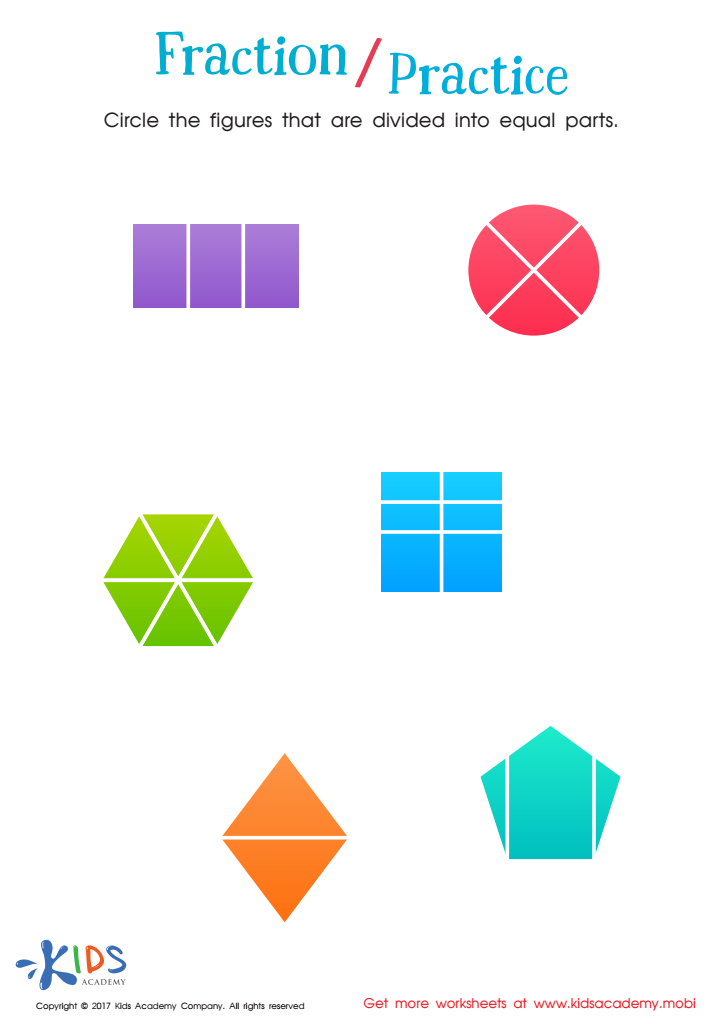
Fraction Practice Printable

Fractions: Shapes Worksheet

Get your printable now. Kids learn math differently today than you did in school; understanding concepts rather than memorizing facts. Help your child understand fractions with this printable worksheet. It'll help your child recognize parts of a whole, identify equal parts and build a foundation for numeracy. A better understanding sets kids up for math success! Get your printable now.
Fractions: Shapes Worksheet
Worksheet
Bubbling Over Worksheet

Bubbling Over Worksheet

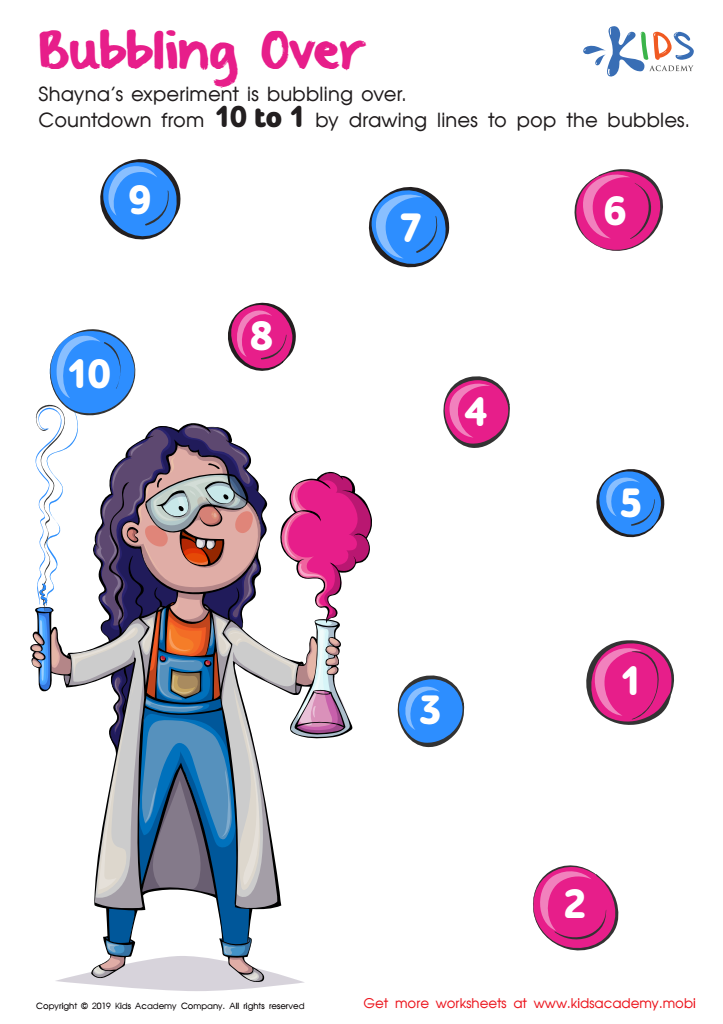
Students love science experiments at the lab! They get to practice their counting skills while creating a masterpiece or an unexpected catastrophe! Ask them to count down from 10 to 1 by drawing lines to 'pop' the bubbles coming out of Shayna's experiment in the worksheet.
Bubbling Over Worksheet
Worksheet
Matching and Sorting  for Kindergarten: Assessment 2 Worksheet

Matching and Sorting for Kindergarten: Assessment 2 Worksheet

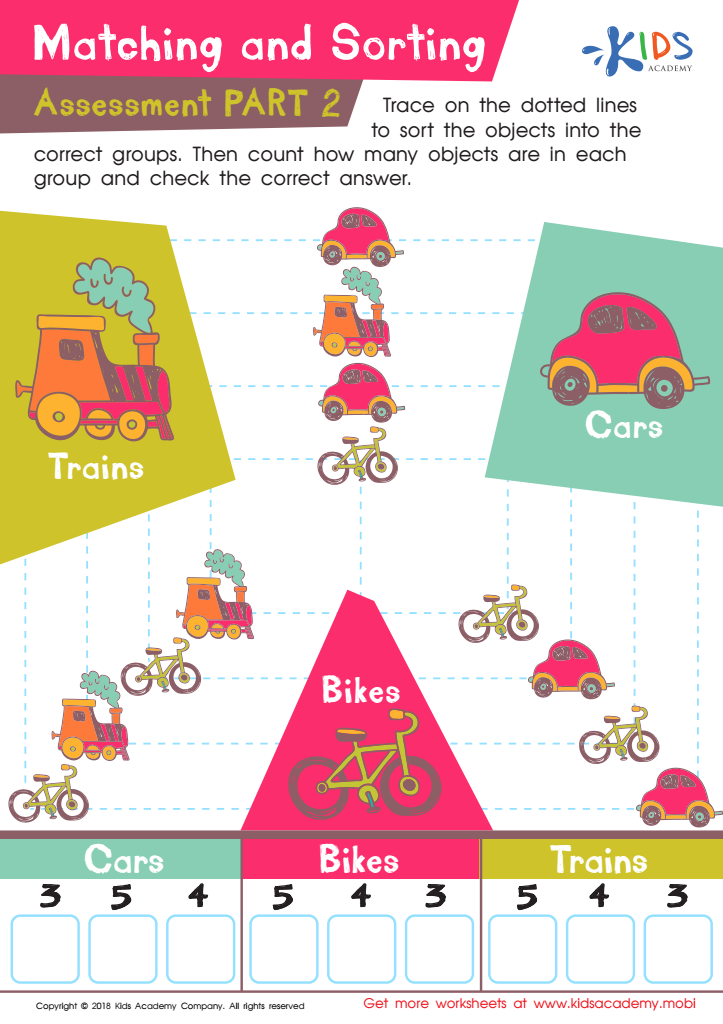
This assessment tests matching, sorting and fine motor skills. It challenges kids to identify properties and attributes of pictures, trace guidelines and count the types of vehicles. It's a great way to practice basic number sense and hone in on important foundational skills.
Matching and Sorting for Kindergarten: Assessment 2 Worksheet
Worksheet
Piecing Together 16 Worksheet

Piecing Together 16 Worksheet

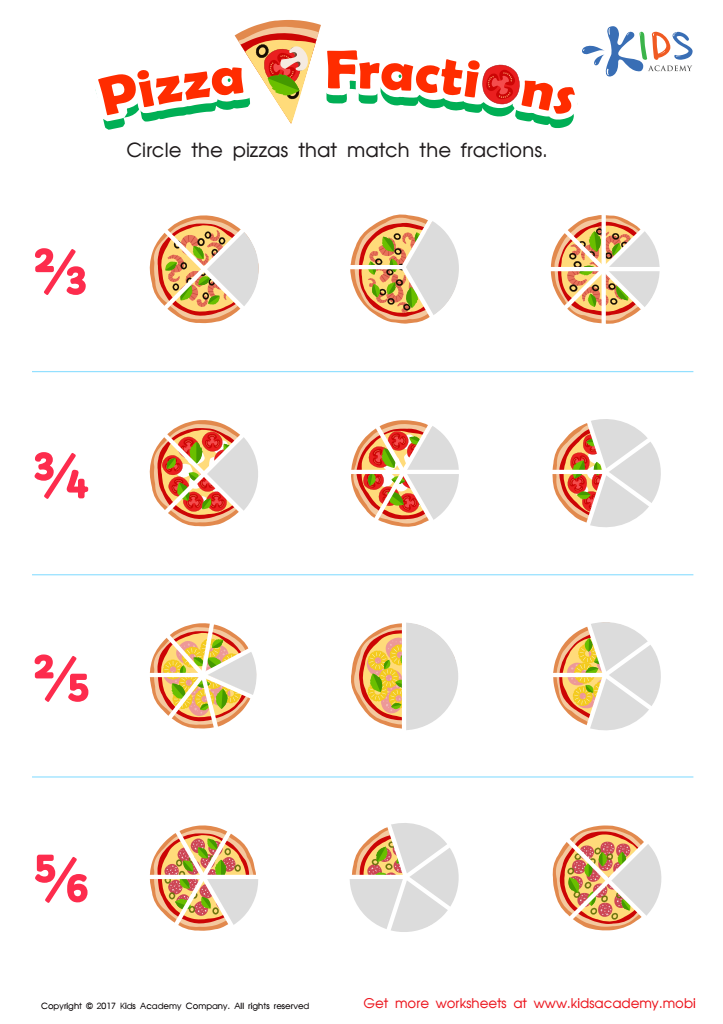
Combine learning with fun using this colorful worksheet! Ask your preschoolers what they see in the picture, then help them solve the mathematical equations on the puzzle pieces. One equation is missing on each; have them circle the piece that will make the bottom puzzle piece numbers equal 16. Use puzzles and bright colors to teach - it's one of the best ways your kids can learn!
Piecing Together 16 Worksheet
Worksheet
Pizza Fraction Printable

Fractions: Pizza Printable

Fractions can be tricky for kids, but this pizza fractions printable can help! Kids can understand fractions by seeing them, as they use one of their favorite foods. It helps them grasp the concept and gain a deeper understanding of what fractions represent. Extend their learning by quizzing them when you order pizza next time.
Fractions: Pizza Printable
Worksheet
Comparing Shares Worksheet

Comparing Shares Worksheet

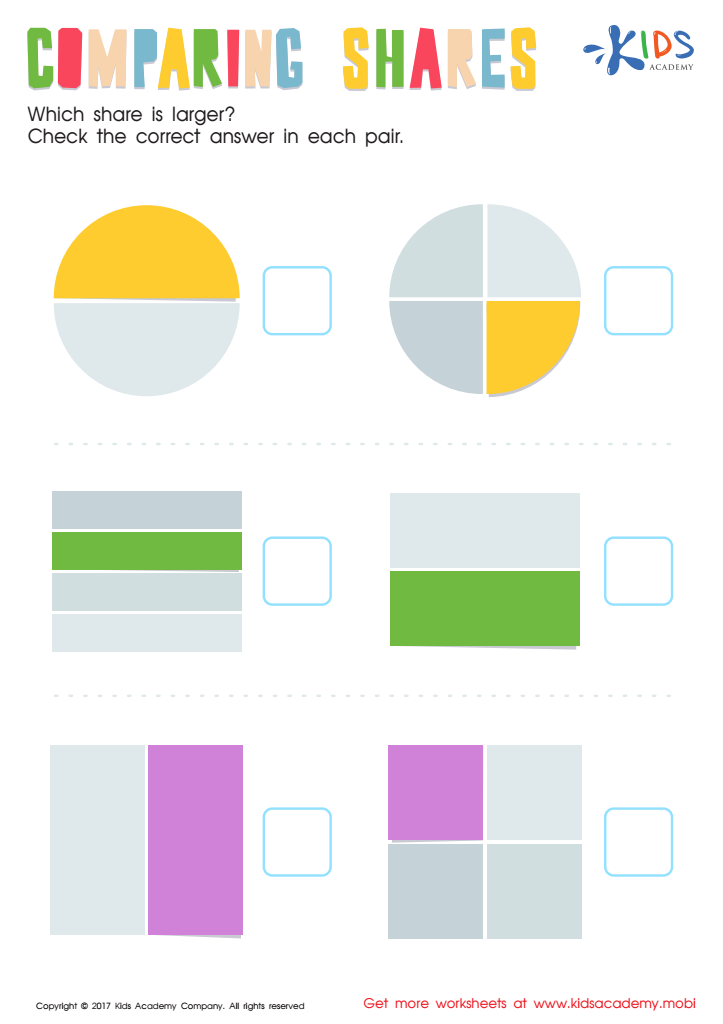
Can your students identify and draw shapes correctly? If so, this exercise may be too easy. For those who are still learning, extra help may be needed. The worksheet requires students to select which shape is larger in each pair; circles and squares are included.
Comparing Shares Worksheet
Worksheet
Making Smaller Shares Worksheet

Making Smaller Shares Worksheet

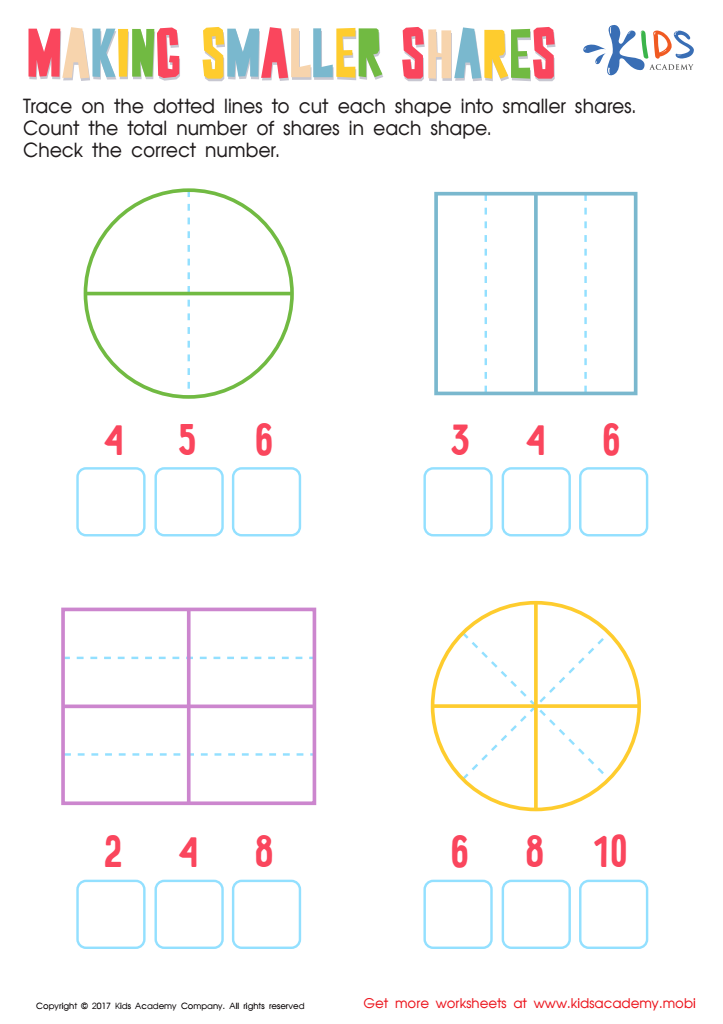
Help your kids learn shapes by having them cut out shapes on this tracing sheet. Point out the dotted lines, then guide their hand as they trace them, breaking shapes into smaller parts. Ask your children to count the number of parts and check the answers given.
Making Smaller Shares Worksheet
Worksheet
Matching and Sorting  for Preschool: Assessment 2 Worksheet

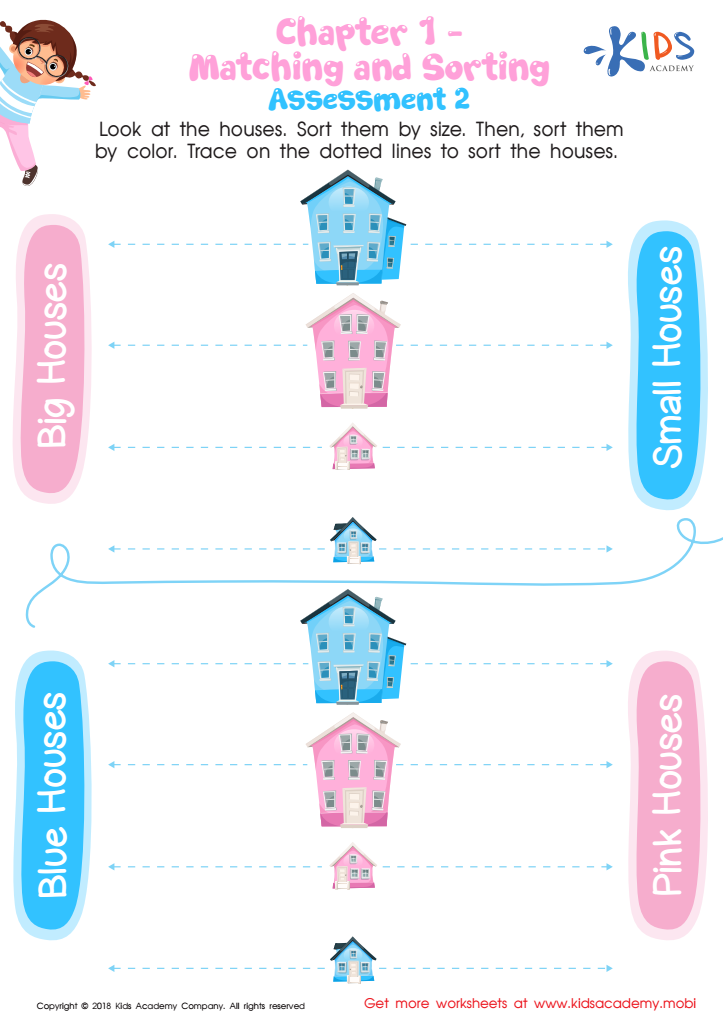
Matching and Sorting for Preschool: Assessment 2 Worksheet

Encourage your kids to take a look at the colorful pictures. Ask them to name the objects. Next, point out any differences between the houses and let them sort them according to color and size. Finally, help them trace the houses on the dotted lines.
Matching and Sorting for Preschool: Assessment 2 Worksheet
Worksheet
Matching and Sorting for Preschool: Assessment 1 Worksheet

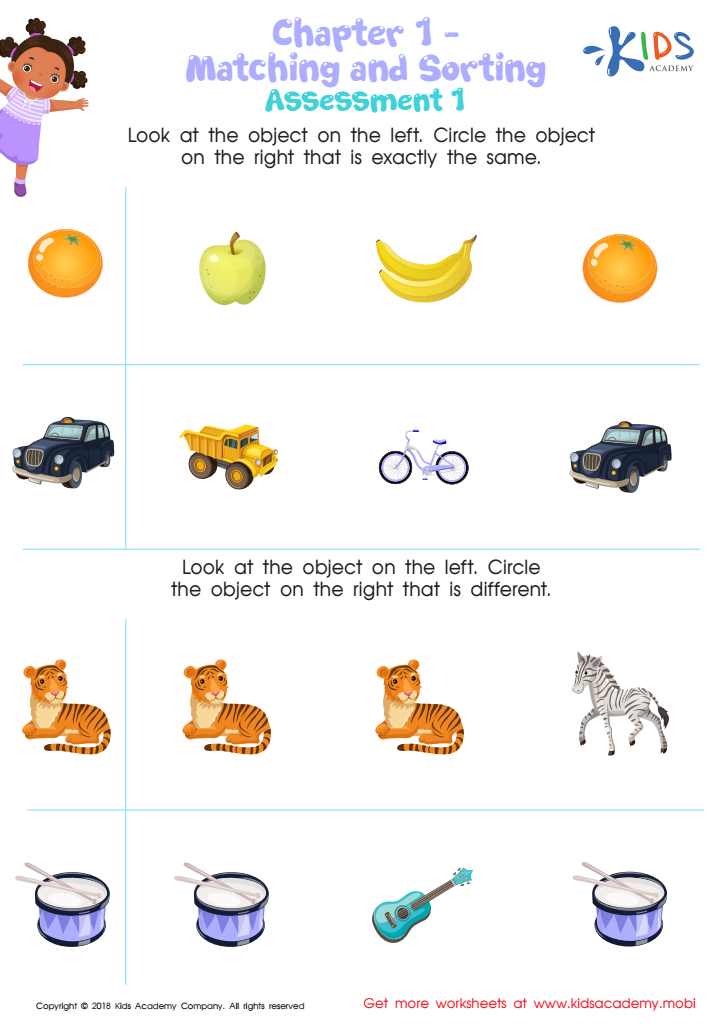
Matching and Sorting for Preschool: Assessment 1 Worksheet

Test your child's matching skills with this worksheet! Ask them to name each of the objects pictured, then circle the ones that are the same. Repeat for the second task. It's a great way to assess their skills and have fun at the same time!
Matching and Sorting for Preschool: Assessment 1 Worksheet
Worksheet
Cinderella Fraction Practice

Fractions: Cinderella Printable
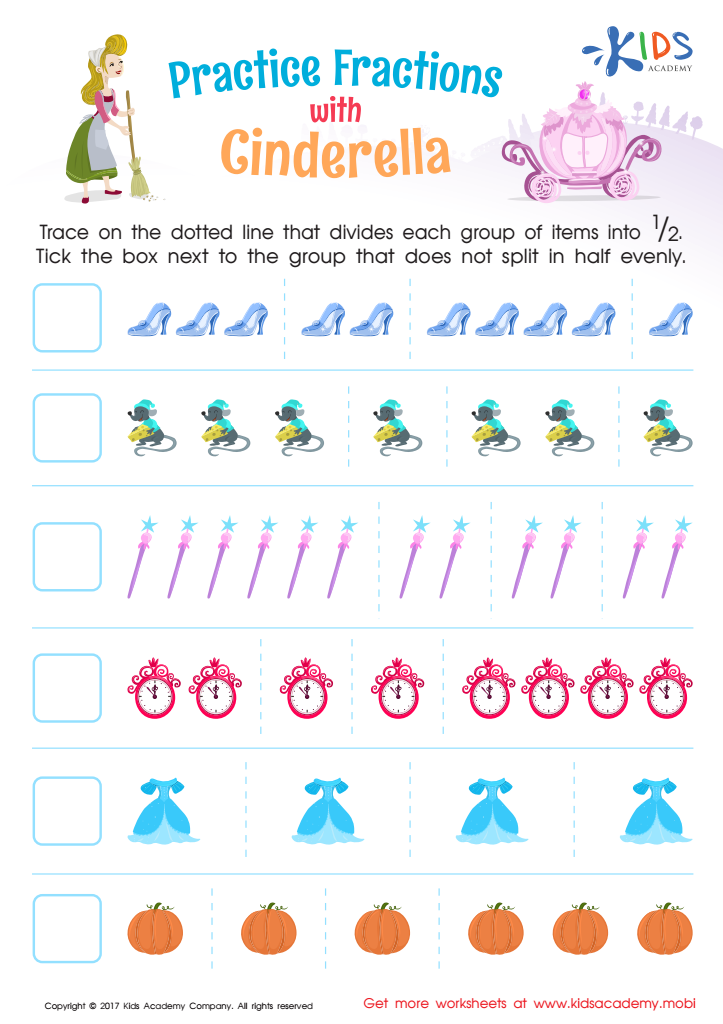
Cinderella and ½ are the perfect pair to excite your child about learning fractions.
Fractions: Cinderella Printable
Worksheet
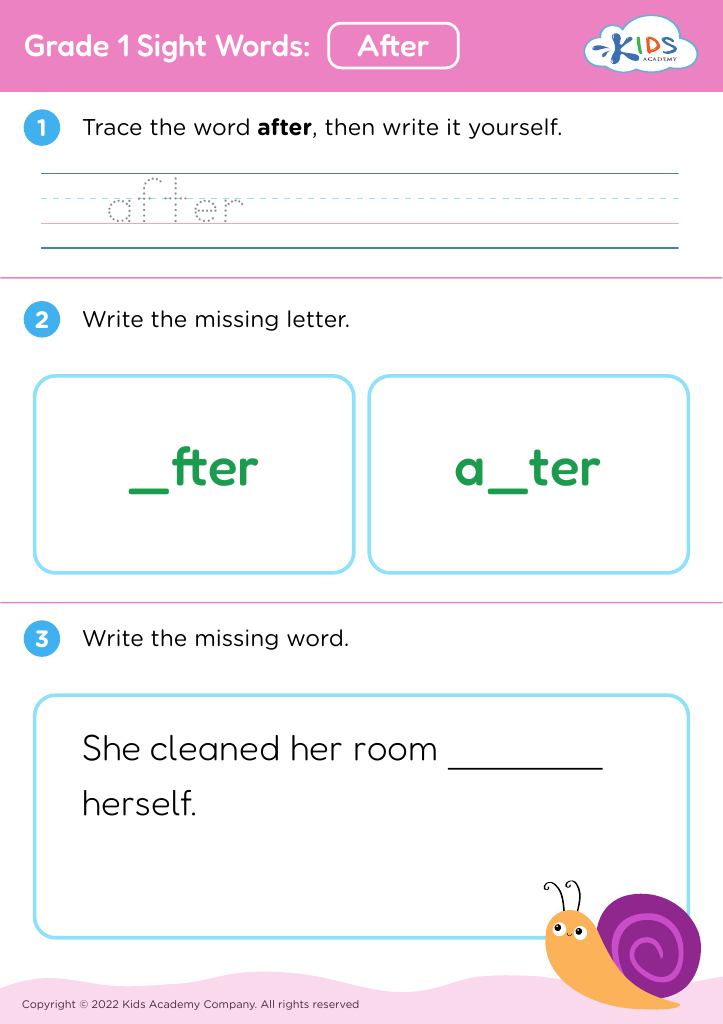
Grade 1 Sight Words: After

Grade 1 Sight Words: After

Grade 1 Sight Words: After
Worksheet
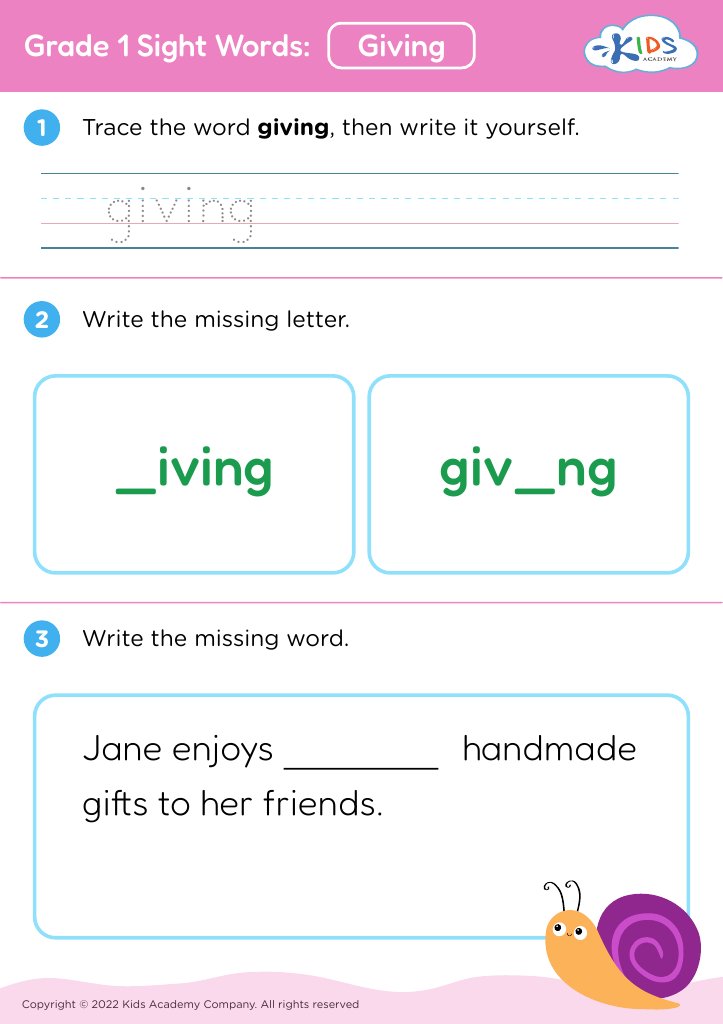
Grade 1 Sight Words: Giving

Grade 1 Sight Words: Giving

Grade 1 Sight Words: Giving
Worksheet
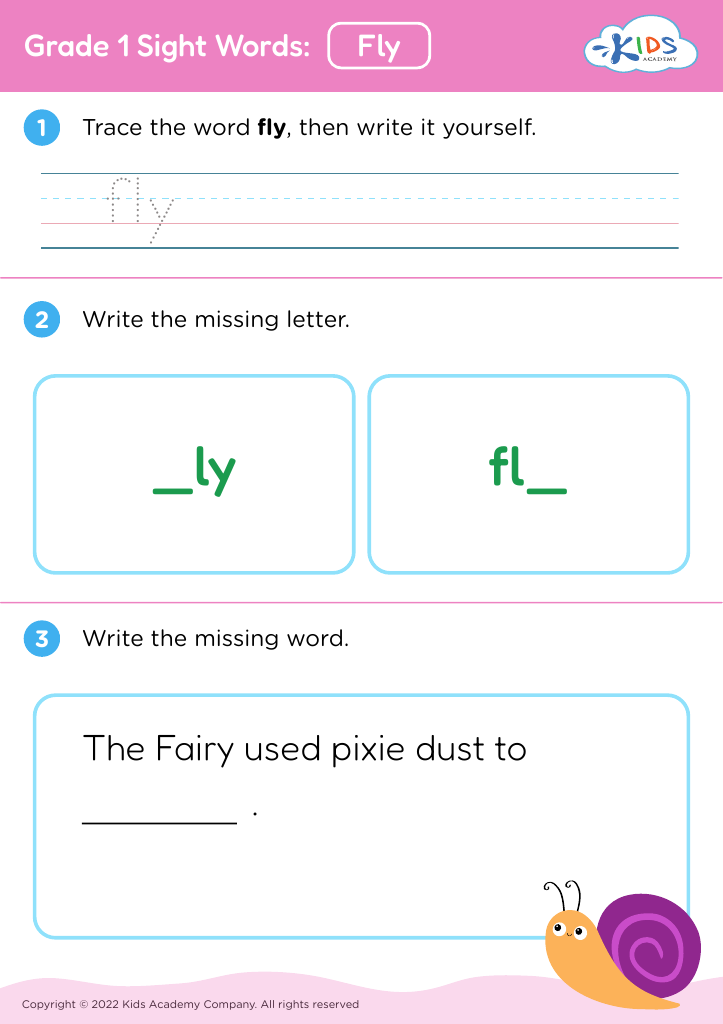
Grade 1 Sight Words: Fly

Grade 1 Sight Words: Fly

Grade 1 Sight Words: Fly
Worksheet
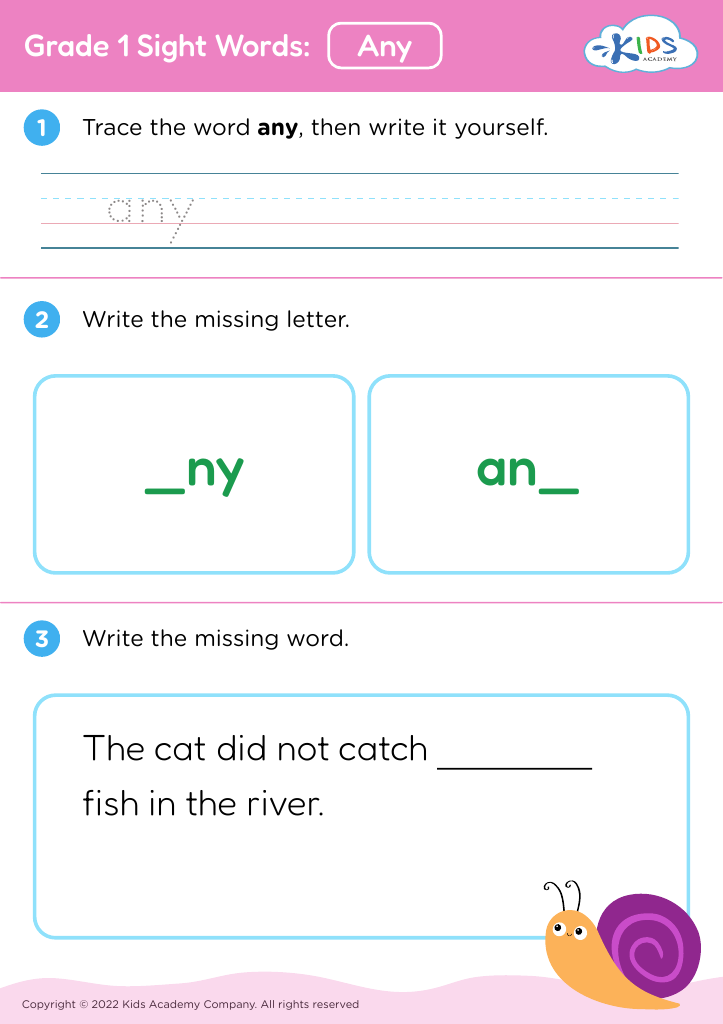
Grade 1 Sight Words: Any

Grade 1 Sight Words: Any

Grade 1 Sight Words: Any
Worksheet
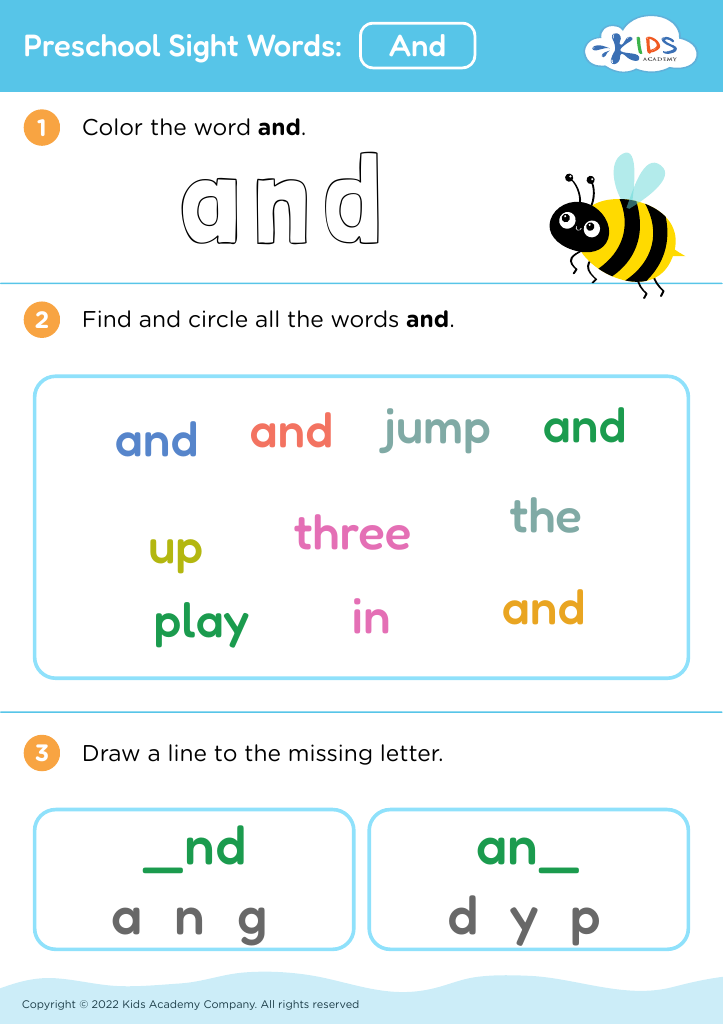
Preschool Sight Words: And

Preschool Sight Words: And

Preschool Sight Words: And
Worksheet
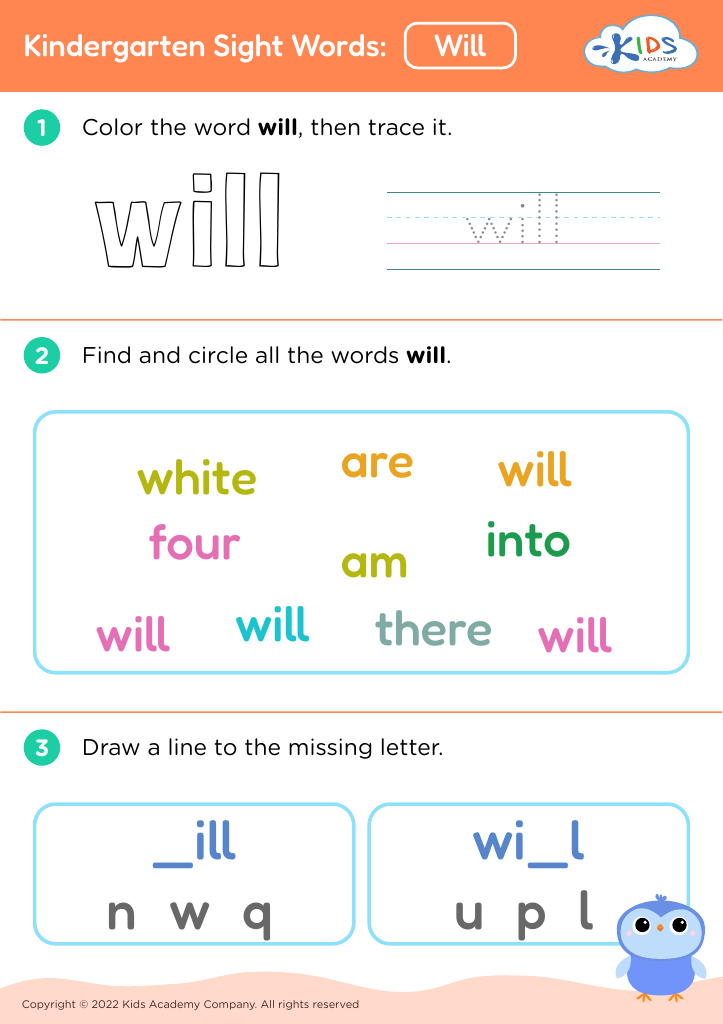
Kindergarten Sight Words: Will

Kindergarten Sight Words: Will

Kindergarten Sight Words: Will
Worksheet
Kindergarten Sight Words: Soon

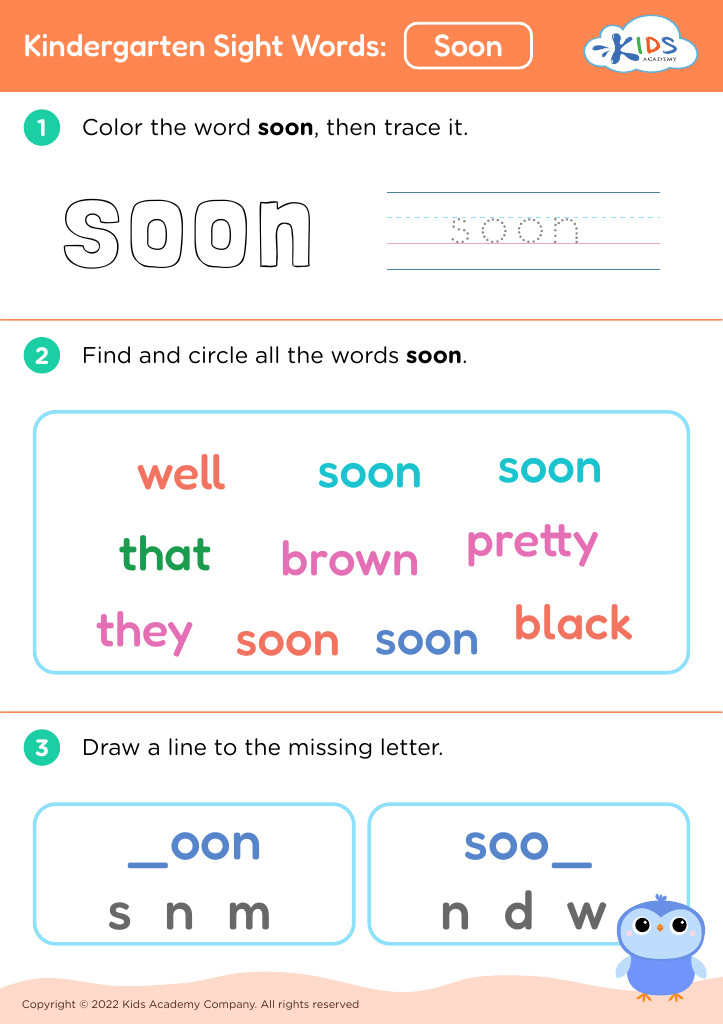
Kindergarten Sight Words: Soon

Kindergarten Sight Words: Soon
Worksheet
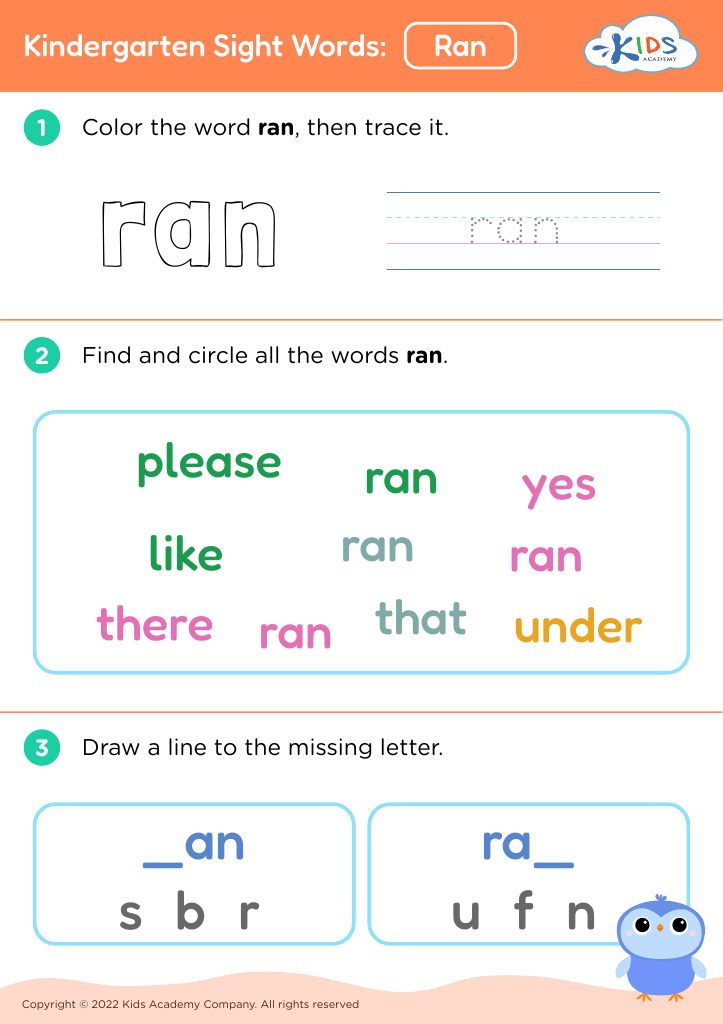
Kindergarten Sight Words: Ran

Kindergarten Sight Words: Ran

Kindergarten Sight Words: Ran
Worksheet
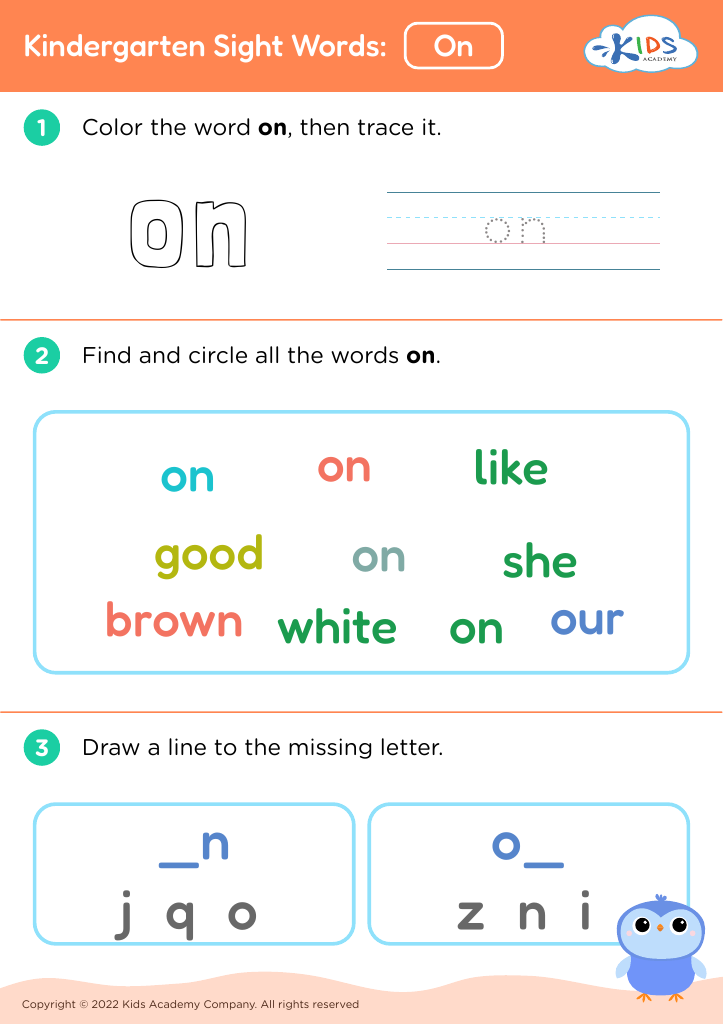
Kindergarten Sight Words: On

Kindergarten Sight Words: On

Kindergarten Sight Words: On
Worksheet
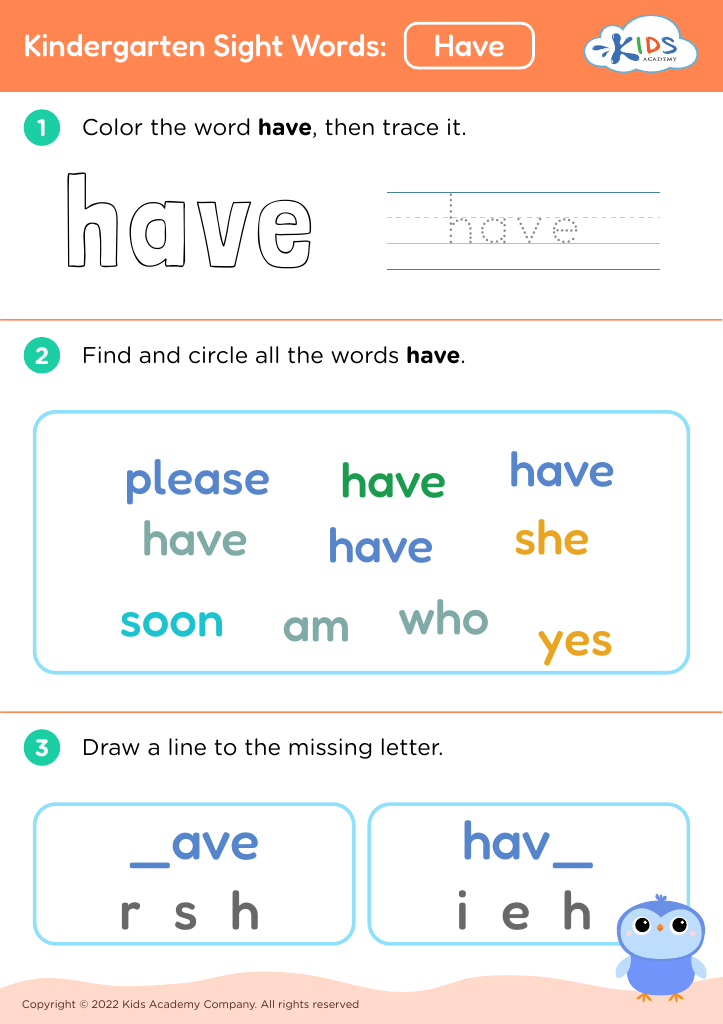
Kindergarten Sight Words: Have

Kindergarten Sight Words: Have

Kindergarten Sight Words: Have
Worksheet
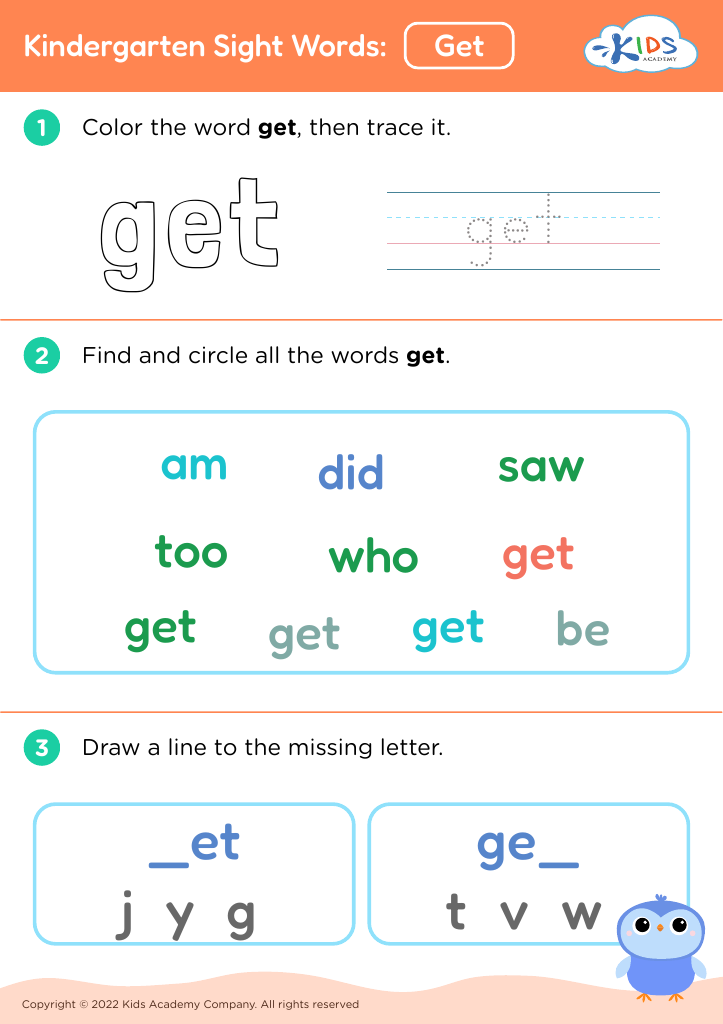
Kindergarten Sight Words: Get

Kindergarten Sight Words: Get

Kindergarten Sight Words: Get
Worksheet
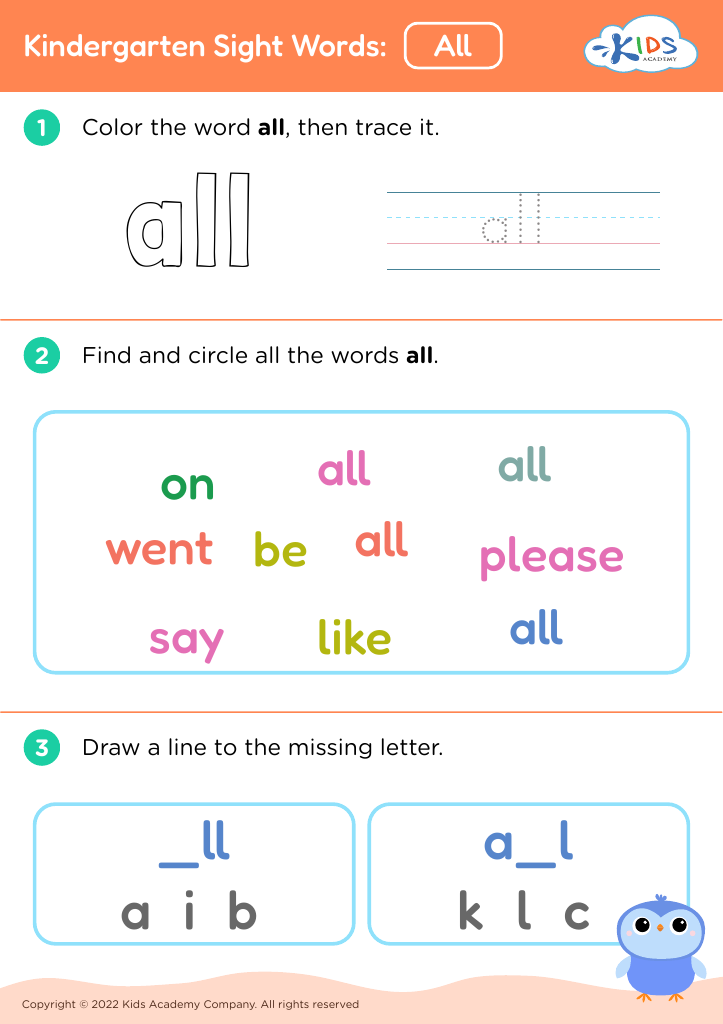
Kindergarten Sight Words: All

Kindergarten Sight Words: All

Kindergarten Sight Words: All
Worksheet
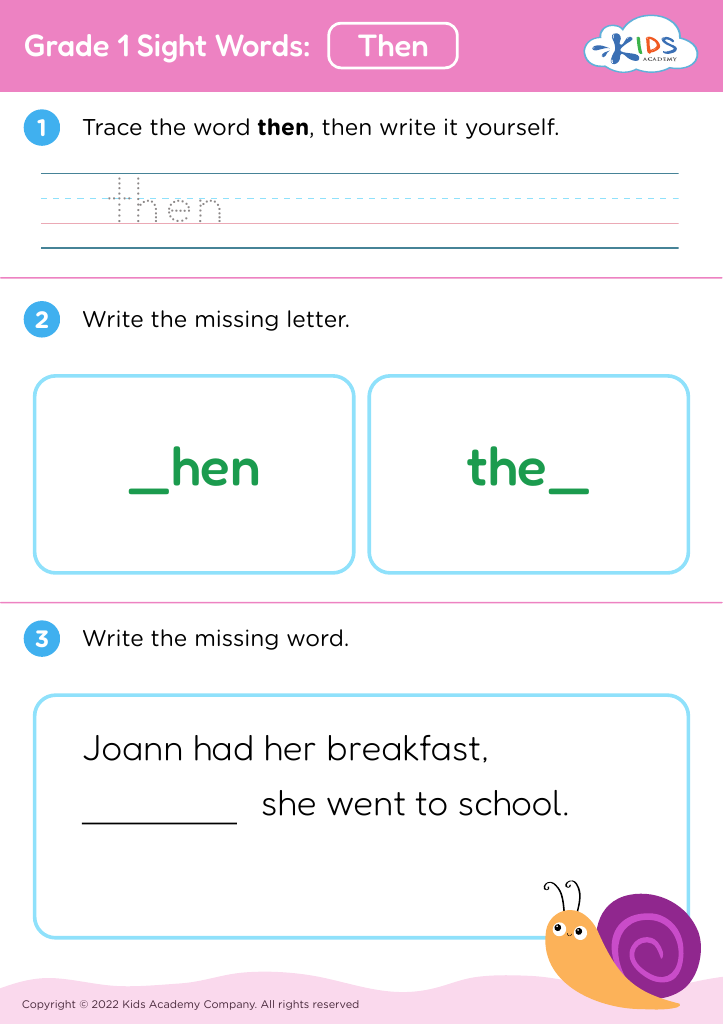
Grade 1 Sight Words: Then

Grade 1 Sight Words: Then

Grade 1 Sight Words: Then
Worksheet
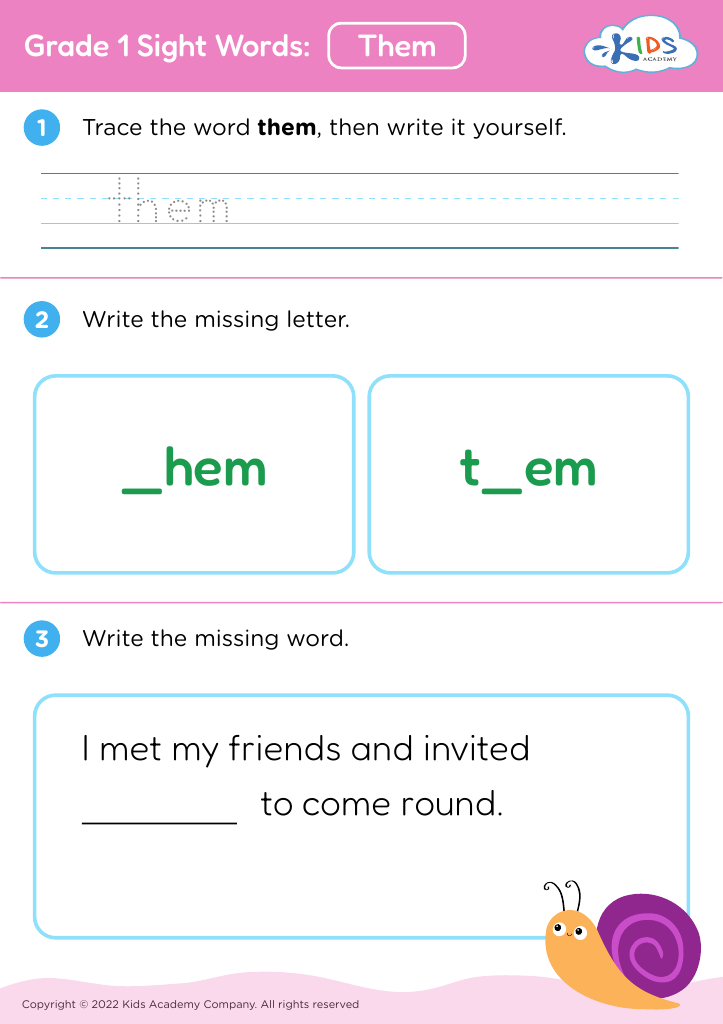
Grade 1 Sight Words: Them

Grade 1 Sight Words: Them

Grade 1 Sight Words: Them
Worksheet


Parents and teachers should care about teaching children aged 5-6 to compare fractions because it builds foundational skills in mathematical literacy and critical thinking. At this age, children are beginning to grasp basic concepts of numbers and quantities. Introducing fractions early helps them understand that numbers are not always whole and that parts of a whole can be divided and compared. This is crucial for their cognitive development, as it enhances their ability to see and interpret the world mathematically.

Comparing fractions also equips young learners with problem-solving skills. They learn to approach a problem from different angles—considering the size of pieces rather than merely counting—which fosters a deeper understanding and application of math in real-life situations, such as sharing or dividing items equally.

Moreover, early exposure to fractions and their comparison enhances future learning. Mastery of these concepts lays the groundwork for more advanced mathematics such as algebra and geometry. It also ensures children are not intimidated by fractions as they encounter them in later schooling.

Lastly, understanding fractions supports overall academic confidence and competence. Children who grasp these concepts early on are likely to perform better in school, fostering a positive attitude toward learning and reducing math anxiety as they progress in their education.