Shape Recognition Worksheets for Ages 5-6 - Page 2
88 filtered results
-
From - To
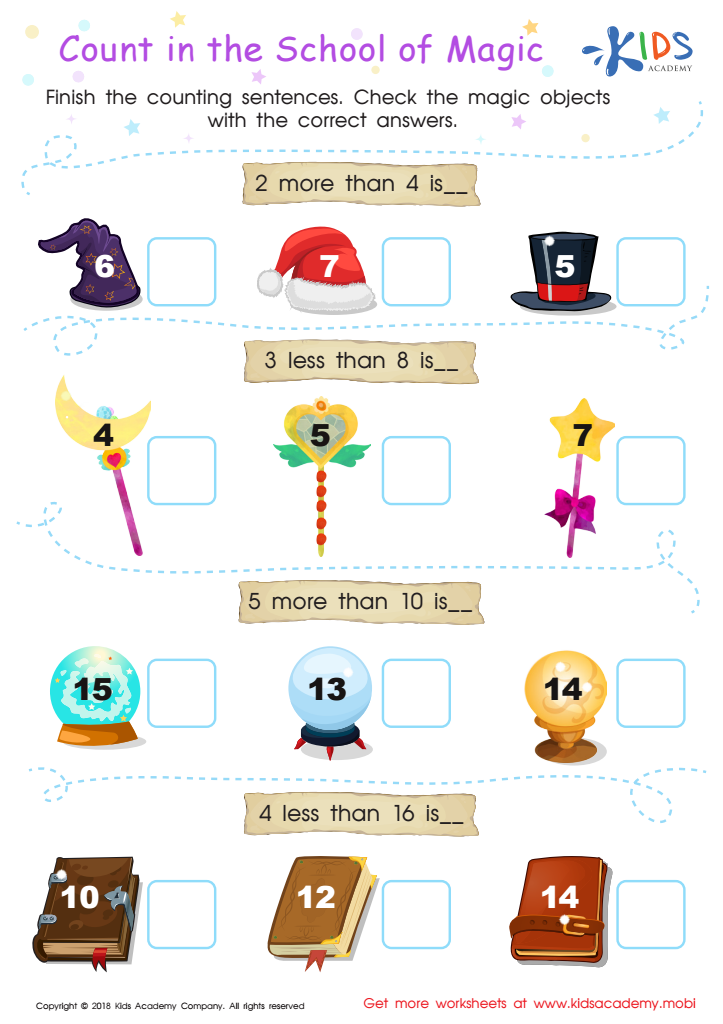
Count in the School of Magic Worksheet
 Assign to My Students
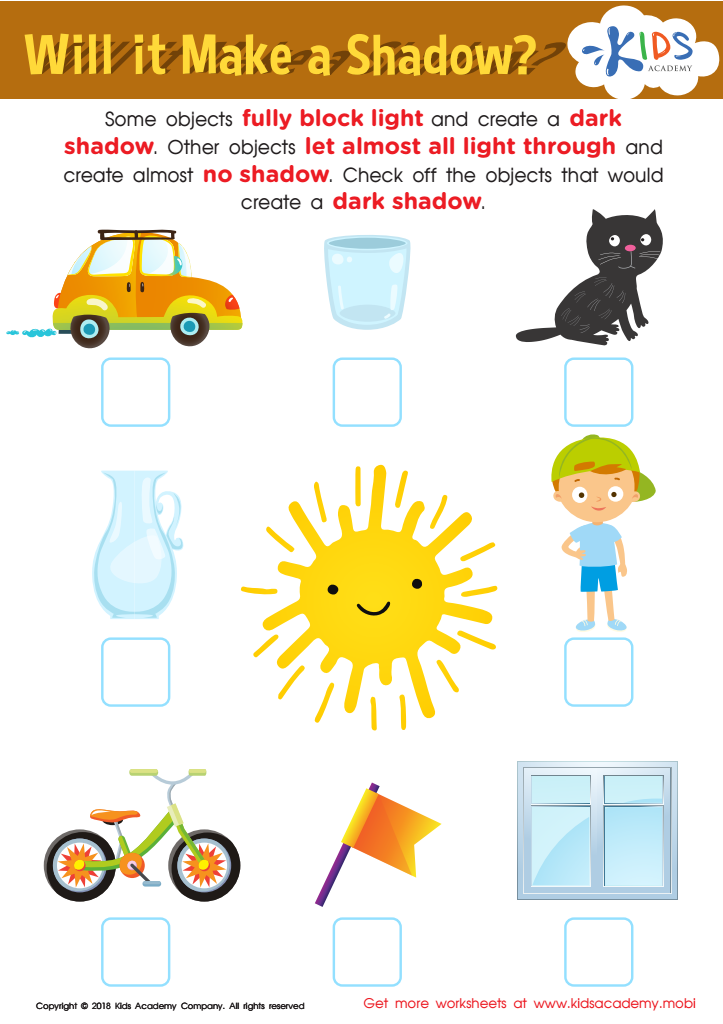
Will It Make a Shadow? Worksheet
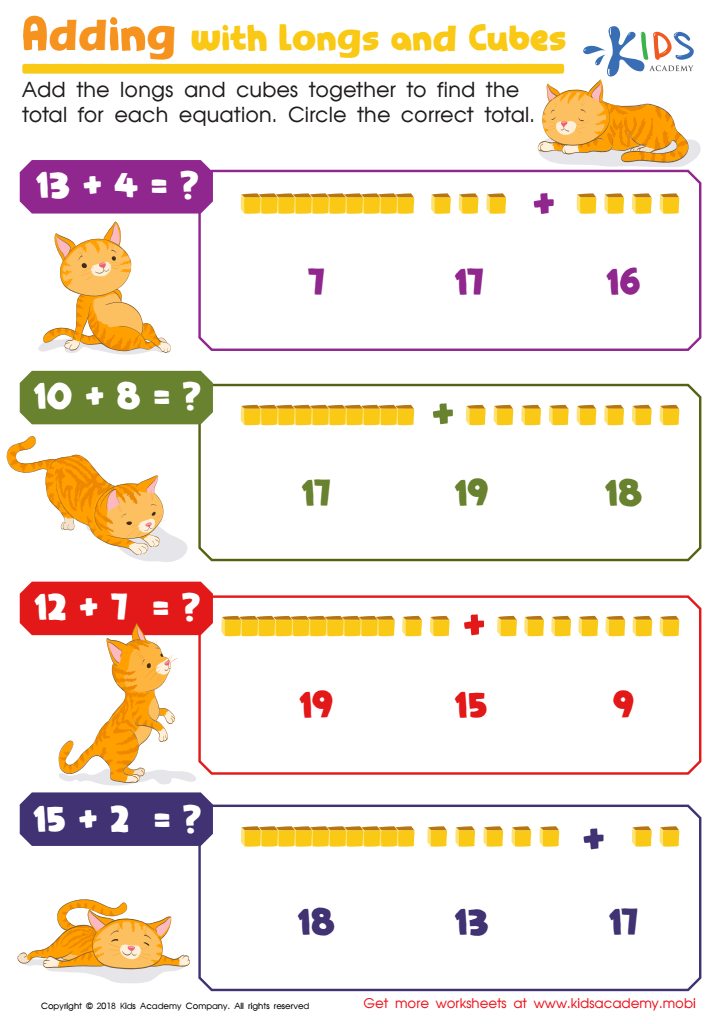
Adding With Longs and Cubes Worksheet
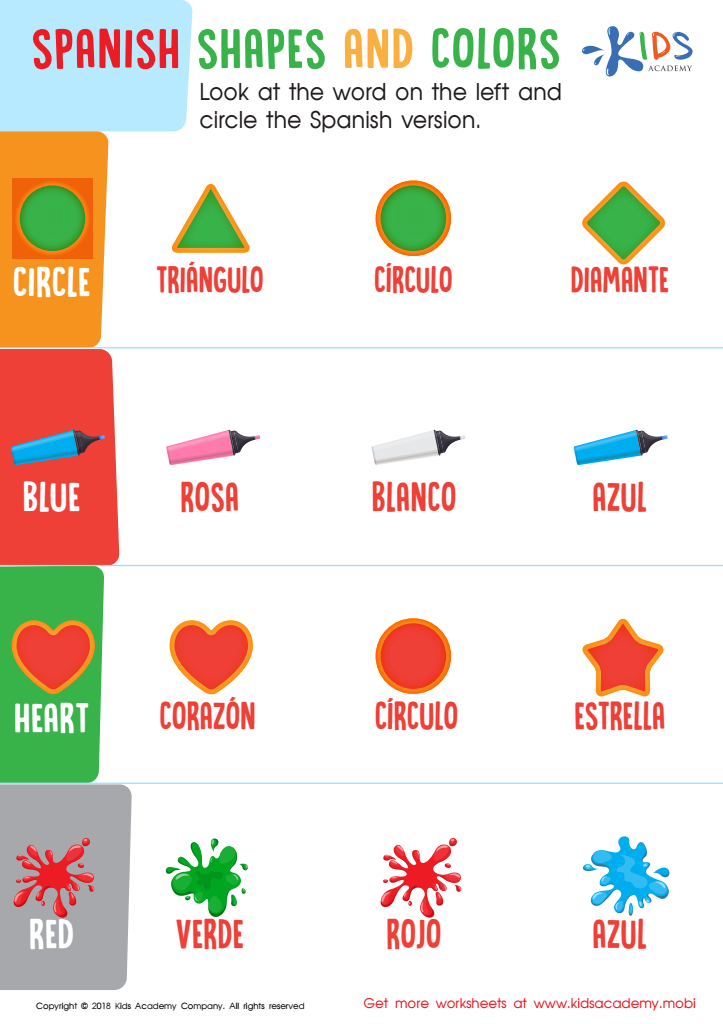
Spanish Shapes and Colors Worksheet
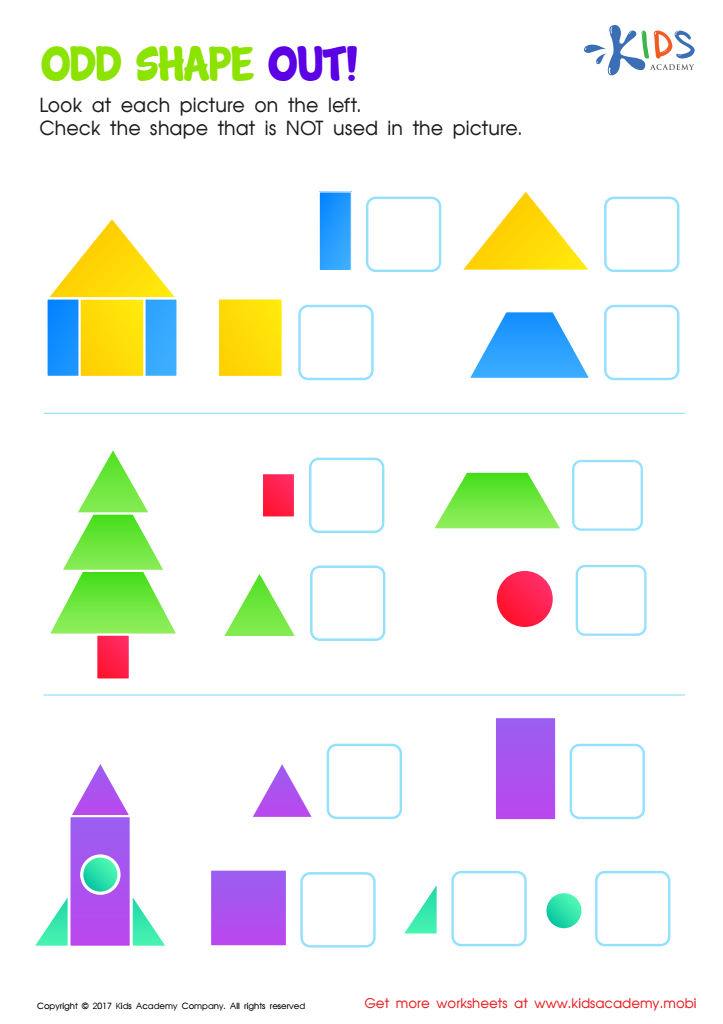
Odd Shape Out Worksheet for Grade 1
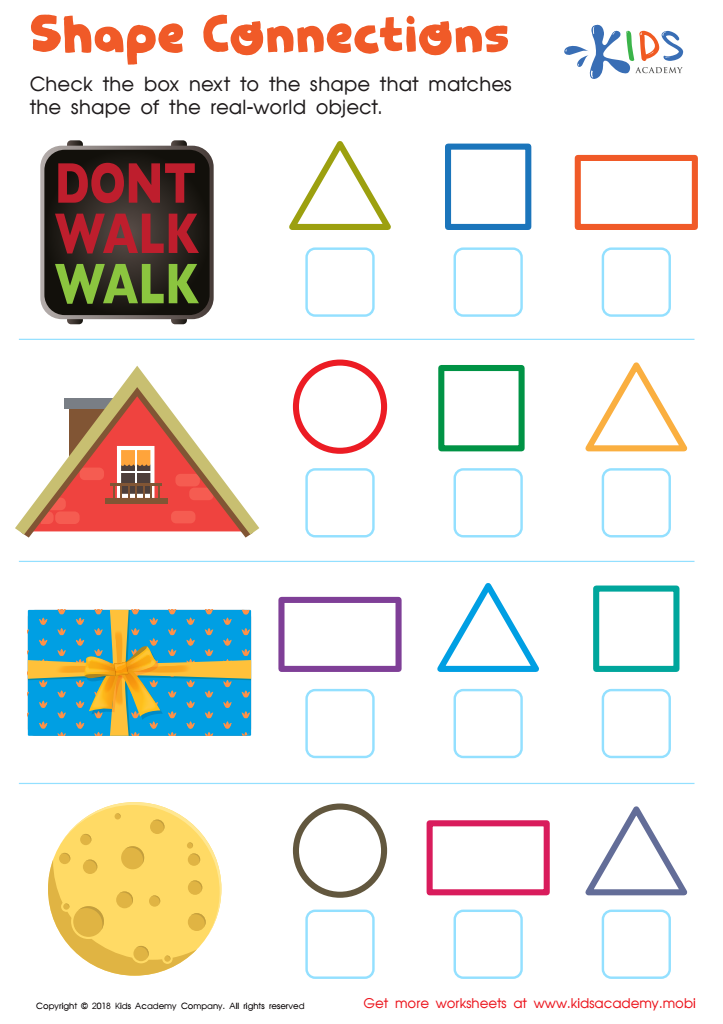
Shape Connections Worksheet
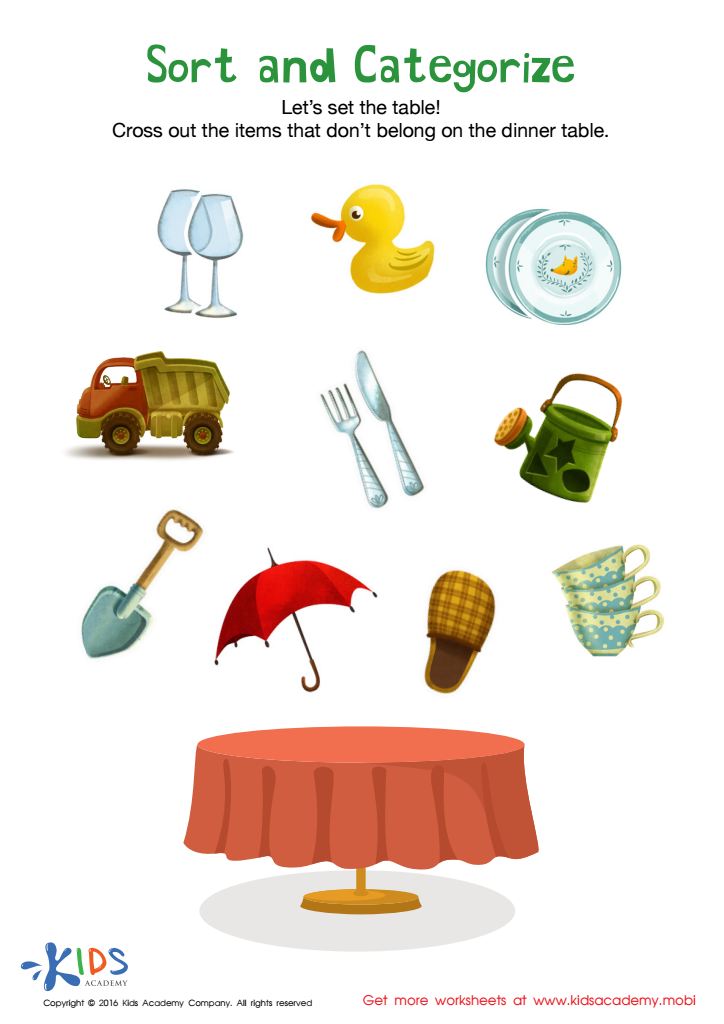
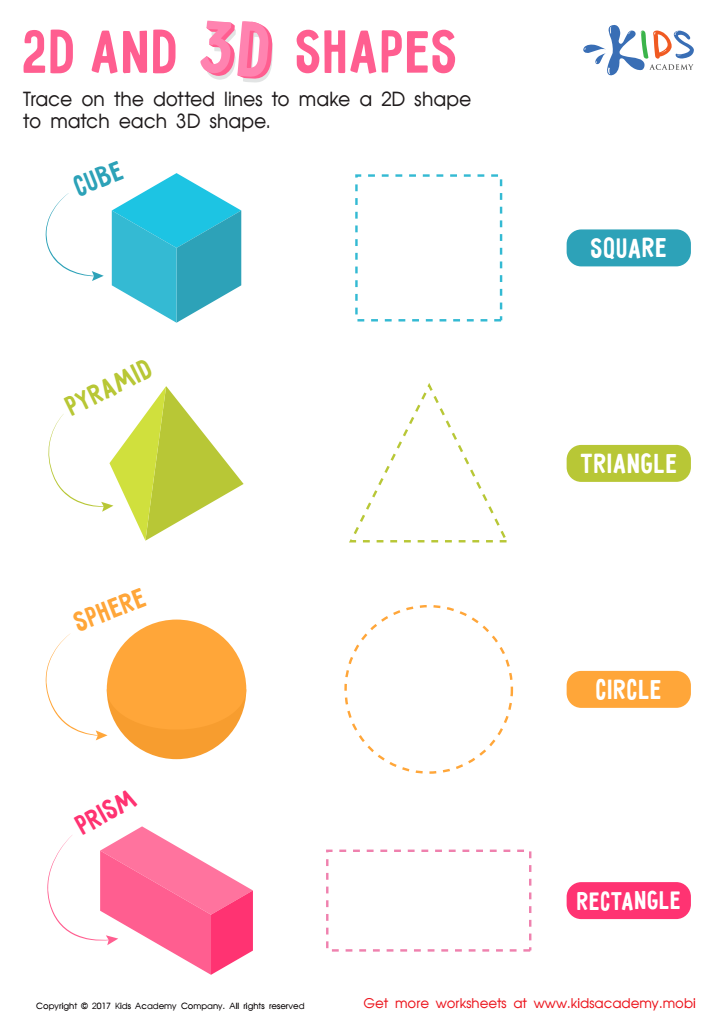
2D and 3D Shapes Worksheet
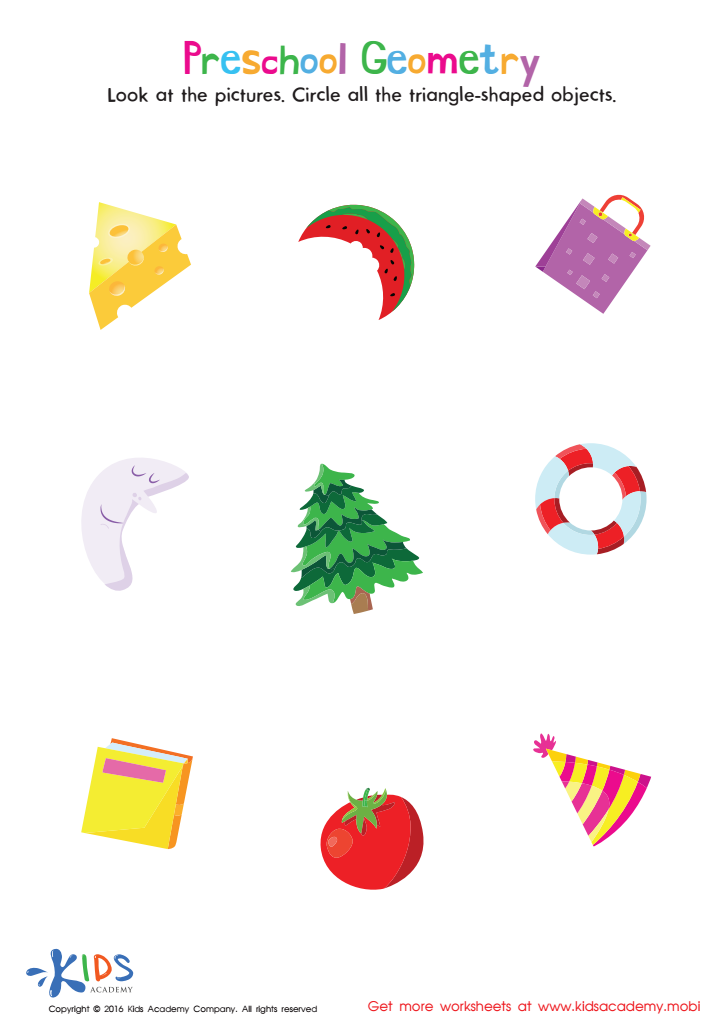
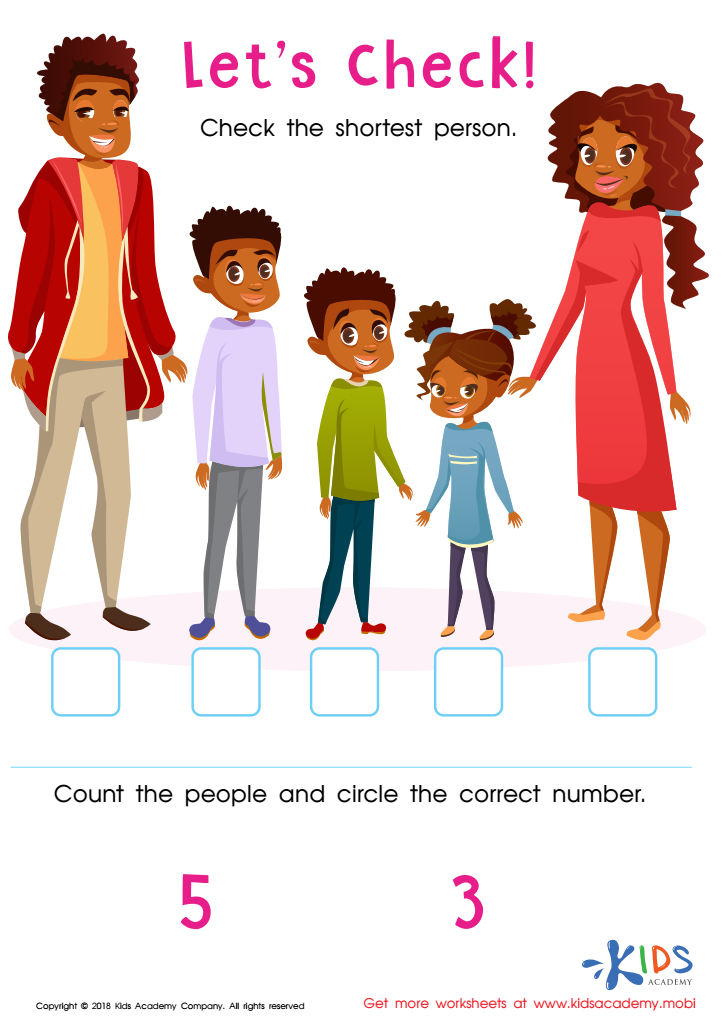
Let's Check! Assessment Worksheet
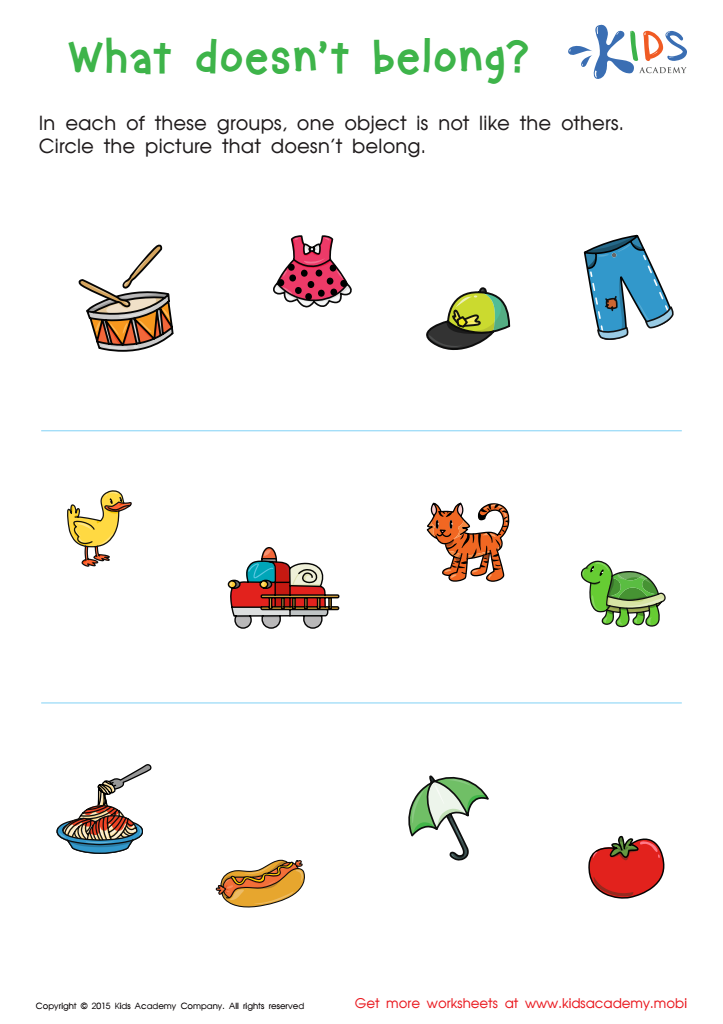
First Words: What Doesn't Belong Worksheet
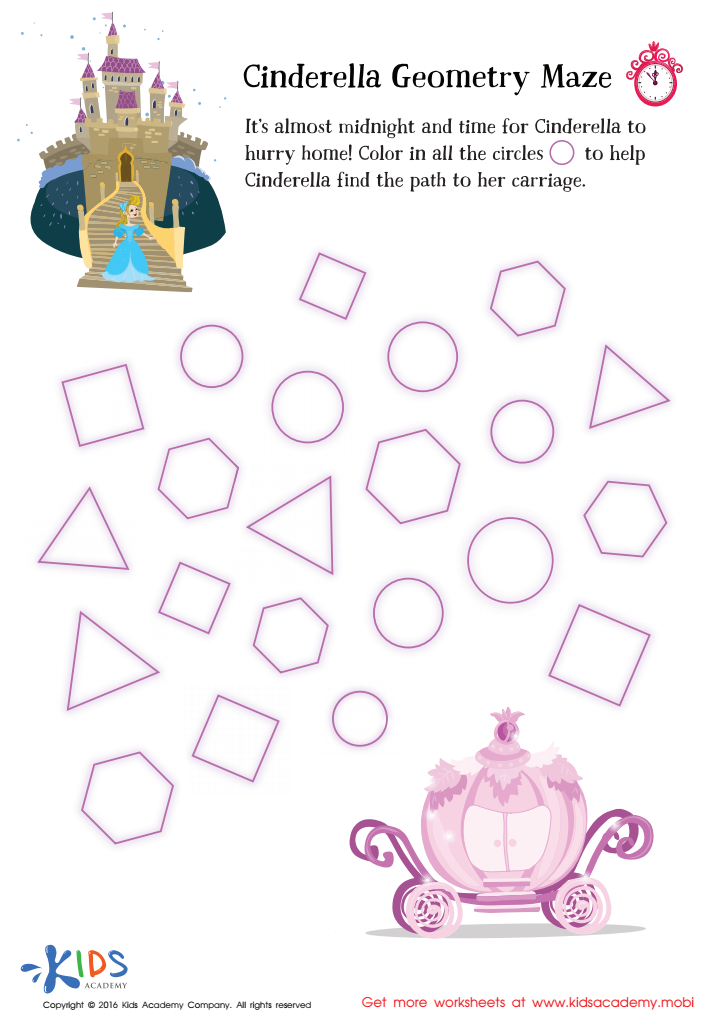
Cinderella Geometry Maze Worksheet
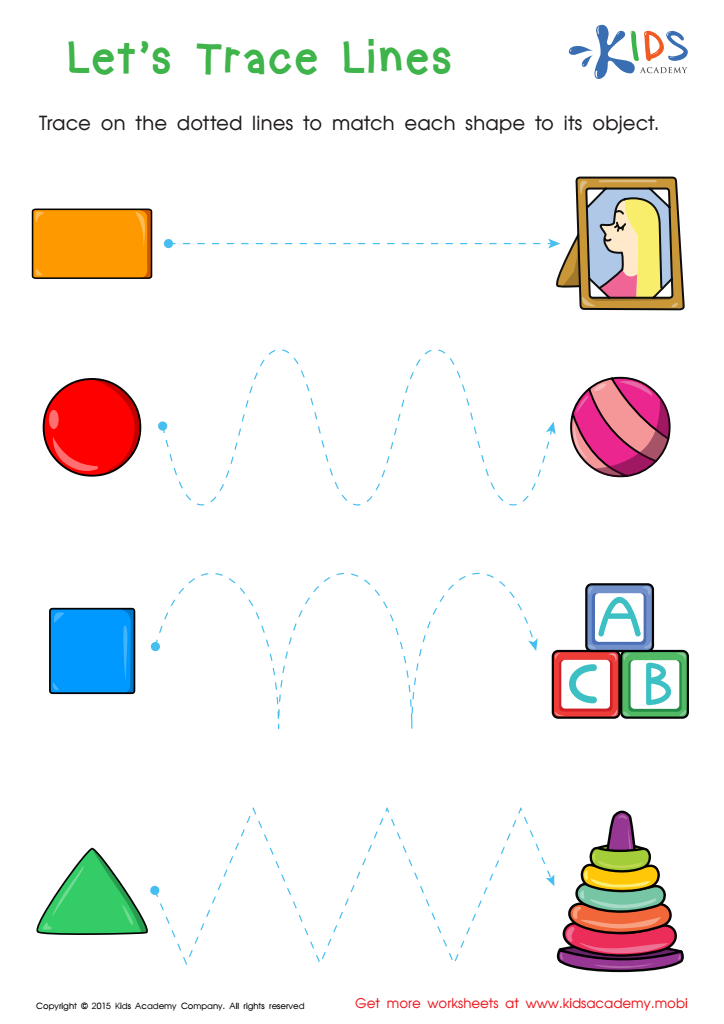
First Words: Let's Trace Lines Worksheet
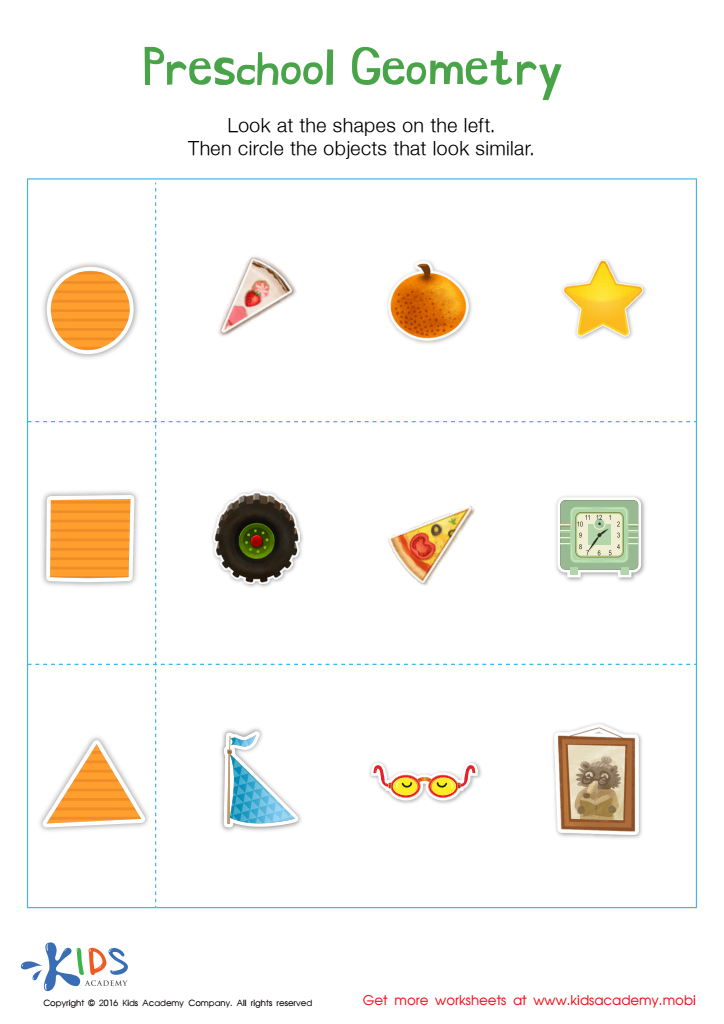
Preschool Geometry Match Up Worksheet
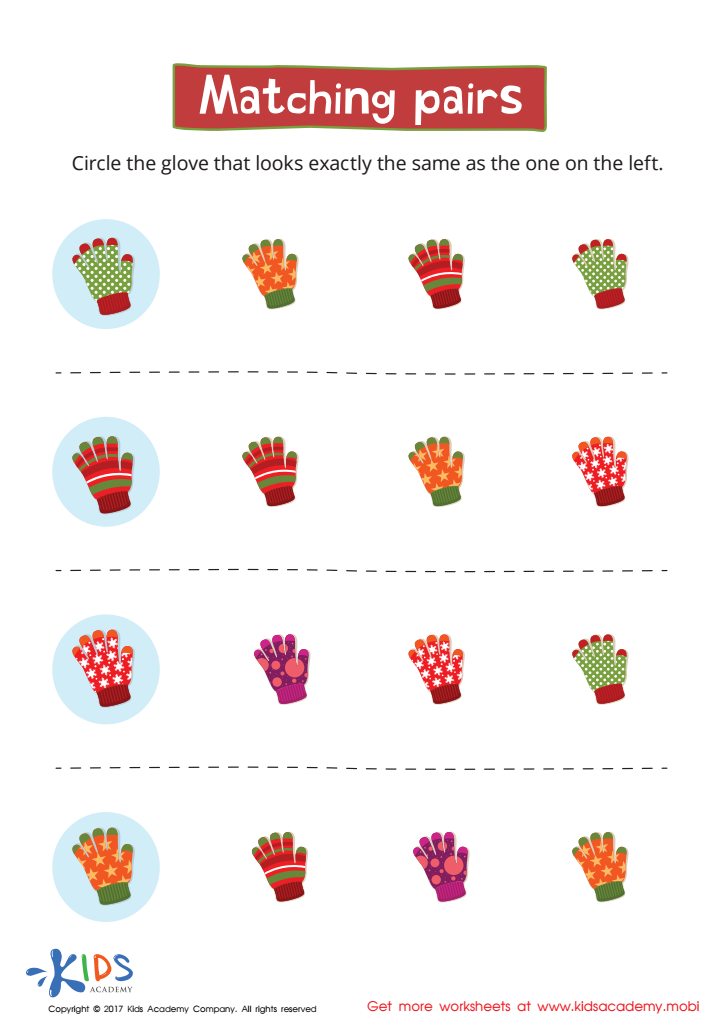
Matching: Matching Pairs Worksheet
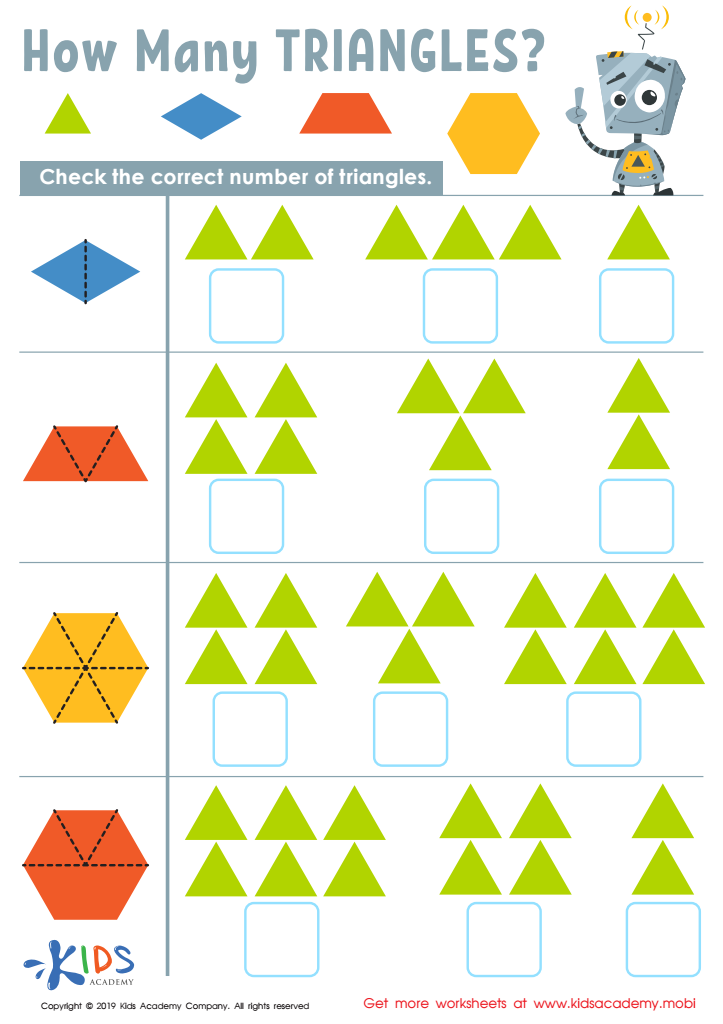
How Many Triangles Worksheet
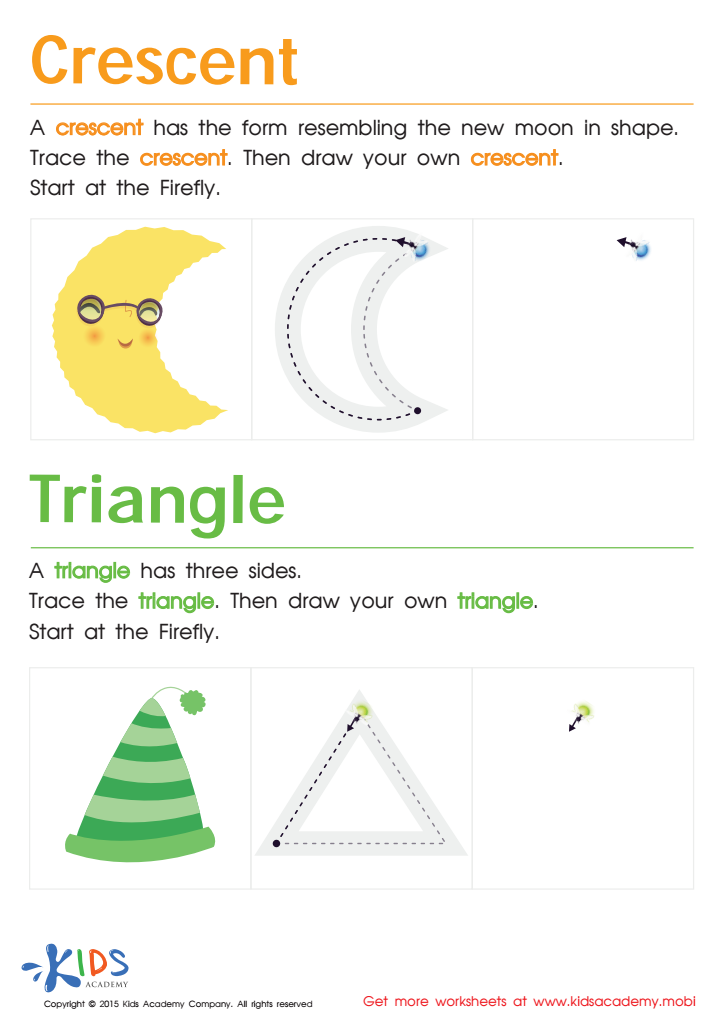
Learning to Draw Crescents And Triangles Worksheet
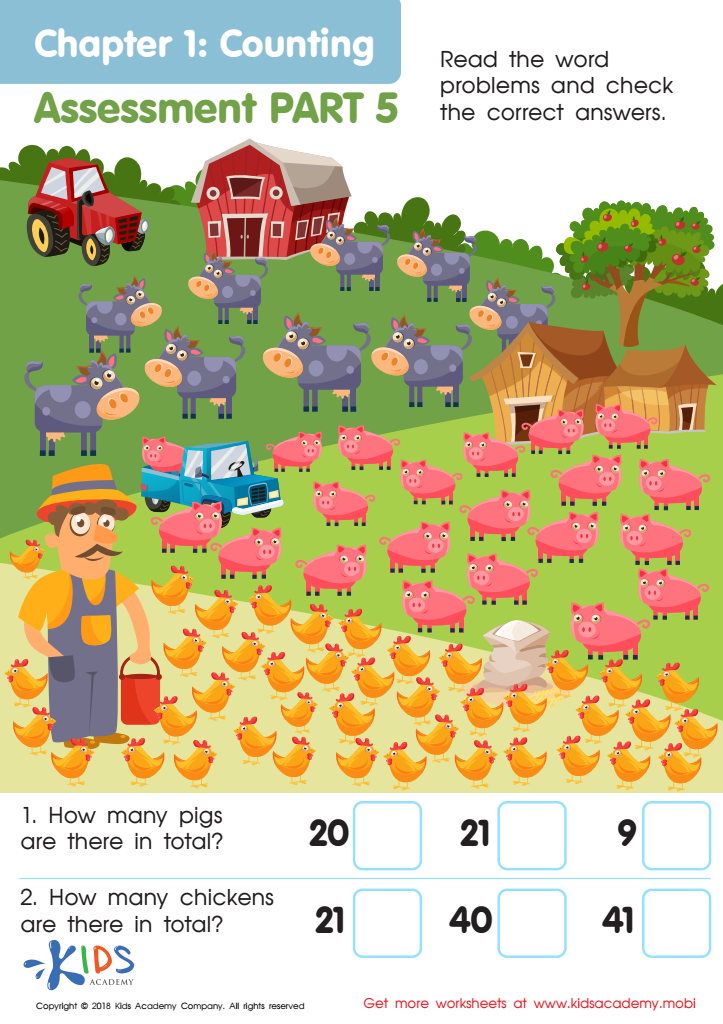
Counting: Assessment 5 Worksheet
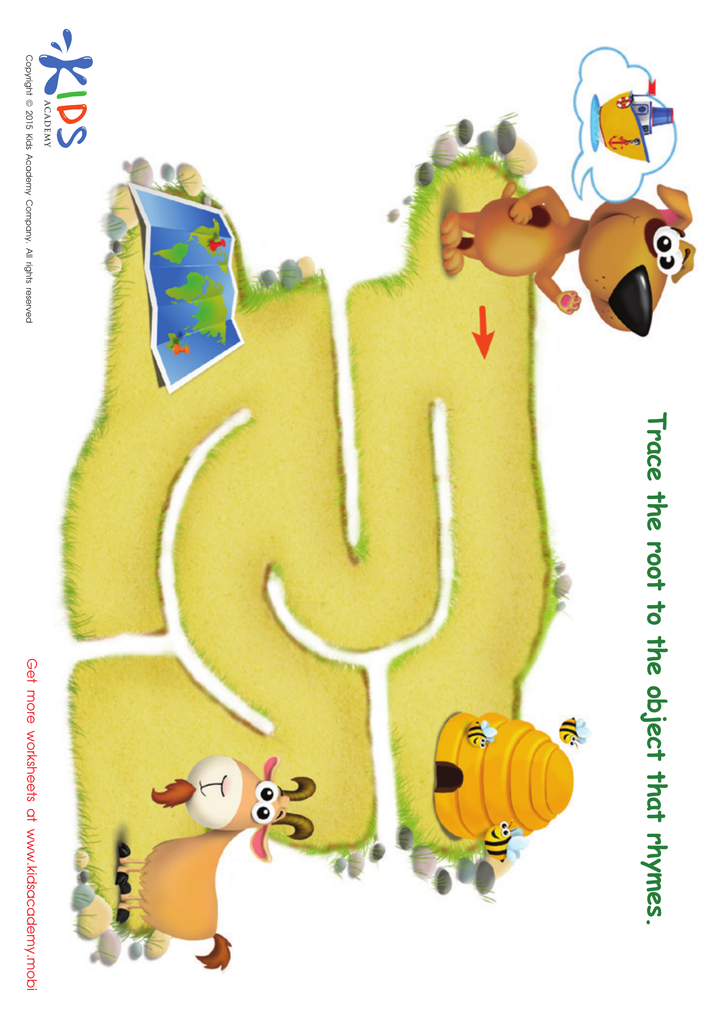
Boat Rhyming Words Worksheet
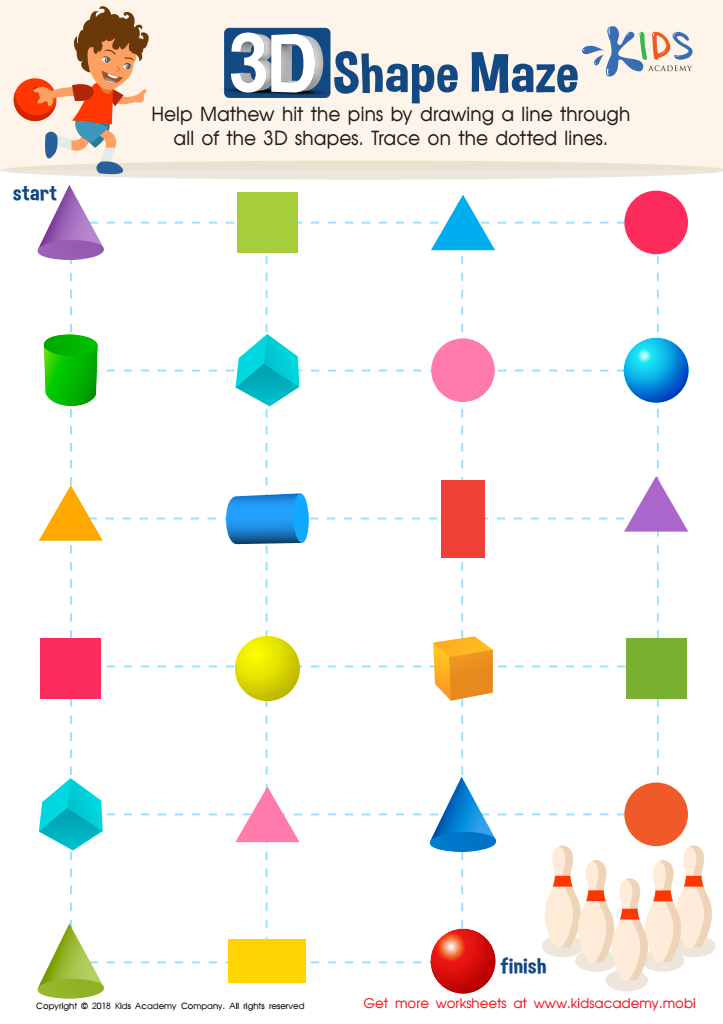
Shapes Maze Geometry Worksheet
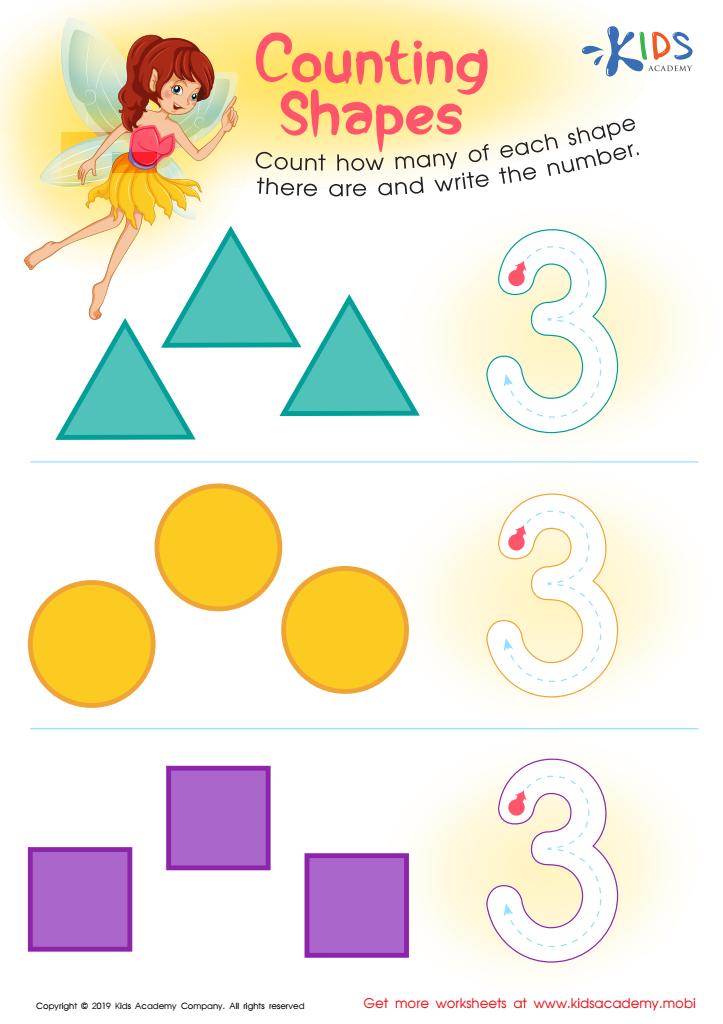
Counting Shapes Worksheet
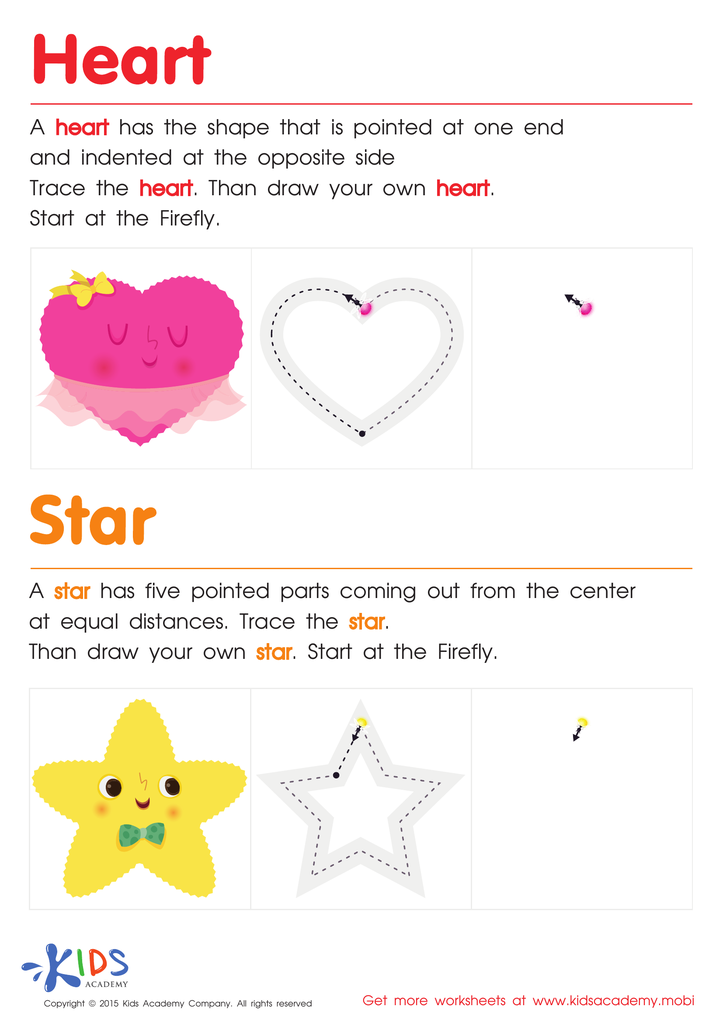
Let's Learn to Draw Hearts And Stars Printable
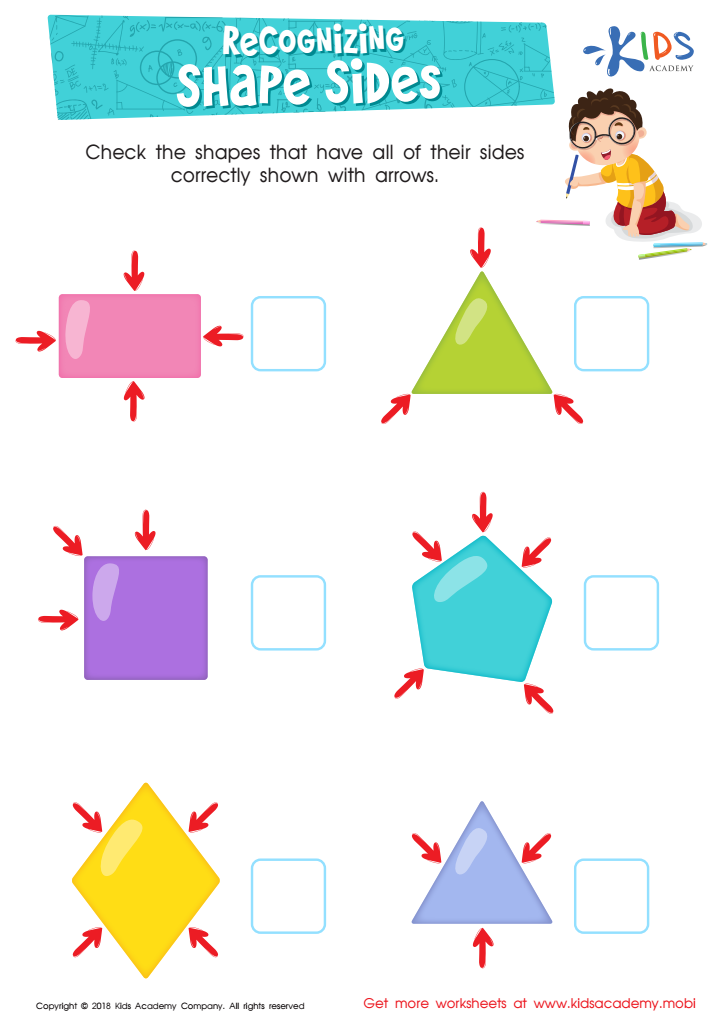
Recognizing Shape Sides Worksheet
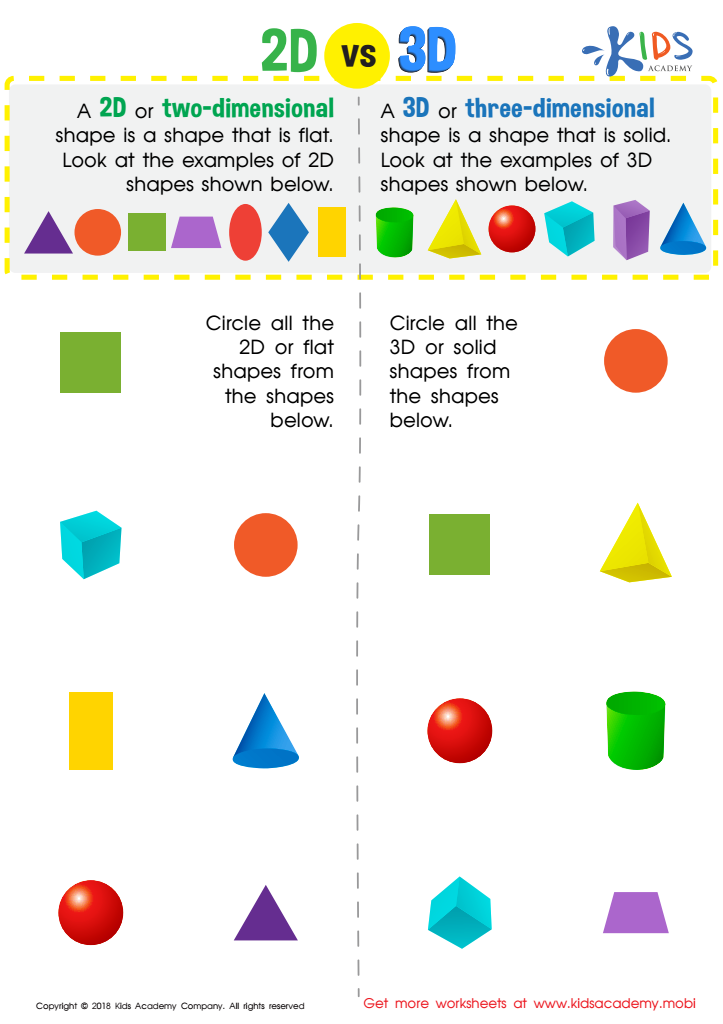
2D vs 3D Shapes Worksheet








Shape recognition is a fundamental skill for children aged 5-6 that lays the groundwork for their future mathematical understanding and cognitive development. At this age, children's brains are highly adaptable, making it an ideal time for them to engage with geometric concepts. Recognizing shapes helps children identify a variety of two- and three-dimensional figures, promoting spatial awareness and critical thinking.
When parents and teachers prioritize shape recognition, they help foster essential skills such as problem-solving and logical reasoning. These skills play a crucial role in subjects like math and science, where spatial reasoning is often applied. Additionally, shape recognition encourages observational skills, enabling children to connect their learning to the real world. For example, they can identify shapes in everyday objects, enriching their environment and enhancing their learning experience.
Moreover, shape recognition can support language development, as children learn the vocabulary associated with different shapes, sizes, and positions. By incorporating activities like sorting, drawing, and building with shapes, both parents and teachers provide opportunities for hands-on learning that keep children engaged and excited about discovery. Ultimately, understanding shapes contributes to a solid foundation for future academic success and instills a sense of confidence as children explore the world around them.








