Flora and Fauna Worksheets for Ages 5-7 - Page 2
32 filtered results
-
From - To
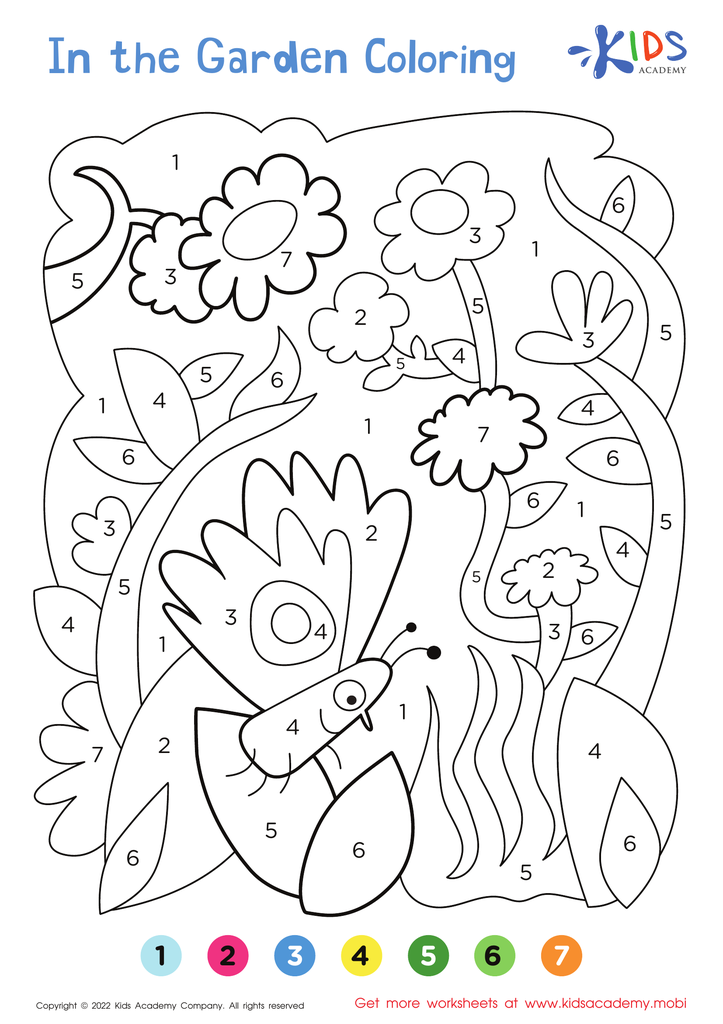
In the Garden – Coloring by Numbers
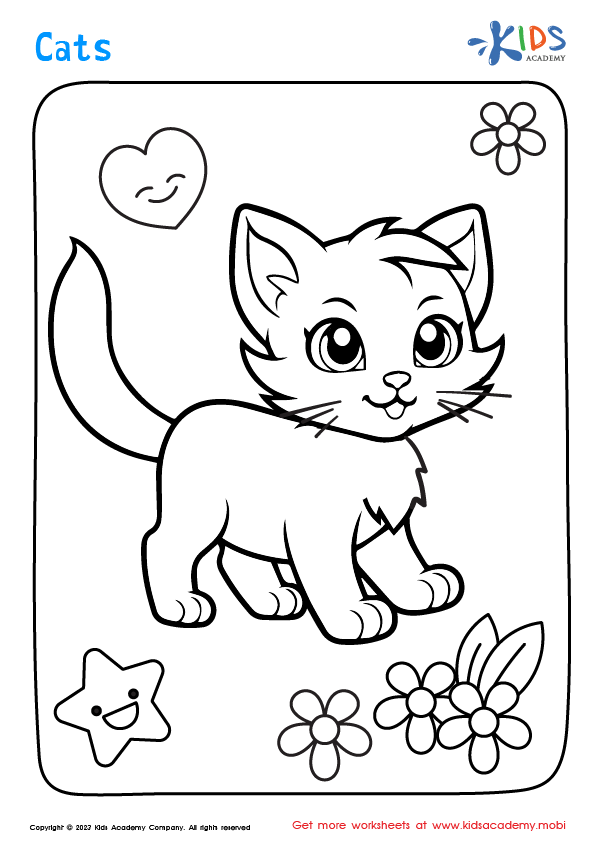


Teaching children about flora and fauna is essential for their development and understanding of the world around them. For ages 5-7, children are naturally curious about nature. Introducing them to plants (flora) and animals (fauna) helps foster this curiosity and cultivates a sense of wonder. Understanding flora can help kids learn about the food we eat, the natural habitats around them, and the importance of environmental conservation.
By exploring different habitats, children also learn about ecosystems and the interdependence of life, paving the way for empathy towards animals and plants. This knowledge encourages responsible behavior, such as recycling and protecting the environment, fostering future generations who care for our planet. Engaging with flora and fauna can stimulate creative thinking through storytelling and art, making it a rich learning experience.
Moreover, time spent outdoors enhances physical health and encourages active play, essential for young children's development. Teachers and parents should inspire love for nature, as this forms the foundation for environmental stewardship and builds lifelong positive connections to the natural world. Overall, prioritizing lessons in flora and fauna enriches children's learning experiences, supports their emotional and social growth, and nurtures their role as conscientious future caretakers of the planet.