Critical Thinking Worksheets for Ages 5-7 - Page 5
132 filtered results
-
From - To
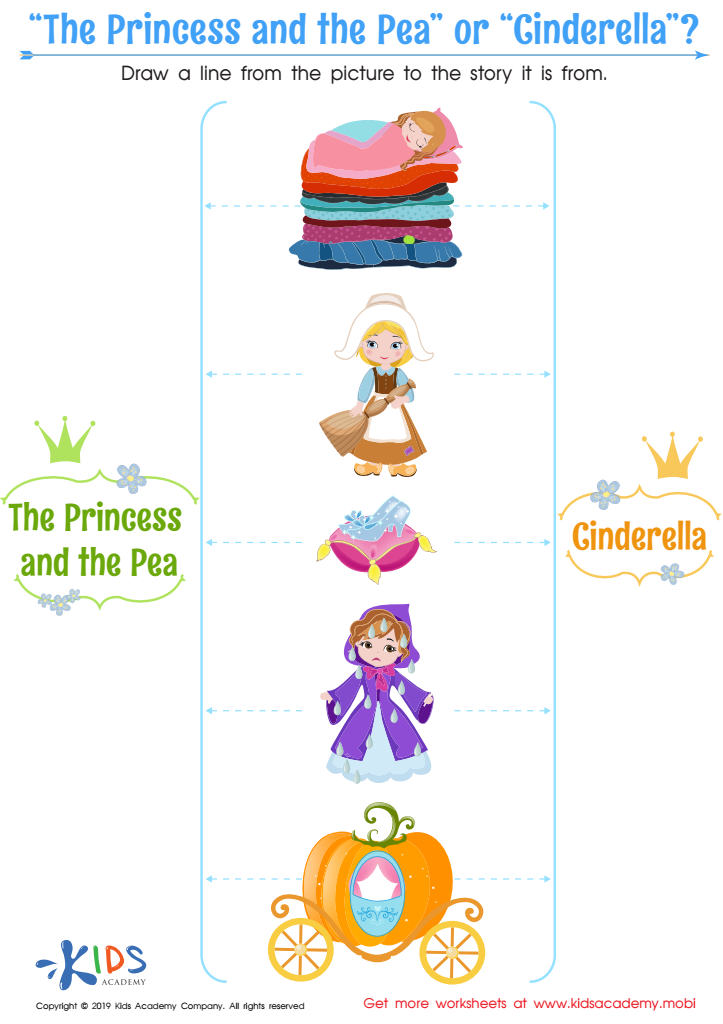
“The Princess and the Pea” or “Cinderella” Worksheet
 Assign to My Students
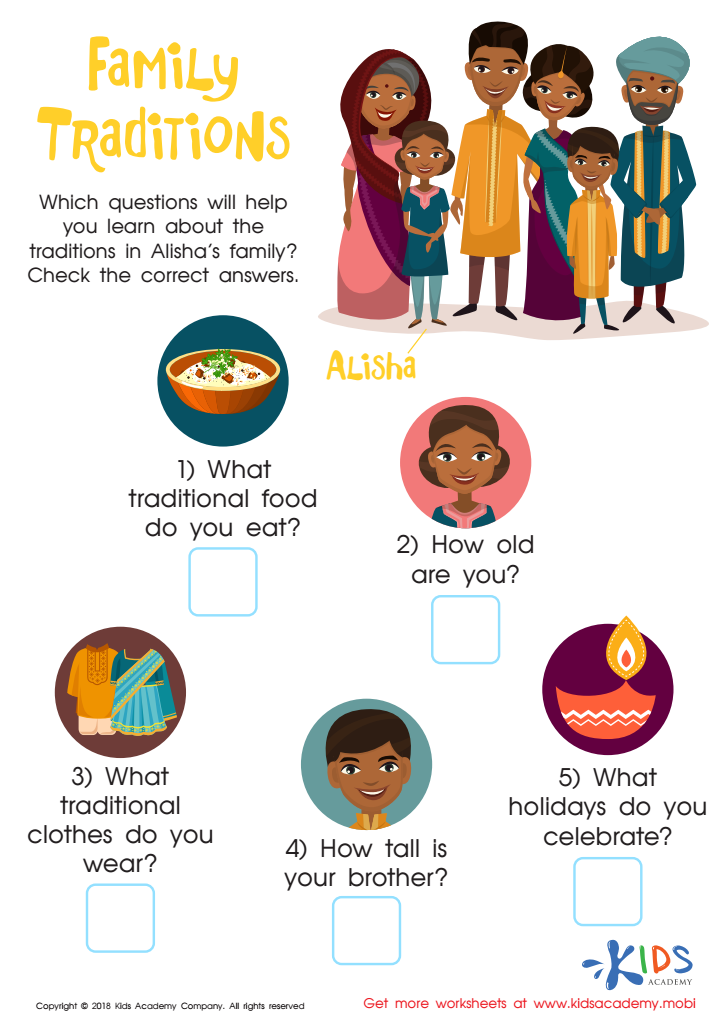
Family Traditions Worksheet
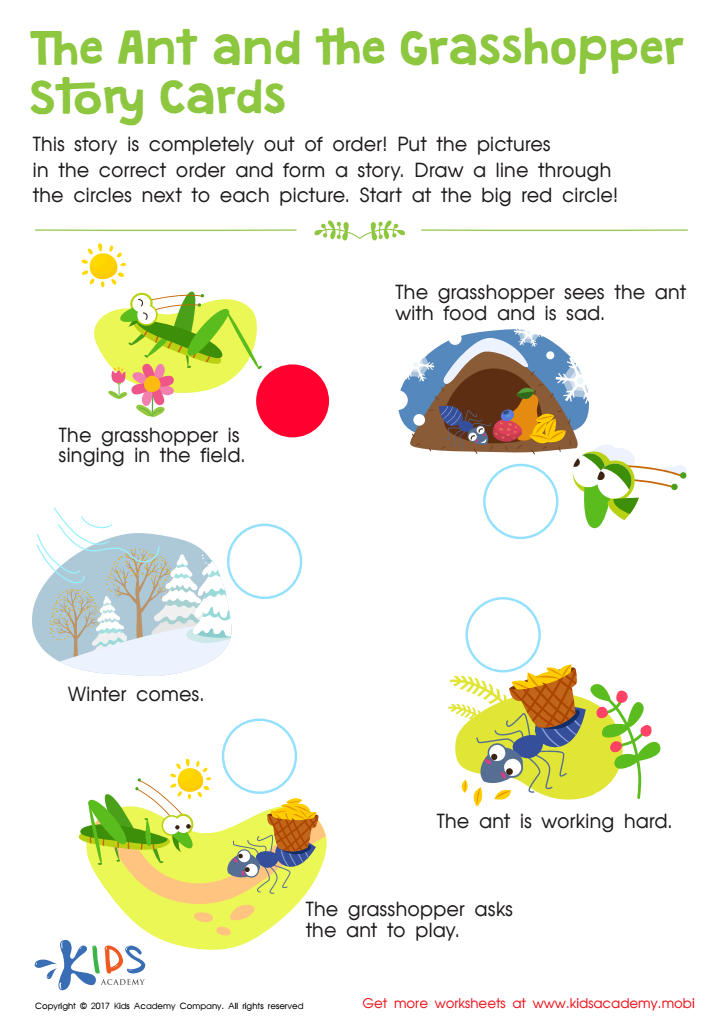
The Ant and The Grasshopper Worksheet
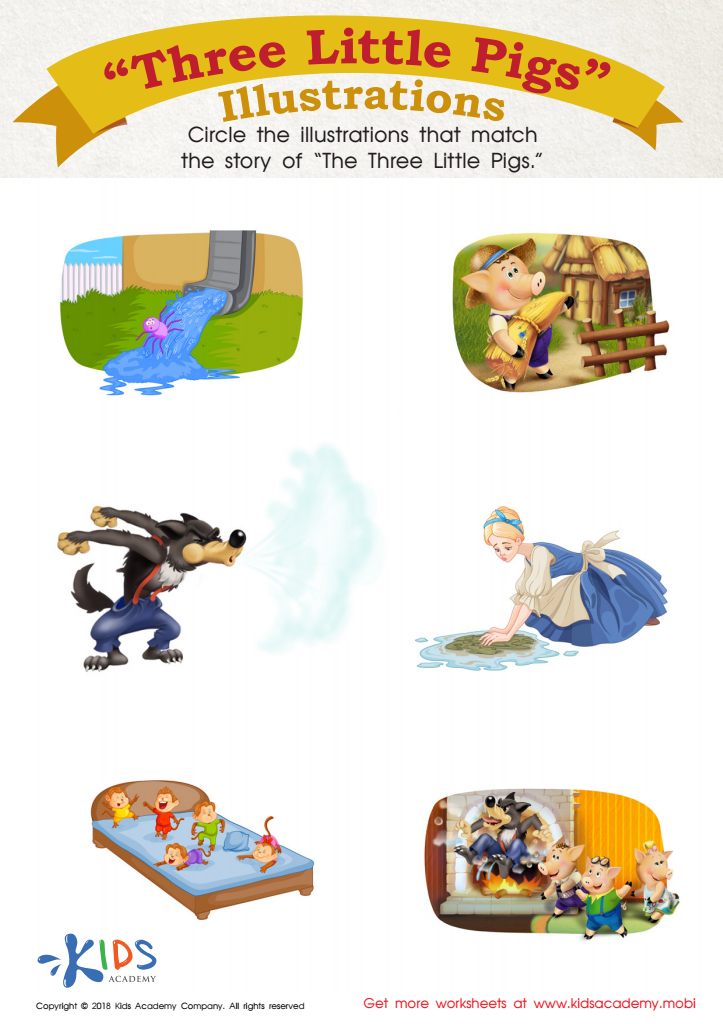
Three Little Pigs: Illustrations Worksheet

Questions About Stories: Assessment 1 Worksheet

Leprechaun Maze Printable
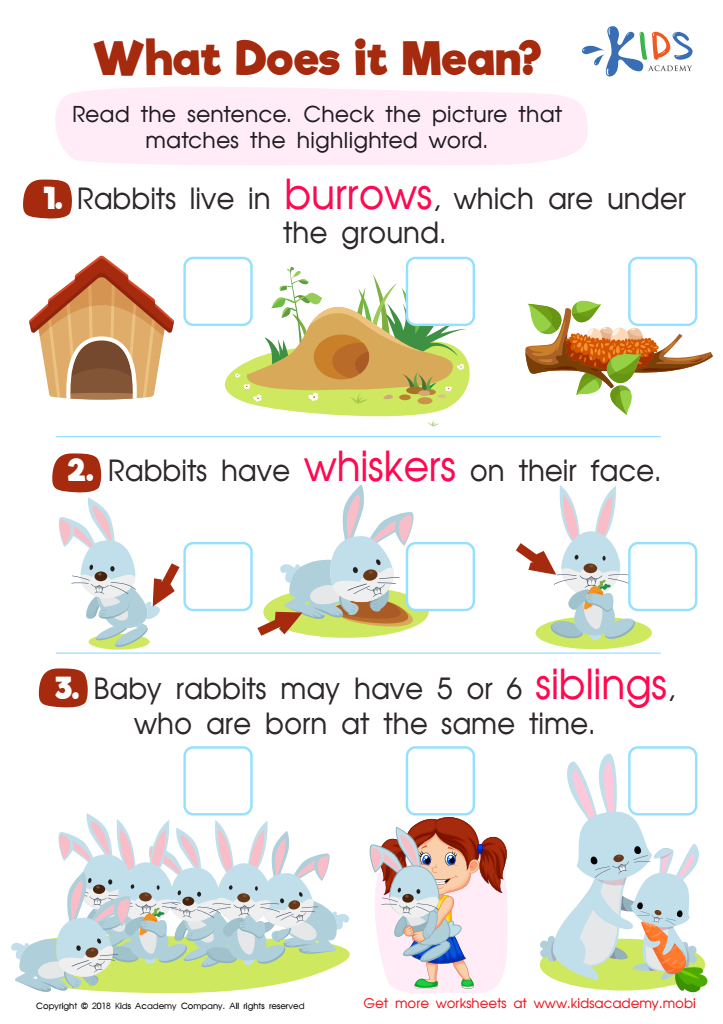
What Does It Mean? Worksheet
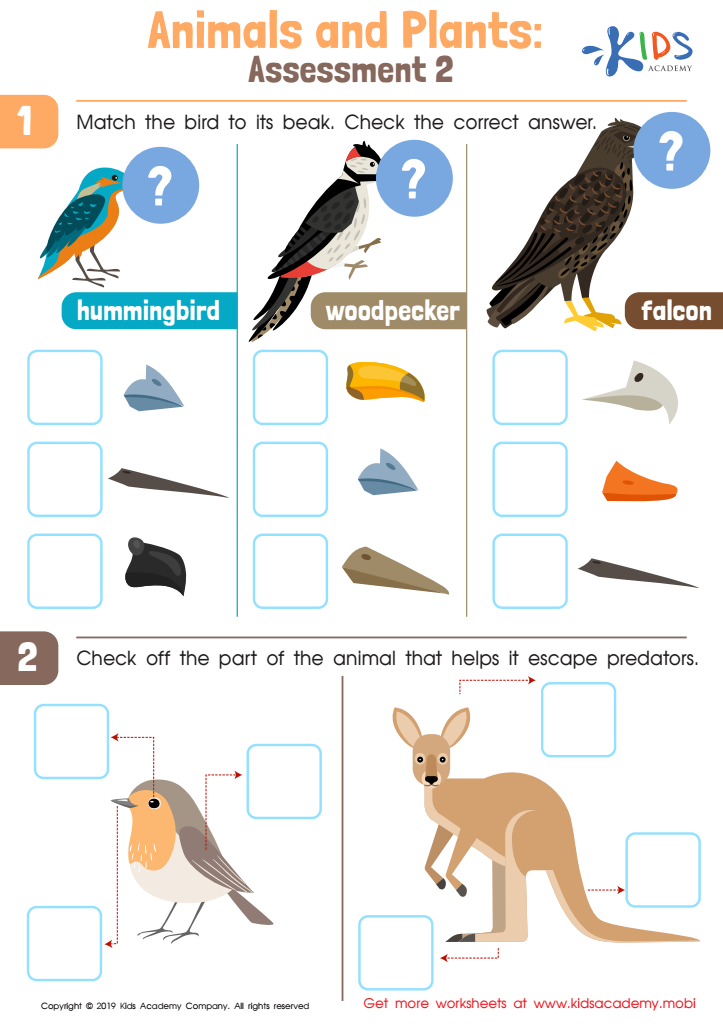
Animals and Plants: Assessment 2 Worksheet
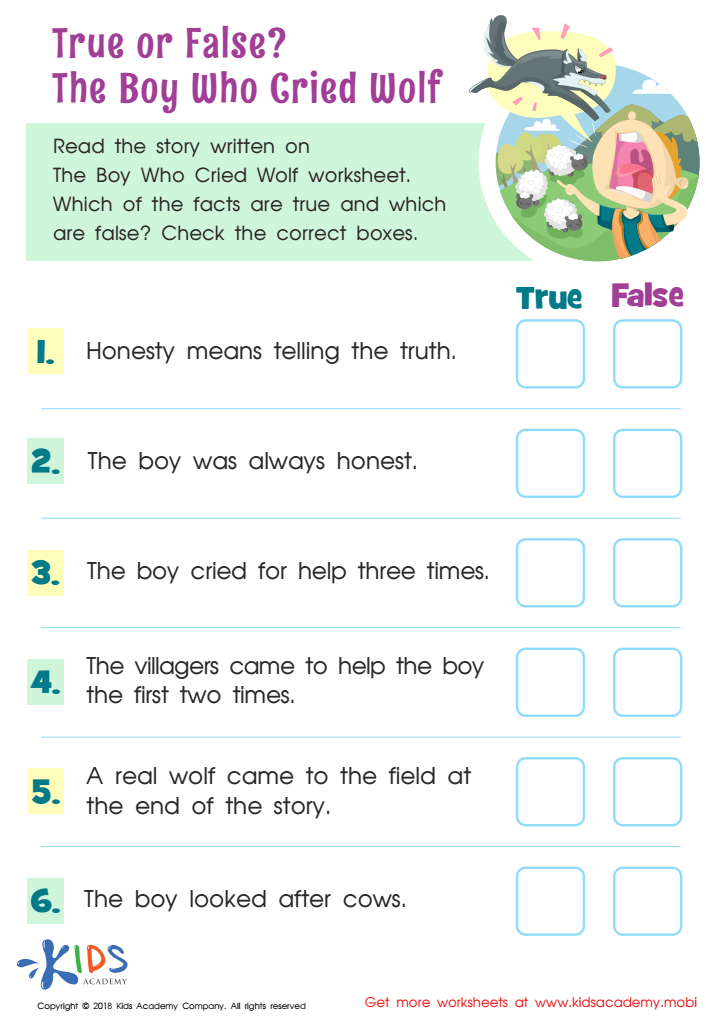
True or False? The Boy Who Cried Wolf Worksheet
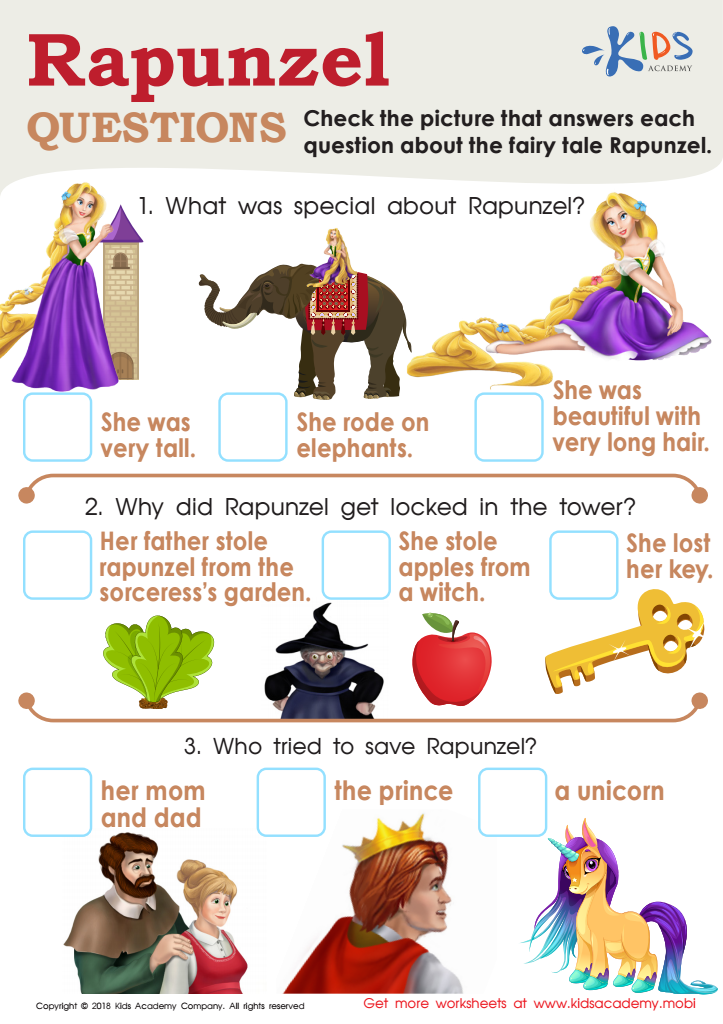
Rapunzel Questions Worksheet
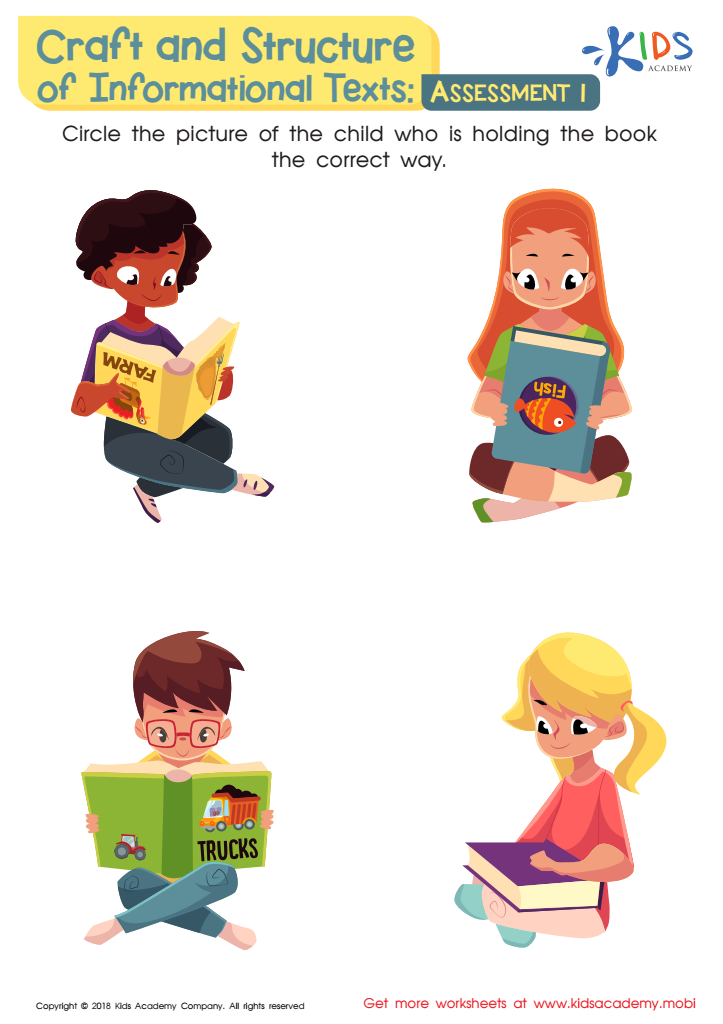
Craft and Structure of Informational Texts: Assessment 1 Worksheet
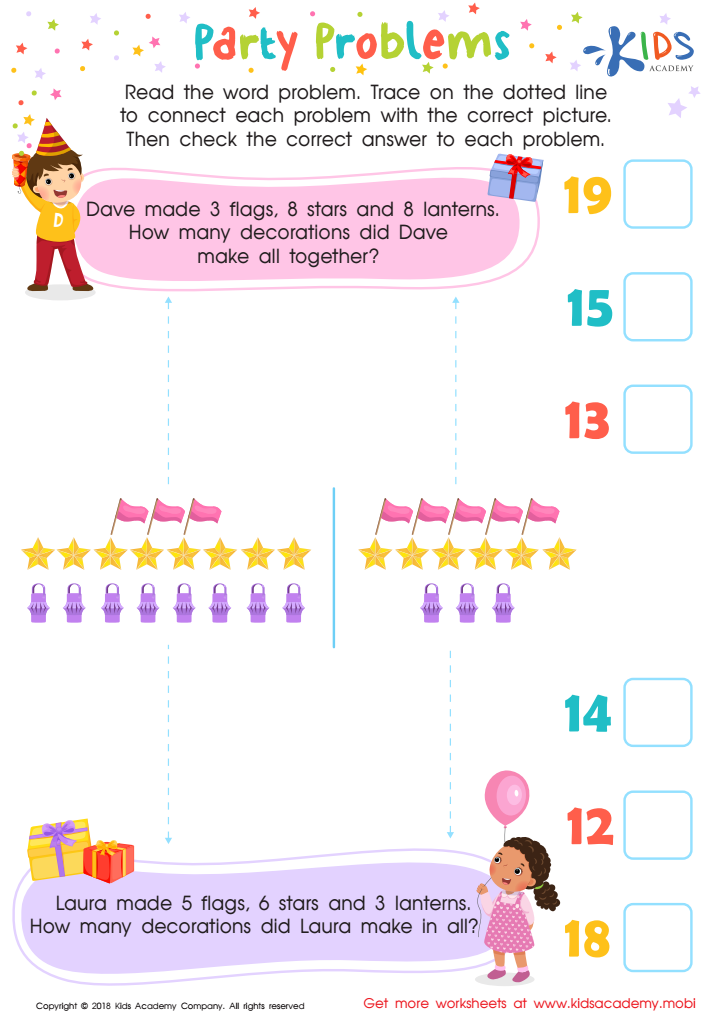
Party Problems Worksheet
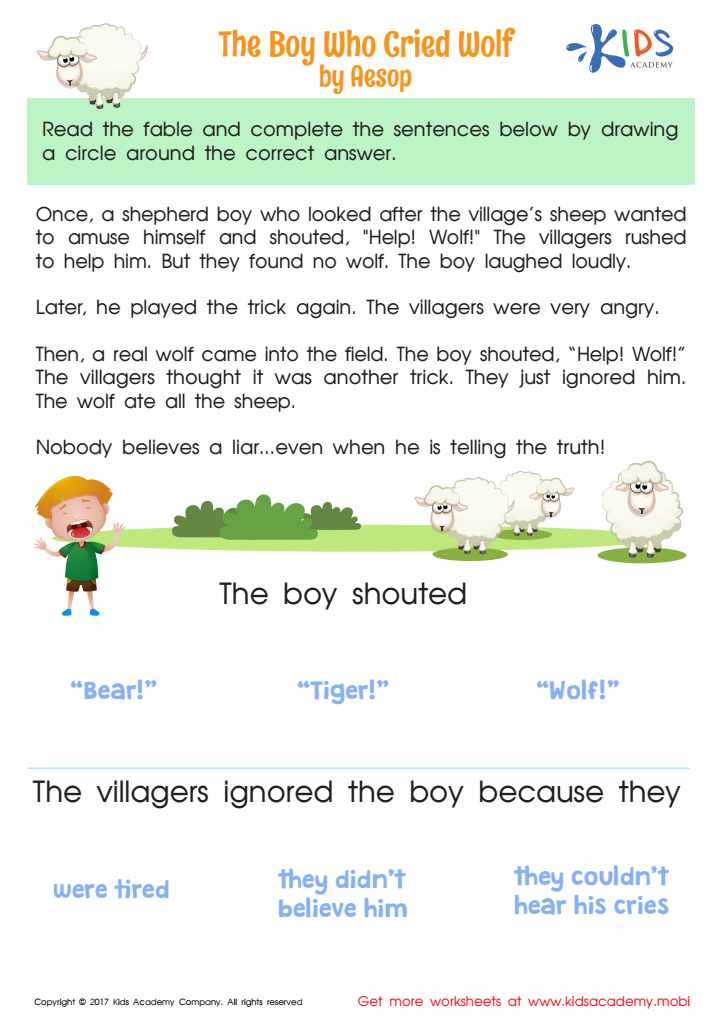
The Boy Who Cried Wolf Worksheet

Assessment: First Thanksgiving Worksheet
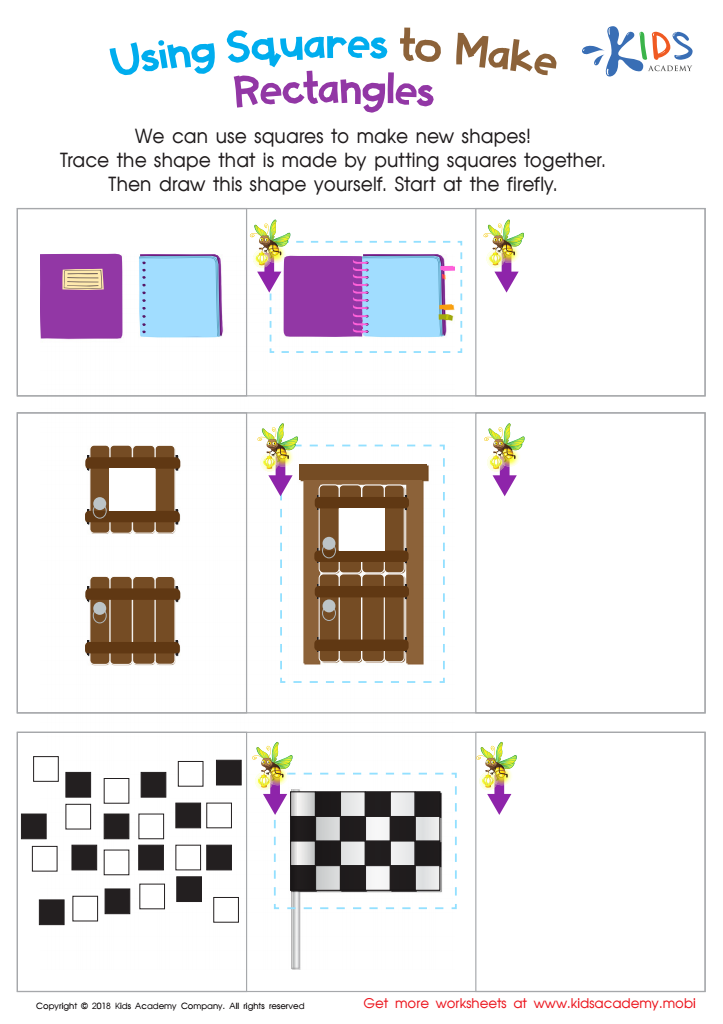
Using Squares to Make Rectangles Worksheet
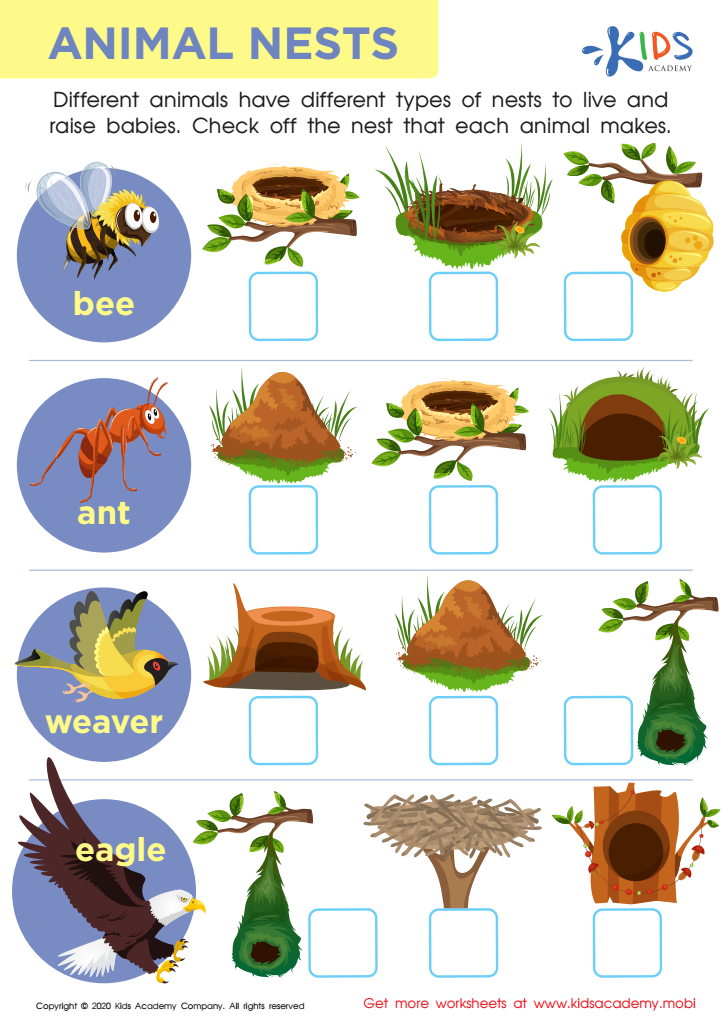
Animal Nests Worksheet
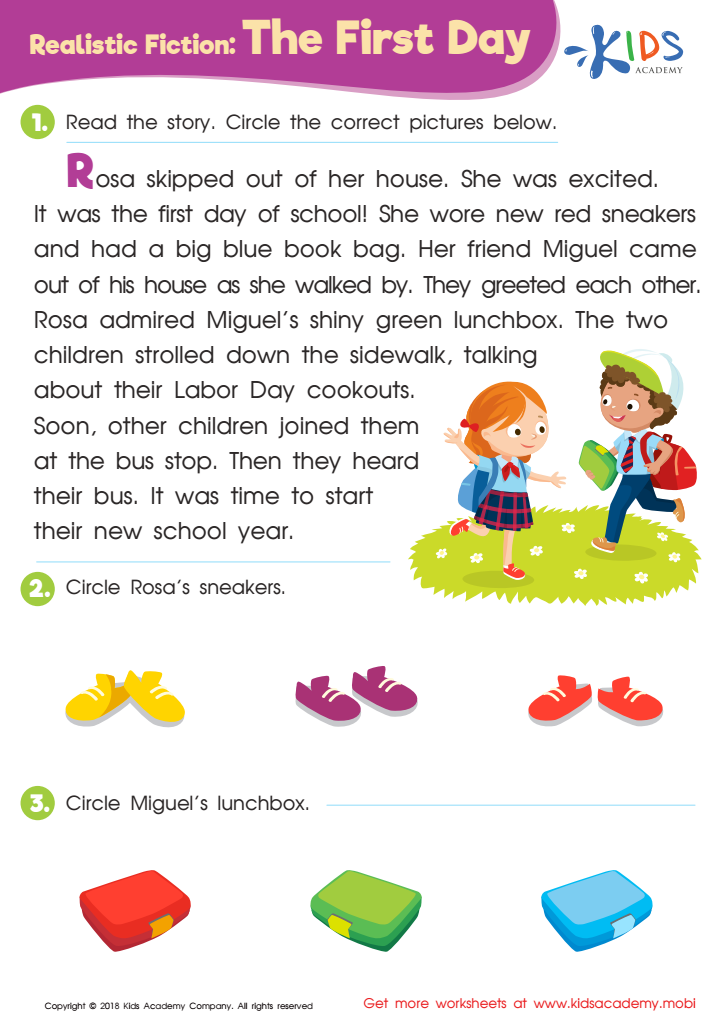
Realistic Fiction: The First Day Worksheet
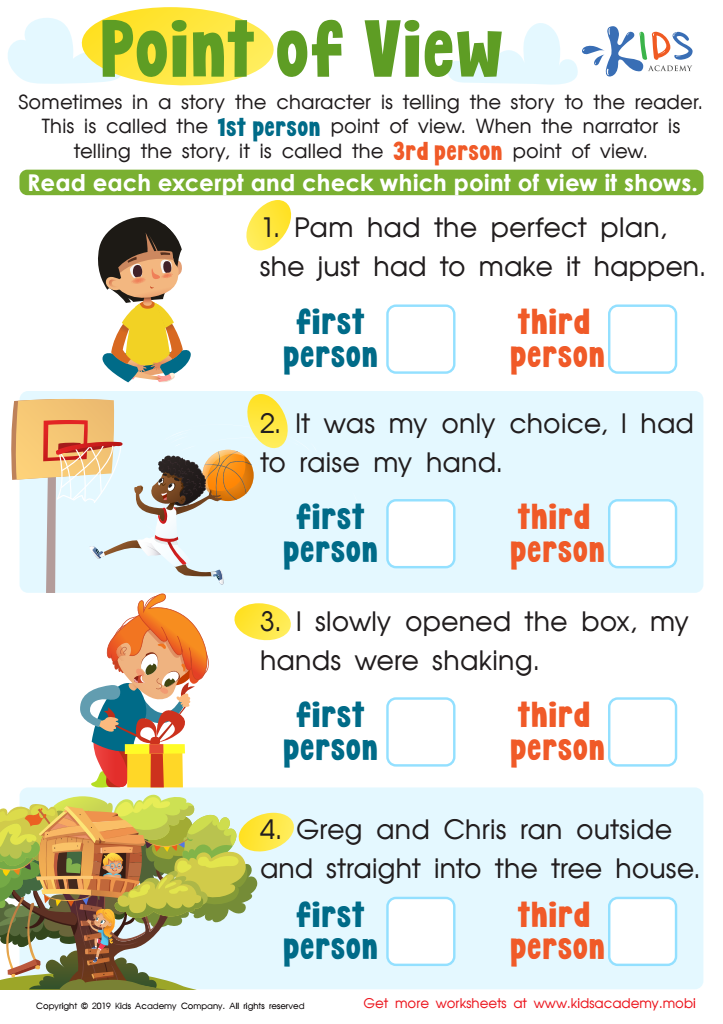
Point of View Printable
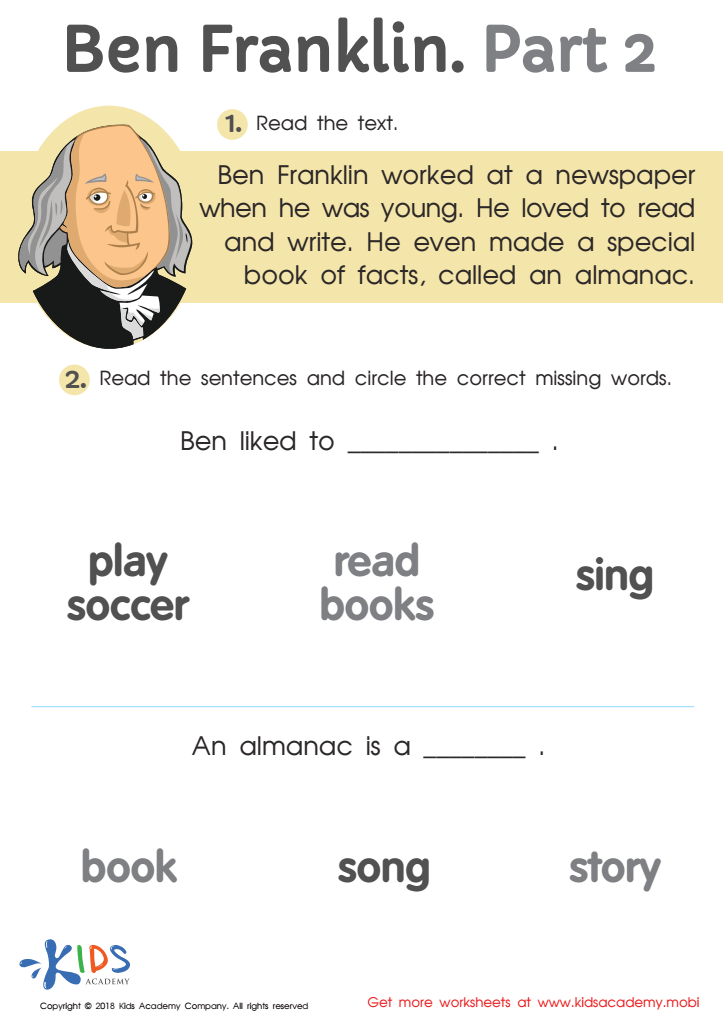
Ben Franklin Part 2 Worksheet

The Four Seasons Worksheet
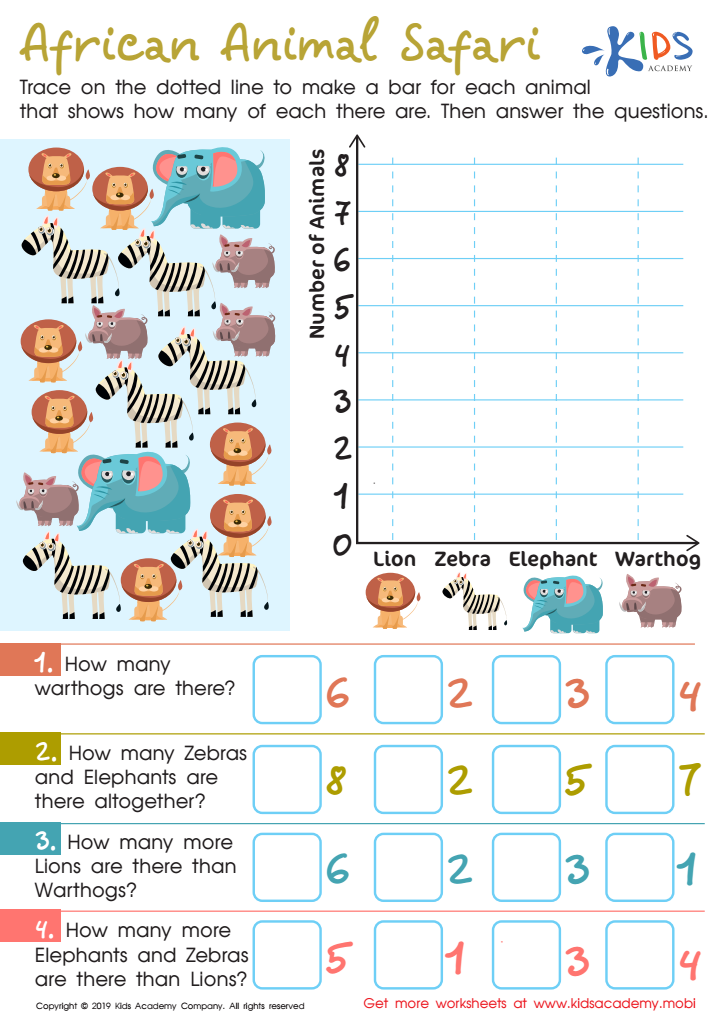
African Animal Safari Worksheet
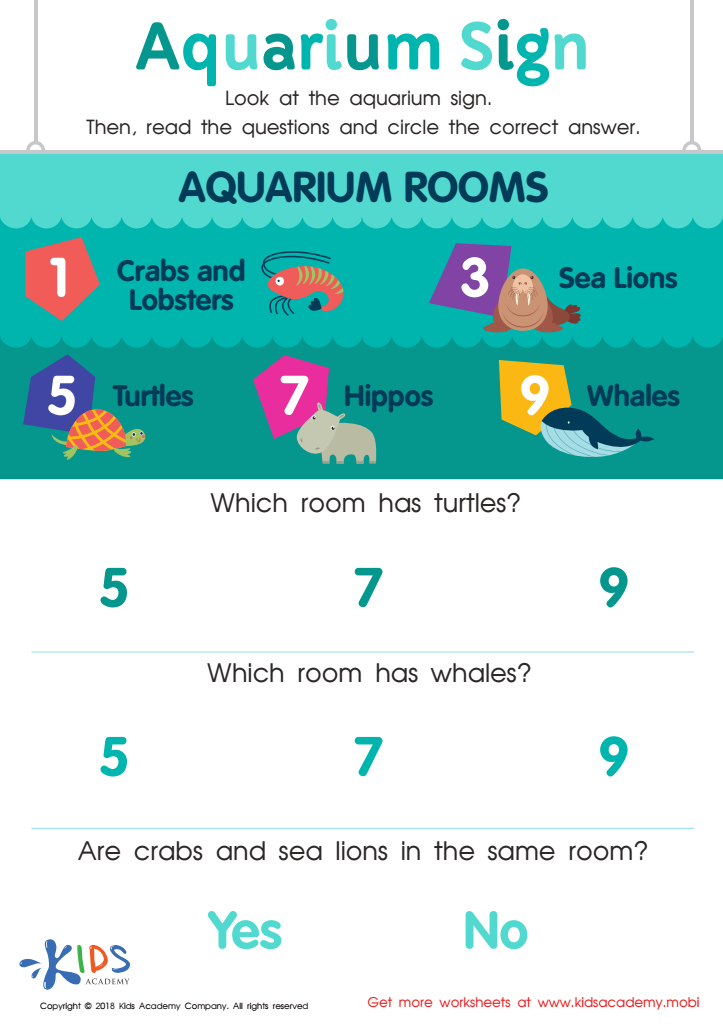
Assessment: Aquarium Sign Worksheet







Critical thinking for children ages 5-7 is foundational for their development because it equips them with essential skills to understand and interact with the world more effectively. At this impressionable age, children's brains are rapidly developing, making it an ideal time to instill the ability to think clearly, analyze information, and solve problems.
Encouraging critical thinking helps young children become active learners rather than passive recipients of information. They learn to ask questions, evaluate evidence, and consider multiple perspectives. For instance, when they weigh the pros and cons of sharing their toys, they start learning about empathy, fairness, and negotiation.
Developing these skills early also sets the stage for academic success. Subjects like math and science are fundamentally rooted in logical thinking and problem-solving. For example, understanding cause-and-effect relationships can enhance their grasp of basic scientific concepts, or solving puzzles can improve mathematical skills.
Moreover, critical thinking fosters self-confidence and independence. When children know how to approach problems and make informed decisions, they become more capable of handling social interactions and daily challenges. This kind of resilience is invaluable throughout life.
In summary, fostering critical thinking in young children provides them with a toolkit for lifelong learning, helps them succeed academically, and prepares them to be thoughtful, capable individuals. Thus, it's crucial for both parents and teachers to prioritize these skills early on.








