Logic development Worksheets for Ages 5-7
4 filtered results
-
From - To
Welcome to our Logic Development Worksheets for Ages 5-7! Designed to inspire critical thinking and problem-solving skills, these engaging worksheets provide young learners with fun activities that enhance logical reasoning. Targeted for early childhood education, our resources include puzzles, patterns, sorting tasks, and fun games that challenge children to analyze and make connections. Real-world scenarios help children apply logical thinking in everyday situations, making learning both enjoyable and practical. Perfect for both home and classroom use, our worksheets support educators and parents in nurturing curious minds. Download now to help your child develop essential logic skills while having fun!
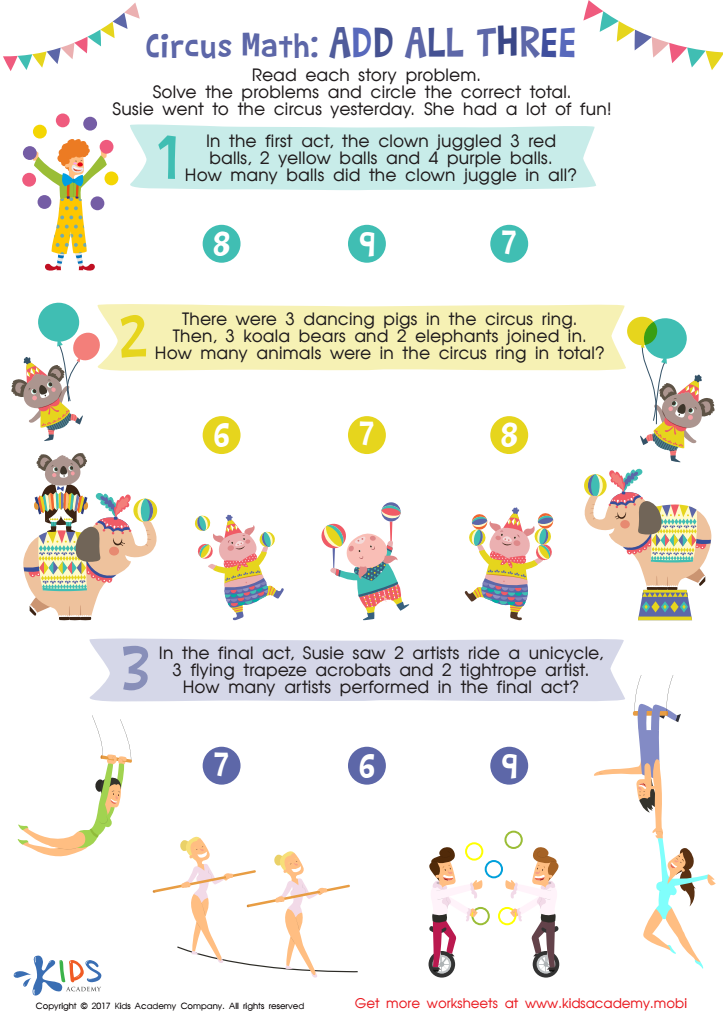
Circus Math Printable
 Assign to My Students
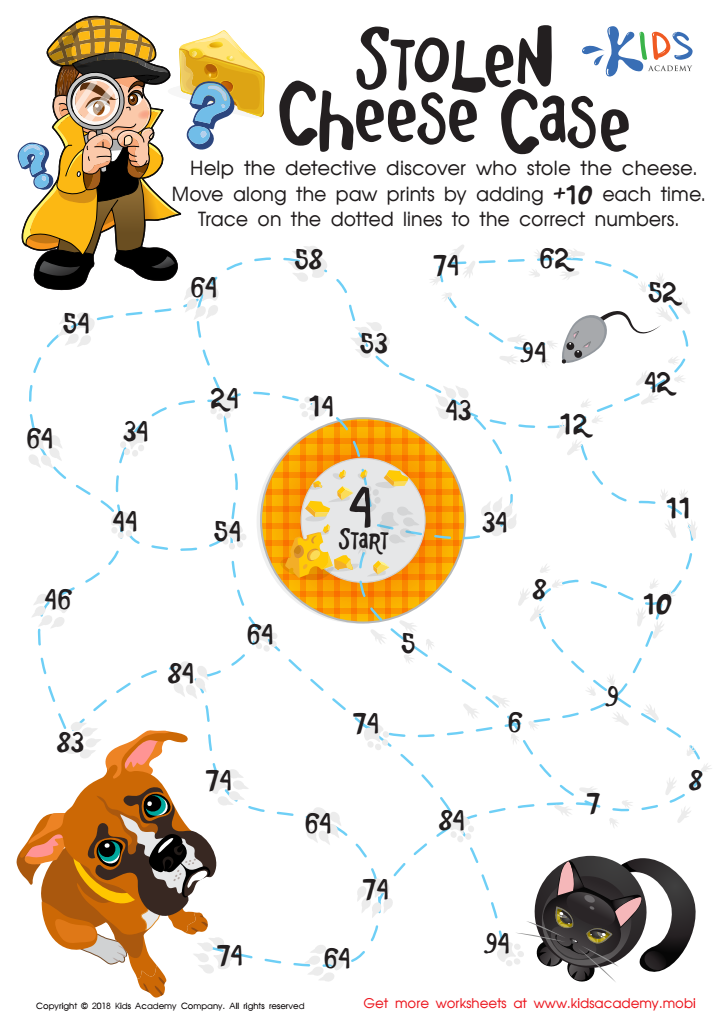
Stolen Cheese Case Maze Worksheet
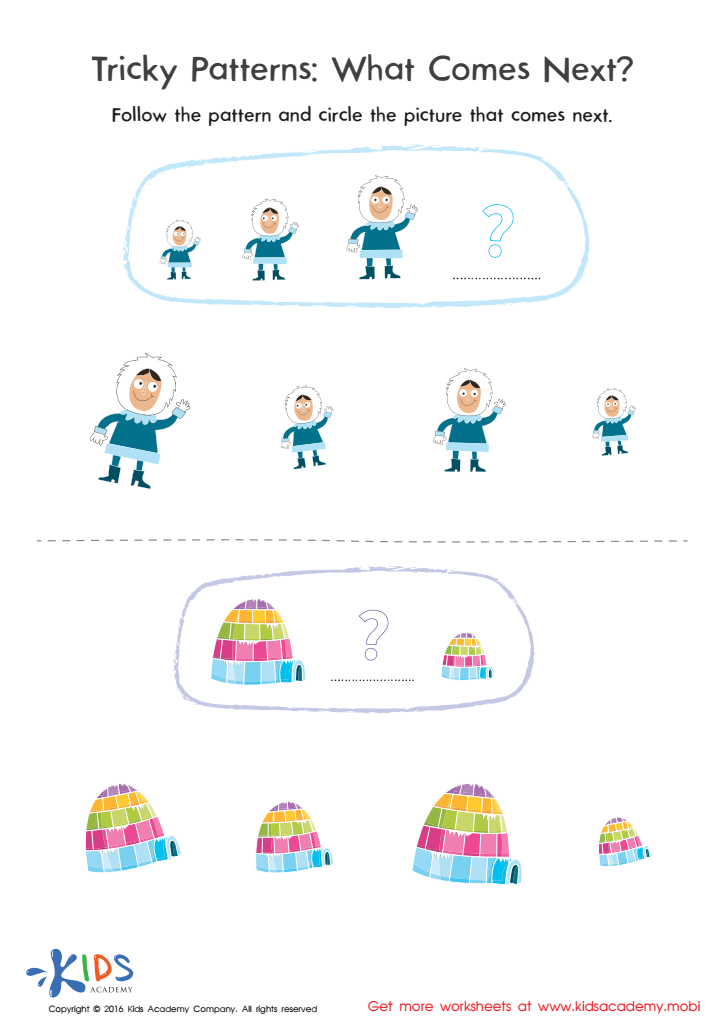
Tricky Patterns Size Worksheet
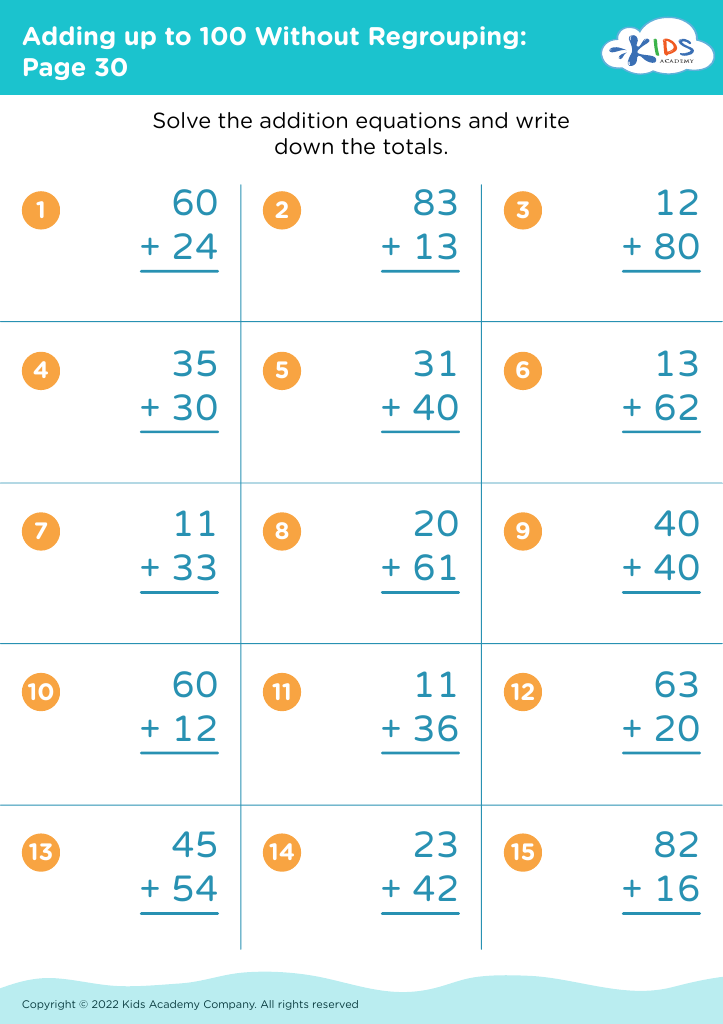







Logic development is crucial for children aged 5-7 as it lays the foundation for critical thinking and problem-solving skills that they will utilize throughout their education and life. At this age, children are naturally curious and begin to understand relationships between ideas and concepts. Encouraging logical thinking helps them make sense of the world around them, fostering not only cognitive growth but also social and emotional skills.
Parents and teachers should prioritize logic development because it enhances reasoning abilities, enabling children to make informed decisions and recognize cause and effect. Moreover, through activities like puzzles, games, and storytelling, children learn to categorize information, identify patterns, and create connections—skills that directly impact their mathematical and scientific understanding.
Early logic skills correlate with better academic performance and equip children to face complex challenges in the future. As they learn to analyze situations and think sequentially, they become more resilient and adaptable in overcoming difficulties. By focusing on logic development, caregivers can nurture young learners, giving them the tools they need for success in school and beyond. Ultimately, fostering these skills encourages a lifelong love of learning and curiosity.








