Number Recognition Worksheets for Ages 5-7 - Page 3
826 filtered results
-
From - To
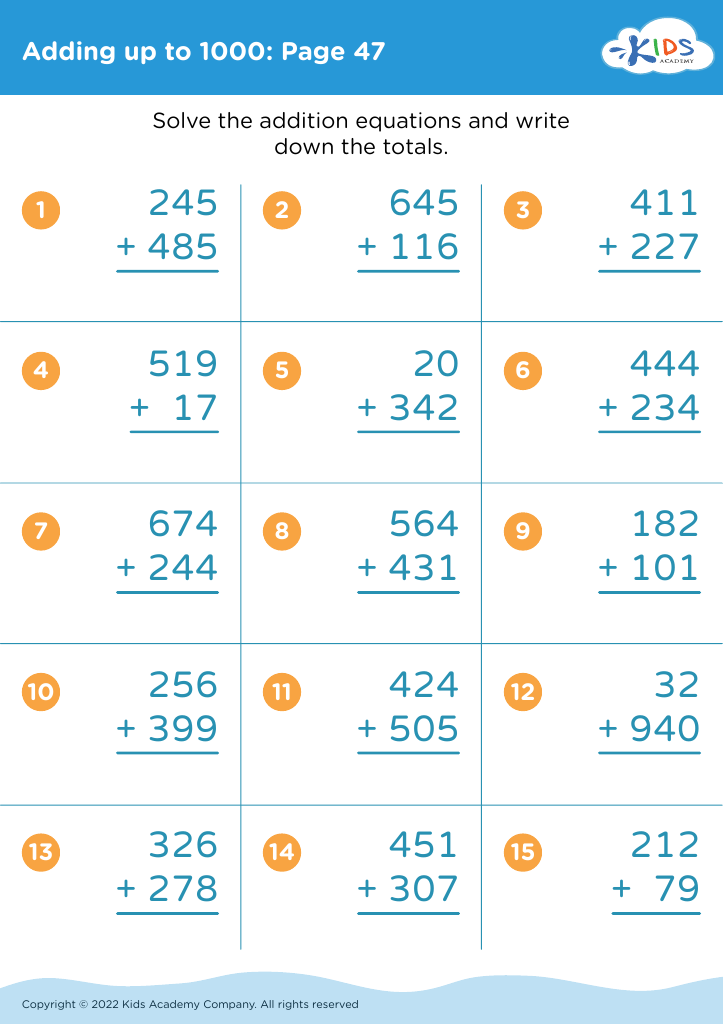
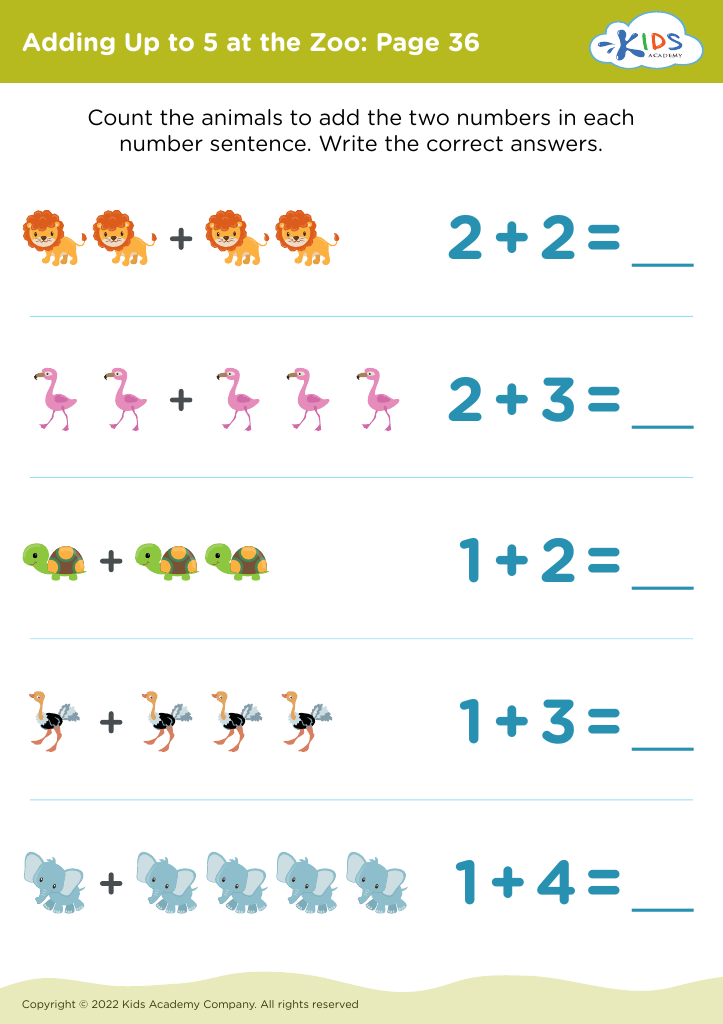
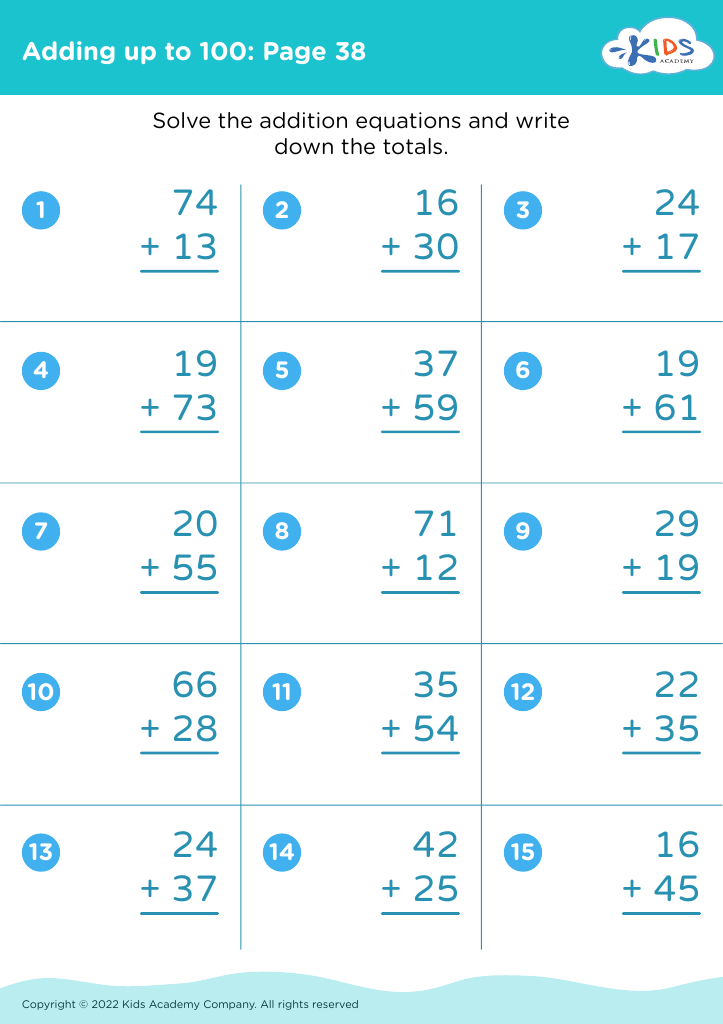
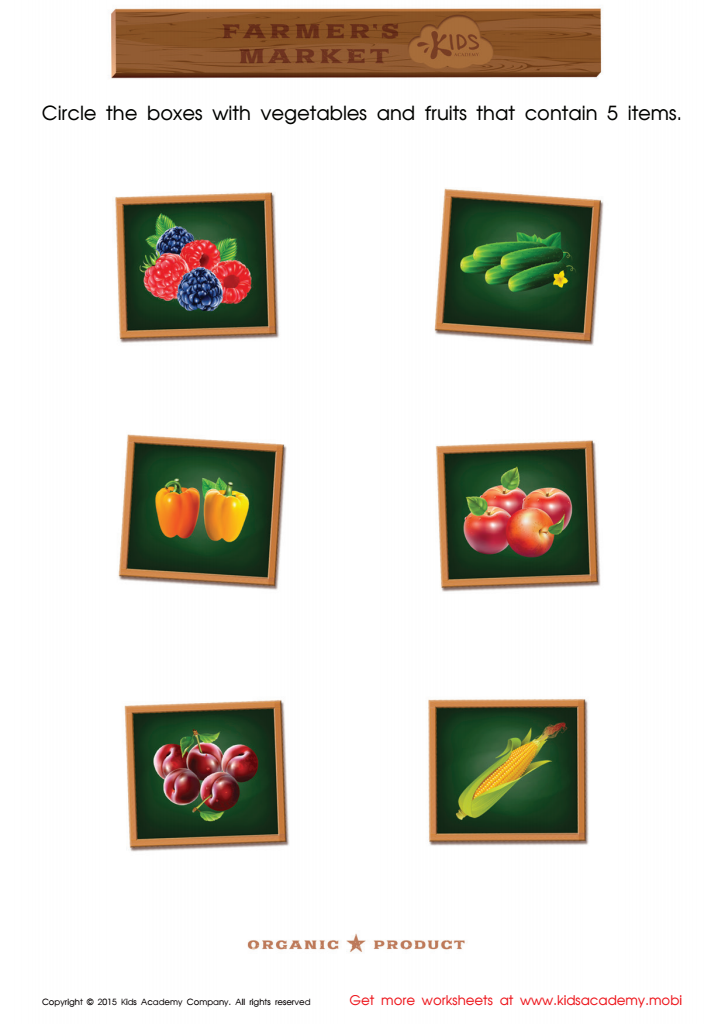
Count and Match Vegetables 1 – 7 Math Worksheet
 Assign to My Students
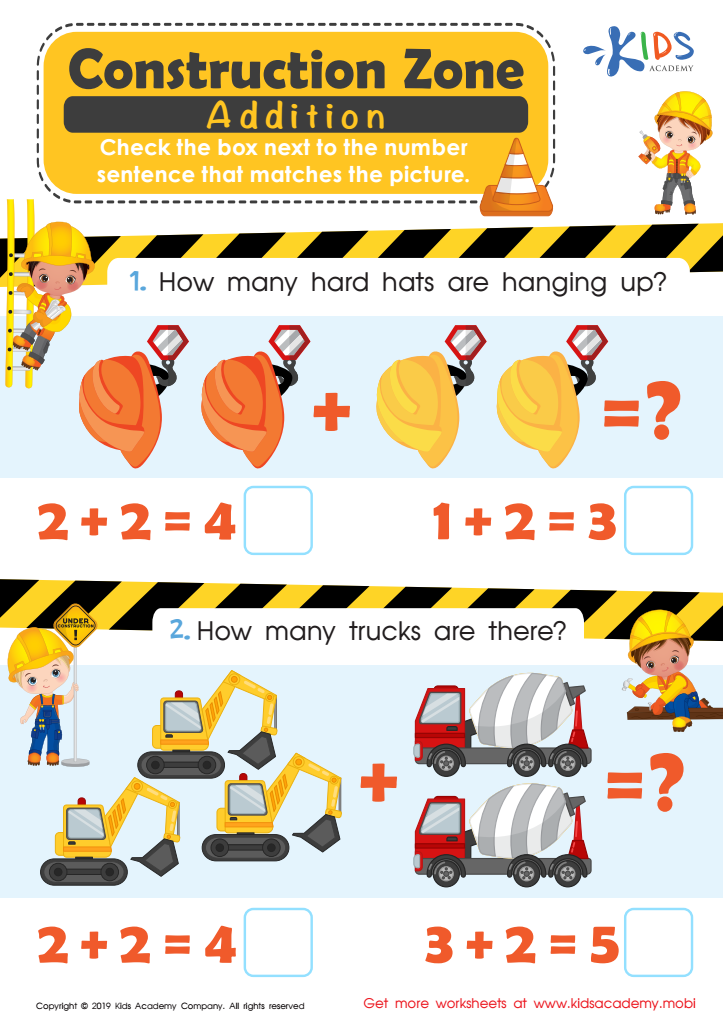
Construction Zone Addition Worksheet
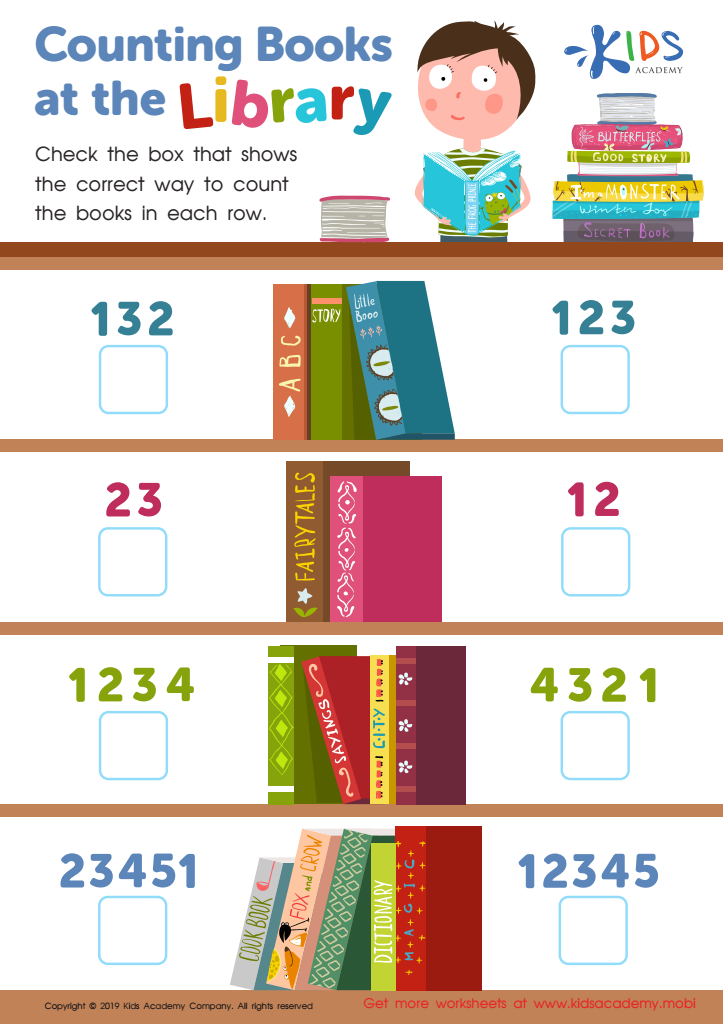
Counting Books at the Library Worksheet
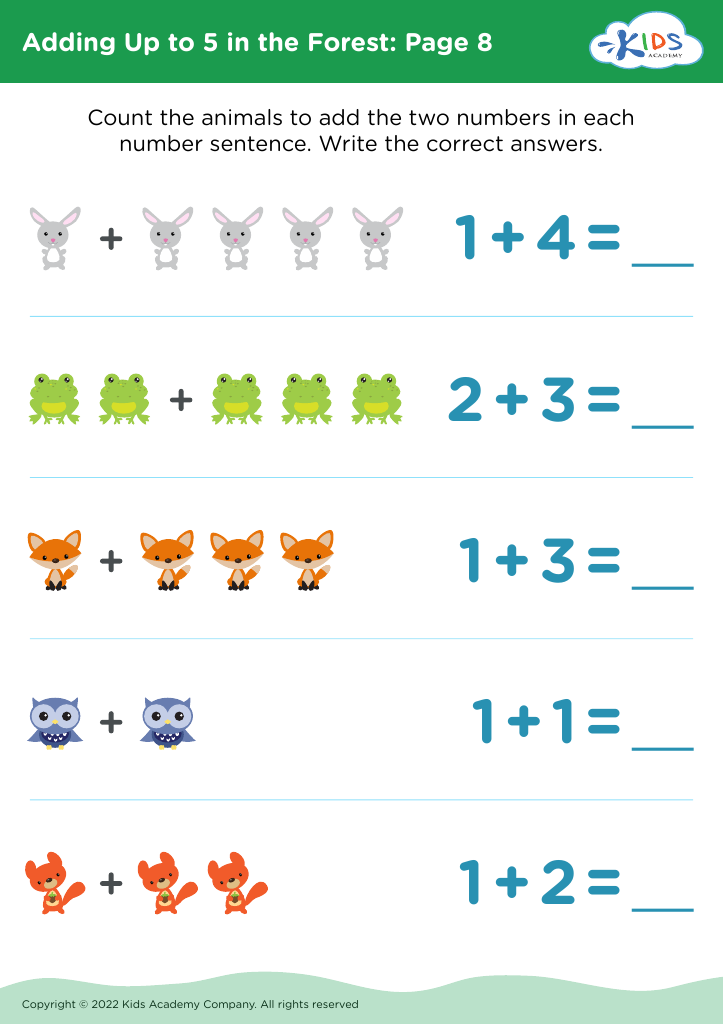
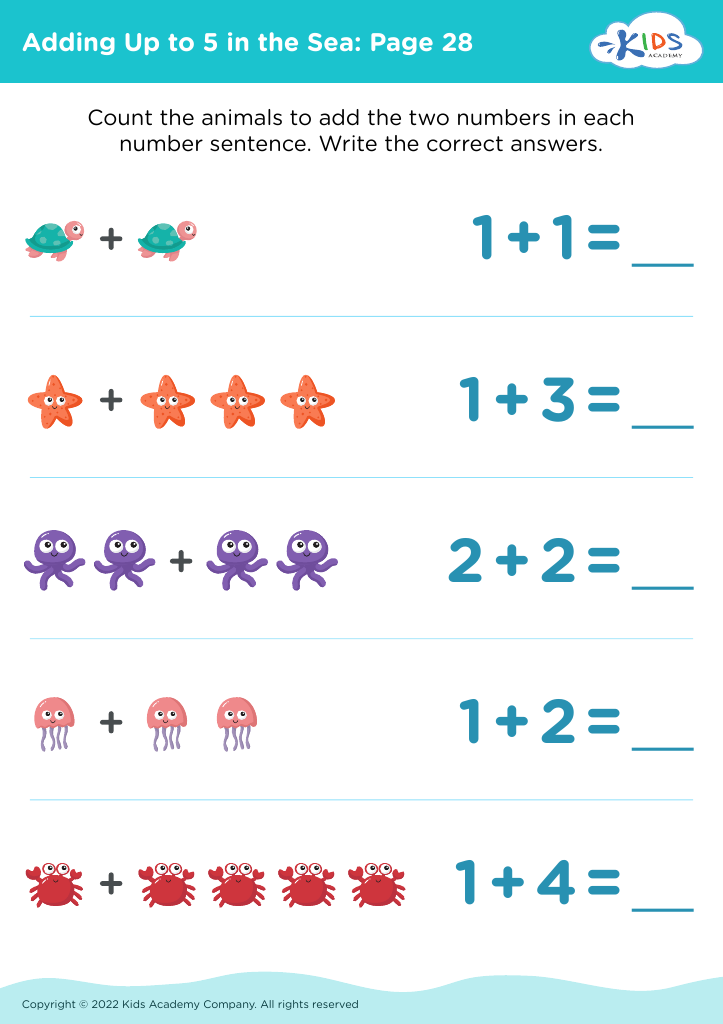
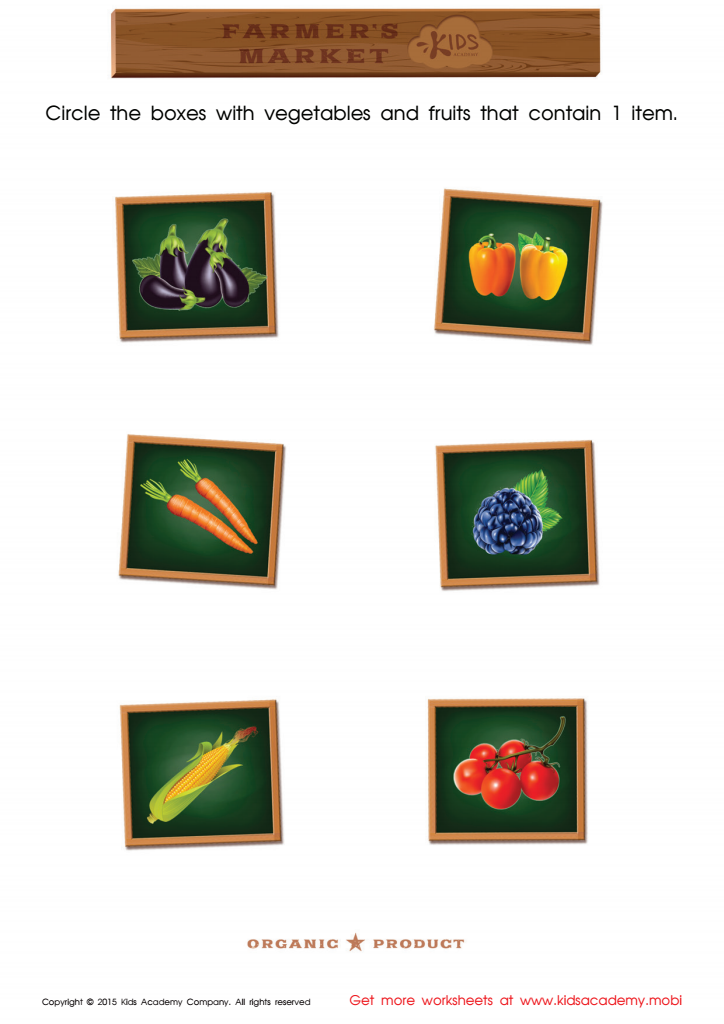
Count and Match Boxes with Vegetables
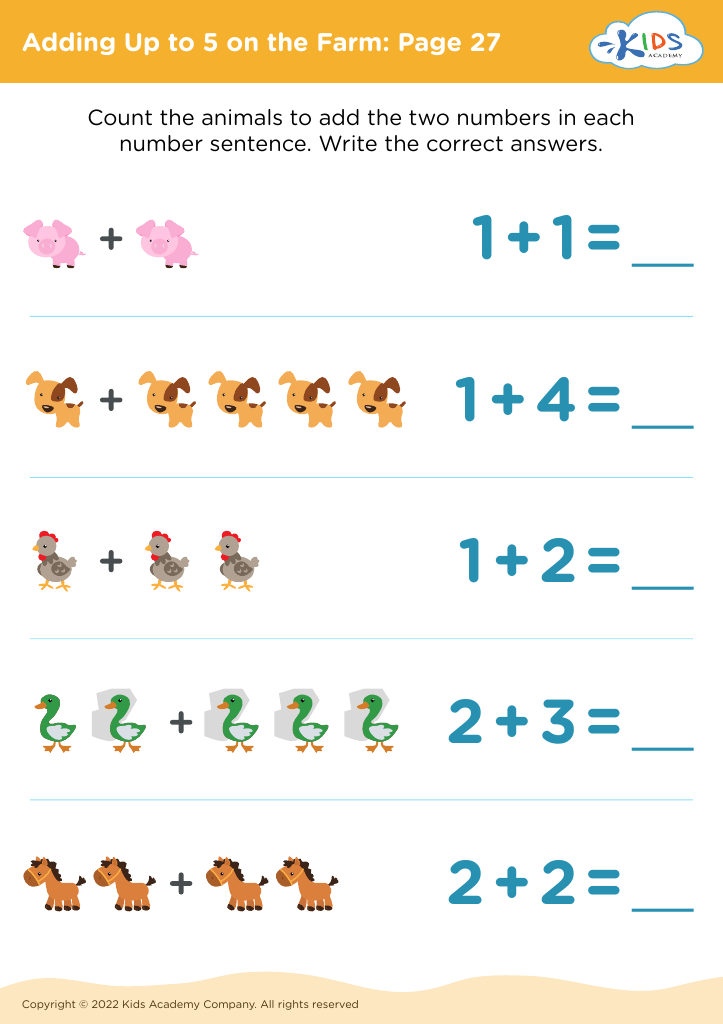
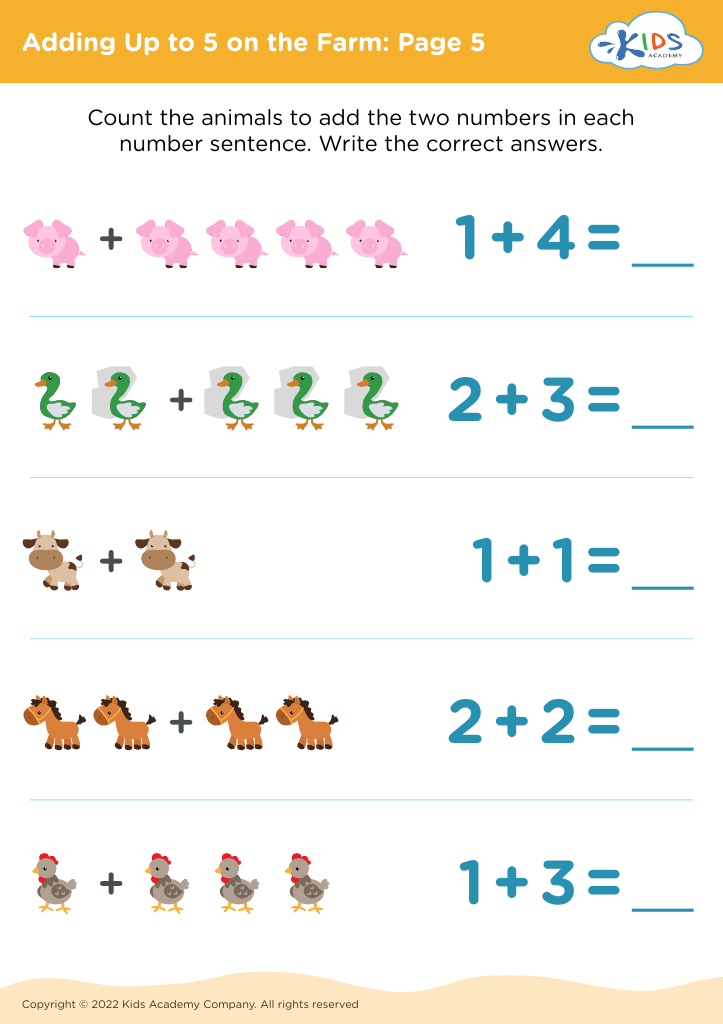
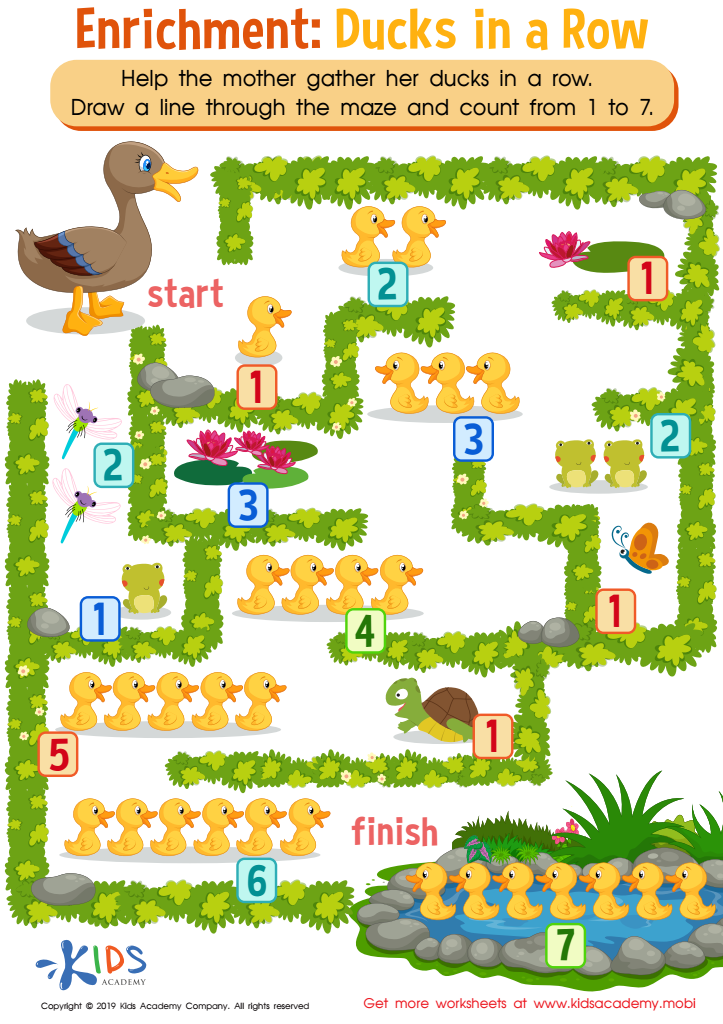
Ducks in a Row Worksheet
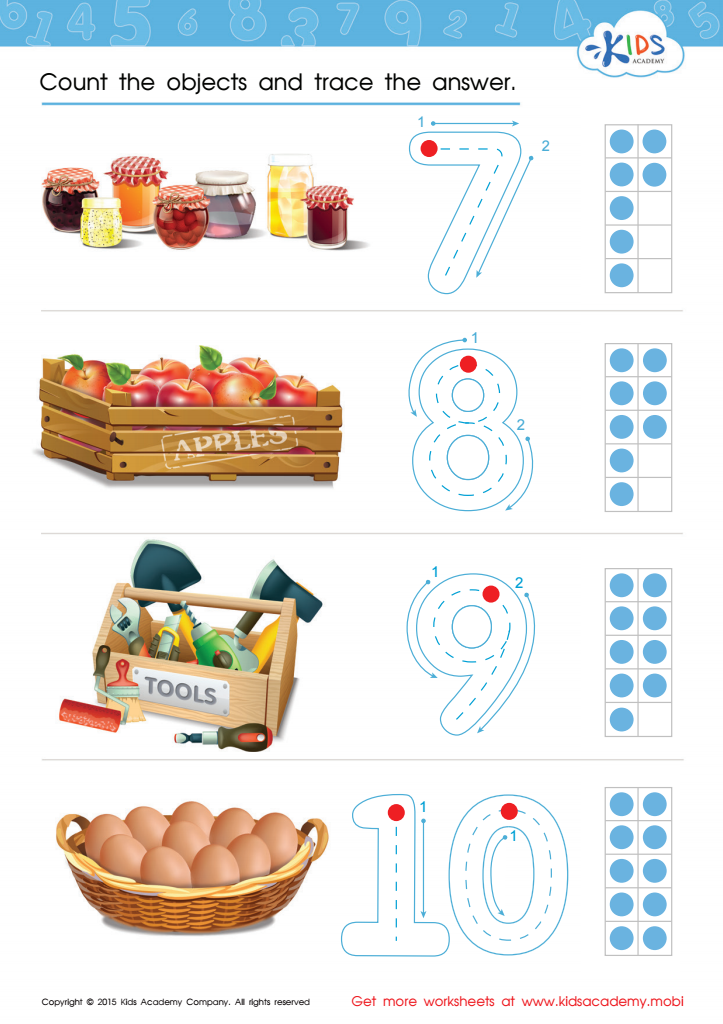
Count and Trace 7 – 10 Worksheet

African Wildlife: Giraffe Worksheet
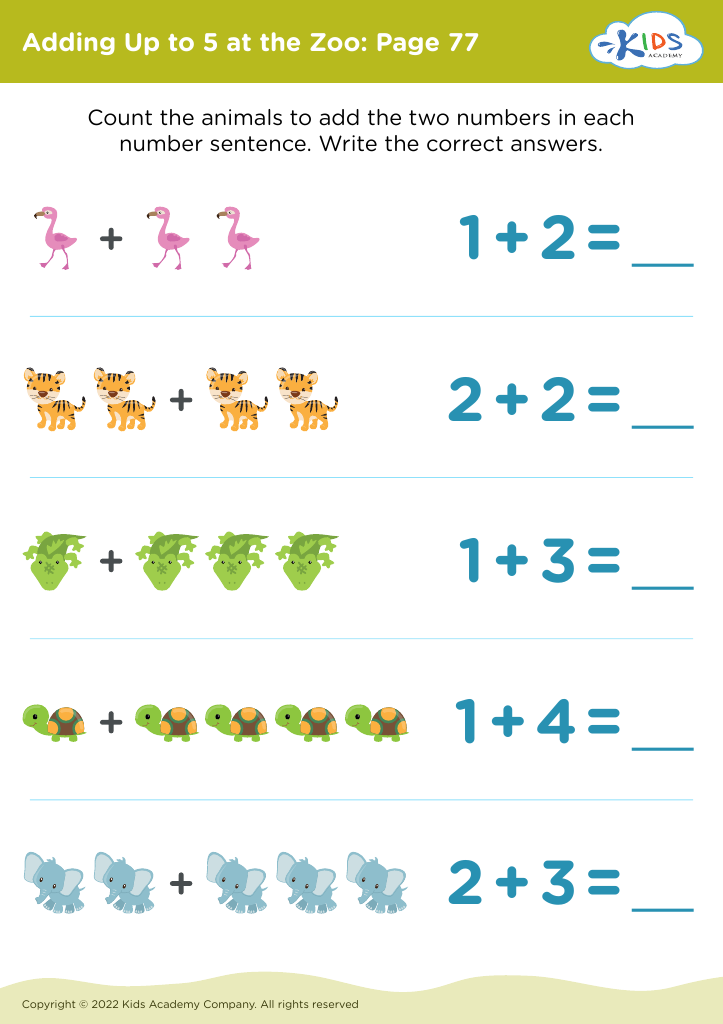
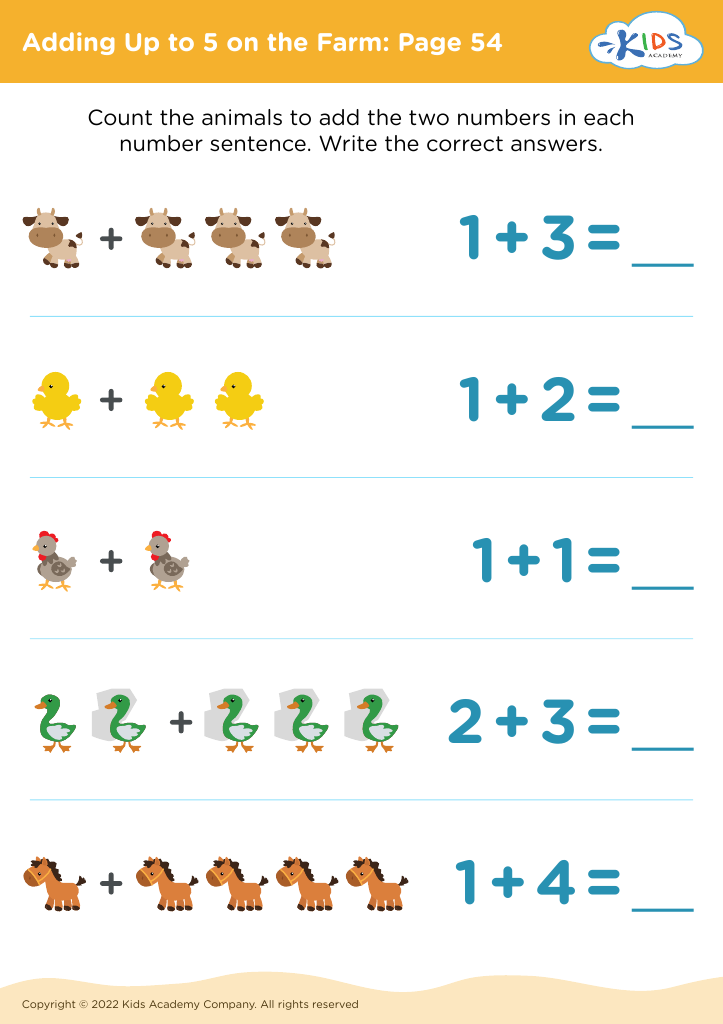
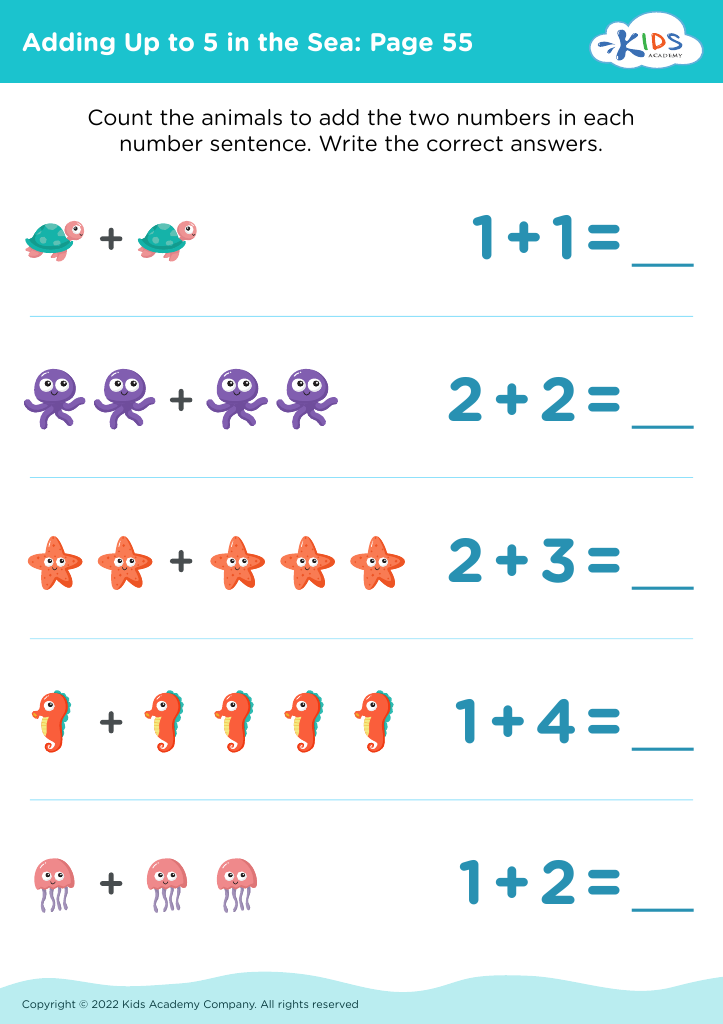







Number recognition is a foundational skill critical for the early stages of a child's education, laying the groundwork for more complex mathematical understanding. For children aged 5-7, developing number recognition is essential as it helps them comprehend and identify numbers, their values, and sequences.
Firstly, number recognition facilitates everyday activities, such as counting objects, reading page numbers, or understanding time. This early competency instills confidence, making children more eager to explore mathematical concepts further. Moreover, it enhances cognitive skills like memory and attention, crucial for overall academic success.
Secondly, number recognition is the precursor to arithmetic skills, such as addition and subtraction, which are fundamental competencies in early education. Without a solid grasp of number recognition, children may struggle with basic math operations, leading to potential difficulties in more advanced math-related subjects in later years.
Additionally, early proficiency in number recognition often correlates with better performance in other subjects. For example, pattern recognition, an essential skill in reading and problem-solving, is reinforced through counting and number identification activities.
Parents and teachers play a pivotal role in nurturing these skills through engaging activities, games, and practical applications. By prioritizing number recognition, they create a positive learning environment that fosters curiosity, supports academic achievement, and nurtures lifelong skills in young learners.








