Understanding ecosystems Worksheets for Ages 5-7
9 filtered results
-
From - To
Explore the fascinating world of ecosystems with our engaging worksheets designed specifically for ages 5-7! Our "Understanding Ecosystems" collection introduces young learners to the basics of nature's interconnected systems through fun activities and vibrant illustrations. Children will discover the roles of various organisms, food chains, habitats, and more, all while developing critical thinking and observation skills. These worksheets encourage a hands-on approach to learning, promoting curiosity and environmental awareness. Perfect for both classroom and home use, these resources support early STEM education. Dive into the wonders of ecosystems and inspire your child's love for nature today!
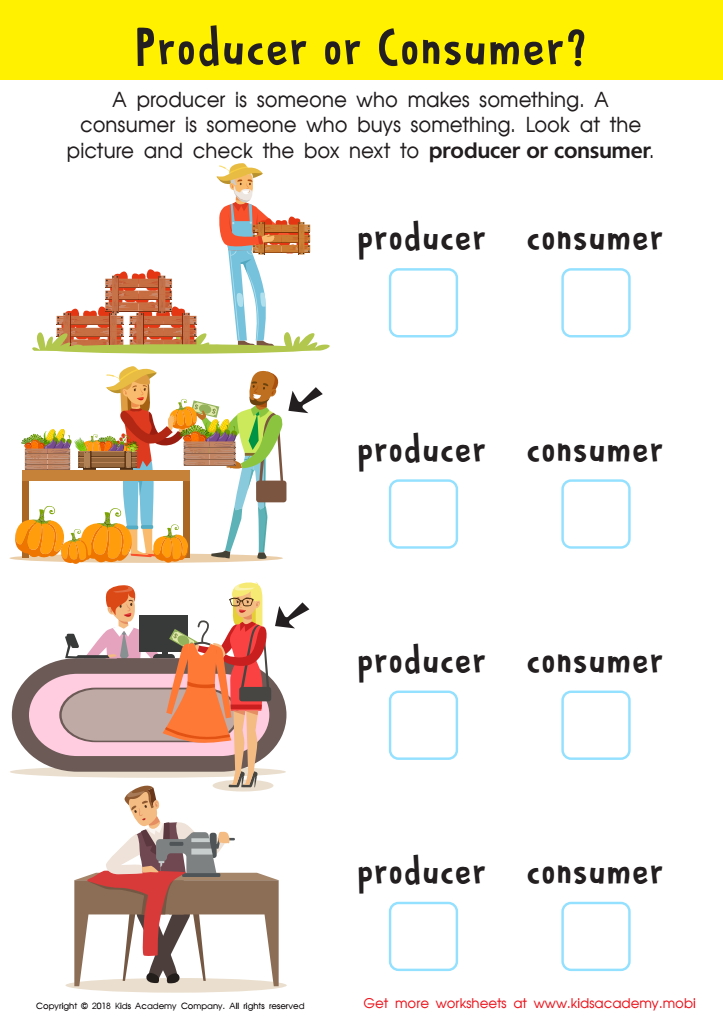
Producer or Consumer? Worksheet
 Assign to My Students
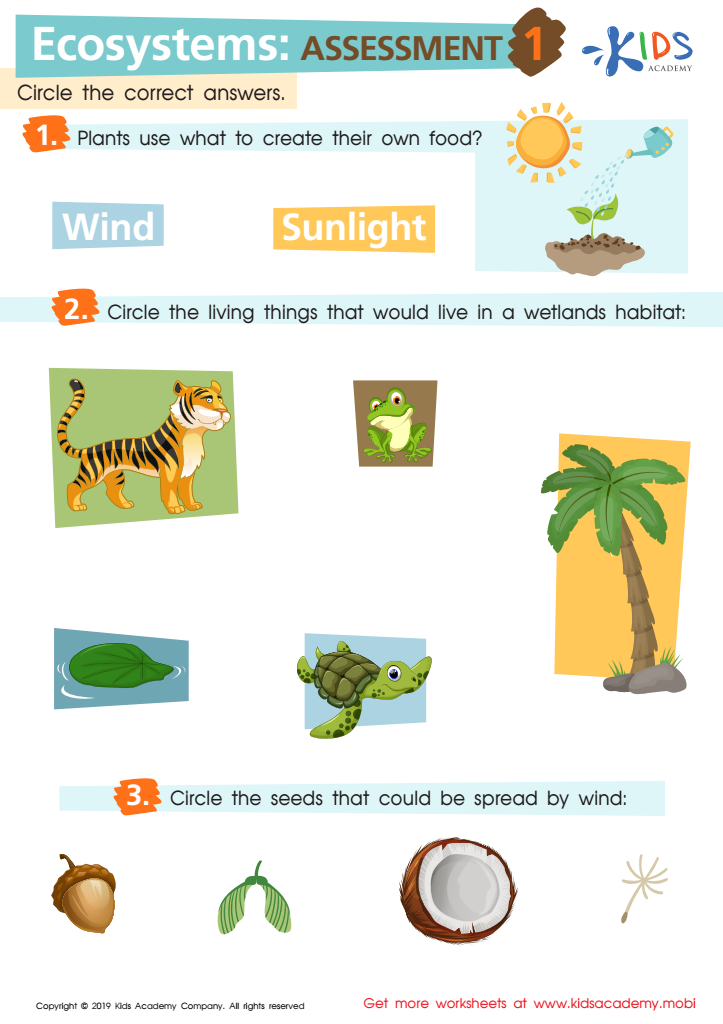
Ecosystems: Assessment 1 Worksheet
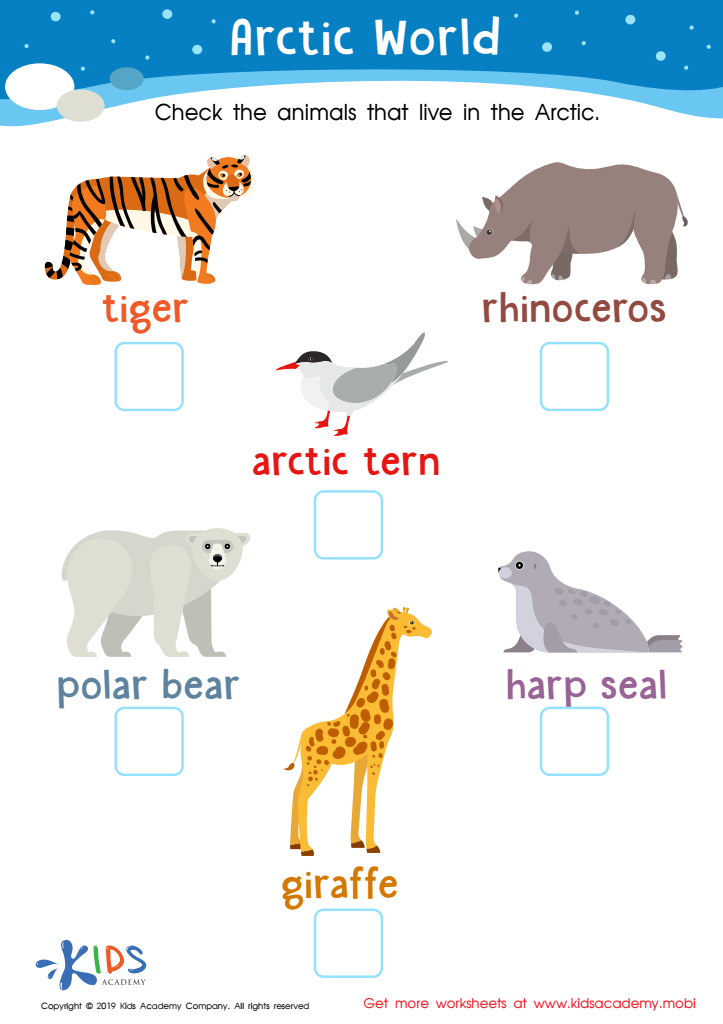
Arctic World Worksheet
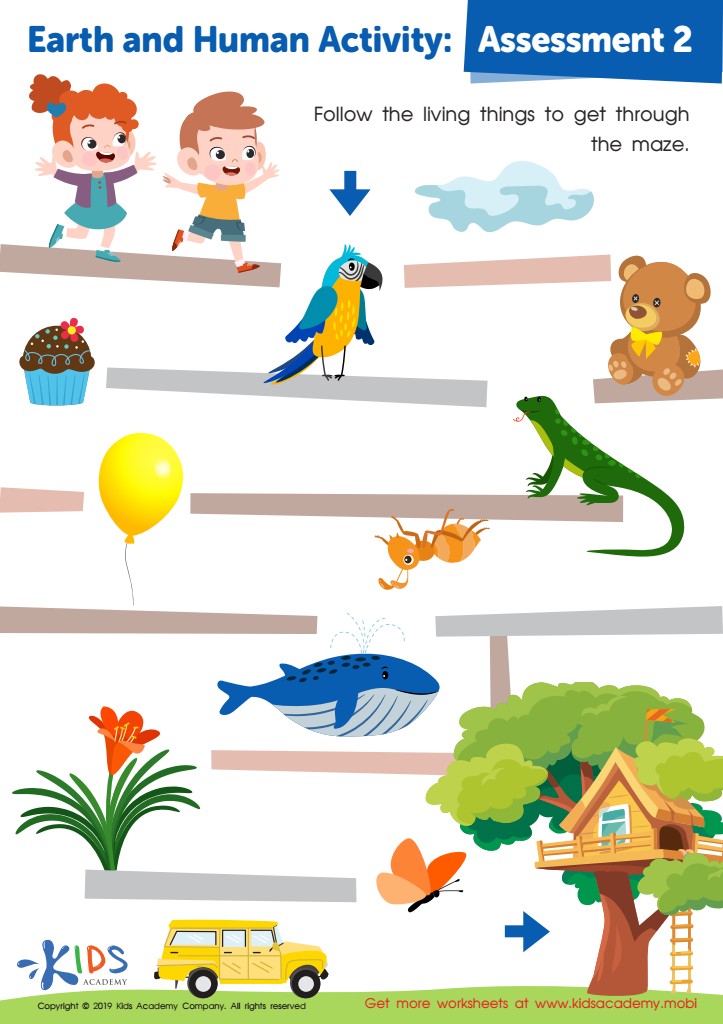
Earth and Human Activity: Assessment 2 Worksheet
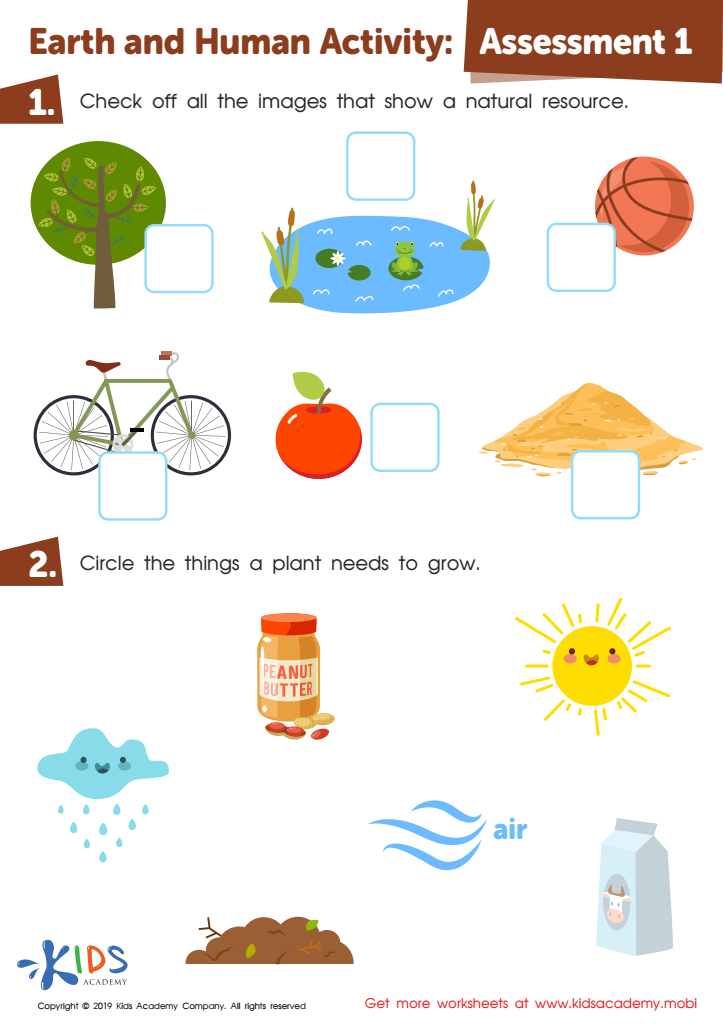
Earth and Human Activity: Assessment 1 Worksheet
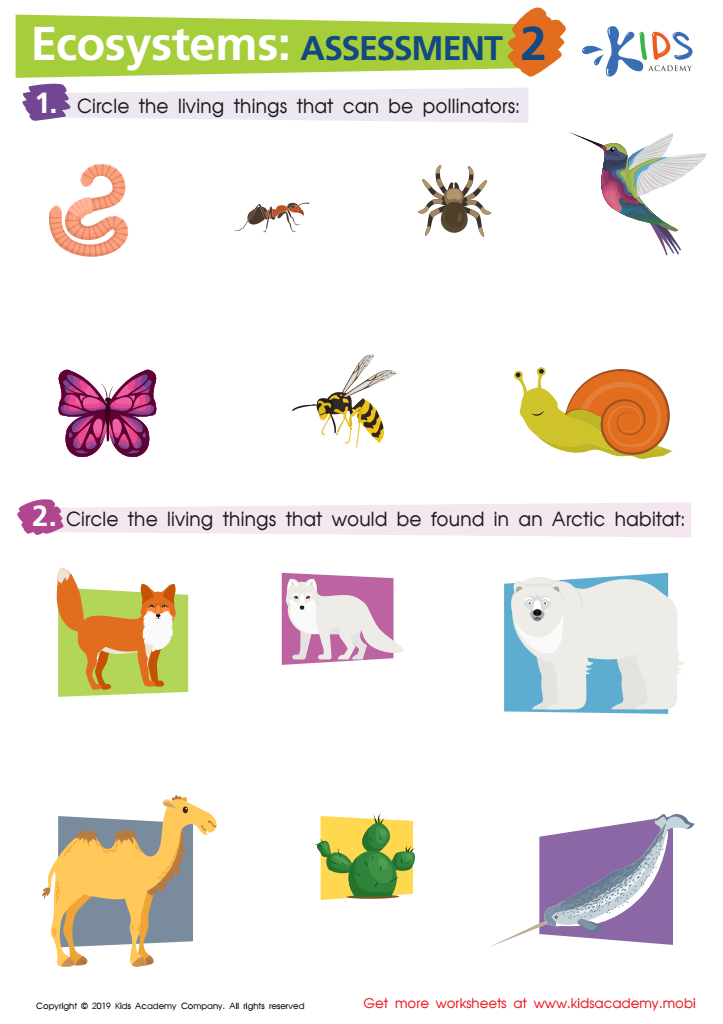
Ecosystems: Assessment 2 Worksheet
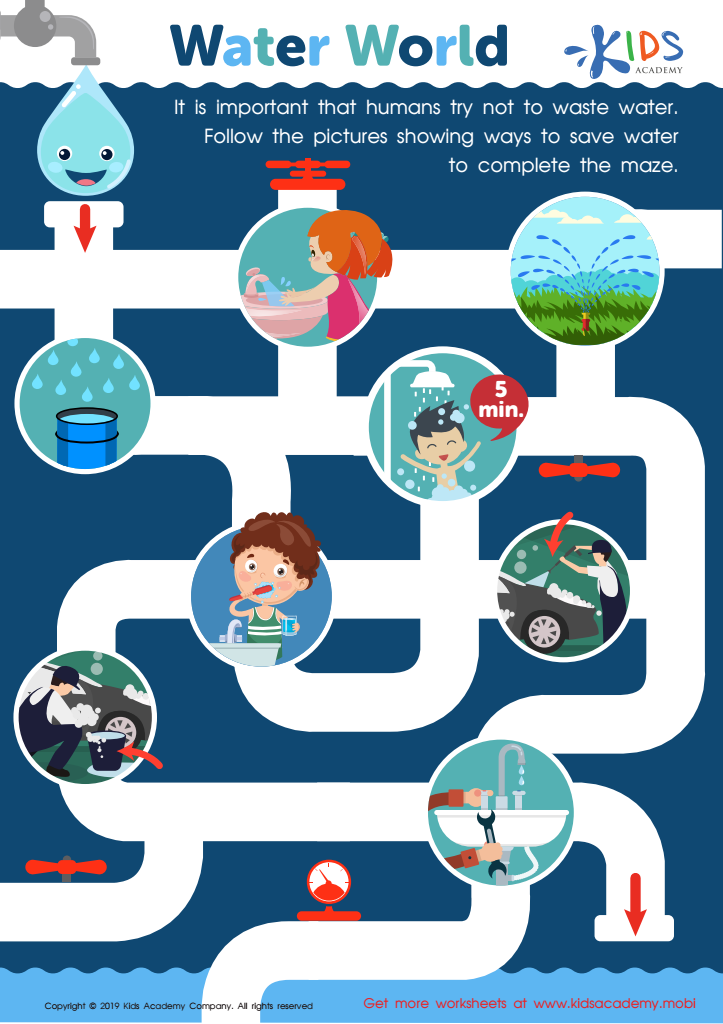
Water World Worksheet
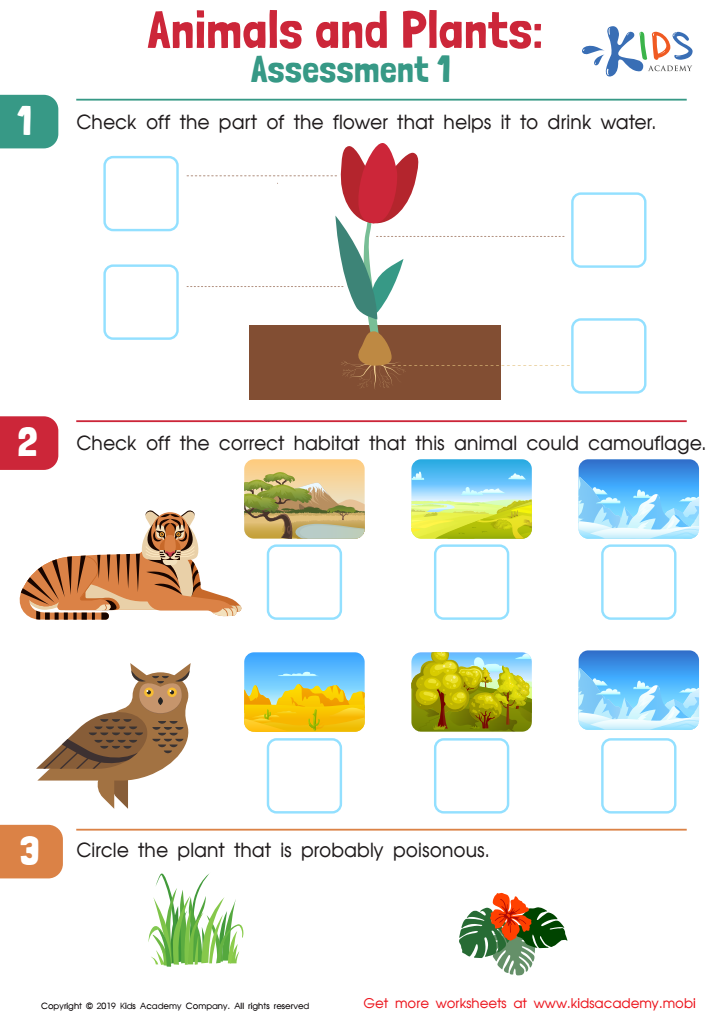
Animals and Plants: Assessment 1 Worksheet
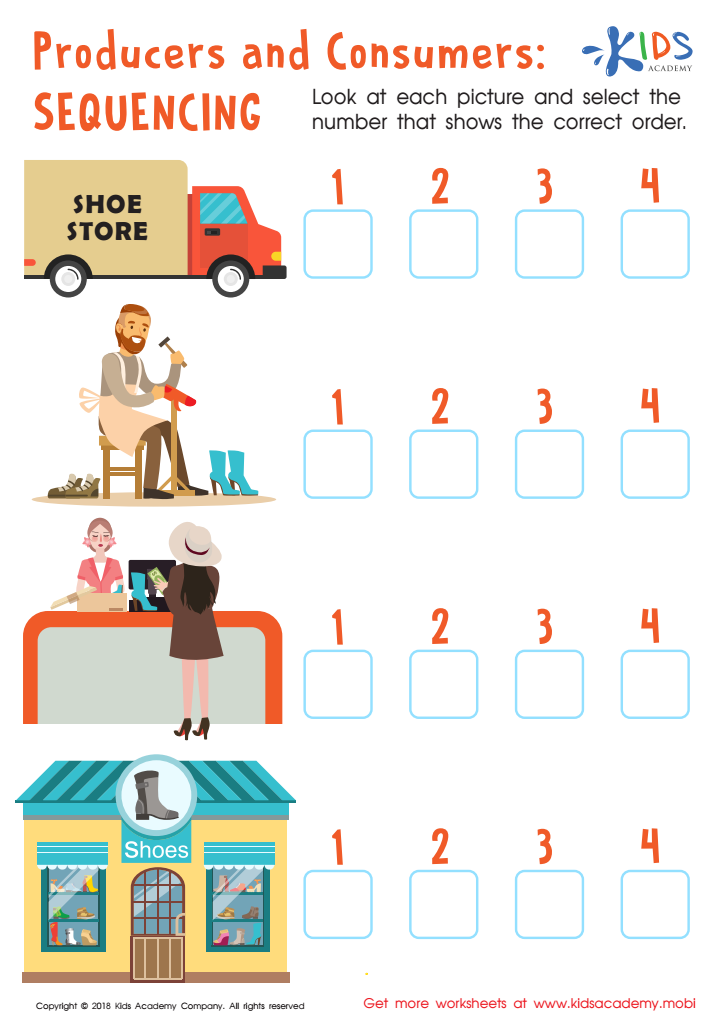
Producers and Consumers: Sequencing Worksheet








Understanding ecosystems is crucial for children aged 5-7 as it lays the foundation for their relationship with nature and the environment. At this age, children are naturally curious, and introducing them to ecosystems helps foster their imagination and investigative spirit. Teaching younger children about ecosystems encourages them to explore different habitats, recognize various plants and animals, and understand how living things interact with each other and their surroundings.
Additionally, early education on ecosystems promotes environmental stewardship. By learning about the interdependence of species and the importance of conserving natural resources, children become more aware of their impact on the world around them. This consciousness can lead to more responsible behaviors, such as recycling or protecting local wildlife.
Furthermore, understanding ecosystems enhances critical thinking and observation skills. Children observe and describe patterns in nature, learn to ask questions, and discover how ecosystems evolve through the seasons. These scientific inquiries engage them in hands-on learning experiences.
Parents and teachers play a significant role in facilitating this understanding as they provide opportunities for outdoor exploration, encourage discussions about nature, and support curiosity-driven learning. Ultimately, fostering an appreciation for ecosystems contributes to nurturing informed, responsible citizens who value sustainability and biodiversity in the future.








