Understanding Sequences Worksheets for Ages 5-7
26 filtered results
-
From - To
Unlock the magic of learning with our "Understanding Sequences Worksheets for Ages 5-7." Tailored to your child's developmental needs, these engaging activities foster critical thinking and sharpen problem-solving skills. Explore beautifully illustrated, age-appropriate exercises that teach young learners to recognize and predict patterns, a foundational math and reading skill. Perfect for classroom or at-home learning, these worksheets boost confidence and curiosity. Help your child master the art of sequencing while having fun! Discover our diverse collection designed to keep your early learner happily engaged and constantly challenged. Dive into the world of sequences today!
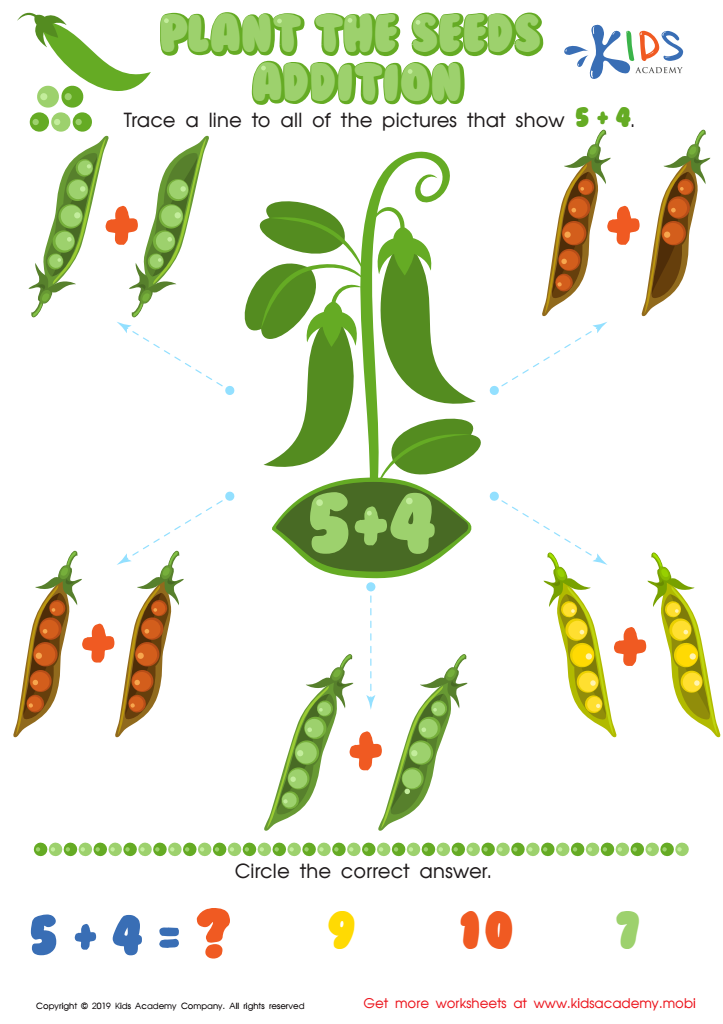
Plant the Seeds Addition Worksheet
 Assign to My Students
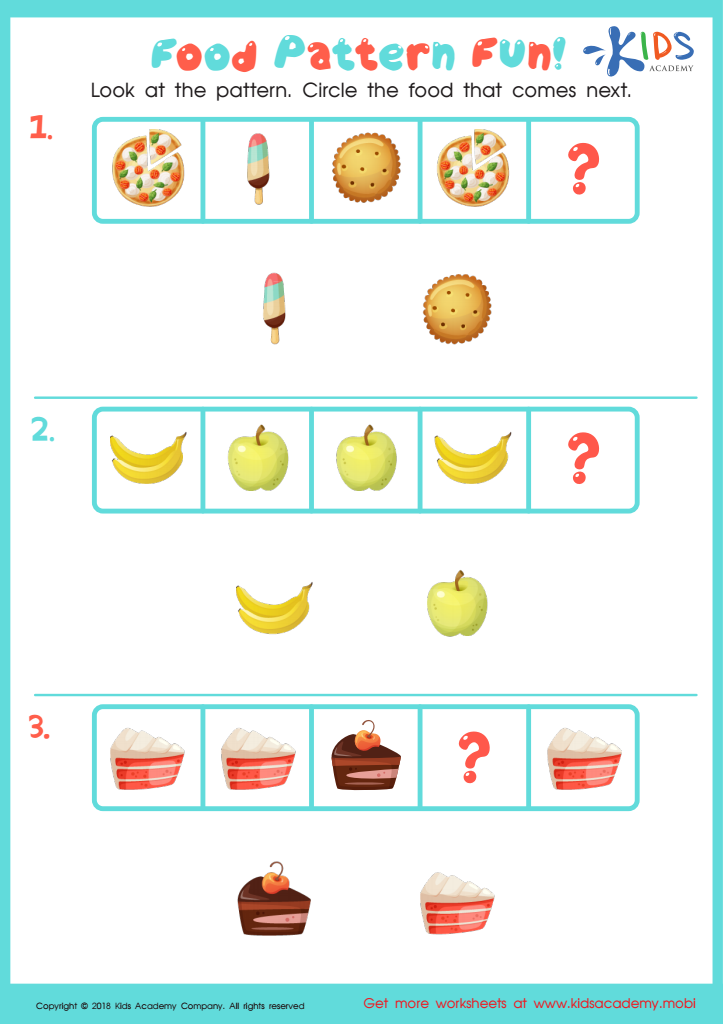
Food Pattern Fun Worksheet
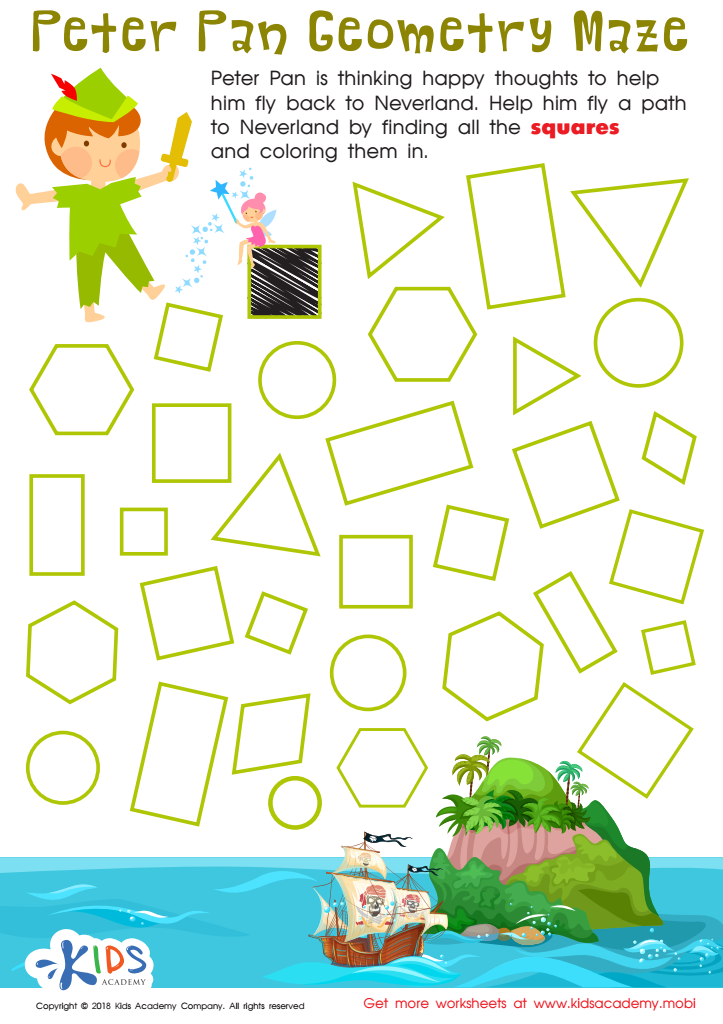
Peter Pan Worksheet
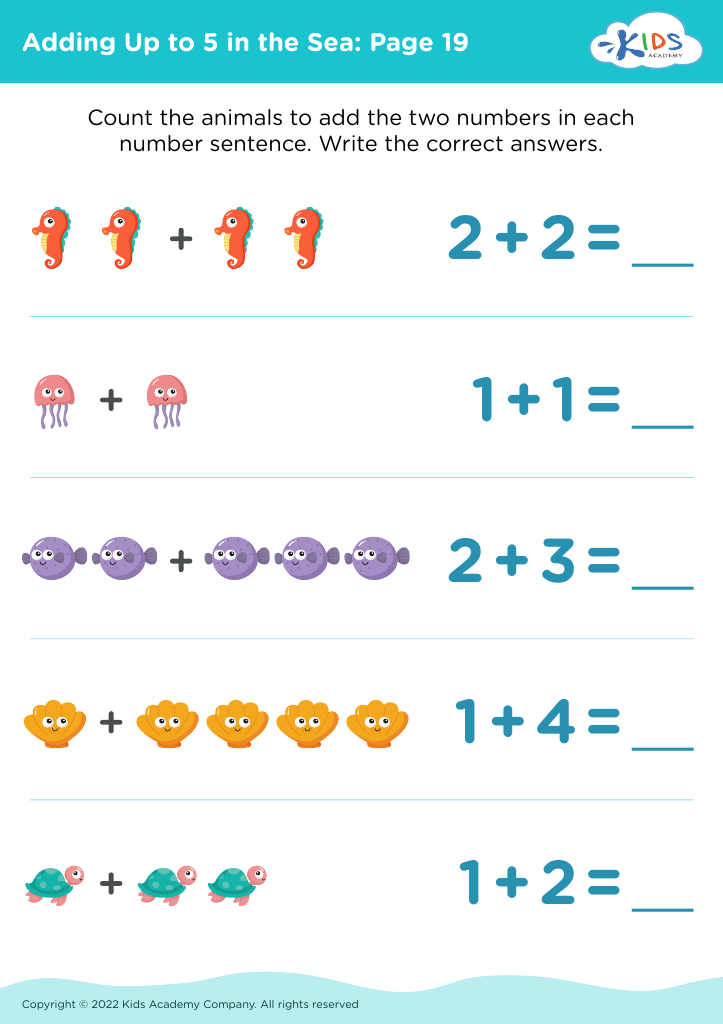
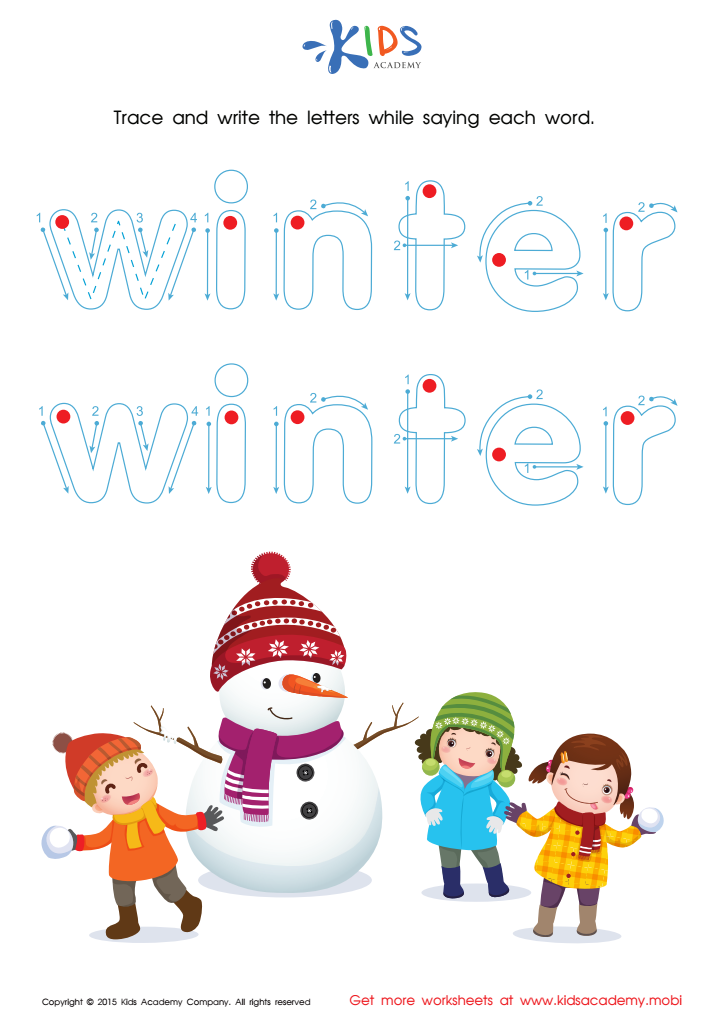
Snowman Tracing Winter Words Worksheet
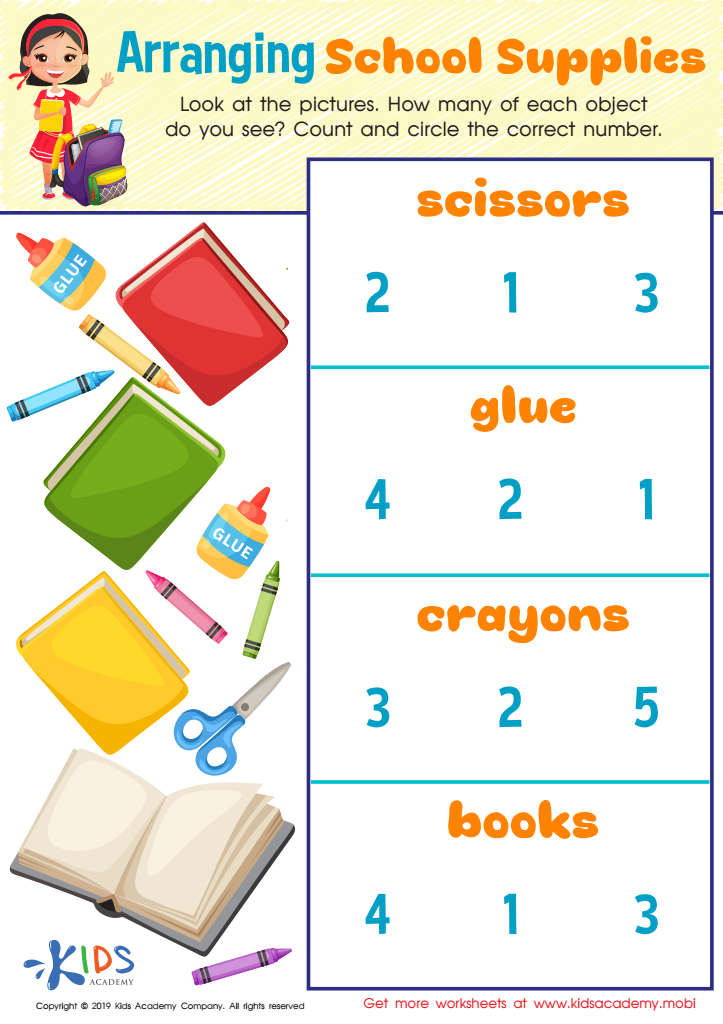
Arranging School Supplies Worksheet
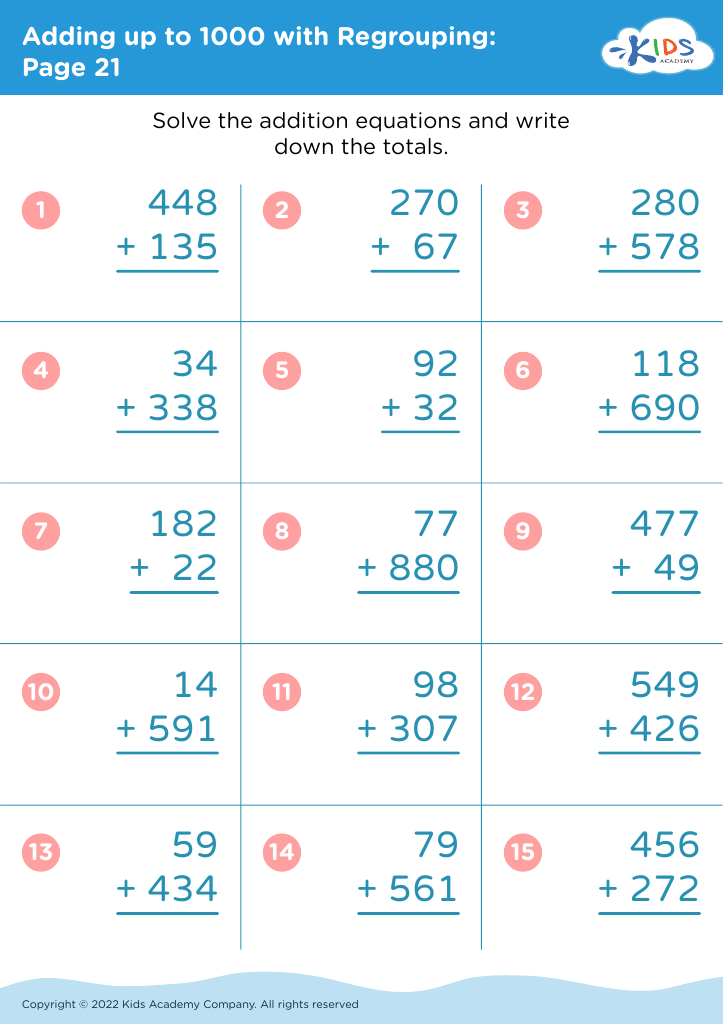
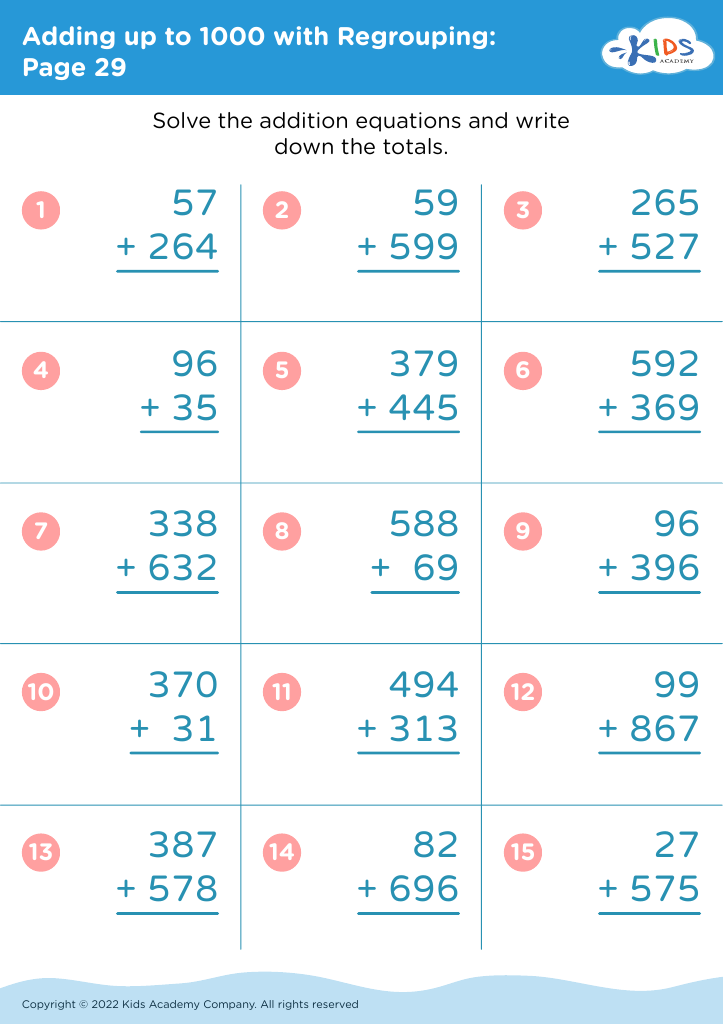
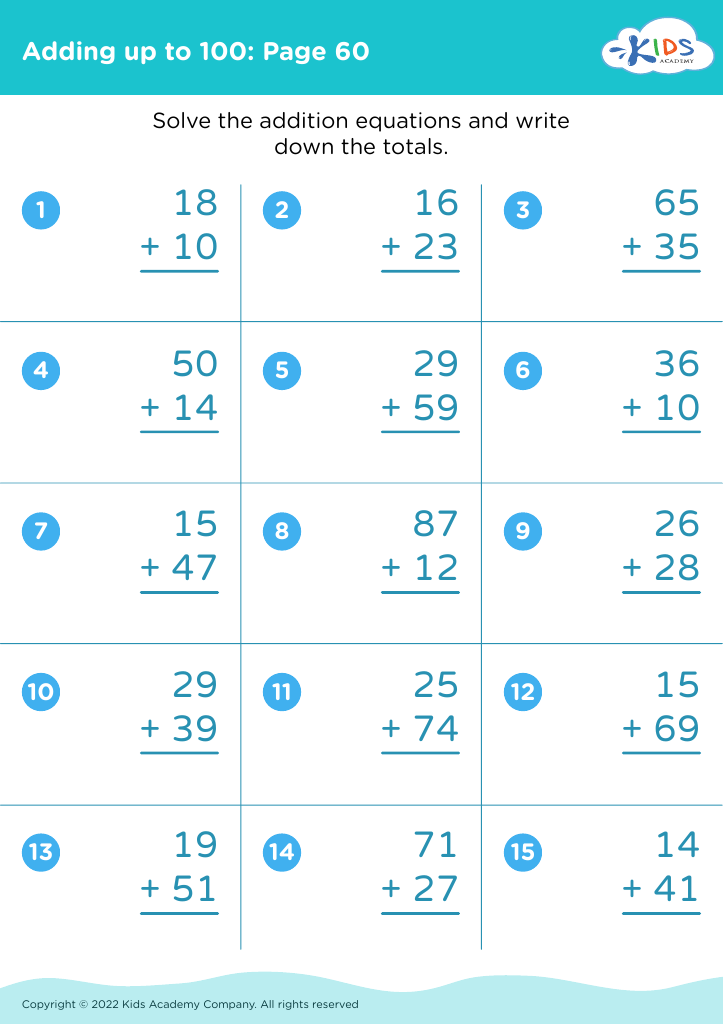
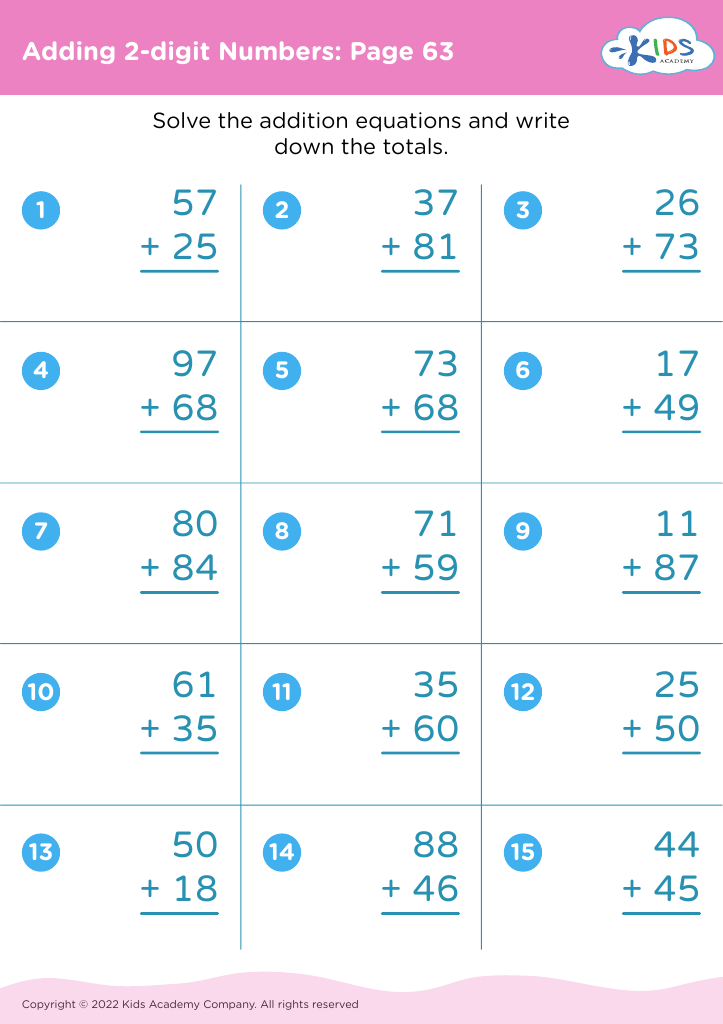
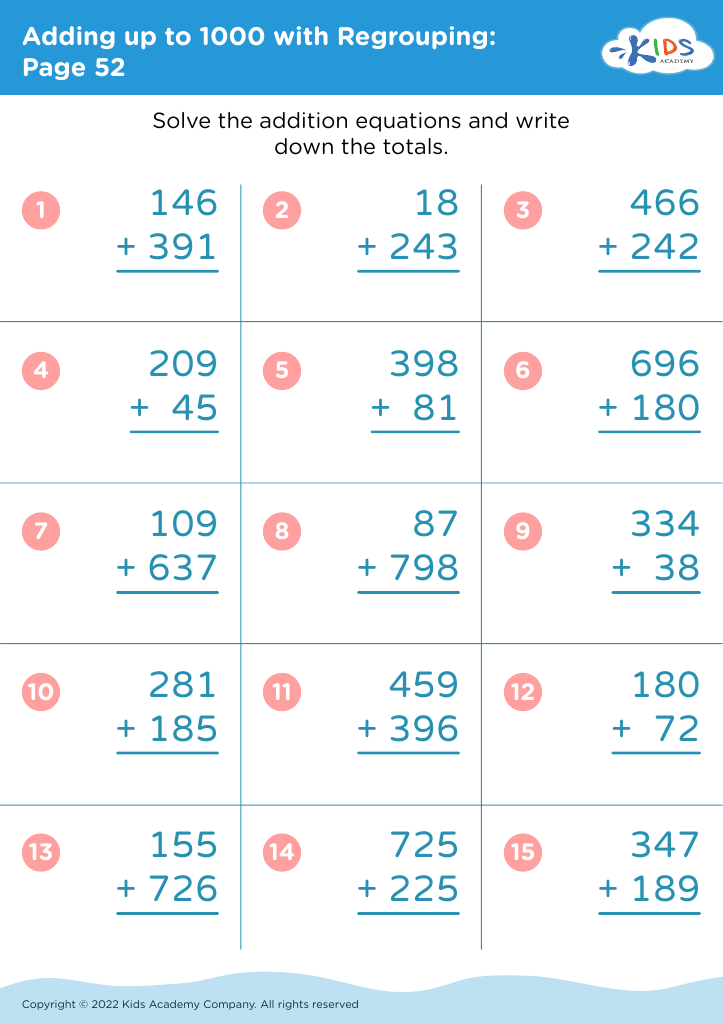
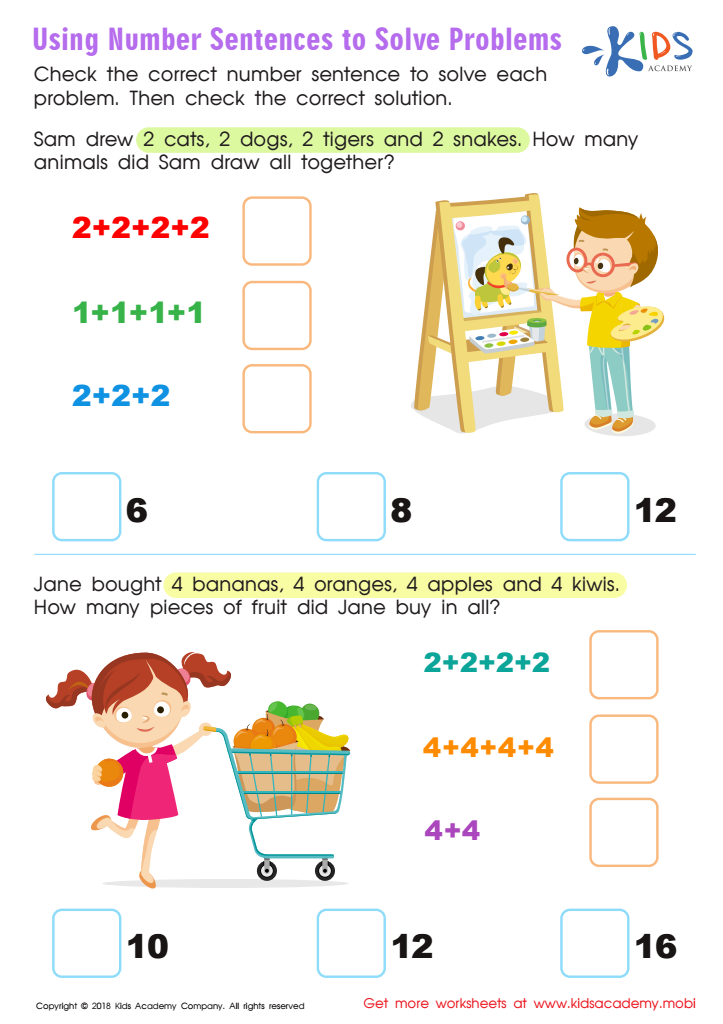
Using Number Sentences to Solve Problems Worksheet
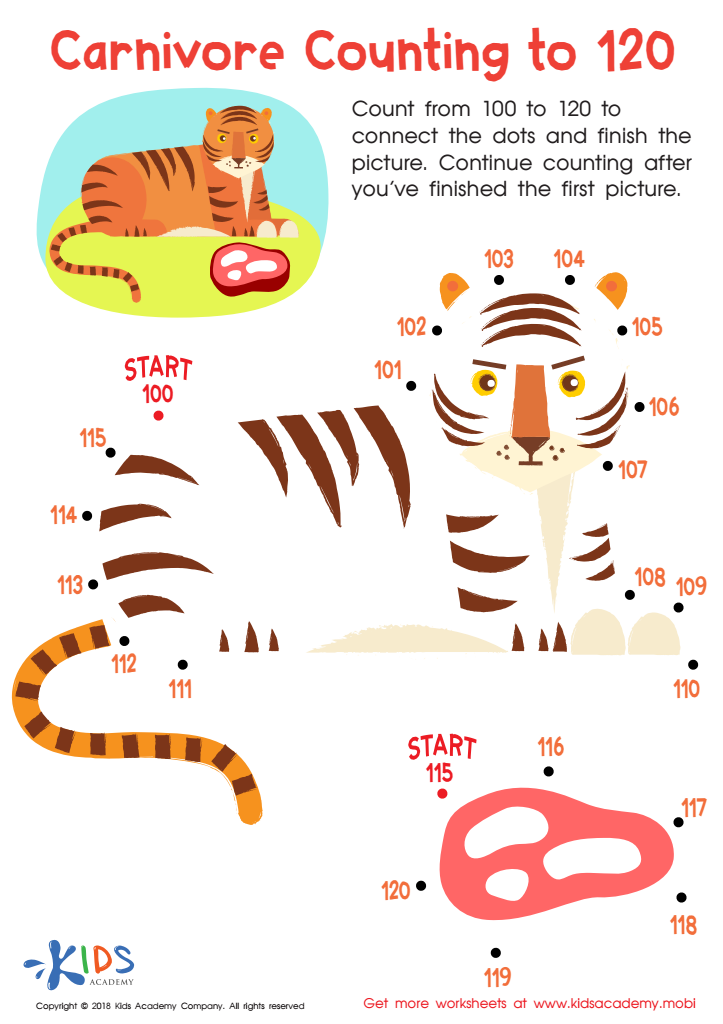
Carnivore Counting to 120 Worksheet
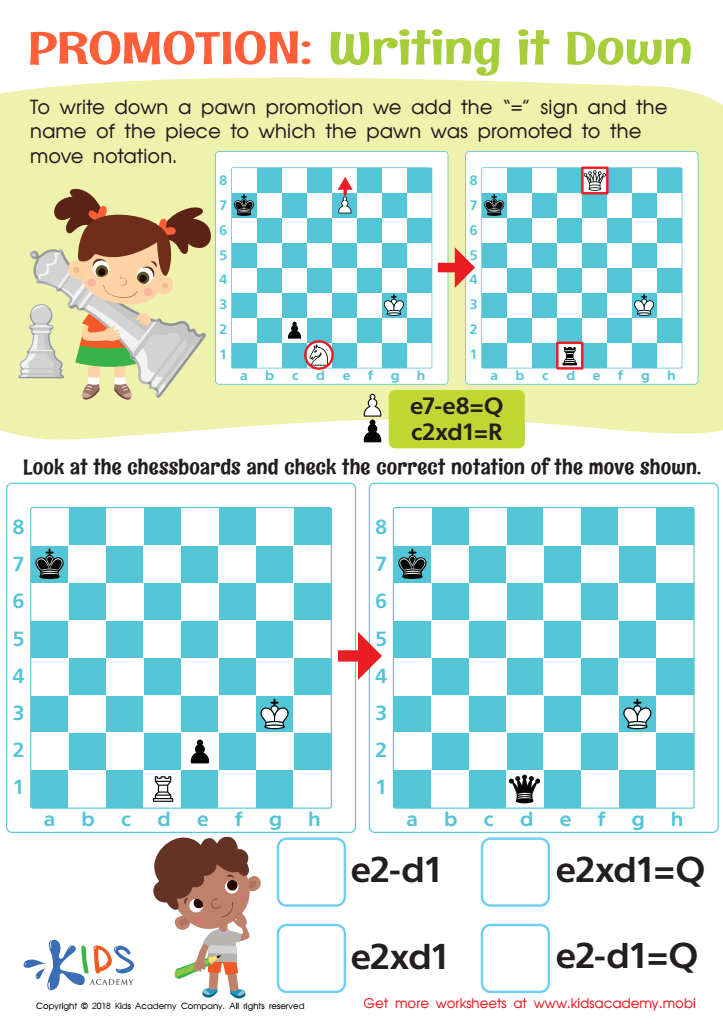
Writing it Down Worksheet
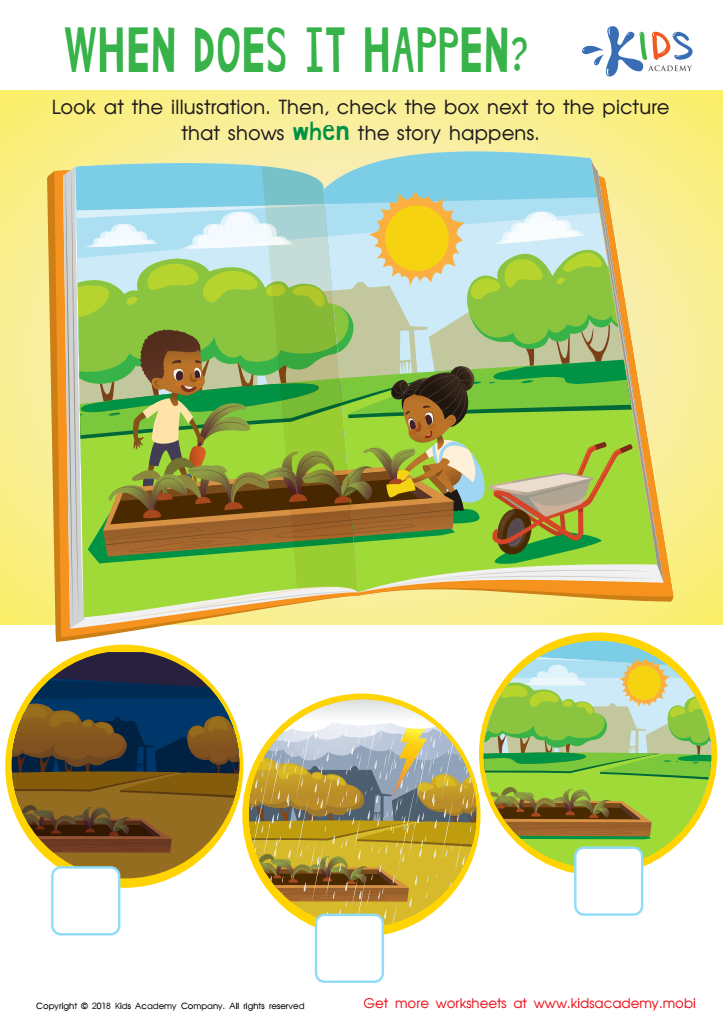
When Does It Happen? Worksheet
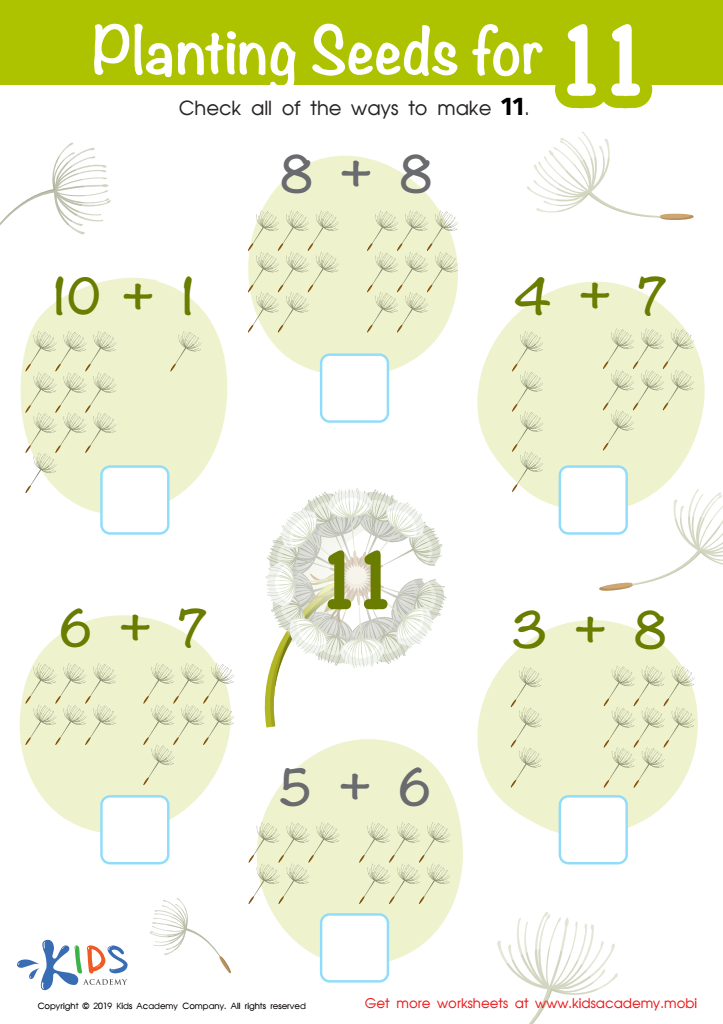
Planting Seeds for 11 Worksheet
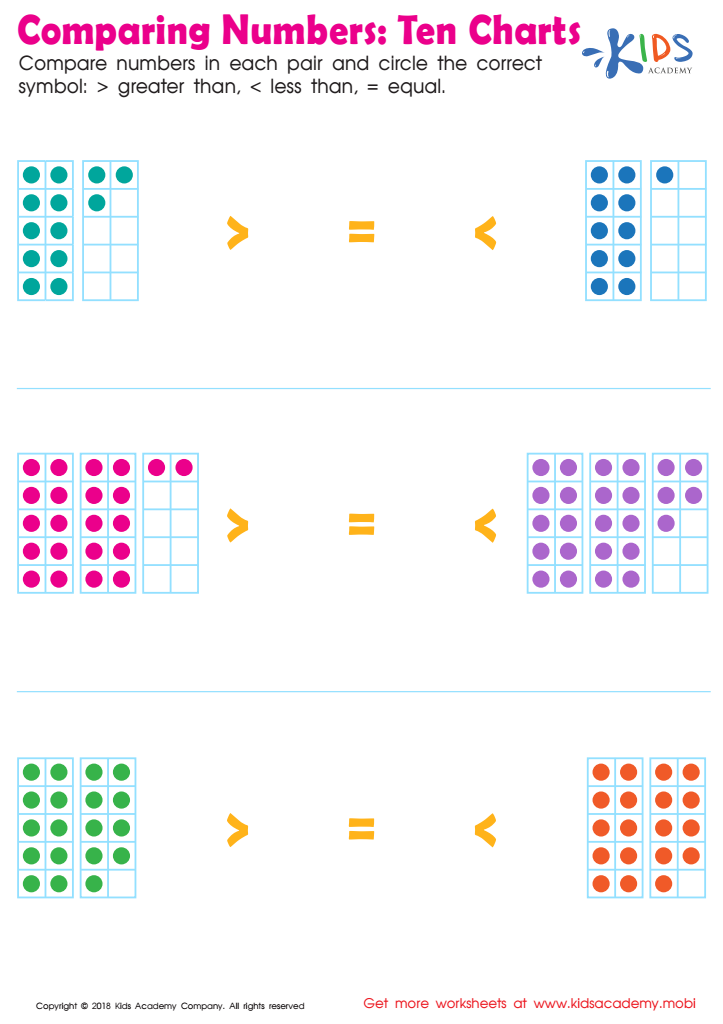
Ten Charts Worksheet
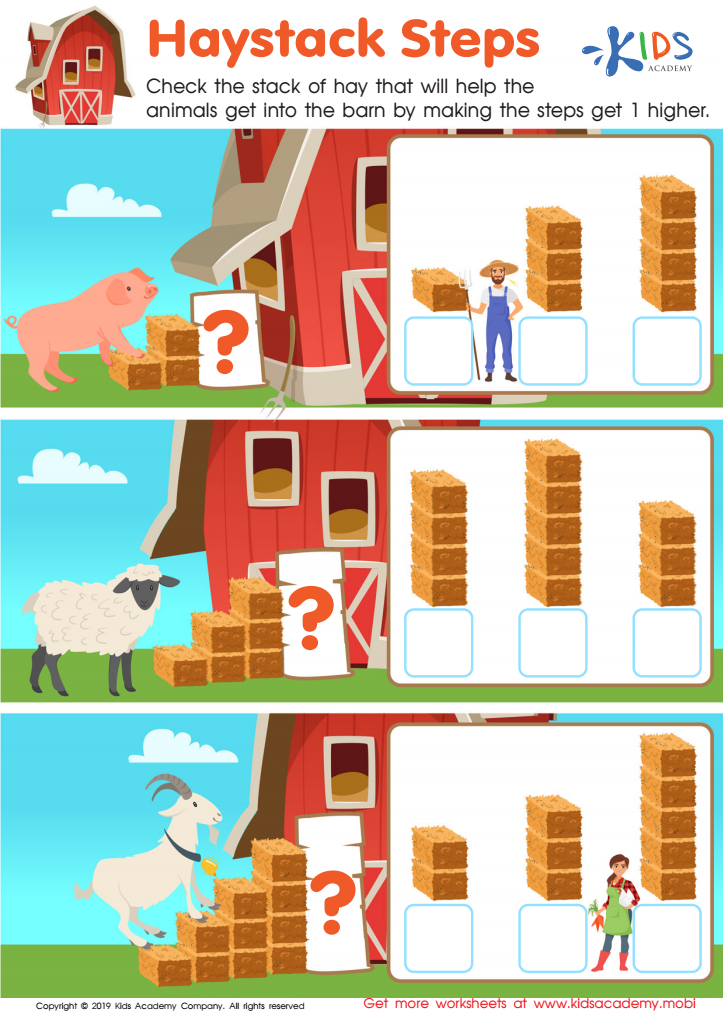
Haystack Steps Worksheet








Understanding sequences is foundational for young children aged 5-7 as it nurtures crucial cognitive development and sets the stage for more complex learning. Sequences, where one event or item follows another in a specific order, help children grasp the concepts of time, patterns, and structure. Recognizing and creating sequences enables kids to predict what comes next, fostering critical thinking and problem-solving skills.
For early numeracy, sequences directly relate to counting and understanding numerical order, serving as a cornerstone for arithmetic. In literacy, sequences are pivotal when narrating stories or following instructions, thereby enhancing reading comprehension and communication skills.
Moreover, pattern recognition derived from sequencing builds a child's ability to classify and organize information, forming the basis of scientific and mathematical reasoning. Activities like arranging objects by size, color, or number, and understanding daily routines, further embed these concepts in a child's mind.
Engaging with sequences also bolsters a child’s memory and attention span, since it requires them to focus on details and remember steps. By emphasizing sequence understanding, parents and teachers equip children with essential tools for academic success and everyday problem-solving, ensuring a smoother transition to higher-order thinking tasks in later grades.








