Shape Recognition Math Worksheets for Ages 5-7 - Page 3
104 filtered results
-
From - To
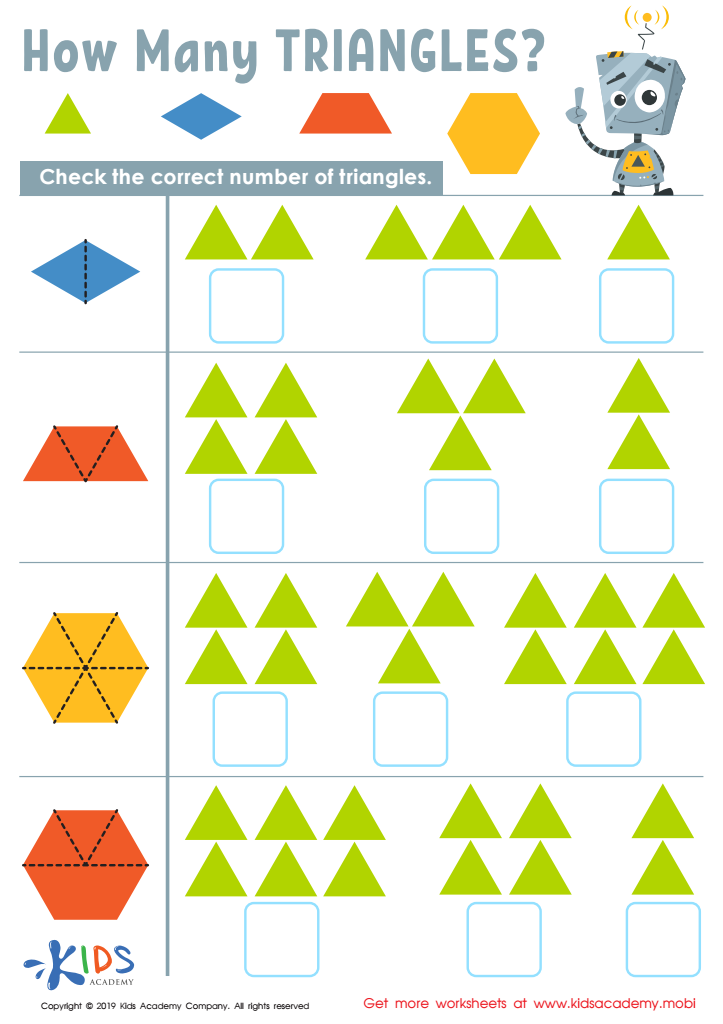
How Many Triangles Worksheet

Counting: Assessment 5 Worksheet
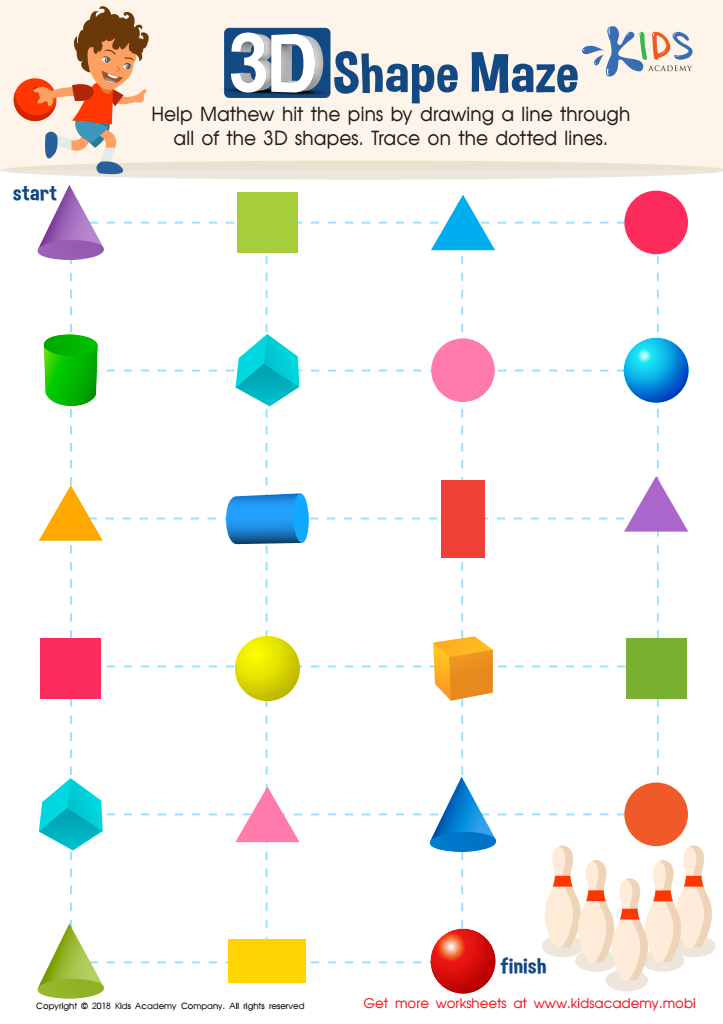
Shapes Maze Geometry Worksheet
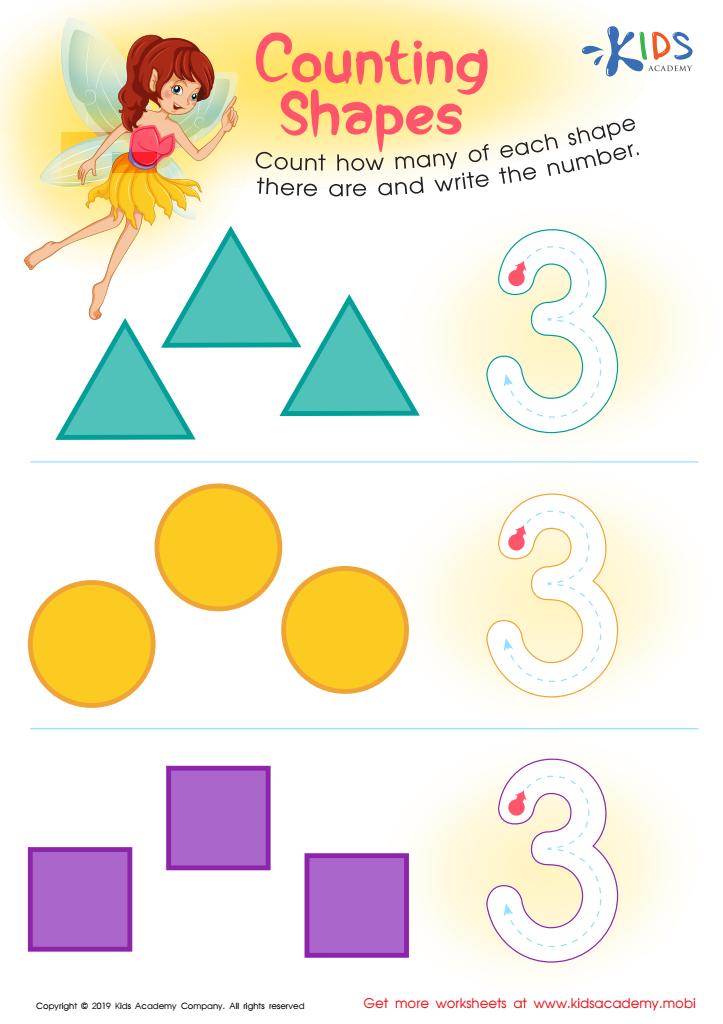
Counting Shapes Worksheet
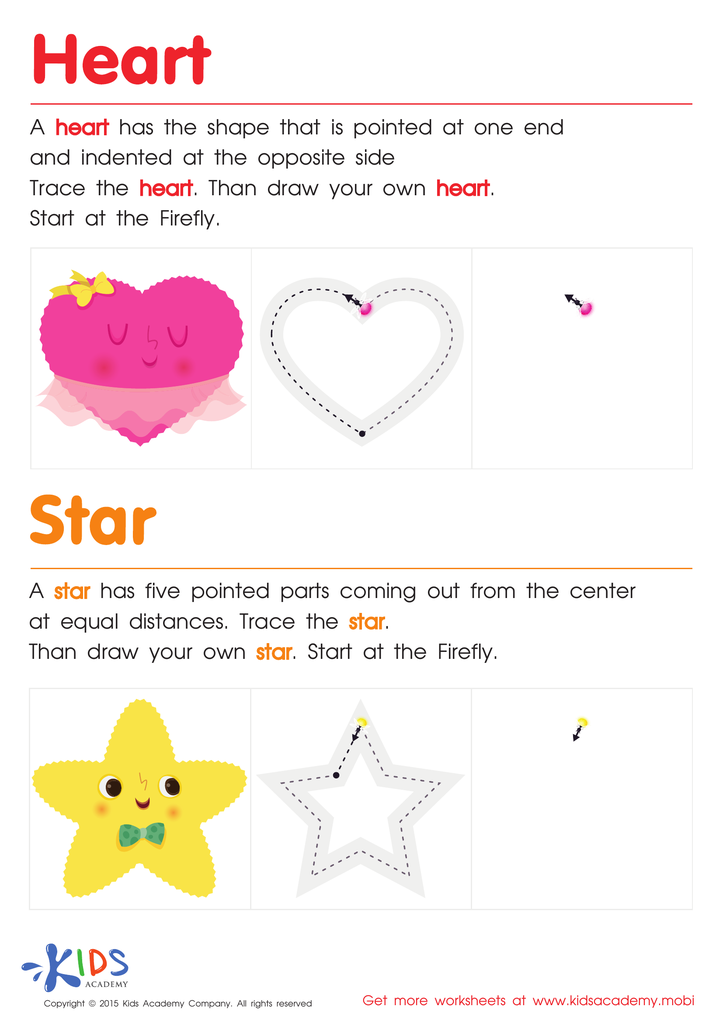
Let's Learn to Draw Hearts And Stars Printable
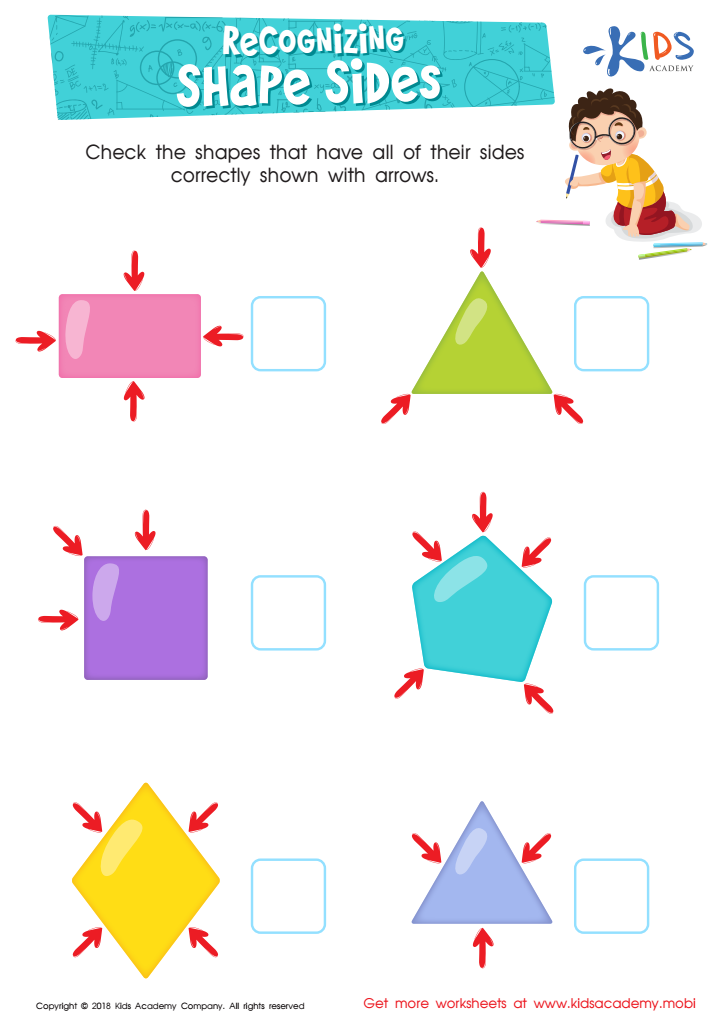
Recognizing Shape Sides Worksheet
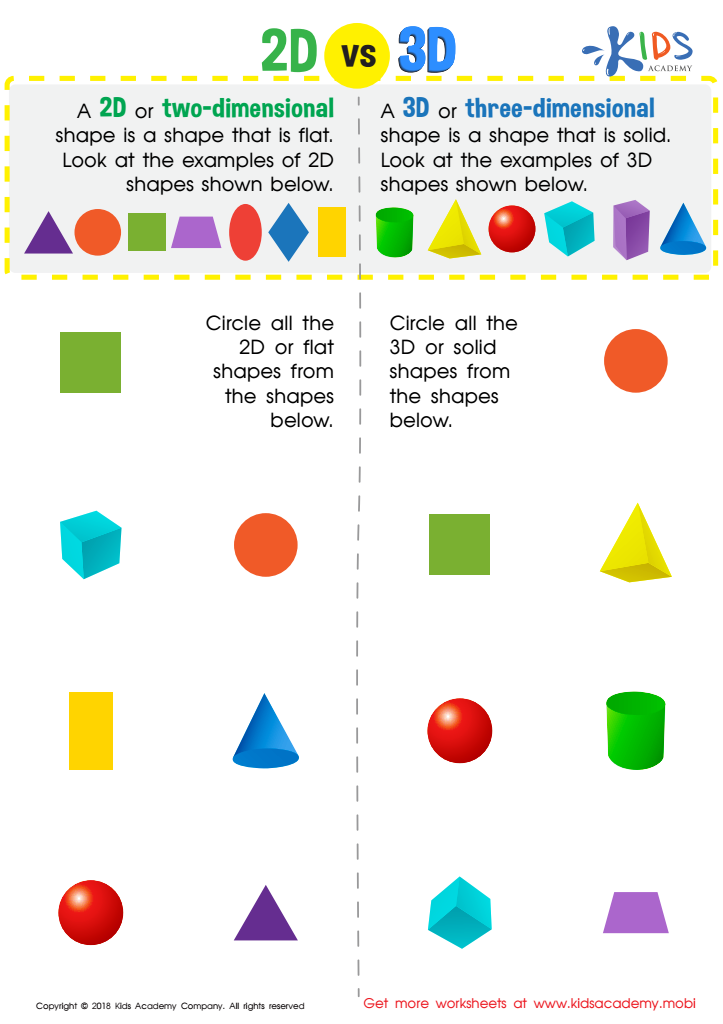
2D vs 3D Shapes Worksheet
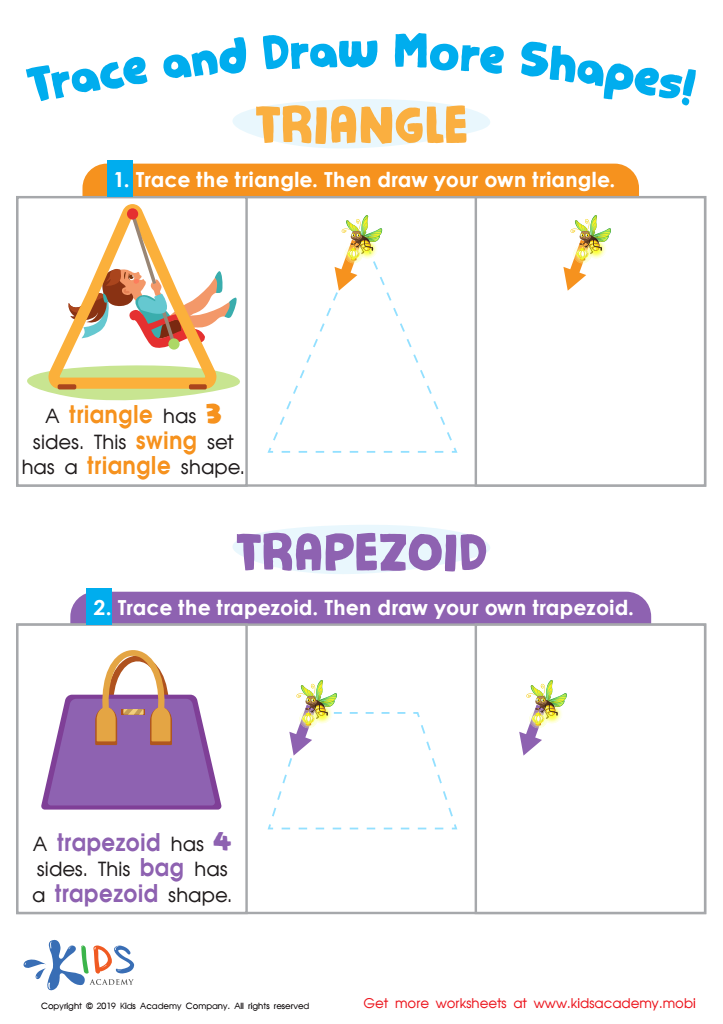
Trace and Draw More Shapes Worksheet
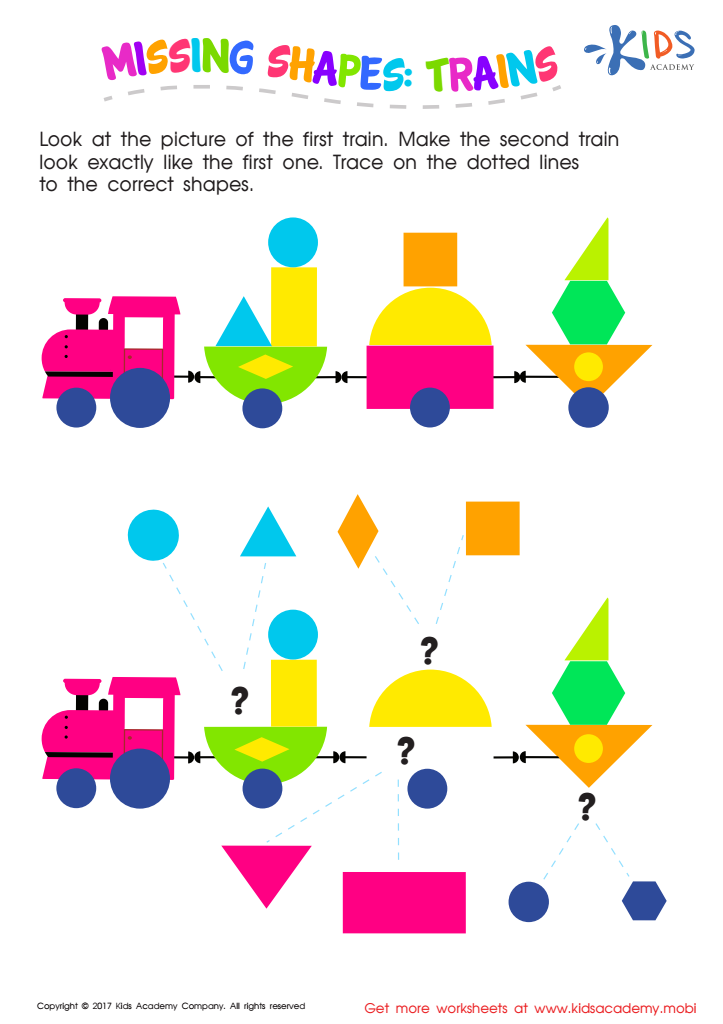
Missing Shapes: Trains Worksheet
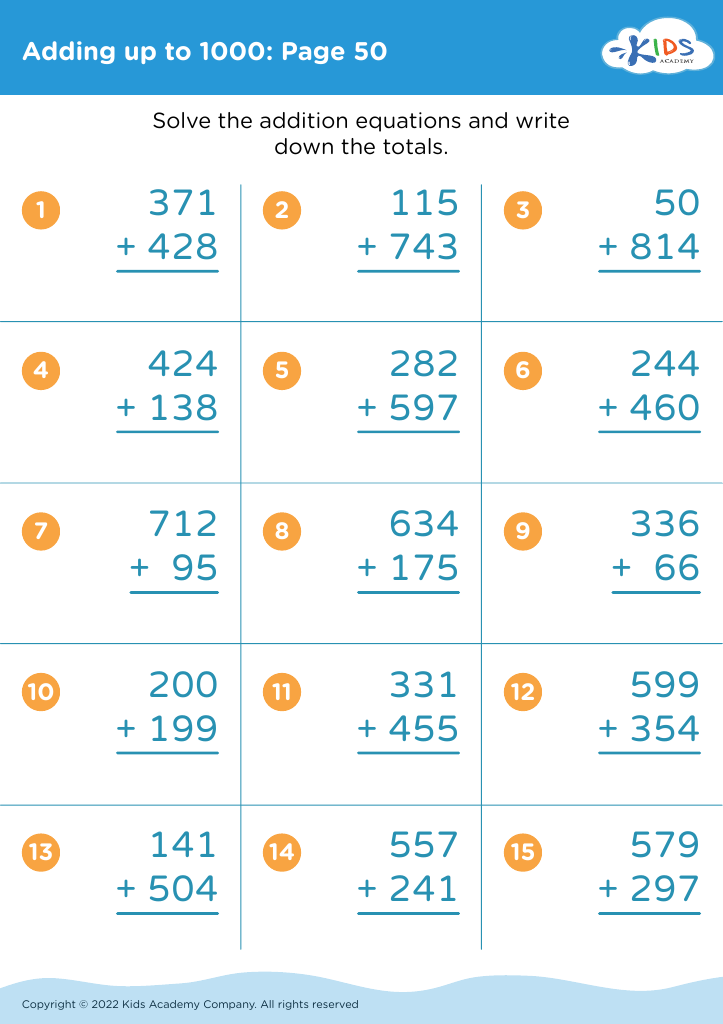
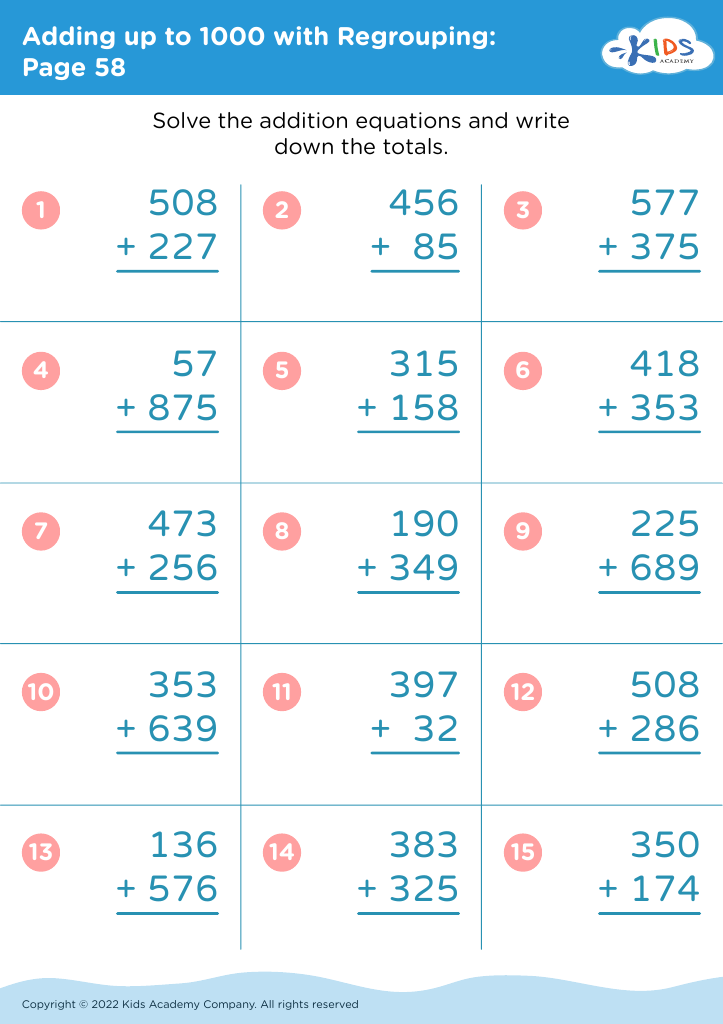
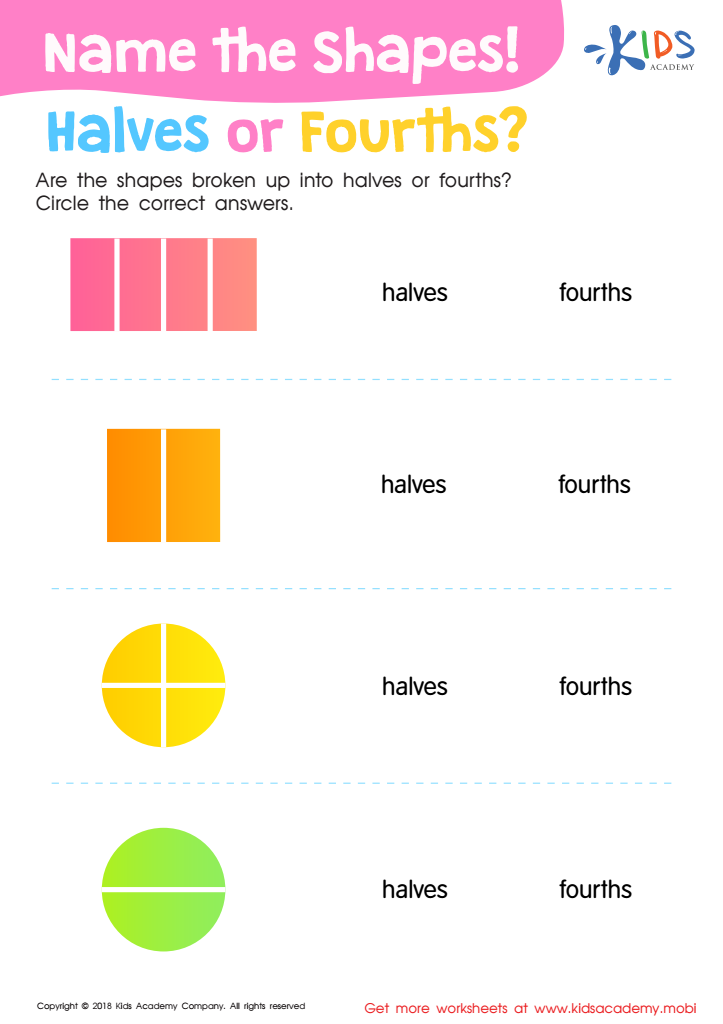
Name the Shapes Halves or Fourths? Worksheet

Color the Shapes Worksheet
 Assign to My Students
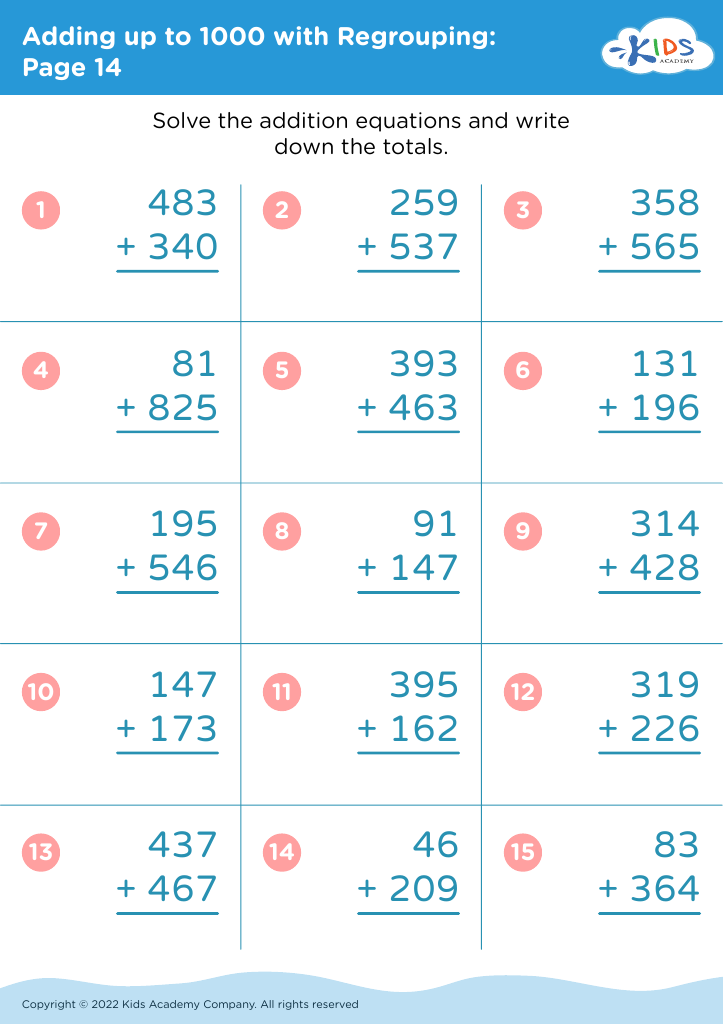
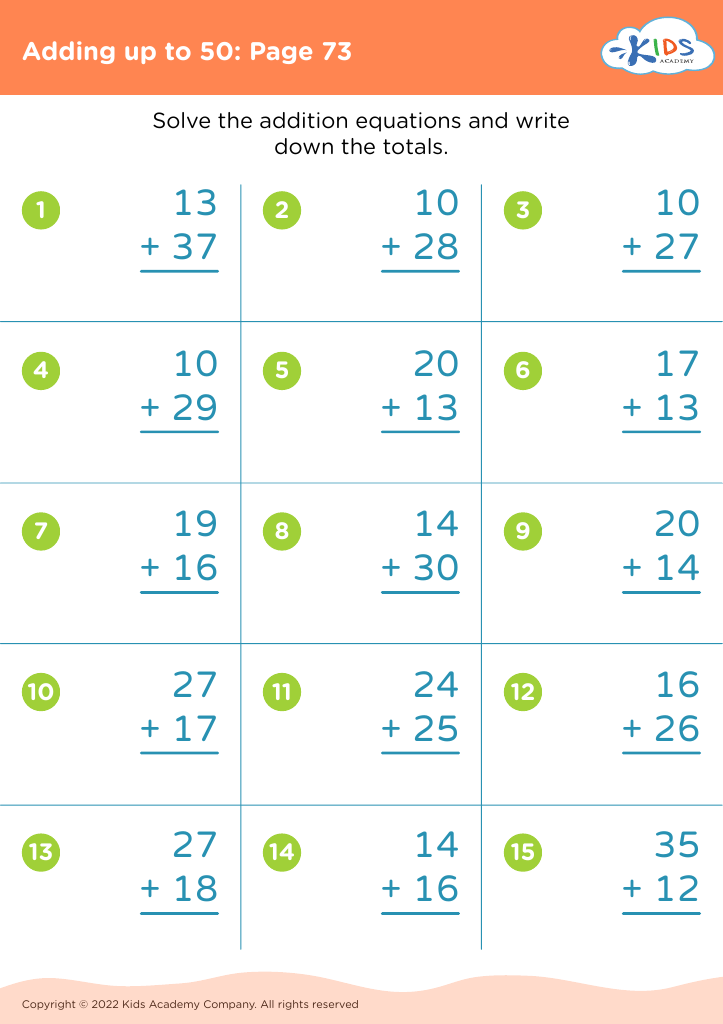
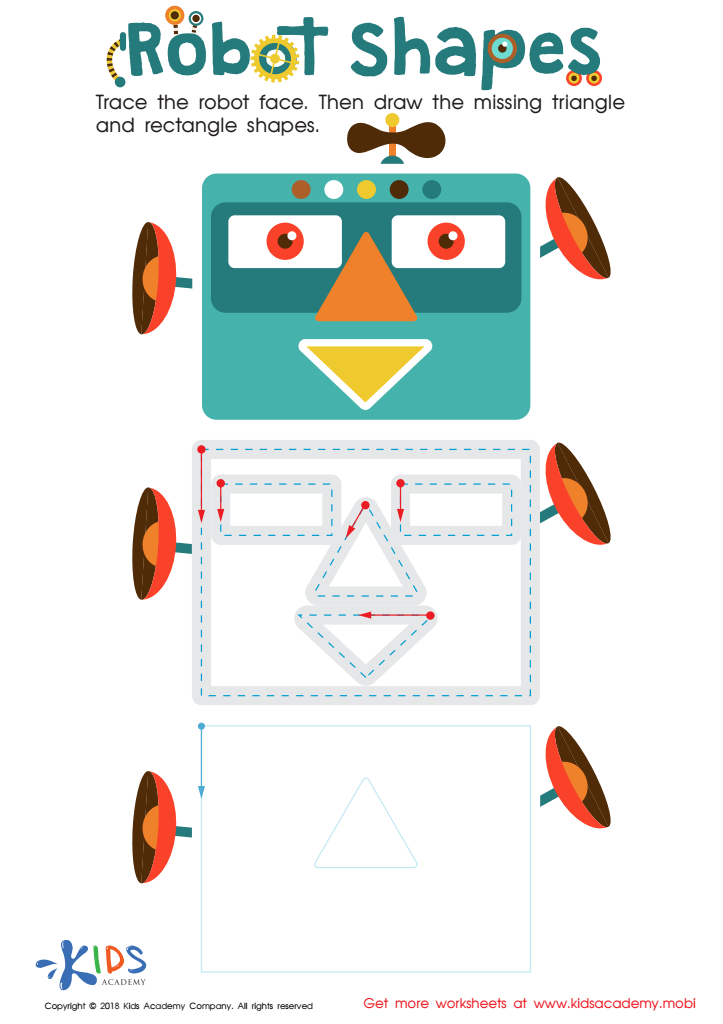
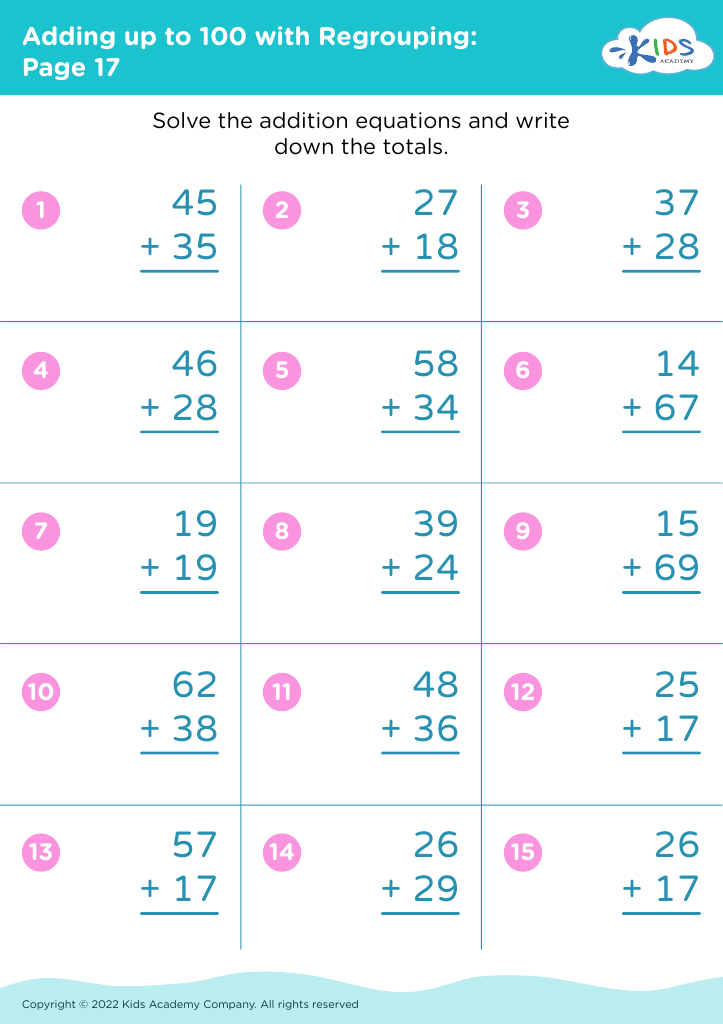
Robot Shapes Worksheet
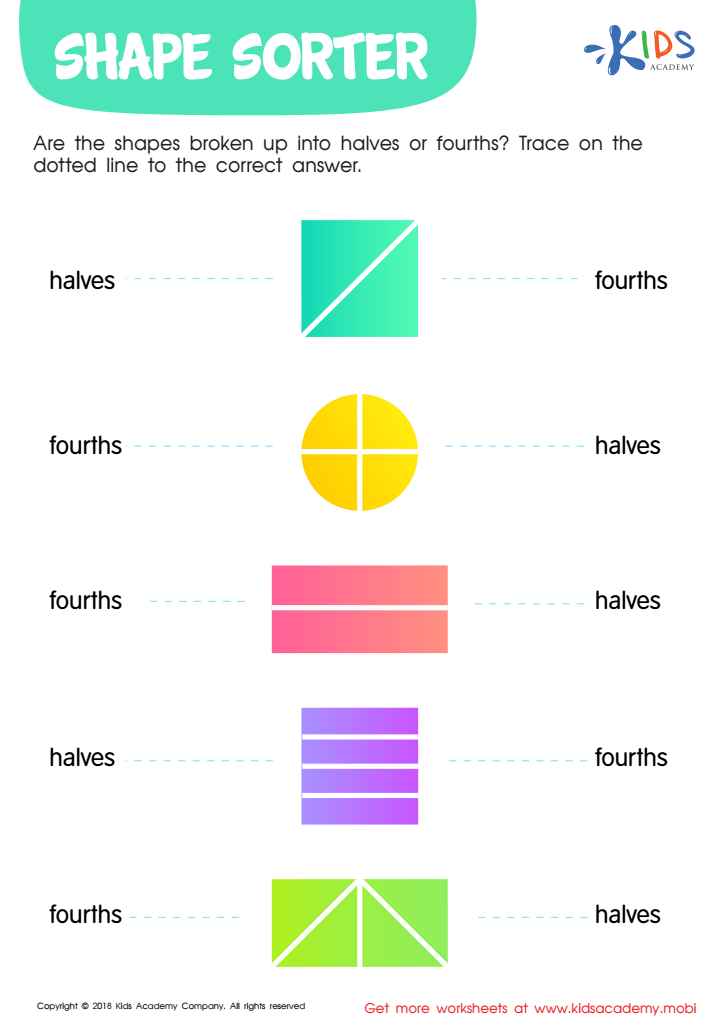
Shape Sorter Worksheet
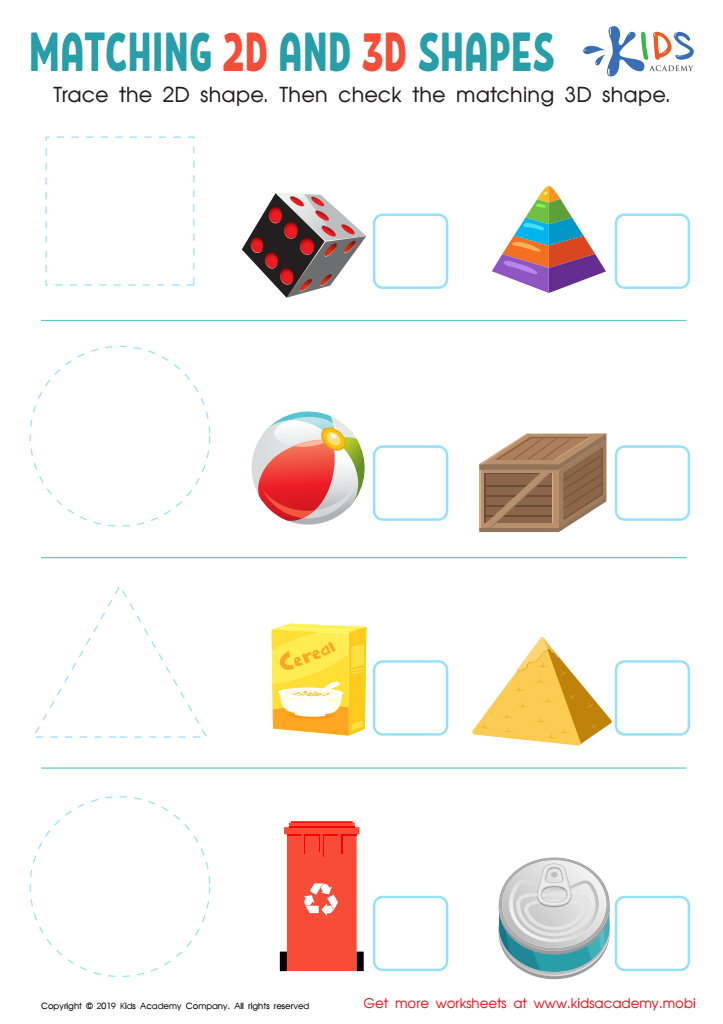
Matching 2D and 3D Shapes Worksheet
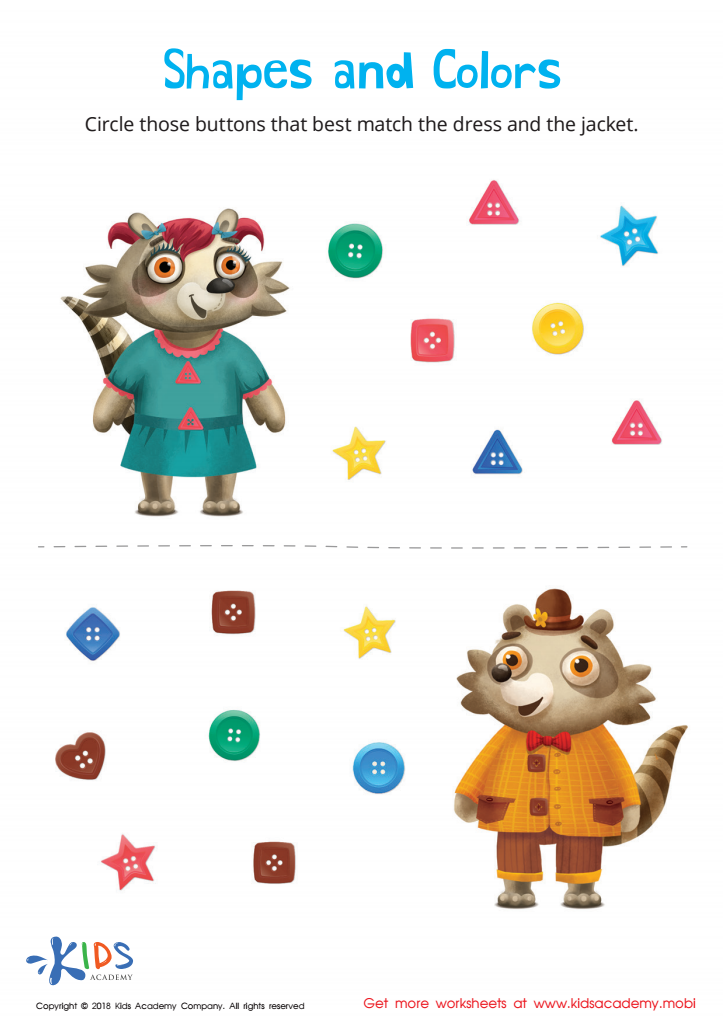
Shapes and Colors Worksheet
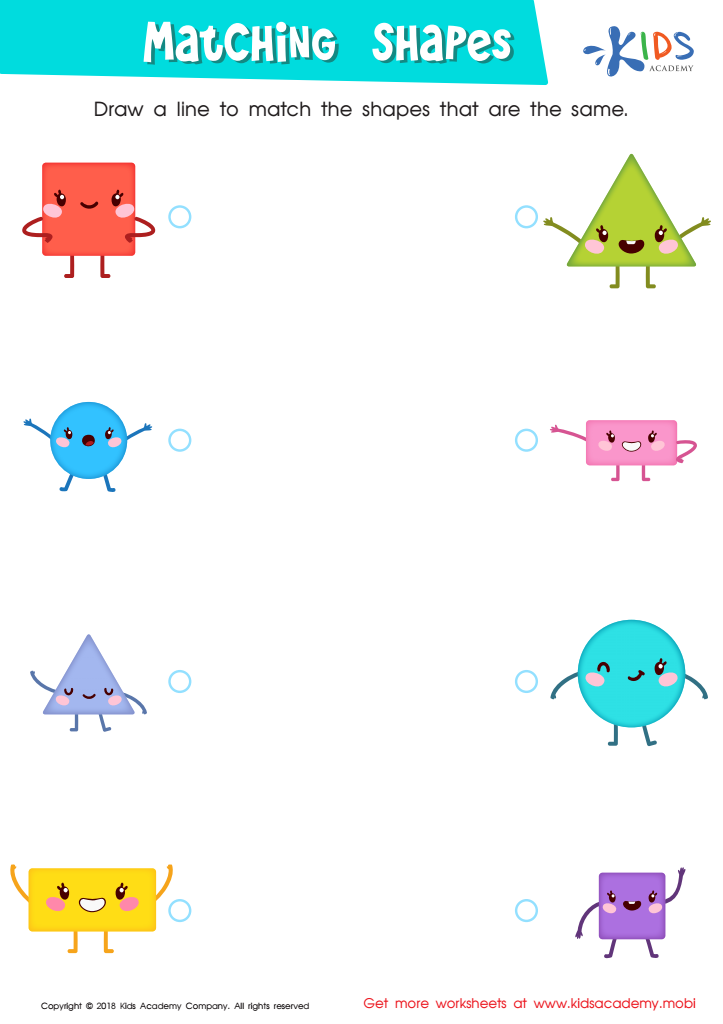
Matching Shapes Worksheet




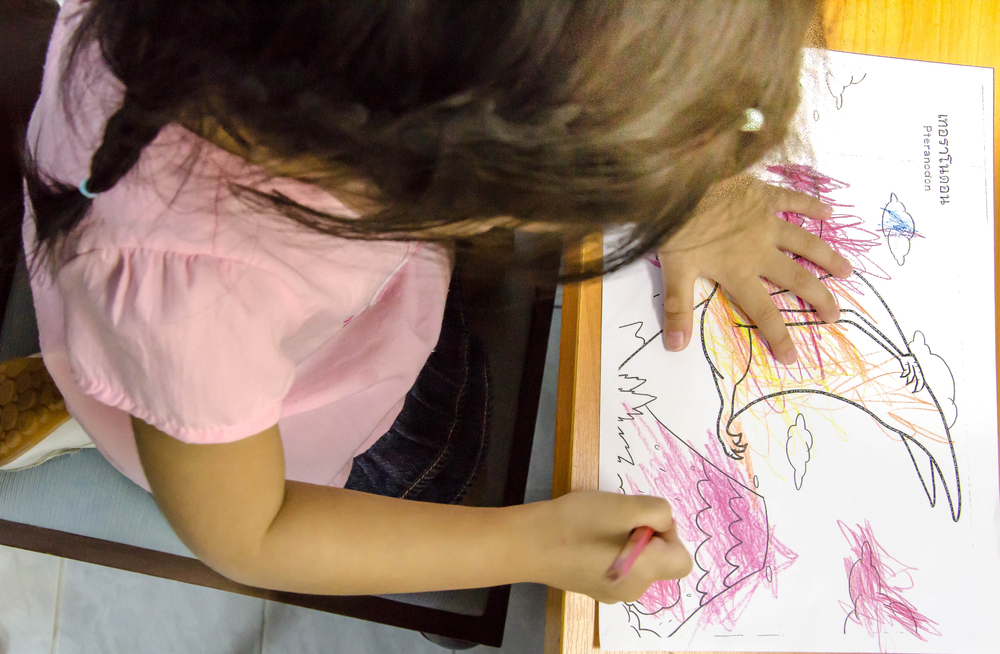



Shape recognition is a foundational skill in early childhood education that significantly contributes to a child's cognitive development. For children aged 5 to 7, understanding shapes is not merely about identifying circles, squares, and triangles; it serves as a stepping stone to more advanced mathematical concepts.
By recognizing shapes, children develop spatial awareness, which is crucial for tasks like building, drawing, and navigating their environment. Engaging in shape recognition enhances critical thinking, as children begin to categorize and describe objects based on their characteristics. This skill also lays the groundwork for geometry, an essential branch of mathematics, and helps in real-world applications such as understanding maps and patterns.
Moreover, the process of learning shapes fosters a child's creativity and imagination. It encourages them to visualize and manipulate objects, enhancing fine motor skills through activities like drawing or constructing shapes. When parents and teachers prioritize shape recognition, they are equipping children with essential problem-solving skills that extend beyond mathematics and into everyday life.
Additionally, engaging children in games and activities focused on shape recognition strengthens parent-child and teacher-student relationships, as they work together to explore and discover the world of shapes. Therefore, investing time in shape recognition is crucial for holistic child development.








