Understanding measurements Math Worksheets for Ages 5-7
25 filtered results
-
From - To
Welcome to our "Understanding Measurements" math worksheets designed specifically for children aged 5-7! These engaging and interactive worksheets help young learners explore fundamental concepts of measurement, including length, weight, and volume. With colorful visuals and age-appropriate challenges, these activities foster essential skills in comparing and measuring objects. Each worksheet promotes hands-on learning, encouraging students to apply measurements in real-life contexts. Perfect for classroom use or at-home practice, our resources support standard learning objectives while keeping math fun and interactive. Dive into the world of measurements with these exciting worksheets, ensuring your child develops confidence and curiosity in their mathematical abilities!
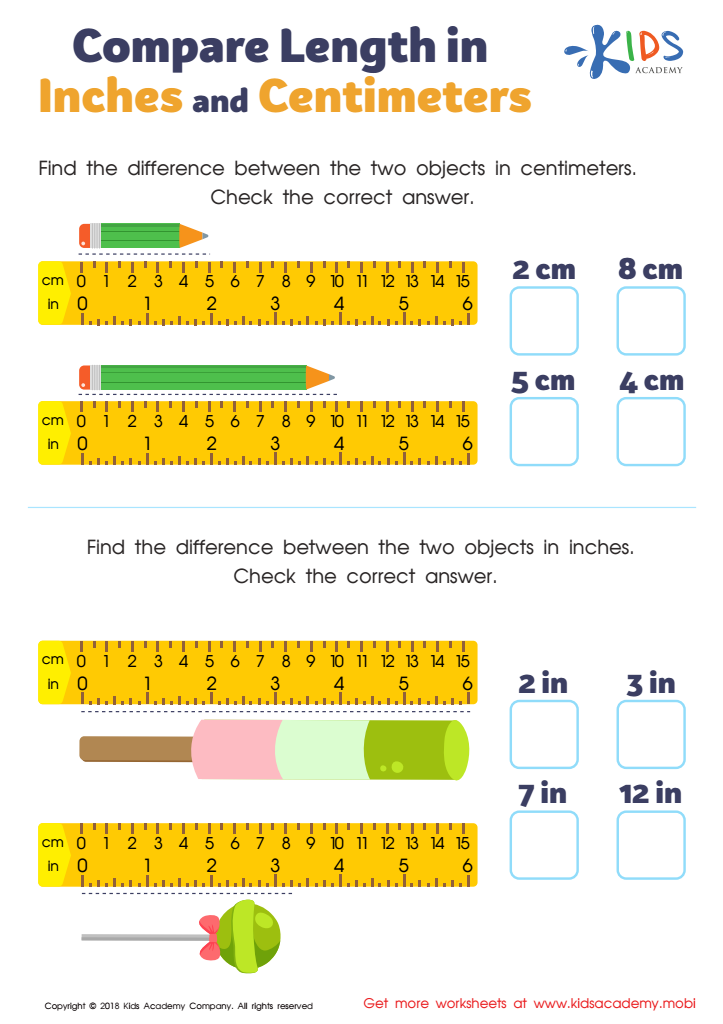
Compare Length in Inches and Centimeters Worksheet
 Assign to My Students
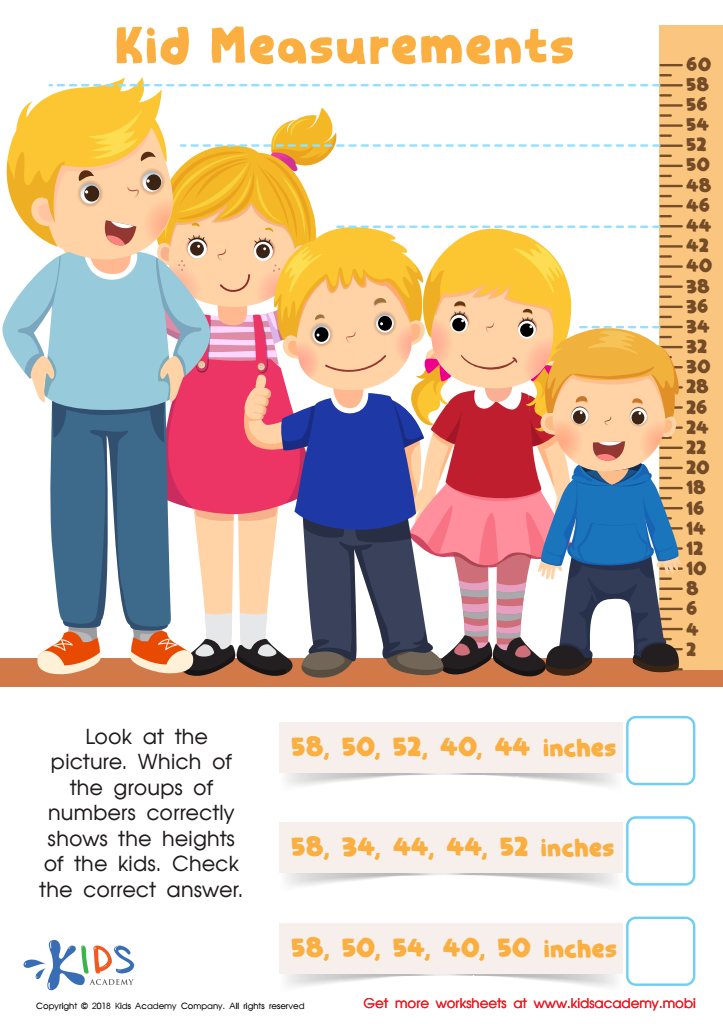
Kids Measurements Worksheet
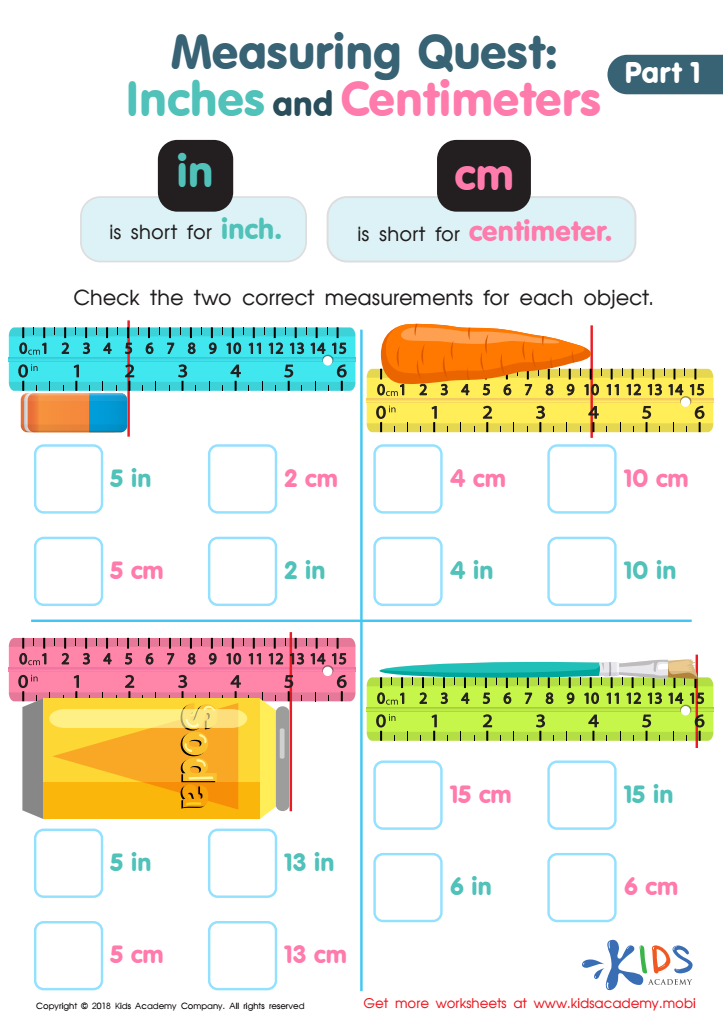
Measuring Quest: Inches and Centimeters Worksheet
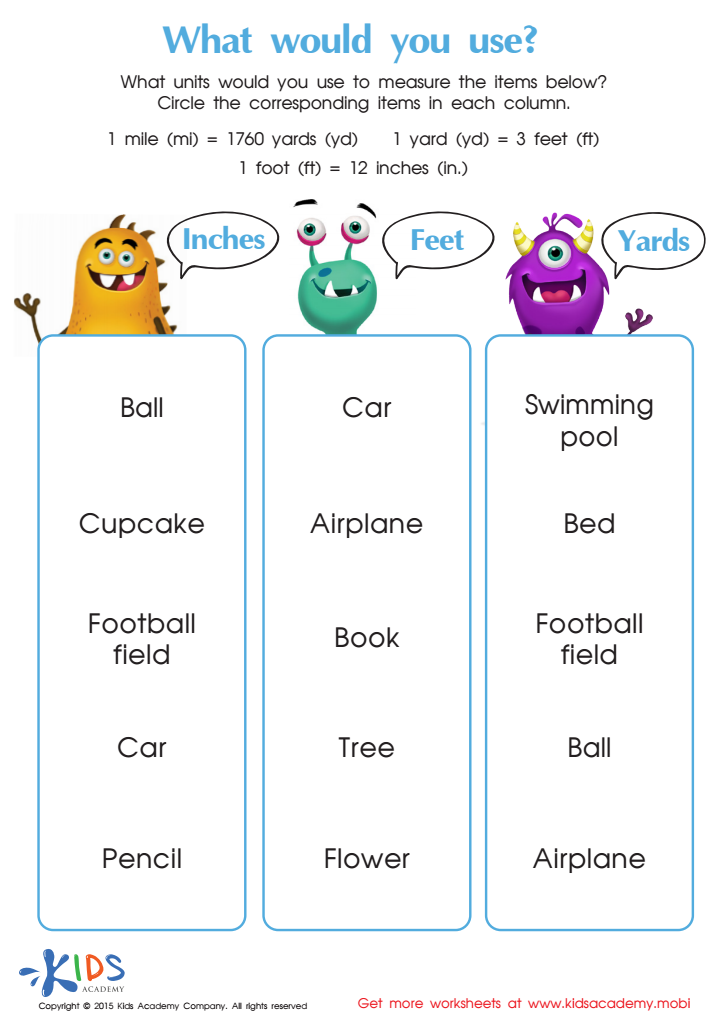
Learning about measuring objects in inches, feet and yards Worksheet
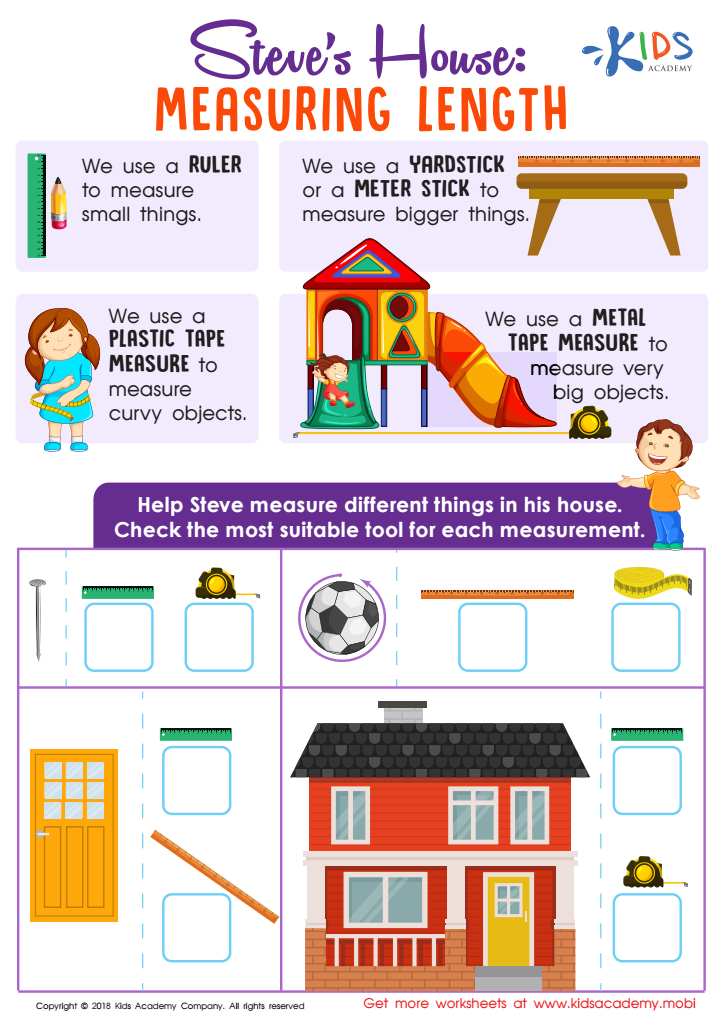
Steve's House: Measuring Length Worksheet
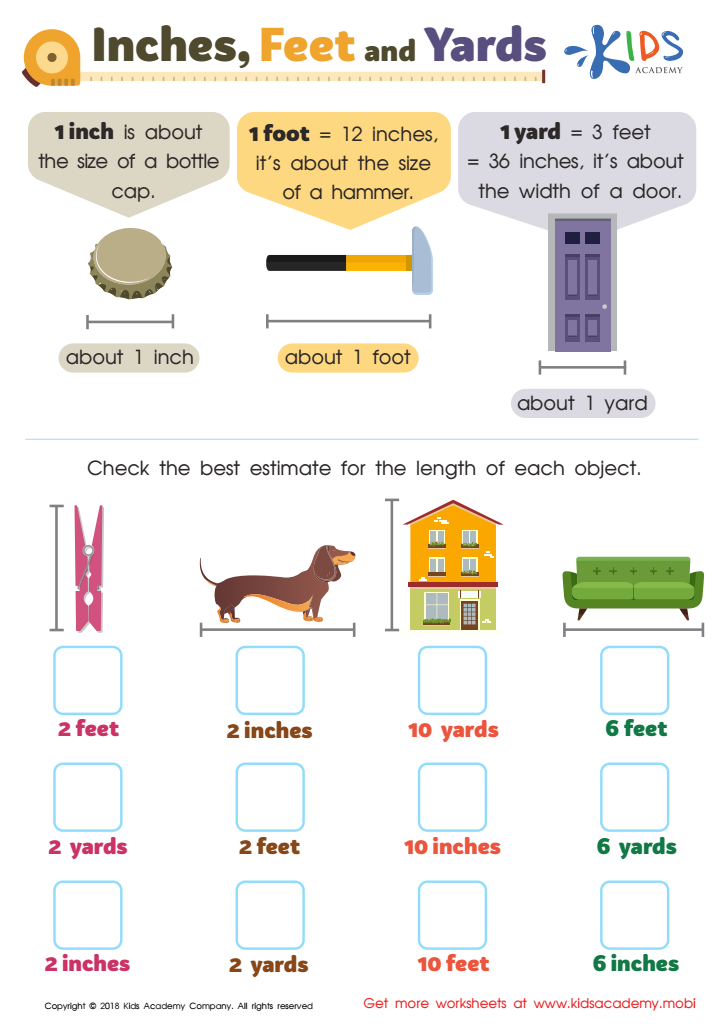
Inches, Feet and Yards Worksheet
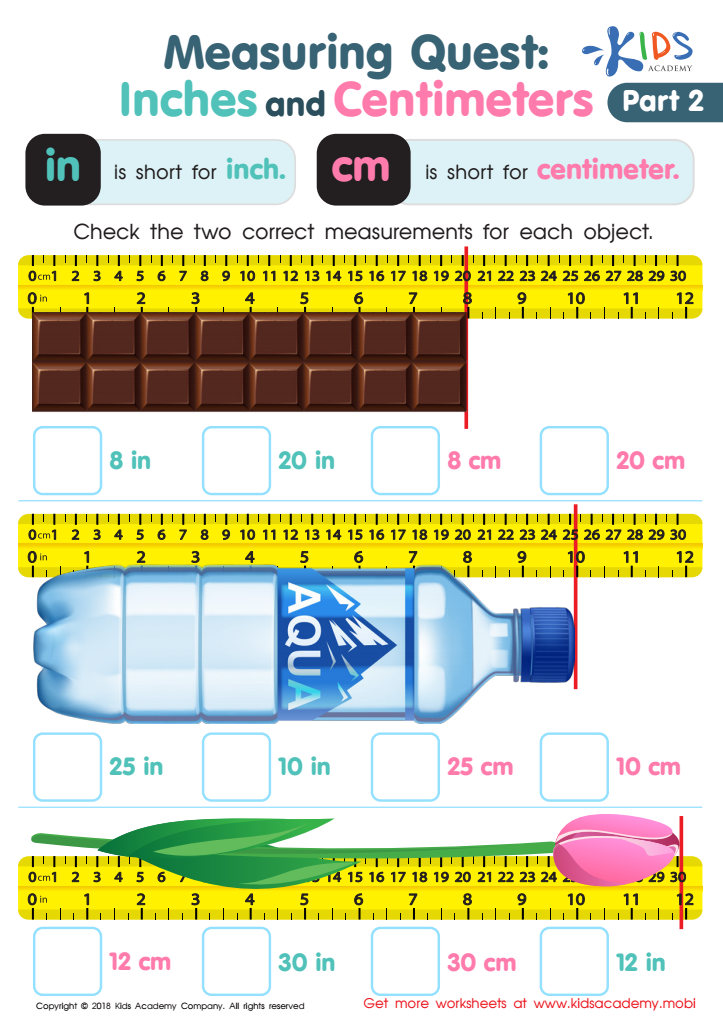
Measuring Quest: Inches and Centimeters - Part 2 Worksheet
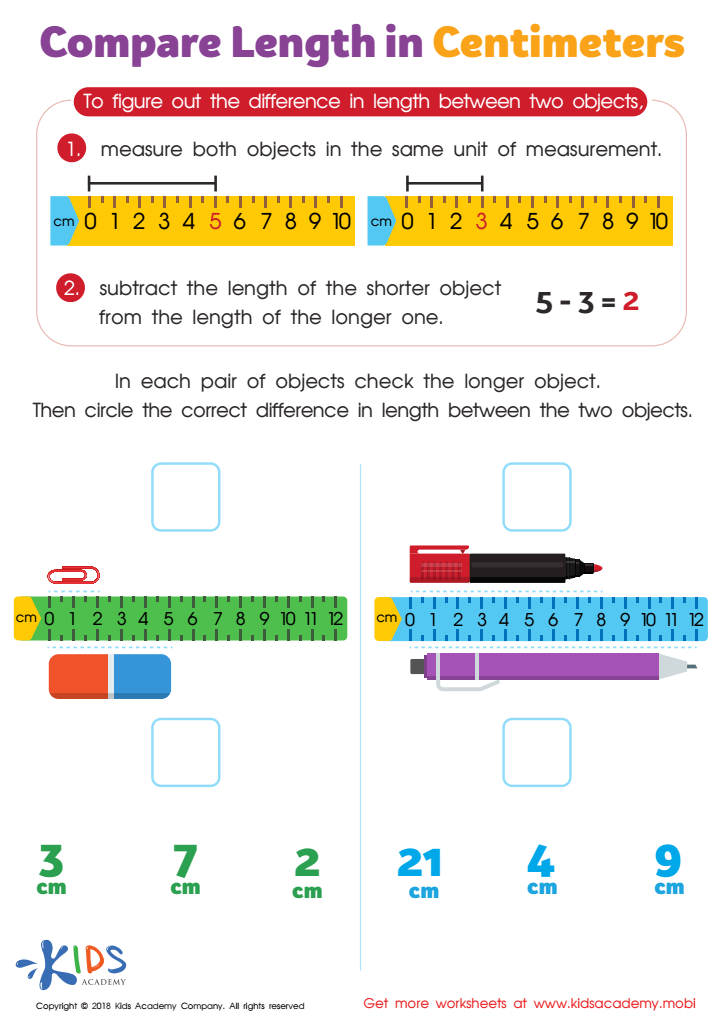
Compare Length in Centimeters Worksheet
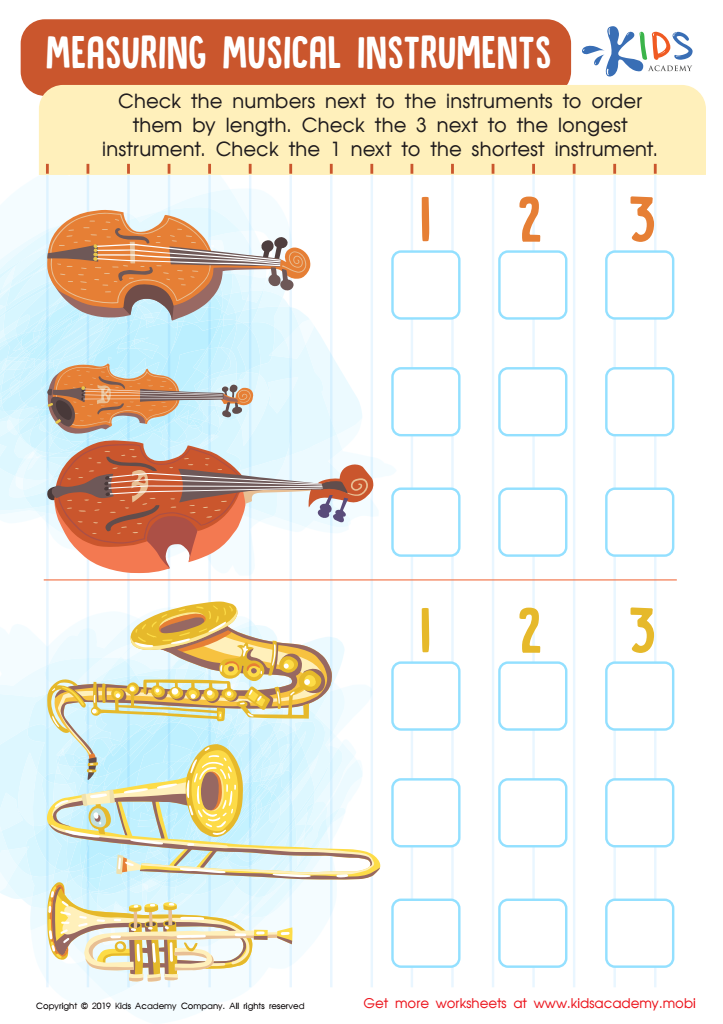
Measuring Musical Instruments Worksheet
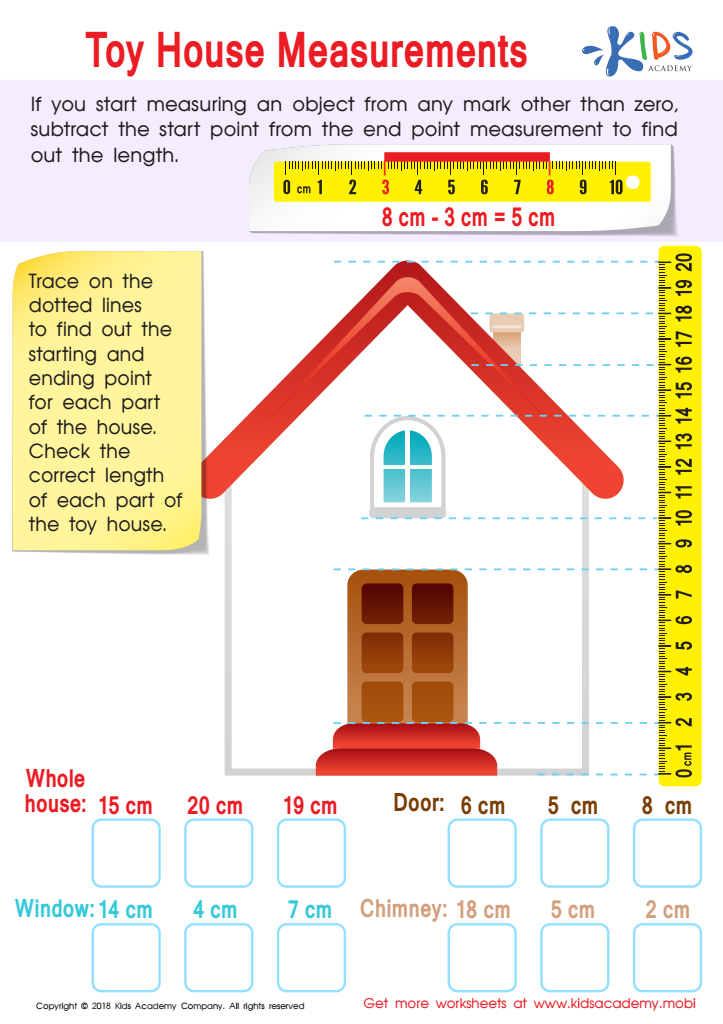
Toy House Measurements Worksheet
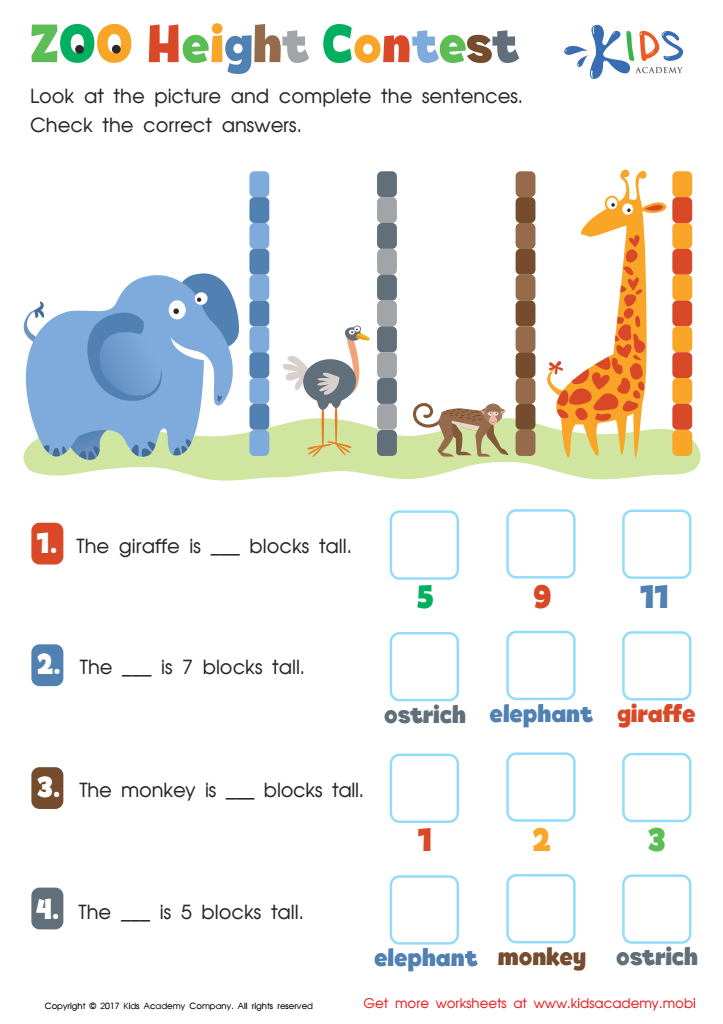
Zoo Height Contest Worksheet
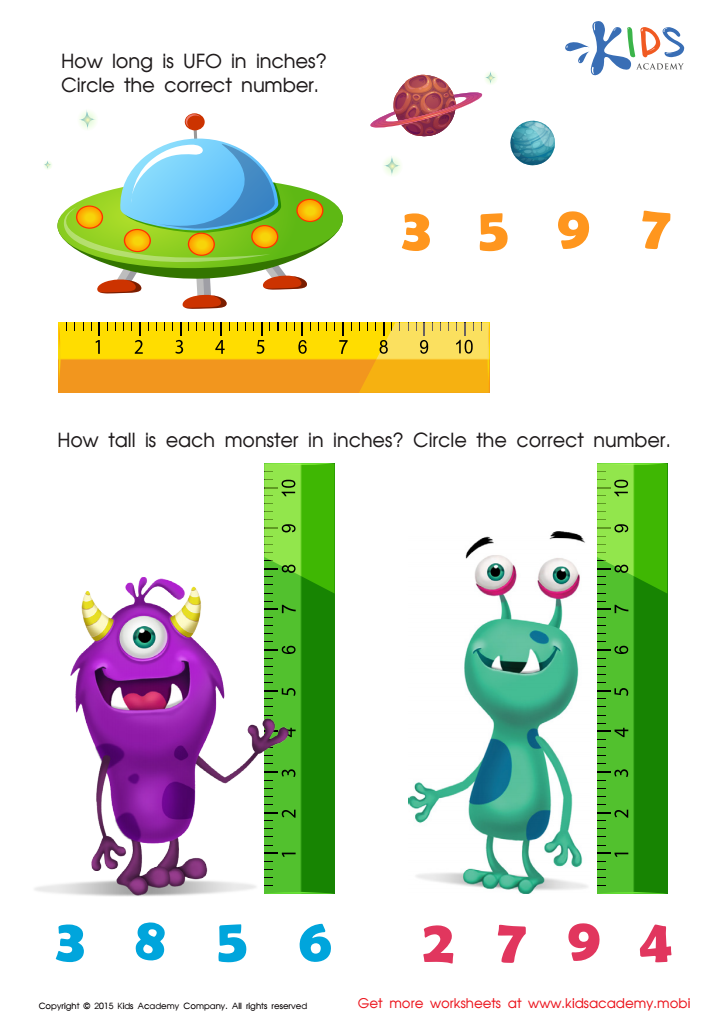
Measuring in Inches Worksheet
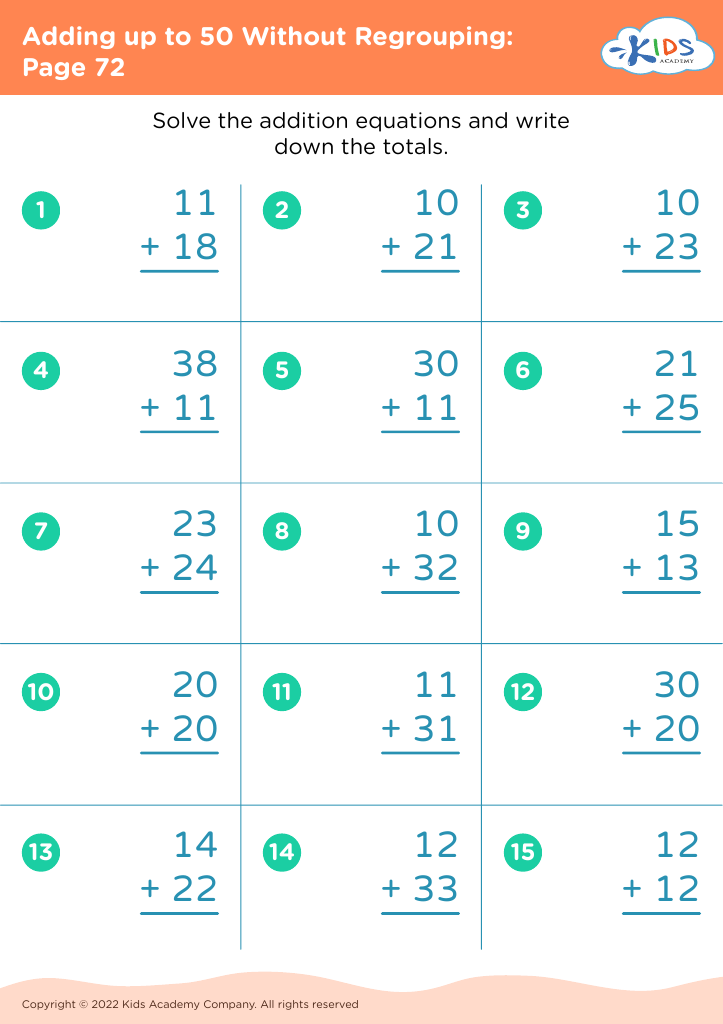
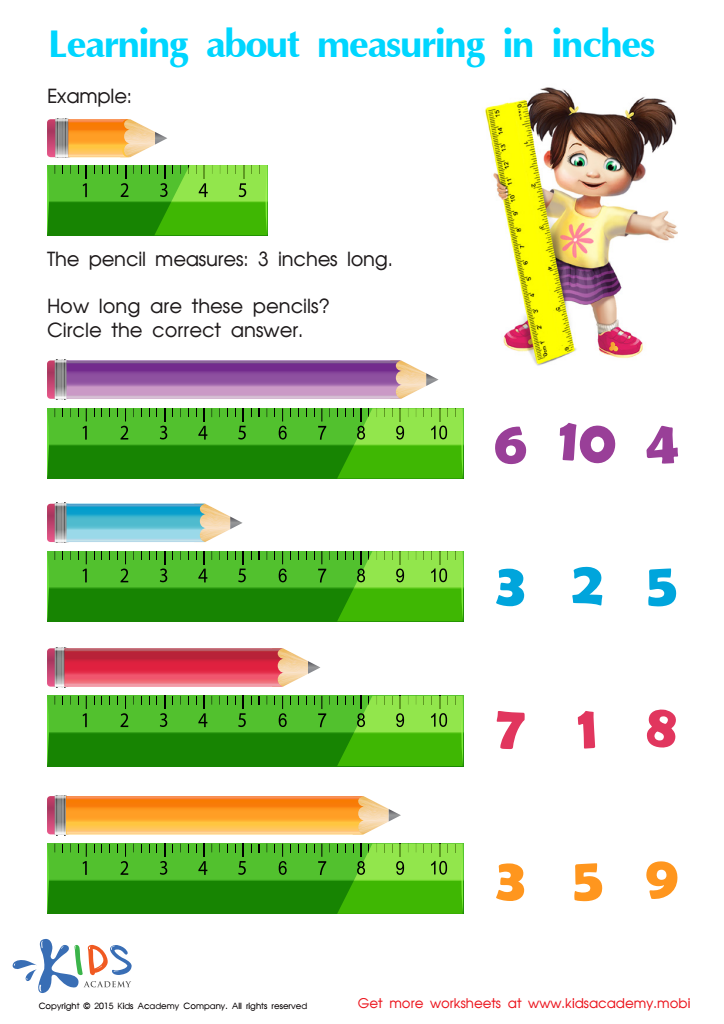
Learning About Measuring In Inches Printable
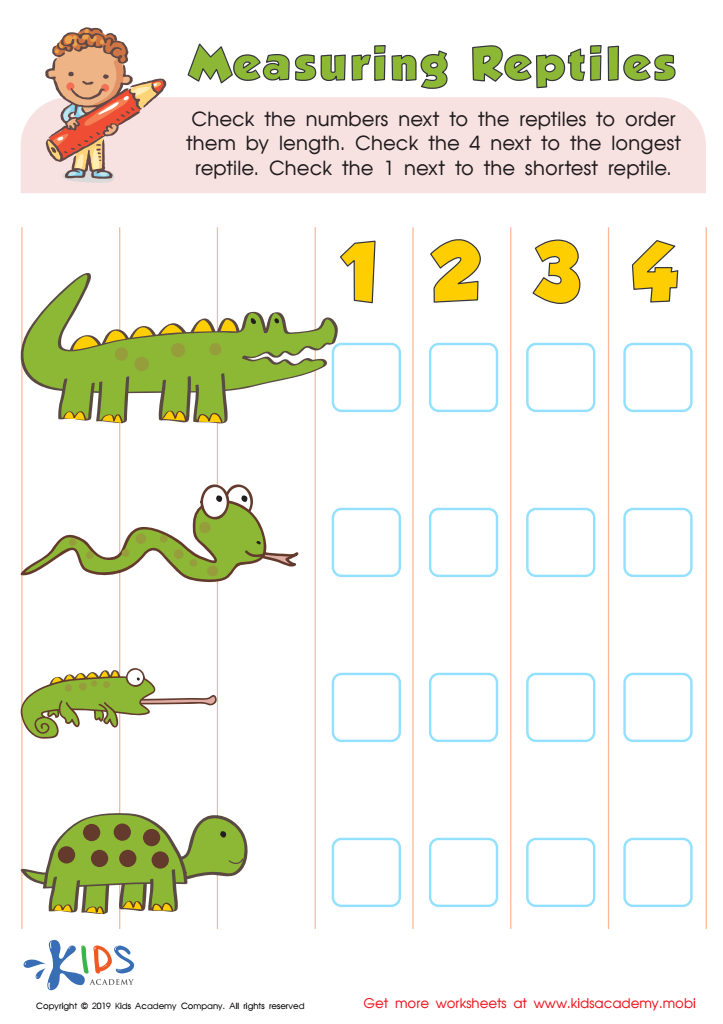
Measuring Reptiles Worksheet
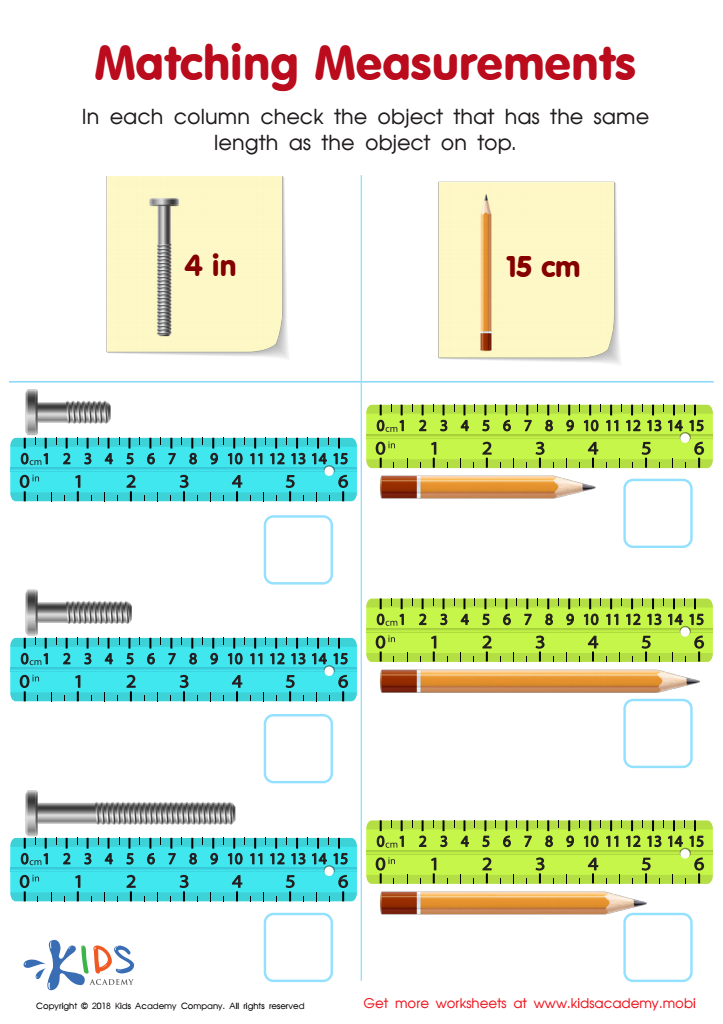
Matching Measurements Worksheet
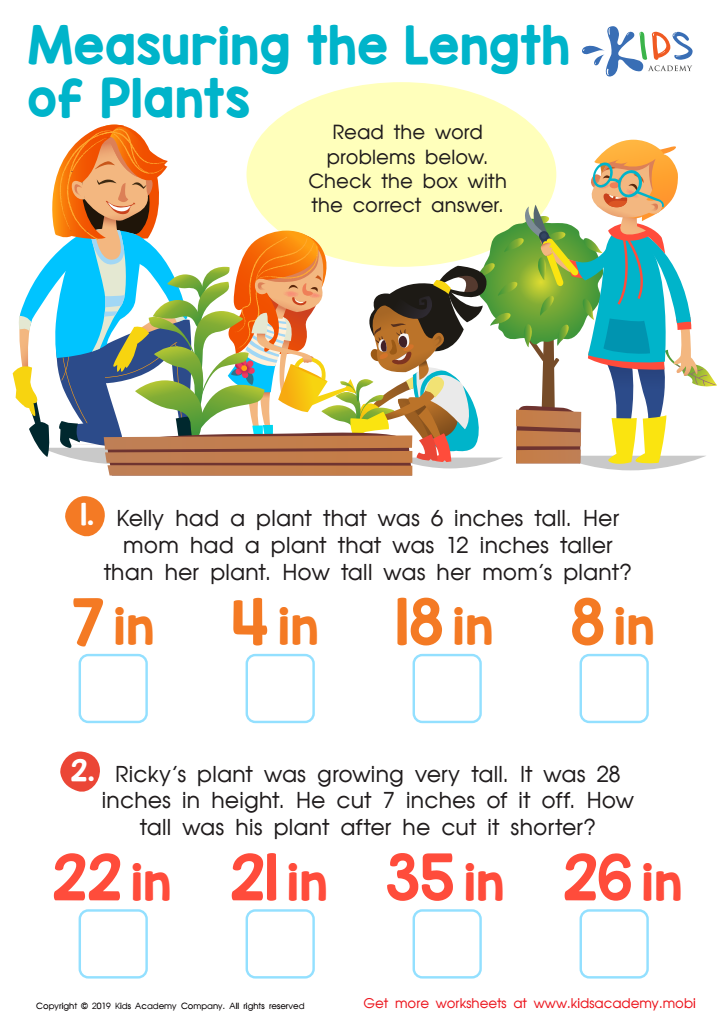
Measuring the Length of Plants Worksheet
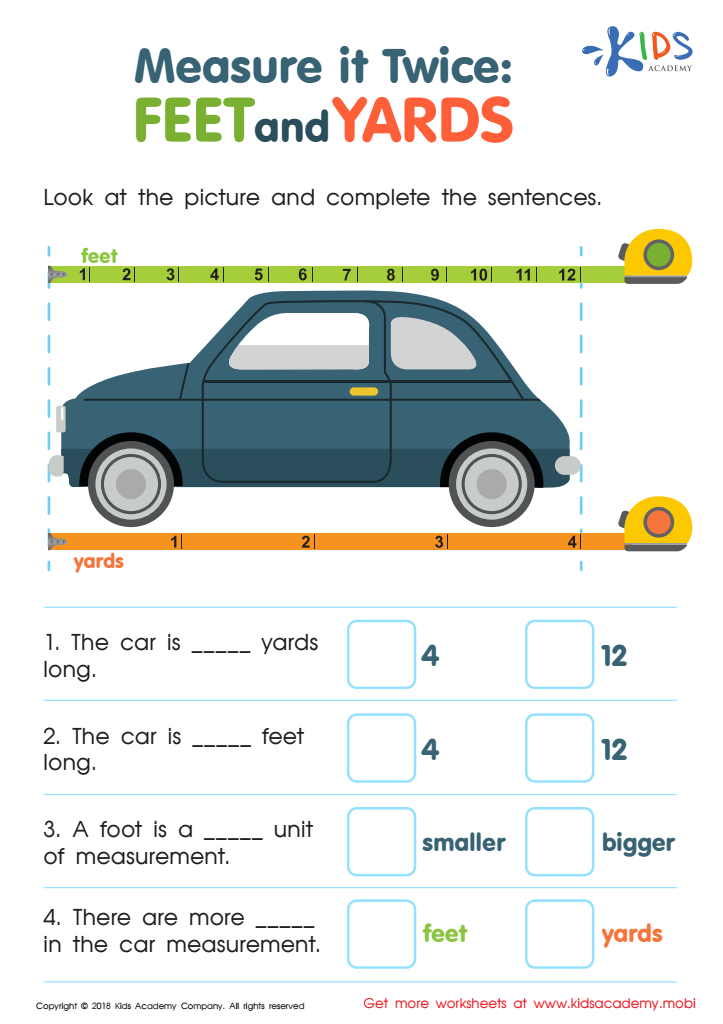
Measure It Twice: Feet and Yards Worksheet
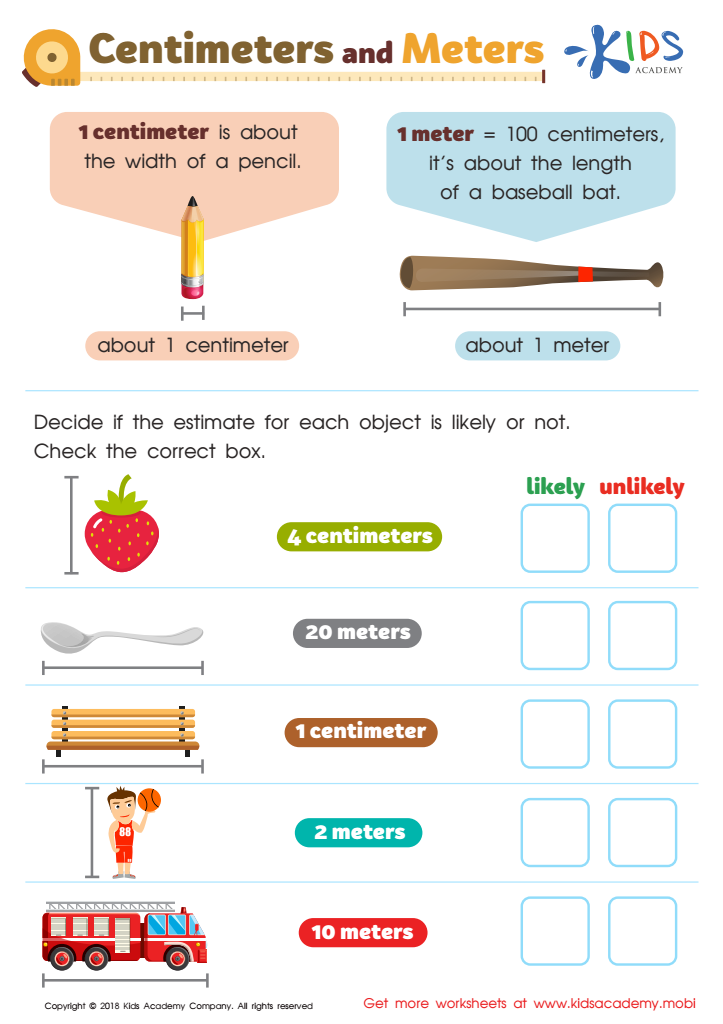
Centimeters and Meters Worksheet
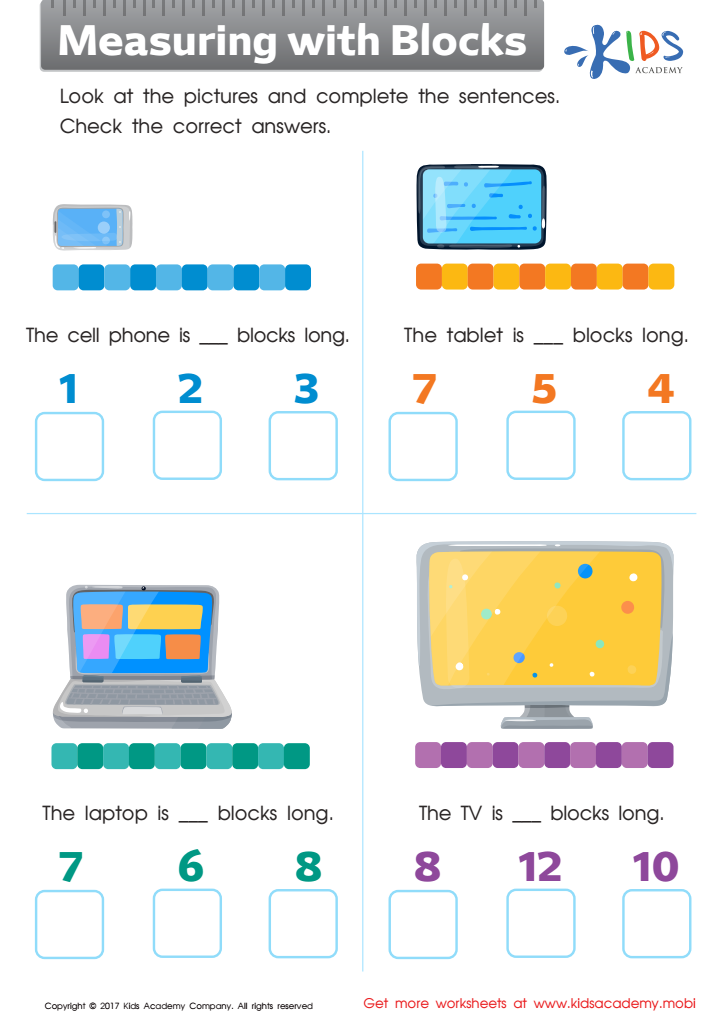
Measuring with Blocks Worksheet
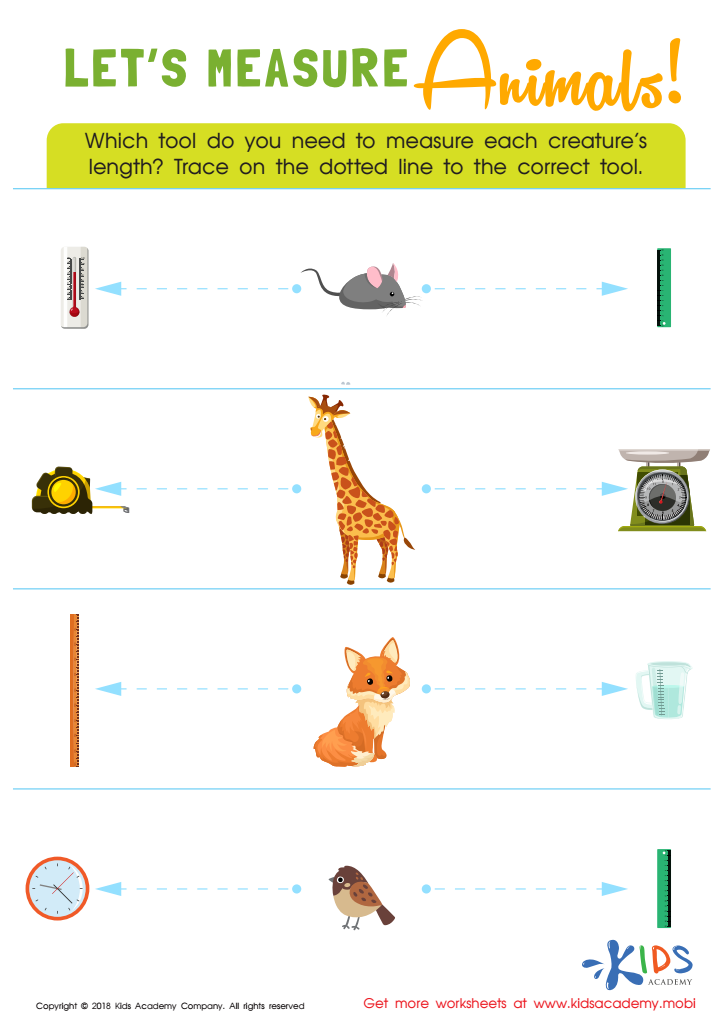
Let's Measure Animals! Worksheet
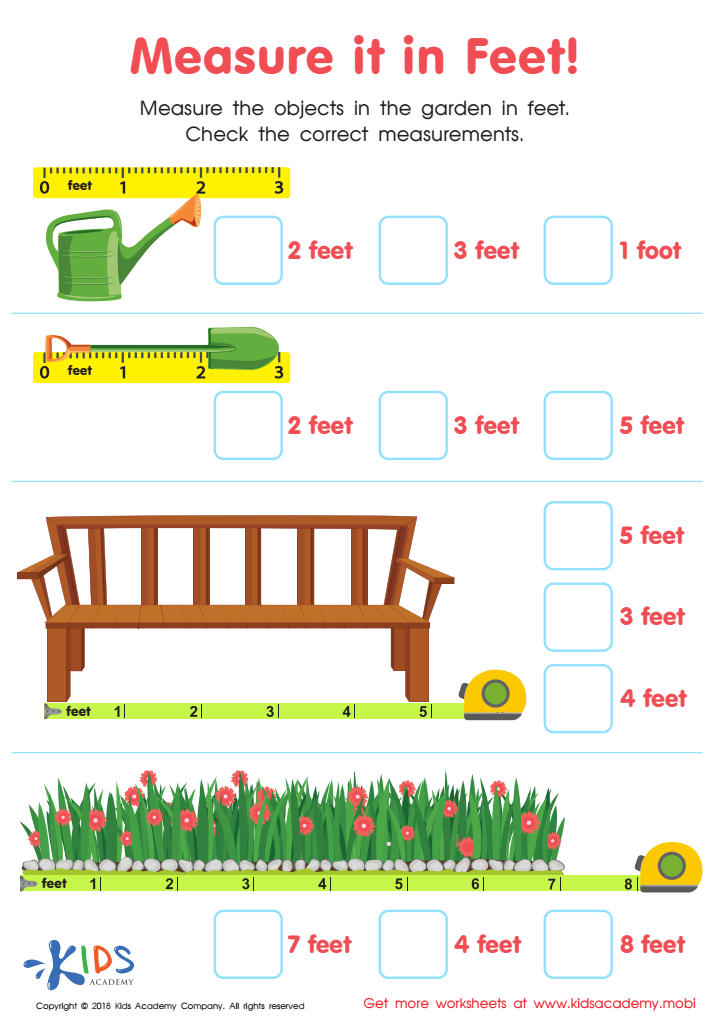
Measure it in Feet Worksheet
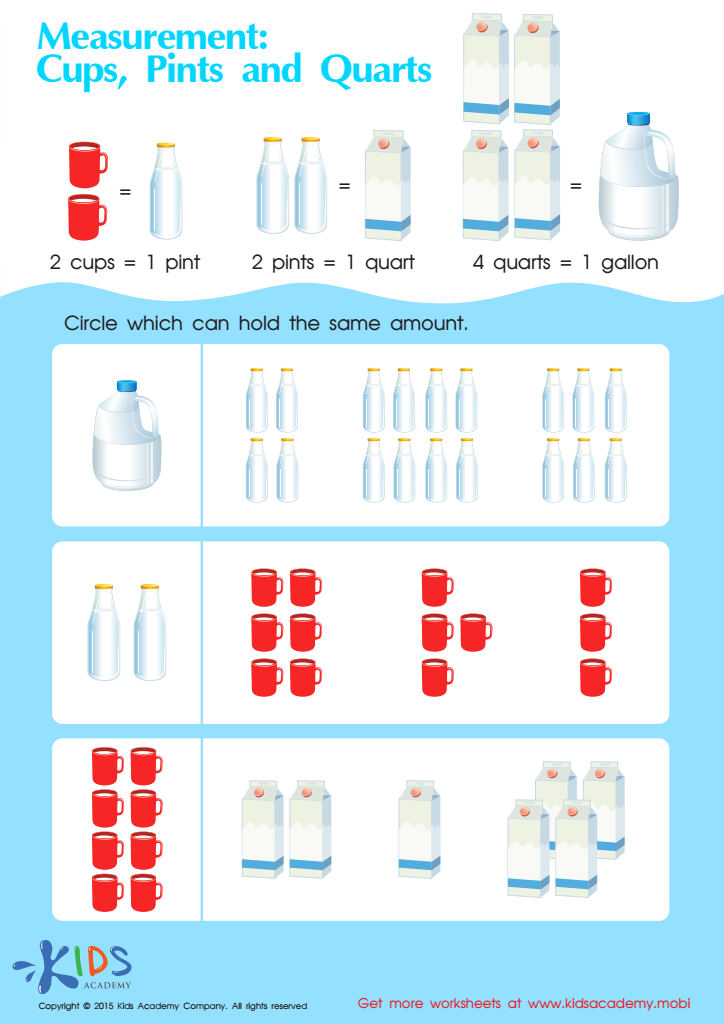
Cups, Pints and Quarts 2 Worksheet




.jpg)

.jpg)
Understanding measurements is crucial for children ages 5-7, and it's essential for both parents and teachers to prioritize this skill. At this age, students are developing foundational math abilities that will serve as building blocks for future learning. Measuring introduces them to key concepts such as length, weight, capacity, and time, helping them to grasp the real-world applications of math.
By learning measurements, children become more adept at problem-solving and logical thinking. These skills extend beyond academics; they enrich daily life experiences, such as cooking, crafting, and understanding time through schedules. Additionally, measurement activities encourage hands-on learning, fostering curiosity and engagement. It allows children to connect mathematics to their environment, making abstract concepts more tangible.
Furthermore, proficiency in measurements promotes confidence as students see the practical value of what they learn—preparing them for advanced topics in math. Encouraging this understanding not only lays a solid educational foundation but also empowers children to navigate their world effectively. When parents and teachers prioritize measurement skills, they contribute to a child’s overall cognitive and social development, ensuring they are well-equipped for future challenges in learning and everyday life.








