Filters

21 filtered results

Clear all filters
Favorites
With answer key
Interactive

21 filtered results

Difficulty Level

Grade


Enhance your child’s vocabulary with our engaging Vocabulary Expansion Math Worksheets specifically designed for ages 5-7. These interactive resources seamlessly blend language skills with fundamental math concepts, promoting a well-rounded learning experience. Our carefully crafted worksheets feature fun illustrations and age-appropriate exercises that encourage children to explore new words while applying math principles. From identifying shapes to solving simple equations, these activities foster critical thinking and enhance communication abilities. Perfect for home or school use, our worksheets make learning enjoyable and effective. Help your young learner grow their math vocabulary today with our accessible and entertaining resources!
Check out this FREE Trial Lesson on Math for age 5-7!

Lesson 5- Combine and Find New Shapes

Favorites
With answer key
Interactive
  • 5-7
  • Vocabulary expansion
  • Math
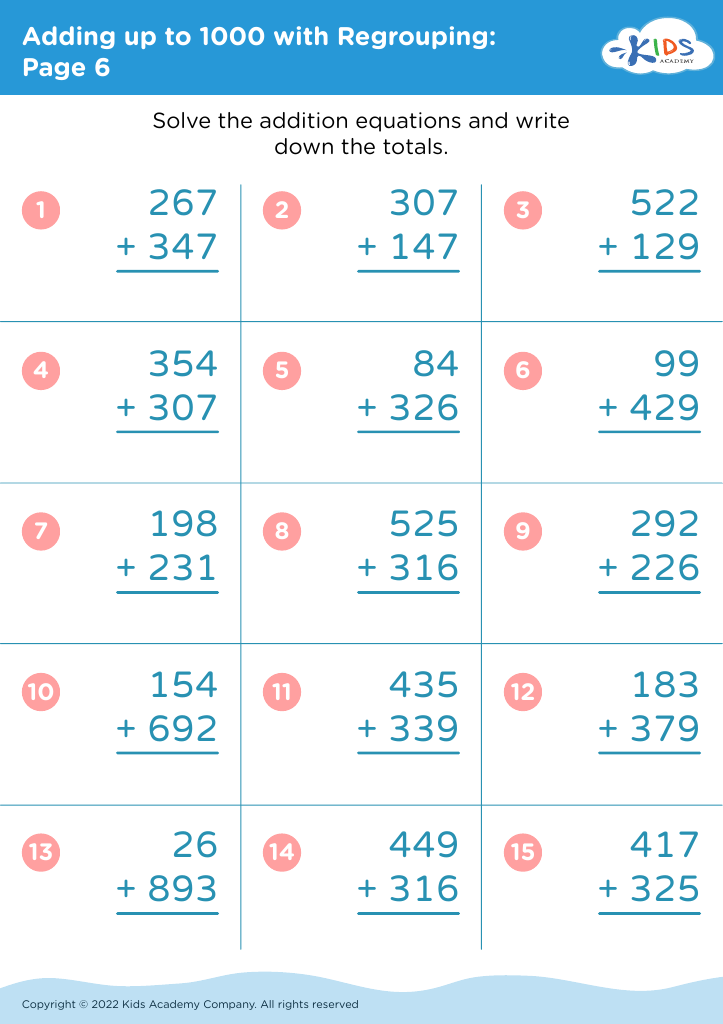
Adding up to 1000 with Regrouping: Page 6
Worksheet
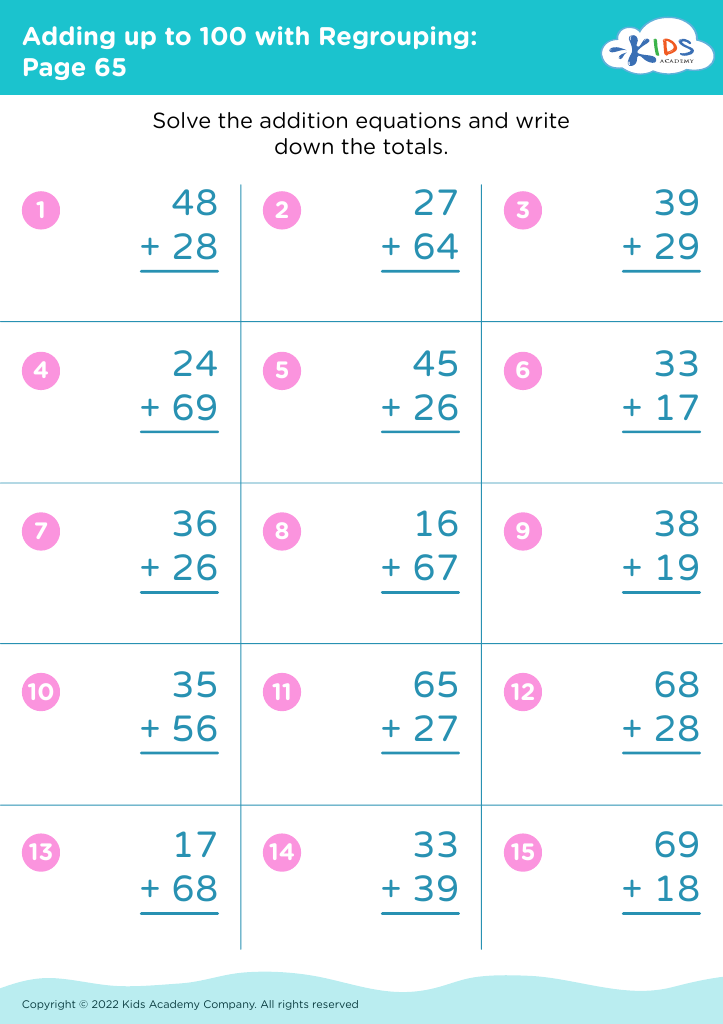
Adding up to 100 with Regrouping: Page 65
Worksheet
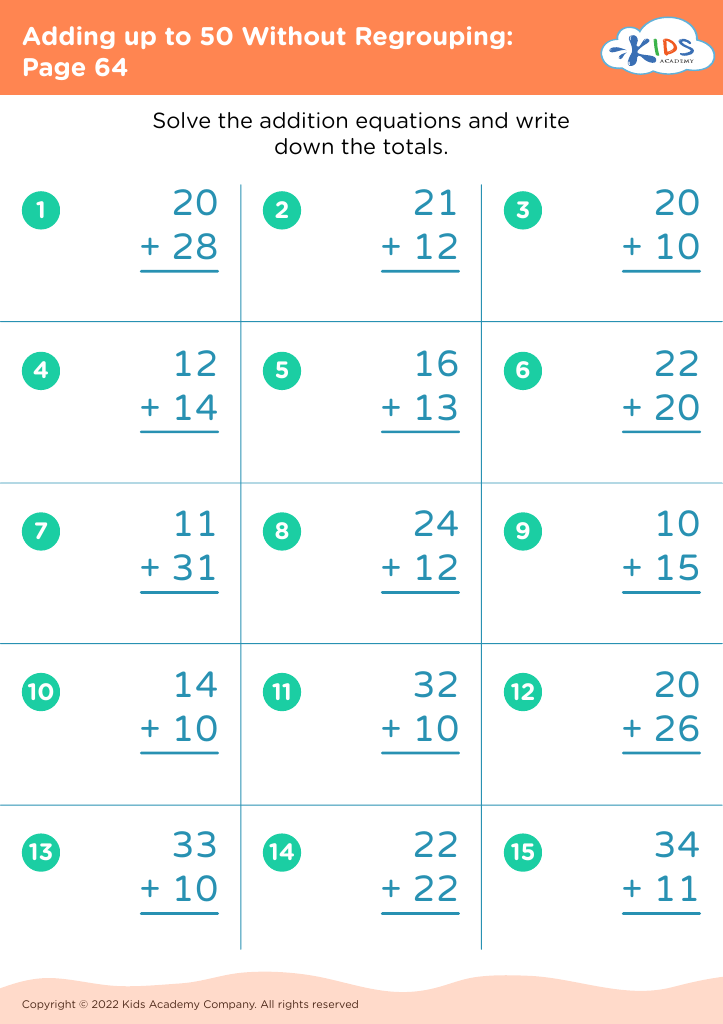
Adding up to 50 Without Regrouping: Page 64
Worksheet
Geometric Shapes for Kids: Practice Drawing Hexahedrons And a Rhombus PDF

Practice Drawing Hexahedrons And a Rhombus Worksheet

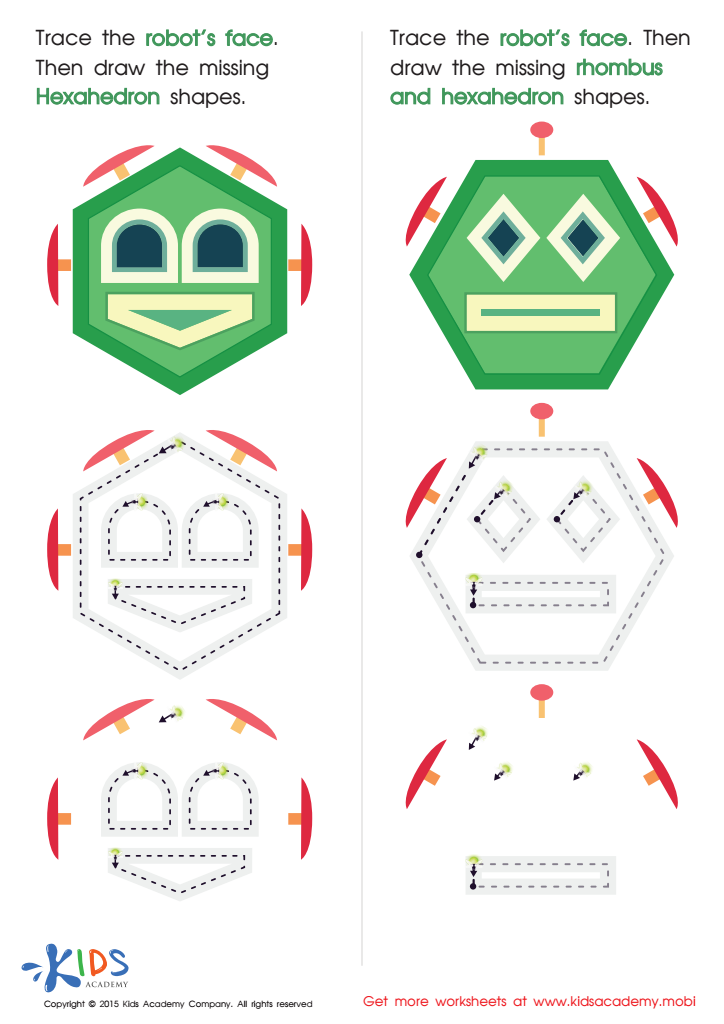
Trace the Robot's face, draw hexahedron and rhombus shapes, then trace again. Our tracing shapes worksheets make it easy for kids to learn geometry. Get more materials from Kids Academy to practice all the shapes.
Practice Drawing Hexahedrons And a Rhombus Worksheet
Worksheet
City or Country? Worksheet

City or Country? Worksheet

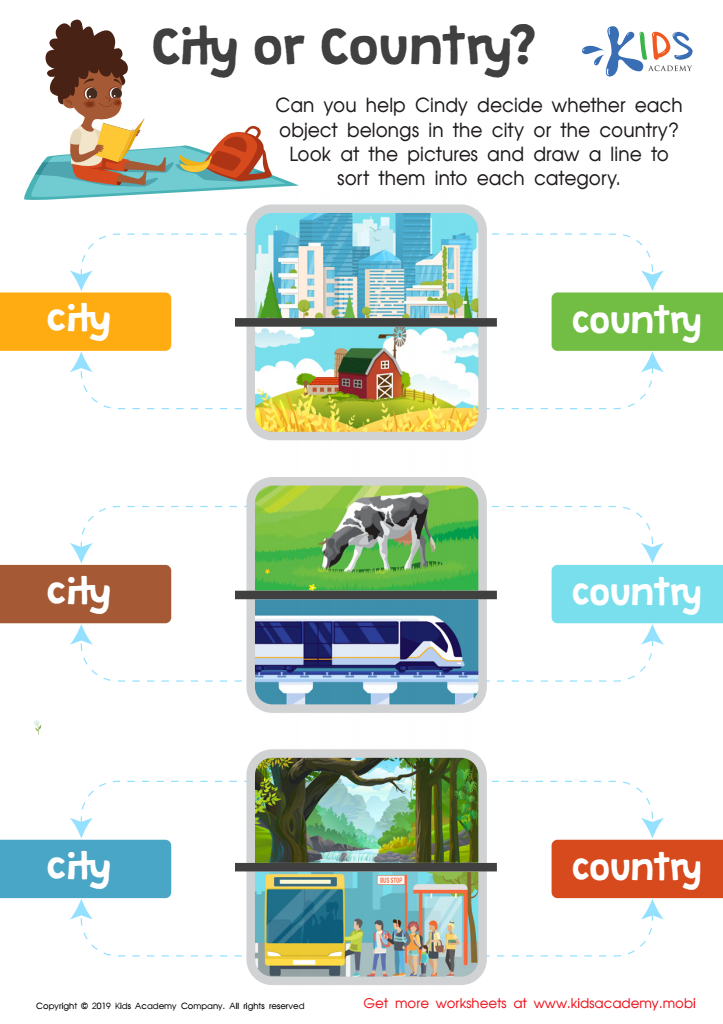
Whether city or country, both have distinct attributes. Cities have skyscrapers, public transport, and many business people, whereas the countryside is rural and full of nature, often farms. Download this PDF to help your child and Cindy use traced lines to decide which picture fits city or country.
City or Country? Worksheet
Worksheet
Adding up to 100: Page 3

Adding up to 100: Page 3

Adding up to 100: Page 3
Worksheet
Rainforest Conservation Worksheet
Rainforest Conservation Worksheet

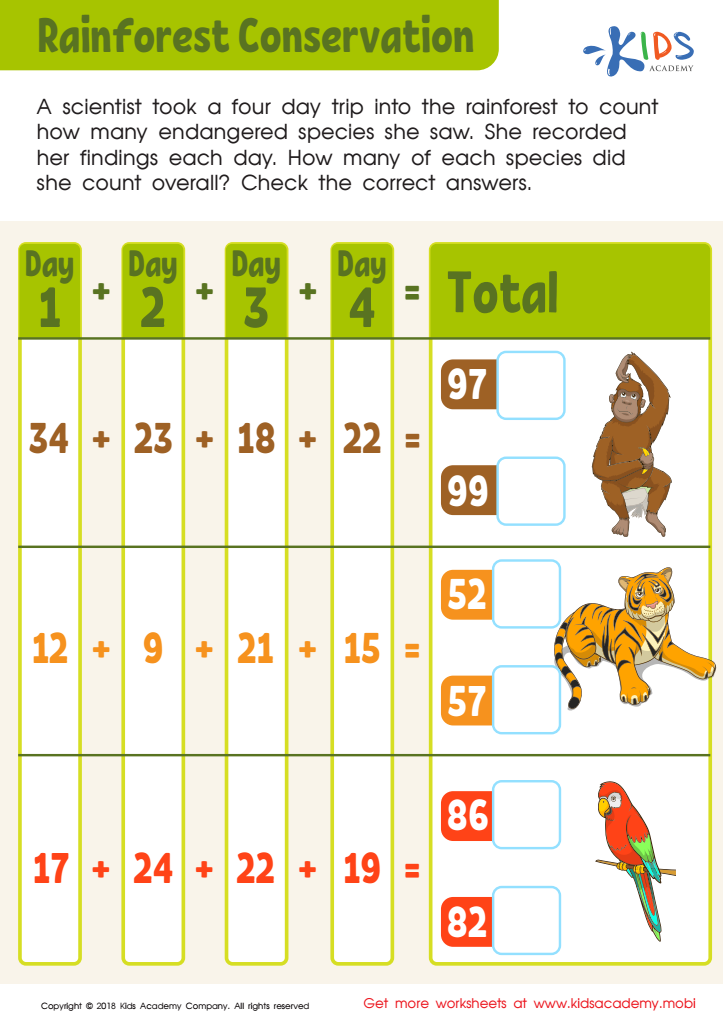
Explain to your child what a rainforest is and why it's important. A scientist took a four-day trip to count endangered species. Let your child count how many of each species were seen in total. Check the answers and help them understand.
Rainforest Conservation Worksheet
Worksheet
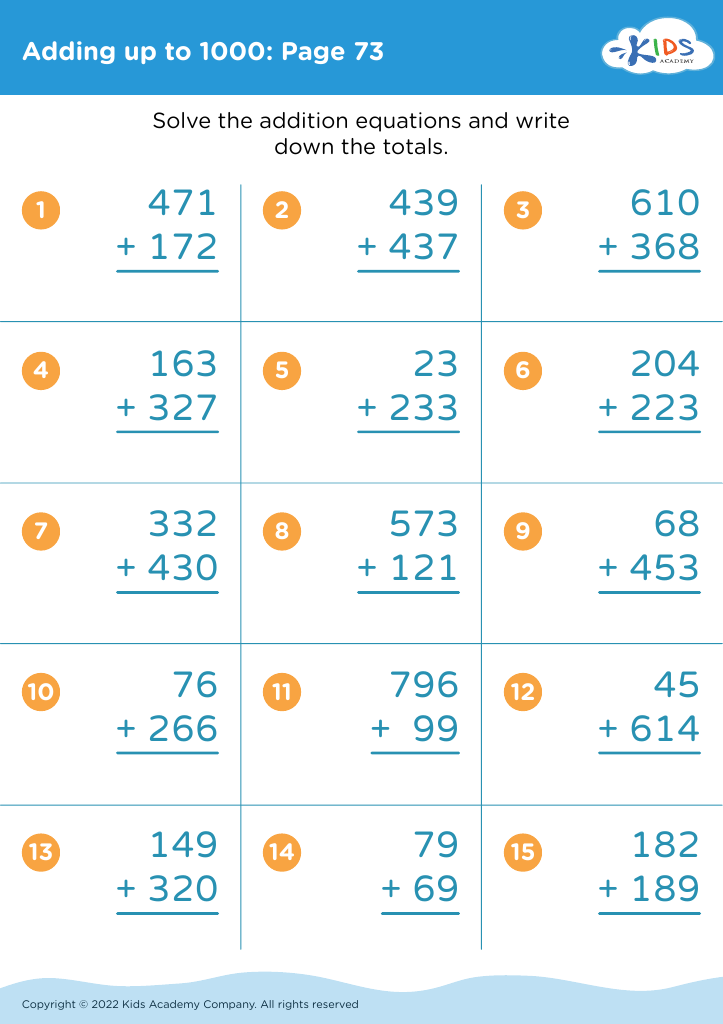
Adding up to 1000: Page 73

Adding up to 1000: Page 73

Adding up to 1000: Page 73
Worksheet
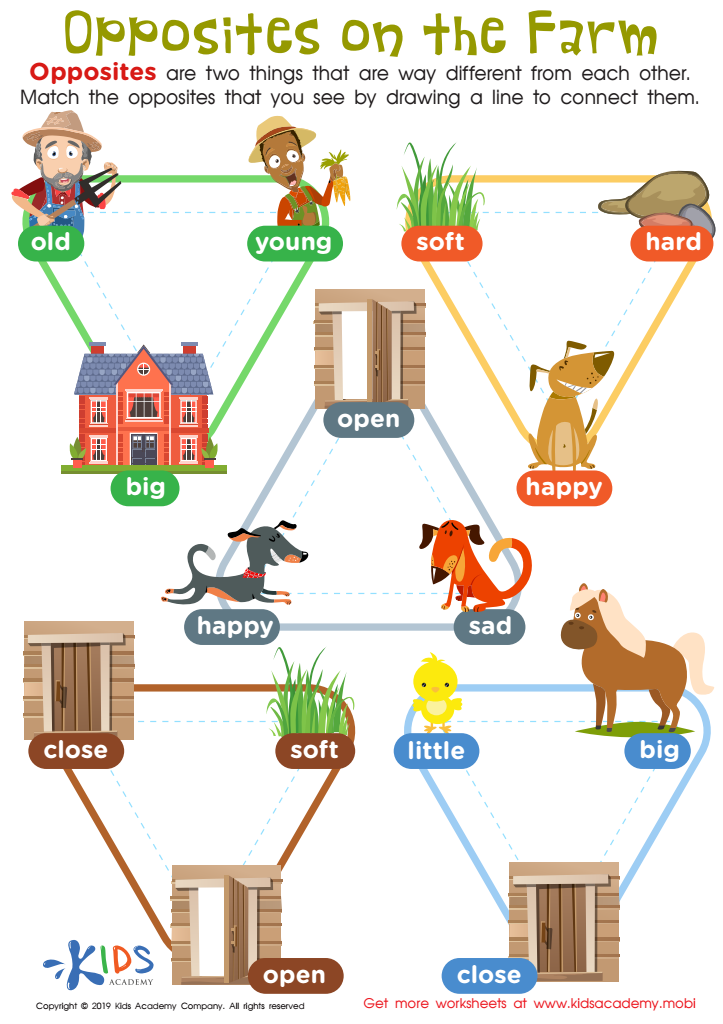
Opposites on the Farm Worksheet

Opposites on the Farm Worksheet

Teaching children the concept of opposites is important for their development. This worksheet offers a fun way to practice. Kids can use traceable lines to match farm imagery with pairs of opposites. It's a great way to help them compare and contrast, a key skill for reading, math, writing and more.
Opposites on the Farm Worksheet
Worksheet
Guess the Word Problem Worksheet
Guess the Word Problem Worksheet
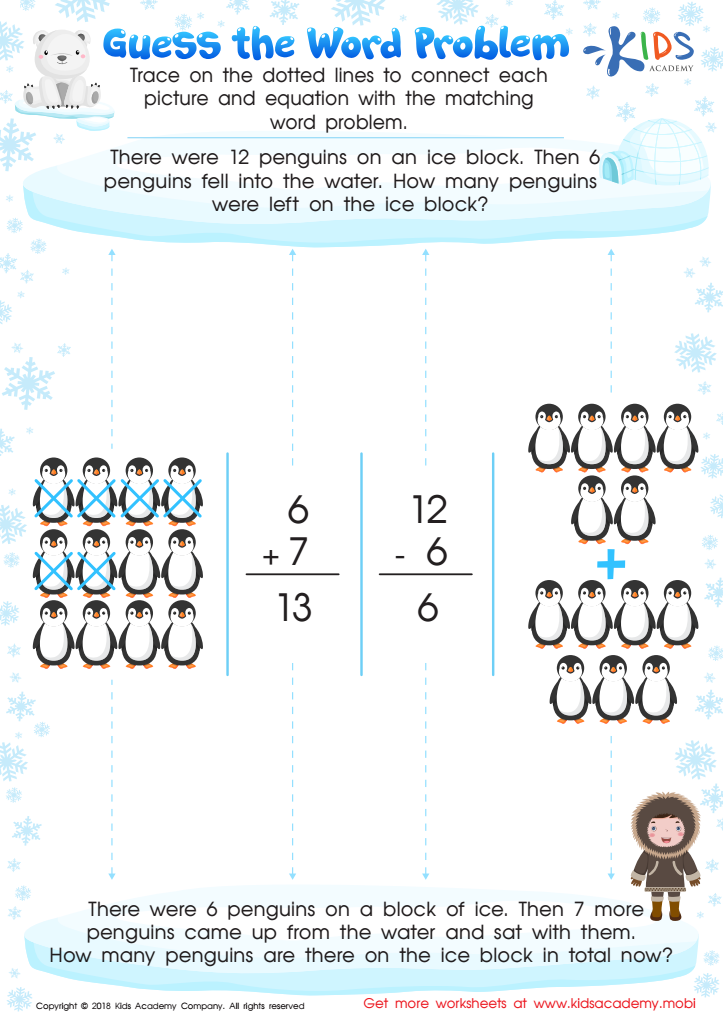
Head to the Arctic Circle for math word problems with penguins, bears, and eskimos! This winter printable worksheet helps kids enjoy math with cute images. Guide kids through addition and subtraction in standard form with the penguins. Compare word problems to its written and pictorial forms for an enjoyable lesson!
Guess the Word Problem Worksheet
Worksheet
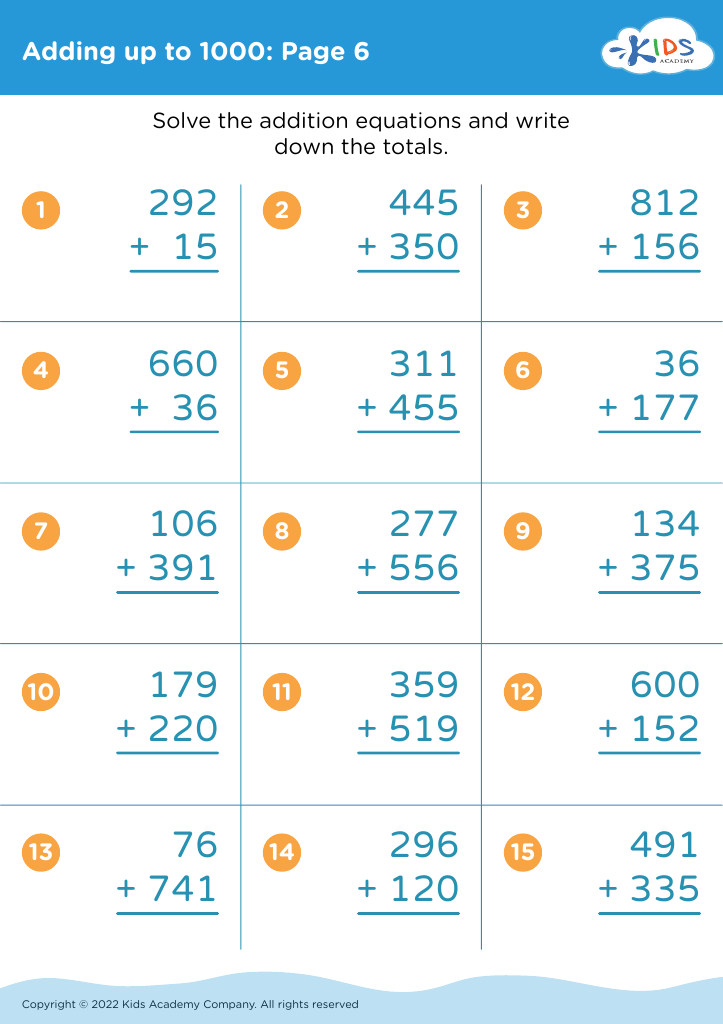
Adding up to 1000: Page 6

Adding up to 1000: Page 6

Adding up to 1000: Page 6
Worksheet
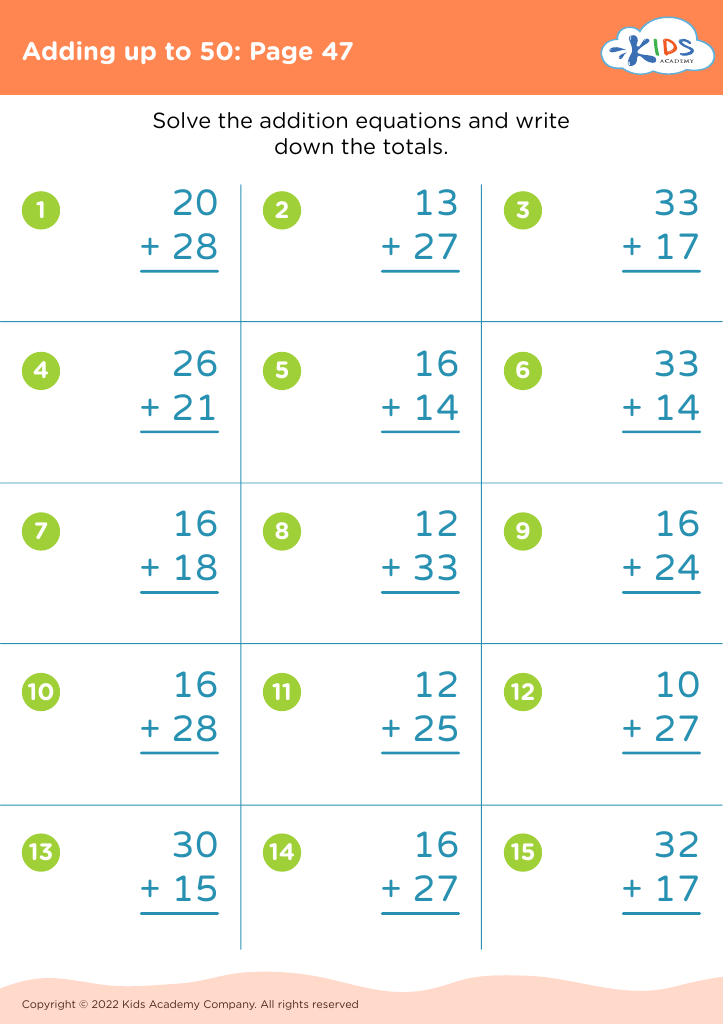
Adding up to 50: Page 47

Adding up to 50: Page 47

Adding up to 50: Page 47
Worksheet
Name It! Worksheet
Name It! Worksheet

Name It! Worksheet

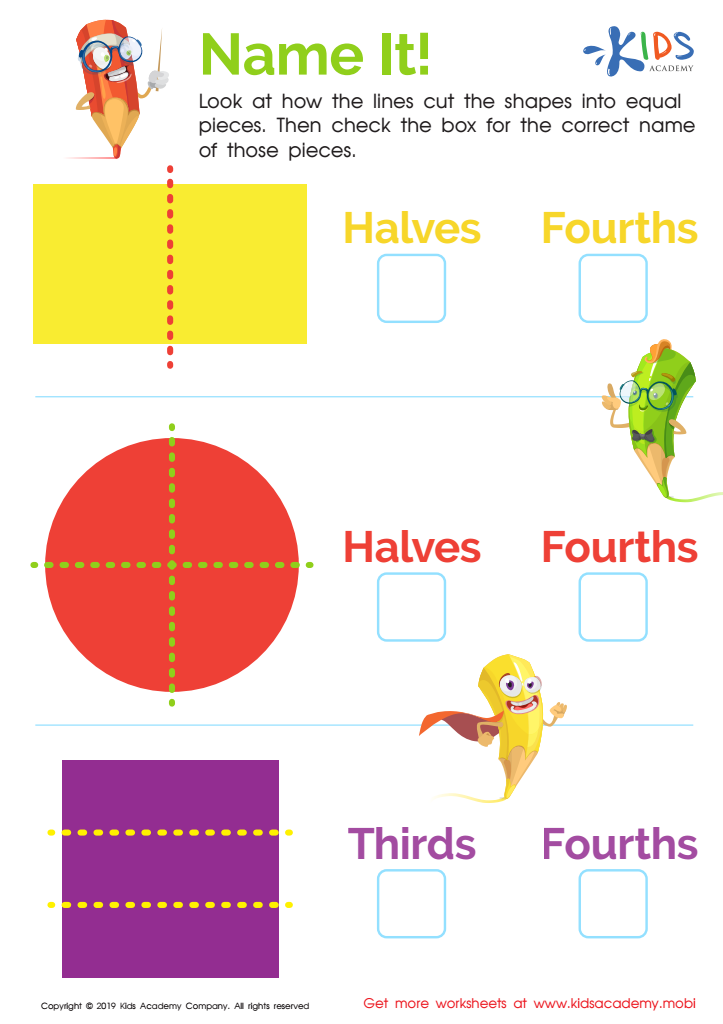
When teaching fractions, help children understand that they are groups divided into equal pieces. Introduce denominators and numerators with pictures to illustrate. Use this free fraction worksheet with colourful shapes divided into halves, thirds, and fourths to help them identify the fractions.
Name It! Worksheet
Worksheet
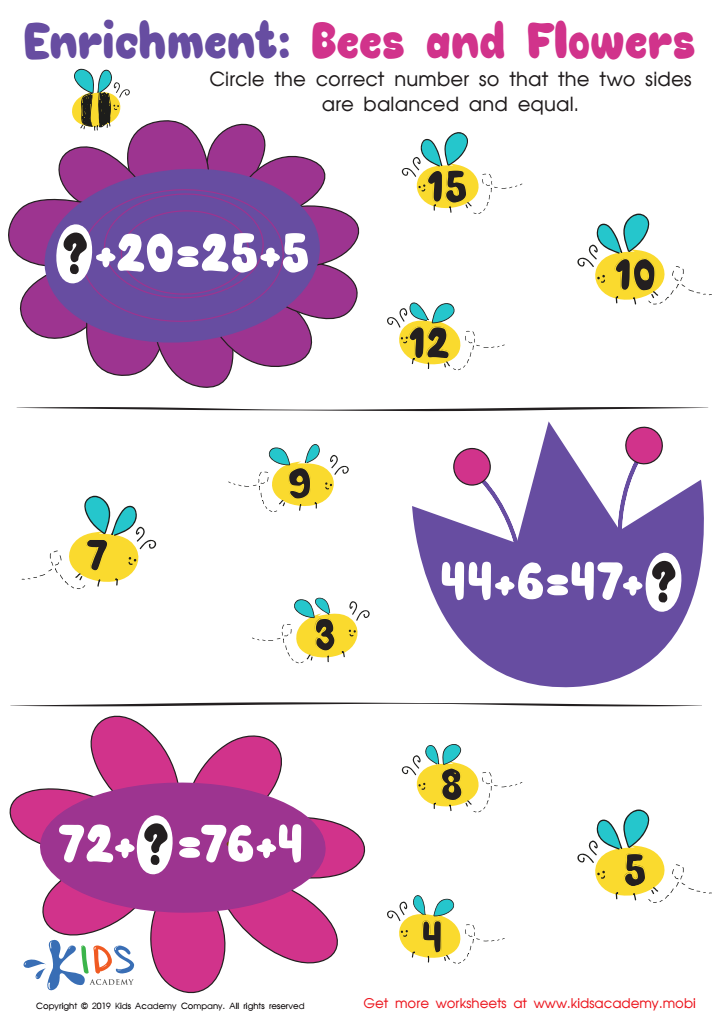
Enrichment: Bees and Flowers Worksheet

Enrichment: Bees and Flowers Worksheet

Help your kids become better at identifying bees and math with this worksheet! It features pictures of bees for your child to point out, as well as numbers to add up and circle to make the two sides equal. Let them having fun learning and watching bees flit around the flowers.
Enrichment: Bees and Flowers Worksheet
Worksheet
Let's Look! Part 1 Worksheet
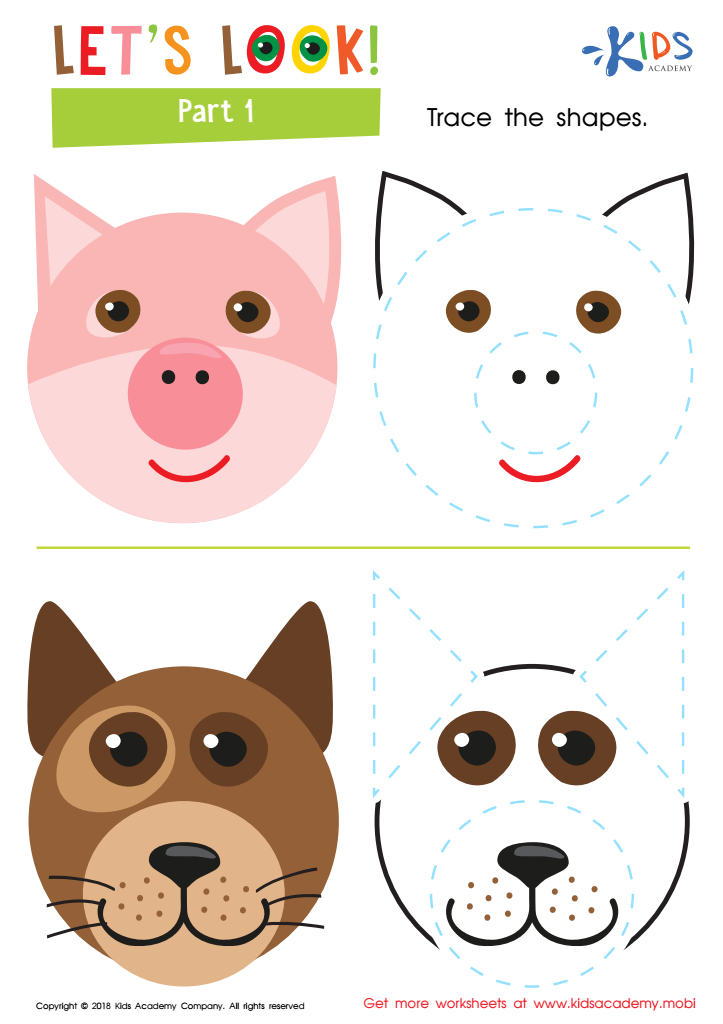
Let's Look! Part 1 Worksheet

If your kids love animals or have a pet at home, they'll get a kick out of this tracing worksheet. It tests their ability to imitate shapes, starting with a pig and followed by a dog. Beside each of these pictures is a space for tracing the shapes. Unleash your child's creativity and see what they come up with!
Let's Look! Part 1 Worksheet
Worksheet
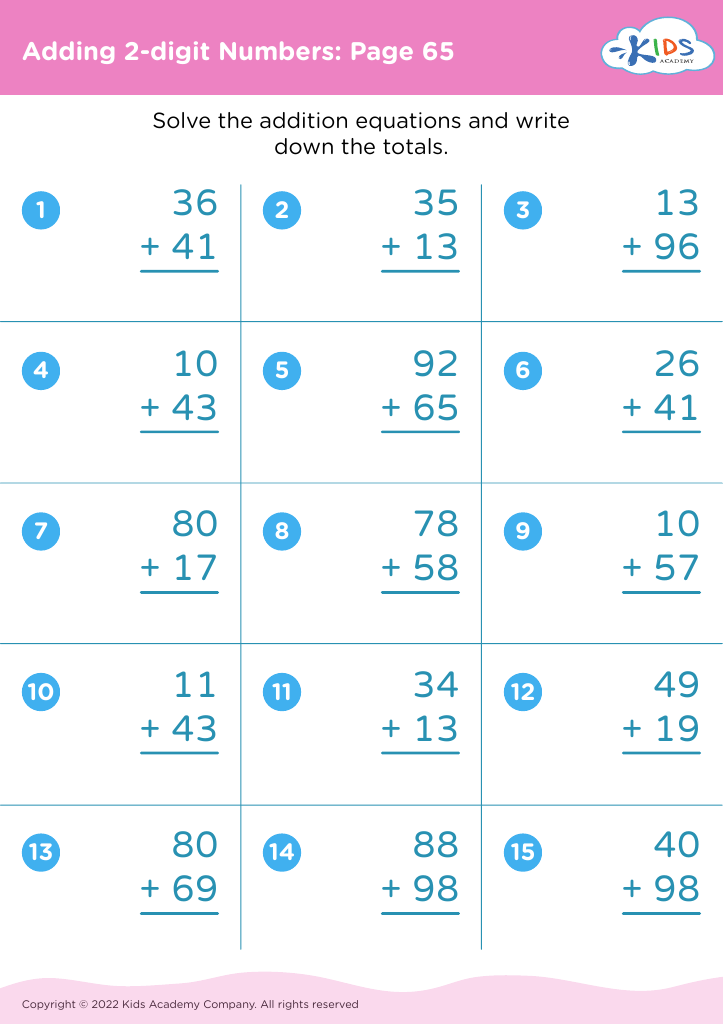
Adding 2-digit Numbers: Page 65

Adding 2-digit Numbers: Page 65

Adding 2-digit Numbers: Page 65
Worksheet
Transportation: Steps Worksheet
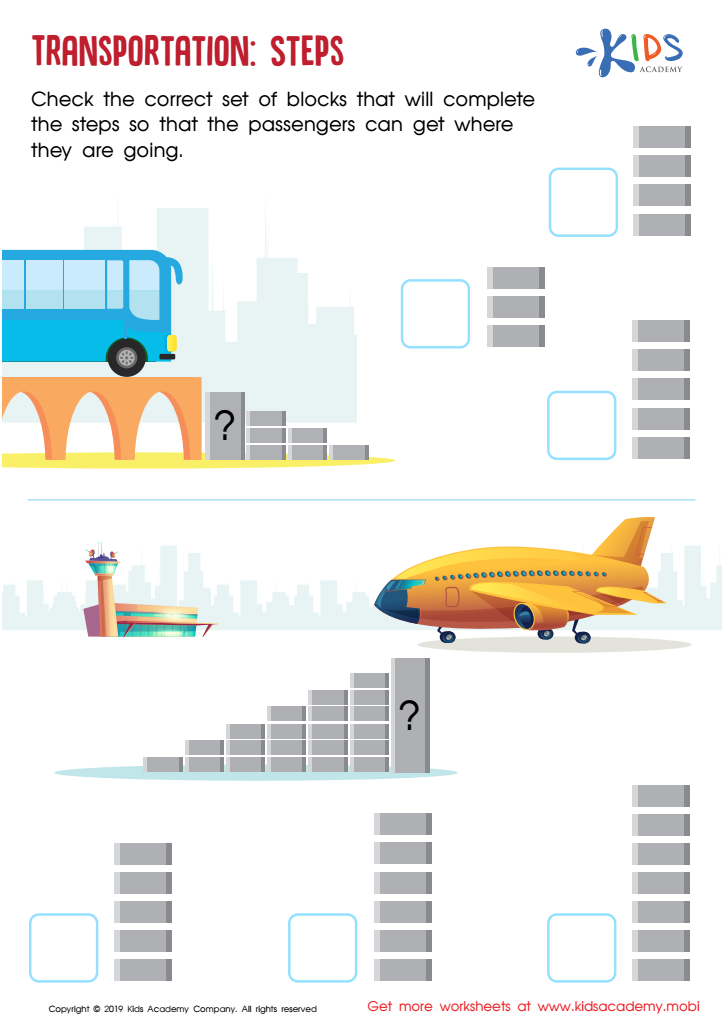
Transportation: Steps Worksheet

Trips are important to all - transportation and its modes have made travelling easier and quicker. Ask your kids to identify the transport in the picture then help them check the right blocks so passengers can reach their destination.
Transportation: Steps Worksheet
Worksheet
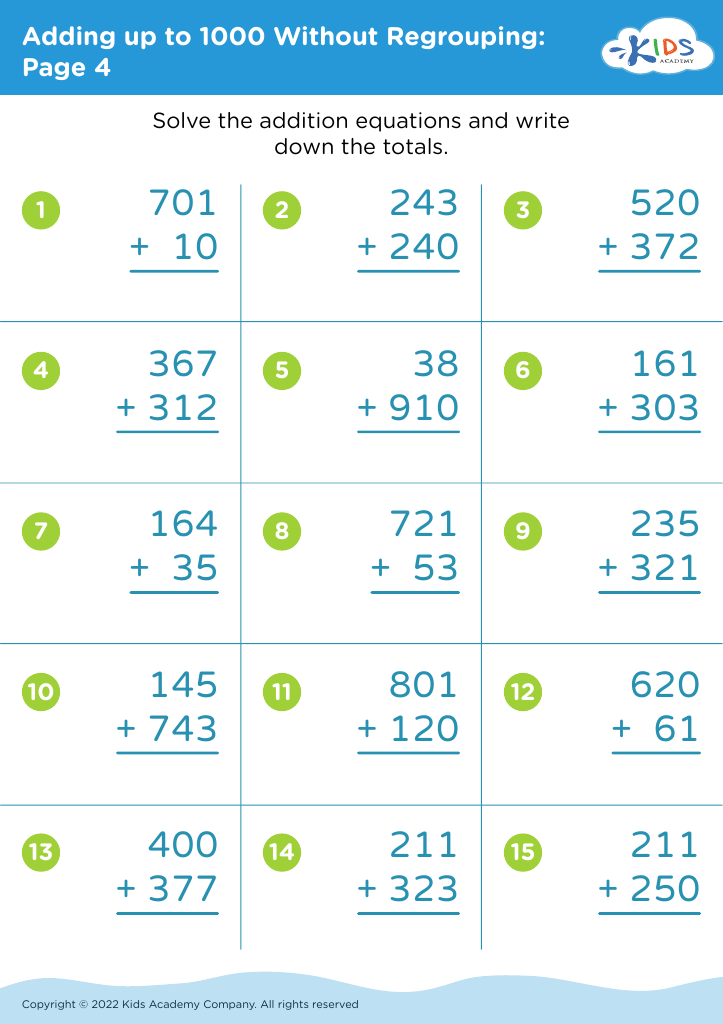
Adding up to 1000 Without Regrouping: Page 4
Worksheet
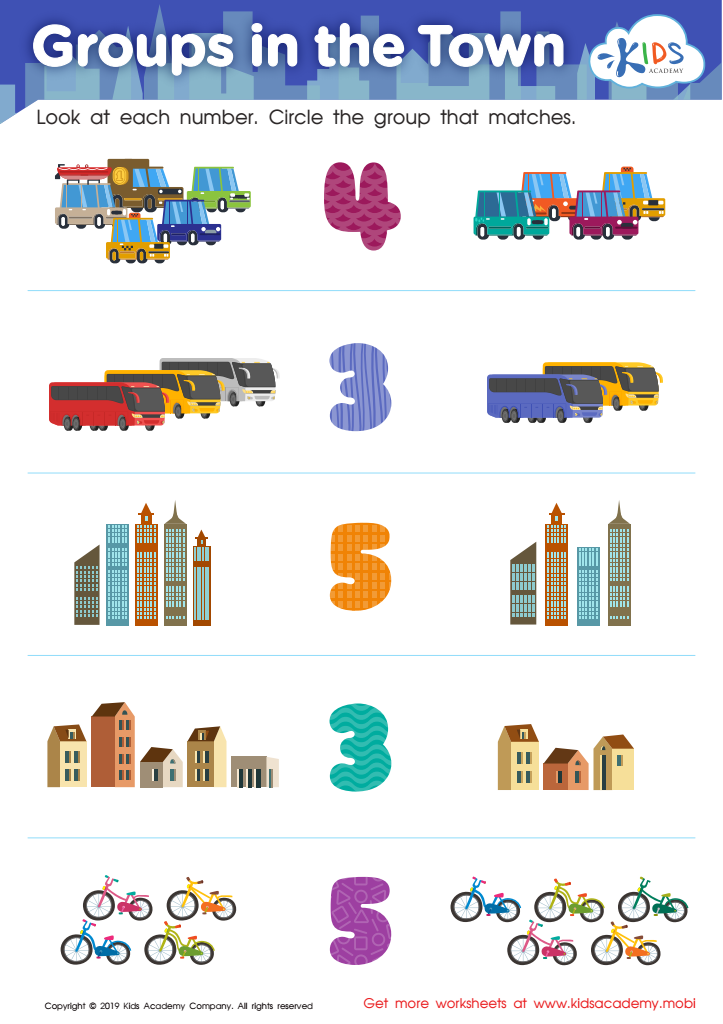
Groups in the Town Worksheet

Groups in the Town Worksheet

Help your kids learn to count with this worksheet! Look at each number of objects and circle the group that matches. This simple activity can give them extra practice to support what they learn in school. Learning doesn't have to be a struggle; make it fun and interactive with this worksheet.
Groups in the Town Worksheet
Worksheet
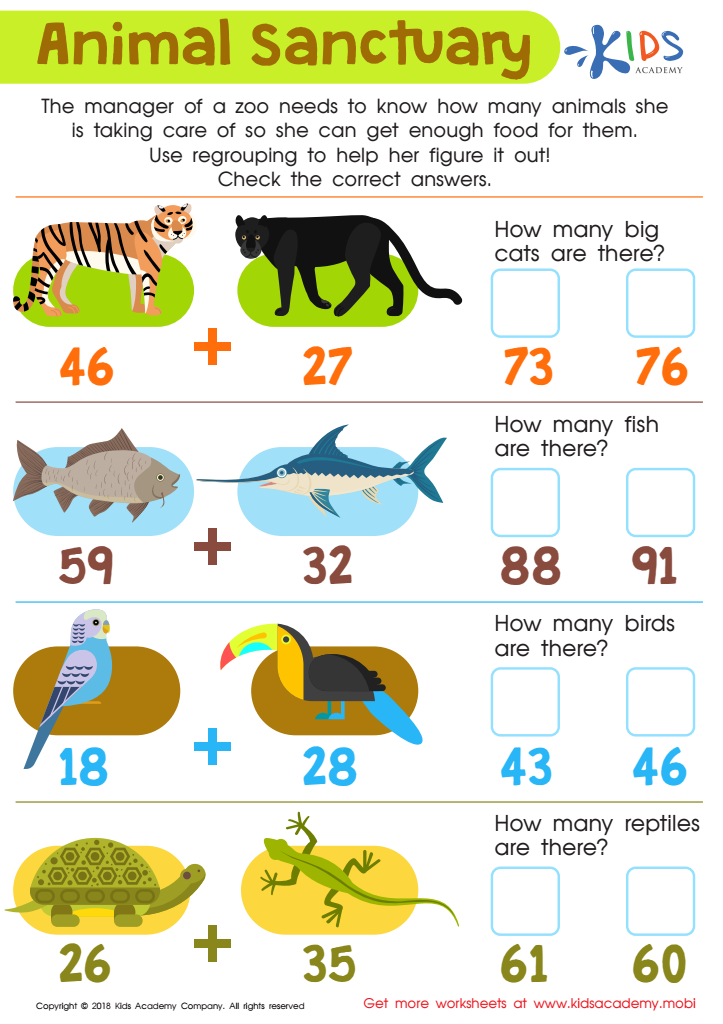
Animal Sanctuary Worksheet


Animal Sanctuary Worksheet

Do your kids love visiting the zoo? Ask which animals they remember & which ones they liked the most. The manager needs help to get enough food for all the animals. Help your child use regrouping to figure out how many animals there are. And ask them to check the answers.
Animal Sanctuary Worksheet
Worksheet
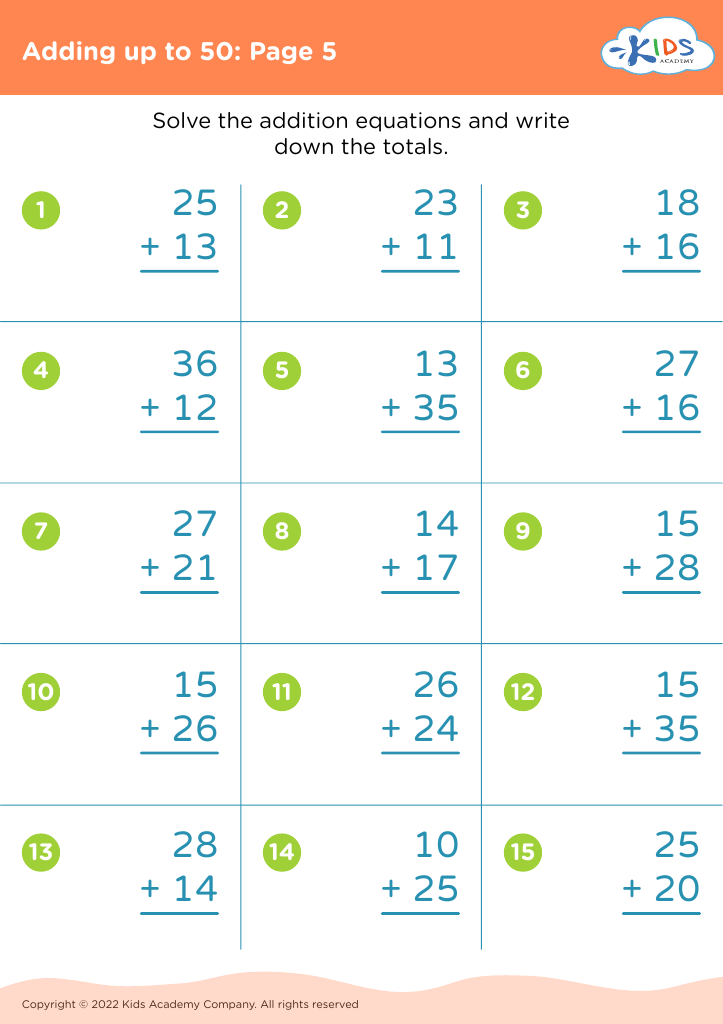
Adding up to 50: Page 5

Adding up to 50: Page 5

Adding up to 50: Page 5
Worksheet


Parents and teachers should care about vocabulary expansion in math for children aged 5-7 because it lays a foundation for a deeper understanding of mathematical concepts. At this age, children are developing critical thinking and problem-solving skills, and vocabulary plays a vital role in their ability to understand instructions, communicate their thought processes, and interpret math problems effectively.

When children learn math vocabulary—terms like "sum," "difference," "greater than," and "equal to"—they become more equipped to engage in mathematical reasoning. These terms are essential for grasping concepts of addition, subtraction, comparison, and various problem-solving strategies. Additionally, a robust math vocabulary promotes confidence in young learners, enabling them to express their ideas clearly and participate more actively in their learning experiences.

Moreover, expanding vocabulary can aid in bridging the gap between everyday language and mathematical language, making connections that support comprehension. This growth not only enhances their current learning but also sets the stage for future academic success in math. Therefore, fostering a rich math vocabulary should be a priority for parents and educators, ensuring that children are prepared for more complex mathematical concepts as they progress through their education.