Logical thinking Matching Worksheets for Ages 5-7
5 filtered results
-
From - To
Discover our engaging Logical Thinking Matching Worksheets designed specifically for children aged 5 to 7! These worksheets aim to enhance critical thinking and problem-solving abilities through fun and interactive matching activities. Young learners will enjoy identifying patterns, recognizing relationships, and making connections as they match different objects, shapes, and numbers. Ideal for home or classroom use, our worksheets stimulate cognitive development while fostering a love for learning. Perfect for early grade teachers and parents alike, these resources build foundational logical thinking skills essential for future academic success. Kickstart your child's journey toward analytical thinking with our colorful and captivating worksheets today!
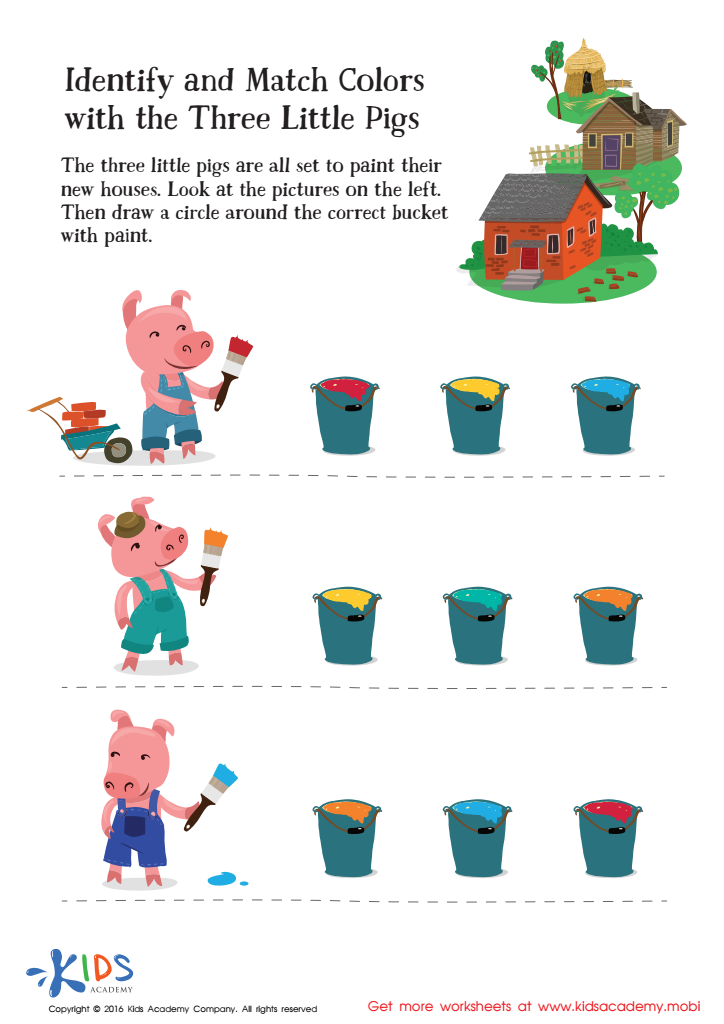
Fairy Tale Worksheet: Identify and Match Colors with Three Little Pigs
 Assign to My Students
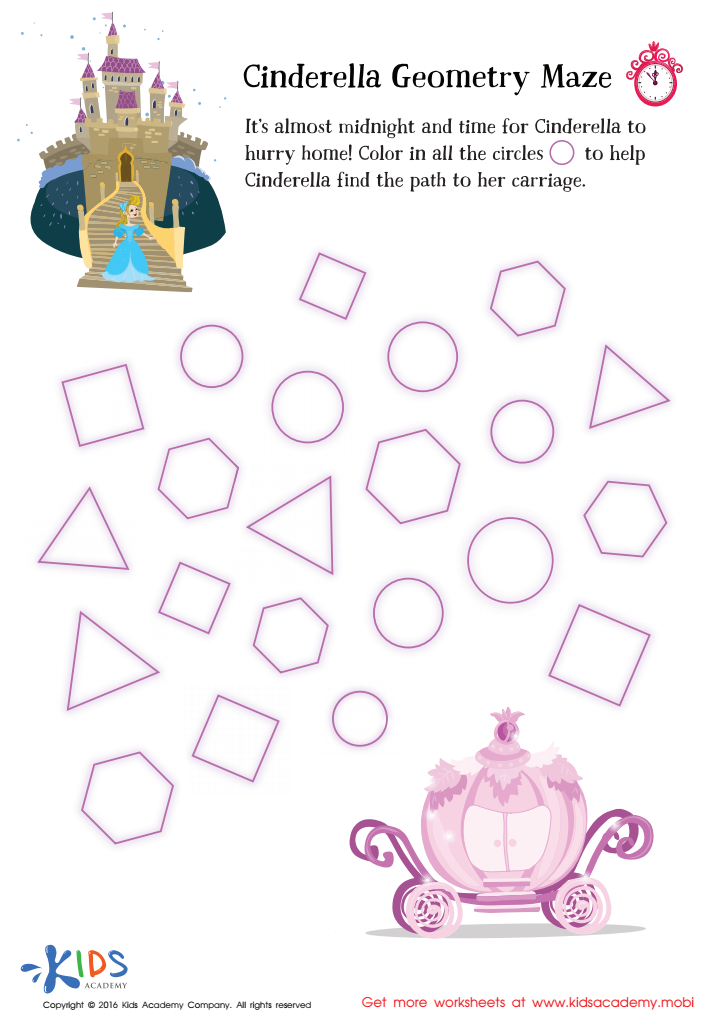
Cinderella Geometry Maze Worksheet
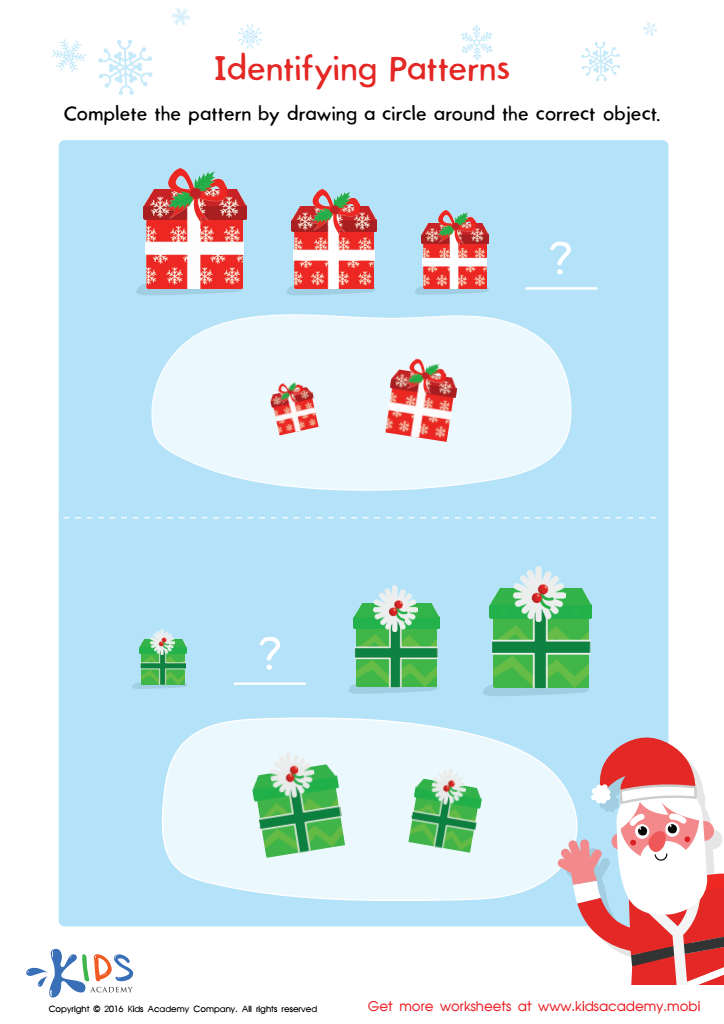
Identifying Patterns Worksheet
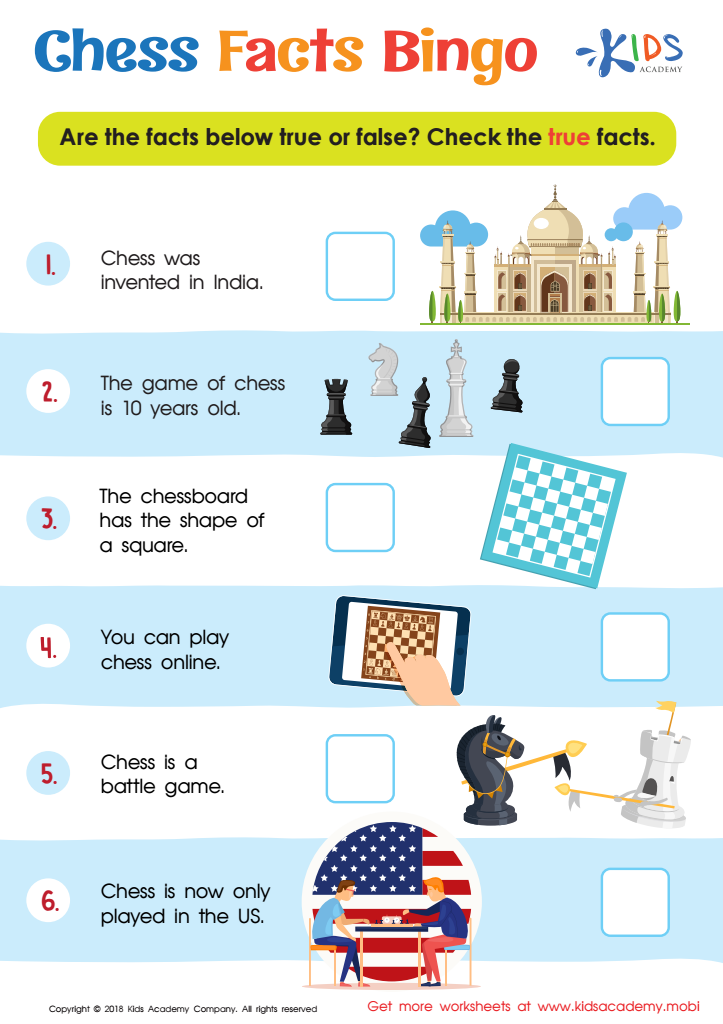
Chess Facts Bingo Worksheet
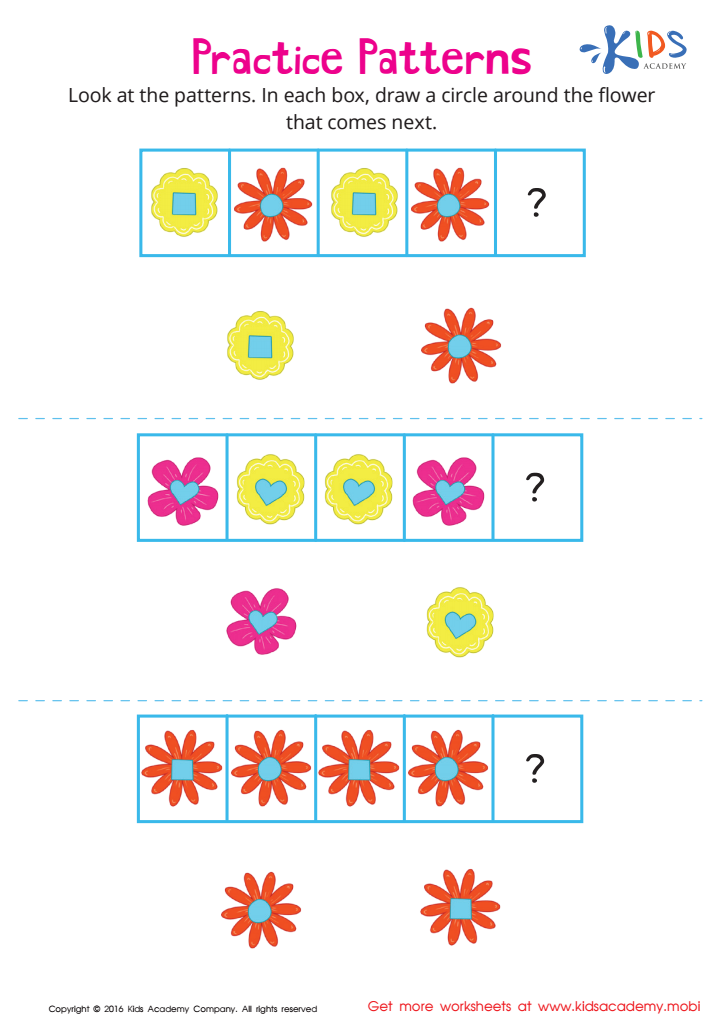








Logical thinking matching activities for children aged 5-7 are essential for several reasons. First, they enhance cognitive skills such as critical thinking and problem-solving, which are foundational for future learning. By engaging in matching activities, children learn to identify patterns, categorize objects, and make connections, all of which foster a deeper understanding of their environment.
Additionally, these activities promote cognitive flexibility, teaching children to approach problems from different angles. As they make predictions and test their hypotheses, they develop resilience and learn that making mistakes is part of the learning process. Parents and teachers should also note that logical thinking is closely tied to early math skills, helping children recognize numbers, shapes, and sequences.
Moreover, these exercises support fine motor skills through hands-on activities, as children manipulate objects while matching. This intertwining of cognitive and physical development is crucial at this stage.
Finally, encouraging logical thinking in young learners nurtures curiosity and a love for learning, setting a solid foundation for academic success. By caring about logical thinking matching, parents and teachers play a pivotal role in preparing children for future challenges both in school and in everyday life.








