Problem-Solving Skills Word Problems Worksheets for Ages 5-7 - Page 2
39 filtered results
-
From - To
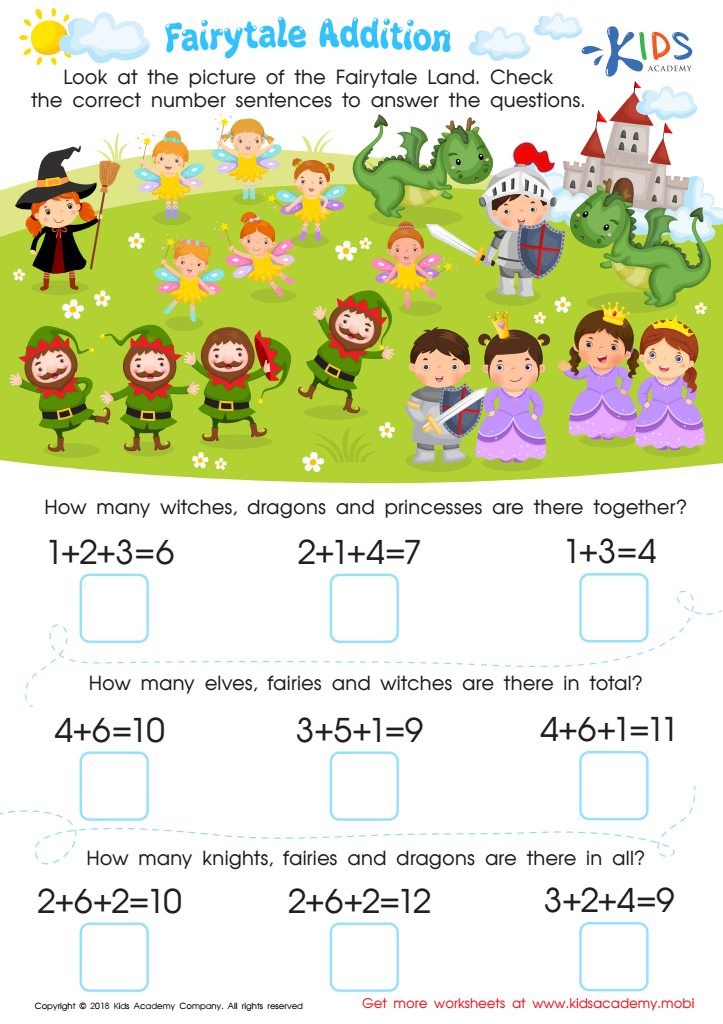
Fairytale Addition Worksheet
 Assign to My Students
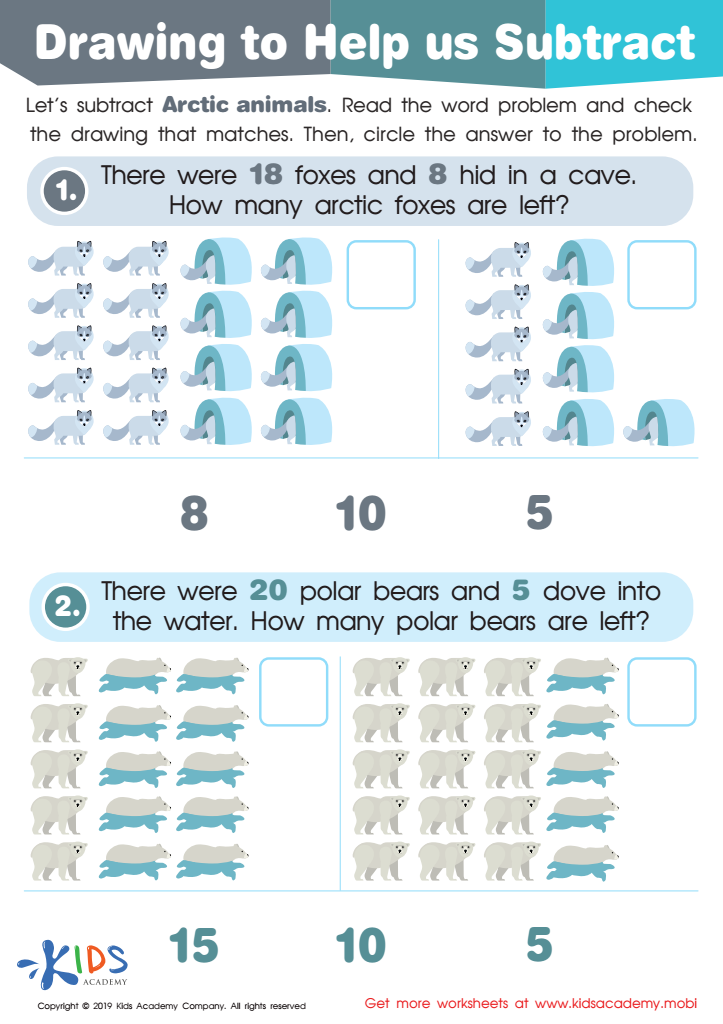
Drawing to Help Us Subtract Worksheet
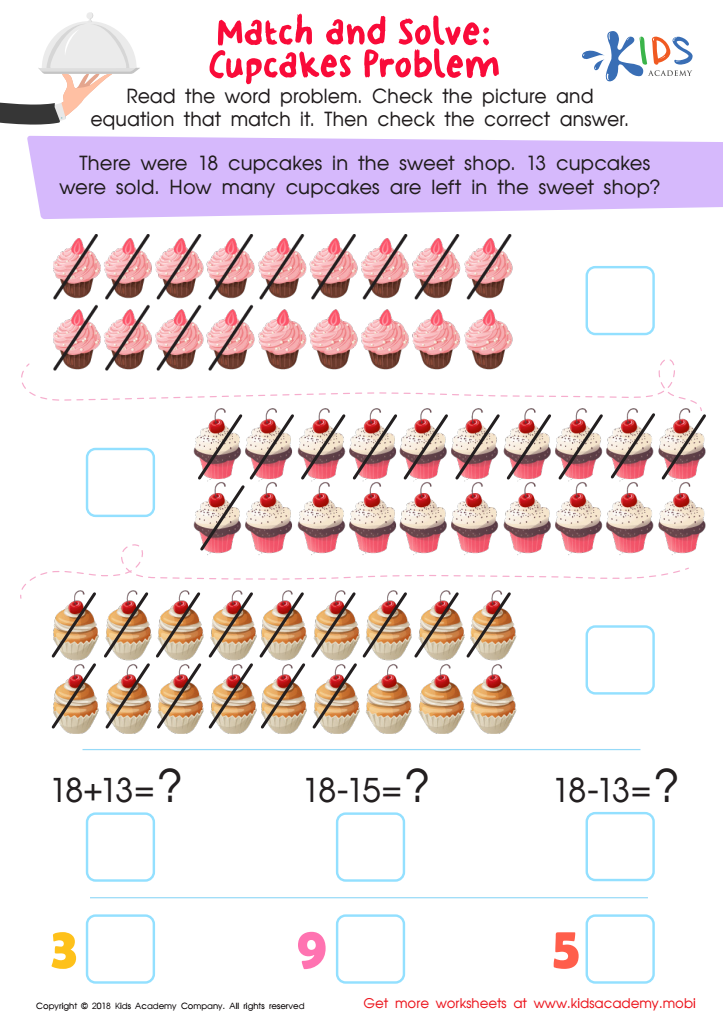
Match and Solve: Cupcakes Problem Worksheet
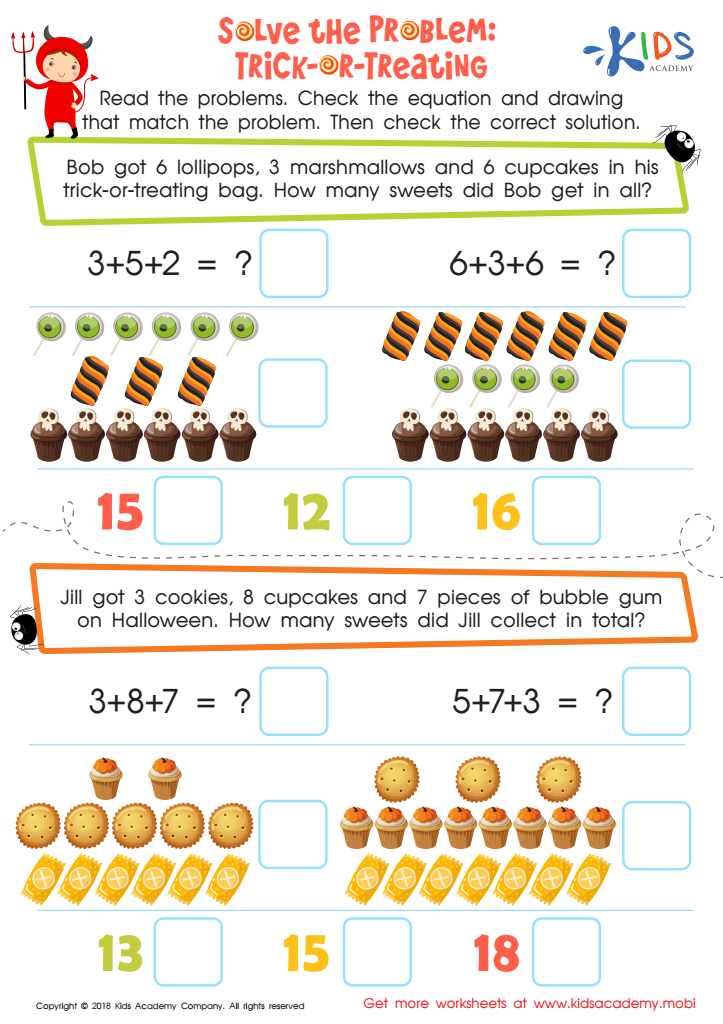
Solve the Problem: Trick–or–treating Worksheet
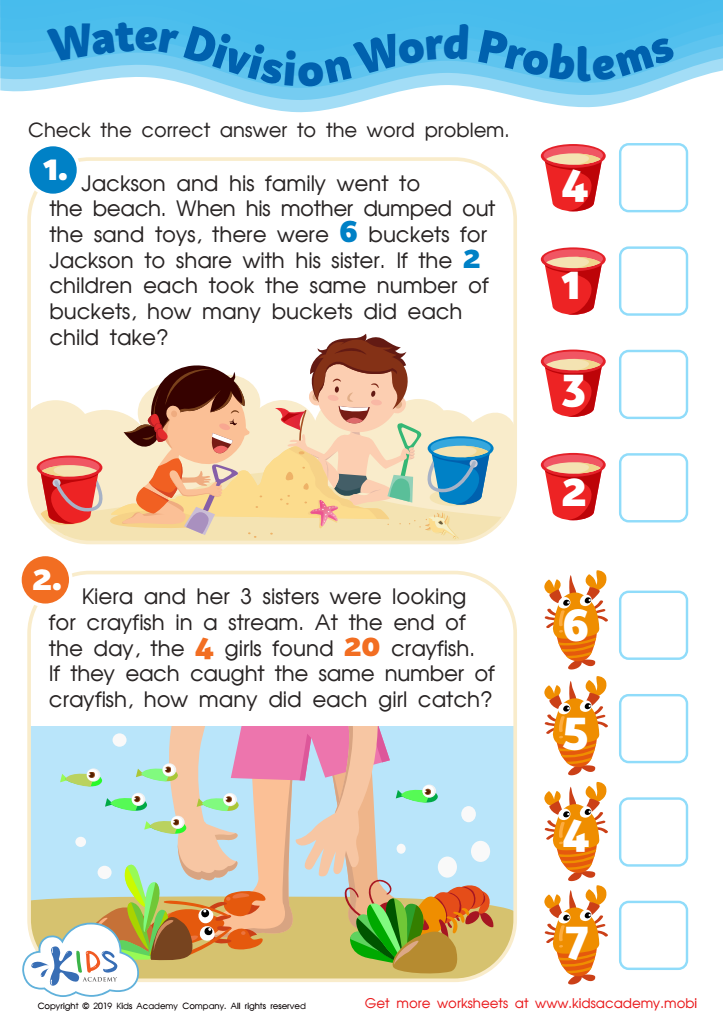
Water Division Word Problems Worksheet
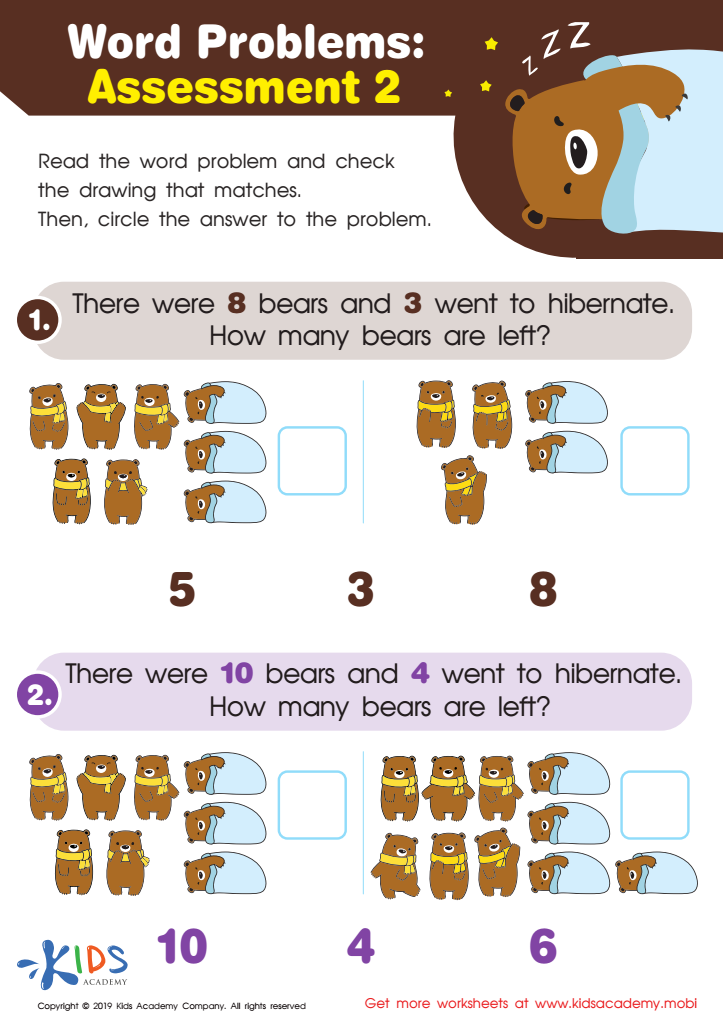
Word Problems: Assessment 2 Worksheet
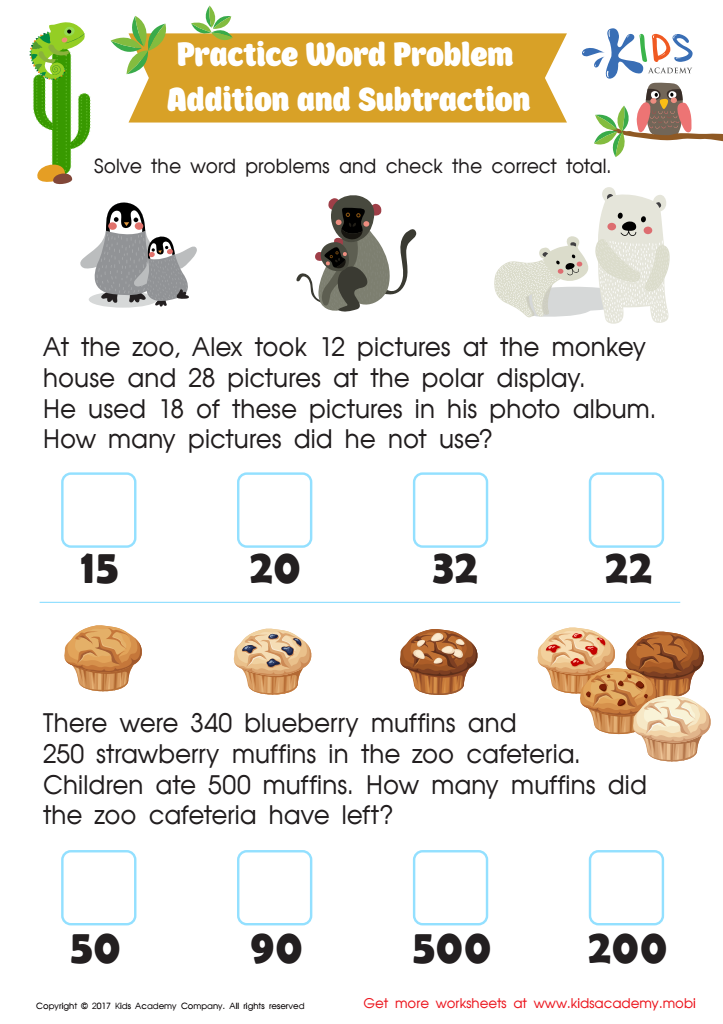
Addition and Subtraction: Word Problems Worksheet
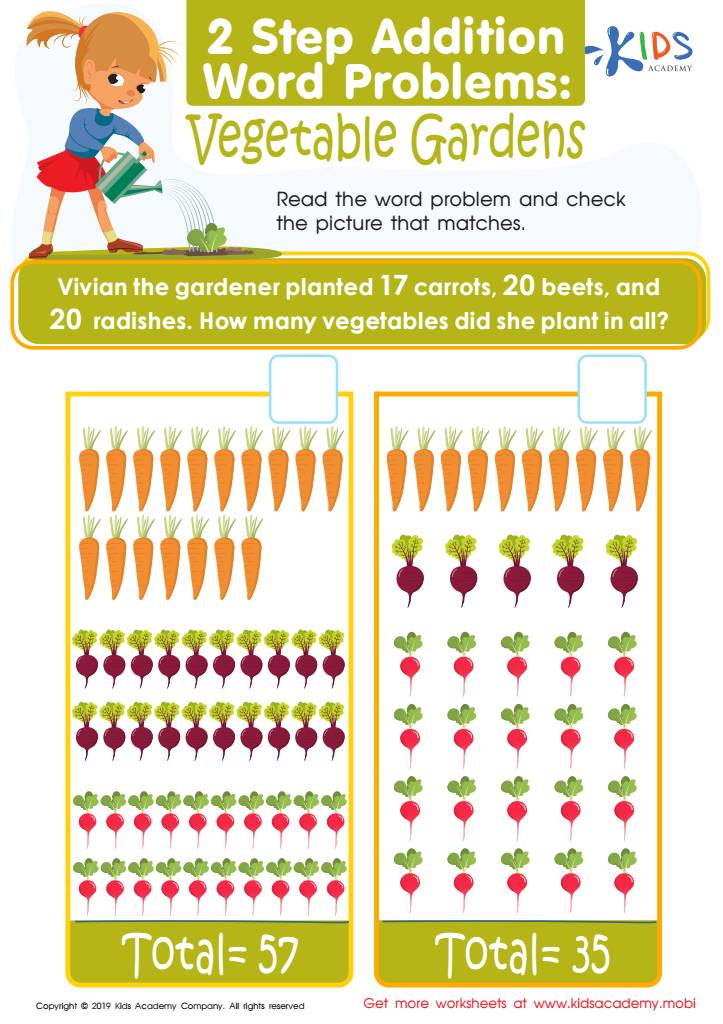
Vegetable Gardens Worksheet
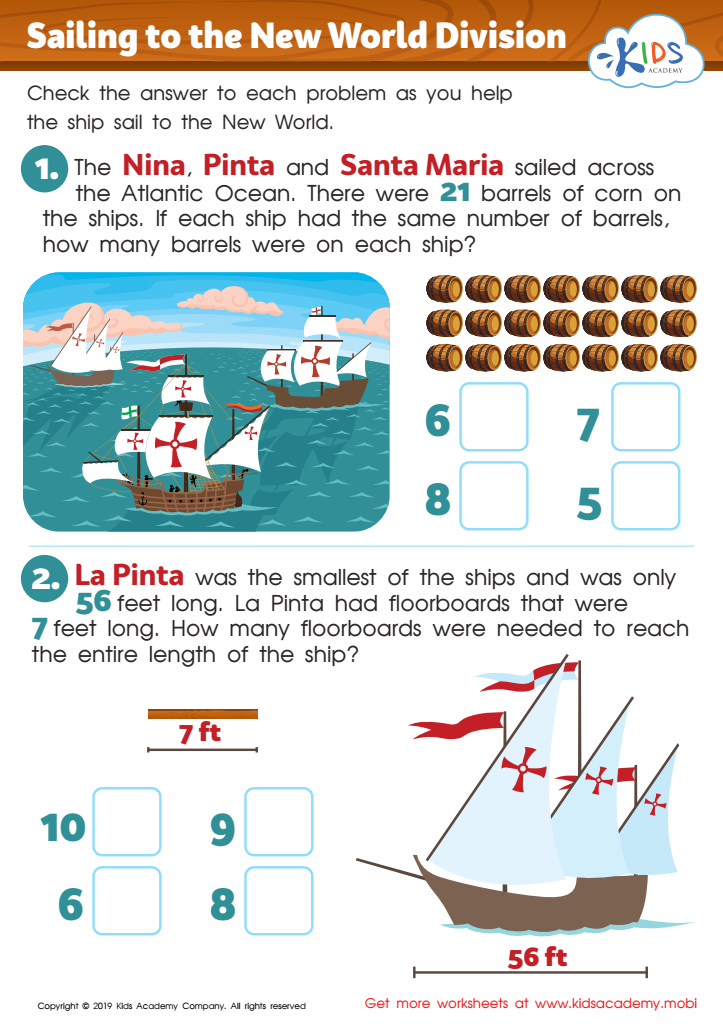
Sailing to the New World Division Worksheet
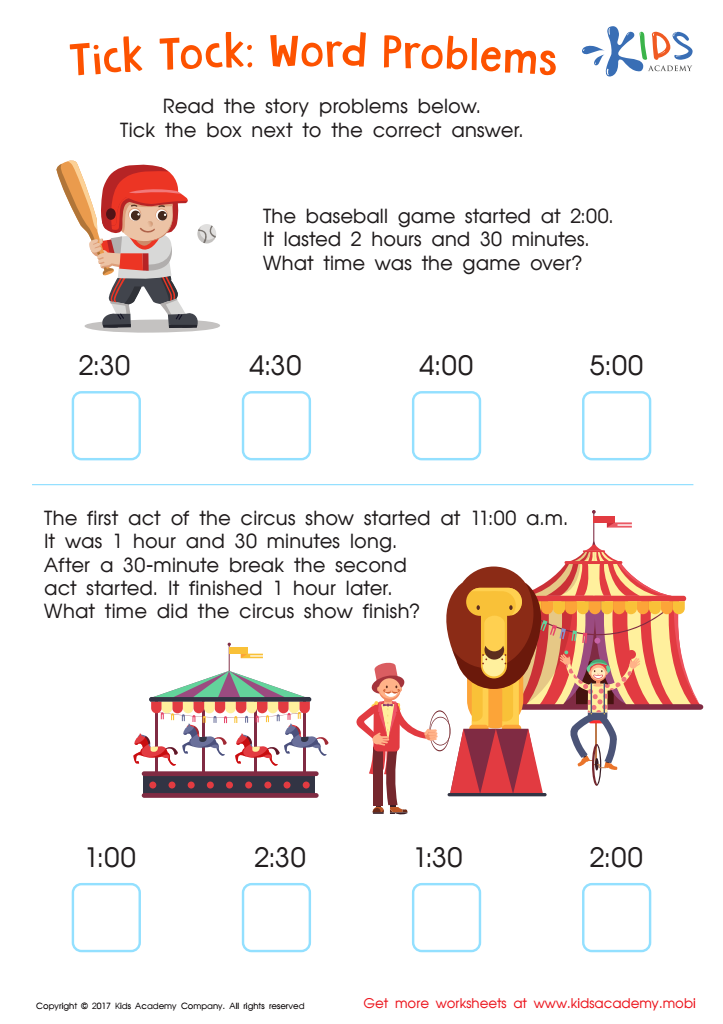
Tick Tock Word Problems Time Worksheet
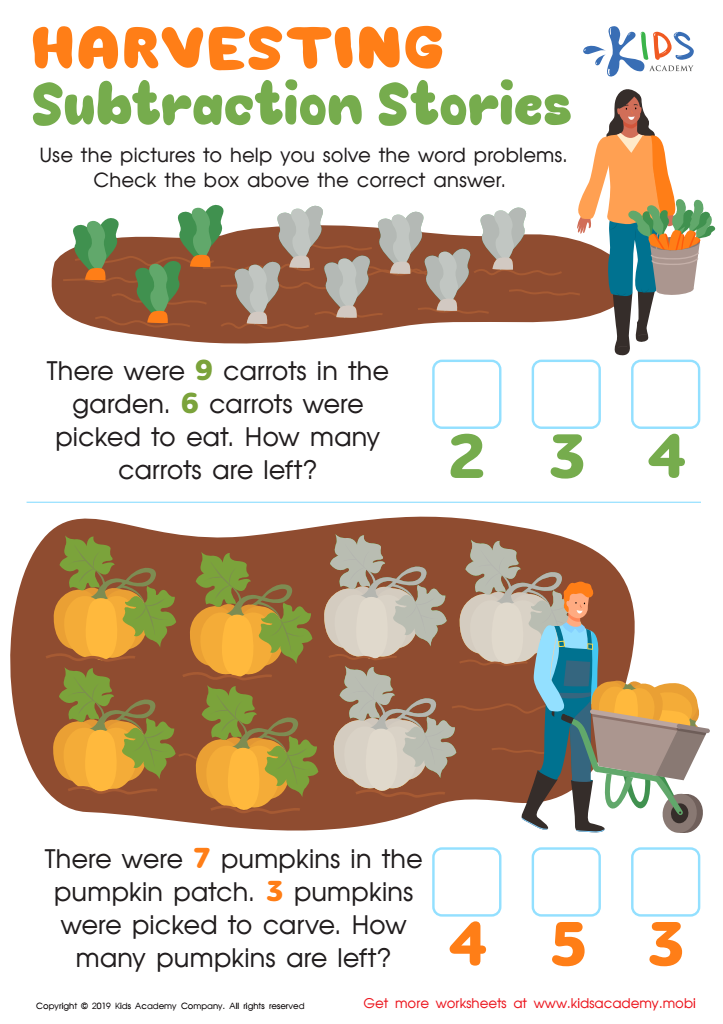
Harvesting Subtraction Stories Worksheet
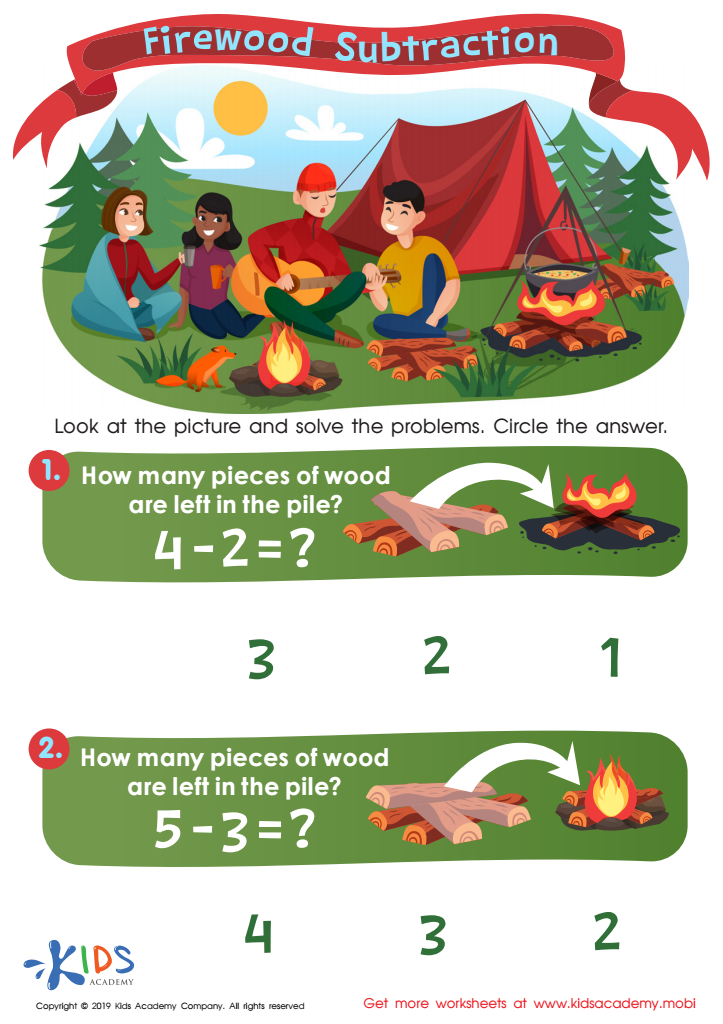
Firewood Subtraction Worksheet
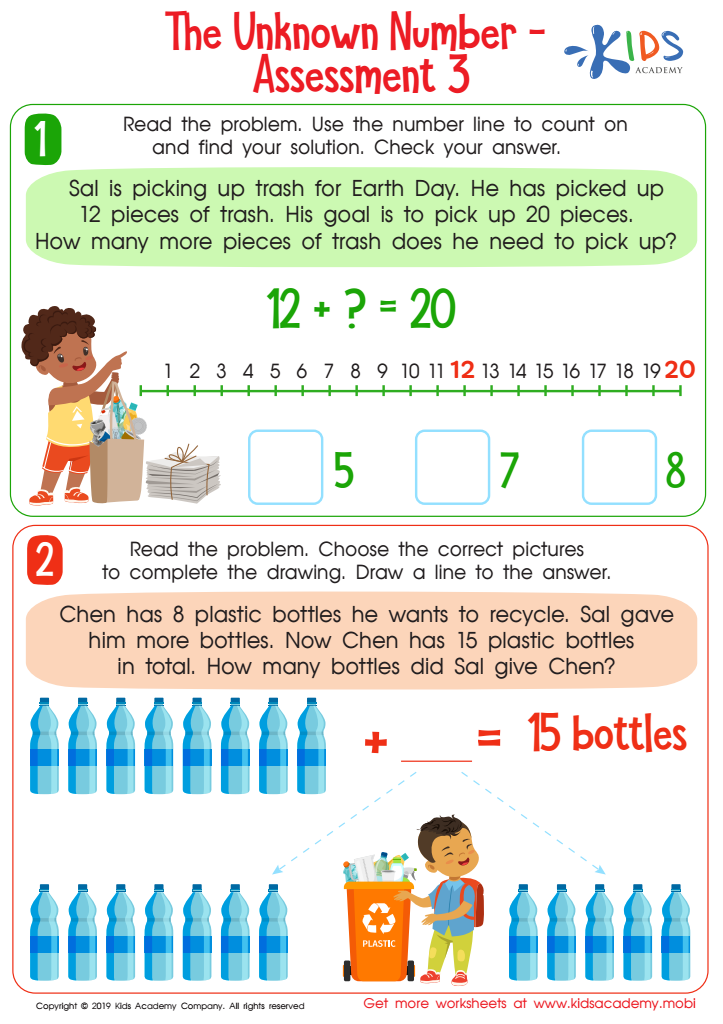
The Unknown Number - Assessment 3 Worksheet
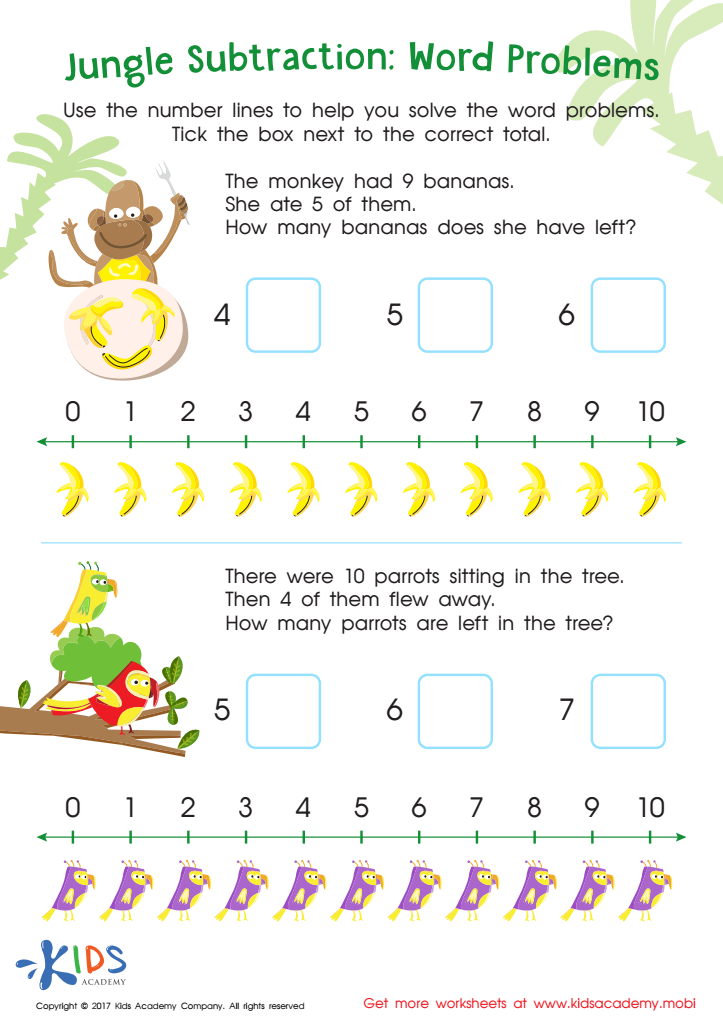
Jungle Subtraction Word Problems Substraction Worksheet
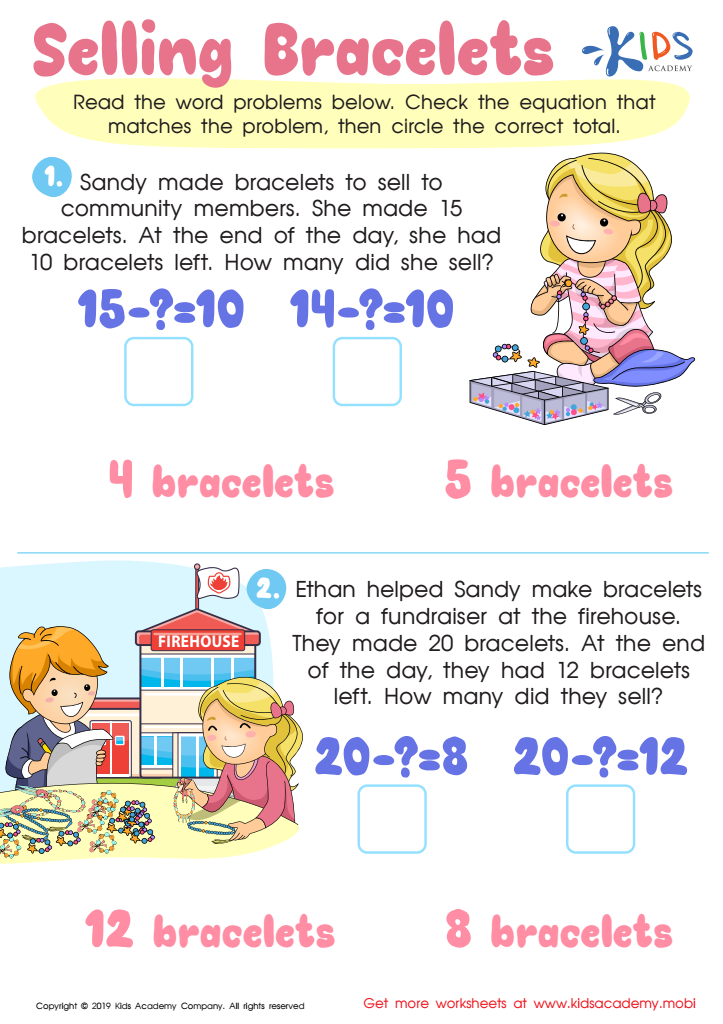
Selling the Bracelets Worksheet







Problem-solving skills, especially through word problems, are essential for children aged 5-7 for several reasons. Firstly, these skills lay the foundation for critical thinking. As children decipher word problems, they learn to analyze situations, identify relevant information, and formulate strategies for finding solutions. This process encourages them to think beyond mere calculation, fostering cognitive development that is crucial for future academic success.
Additionally, word problems connect mathematics to real-life scenarios, making learning more engaging and meaningful. Children see how math applies to their everyday experiences, which can enhance their motivation and enthusiasm for learning. This real-world application cultivates a love for mathematics, encouraging them to approach challenges with confidence.
Moreover, problem-solving encourages perseverance. When children encounter difficult word problems, they learn the value of persistence in overcoming challenges. These experiences can build resilience and a growth mindset, empowering children to tackle future obstacles with a proactive attitude.
For parents and teachers, prioritizing problem-solving skills through word problems is vital for educational success. It equips children with the necessary tools for independent thinking, promotes a positive mathematical identity, and ultimately prepares them for lifelong problem-solving capabilities essential in any domain.








