Vocabulary expansion Building Vocabulary Worksheets for Ages 5-7 - Page 2
45 filtered results
-
From - To
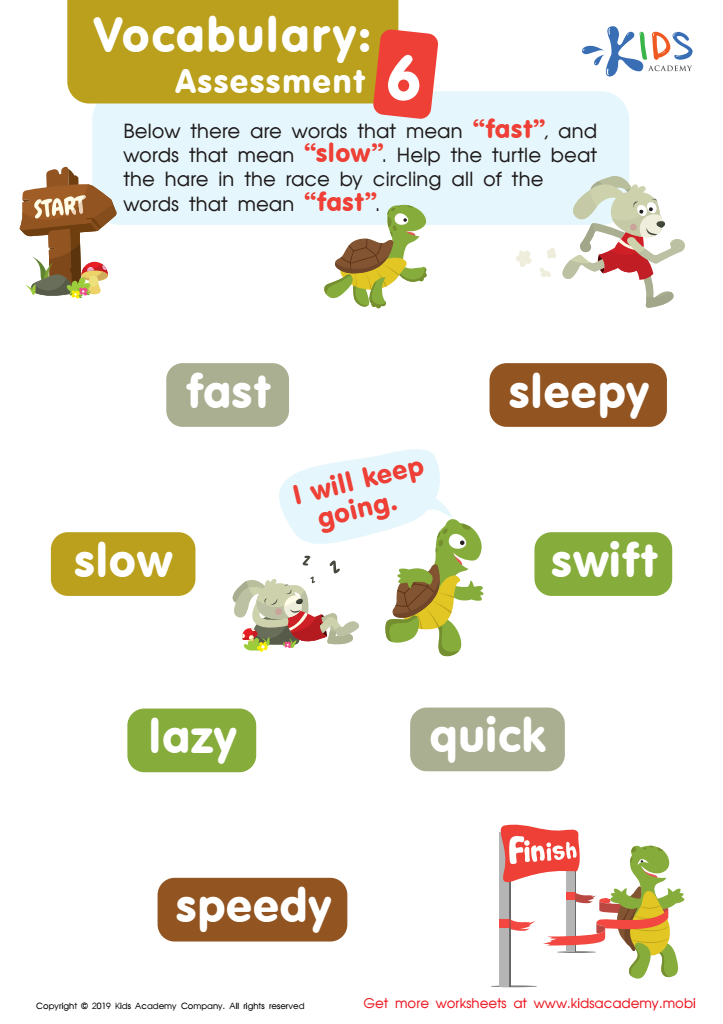
Vocabulary: Assessment 6 Worksheet
 Assign to My Students











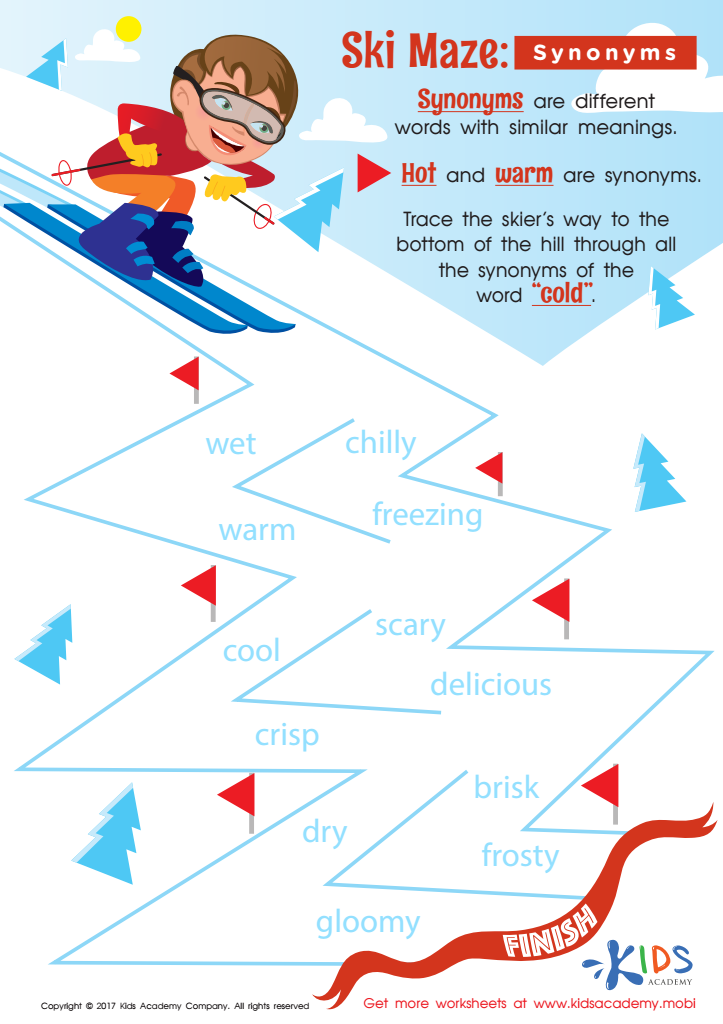
Free Printable Synonym Worksheet
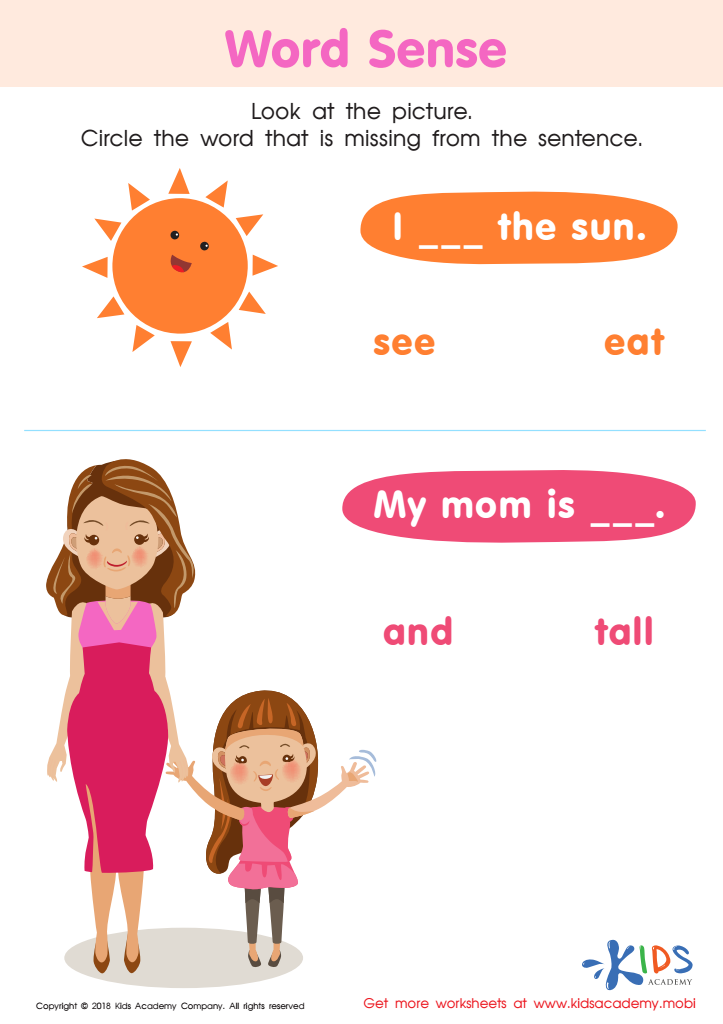
Word Sense Worksheet
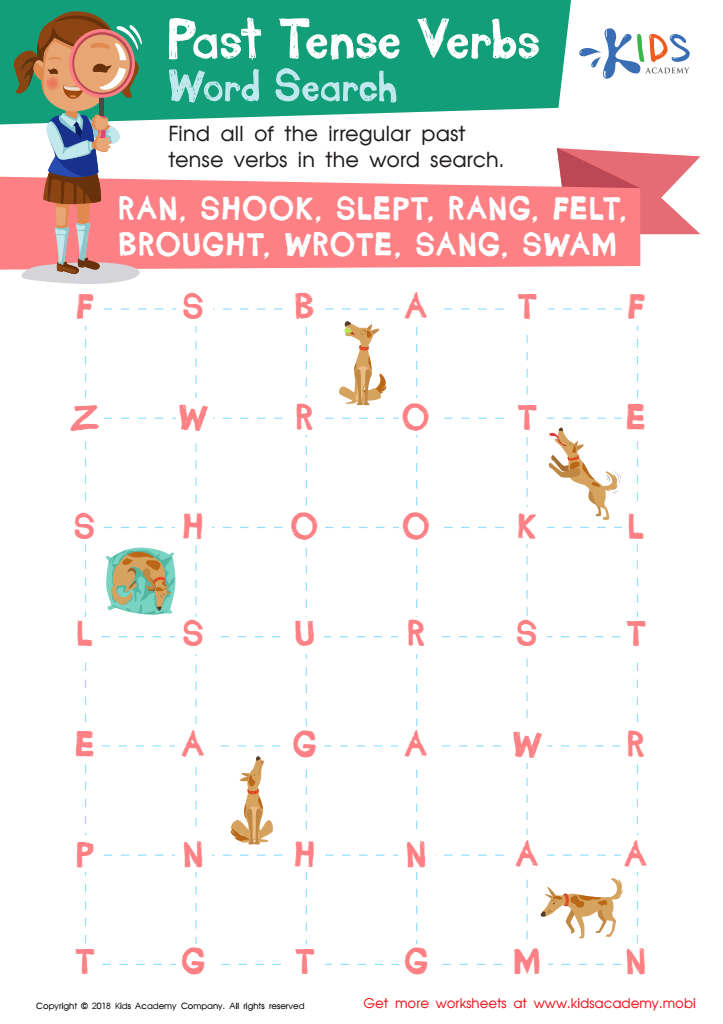
Past Tense Verbs Word Search Worksheet
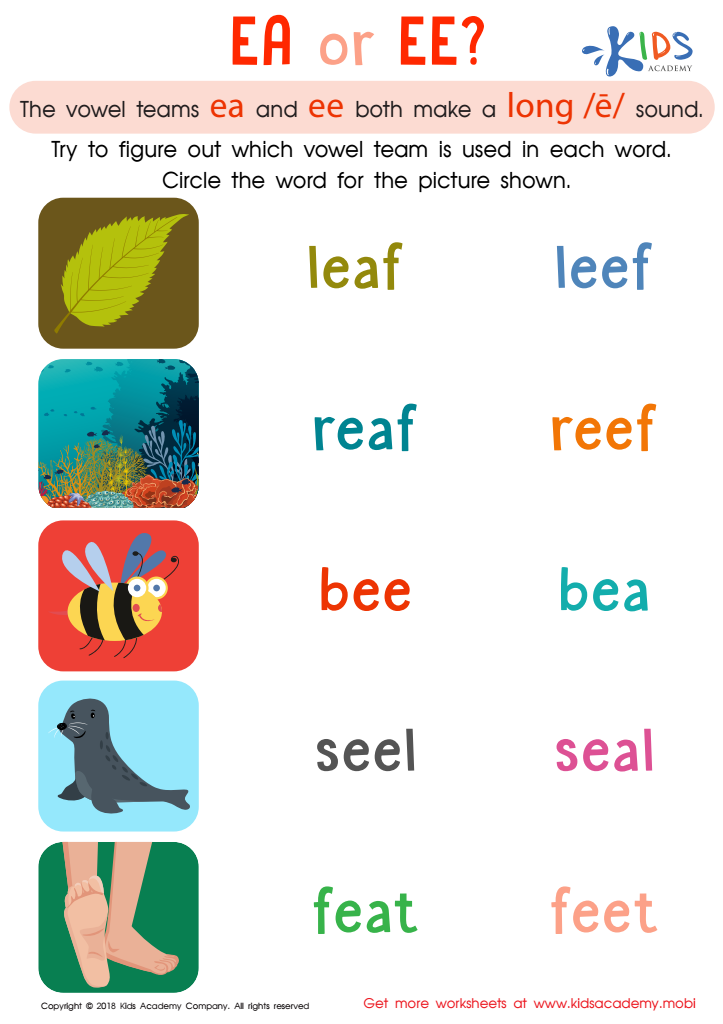
Reading: EA and EE Worksheet
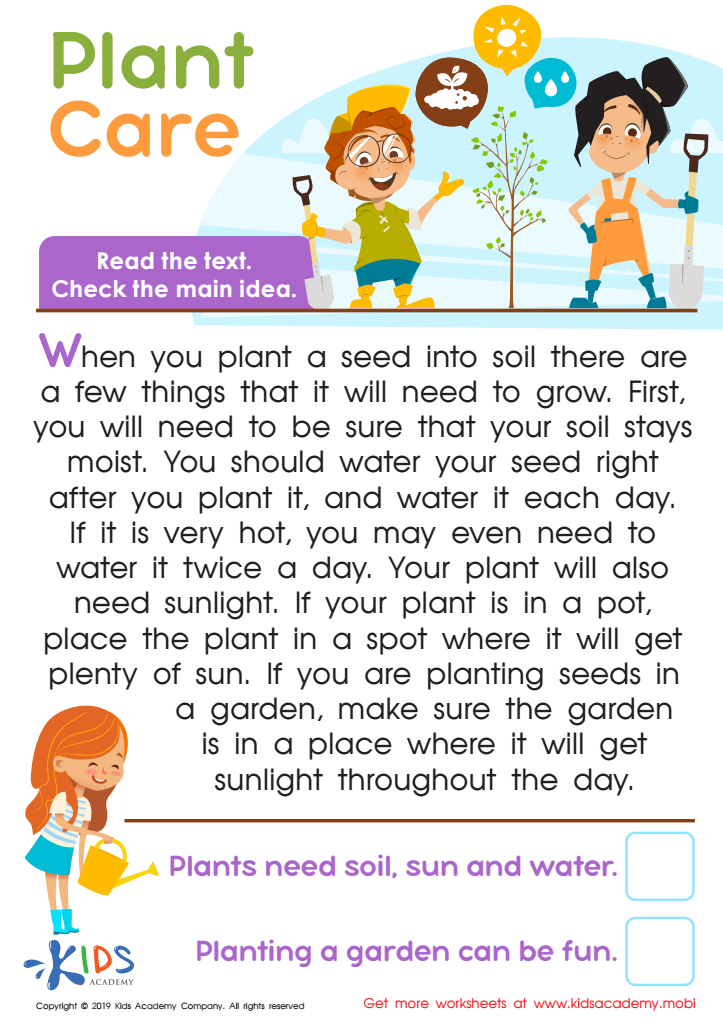
Plant Care Worksheet
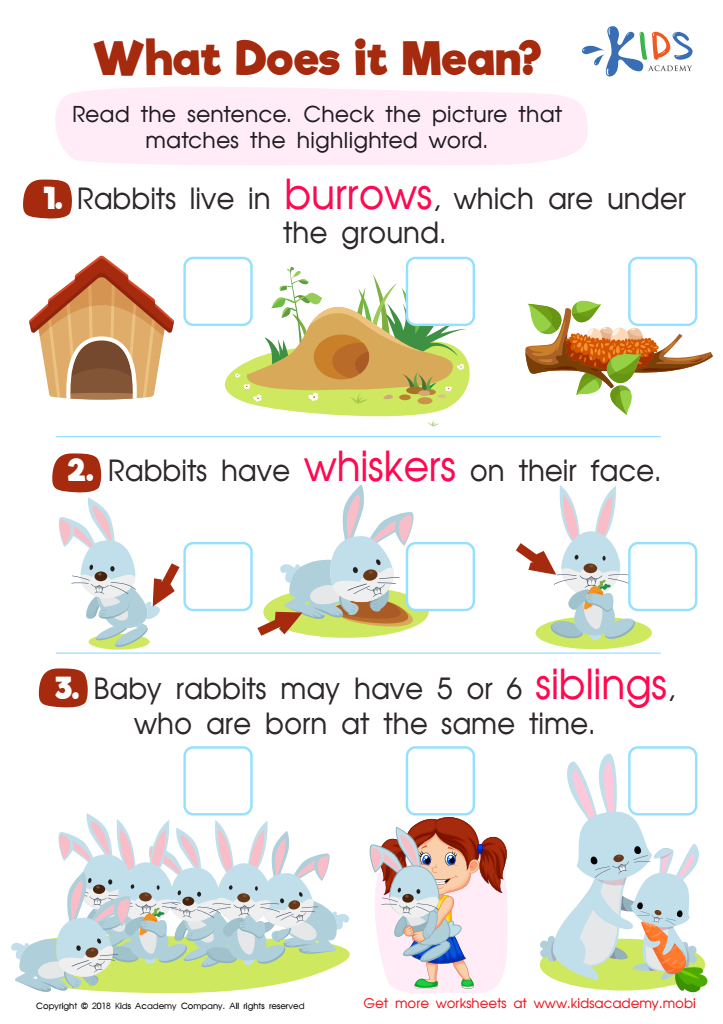
What Does It Mean? Worksheet
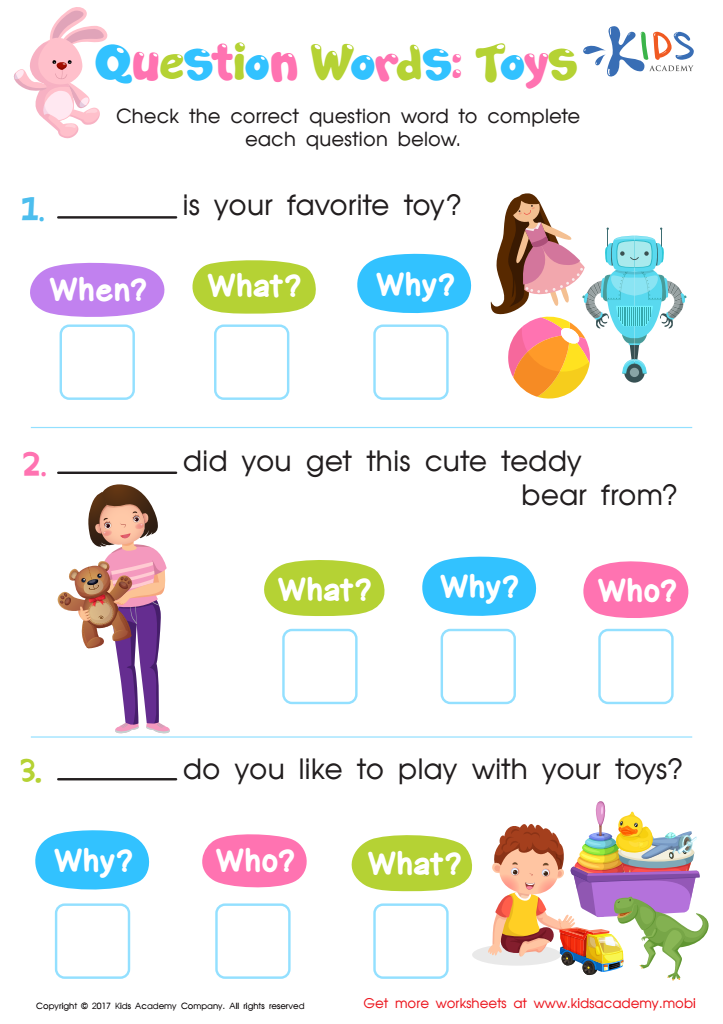
Question Words: Toys Worksheet
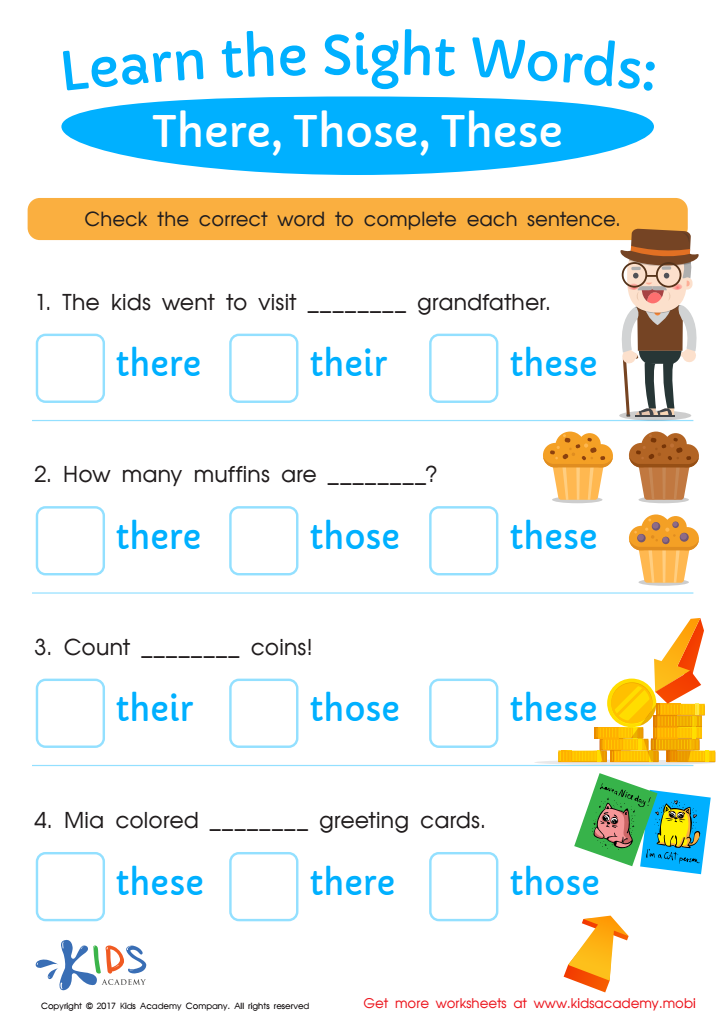
There, Those and These Sight Words Worksheet
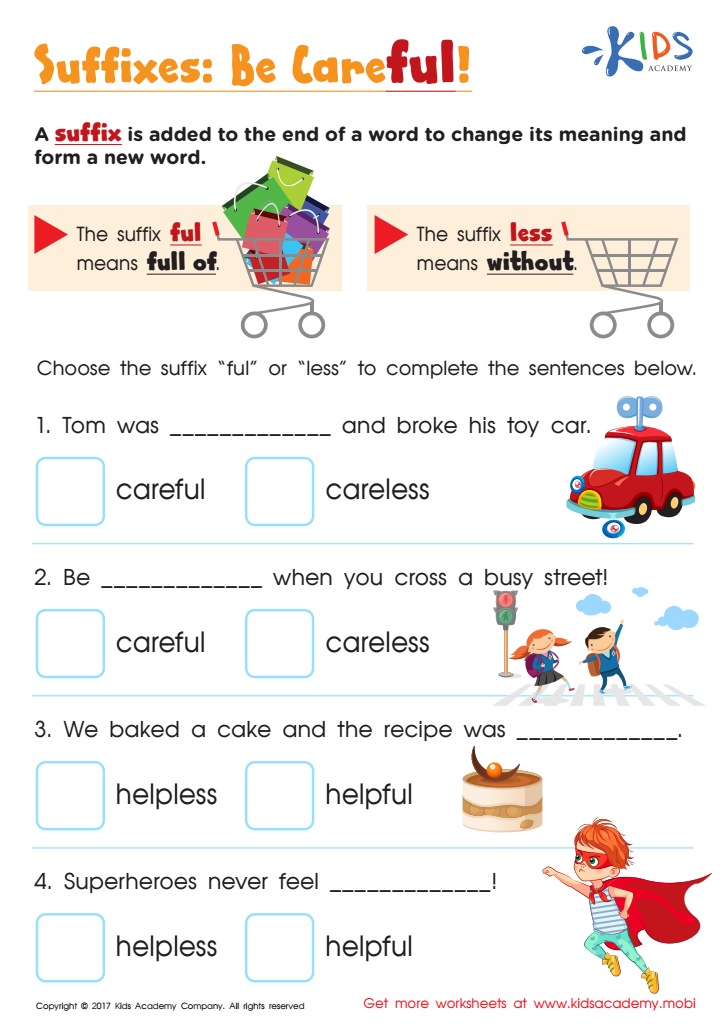
Suffixes Ful and Less Worksheet
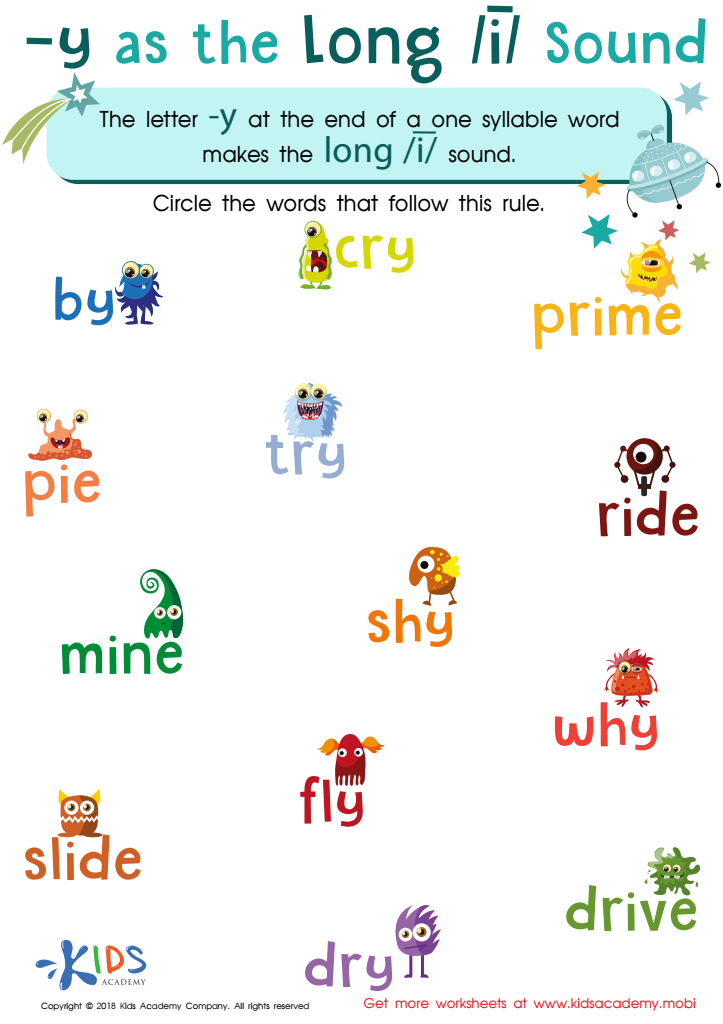
Reading: Y as Long I Worksheet
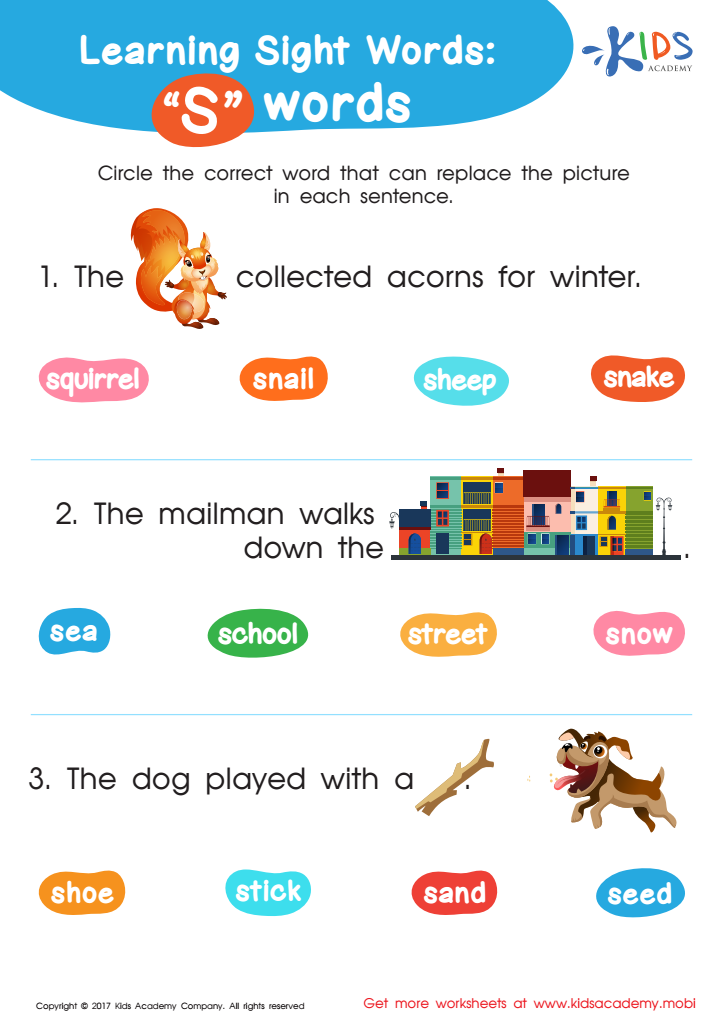
S Words Sight Words Worksheet
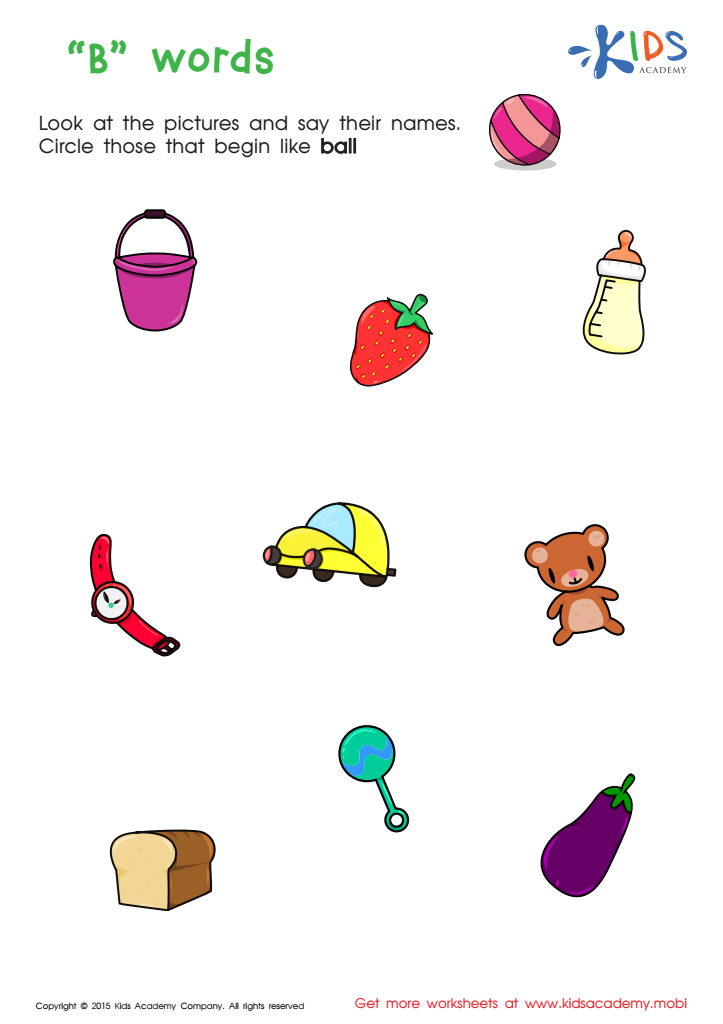
First Words Worksheet
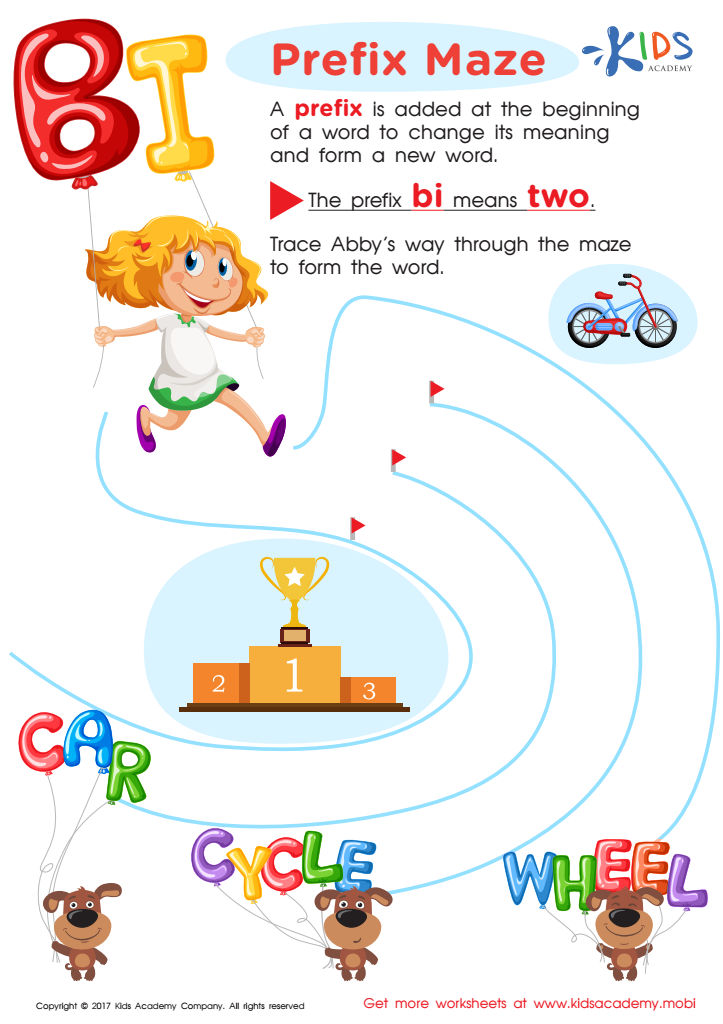
Prefix Bi Words Worksheet
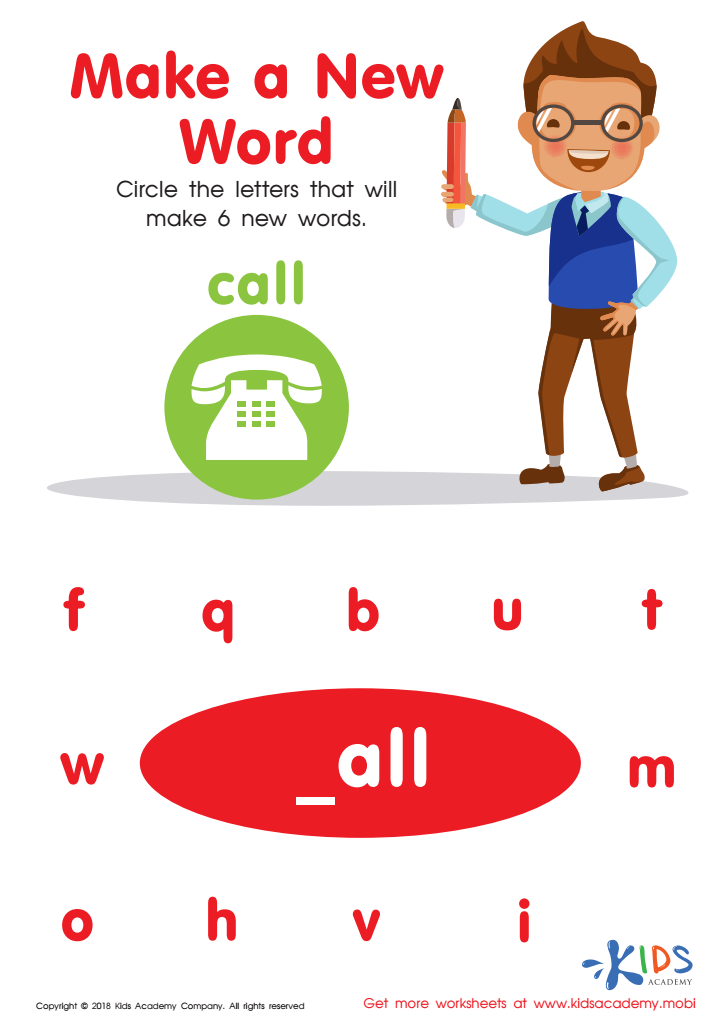
Make a New Word Worksheet
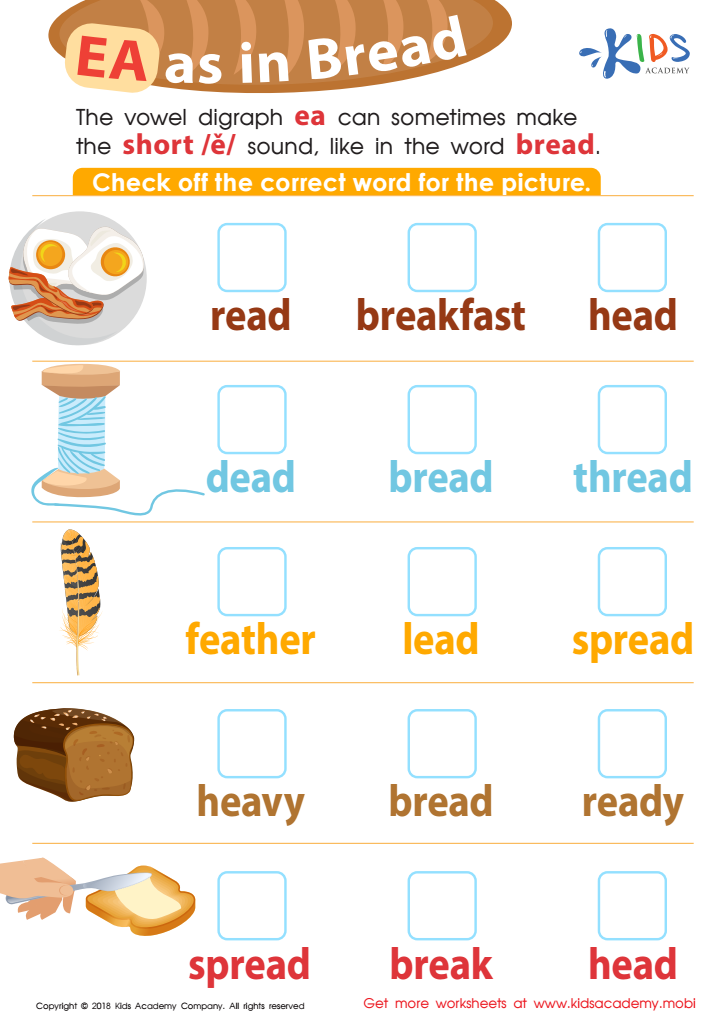
Reading: EA as in Bread Worksheet
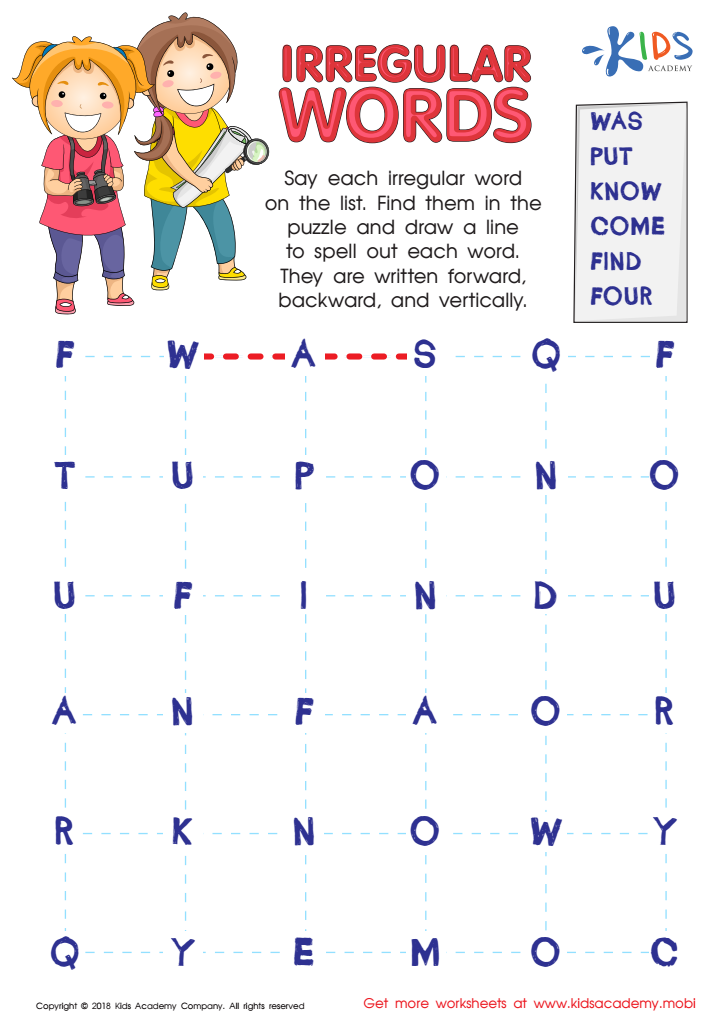
Irregular Words Worksheet
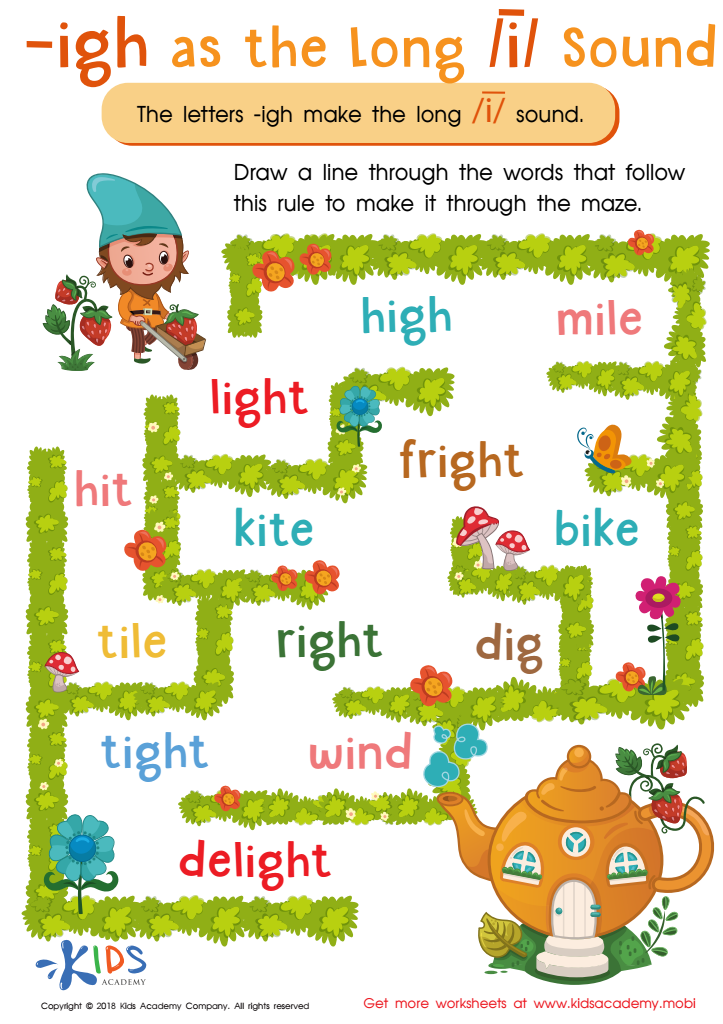
Reading: IGH as Long I Worksheet
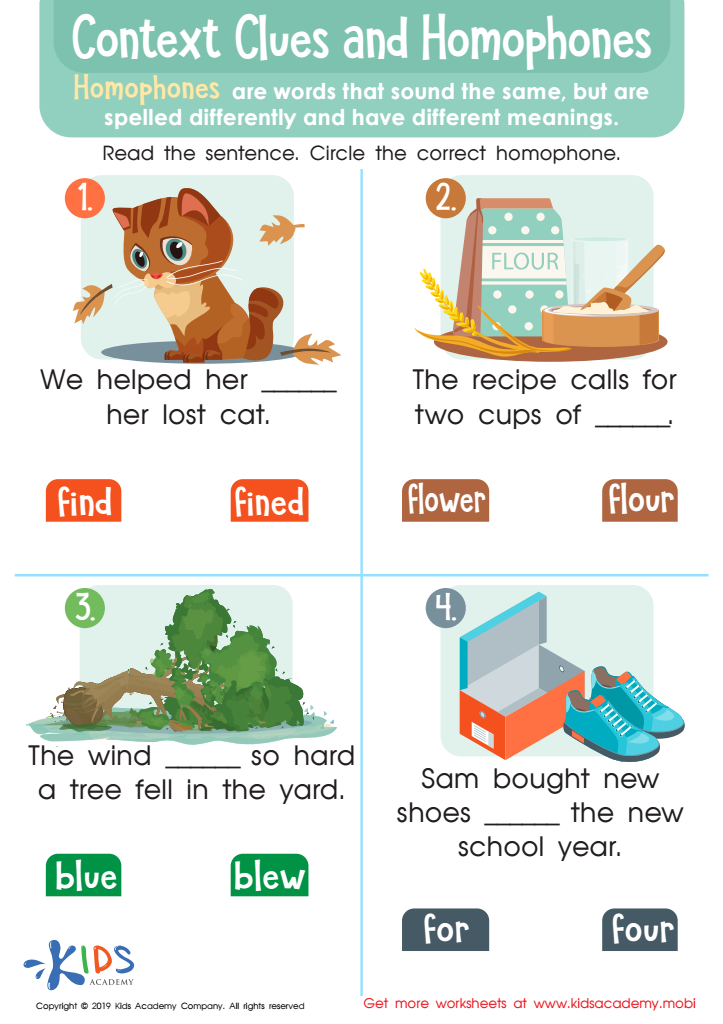
Context Clues and Homophones Worksheet
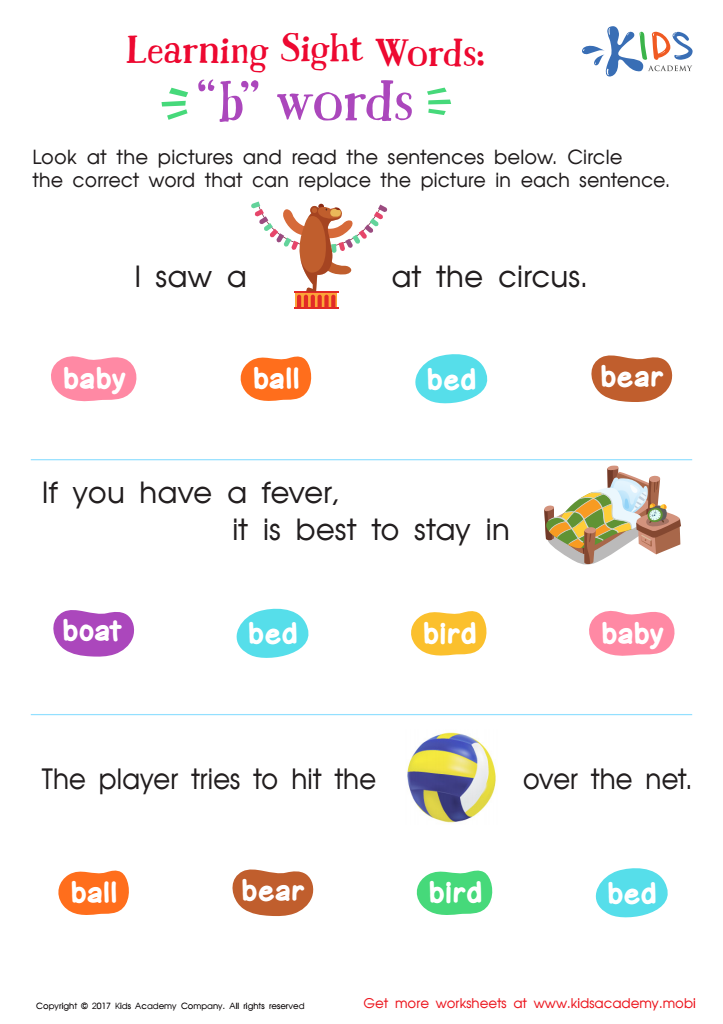
"B" Words Printable Sight Words Worksheet
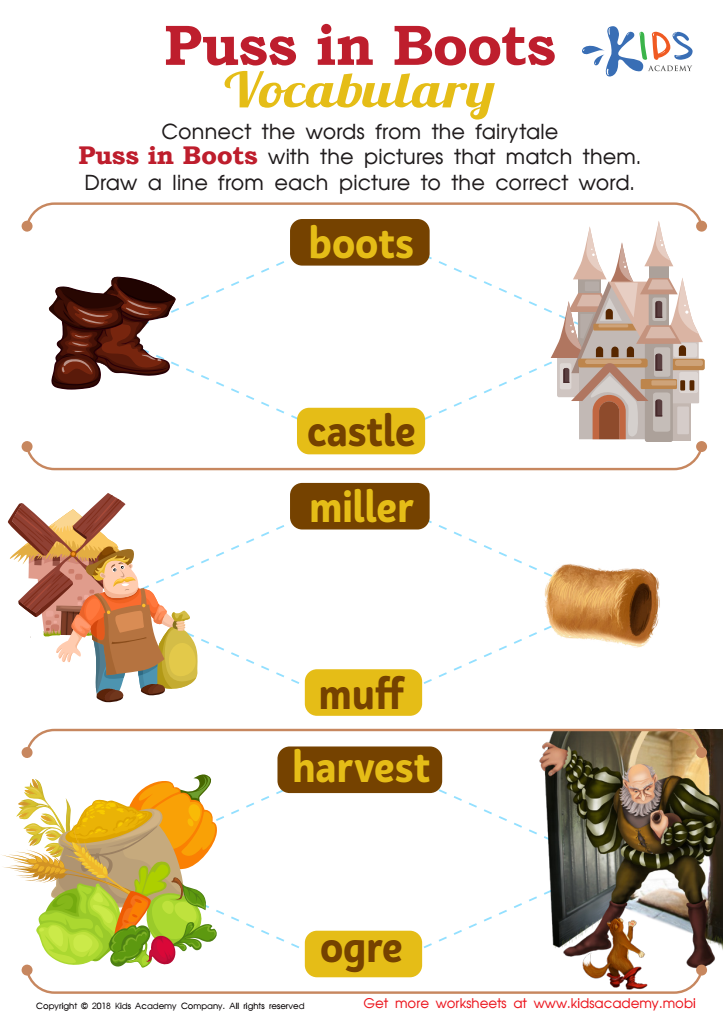
Puss in Boots Vocabulary Worksheet



.jpg)

.jpg)


Building vocabulary in children aged 5-7 is crucial for their overall development and future academic success. At this stage, children are rapidly acquiring language skills, and a robust vocabulary provides the foundation for effective communication, reading comprehension, and critical thinking.
Parents and teachers should care about vocabulary expansion because it directly influences children’s ability to express themselves clearly and confidently. A rich vocabulary enables them to articulate their thoughts, feelings, and ideas, fostering creativity and self-esteem. Furthermore, vocabulary knowledge is strongly linked to reading proficiency; children with larger vocabularies are more likely to understand texts and enjoy reading, laying the groundwork for lifelong learning.
Moreover, exposure to new words enhances cognitive development, helping children make connections between language and the world around them. Engaging in conversations, reading a variety of books, and playing word games can significantly boost their vocabulary. These activities not only provide educational value but also create memorable bonding experiences between parents, teachers, and children.
Ultimately, investing in vocabulary expansion during these formative years empowers children, preparing them for academic challenges and social interactions they will encounter as they grow. Thus, prioritizing vocabulary building is essential for holistic child development.








