Fine Motor Skills Reading Worksheets for Ages 5-7 - Page 2
48 filtered results
-
From - To
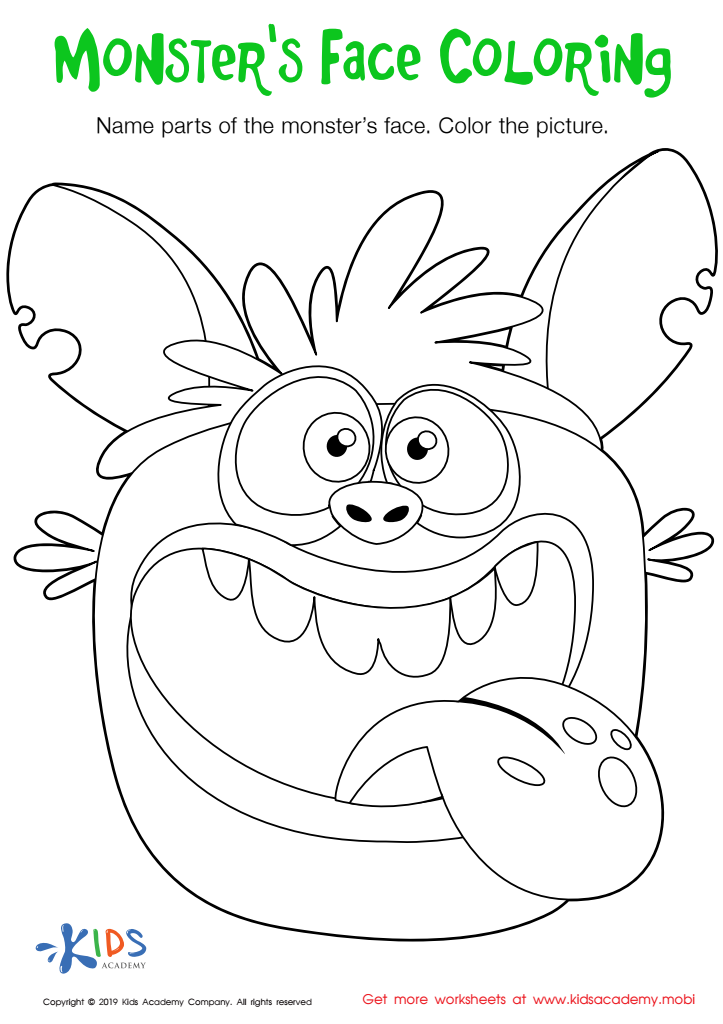
Monster's Face Coloring Worksheet
 Assign to My Students
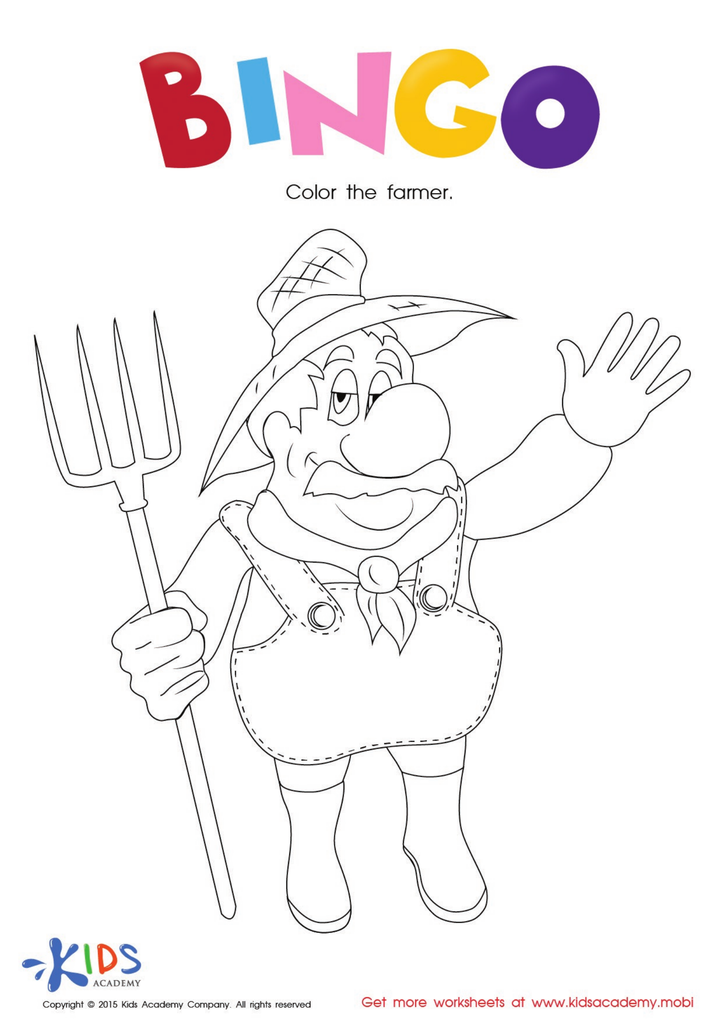
The Bingo Song: Coloring The Farmer Worksheet
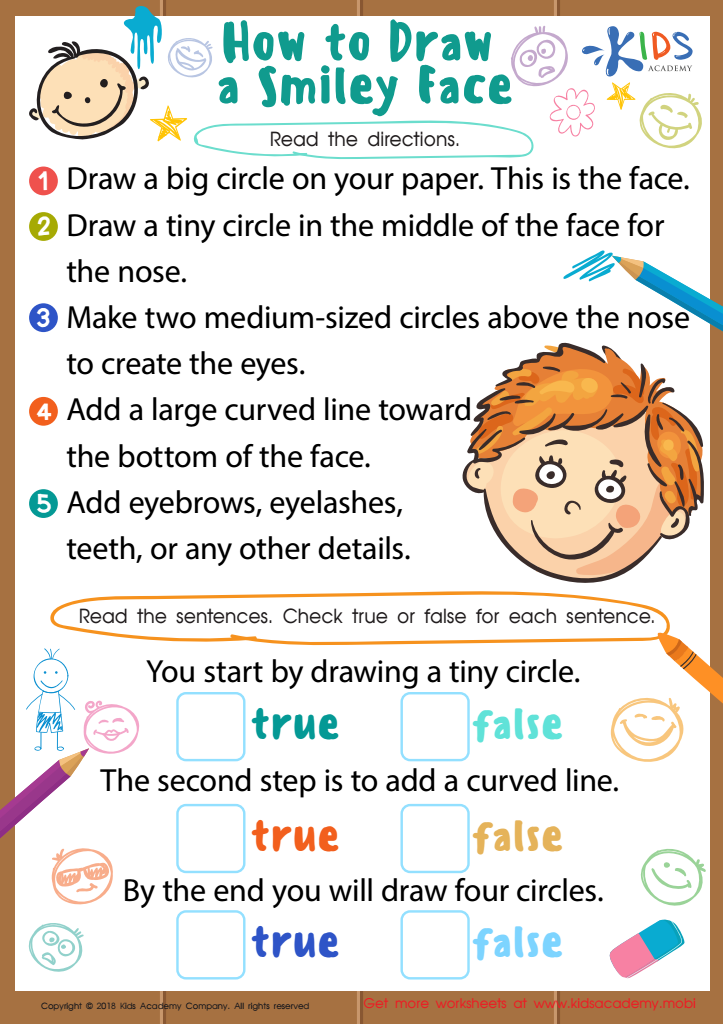
How to Draw a Smiley Face Worksheet
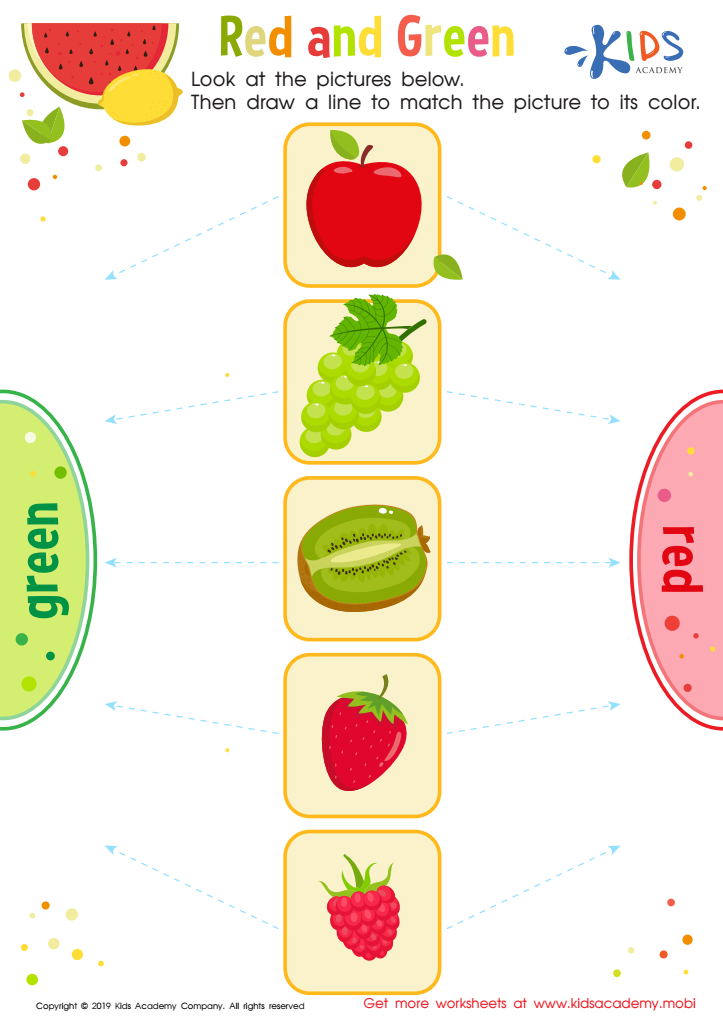
Red and Green Worksheet
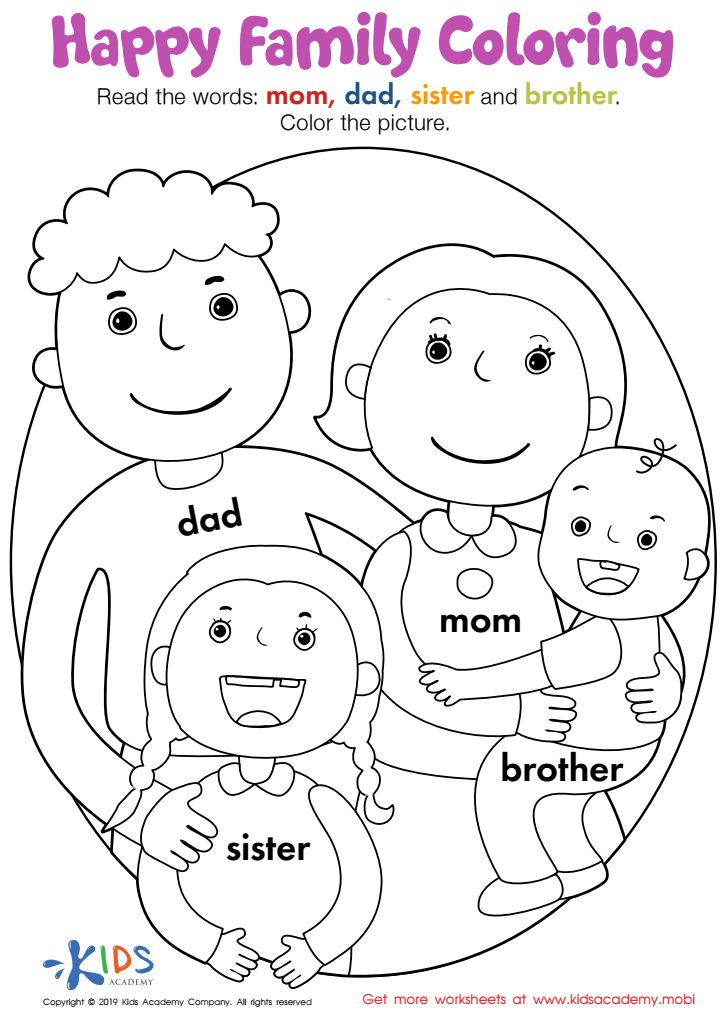
Happy Family Coloring Worksheet
Assign to My Students
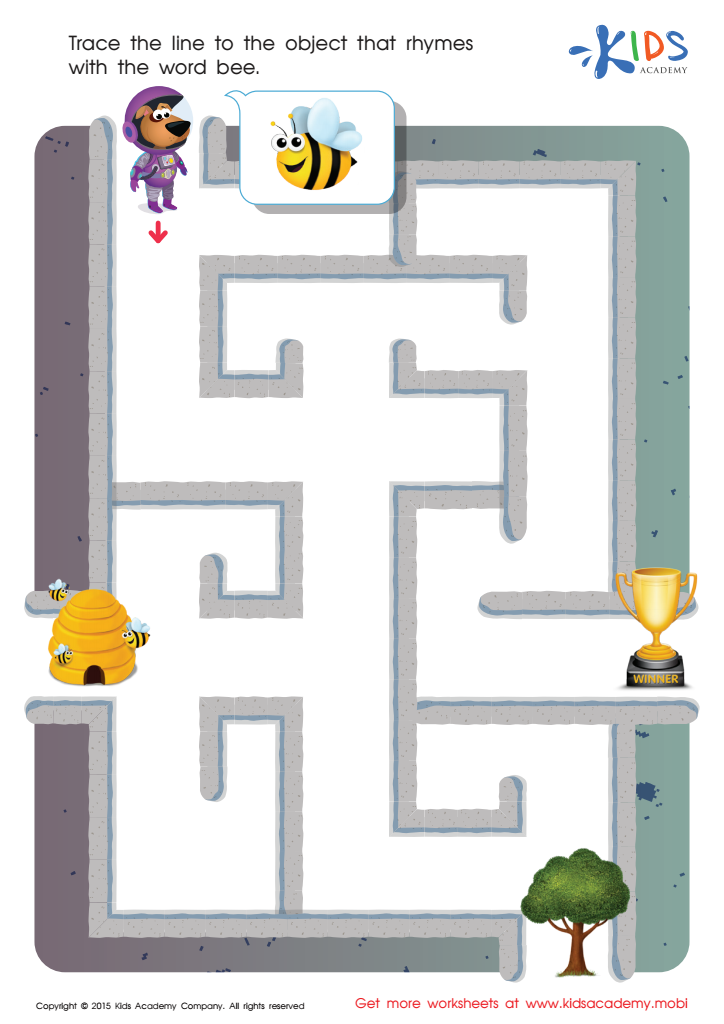
Bee Rhyming Words Worksheet
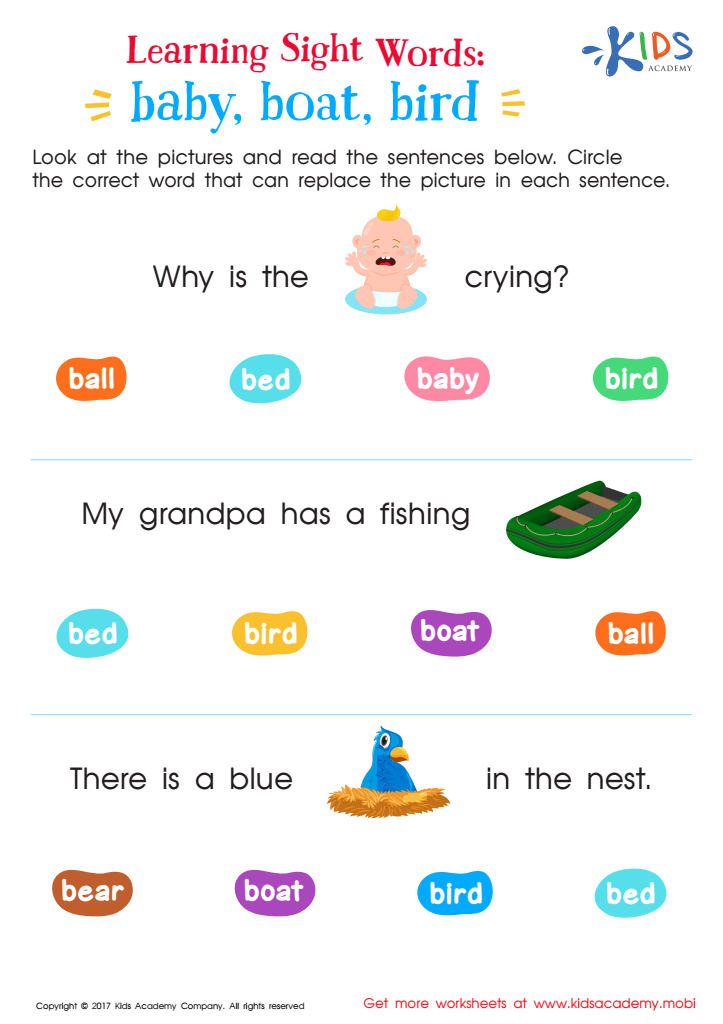
Baby, Boat, Bird Worksheet Sight Words Worksheet
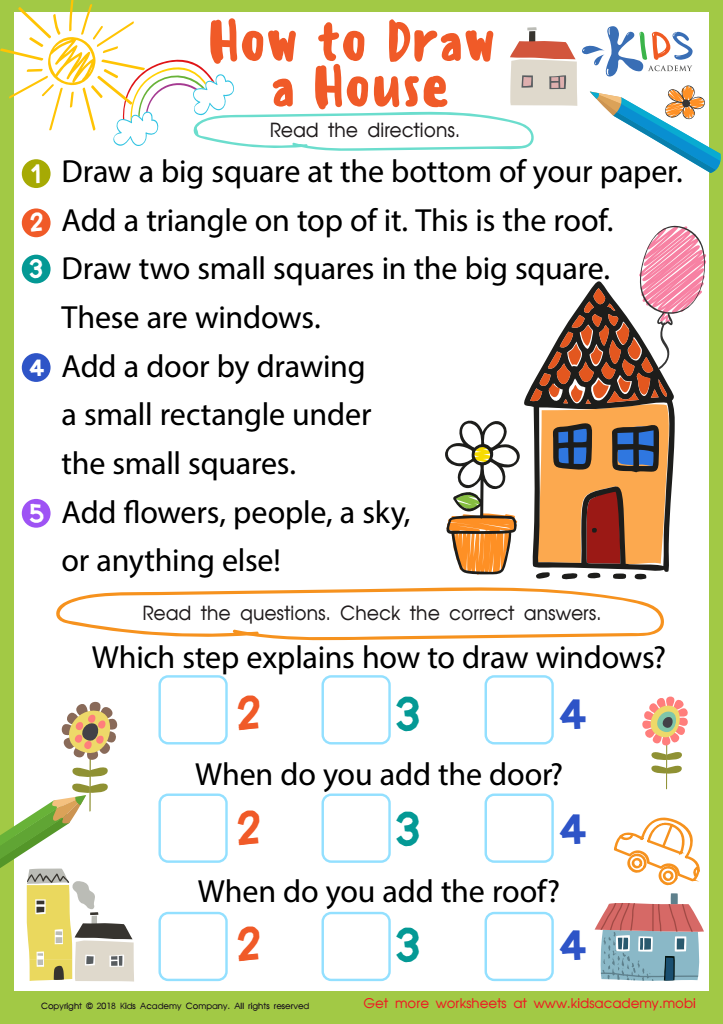
How to Draw House Worksheet

White and Pink Coloring Fun Worksheet
Assign to My Students
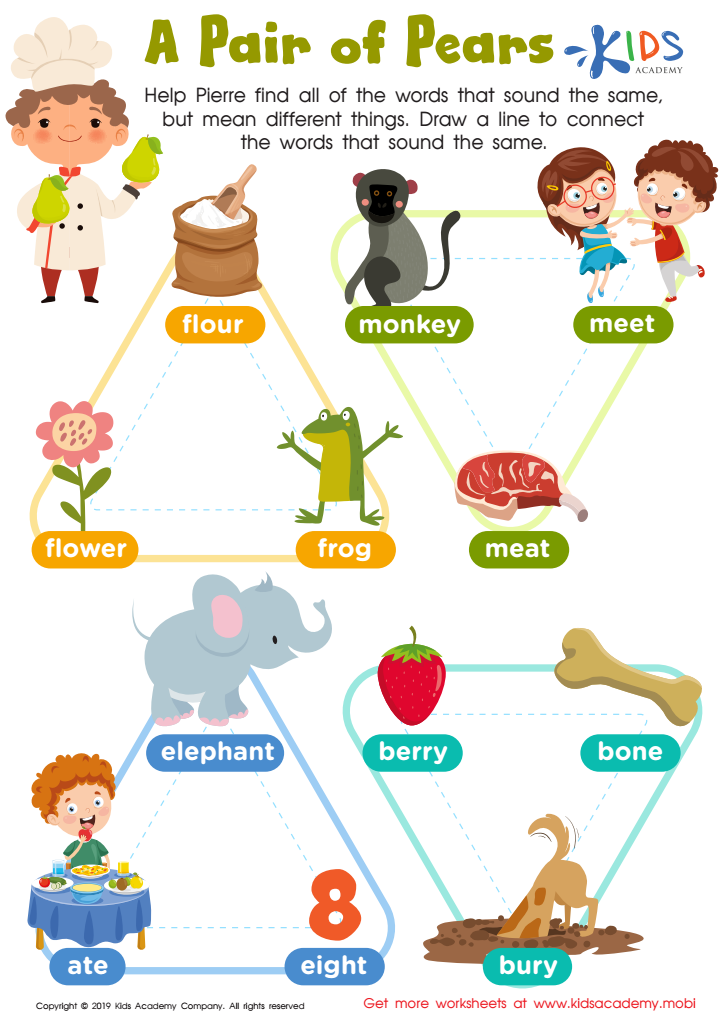
Pair Pears Worksheet
Big Bad Wolf Printable Coloring Page
Assign to My Students

The Bingo Song: Coloring The Dog Worksheet
Pen Rhyming Words Worksheet

Twinkle, Twinkle, Little Star – Coloring by Numbers
Wheels on the Bus – Coloring by Numbers
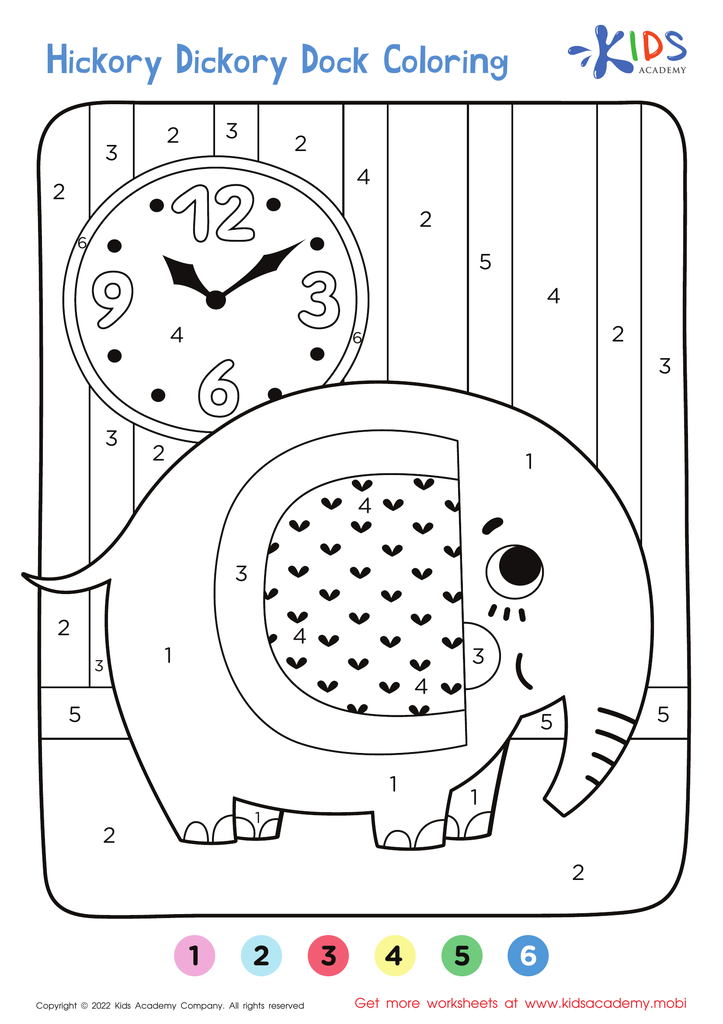
Hickory Dickory Dock – Coloring by Numbers


.jpg)




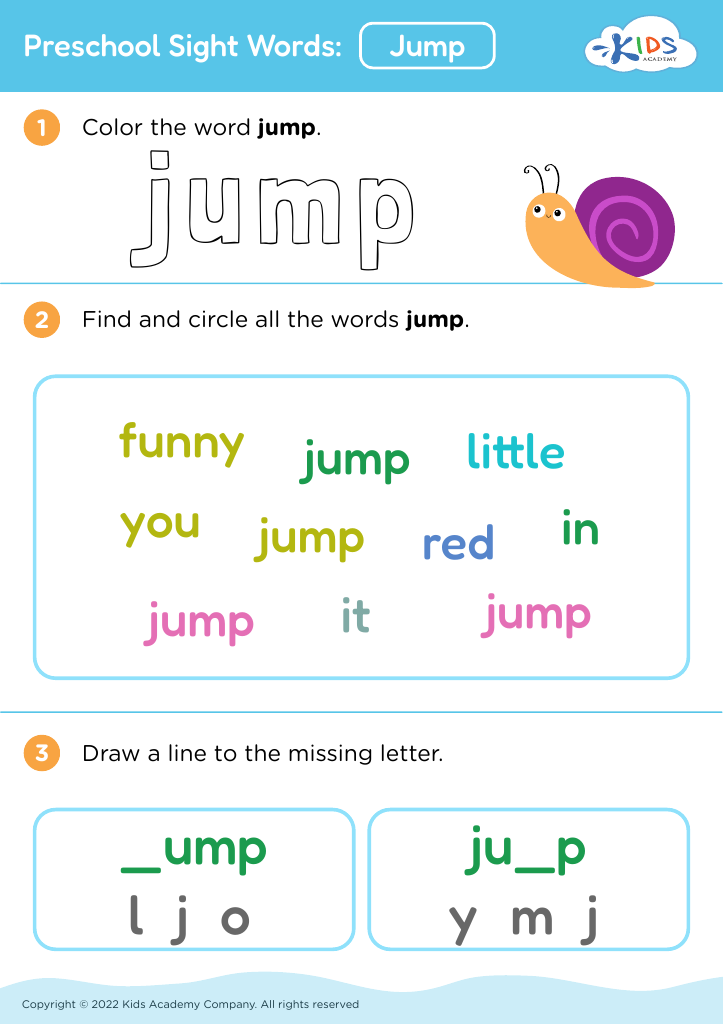
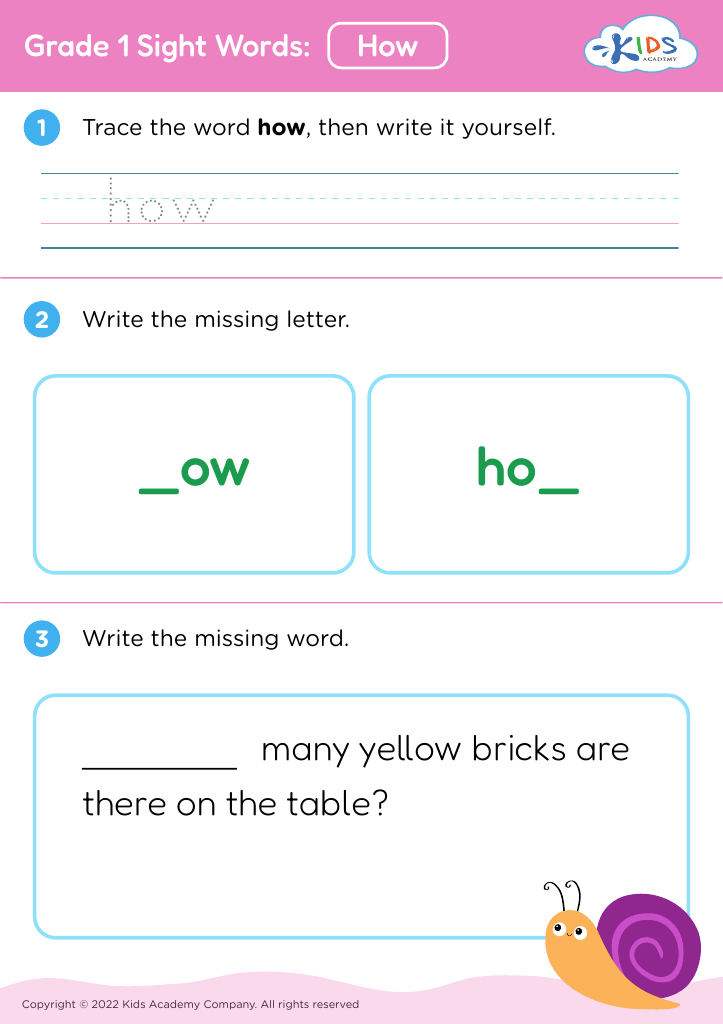
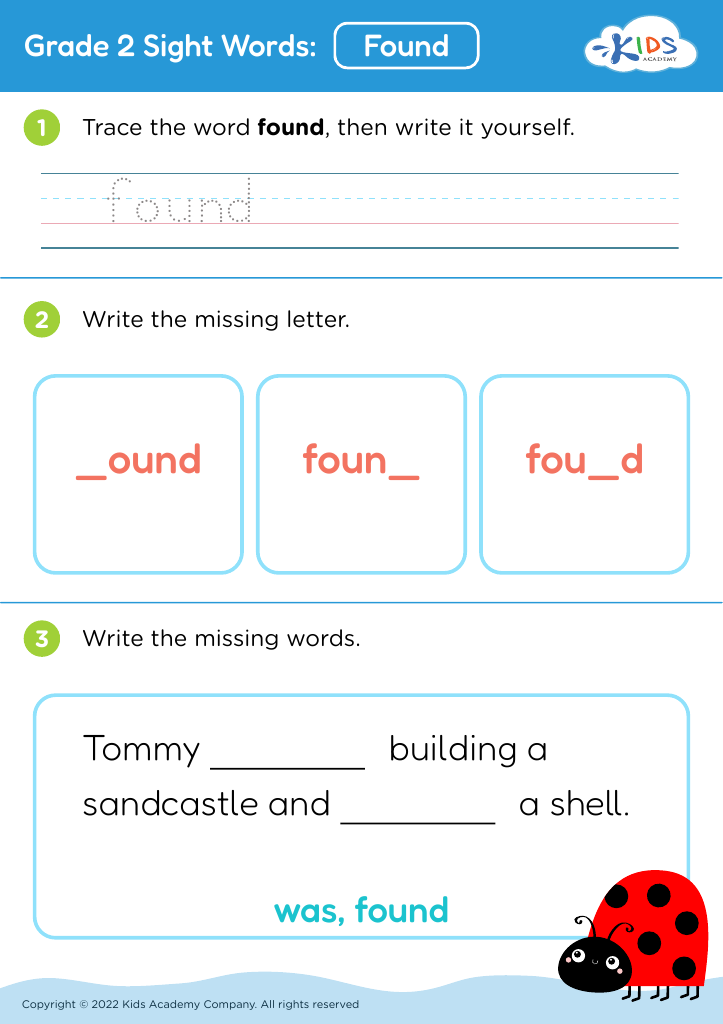
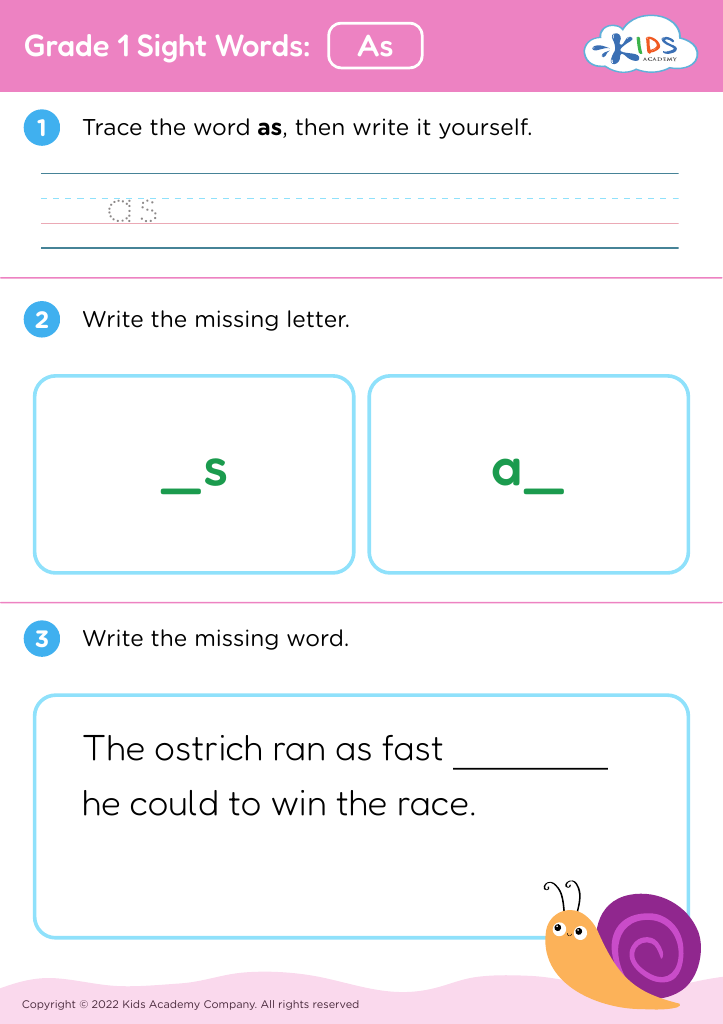
Fine motor skills refer to the coordination of small muscles in movements—usually involving the synchronisation of hands and fingers—with the eyes. For children aged 5-7, developing these skills is foundational not only for their academic success but also for everyday functioning. Strong fine motor skills assist children in performing tasks such as writing, cutting with scissors, and assembling small objects, all of which are essential in a classroom setting.
Reading fine motor skills prepares students for writing, as they require hand-eye coordination, finger control, and dexterity – all needed for gripping a pencil and forming letters precisely. Equally important is the ability to turn pages, point to text, and follow along in reading activities. By practising these skills, children become more independent and gain confidence in their abilities, fostering a positive attitude toward learning.
Furthermore, engaging children in fine motor activities like tracing shapes, squeezing clay, or using tweezers can also improve concentration and cognitive development. These activities often require focus and problem-solving, thereby nurturing other aspects of their intellectual growth. Consequently, as caregivers and educators, paying attention to the development of fine motor skills is integral to supporting children's comprehensive educational journey and day-to-day self-management skills.








