Math problem-solving Reading Worksheets for Ages 5-7
3 filtered results
-
From - To
Discover our engaging Math Problem-Solving Reading Worksheets designed specifically for children ages 5-7! These interactive resources help young learners develop essential math skills and reading comprehension simultaneously. Each worksheet presents fun, age-appropriate math problems integrated with reading activities, encouraging critical thinking and enhancing problem-solving abilities. Perfect for home or classroom use, our worksheets ensure that kids build confidence in their math skills while enjoying their learning journey. With colorful illustrations and relatable scenarios, your child will be eager to tackle each challenge. Explore our collection today to support your child's educational growth and make math enjoyable!
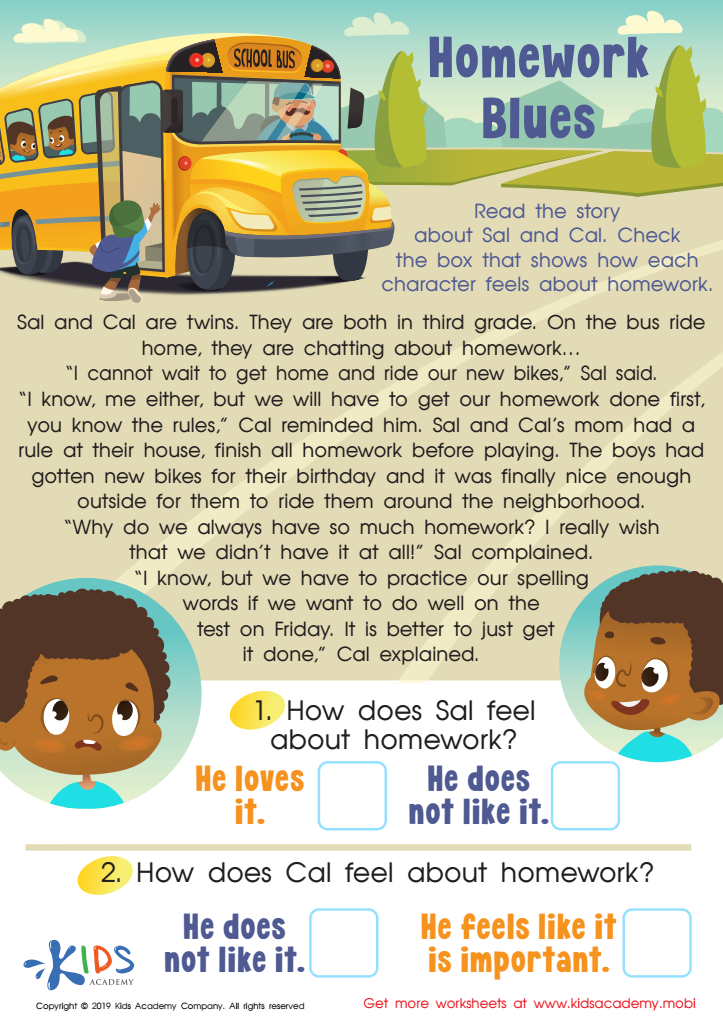
Homework Blues Worksheet
 Assign to My Students
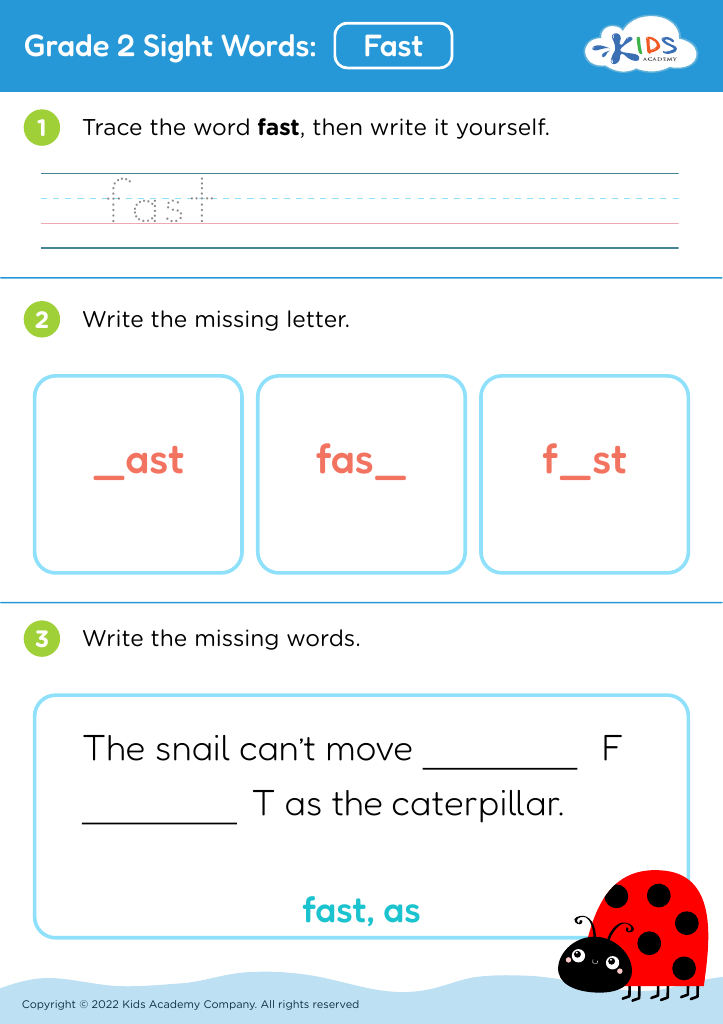
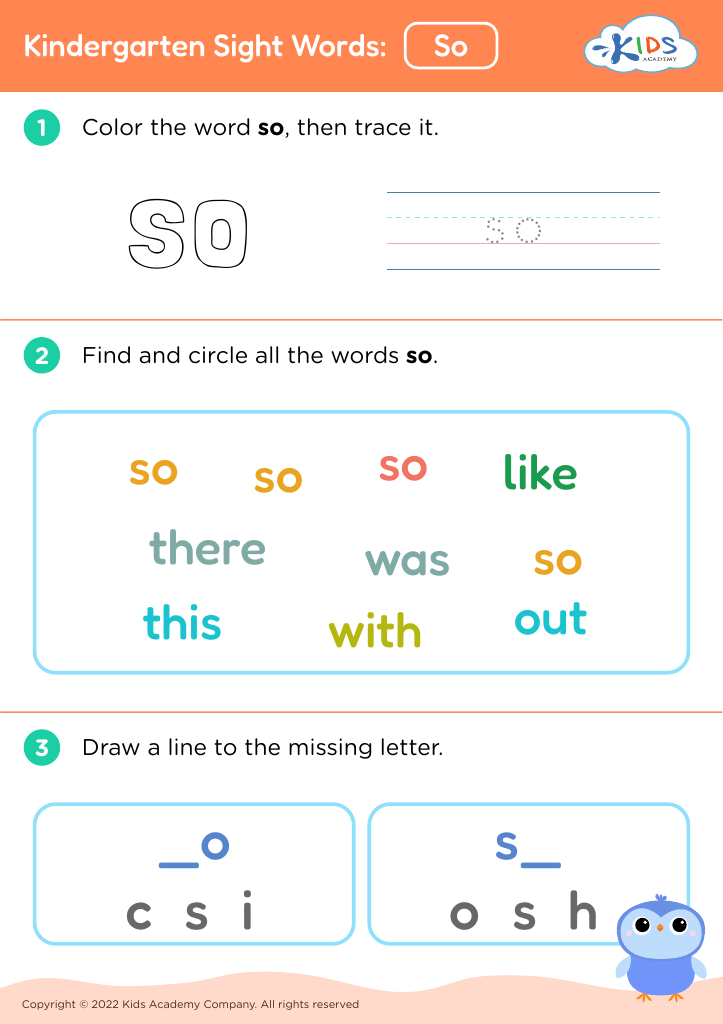







Math problem-solving skills are crucial for children aged 5-7 as they lay the foundation for critical thinking and analytical abilities. At this developmental stage, children are not only learning basic arithmetic concepts but also how to approach problems systematically. Encouraging early math skills supports cognitive development, enhancing abilities such as reasoning and logic.
Moreover, integrating reading with math problem-solving helps children develop comprehension skills necessary to understand and solve word problems. It encourages them to interpret information, which boosts literacy as they translate words into numerical form and develop a deeper understanding of both subjects.
Parents and teachers play a vital role in fostering a positive attitude toward math. Engaging in problem-solving activities together can make learning enjoyable and relatable, breaking down the anxiety often associated with math. Additionally, recognizing the connection between math and everyday life reinforces its importance, helping children see the value in what they're learning.
Ultimately, nurturing early math problem-solving skills not only supports academic success but also builds confidence, promoting a lifelong love for learning in both math and reading. By caring about these skills, caregivers empower children to tackle future challenges with resilience and creativity.








