Shape Recognition Reading Worksheets for Ages 5-7
13 filtered results
-
From - To
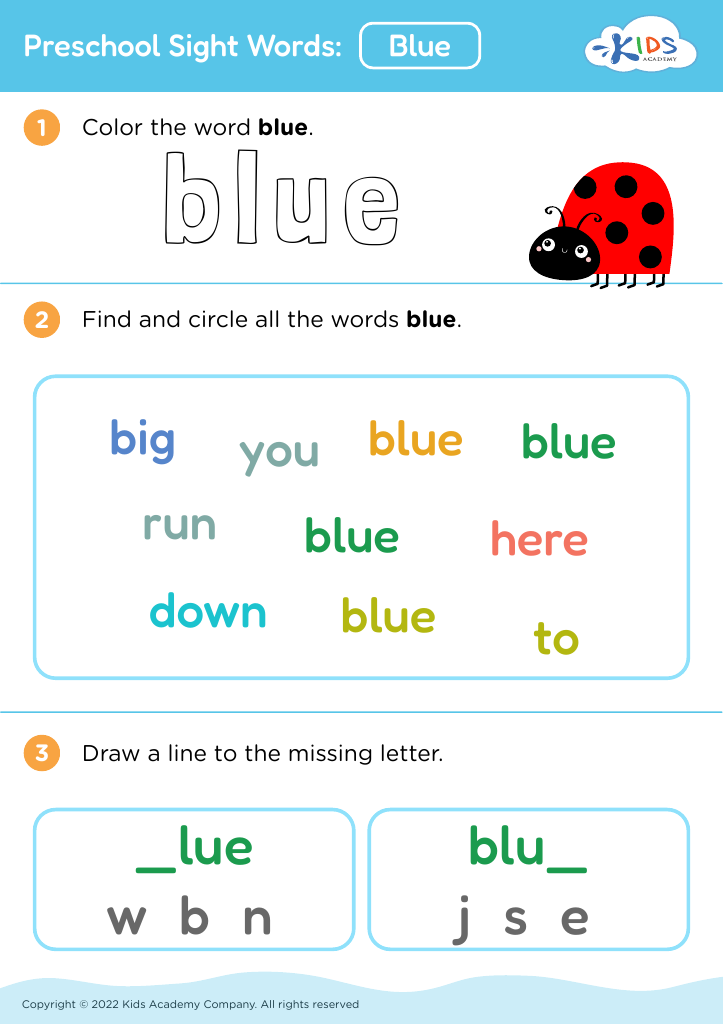
Introduce young learners to the fun world of geometry with our Shape Recognition Reading Worksheets for Ages 5-7. Perfect for kindergarteners and first graders, these engaging worksheets combine reading practice with shape identification skills. Designed to boost cognitive development, each activity encourages kids to recognize, name, and draw basic shapes, enhancing their vocabulary and comprehension. With colorful illustrations and interactive tasks, our worksheets make learning enjoyable and effective. Ideal for classroom use or at-home practice, they lay the foundation for future math success while nurturing a love for learning. Download now from Kids Academy to start shaping young minds!
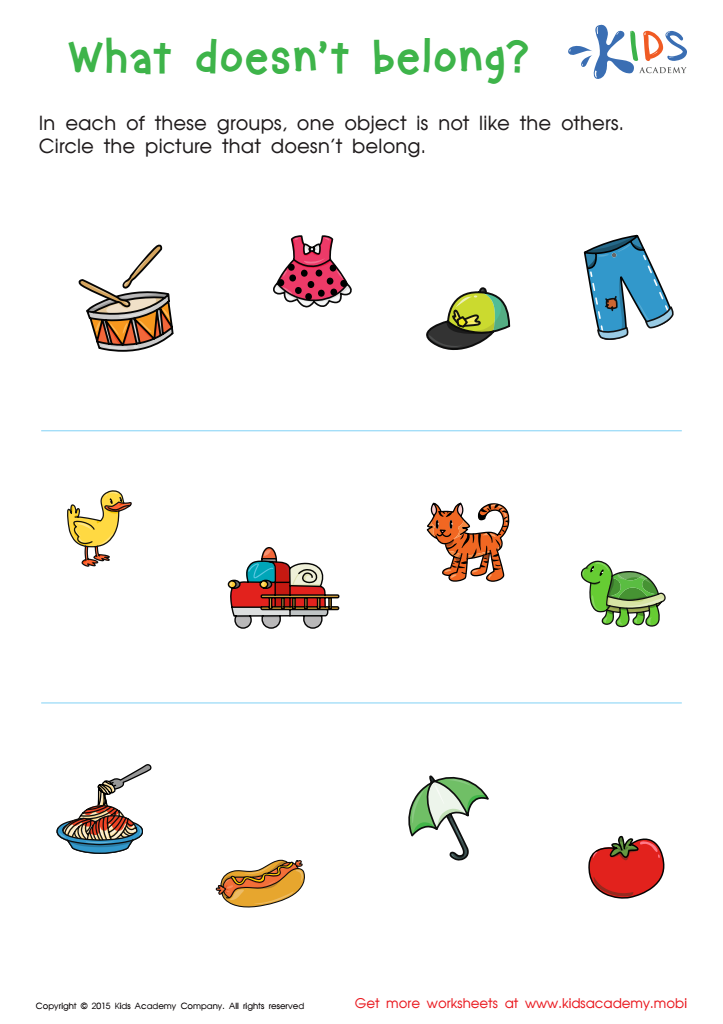
First Words: What Doesn't Belong Worksheet
 Assign to My Students
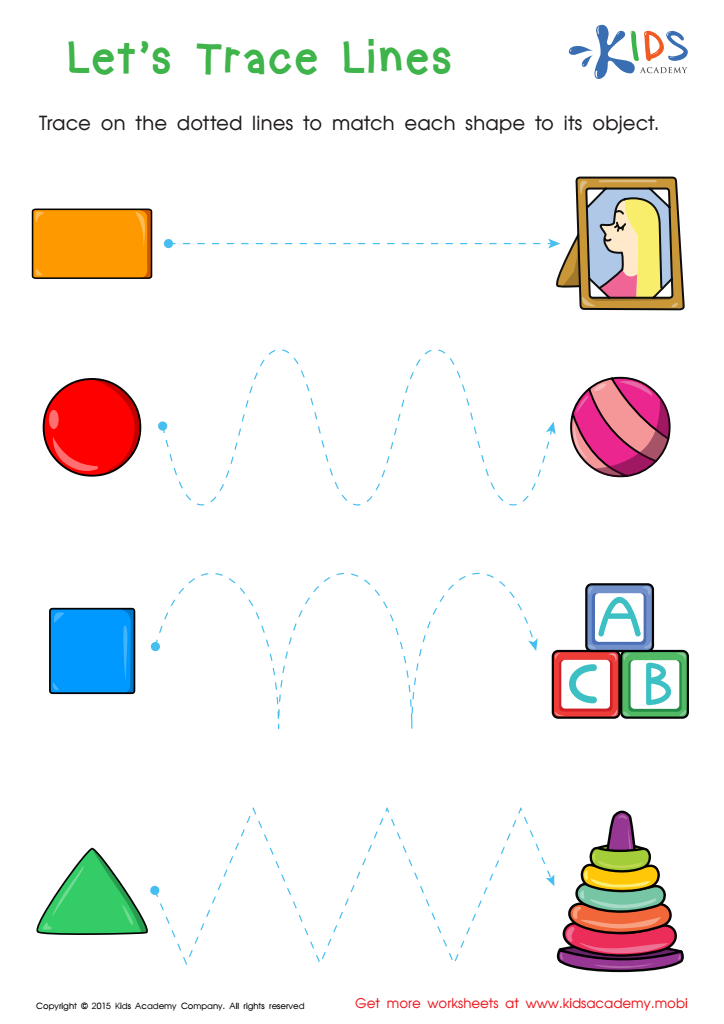
First Words: Let's Trace Lines Worksheet
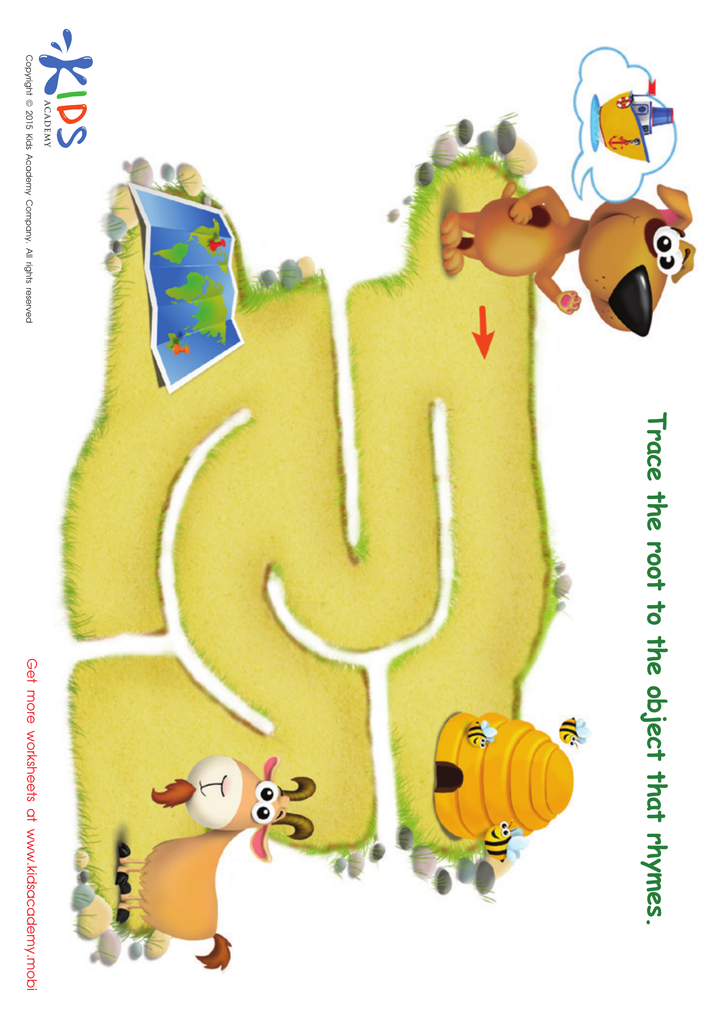
Boat Rhyming Words Worksheet
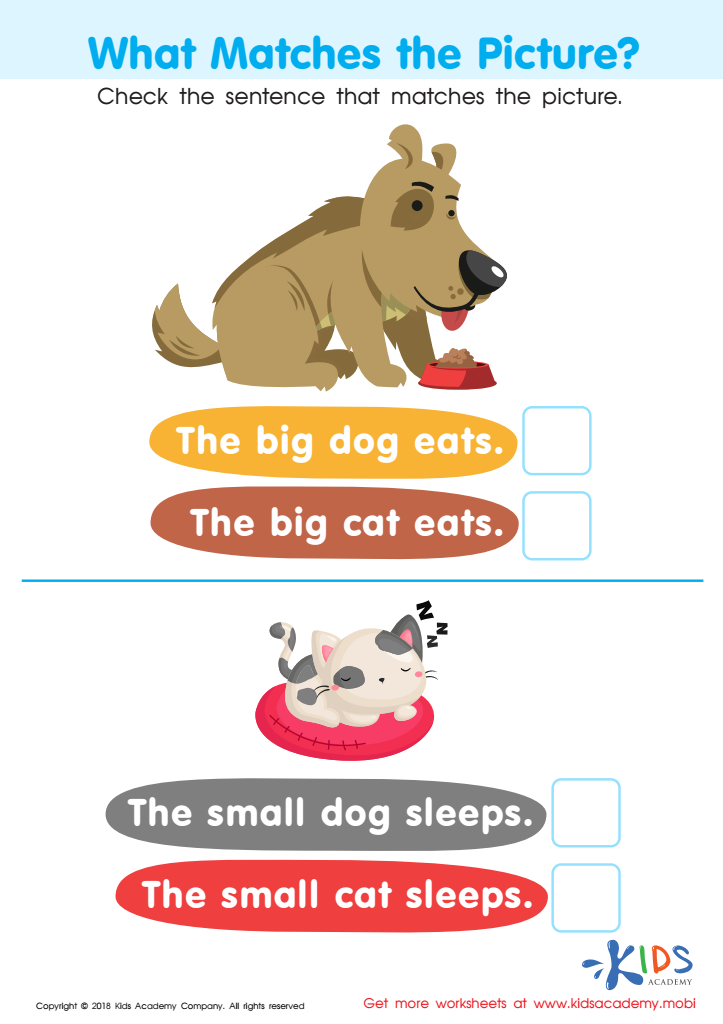
What Matches the Picture? Worksheet
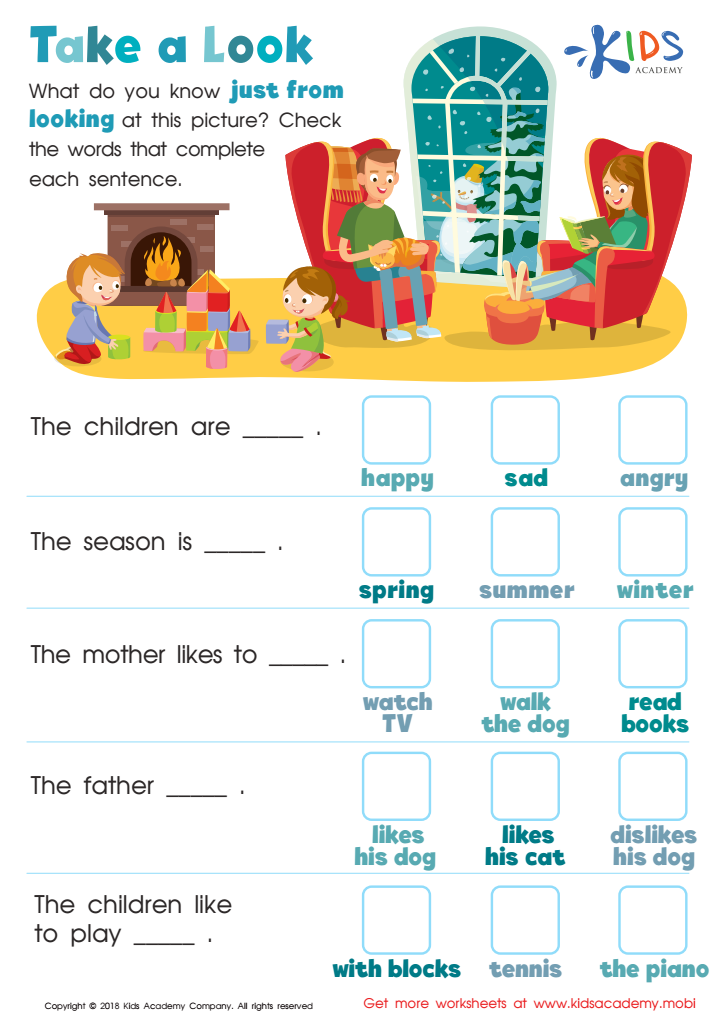
Take a Look - Part 1 Worksheet
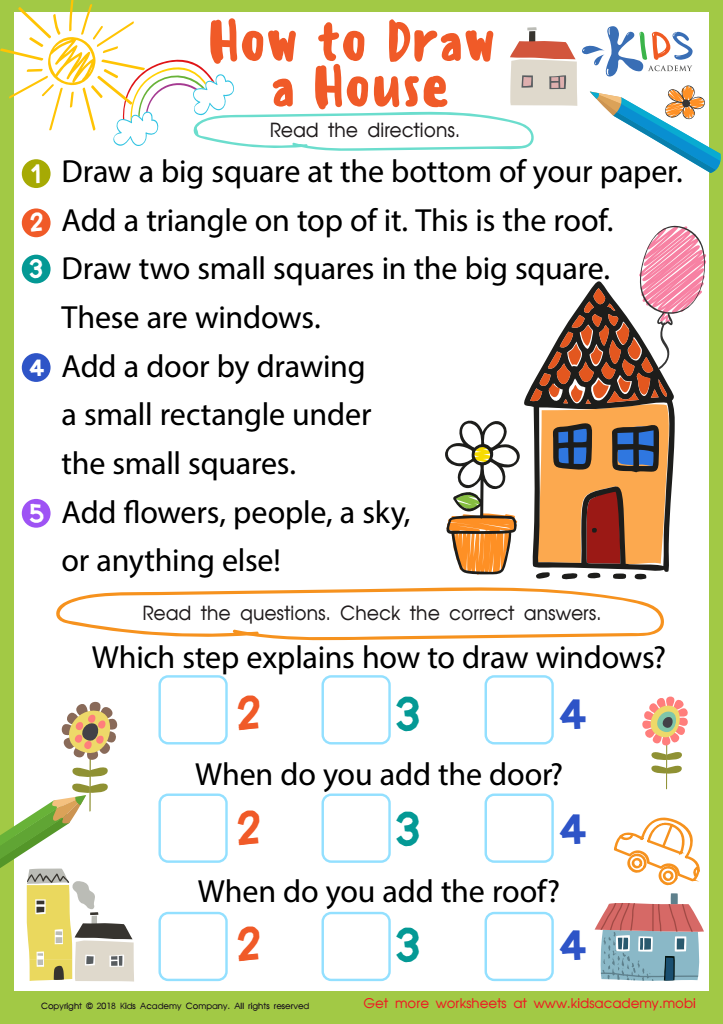
How to Draw House Worksheet
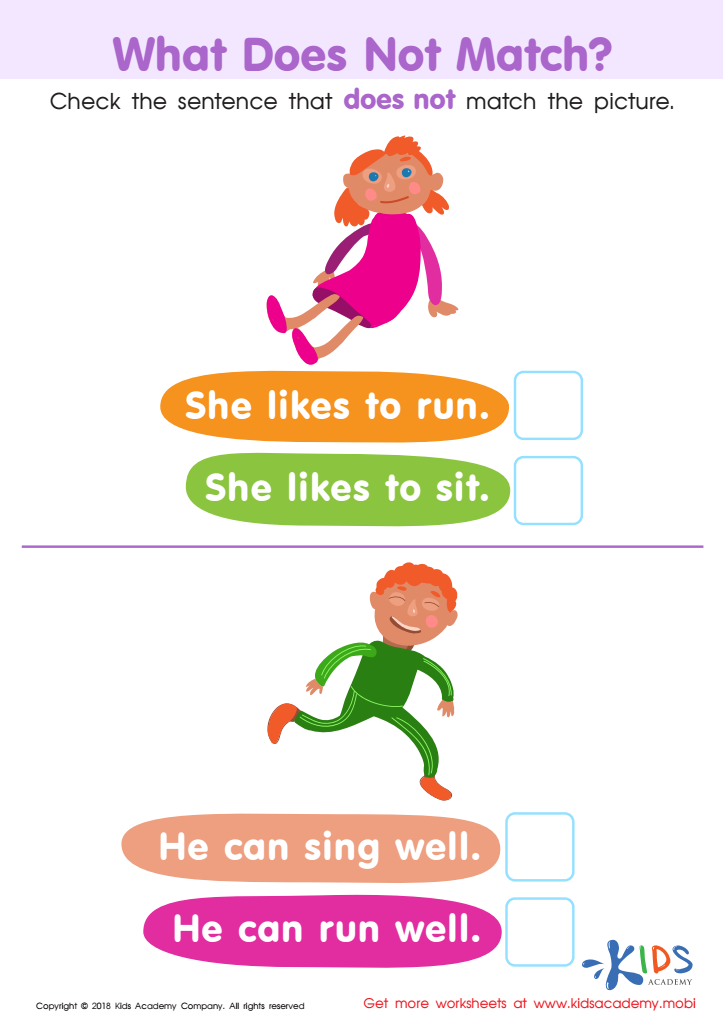
What Does Not Match? Worksheet
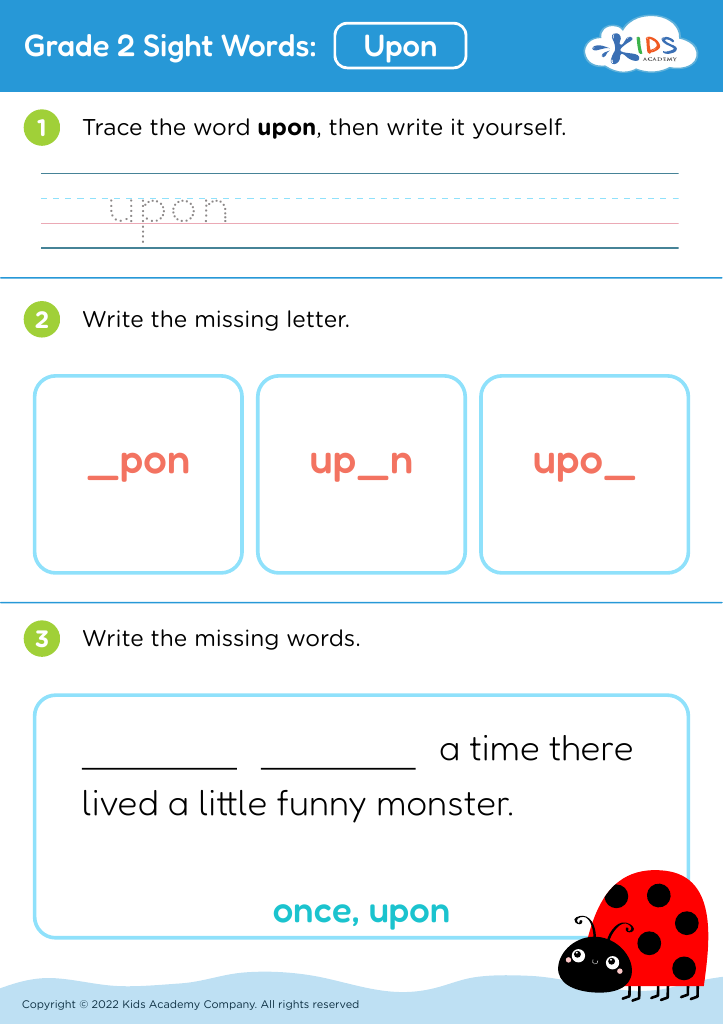







Shape recognition is a fundamental skill in early childhood education, especially for children aged 5-7. This is a crucial period for cognitive development, and recognizing shapes serves as one of the building blocks for understanding more complex concepts in both math and language.
For parents and teachers, fostering shape recognition is vital as it aids in developing early reading skills. Shape recognition helps children differentiate between letters and numbers, which is essential for writing and reading words accurately. For instance, recognizing the differences in shapes assists children in discriminating between letters such as 'b' and 'd' or 'p' and 'q.'
Additionally, understanding shapes cultivates spatial awareness and logical thinking. When children recognize shapes and understand their properties, they are better equipped to tackle more complex math problems later on. Shape recognition also enhances fine motor skills as children often engage in activities like drawing, tracing, and building, all of which require an understanding of shapes and their characteristics.
Lastly, shape recognition builds confidence and promotes a sense of accomplishment. As children successfully identify and work with shapes, they develop a greater sense of confidence in their learning abilities, making them more enthusiastic and engaged learners. This early success sets a positive foundation for lifelong learning.








