Categorization skills Science Worksheets for Ages 5-7
5 filtered results
-
From - To
Enhance your child's learning journey with our engaging Categorization Skills Science Worksheets, tailored specifically for ages 5-7. These interactive worksheets are designed to help young learners identify, classify, and group various scientific concepts, building essential cognitive skills in a fun and playful way. Through age-appropriate activities, children will explore the world around them, discovering the importance of categorization in science. Our worksheets integrate vibrant visuals and stimulating prompts that make learning enjoyable, empowering children to think critically and categorize objects effectively. Perfect for home or classroom use, these resources set a strong foundation for future scientific learning and exploration.
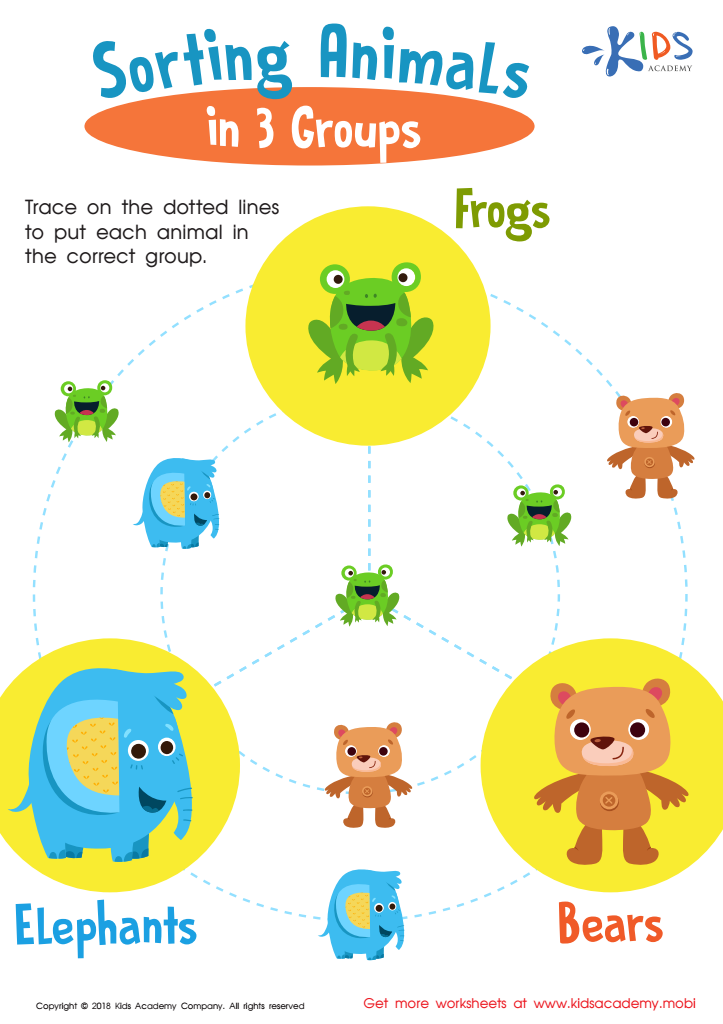
Sorting Animals in 3 Groups Worksheet
 Assign to My Students
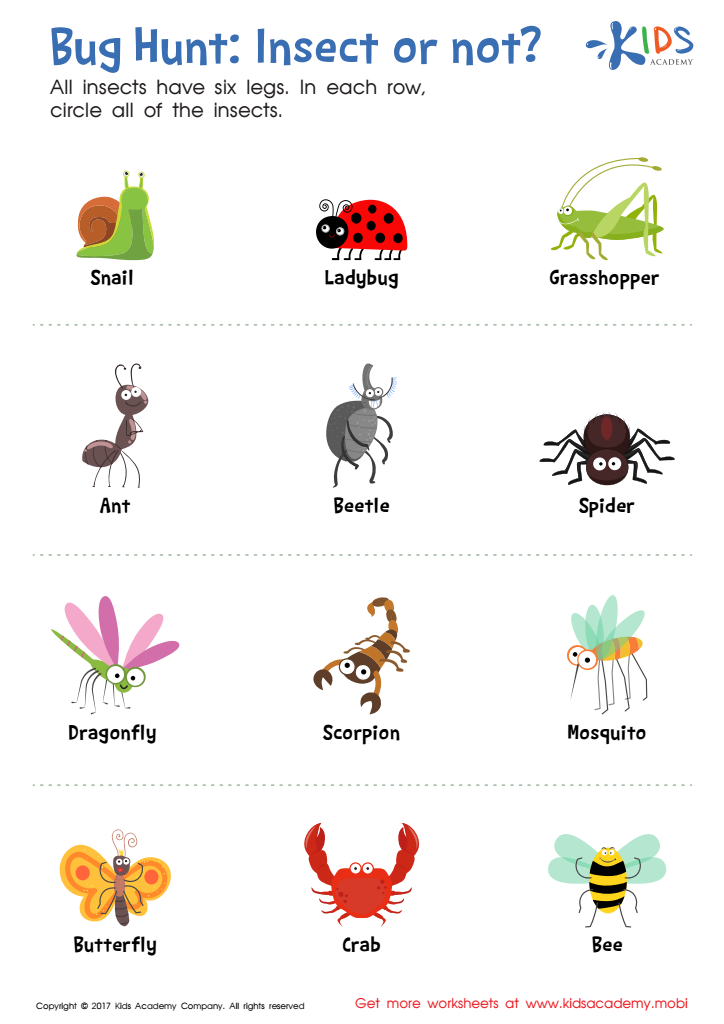
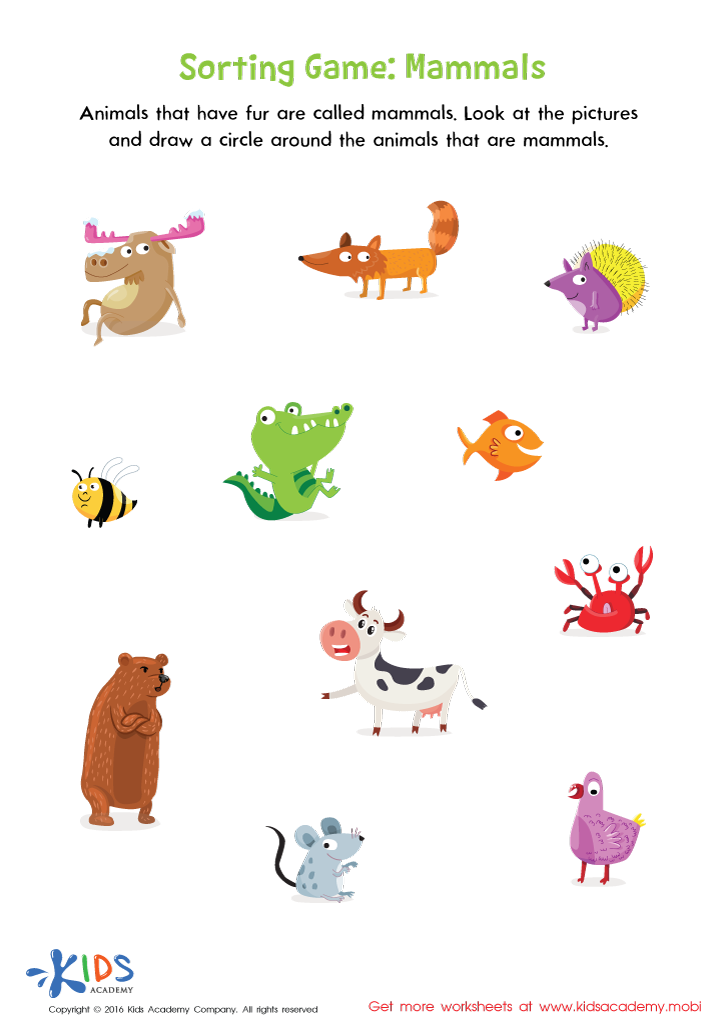
Mammals Sorting Worksheet
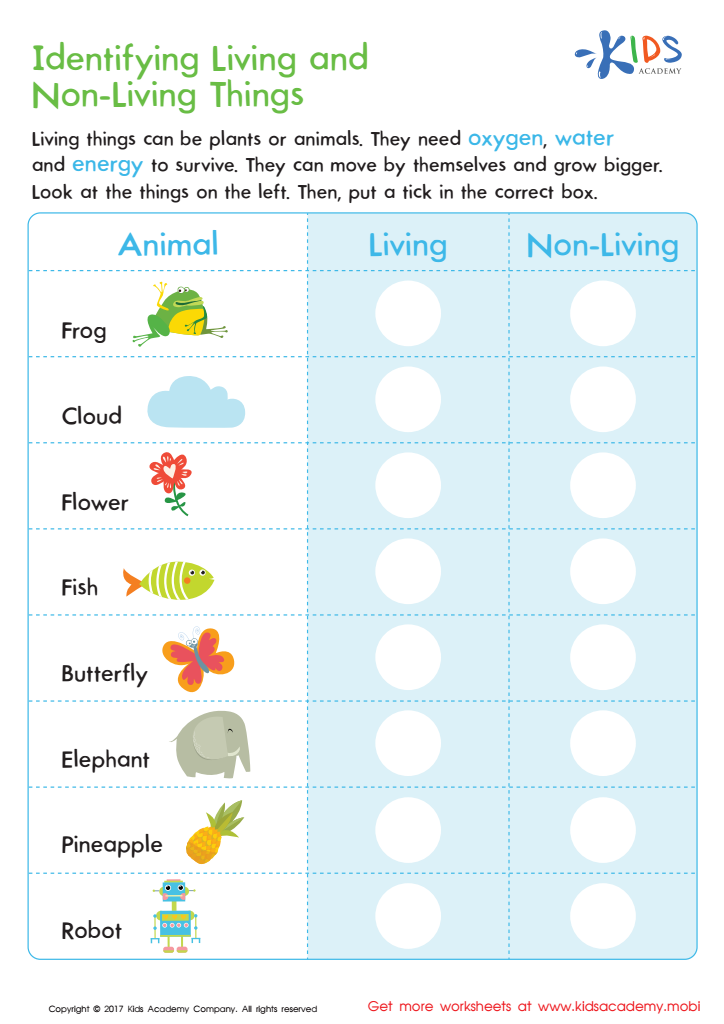
Identifying Living or Non–living Worksheet
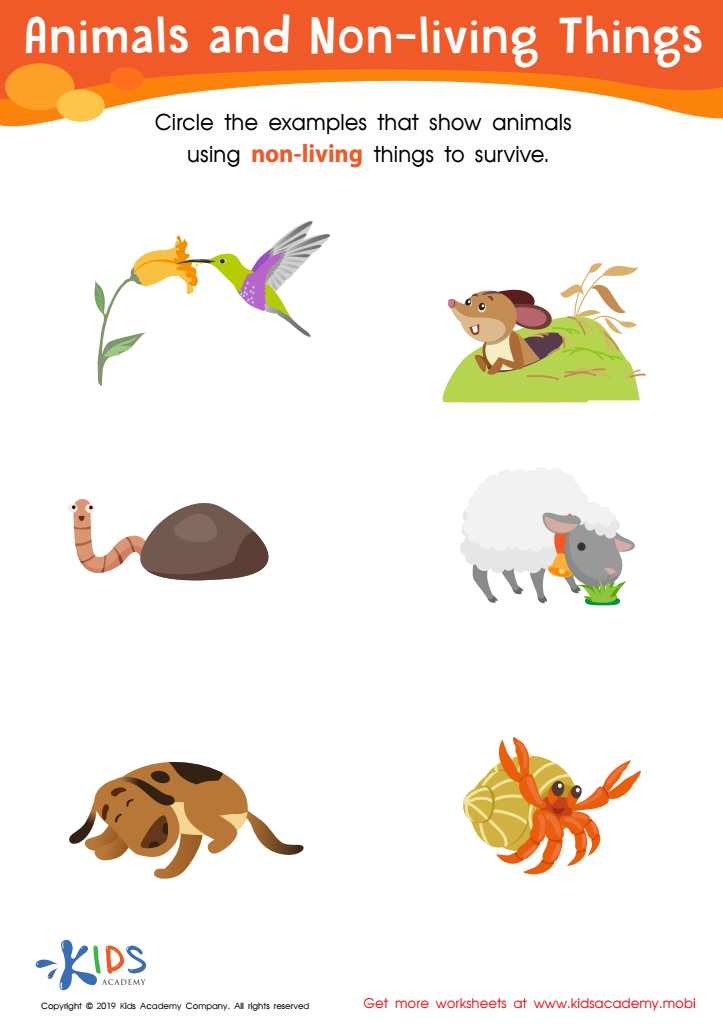
Animals and Non-Living Things Worksheet






Parents and teachers should care about categorization skills in science for ages 5-7 because these foundational abilities play a critical role in children's cognitive development. Categorization helps young learners group objects and concepts based on shared characteristics, facilitating better understanding and retention of information. This skill boosts critical thinking, allowing children to make connections between different ideas and to formulate their own hypotheses about the natural world.
By engaging with categorization in a scientific context, children not only learn to identify and organize the diverse components of their environment—like animals, plants, and materials—but also enhance their observational skills. These early experiences foster curiosity and a sense of exploration, as children learn to classify based on attributes such as color, size, and function.
Moreover, categorization lays the groundwork for more complex scientific reasoning in later years. It blends seamlessly with other STEM skills, creating a richer educational experience. When parents and teachers prioritize this area of science in a playful and inclusive manner, they help instill a lifelong love of learning in children, empowering them to become informed thinkers and innovative problem-solvers in an increasingly complex world. Overall, good categorization skills prepare students for future academic success and everyday decision-making.







