Vocabulary expansion Science Worksheets for Ages 5-7 - Page 2
27 filtered results
-
From - To
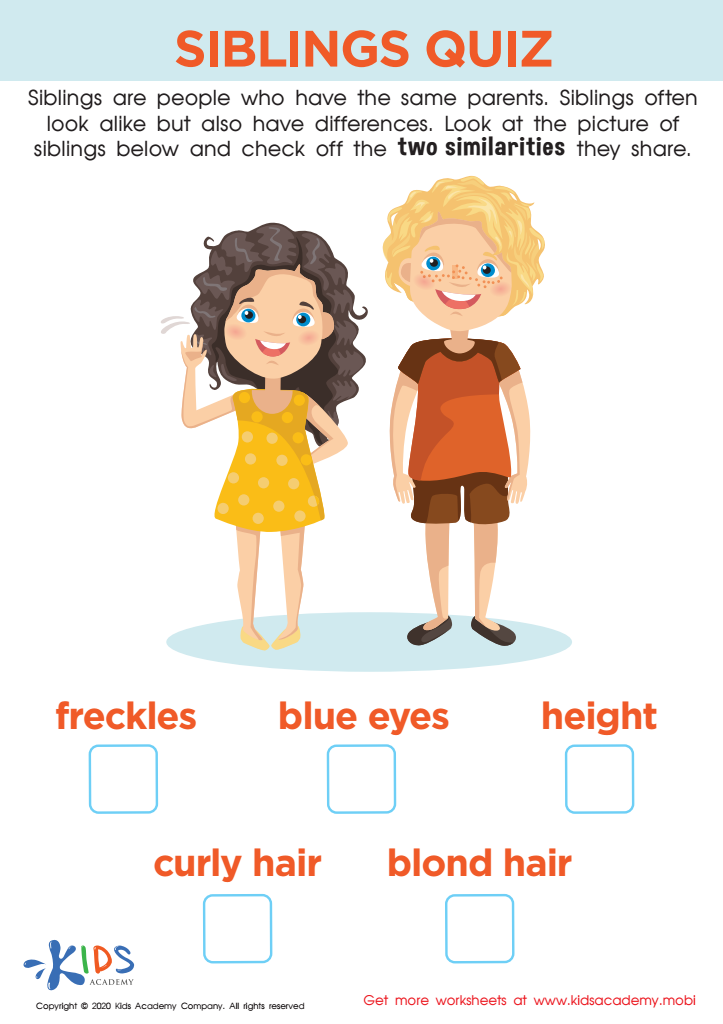
Siblings Quiz Worksheet
 Assign to My Students
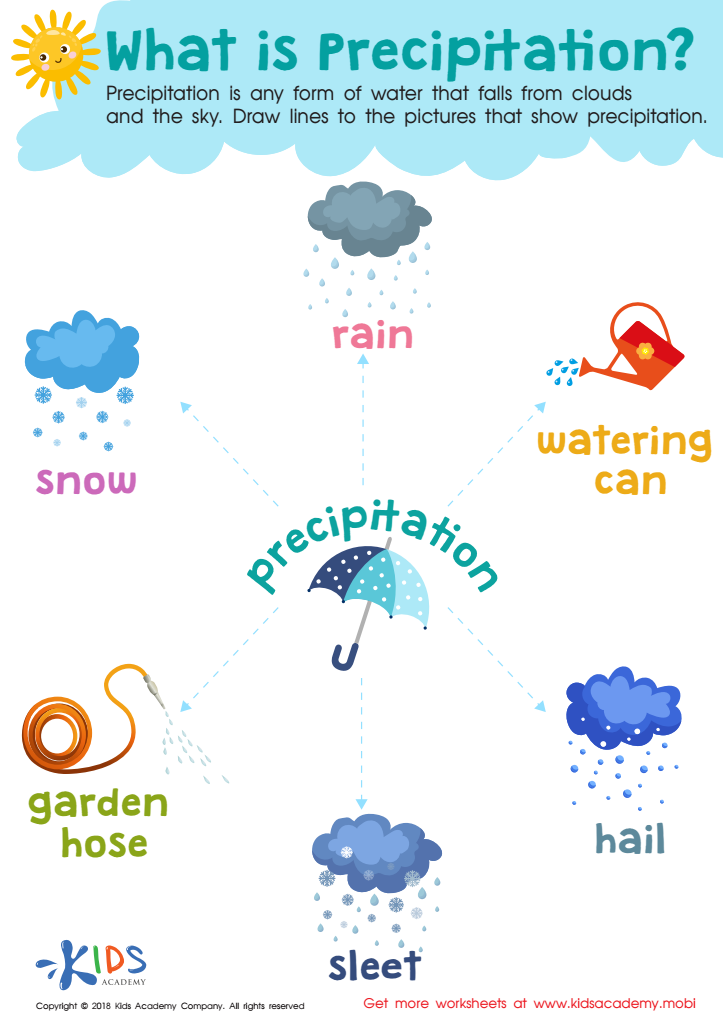
What Is Precipitation? Worksheet






Vocabulary expansion is crucial for young learners, aged 5-7, as it serves as a foundational element for their overall cognitive development and future academic success. At this stage, children are rapidly developing their language skills, and a rich vocabulary enables them to communicate their thoughts and ideas more effectively. When parents and teachers prioritize vocabulary expansion, they are equipping children with the tools necessary to understand and engage with the world around them.
Research in vocabulary expansion science shows that a robust vocabulary is linked to better reading comprehension skills. Children who can recognize and understand a wide range of words are more likely to grasp the meaning of texts and follow storylines. This early reading competence sets the stage for a lifetime of learning and intellectual curiosity.
Moreover, vocabulary skills are closely tied to social-emotional development. A child with a broader vocabulary can express their feelings, needs, and questions more clearly, leading to better interactions with peers and adults. This fosters self-confidence and strengthens social bonds, essential for emotional well-being.
Lastly, incorporating fun, educational experiences—like storytelling, games, and interactive lessons—makes learning new words enjoyable for young children. Parents and teachers investing time in vocabulary expansion are not just teaching words but are nurturing critical thinking, empathy, and a love for learning.







