Understanding ecosystems Plants and Animals Worksheets for Ages 5-7
6 filtered results
-
From - To
Discover the fascinating world of ecosystems with our "Understanding Ecosystems: Plants and Animals Worksheets" designed for ages 5-7! These engaging resources help young learners explore the intricate relationships between plants, animals, and their environments. Each worksheet captivates children's curiosity and encourages them to observe and understand how different species coexist and rely on one another for survival. Kids will enjoy fun activities that bolster their comprehension of basic ecological concepts while developing essential skills like critical thinking and observation. Perfect for home or classroom use, these worksheets provide a hands-on approach to learning about nature's balance, nurturing eco-conscious young minds!
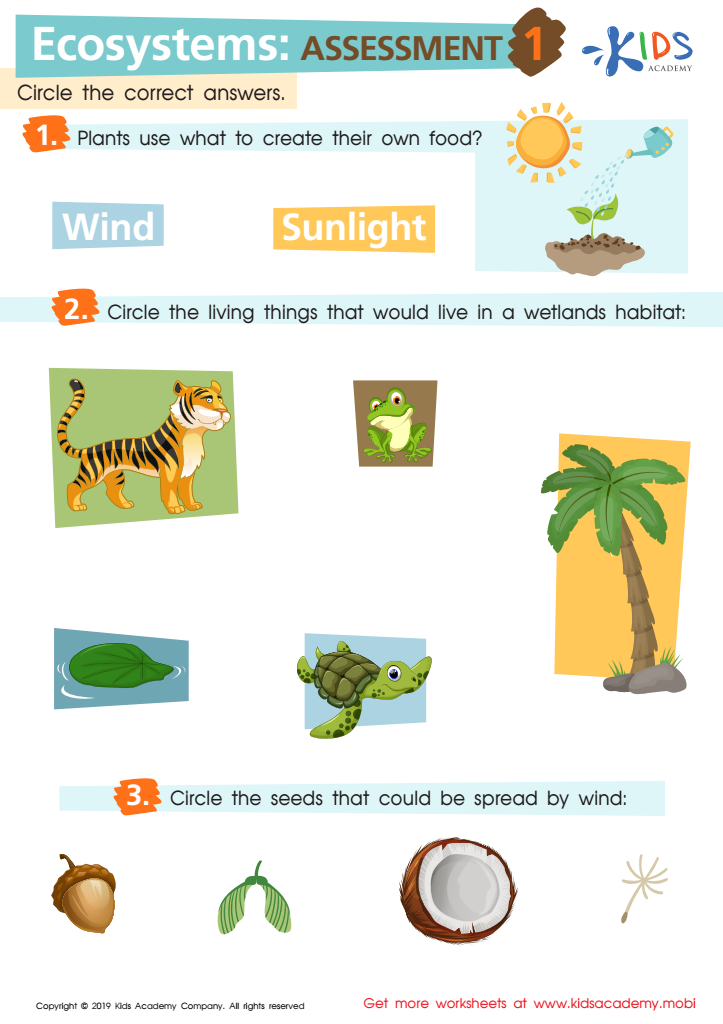
Ecosystems: Assessment 1 Worksheet
 Assign to My Students











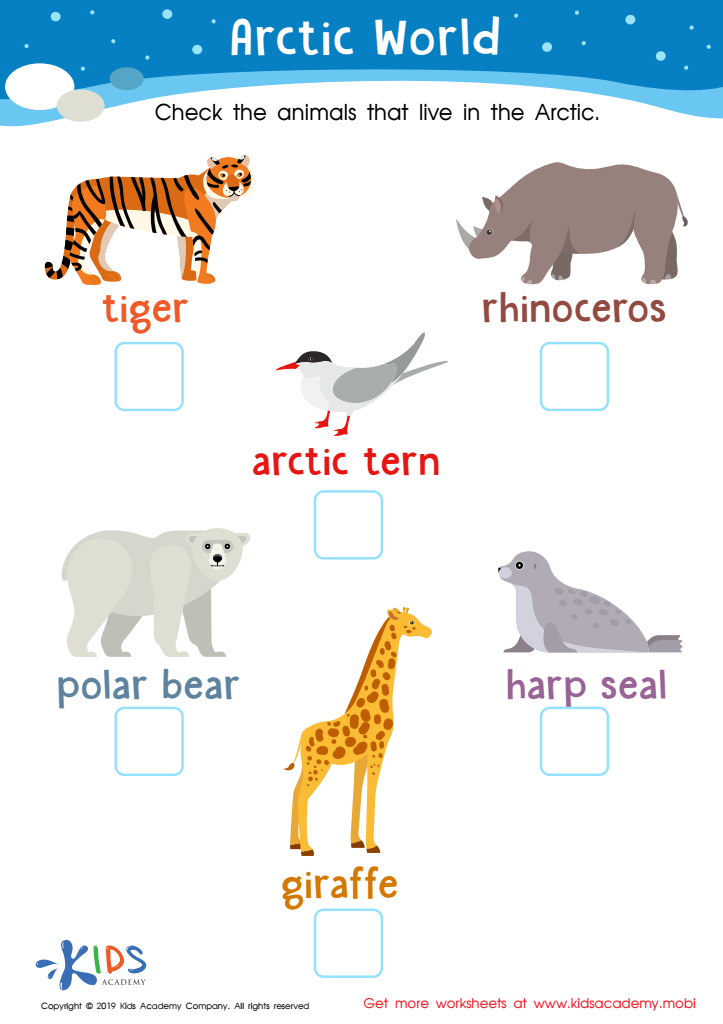
Arctic World Worksheet
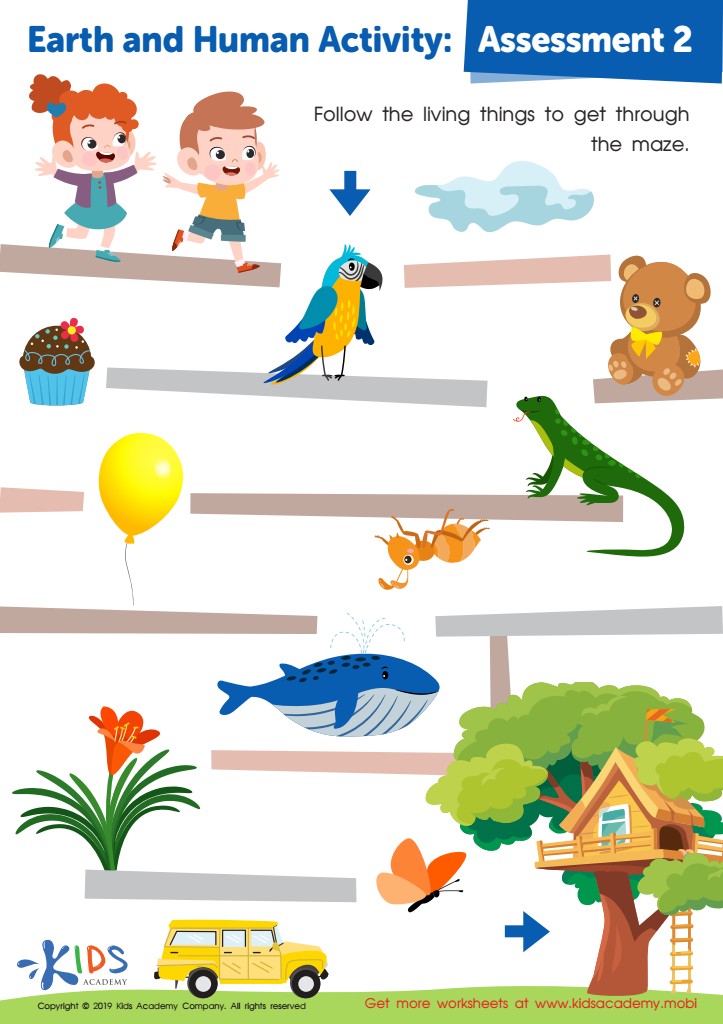
Earth and Human Activity: Assessment 2 Worksheet
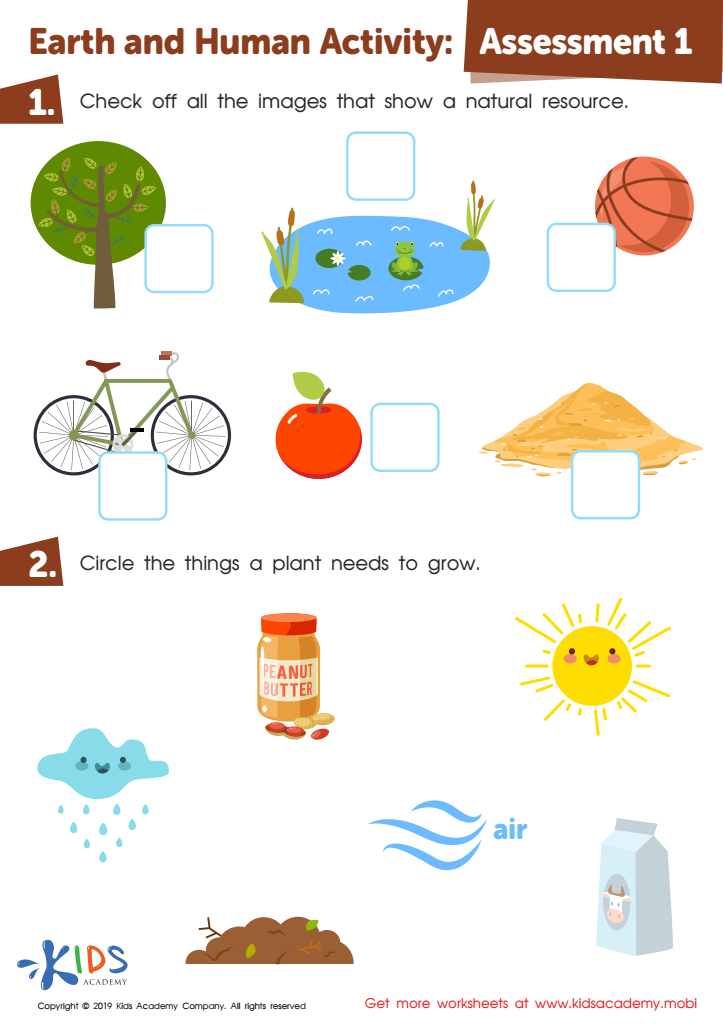
Earth and Human Activity: Assessment 1 Worksheet
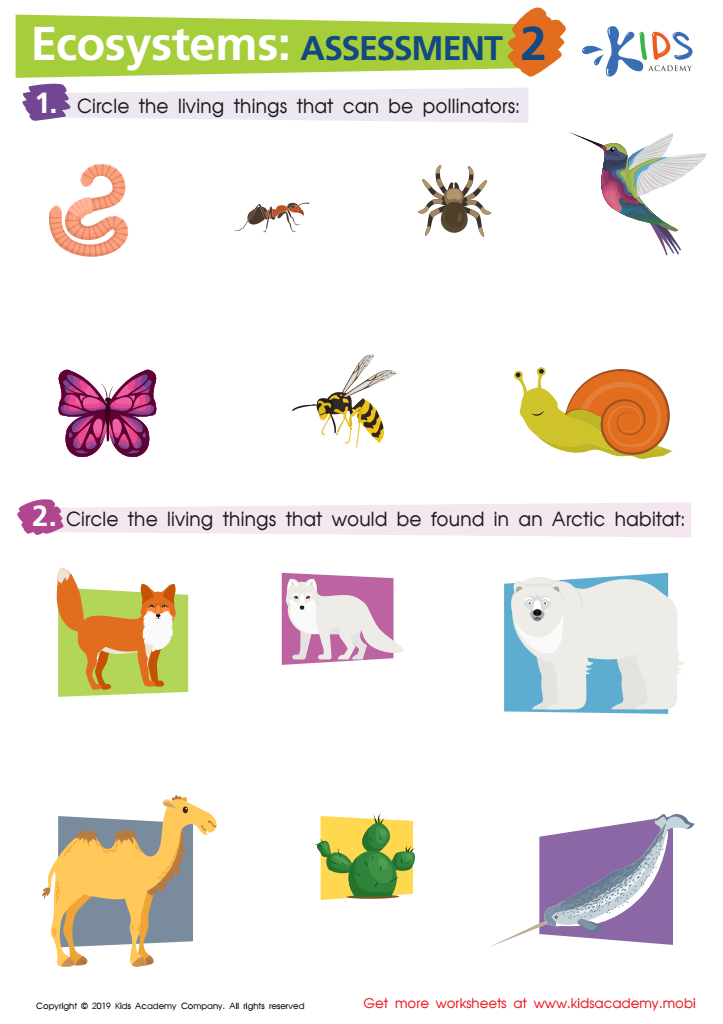
Ecosystems: Assessment 2 Worksheet
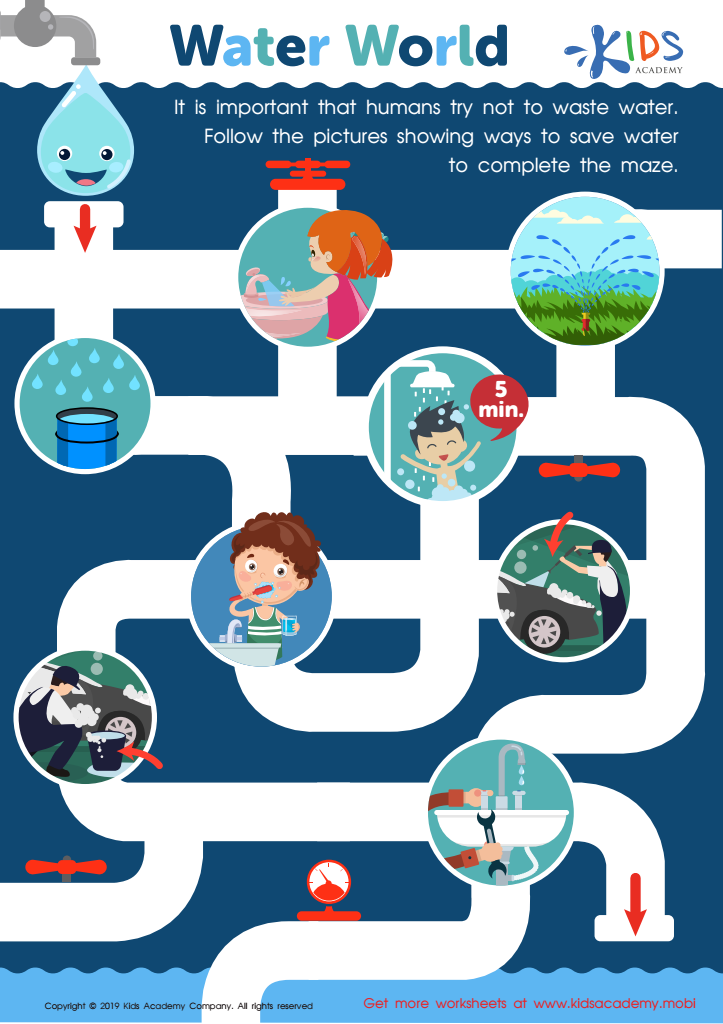
Water World Worksheet








Understanding ecosystems, including plants and animals, is crucial for young learners aged 5-7 for several reasons. Firstly, it introduces children to the interconnectedness of living organisms and their environments. By learning how plants, animals, and humans depend on each other for survival, children develop a sense of responsibility towards nature and a greater appreciation for biodiversity.
Furthermore, this understanding promotes critical thinking skills. When children explore concepts like food chains, habitats, and environmental changes, they engage in questioning and problem-solving, which are essential skills for academic success and lifelong learning.
Engaging with ecosystems also fosters a sense of wonder and curiosity in young minds. Nature-themed activities, such as observing local wildlife or planting a garden, can inspire creativity and motivate children to explore their surroundings. This exploration can lead to a lifelong passion for science and conservation.
Lastly, teaching about ecosystems aligns well with social-emotional learning. It encourages empathy as children learn to respect all living things, fostering a sense of community and stewardship. Overall, educating young learners about ecosystems offers foundational knowledge that shapes their identities as informed, caring, and responsible global citizens.








