Understanding pollination Plants and Animals Worksheets for Ages 5-7
3 filtered results
-
From - To
Explore the fascinating world of pollination with our "Understanding Pollination: Plants and Animals Worksheets" designed for children aged 5 to 7. These engaging worksheets introduce young learners to the essential relationship between plants and animals, highlighting how pollination helps plants grow and reproduce. Filled with vibrant illustrations and interactive activities, our materials promote critical thinking and creativity while nurturing an early appreciation for nature. Perfect for classrooms or at-home learning, these resources provide a fun and educational way for kids to discover the role of bees, butterflies, and other pollinators in maintaining healthy ecosystems. Dive into the science of nature today!
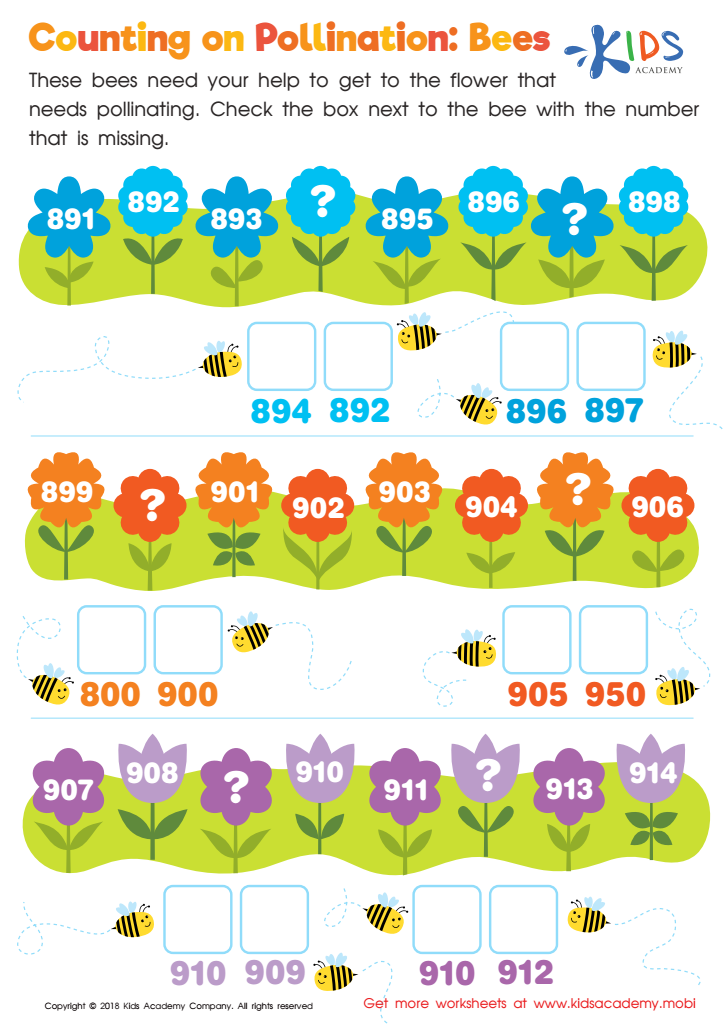
Counting on Pollination: Bees Worksheet
 Assign to My Students











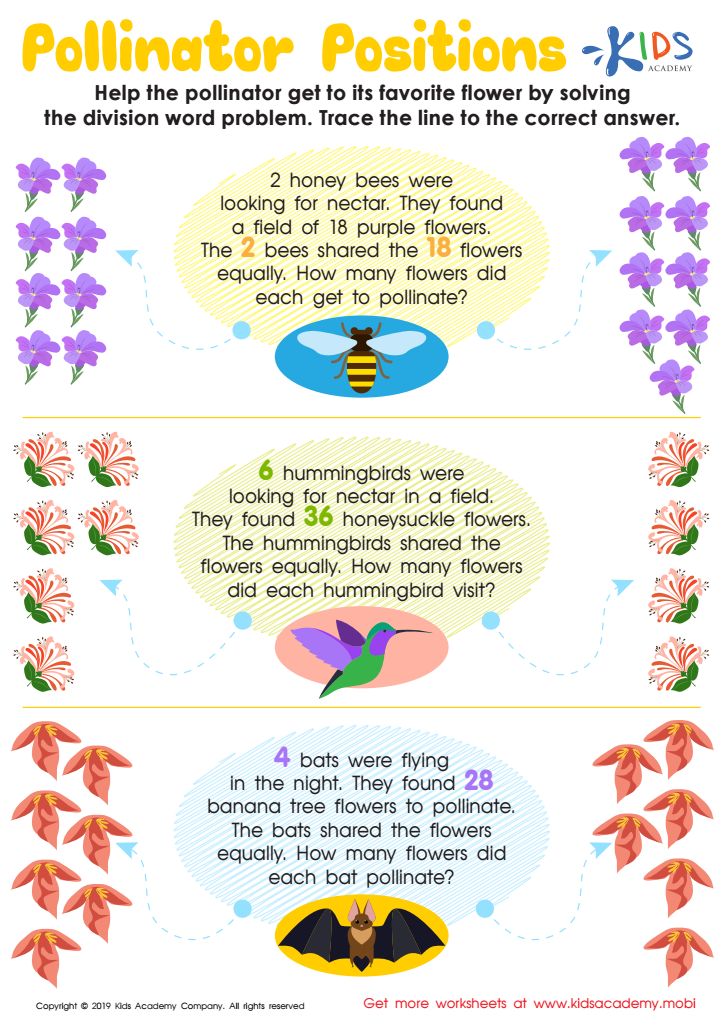
Pollinator Positions Worksheet
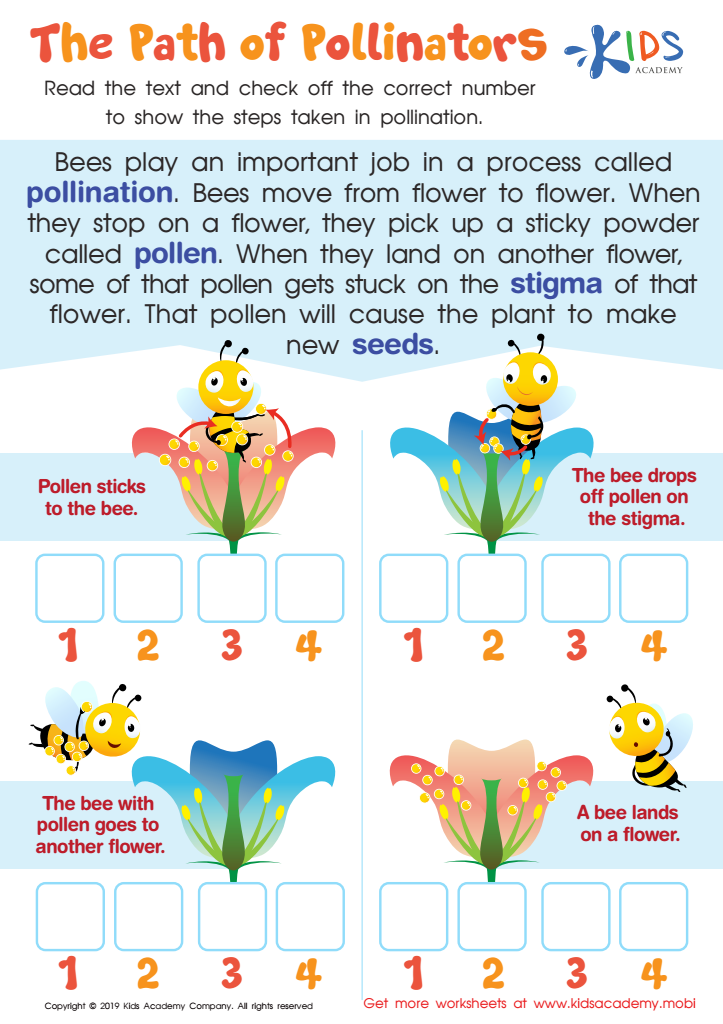
The Path of Pollinators Worksheet






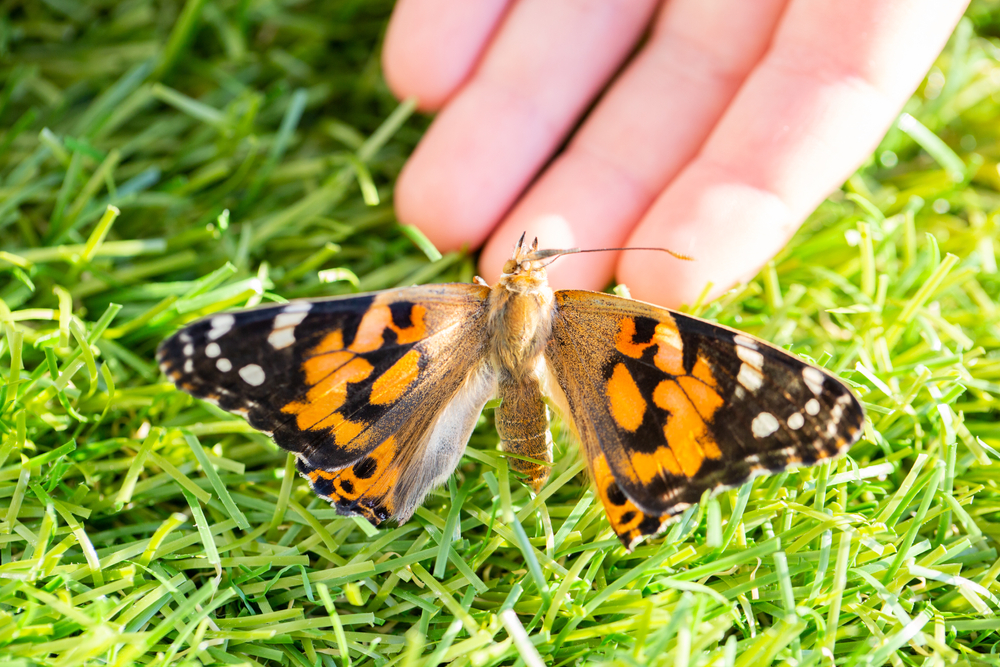
Understanding pollination is crucial for young learners aged 5-7, as it introduces them to the vital connections between plants and animals in nature. Pollination, facilitated primarily by insects like bees and butterflies, plays a key role in growing the fruits, vegetables, and flowers that form an essential part of our environment and diet. By teaching children about this process, we foster an appreciation for biodiversity and the crucial roles that various organisms play in ecosystems.
Learning about pollination helps children develop curiosity and respect for nature. It encourages them to observe the world around them, leading to hands-on activities such as planting seeds, caring for gardens, or exploring local flora and fauna. These practical experiences enhance their scientific understanding and nurture their imaginations, reinforcing concepts of growth and life cycles.
Moreover, as the environment faces challenges like habitat destruction and pollinator decline, educating children promotes awareness and instills responsibility. Early education about pollination empowers children to contribute positively to their surroundings, fostering a sense of stewardship for the planet. In essence, understanding pollination is not just an academic topic; it’s a foundation for cultivating informed, environmentally-conscious future generations.








