Reading comprehension Phonics Worksheets for Ages 5-8 - Page 3
91 filtered results
-
From - To
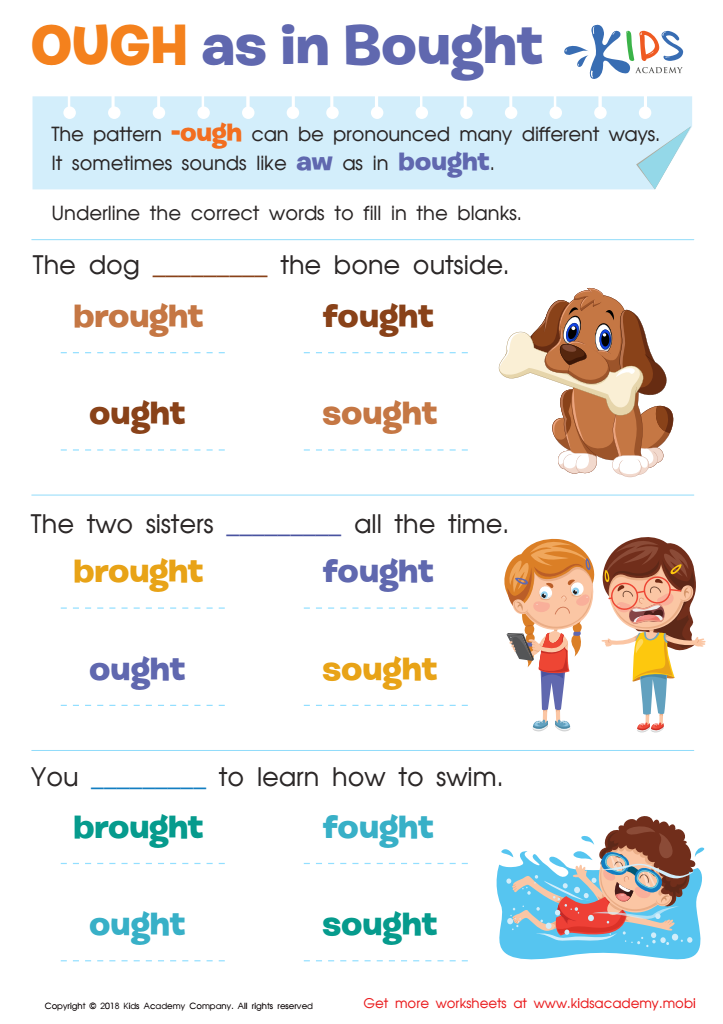
OUGH as in Bought Worksheet
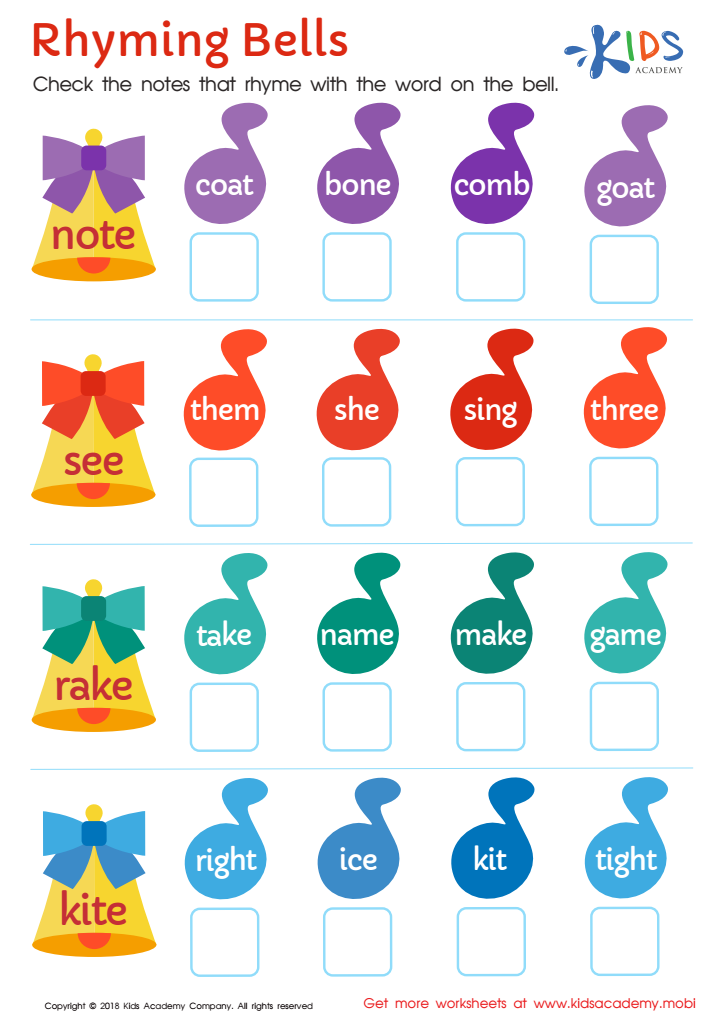
Rhyming Bells Worksheet
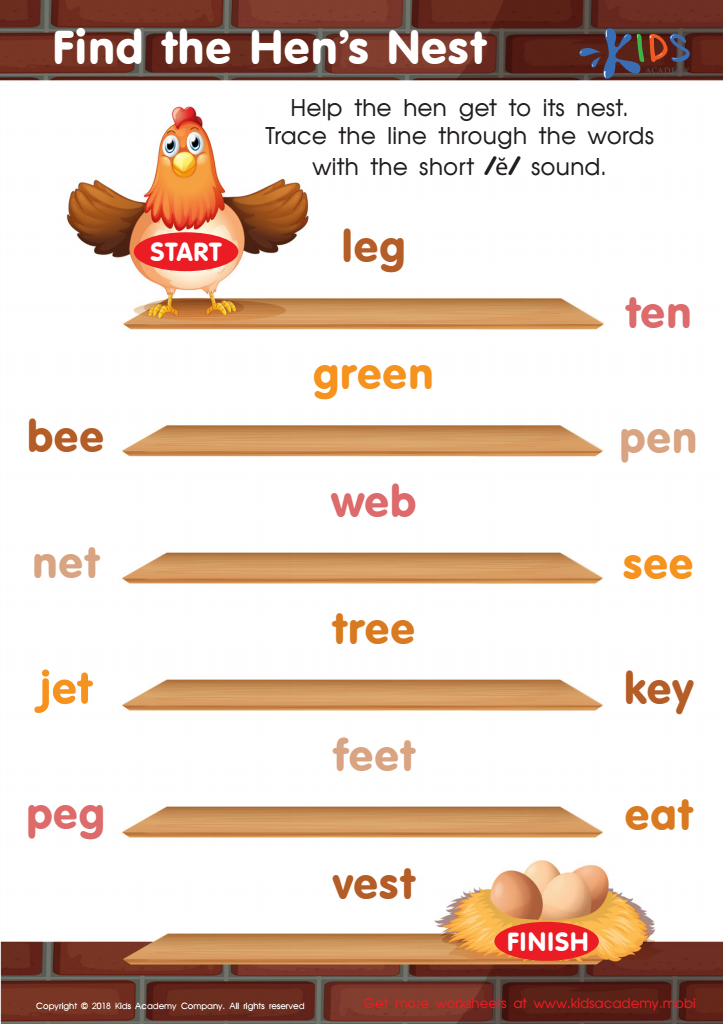
Find Hens Nest Reading Worksheet
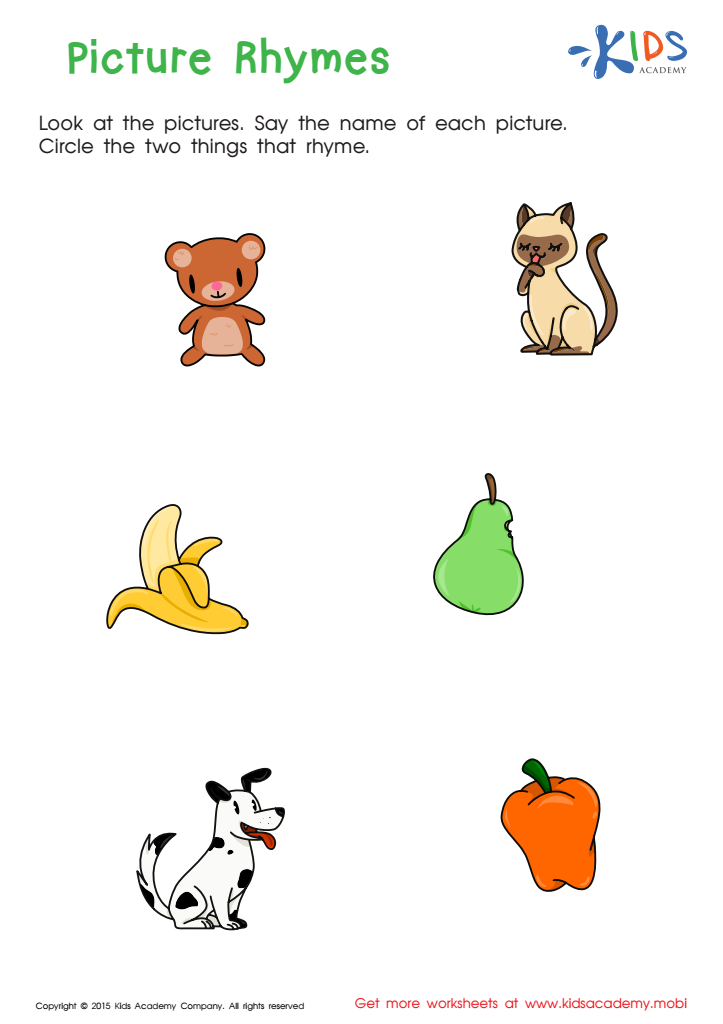
First Words: Picture Rhymes Worksheet
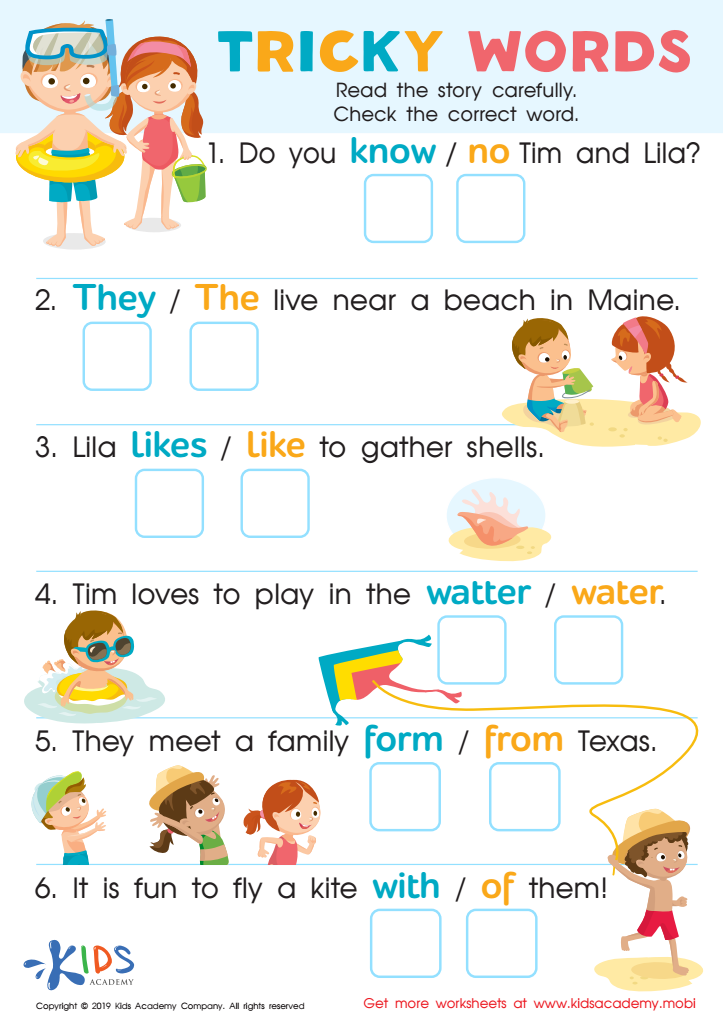
Tricky Words Worksheet
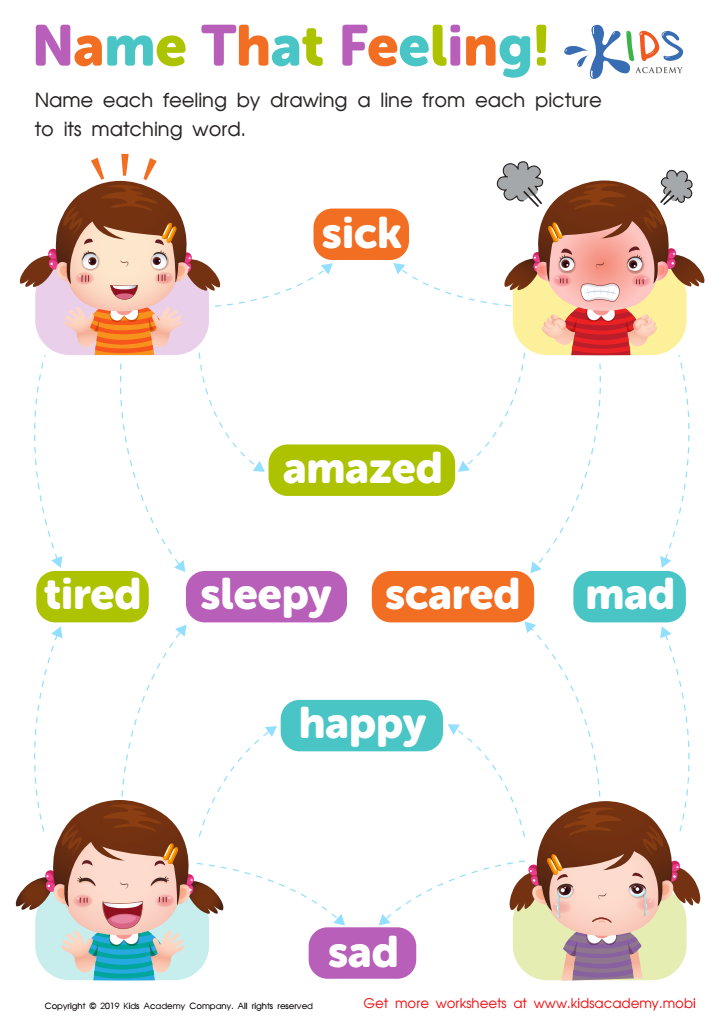
Name that Feeling Worksheet
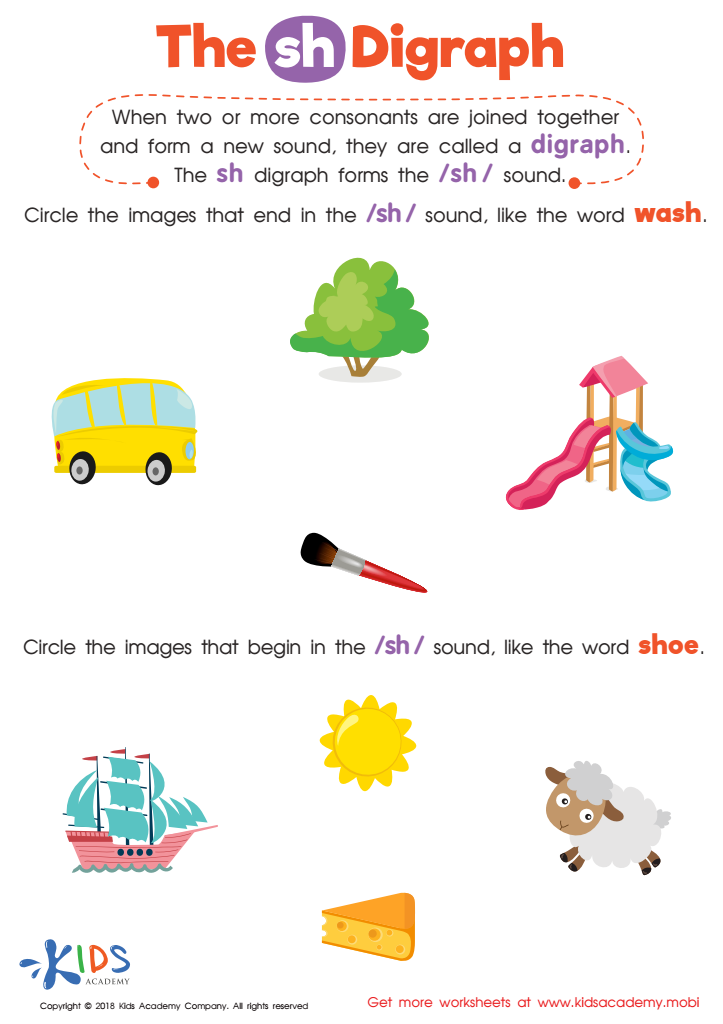
The SH Digraph Worksheet
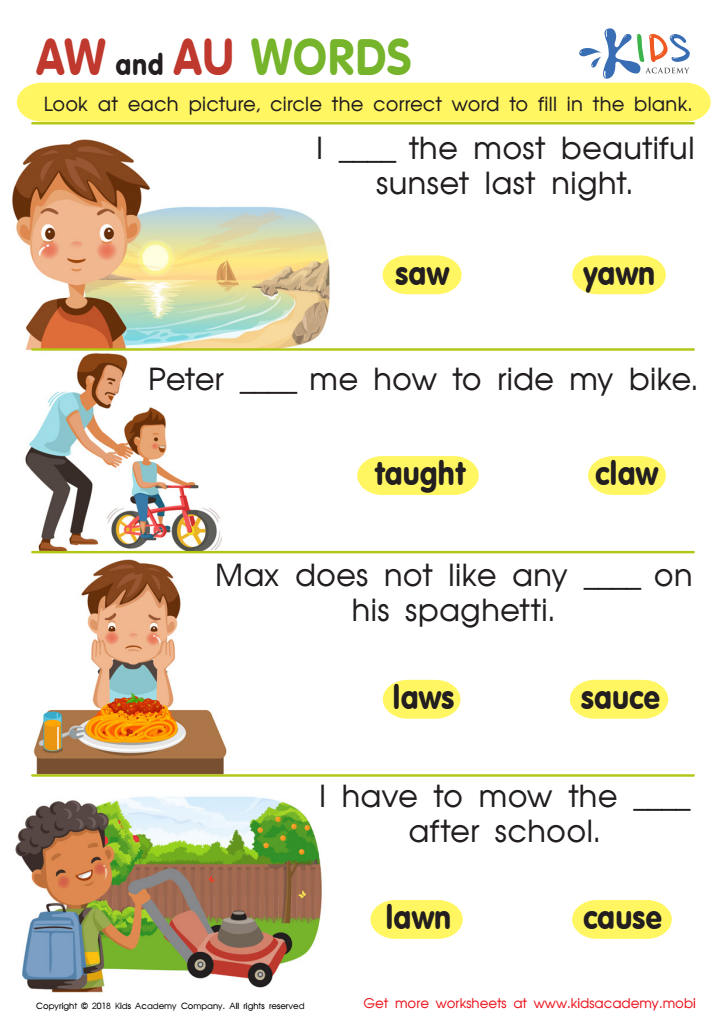
Reading: AW and AU Words Worksheet
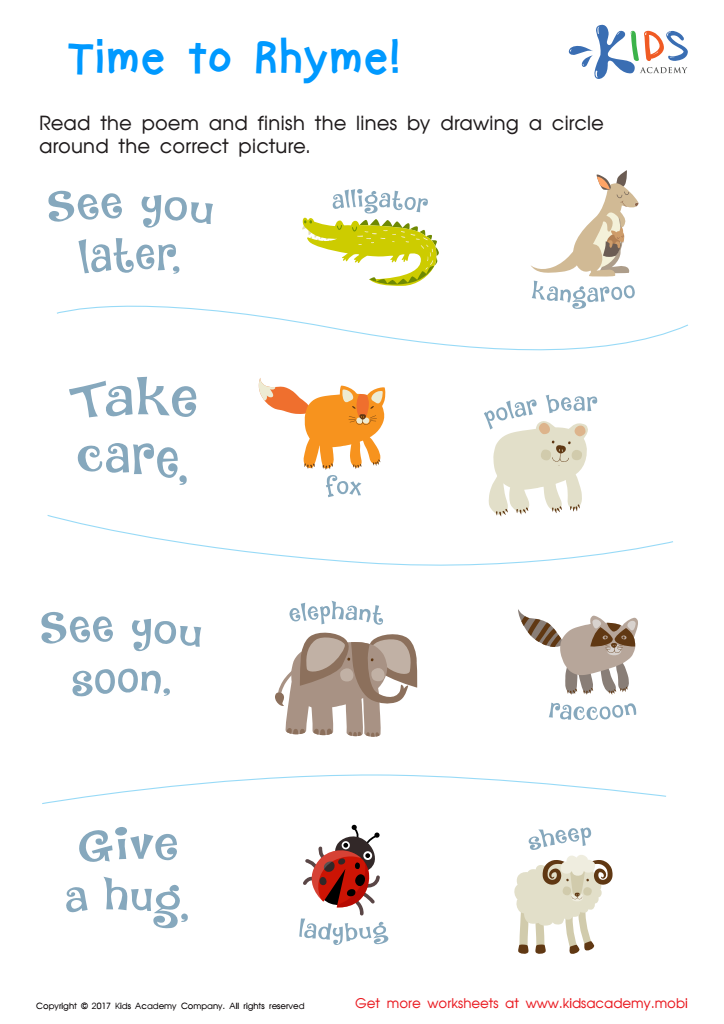
Time to Rhyme Rhyming Worksheet
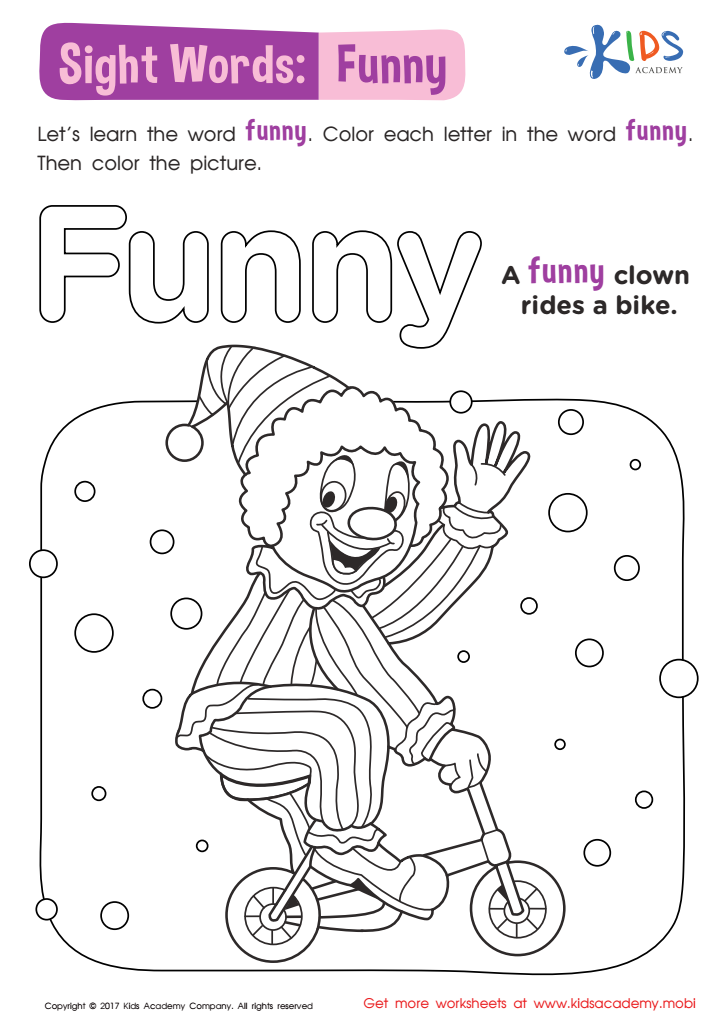
Funny Worksheet Sight Words Worksheet
 Assign to My Students
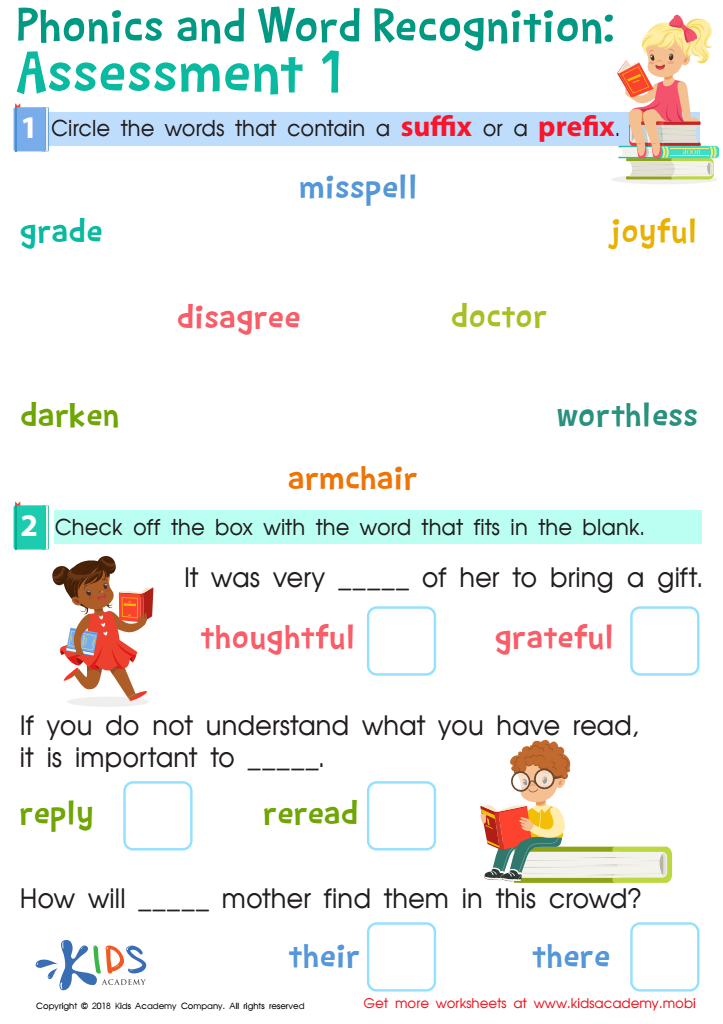
Phonics and Word Recognition: Assessment 1 Worksheet
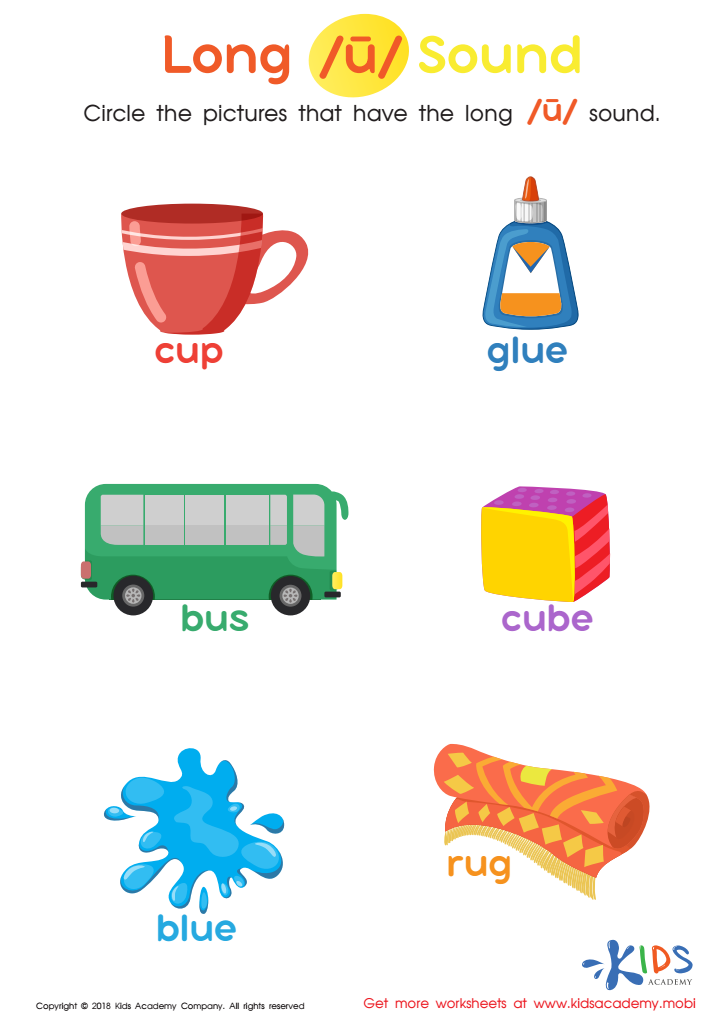
Long «u» Sound Worksheet
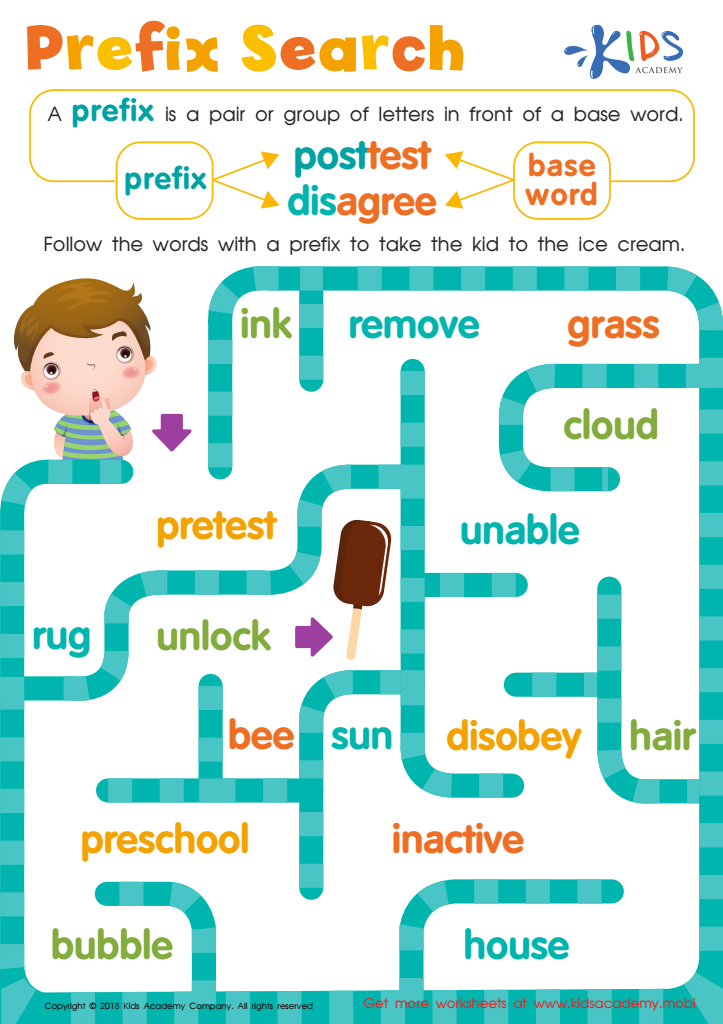
Reading: Prefix Search Worksheet
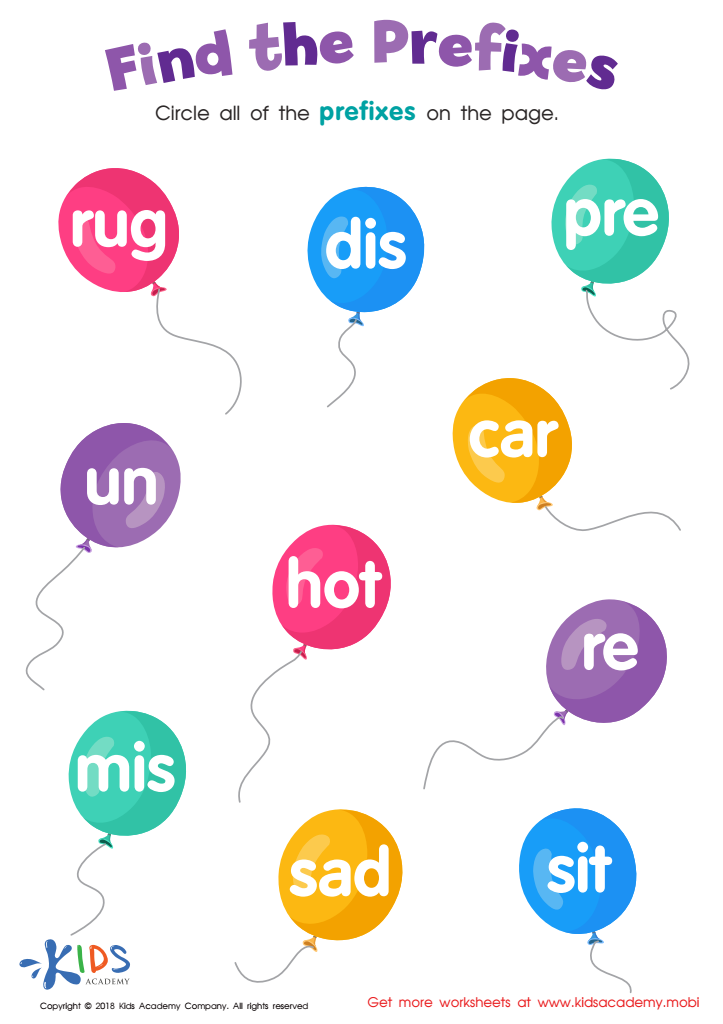
Reading: Find the Prefixes Worksheet
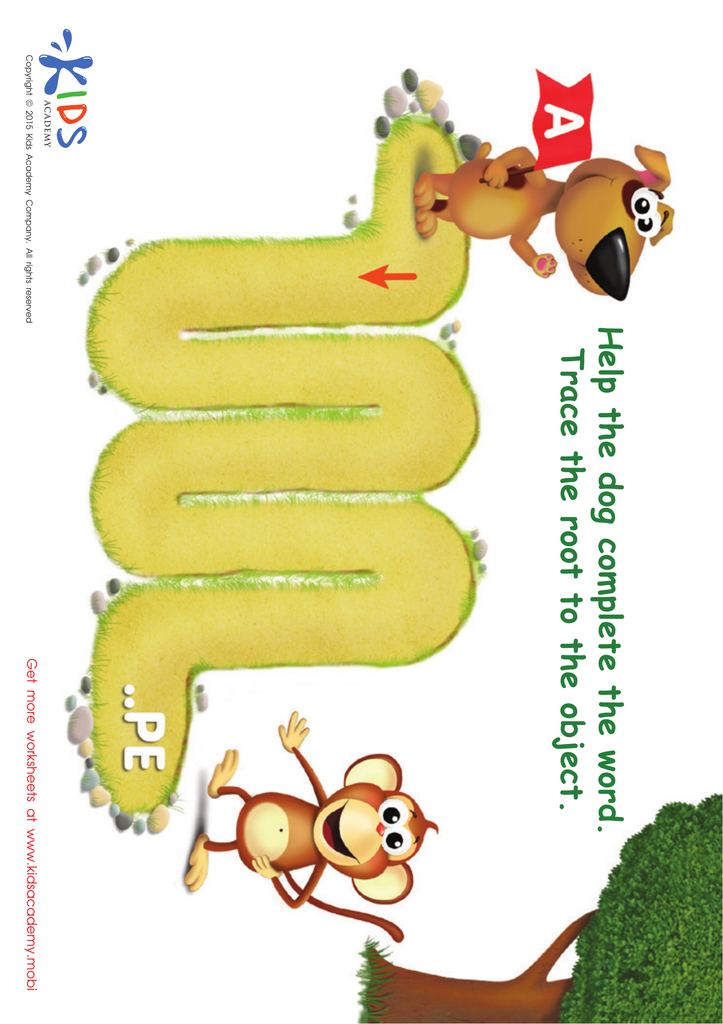
Long Vowel Sound A Worksheet Worksheet
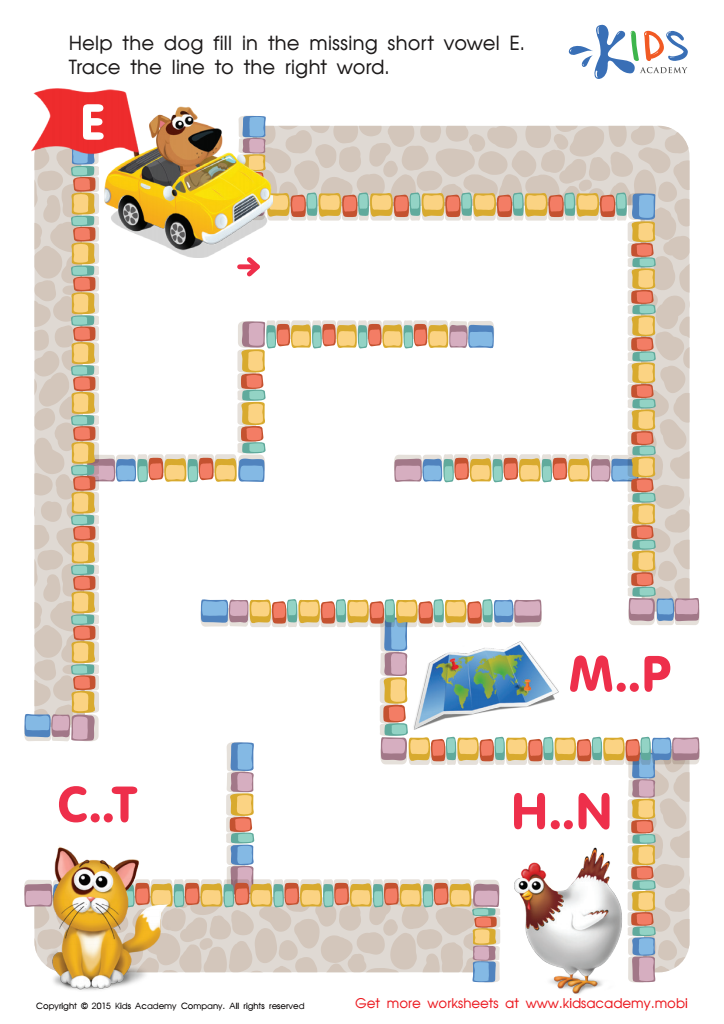
Short Vowel Sound E Worksheet
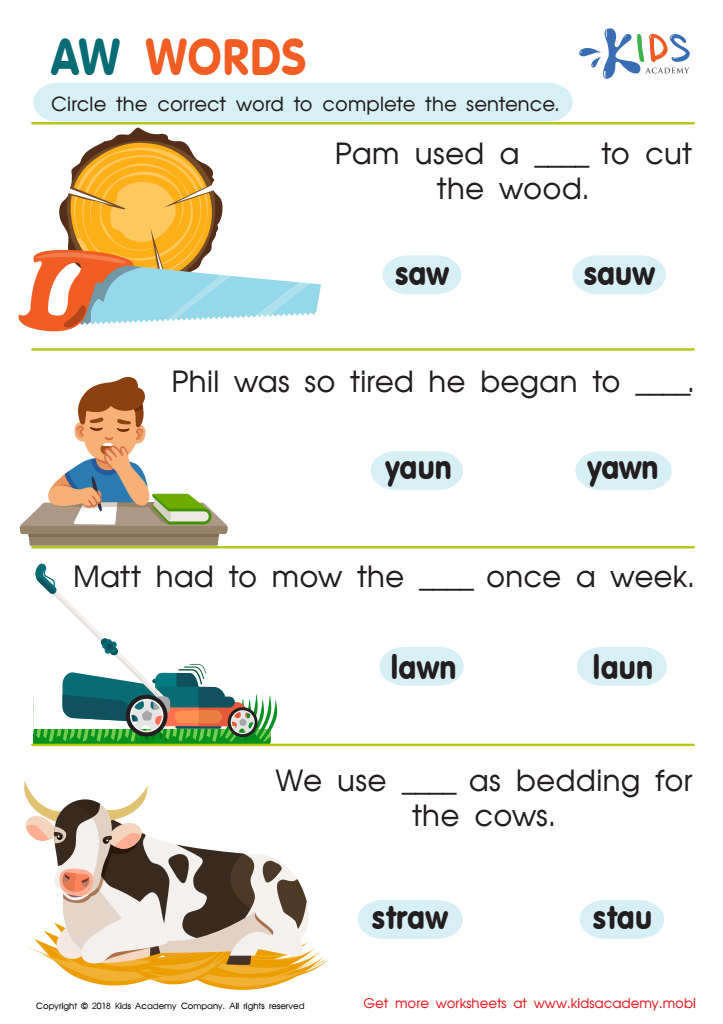
Reading: AW Words Worksheet
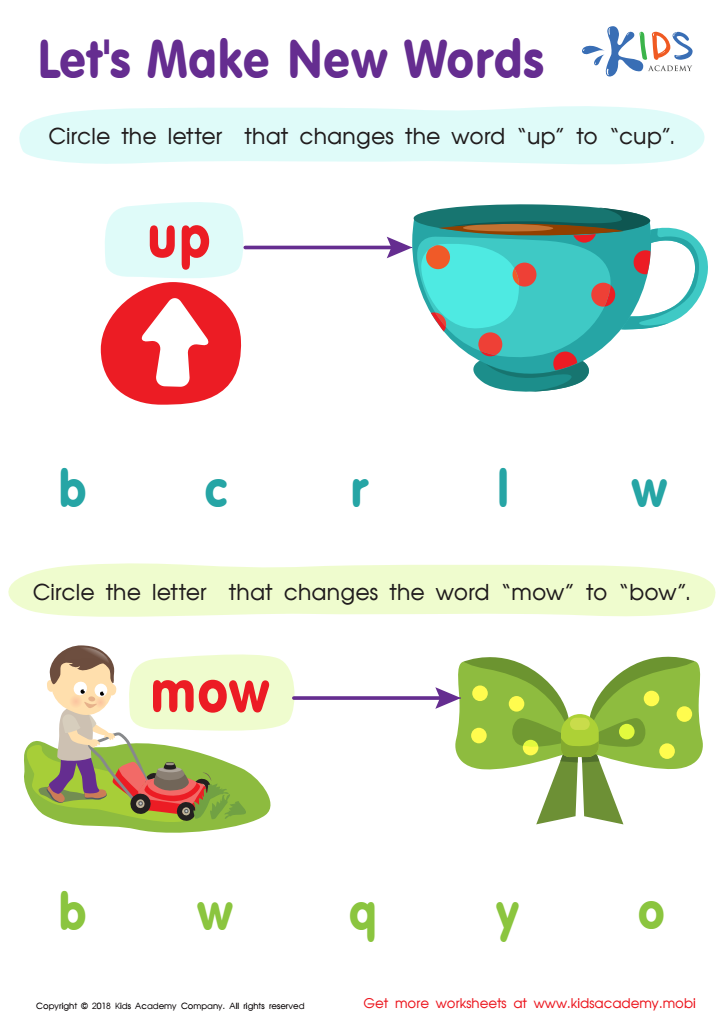
Let's Make New Words Worksheet
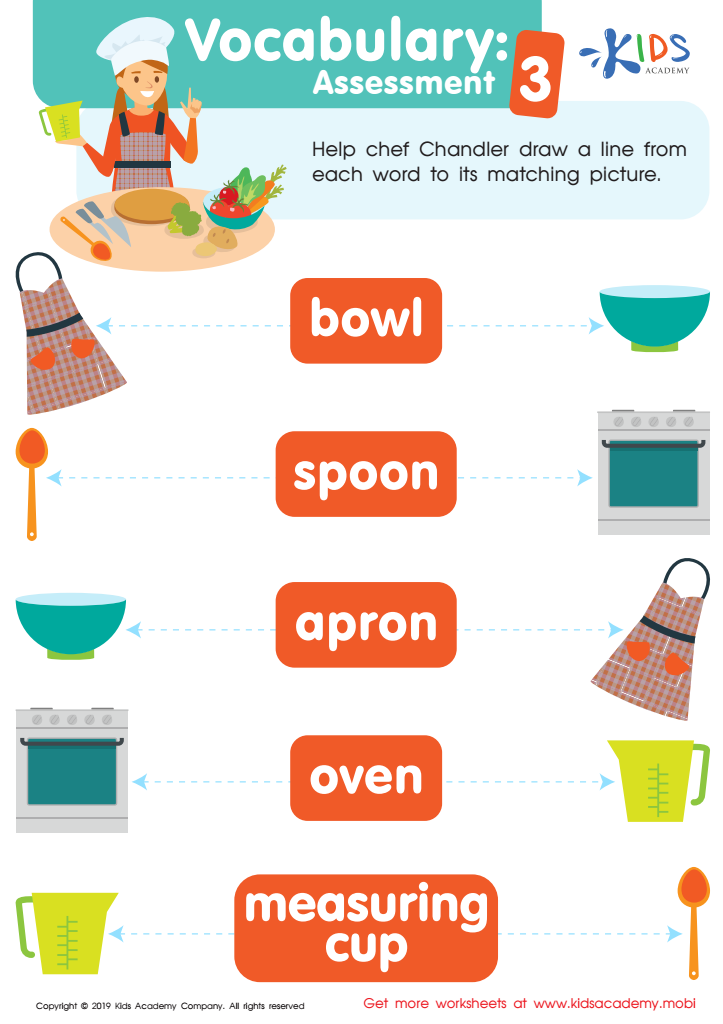
Vocabulary: Assessment 3 Worksheet
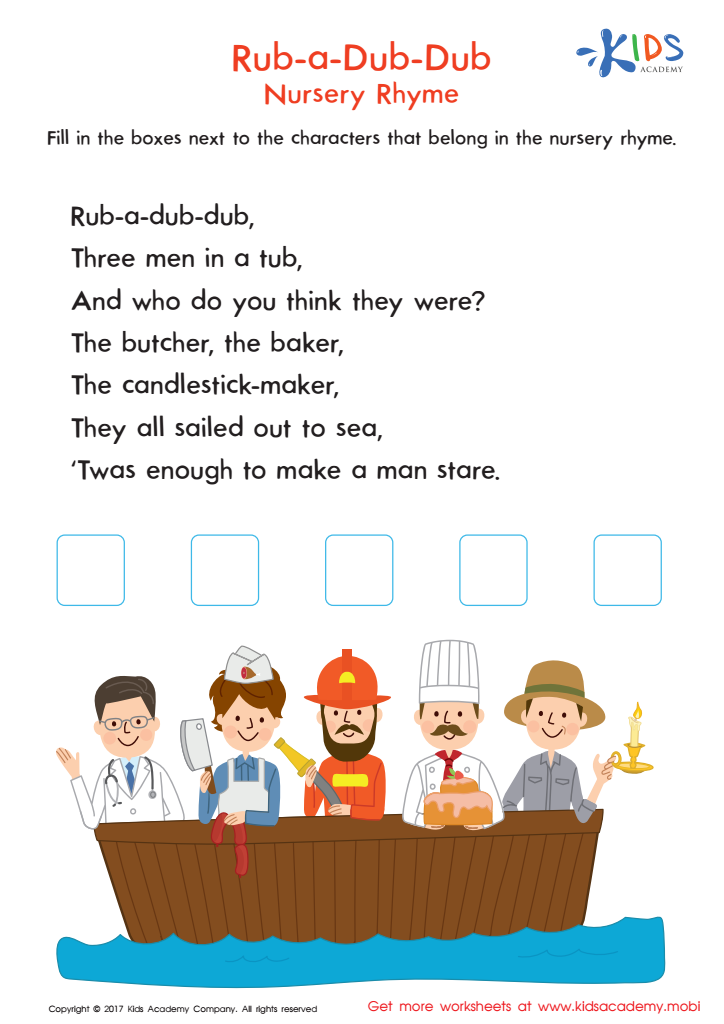
Rub a Dub Dub Printable
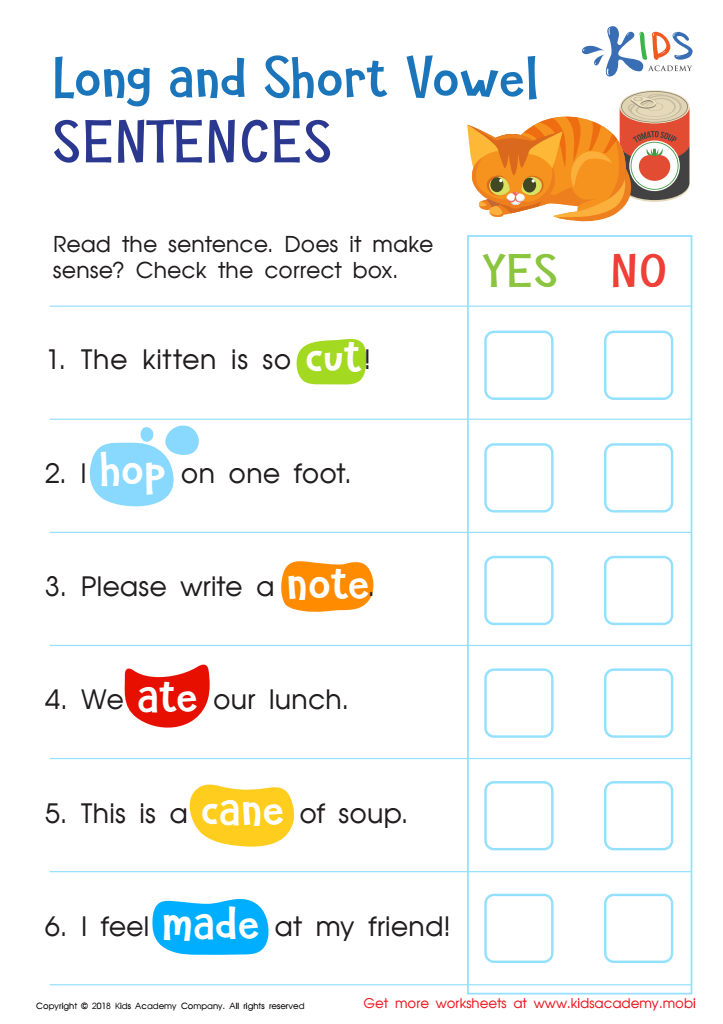
Long and Short Vowel Sentences: Assessment Worksheet
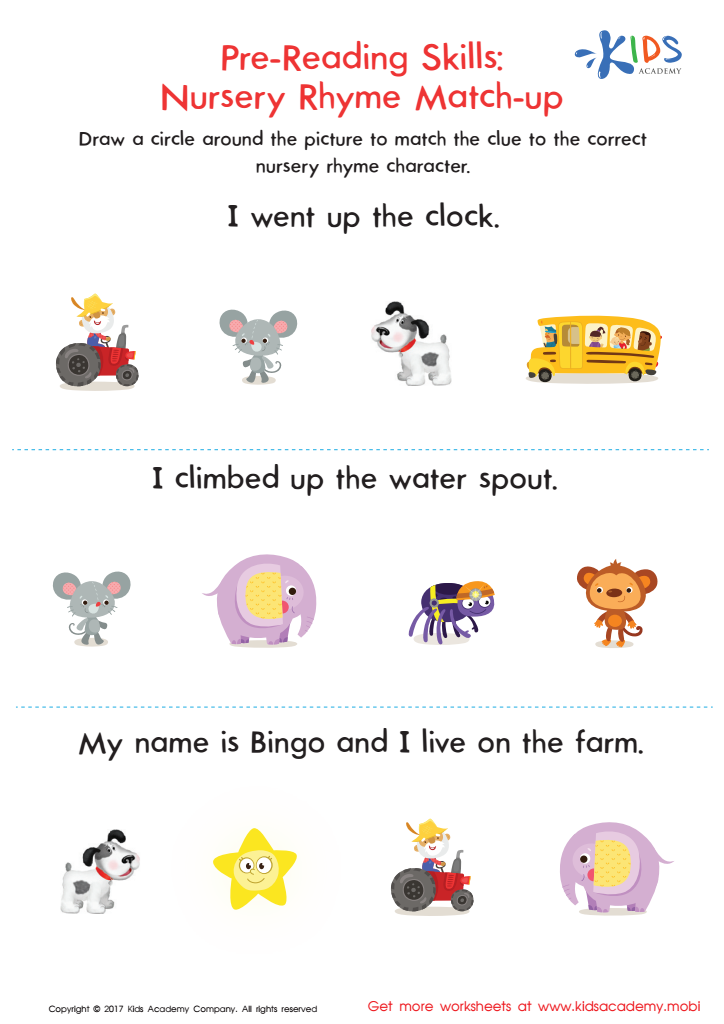
Nursery Rhyme Match–Up Worksheet
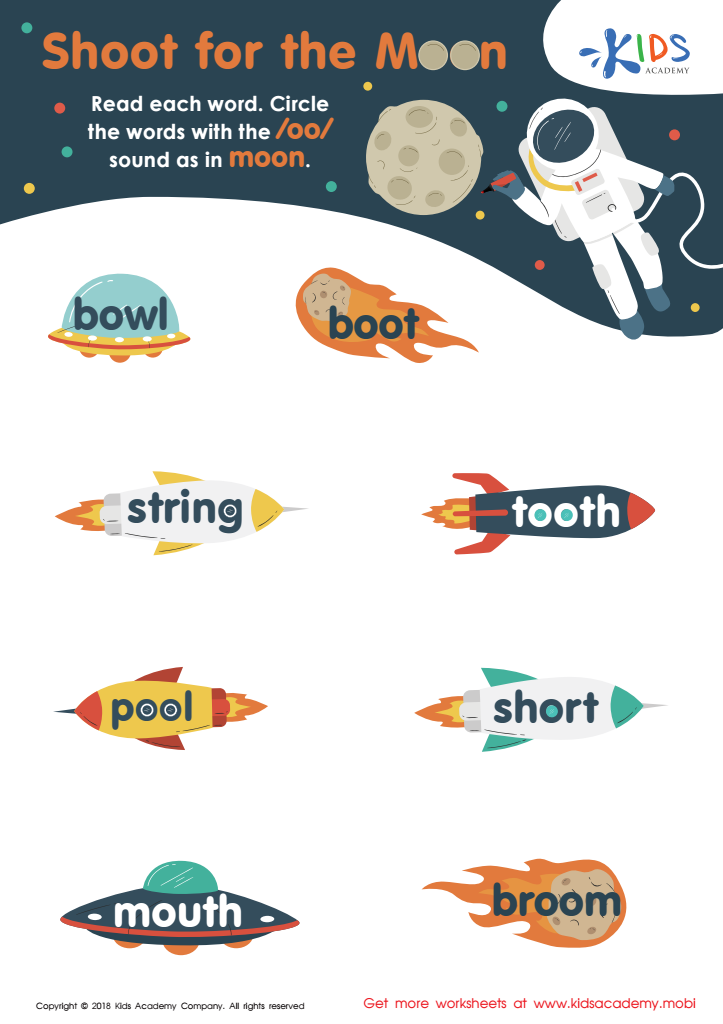
Reading: Shoot for the Moon Worksheet
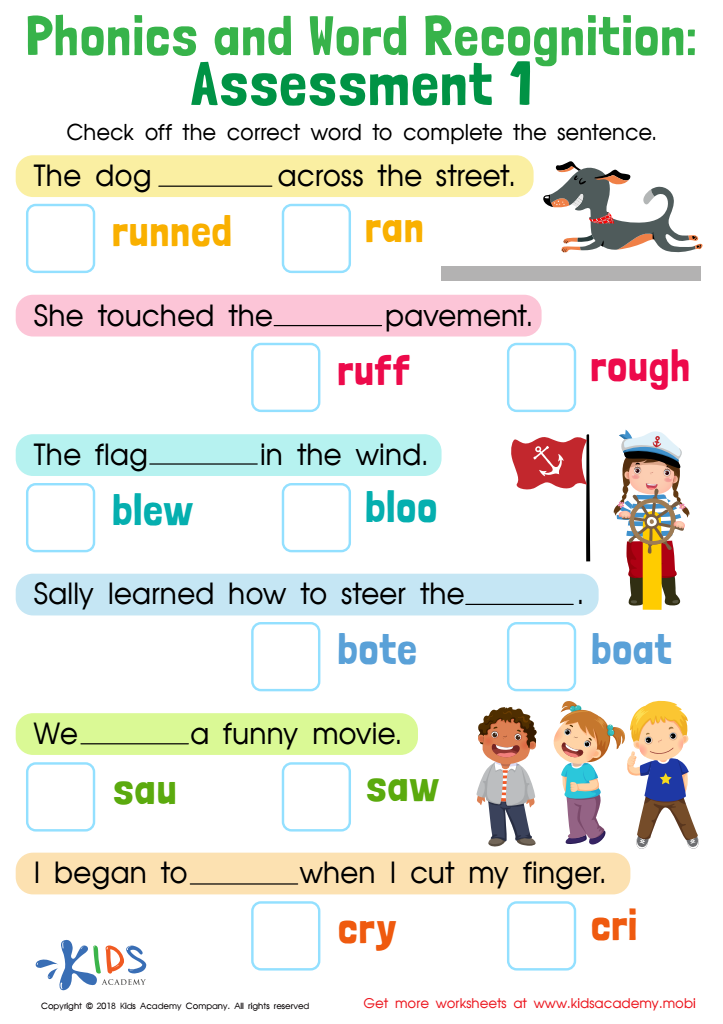
Phonics and Word Recognition: Assessment 1 Worksheet








Reading comprehension and phonics are crucial components of early literacy development for children aged 5-8. At this age, children are beginning to learn how to read independently, and understanding the relationship between letters and sounds (phonics) is essential for decoding words. Effective phonics instruction helps children recognize familiar words, sound out unfamiliar ones, and develop a strong reading foundation.
Moreover, strong reading comprehension skills allow children to make sense of the texts they read. Comprehension goes beyond mere word recognition; it involves understanding the meaning, themes, and emotions in a story. When children engage with texts, they learn to ask questions, make predictions, and summarize information, which deepens their engagement and love for reading.
Both parents and teachers play a vital role in fostering these skills. Reading together at home, asking questions about stories, and encouraging discussions can enhance a child's ability to process language and think critically. Teachers can implement targeted phonics programs and reading activities that cater to varying abilities. With strong phonics and comprehension skills, children are set for academic success and lifelong learning, making it essential for parents and teachers to prioritize these foundational literacy components.







