Handwriting practice English for Beginners Worksheets for Ages 5-8 - Page 2
43 filtered results
-
From - To
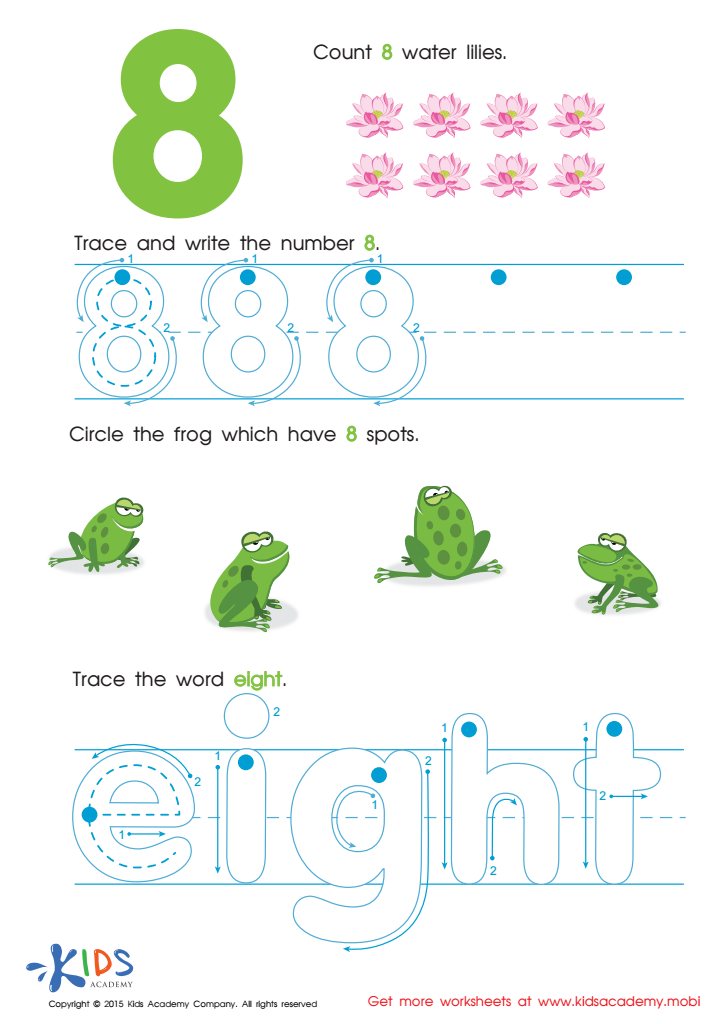
Learn Number 8 Easily Worksheet
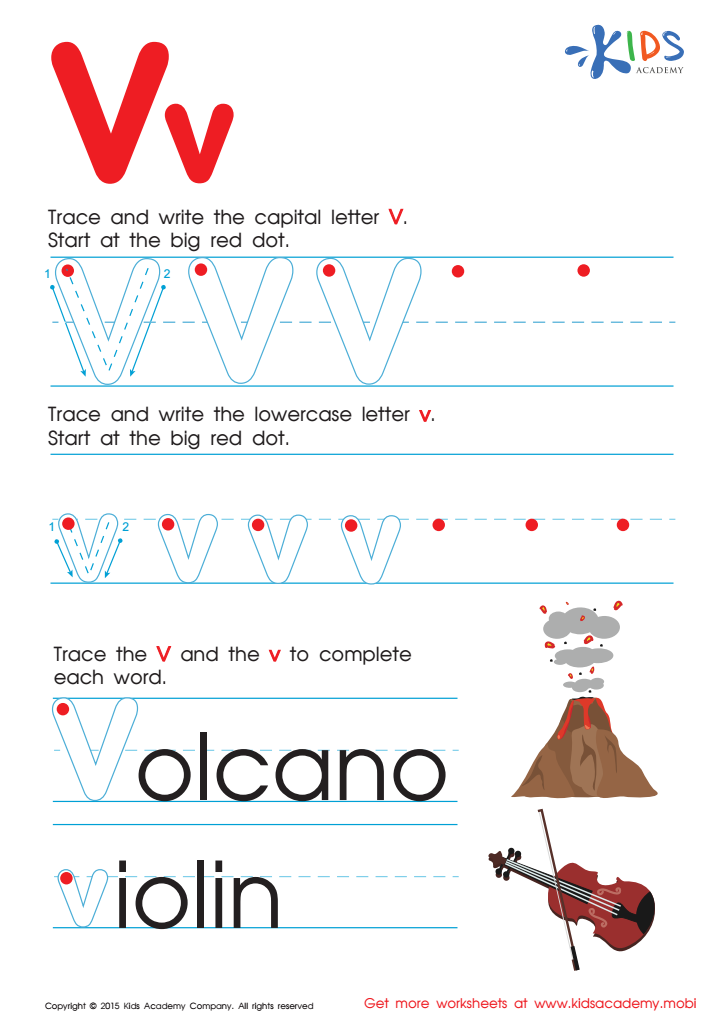
Letter V Tracing Page
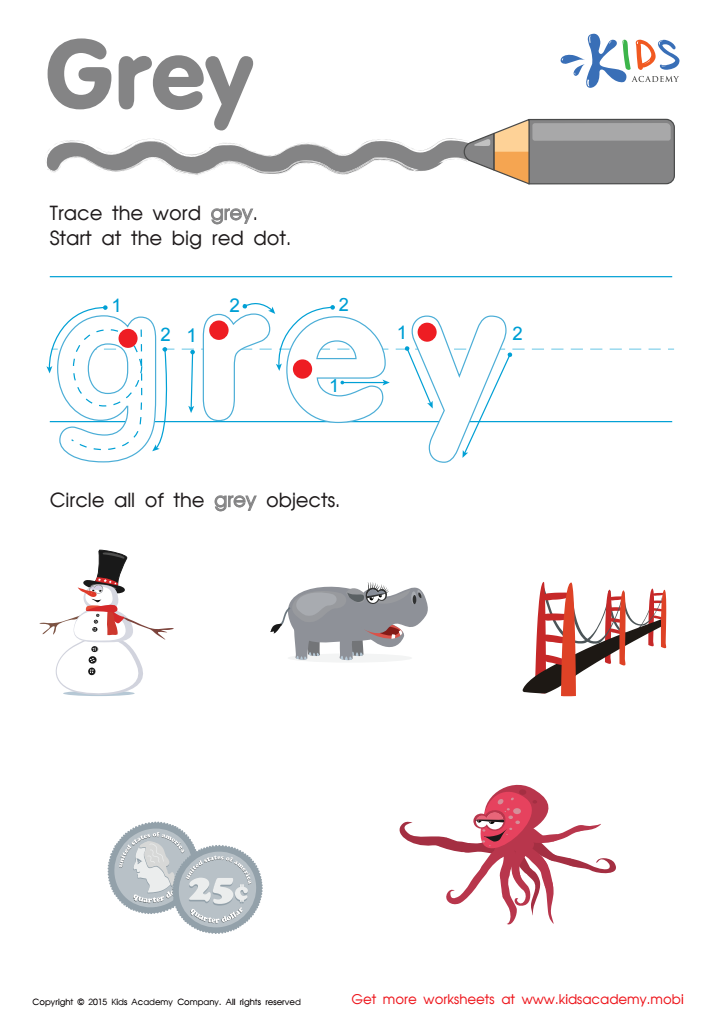
Grey Tracing Color Words Worksheet
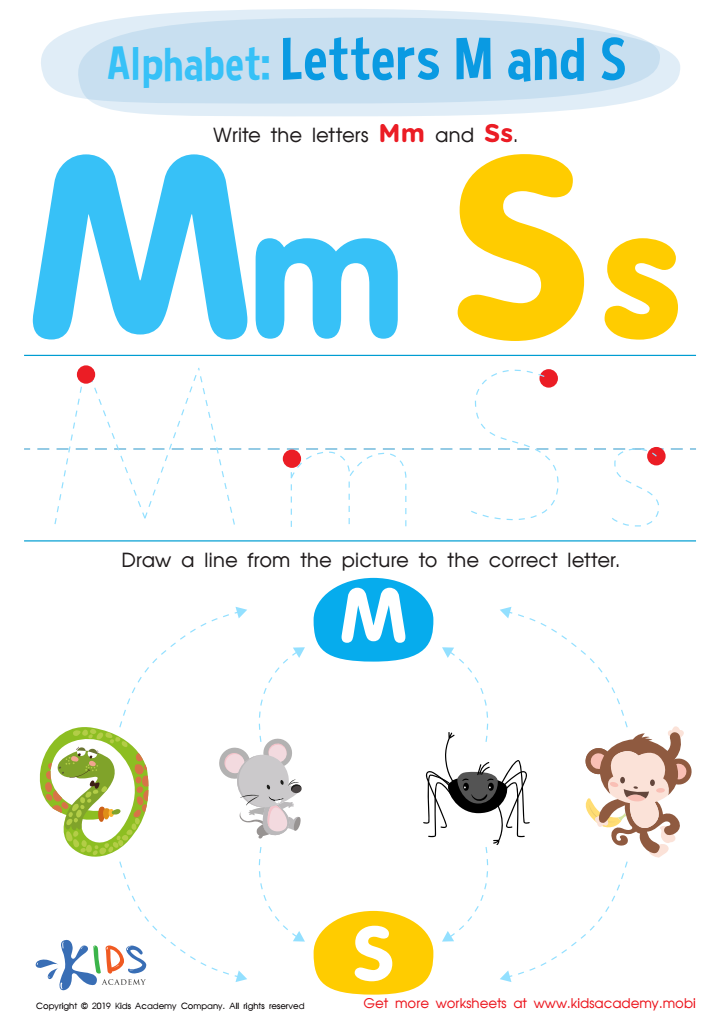
Letters M and S Tracing Worksheet
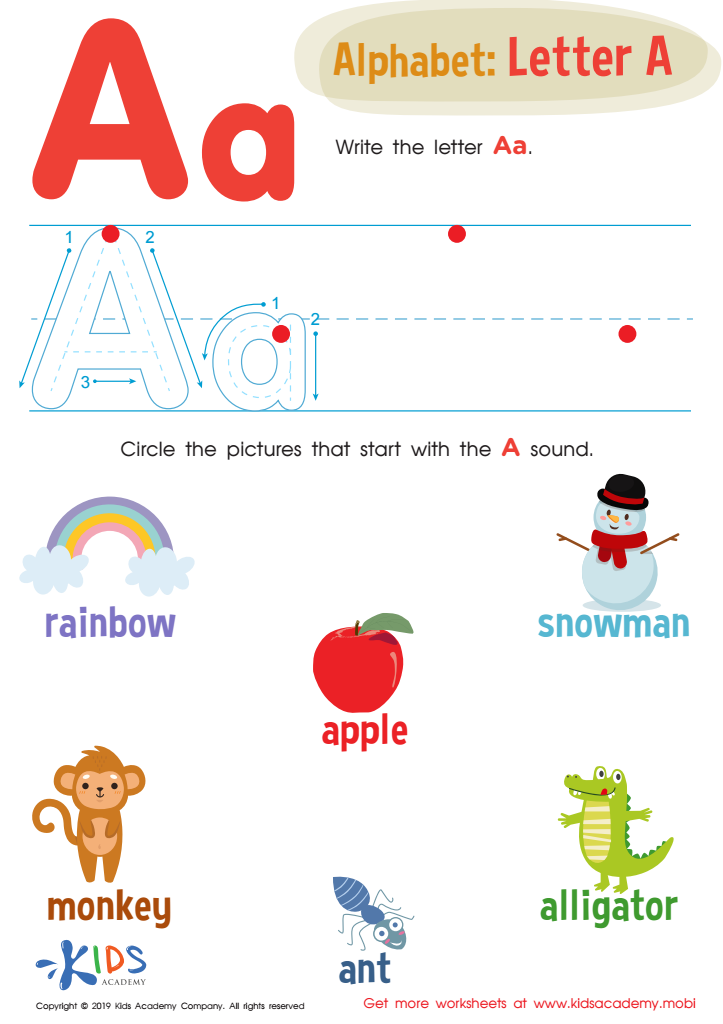
Letter A Tracing Worksheet
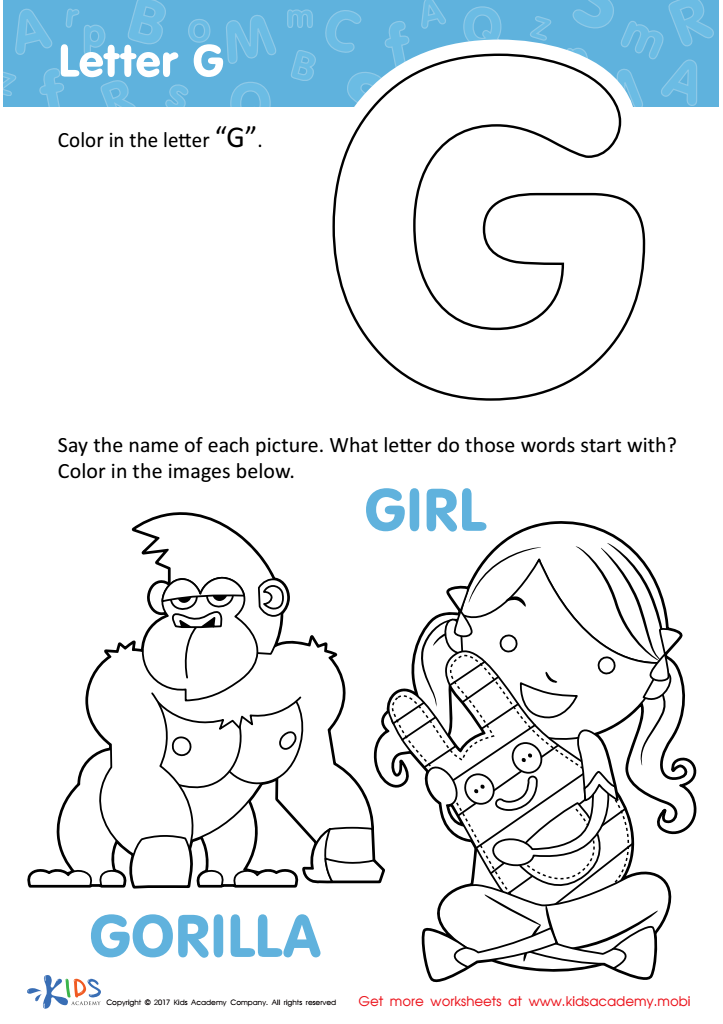
Letter G Coloring Sheet
 Assign to My Students
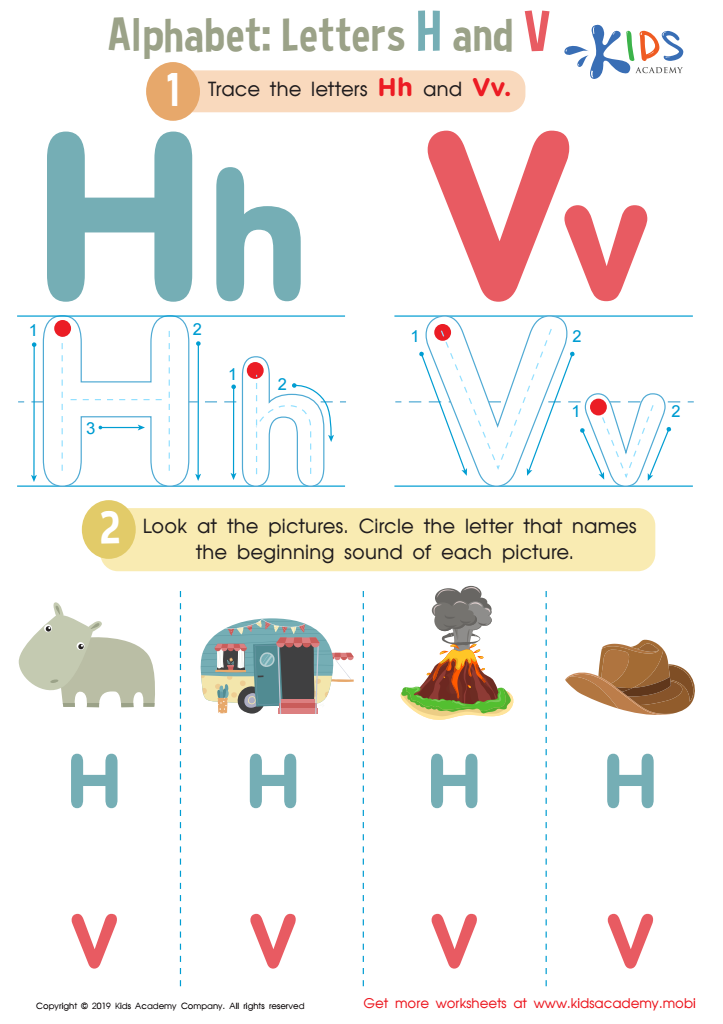
Letters H and V Tracing Worksheet
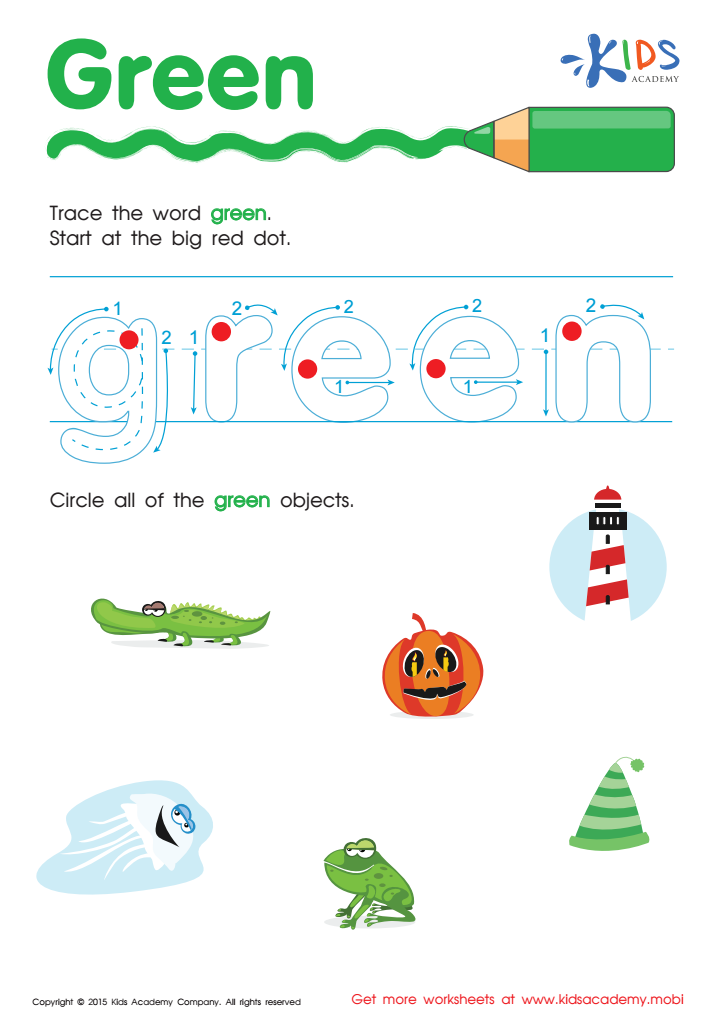
Green Tracing Color Words Worksheet
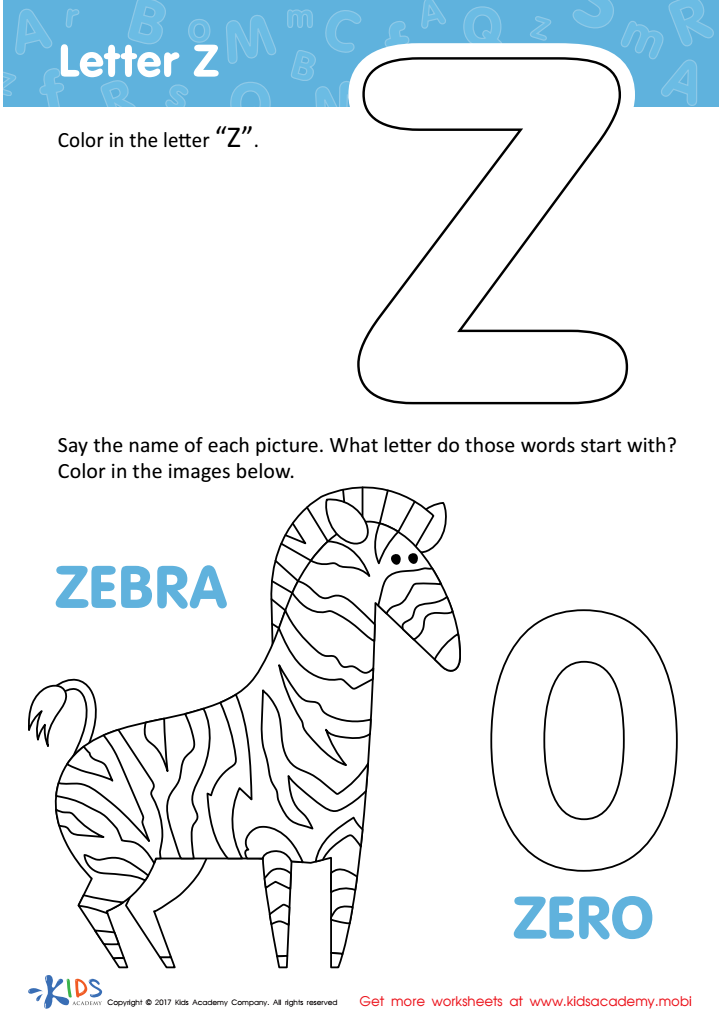
Letter Z Coloring Sheet
Assign to My Students
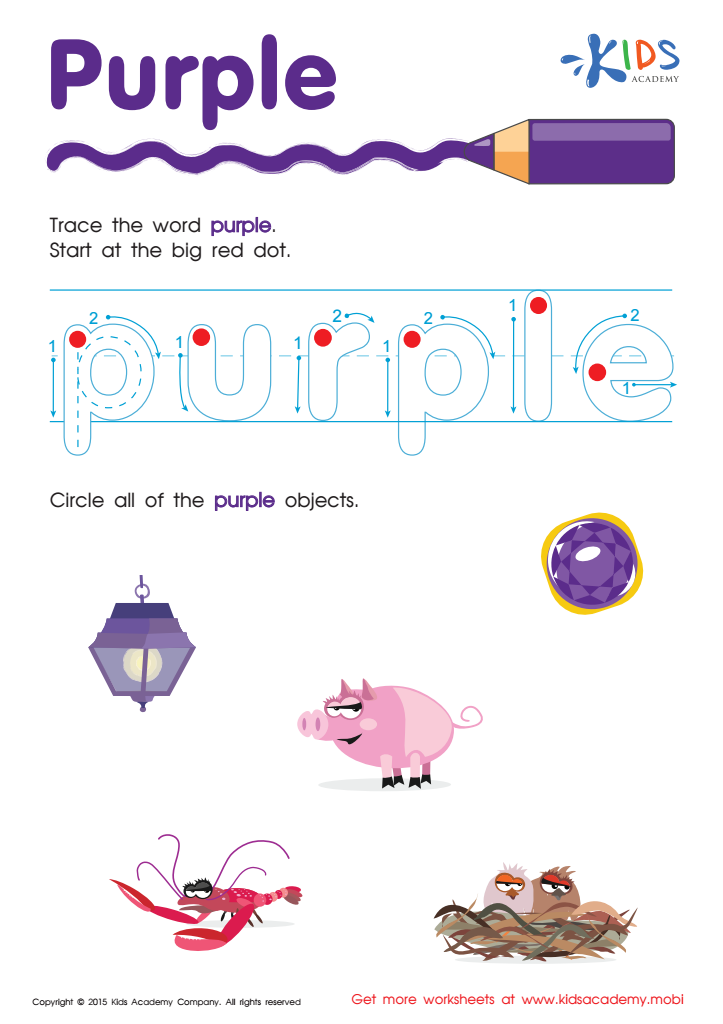
Purple Tracing Color Words Worksheet
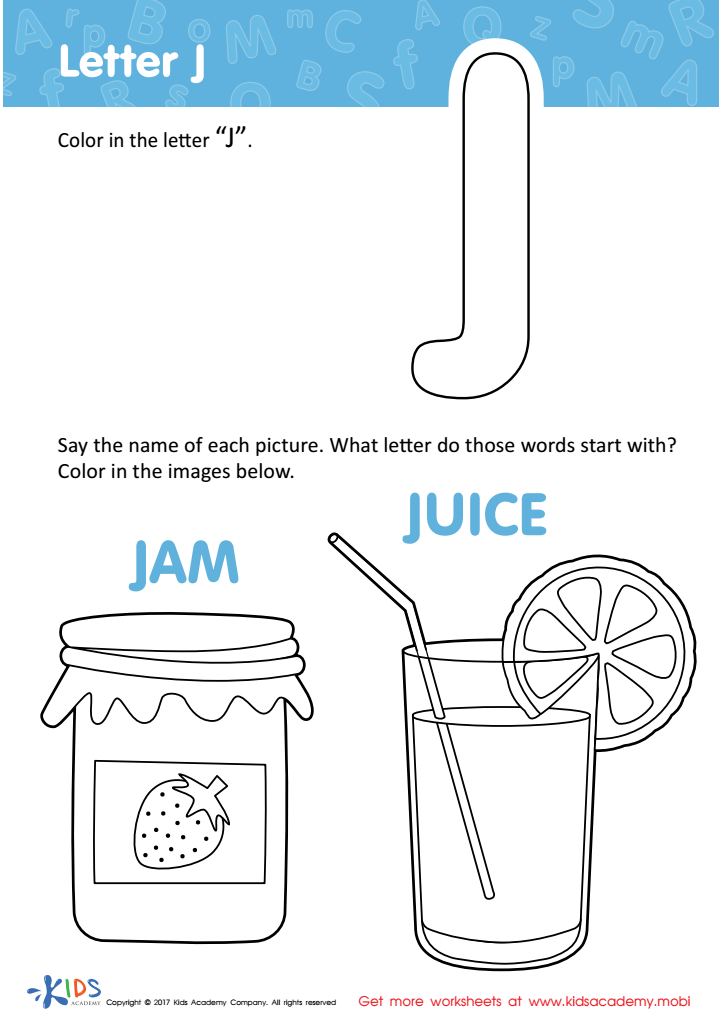
Letter J Coloring Sheet
Assign to My Students
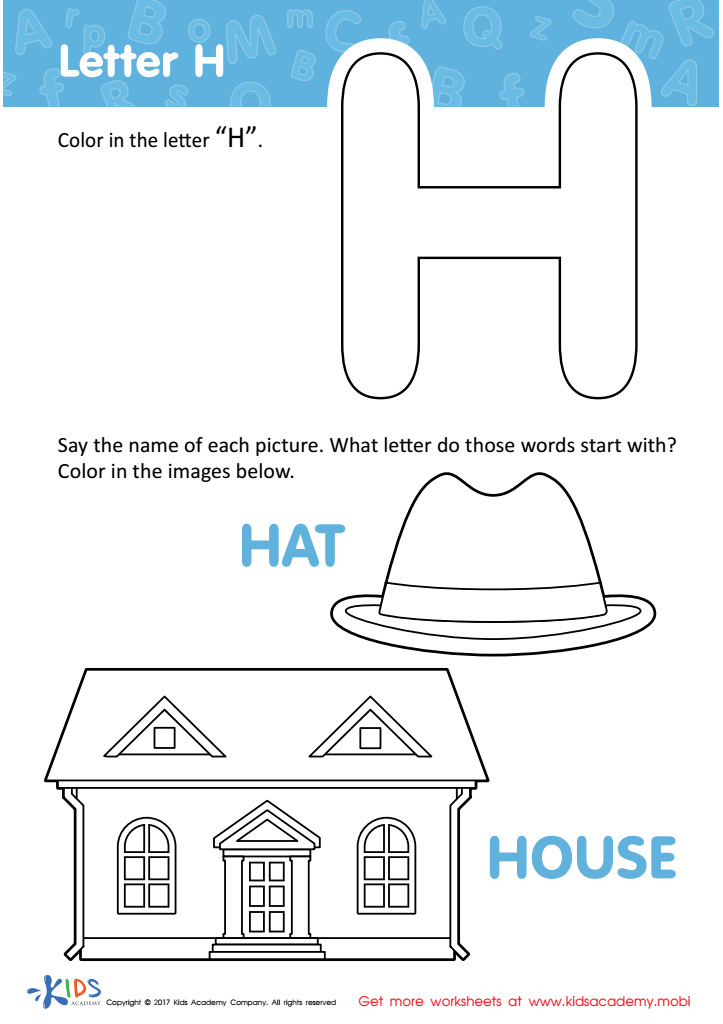
Letter H Coloring Sheet
Assign to My Students
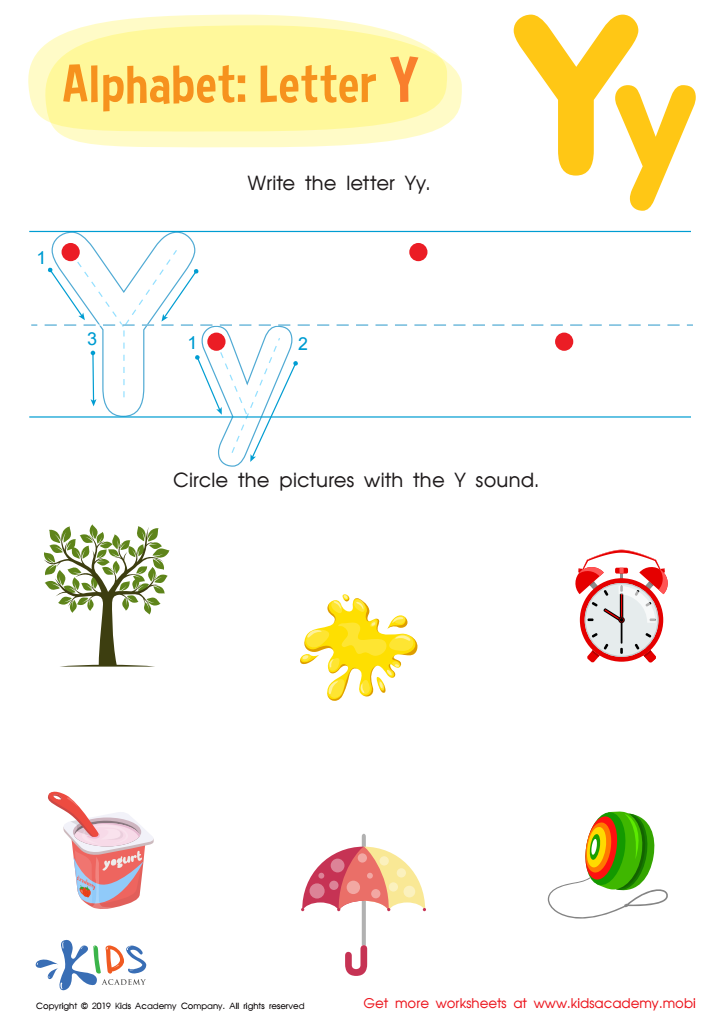
Letter Y Tracing Worksheet
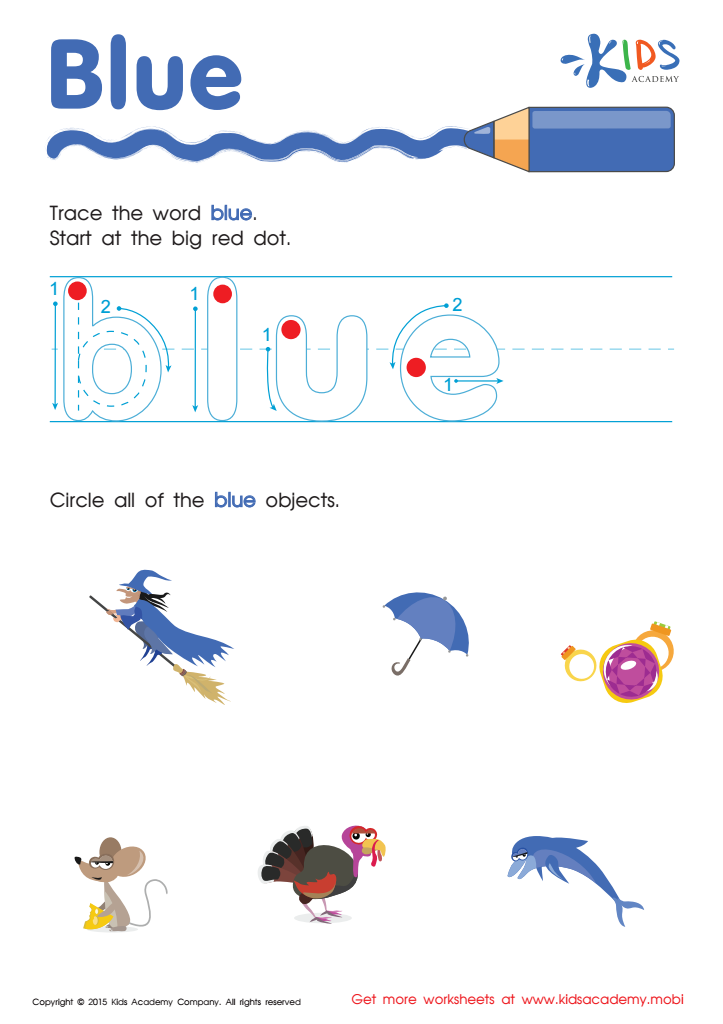
Blue Tracing Color Words Printable
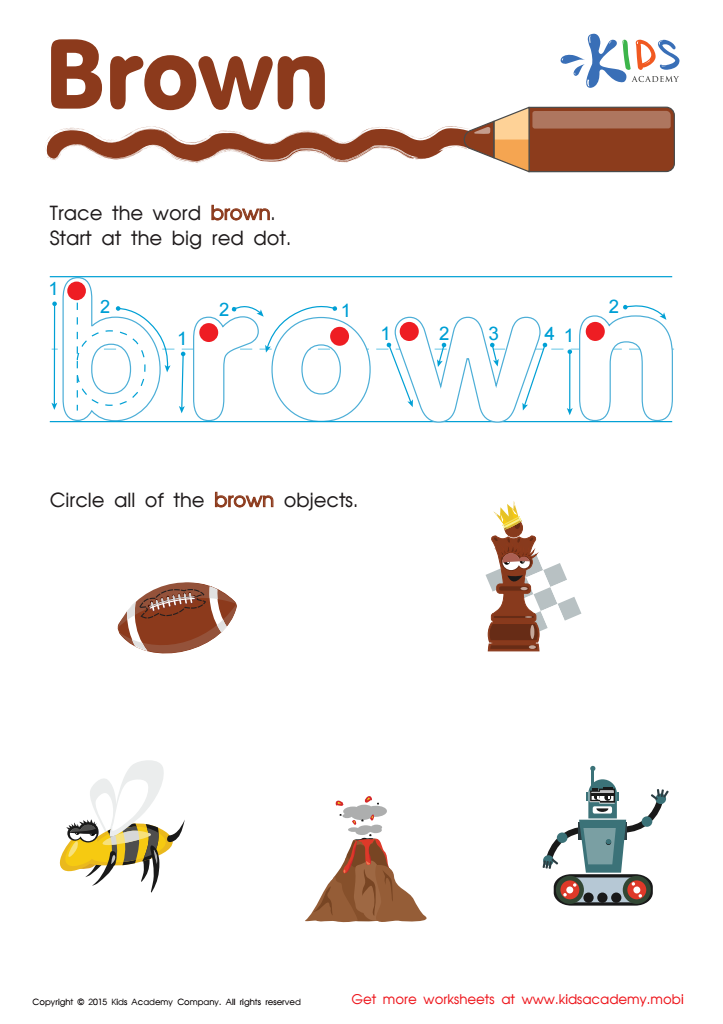
Brown Tracing Color Words Worksheet
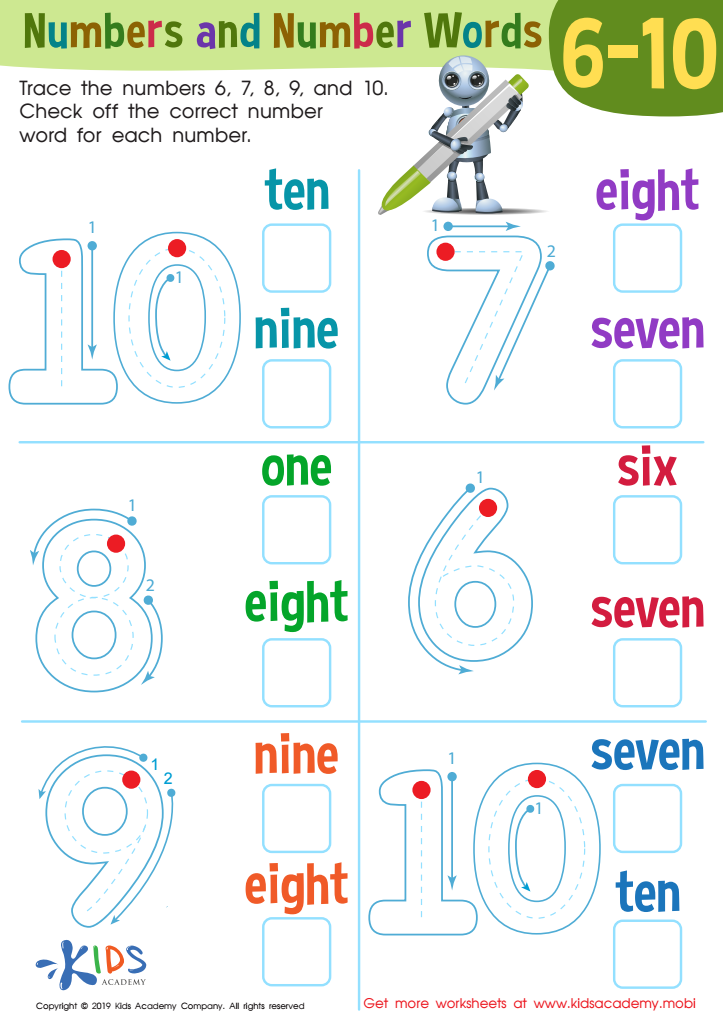
Numbers and Number Words 6–1 Worksheet
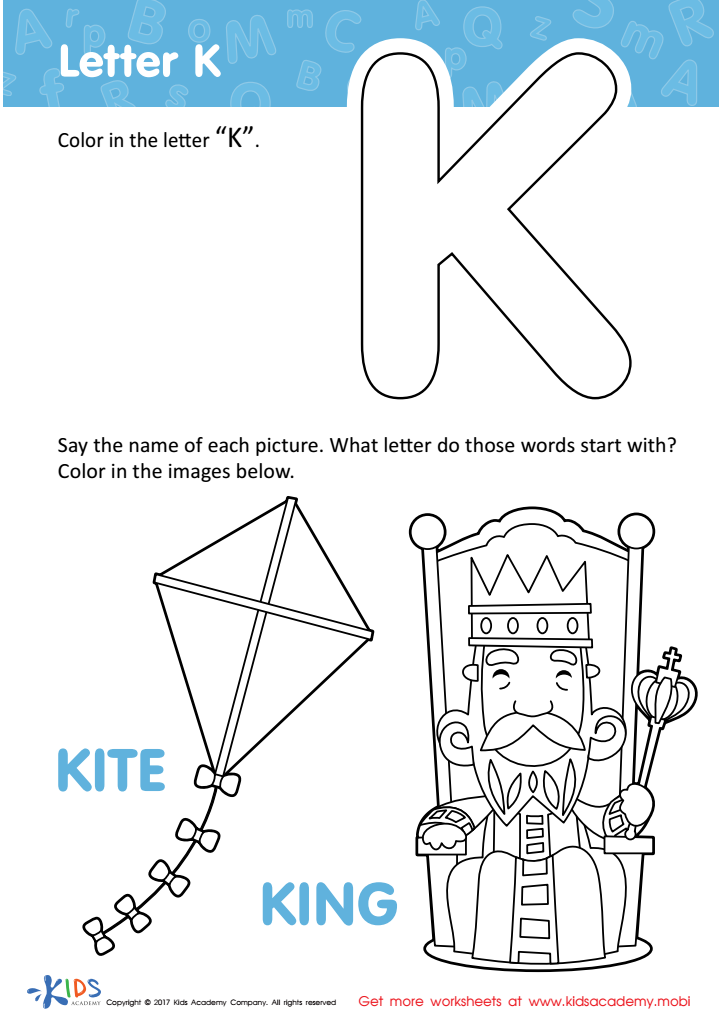
Letter K Coloring Sheet
Assign to My Students
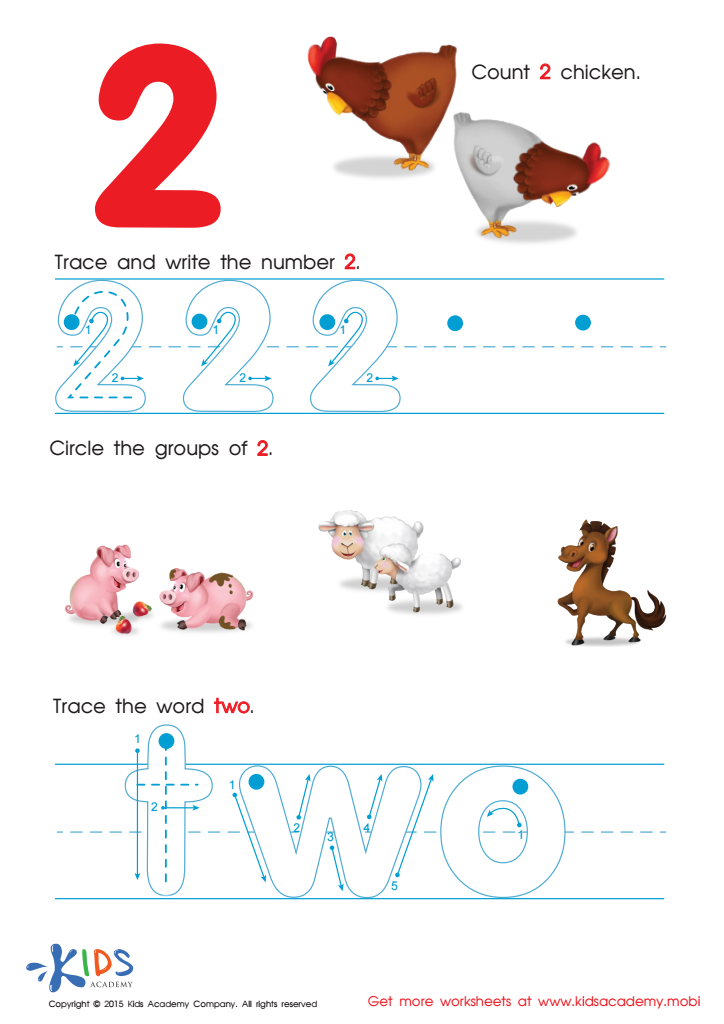
Learn to Write the Number 2 Worksheet
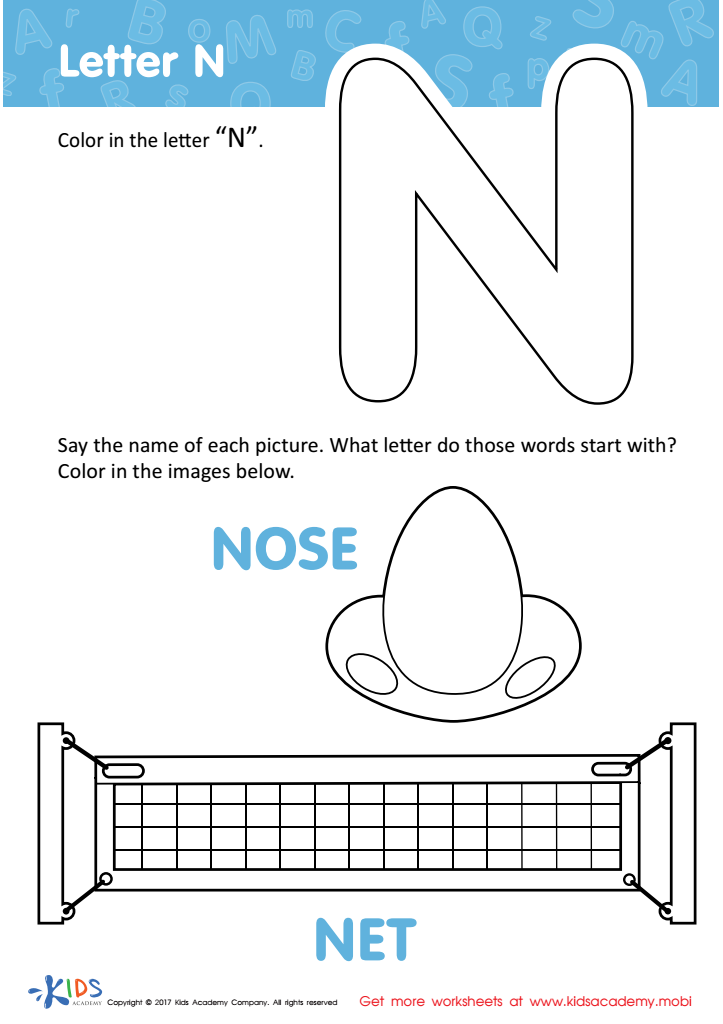
Letter N Coloring Sheet
Assign to My Students





Handwriting practice is a crucial skill for children aged 5-8, providing essential benefits that impact their academic and personal development. At this formative age, consistent handwriting practice helps to fine-tune motor skills, essential for hand-eye coordination, dexterity, and spatial awareness. When children engage in handwriting exercises, they train their brains to focus and build muscle memory, making writing a more natural and fluid activity over time.
Moreover, handwriting practice reinforces letter recognition and formation, which is fundamental for literacy development. Good handwriting allows children to transcribe their thoughts and ideas more clearly, contributing to better communication skills. For young beginners, struggling with writing can also lead to frustration and a lack of confidence. Systematic practice helps mitigate these issues by promoting a sense of accomplishment and encouraging a more positive attitude toward learning.
Additionally, handwriting practice can enhance cognitive development. The act of writing activates different neural circuits than typing, supporting better memory retention and comprehension. It helps children understand the multi-sensory nature of learning, merging kinesthetic action with visual perception. As a result, a strong foundation in handwriting not only sets the stage for academic achievement but also fosters a well-rounded developmental growth.