Categorization skills Worksheets for Ages 5-8
34 filtered results
-
From - To
Discover engaging Categorization Skills Worksheets designed specifically for children ages 5-8! Our carefully crafted resources help young learners develop essential skills by sorting objects, grouping by attributes, and making connections between similar items. These interactive worksheets promote critical thinking, enhance vocabulary, and foster creativity in a fun and playful way. Ideal for both classroom and home use, our categorization worksheets provide valuable practice in organizing information, which is fundamental for their academic success. Explore our range of colorful, age-appropriate activities that not only teach but also inspire a love for learning. Get started today and watch your child's skills flourish!
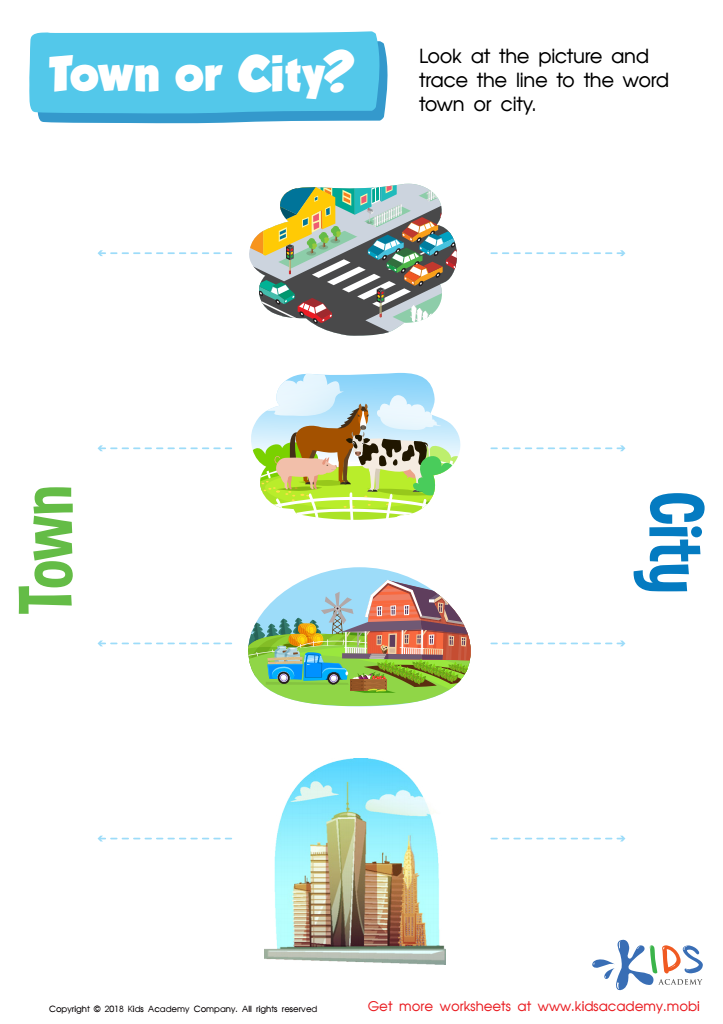
Town or City? Worksheet
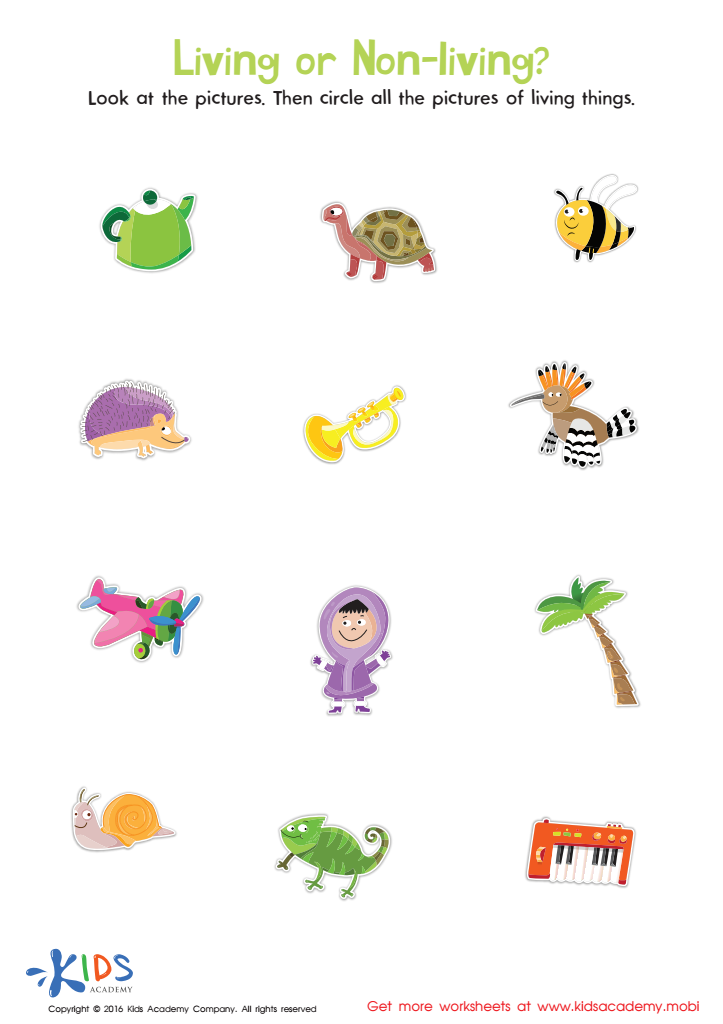
Identifying Living and Non–living Things Sorting Worksheet
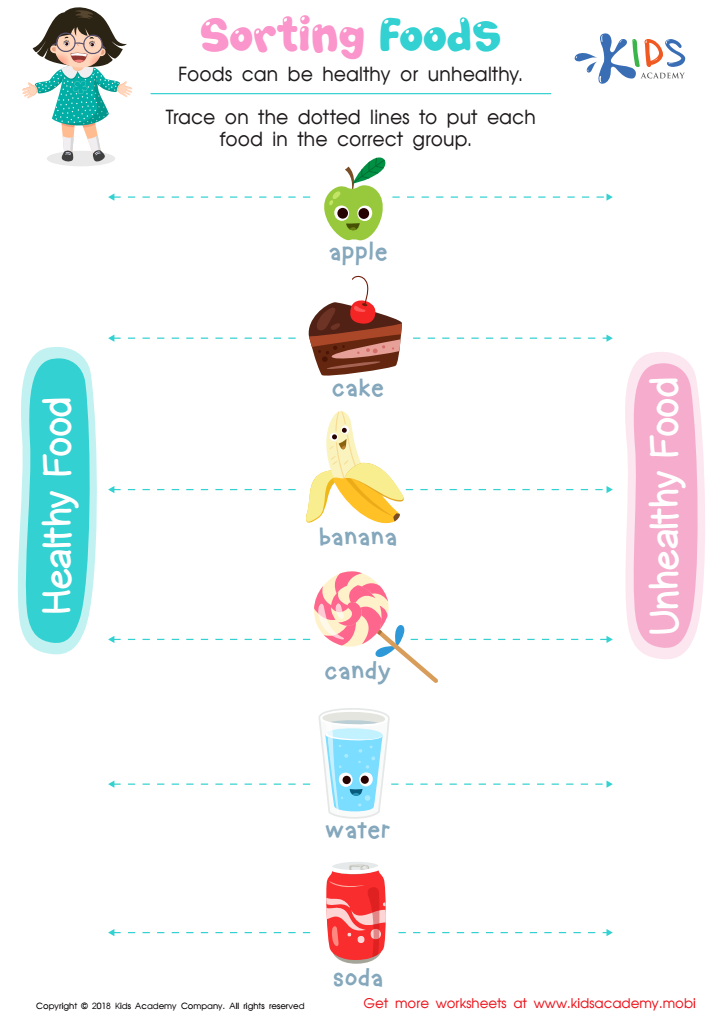
Sorting Food Worksheet
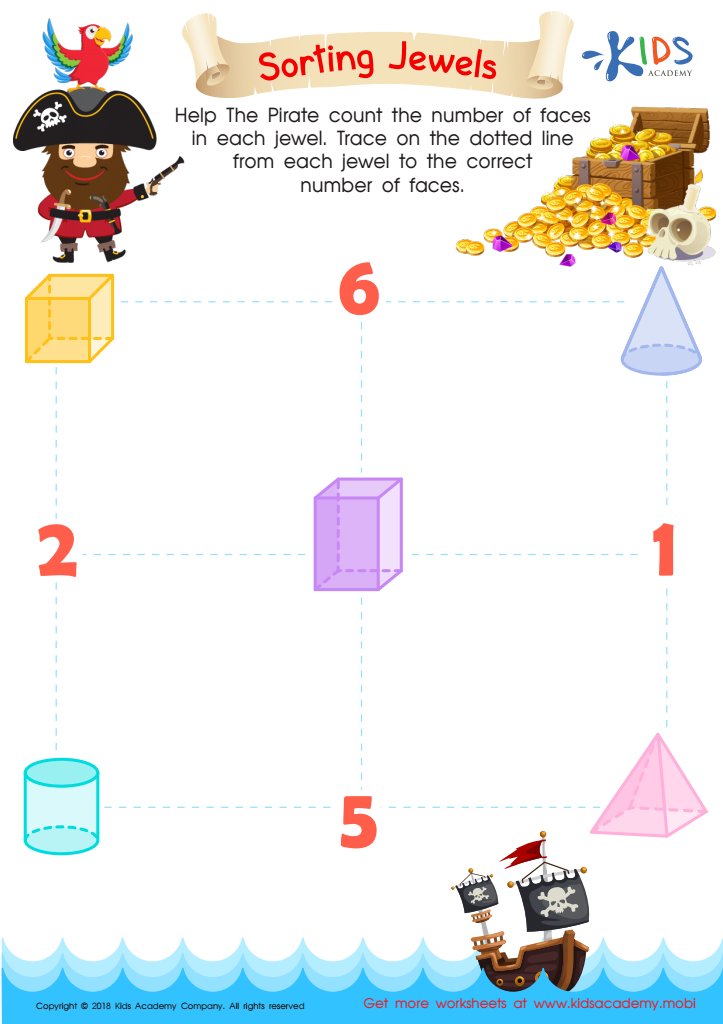
Sorting Jewels Worksheet
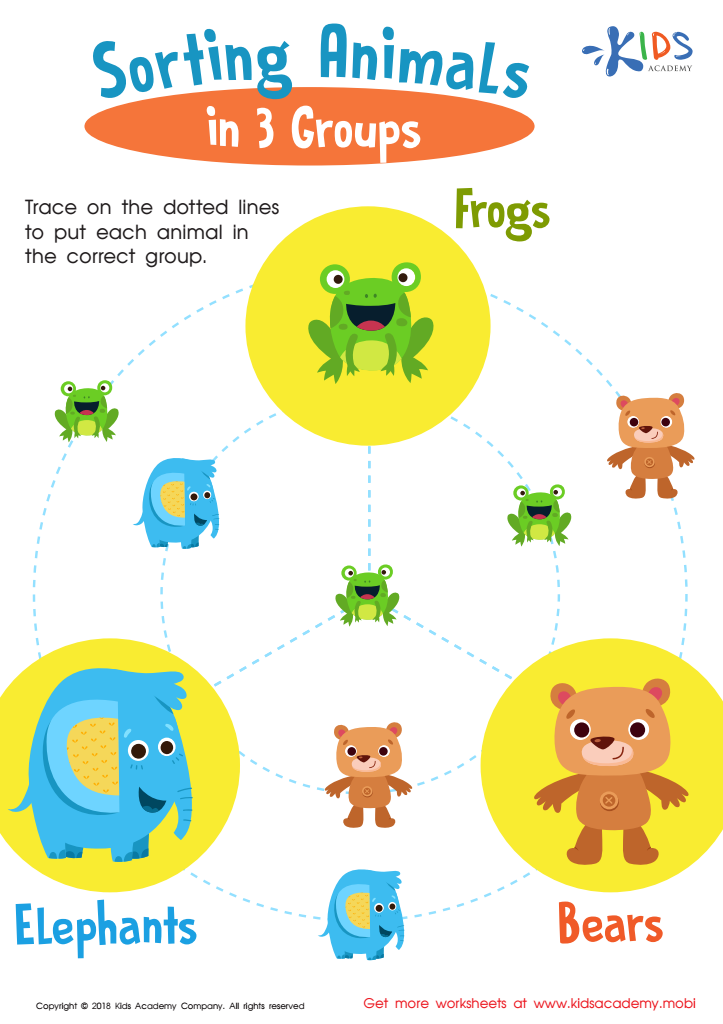
Sorting Animals in 3 Groups Worksheet
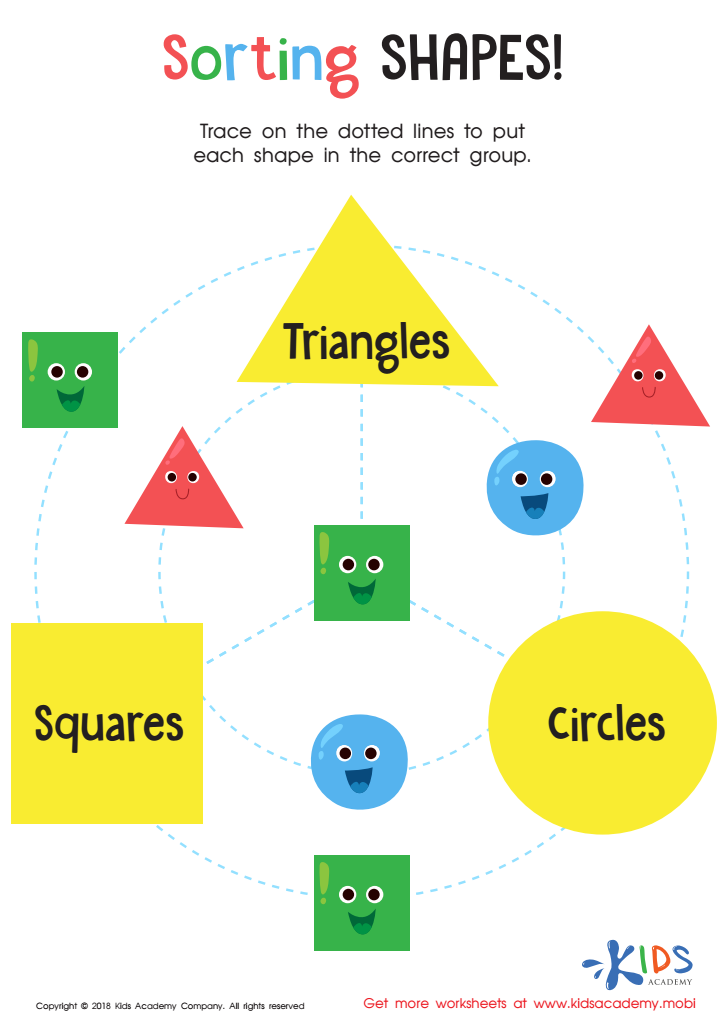
Sorting Shapes - Part 3 Worksheet
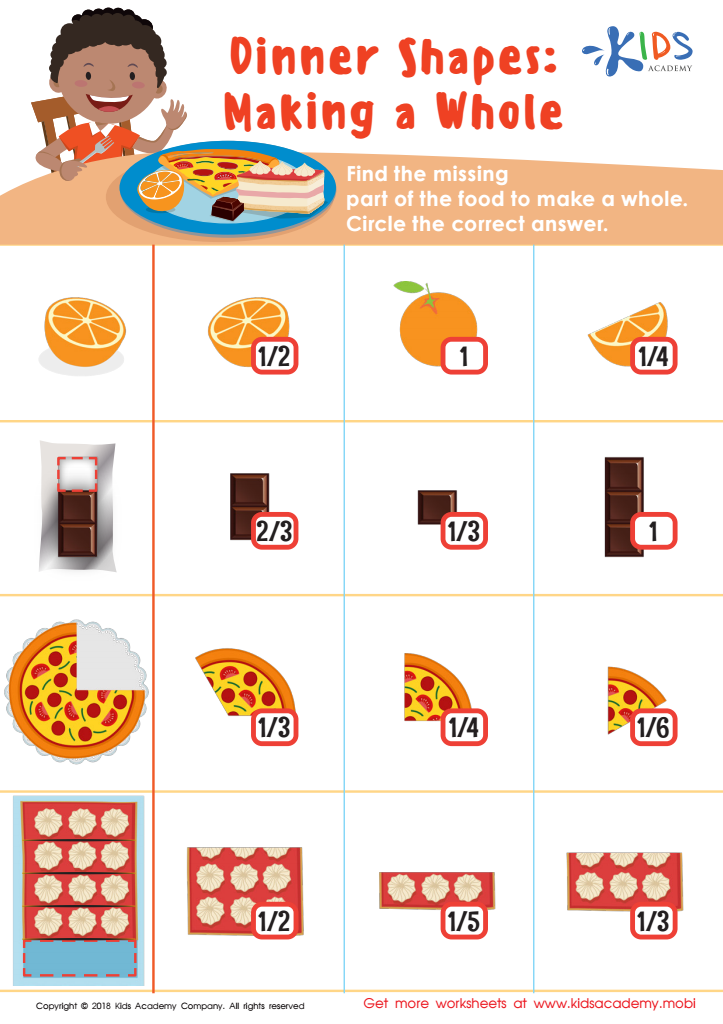
Dinner Shapes: Making a Whole Worksheet
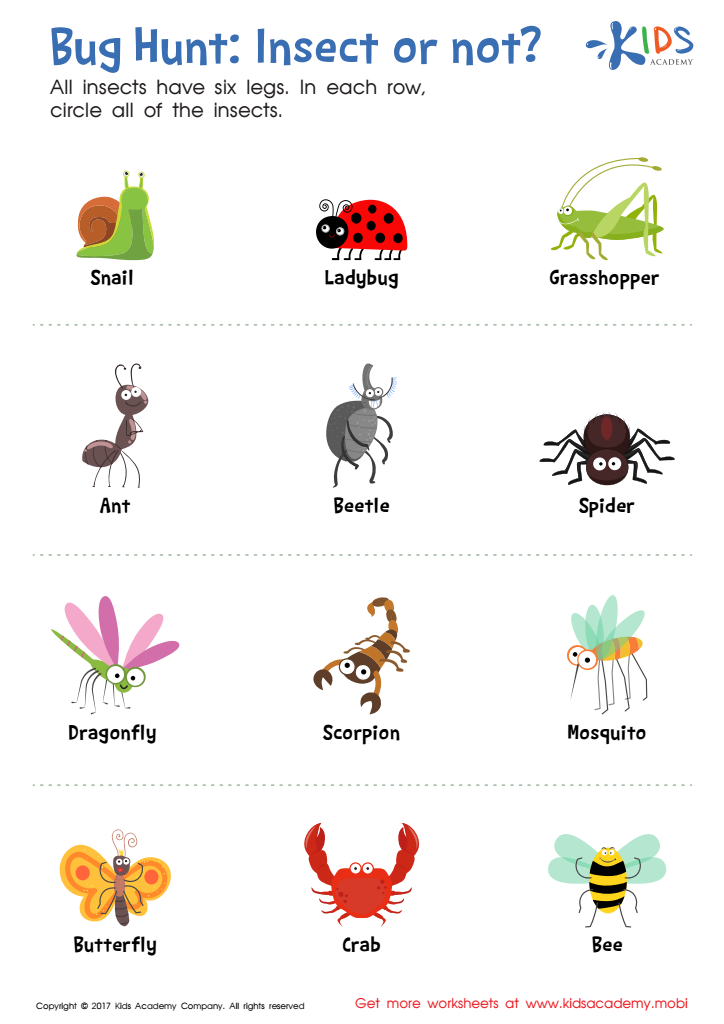
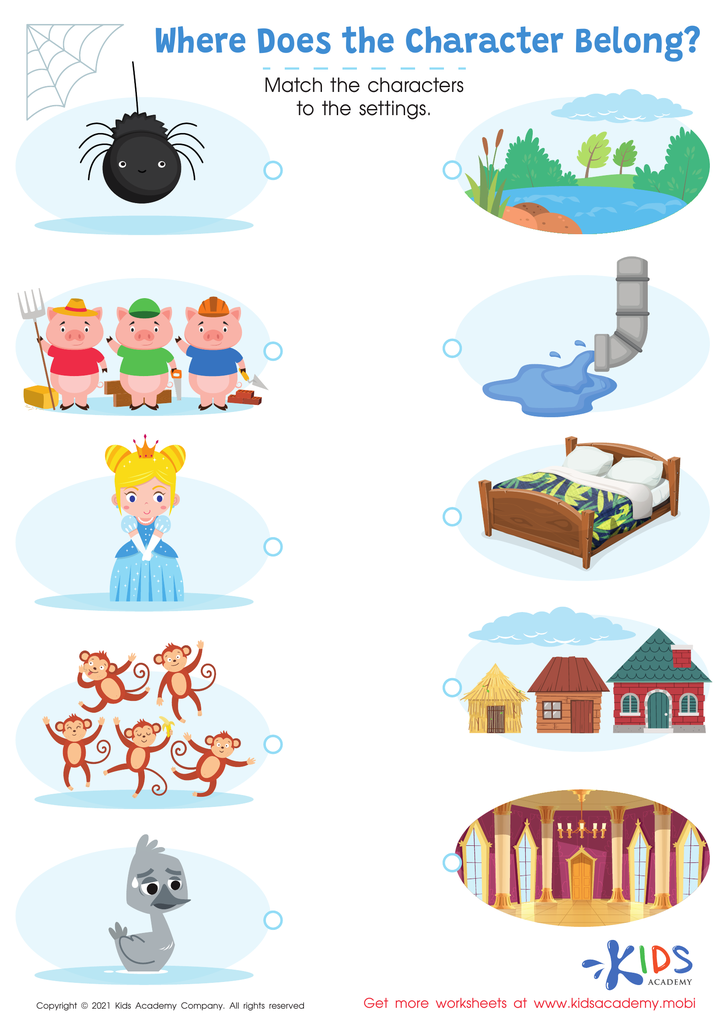
Where Does the Character Belong? Worksheet
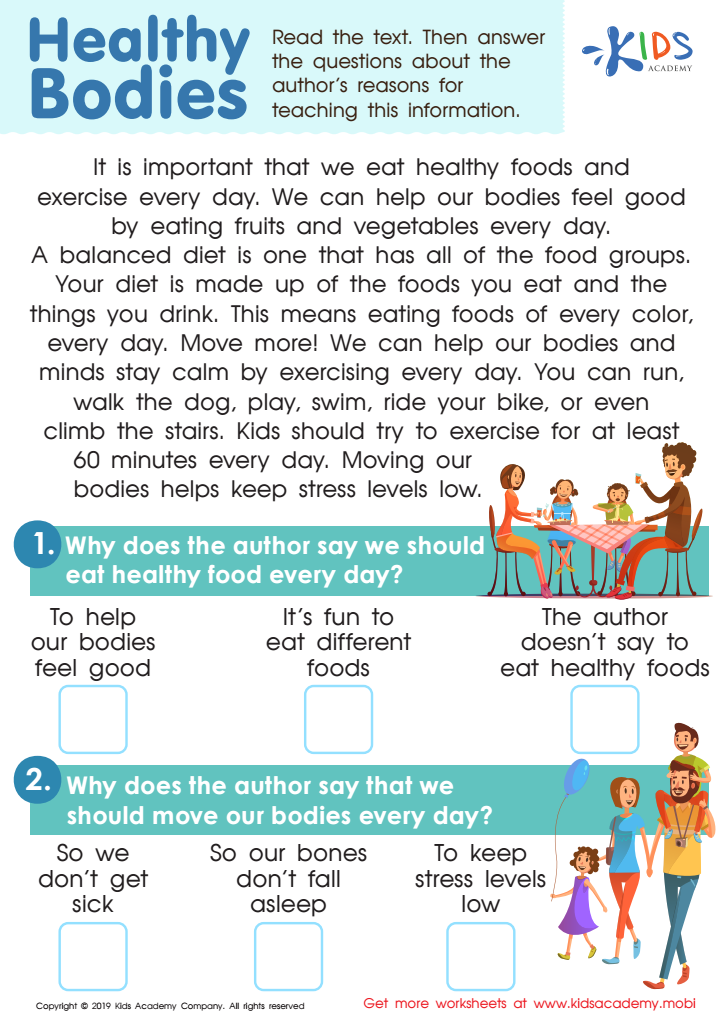
Healthy Bodies Worksheet
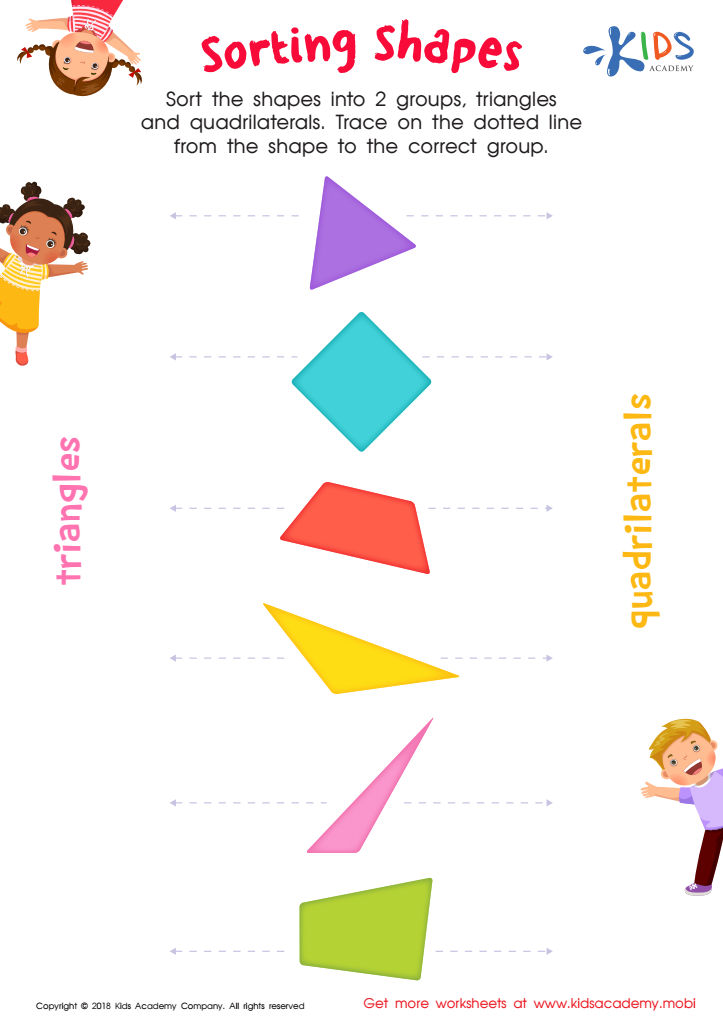
Sorting Shapes Worksheet
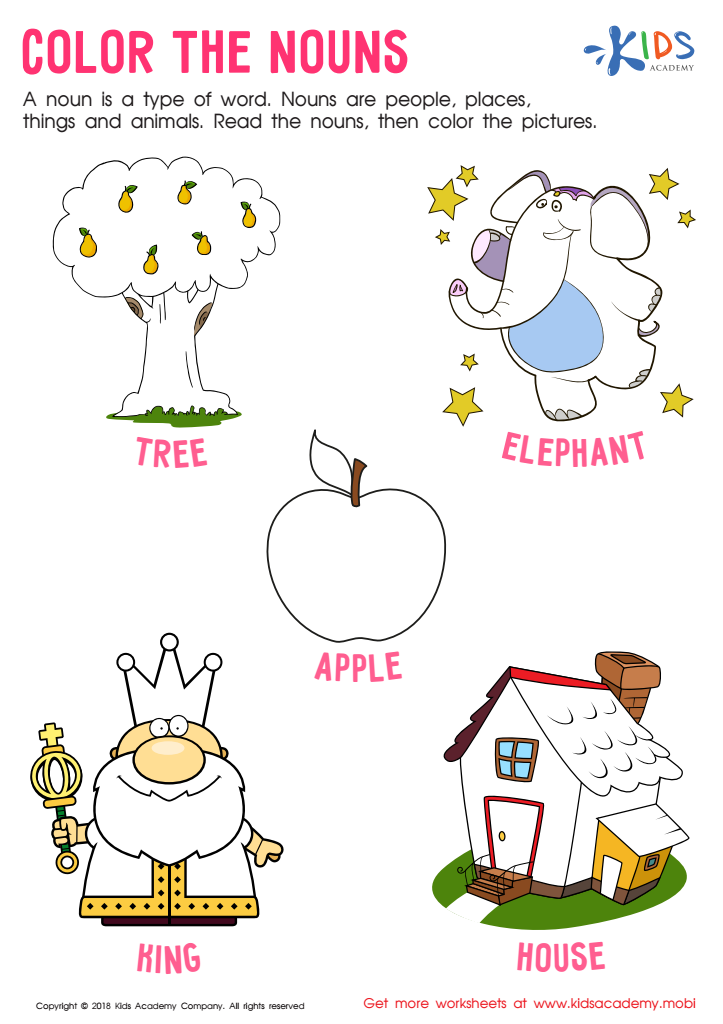
Color the Nouns Worksheet
 Assign to My Students
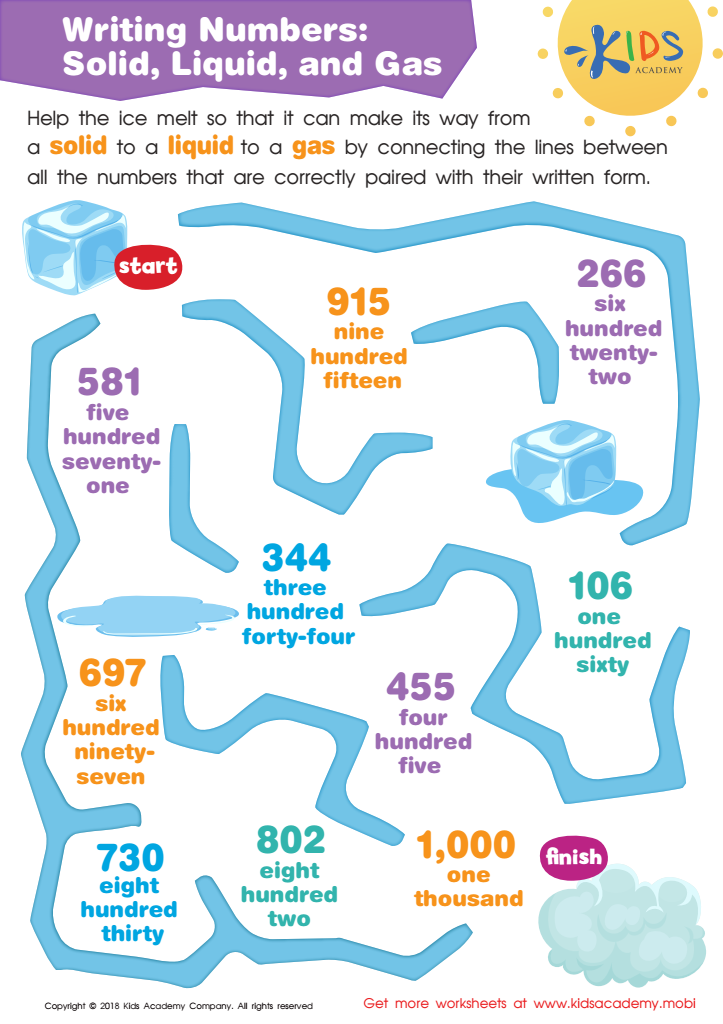
Solid, Liquid, and Gas Writing Numbers Worksheet
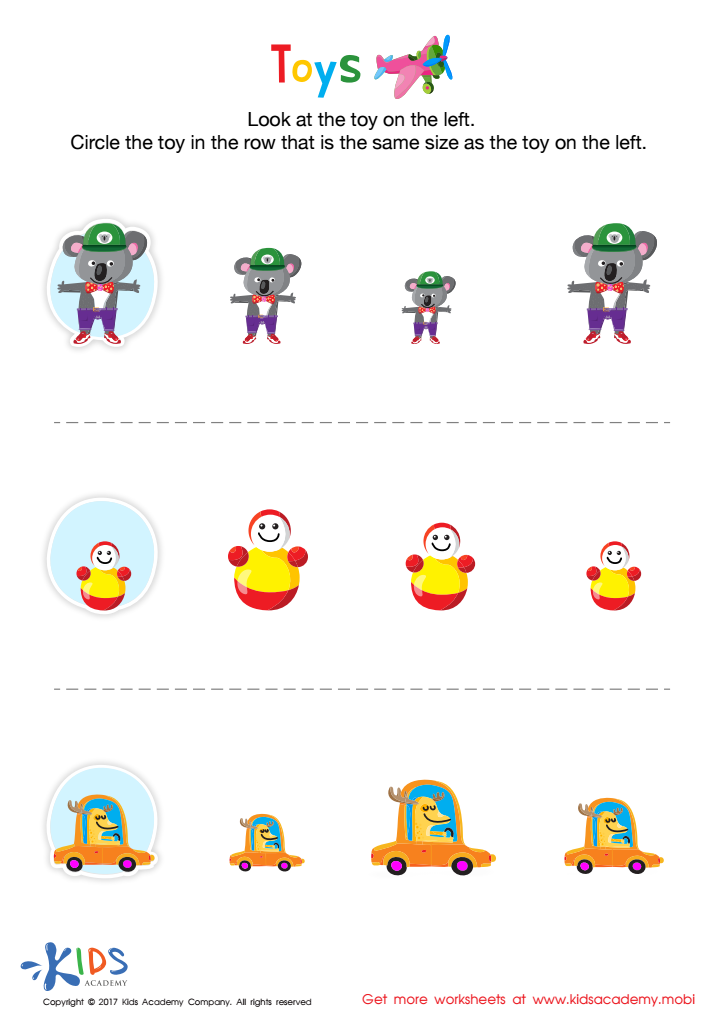
Matching: Classifying Toys by Size Worksheet
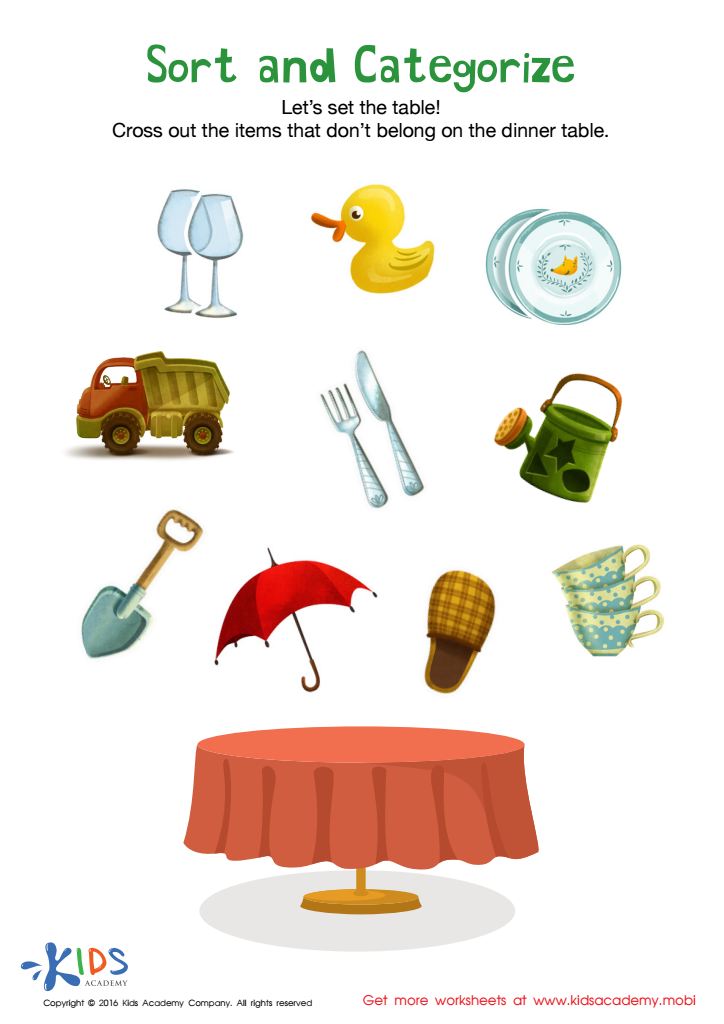
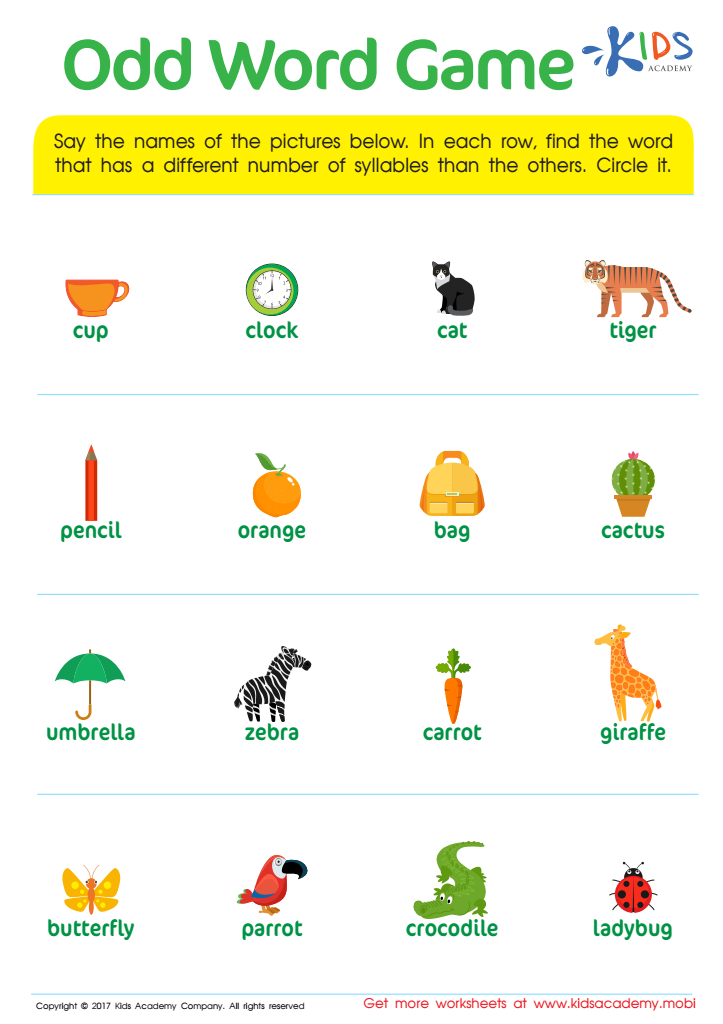
Count Syllables: Odd Word Game Worksheet
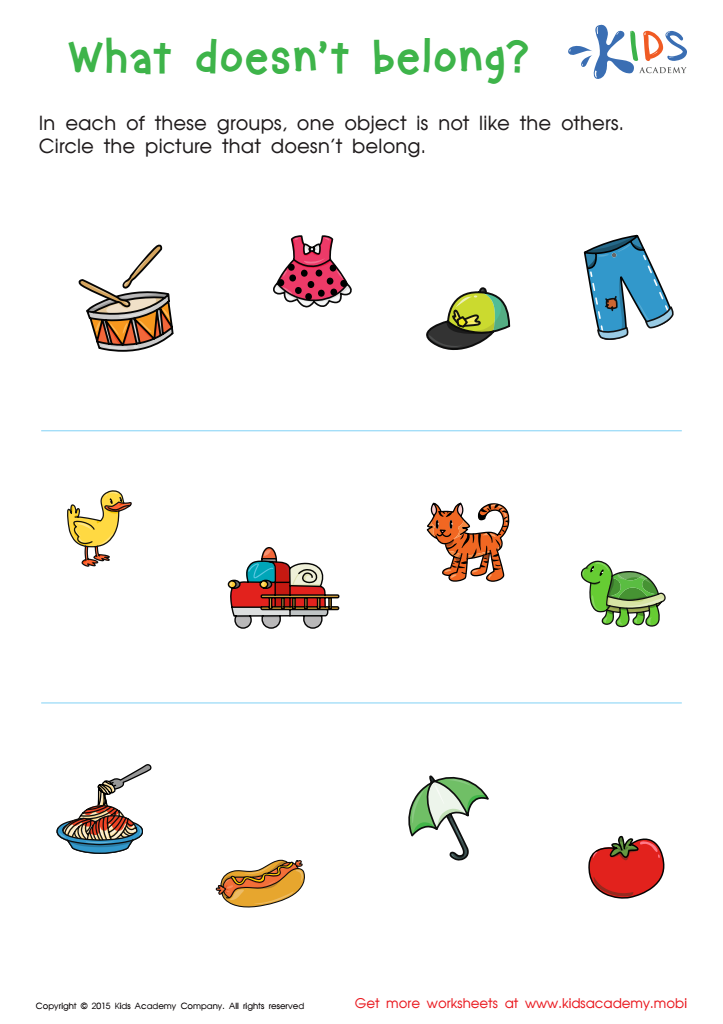
First Words: What Doesn't Belong Worksheet
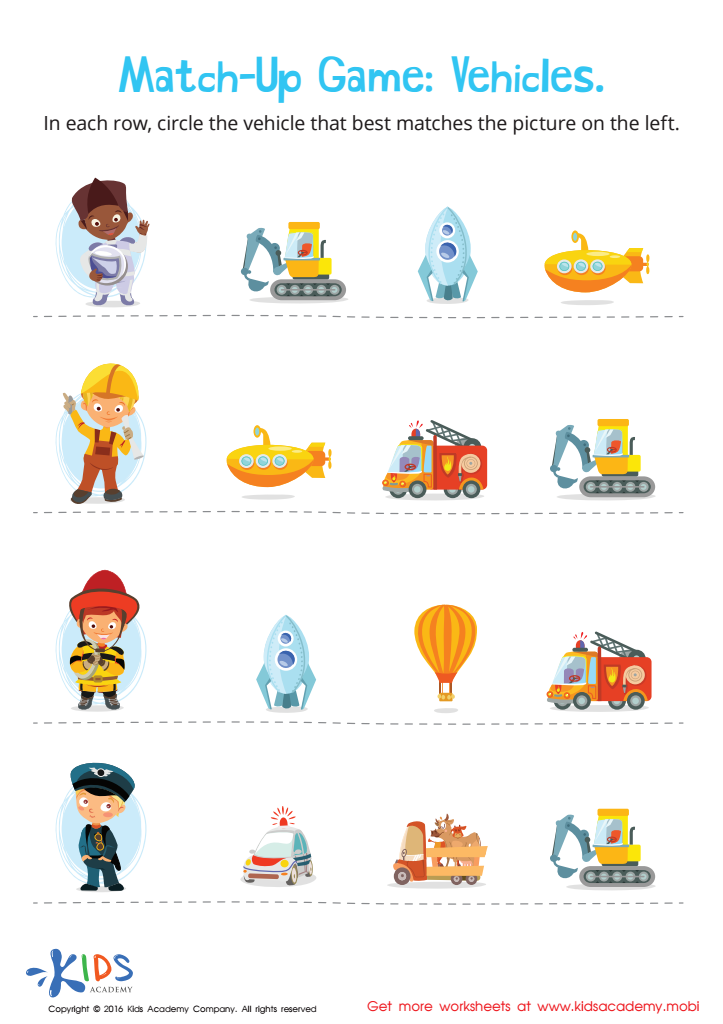
Vehicles Worksheet
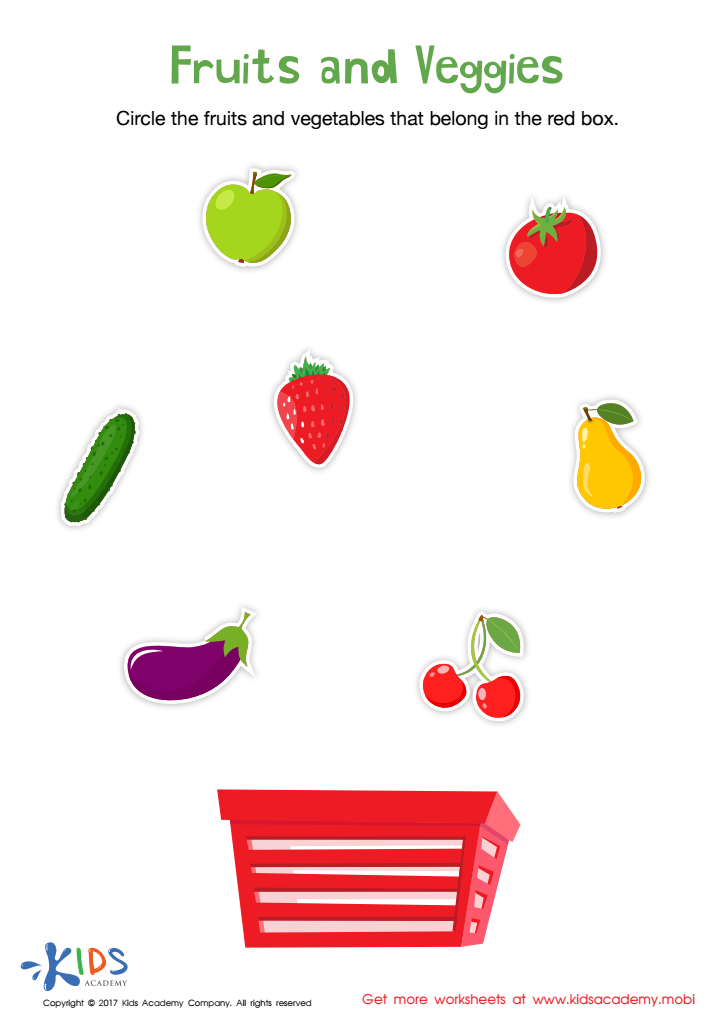
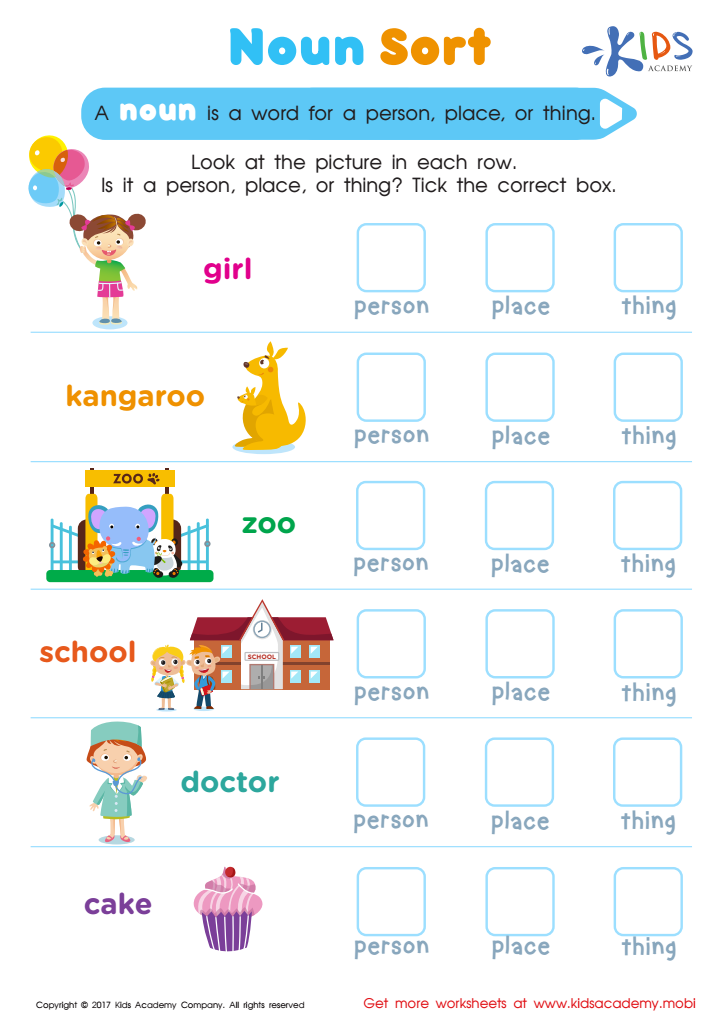
Noun Sort Printable
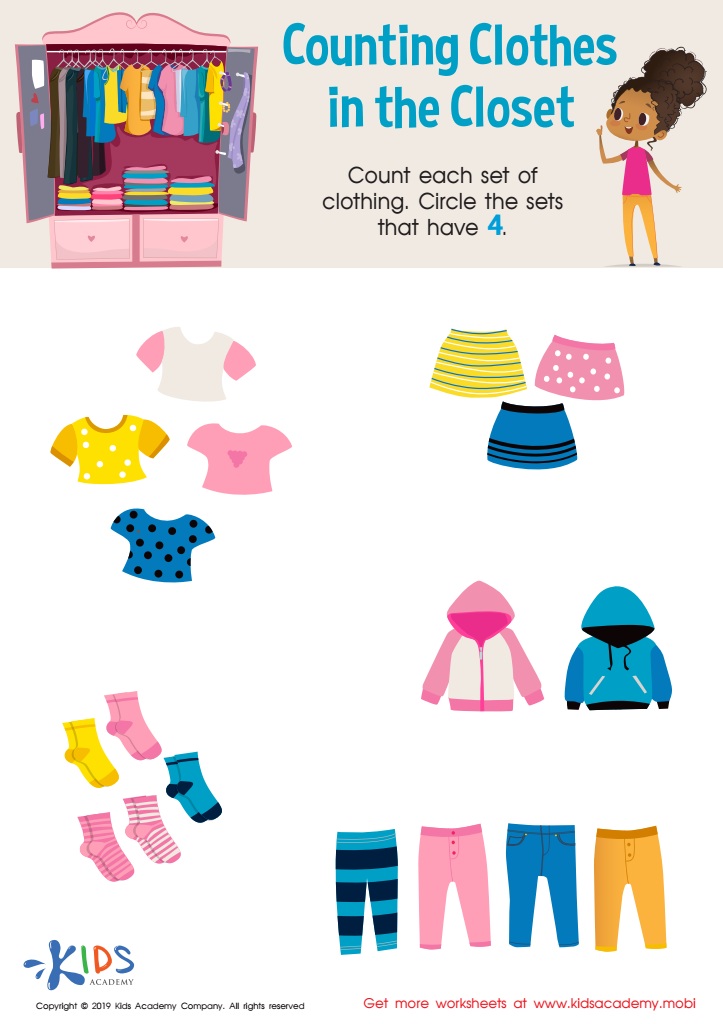
Counting Clothes Worksheet
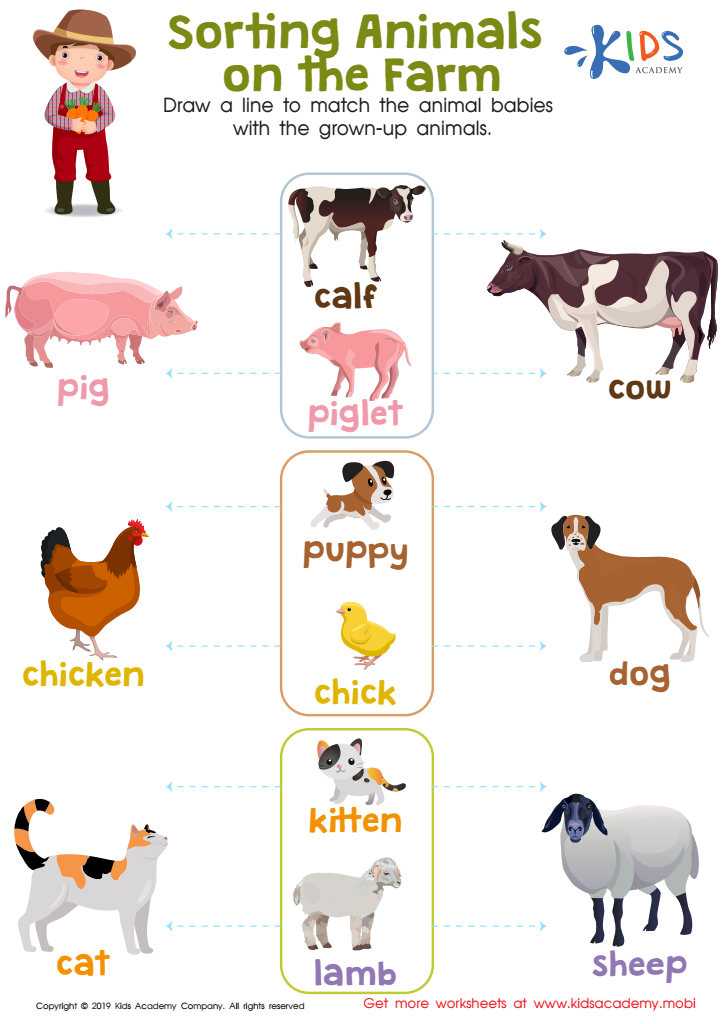
Sorting Animals on the Farm Worksheet
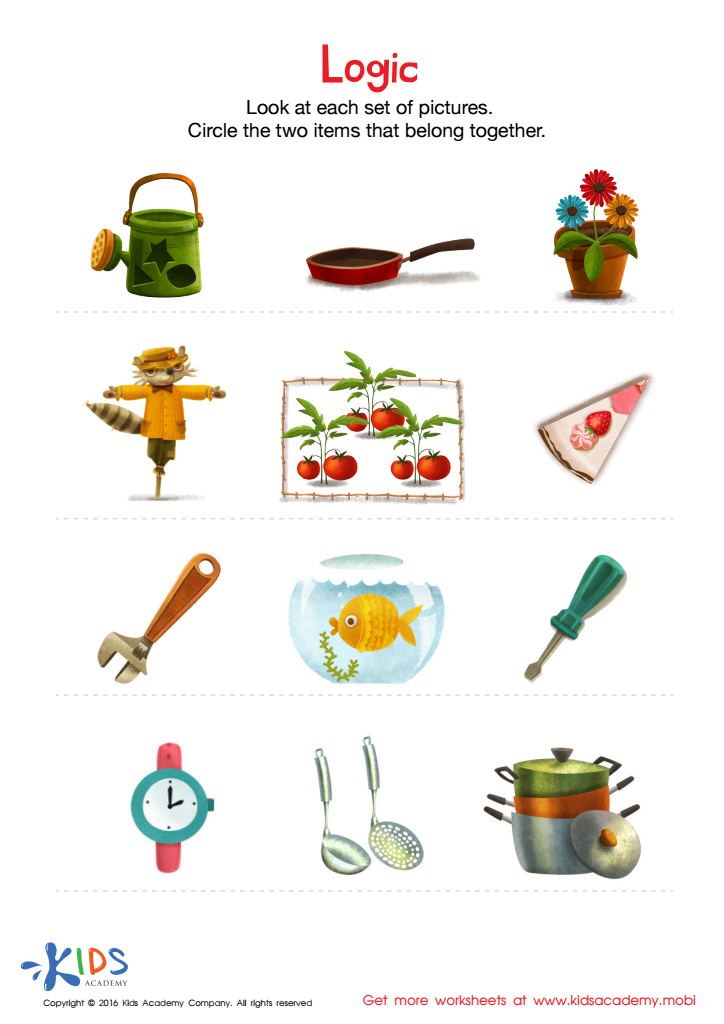
Logic Game Sorting Worksheet






Categorization skills, crucial for children aged 5-8, involve the ability to group objects, ideas, or concepts based on shared characteristics. These skills are fundamental for cognitive development, language acquisition, and critical thinking. Parents and teachers should prioritize fostering these abilities because they serve as the foundation for essential learning experiences.
Firstly, categorization helps children improve their vocabulary and language skills as they learn to describe similarities and differences among objects. For instance, recognizing animals versus vehicles enhances communication abilities and encourages storytelling.
Additionally, these skills are vital for problem-solving. When children categorize information, they learn to analyze and make connections, laying the groundwork for more complex reasoning as they progress academically. This skill also supports math development, as children categorize shapes, numbers, and sizes, urging them to think logically.
Furthermore, respect for categorization encourages social skills by helping children distinguish between different social contexts and groups, aiding them in forming relationships.
In summary, nurturing categorization skills is essential for holistic development during the pivotal ages of 5-8, equipping children with requisite tools for academic achievement and effective interpersonal communication. Parents and teachers who understand this can better support children’s growth in these critical early years.








