Handwriting practice Worksheets for Ages 5-8 - Page 2
96 filtered results
-
From - To
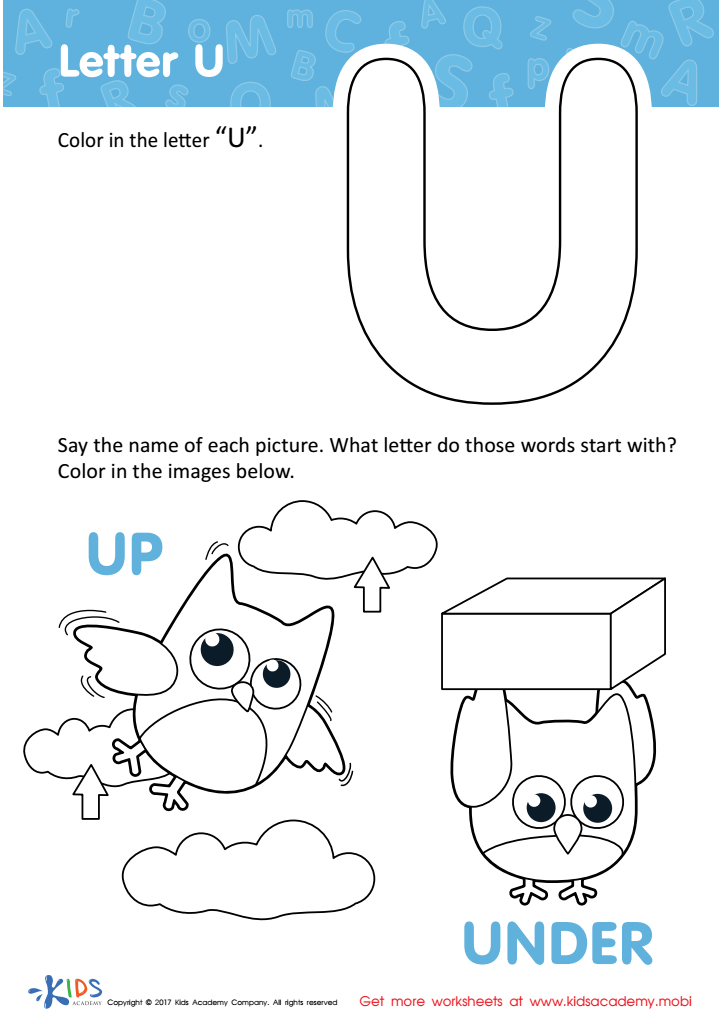
Letter U Coloring Sheet
 Assign to My Students
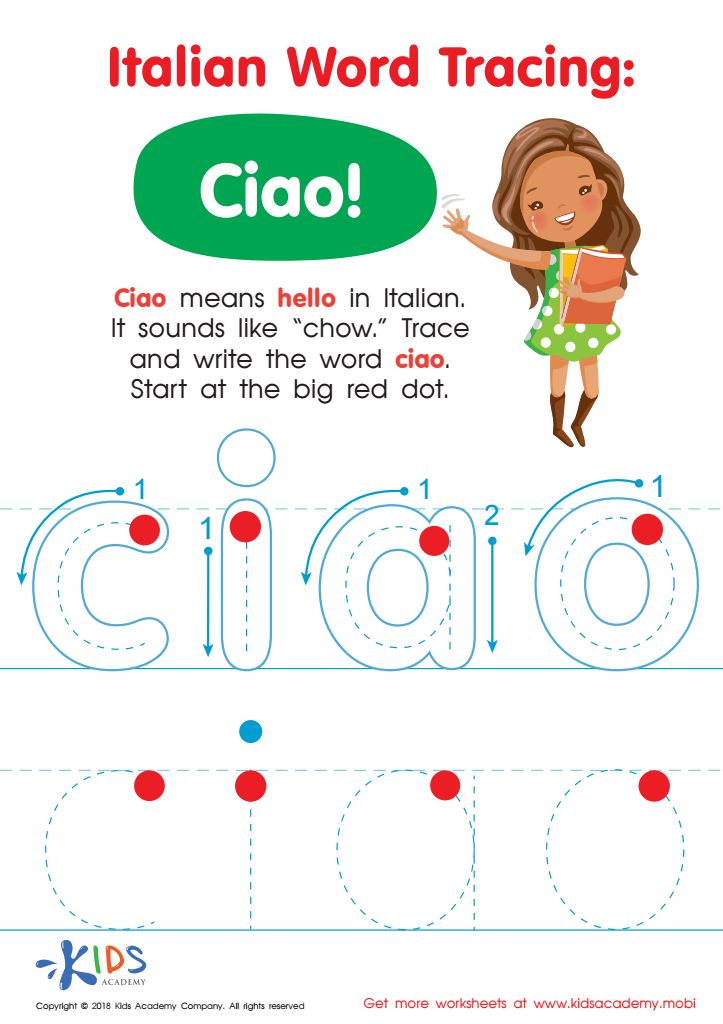
Italian Word Tracing: Ciao Worksheet
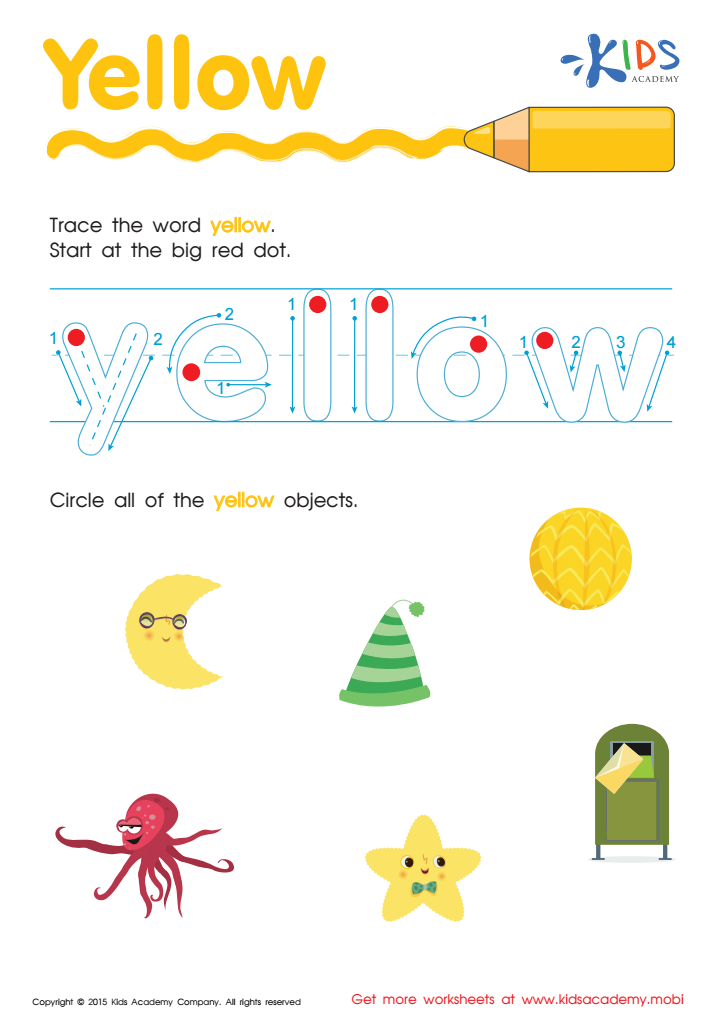
Yellow Tracing Color Words Worksheet
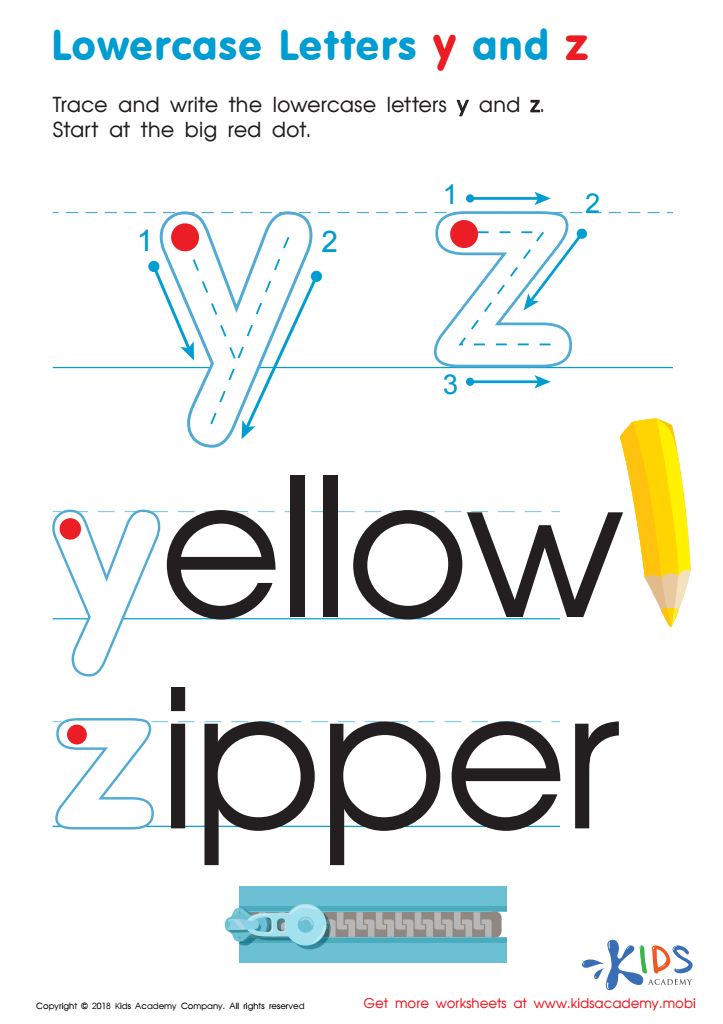
Lowercase Letters y z Worksheet
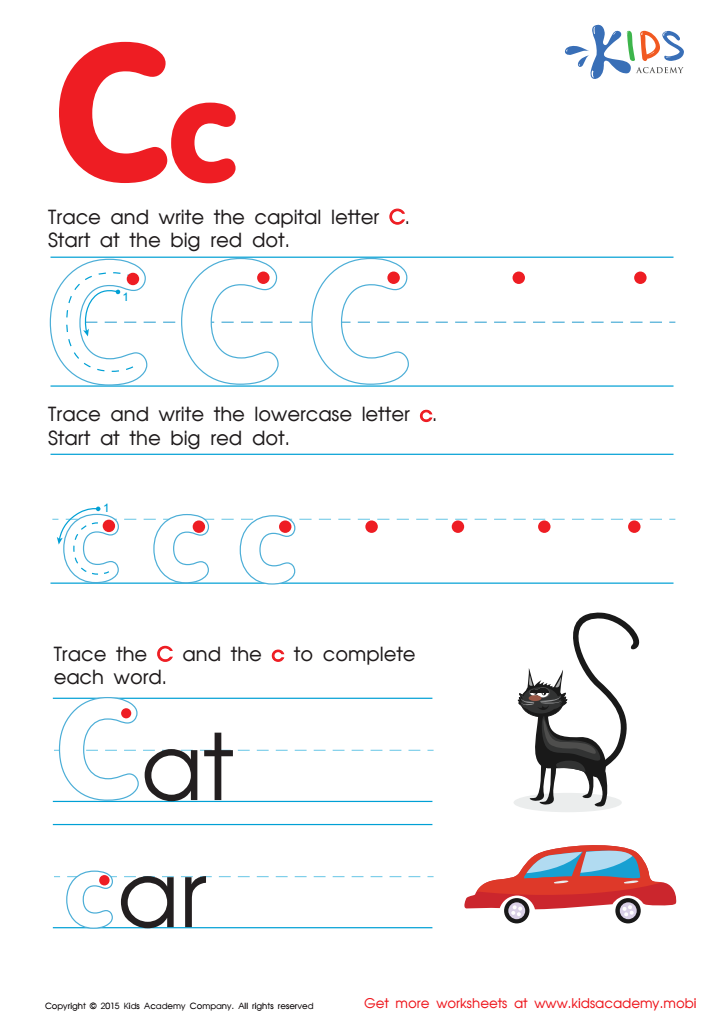
Letter C Tracing Page
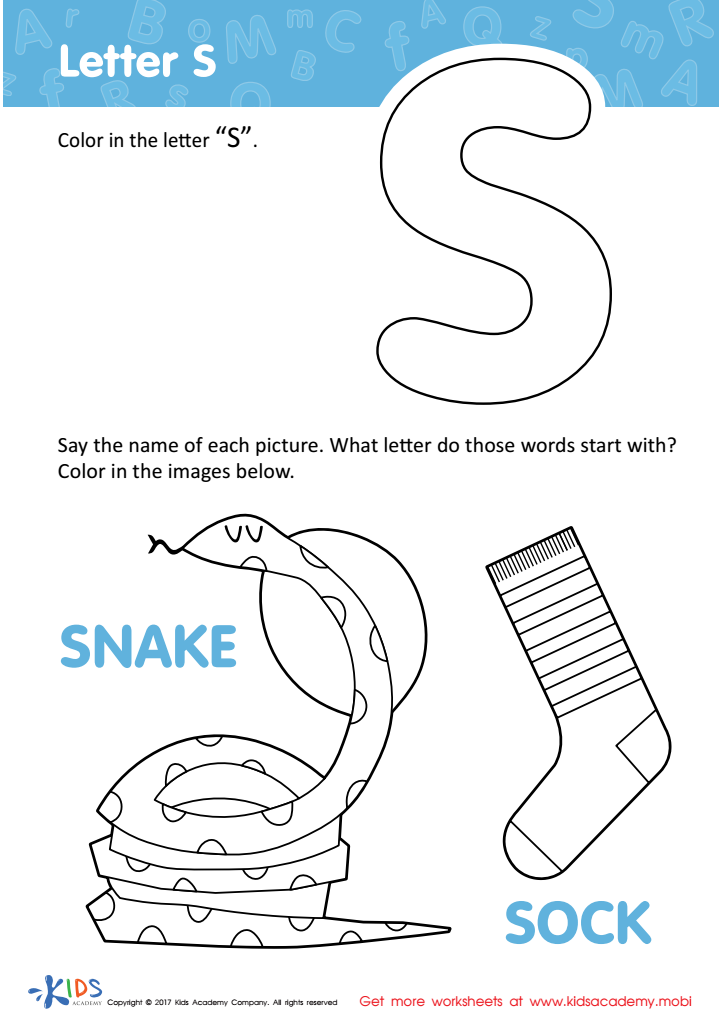
Letter S Coloring Sheet
Assign to My Students
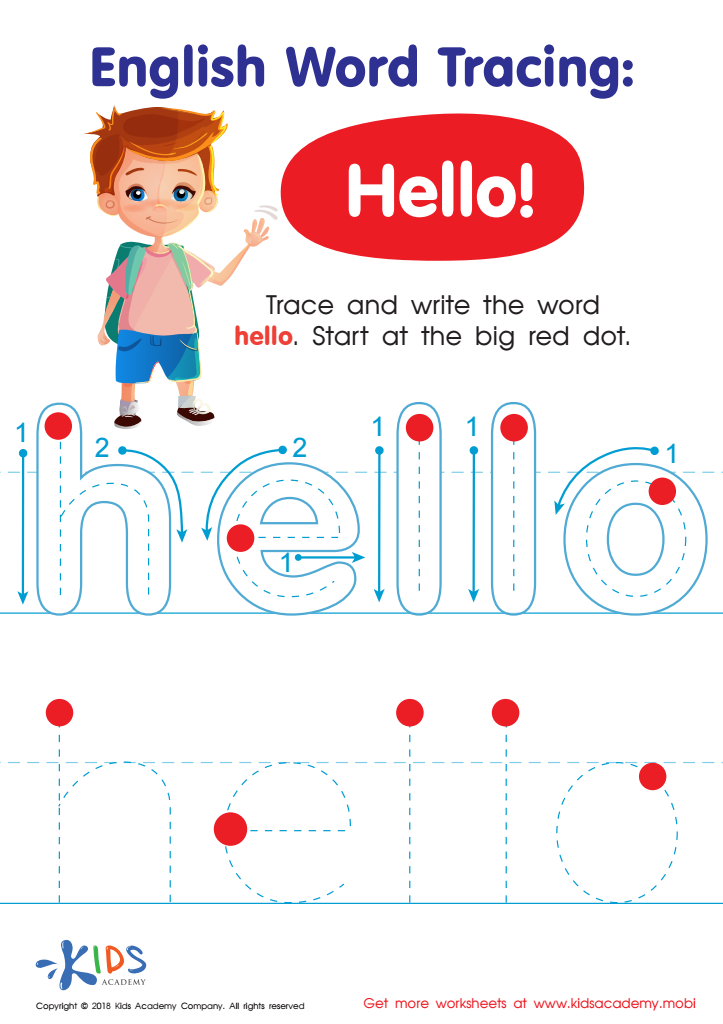
English Word Tracing: Hello Worksheet
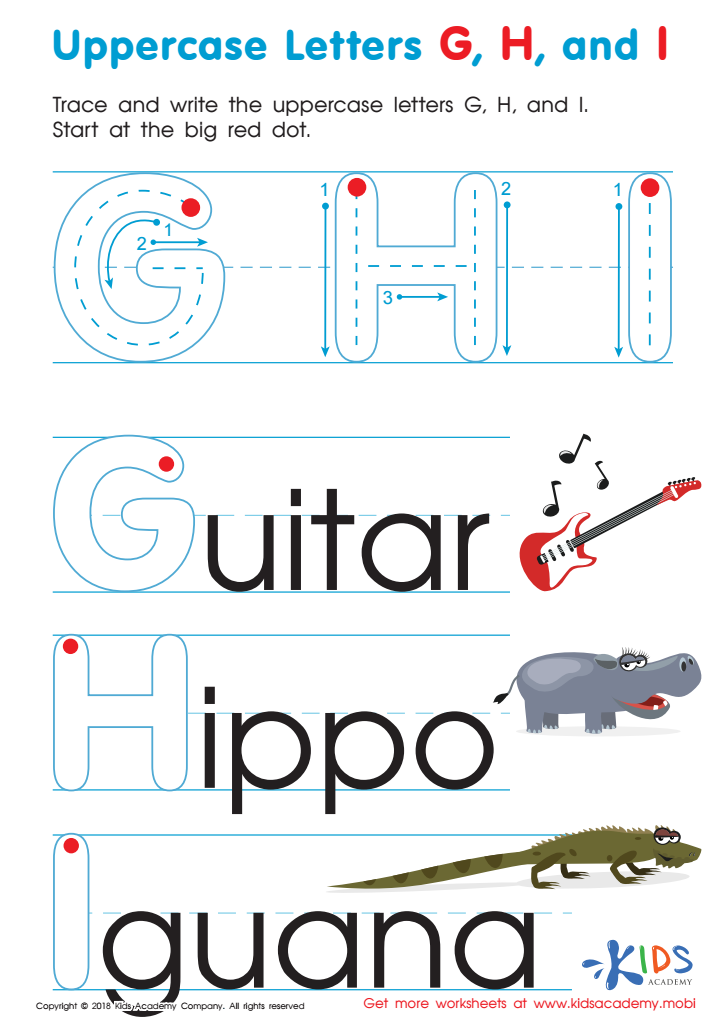
Uppercase Letters G, H, and I Worksheet
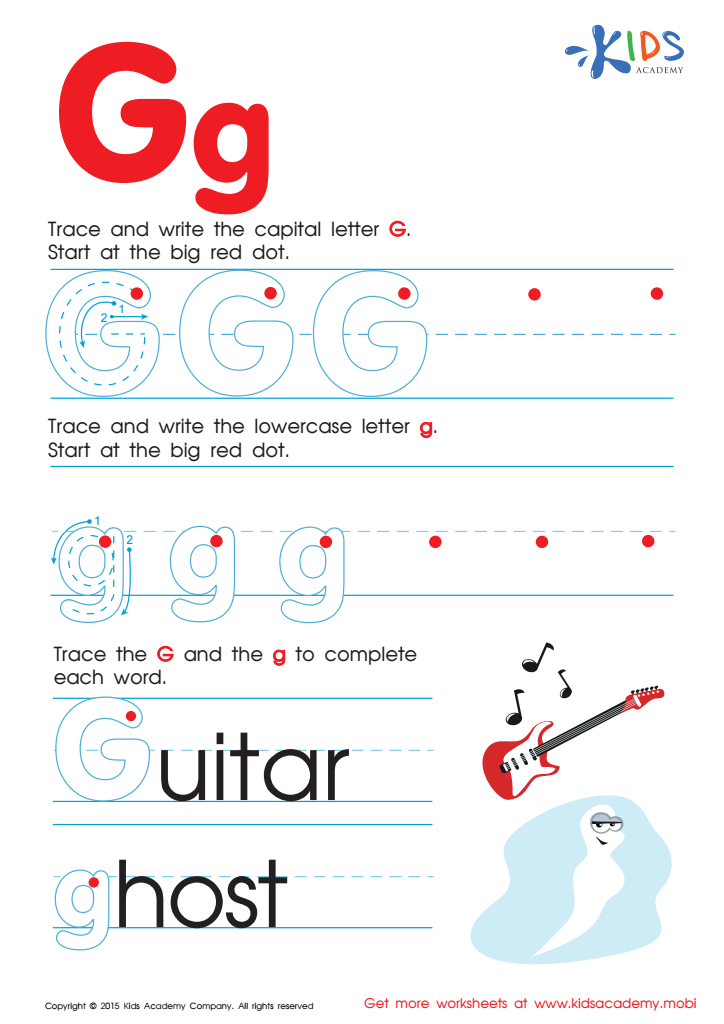
Letter G Tracing Page
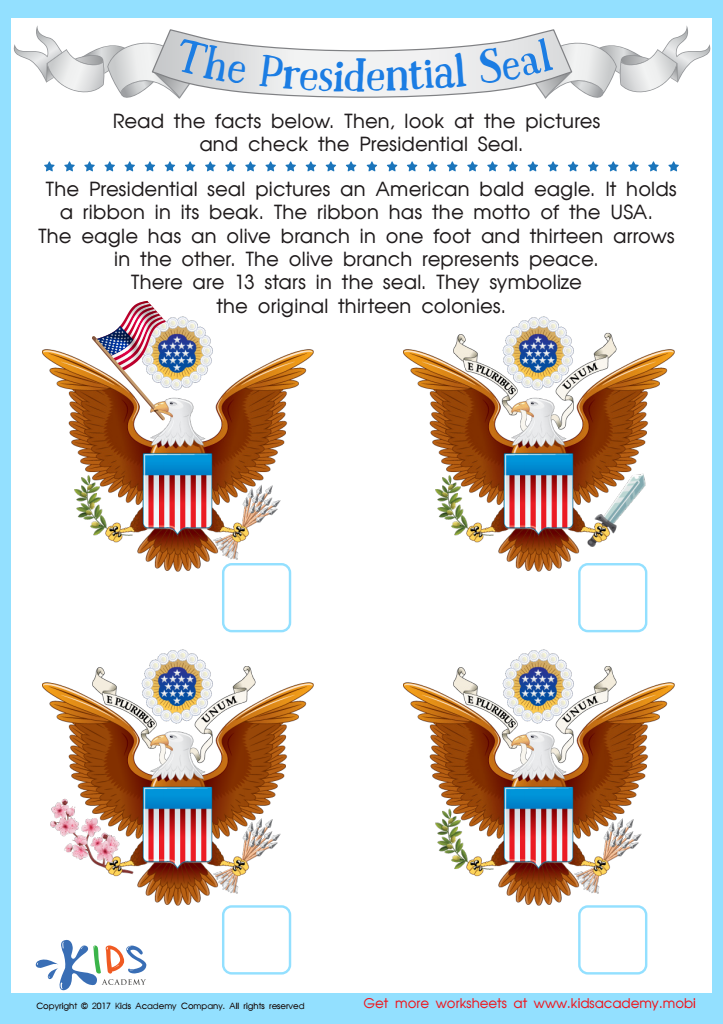
The Presidential Symbol Worksheet
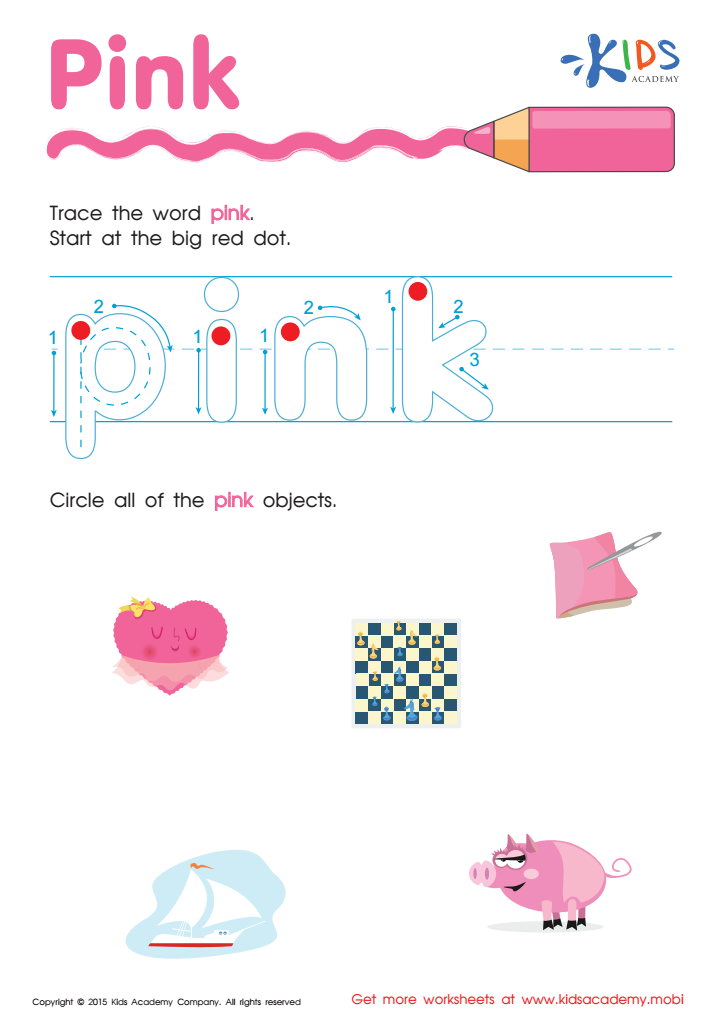
Pink Tracing Color Words Worksheet
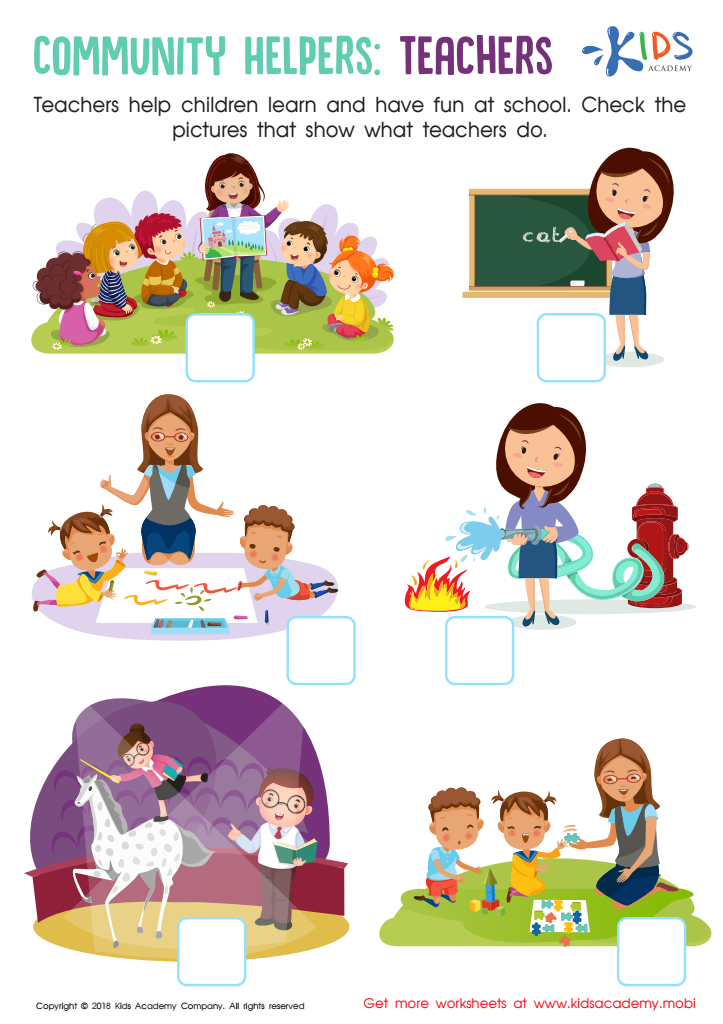
Teachers Community Helpers Worksheet
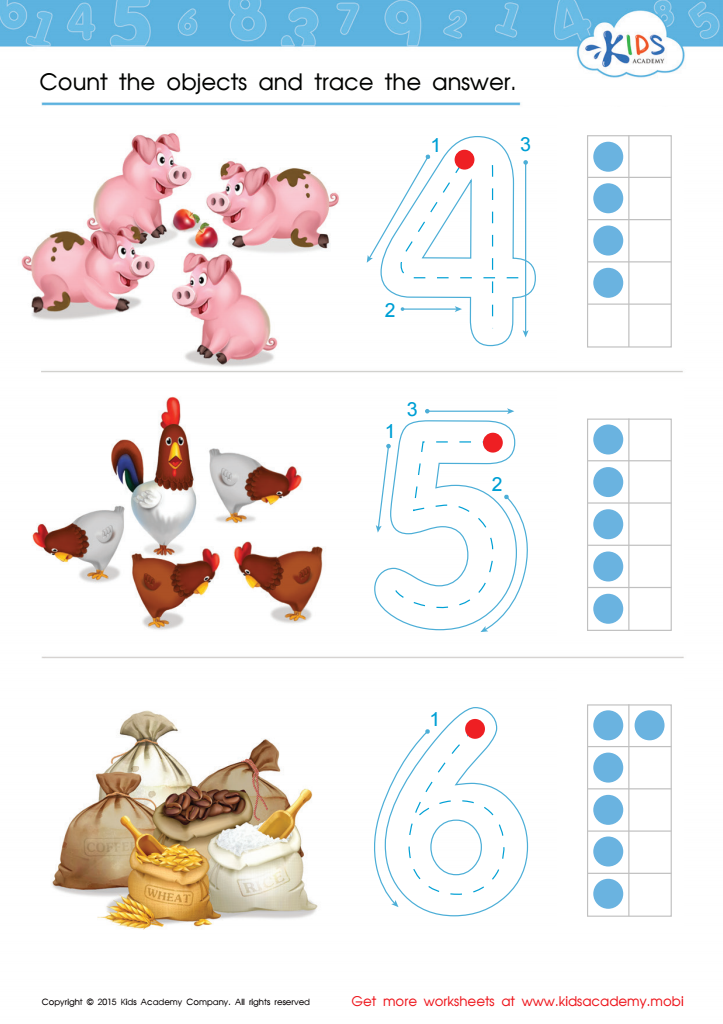
Count and Trace 4 – 6 Worksheet
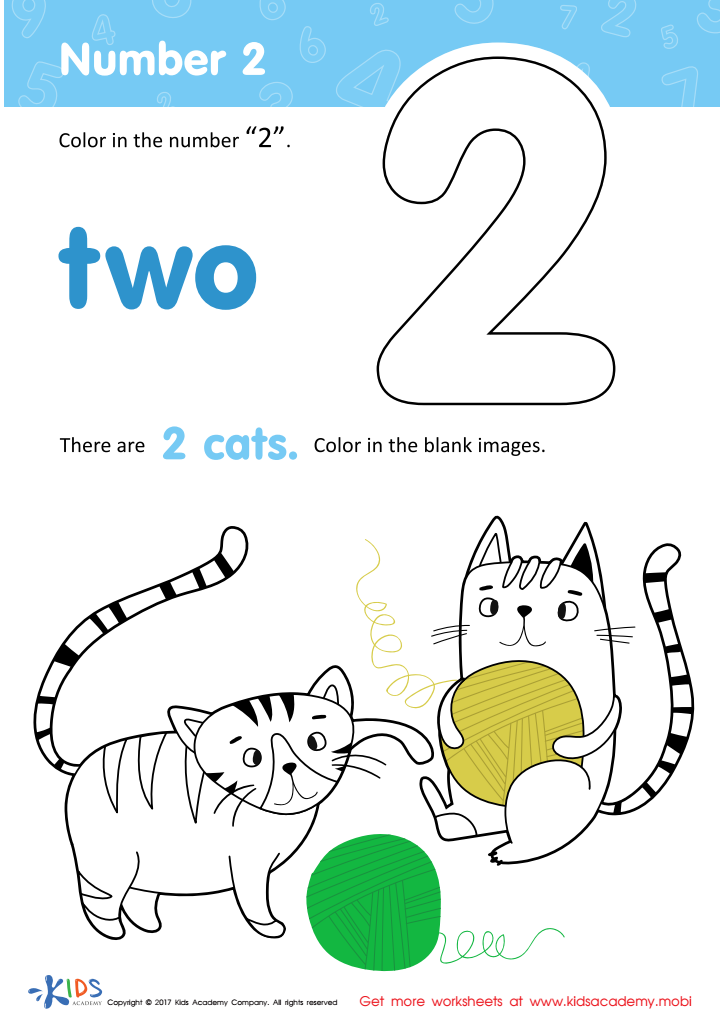
Number 2 Printable
Assign to My Students
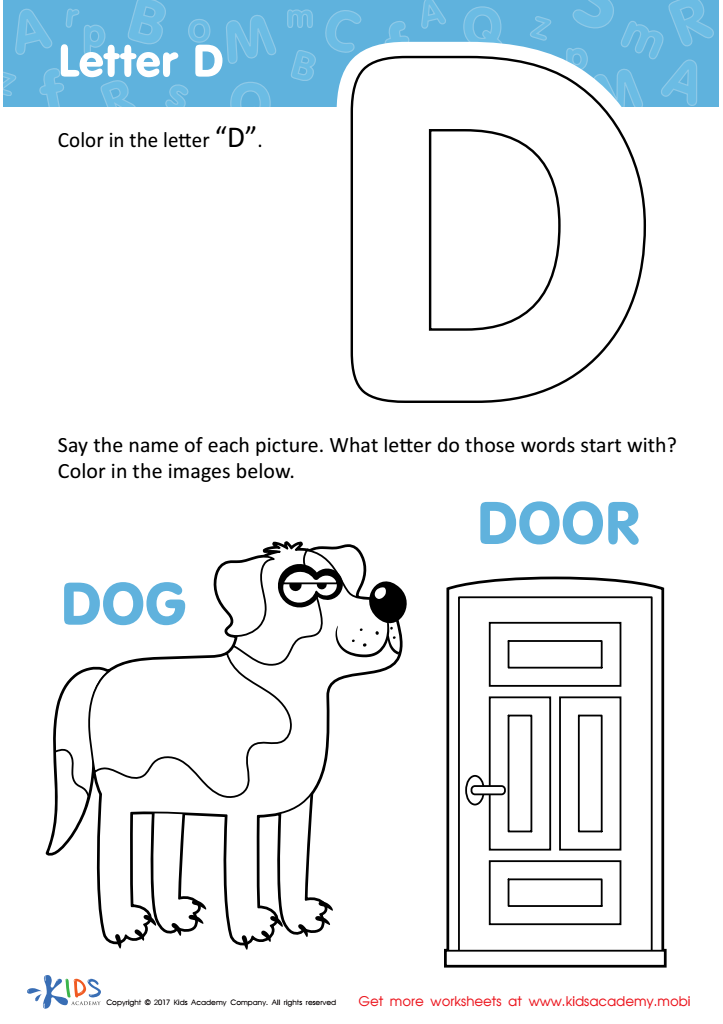
Letter D Coloring Sheet
Assign to My Students
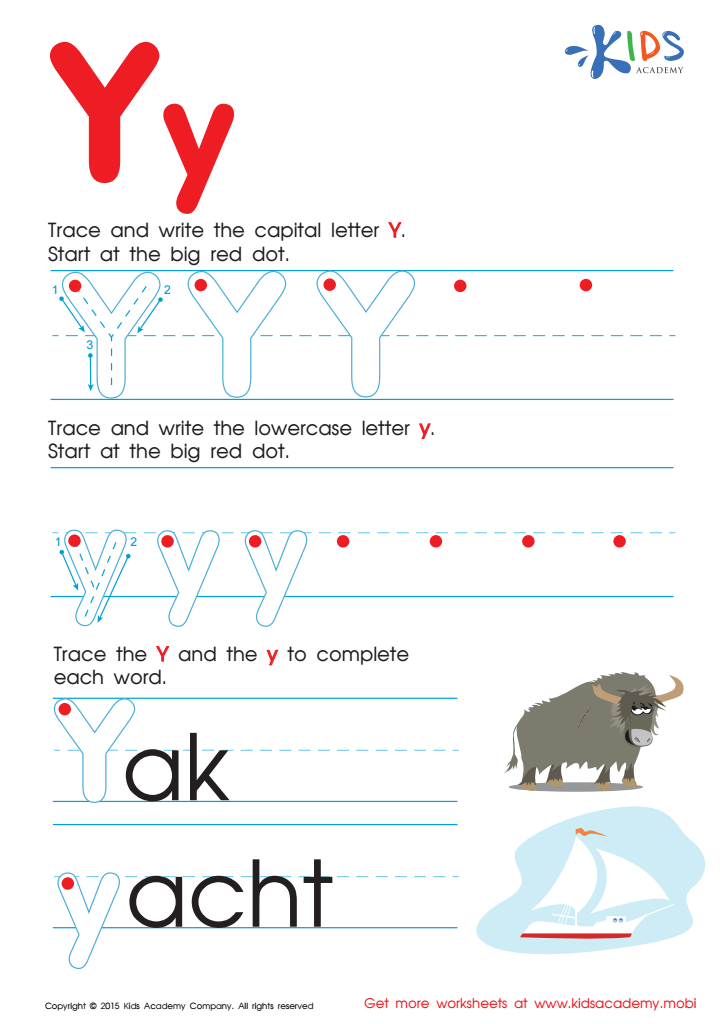
Letter Y Tracing Page
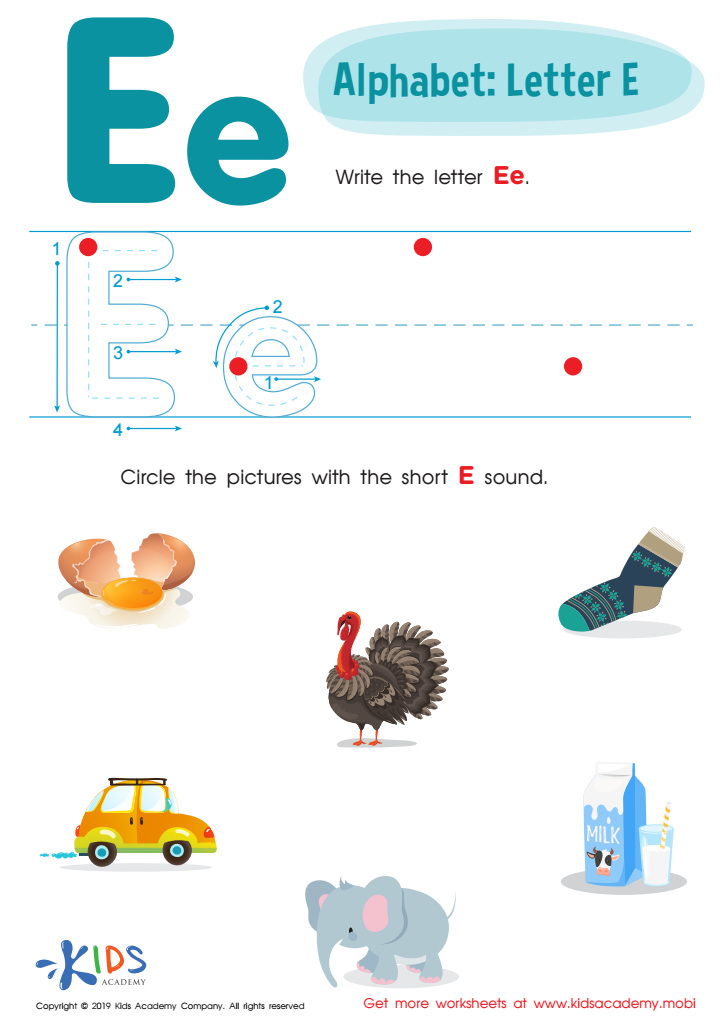
Letter E Tracing Worksheet
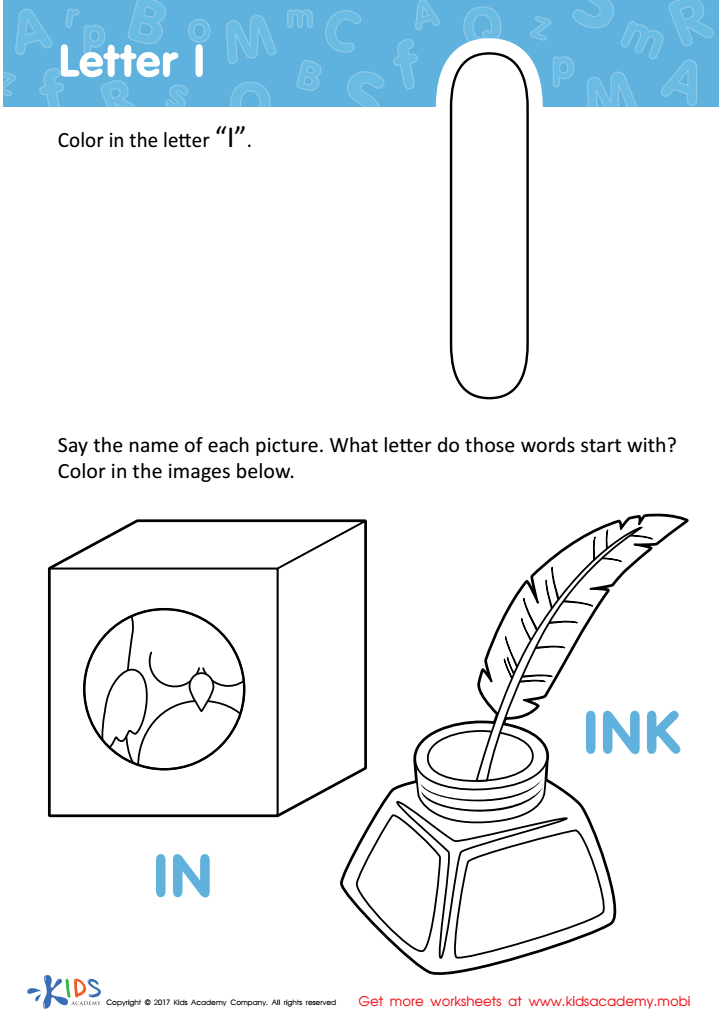
Letter I Coloring Sheet
Assign to My Students
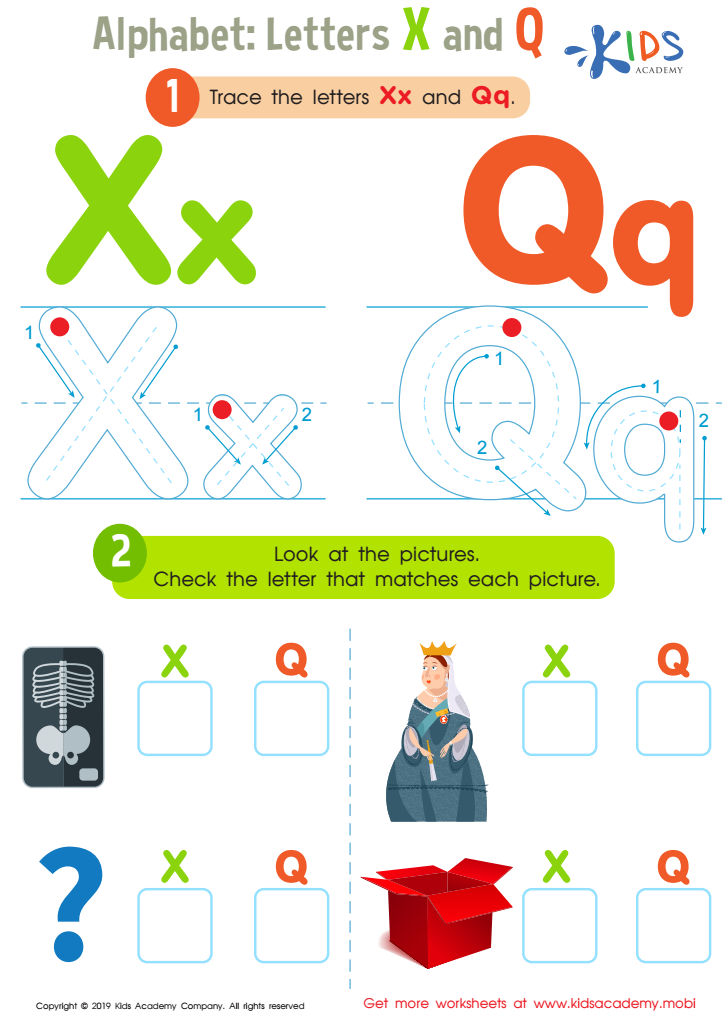
Letters X and Q Tracing Worksheet
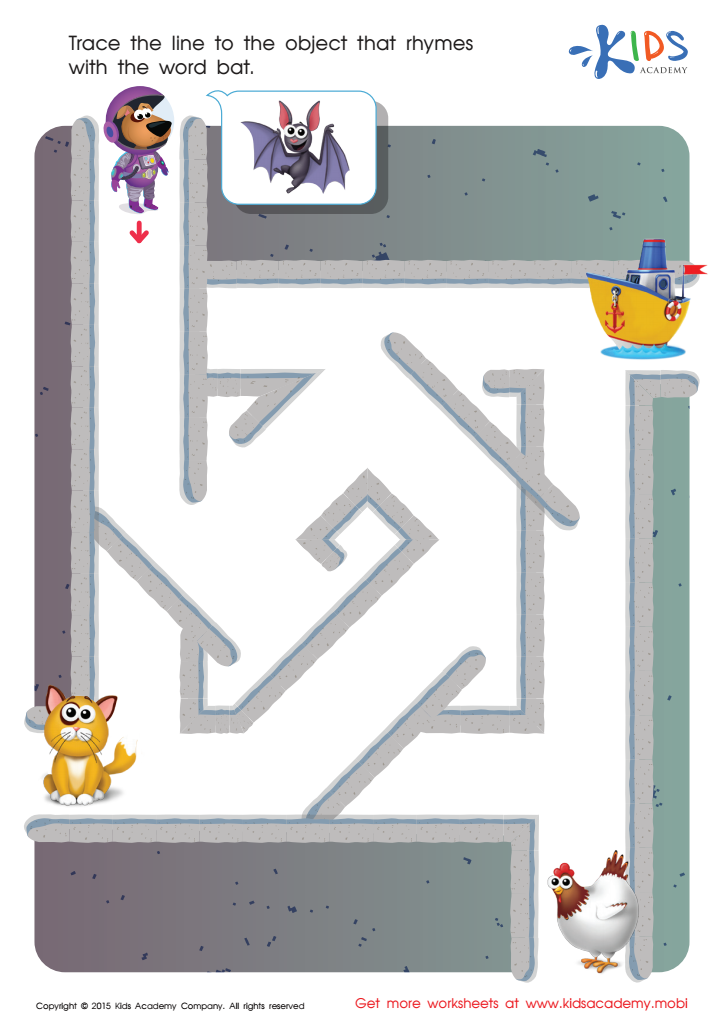
Bat Rhyming Words Worksheet
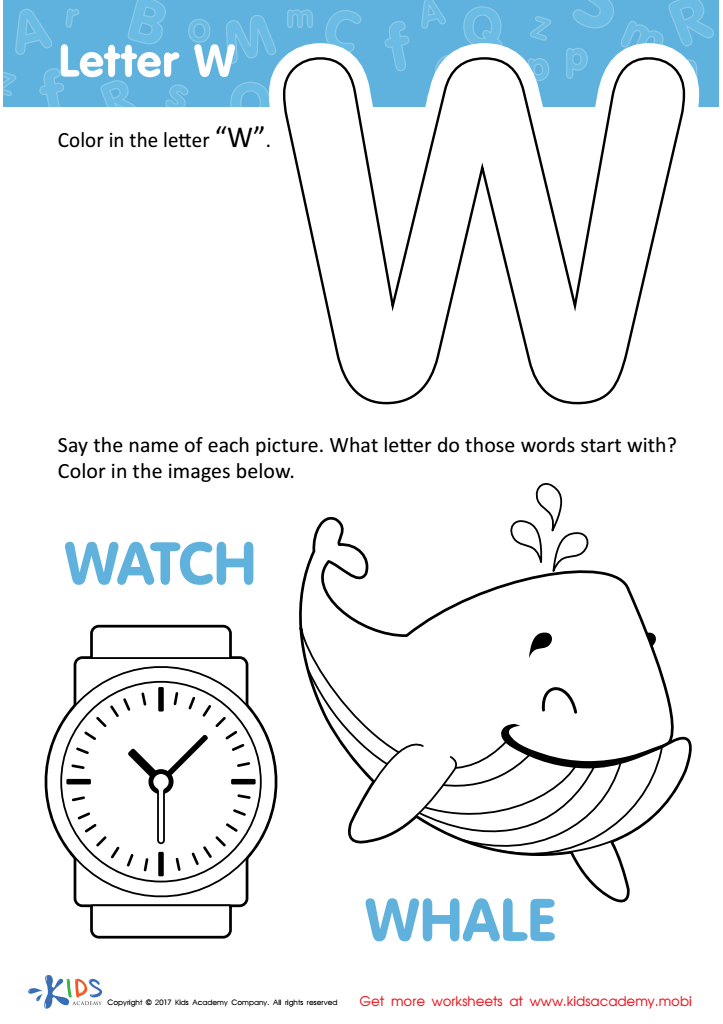
Letter W Coloring Sheet
Assign to My Students
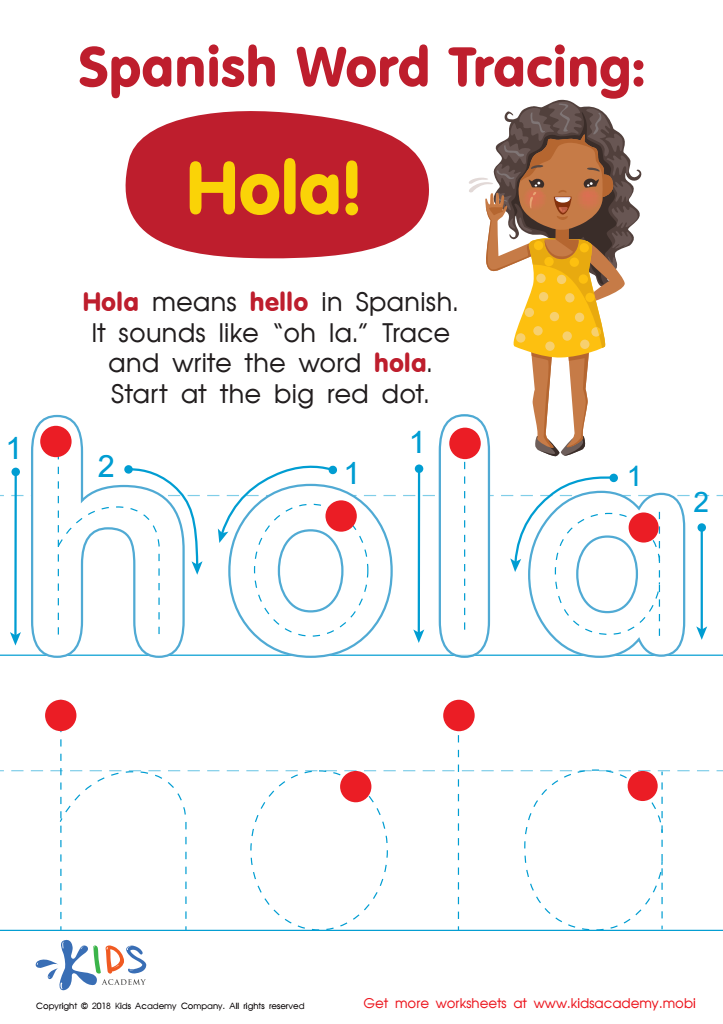
Spanish Word Tracing: Hola Worksheet
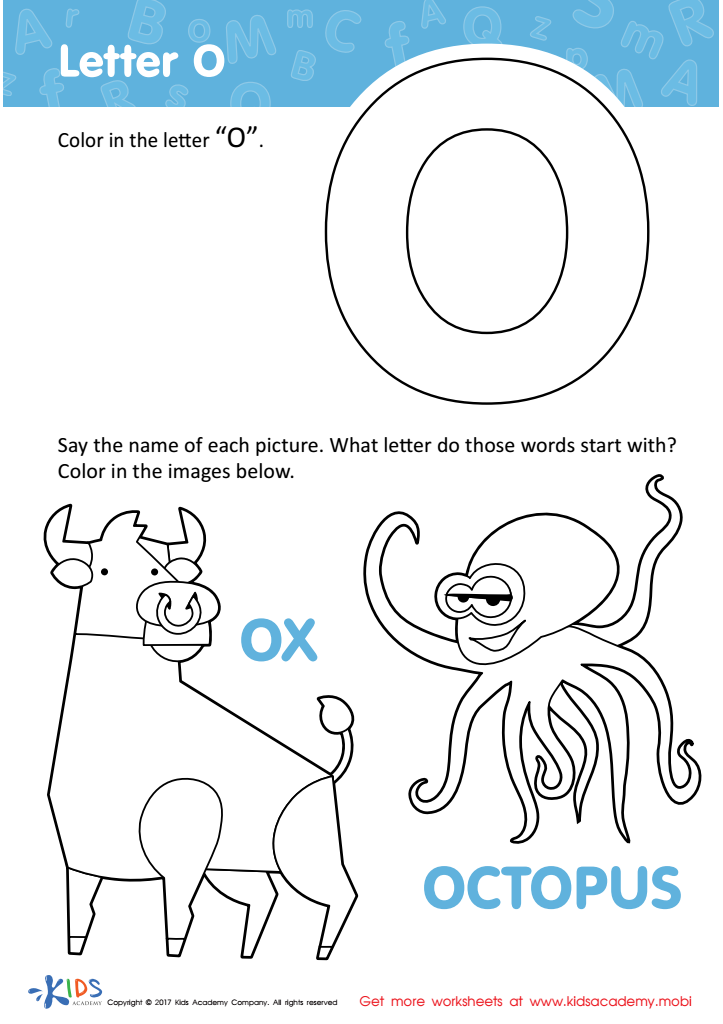
Letter O Coloring Sheet
Assign to My Students







Handwriting practice for children aged 5-8 is essential for multiple reasons. Firstly, developing strong handwriting skills lays the foundation for effective communication. At this age, children are honing their literacy skills, and the ability to express thoughts clearly on paper reinforces their learning and literacy development.
Moreover, handwriting involves fine motor skills, such as grip strength and hand-eye coordination. Regular practice strengthens these skills, which are critical for various daily tasks beyond writing, such as buttoning clothes or using utensils. Writing by hand can also enhance brain development; it engages different areas of the brain, improving memory and cognitive function.
Another important aspect is the mental discipline that writing instills. Children learn patience and perseverance as they strive to improve their handwriting, which translates to a stronger work ethic in other areas. Furthermore, confident handwriting can boost self-esteem, helping children feel more capable and willing to participate in class activities.
Lastly, handwriting offers a personal touch to communication, enabling children to express their individuality and emotions. Parents and teachers should prioritize handwriting practice to support holistic development, cultivate essential lifelong skills, and promote a sense of achievement in young learners.








