Introduction to mathematics Worksheets for Ages 5-8
3 filtered results
-
From - To
Welcome to our "Introduction to Mathematics Worksheets for Ages 5-8"! Our carefully designed worksheets aim to ignite a passion for learning in young minds while laying a strong foundation in essential math skills. These engaging activities cover basic concepts such as numbers, counting, addition, and shapes through colorful illustrations and interactive exercises that keep children motivated and eager to learn. Perfect for home or classroom use, these worksheets cater to various learning styles and help develop problem-solving abilities in a fun way. Start your child's educational journey with our comprehensive math resources and watch them thrive in mathematics!
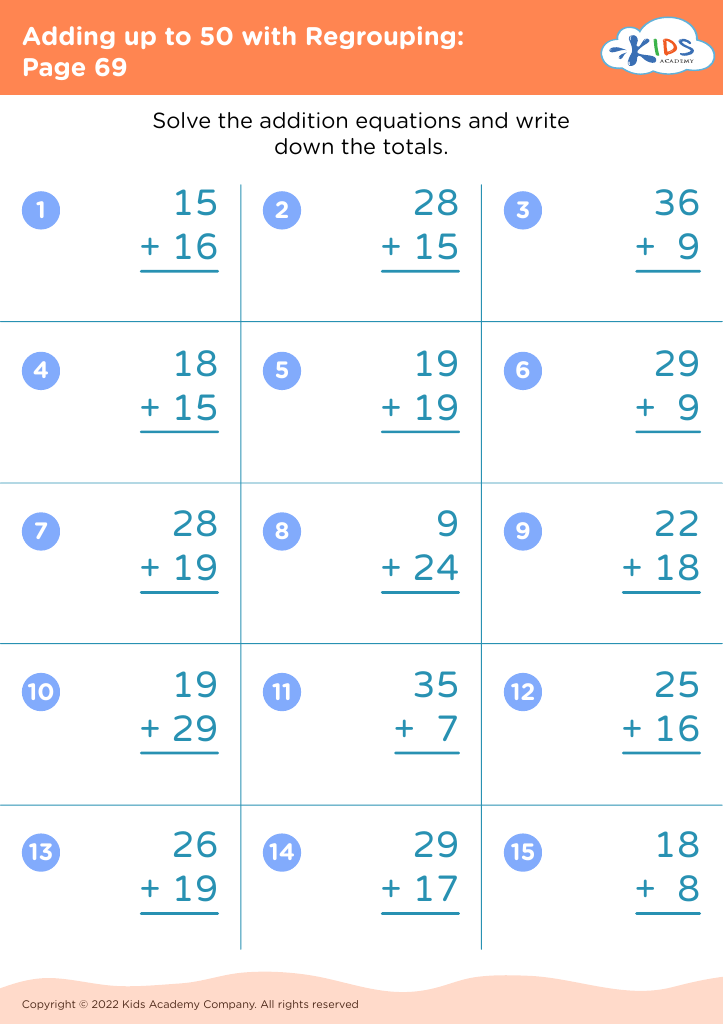
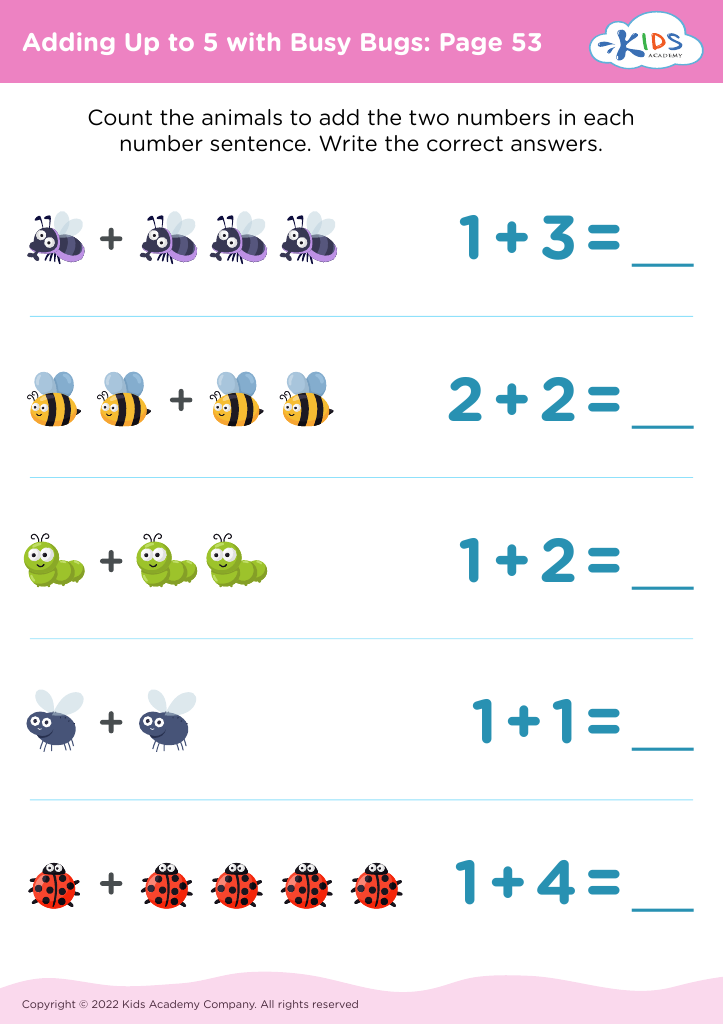
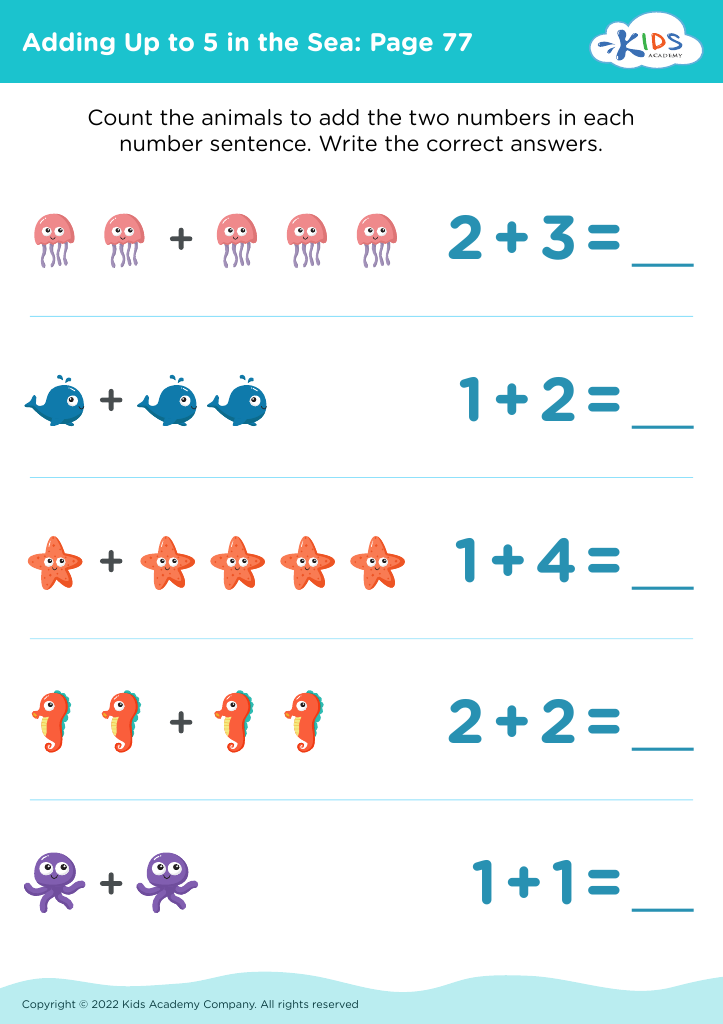


.jpg)





Introduction to mathematics for ages 5-8 is crucial for young learners as it lays the foundation for their future mathematical understanding and skills. During this developmental stage, children are naturally curious and eager to explore numbers, patterns, and shapes. Engaging them in mathematical concepts enhances critical thinking and problem-solving skills, nurturing a positive attitude towards learning.
Parents and teachers play a vital role in facilitating this interest. Early exposure to mathematics fosters cognitive development, enabling children to make connections between mathematical ideas and real-life situations. Learning through games, stories, and hands-on activities ensures that math becomes less intimidating and more enjoyable, encouraging a lifelong love for the subject.
Moreover, a solid foundation in mathematics is essential for academic success in later years. It helps build confidence, as students who struggle with basic math early on may encounter challenges in advanced concepts. By embracing math at a young age, parents and teachers are investing in a child’s future, ensuring they develop not only operational skills but also a sense of perseverance and resilience.
In sum, prioritizing early mathematics education fosters well-rounded, capable individuals who are prepared for the complexities of today's world.








