Visual Perception Skills Worksheets for Ages 5-8
21 filtered results
-
From - To
Enhance your child's visual perception skills with our engaging worksheets designed specifically for ages 5-8. These resources are perfect for developing essential skills such as visual discrimination, spatial awareness, and shape recognition. Each worksheet offers interactive activities that are not only fun but also reinforce critical thinking and problem-solving abilities. Tailored for early learners, our visual perception skills worksheets promote focus and attention to detail, setting a strong foundation for future academic success. Ideal for homeschooling or classroom use, these worksheets will make learning an exciting adventure for your child. Start fostering their visual skills today with our thoughtfully created activities!
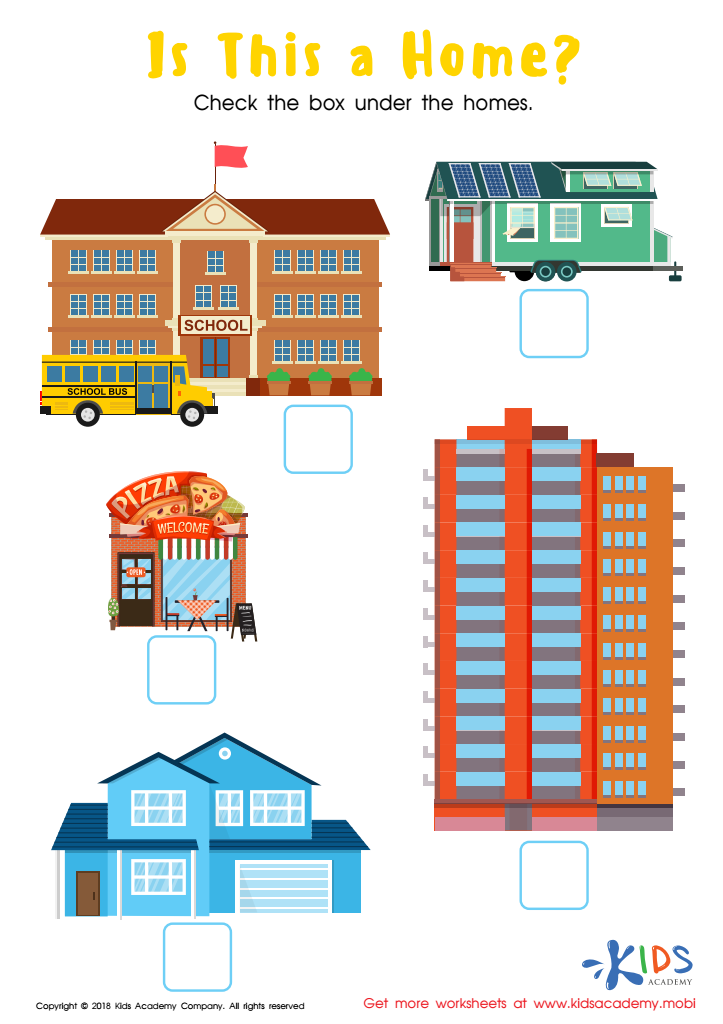
Is this a Home? Worksheet
 Assign to My Students
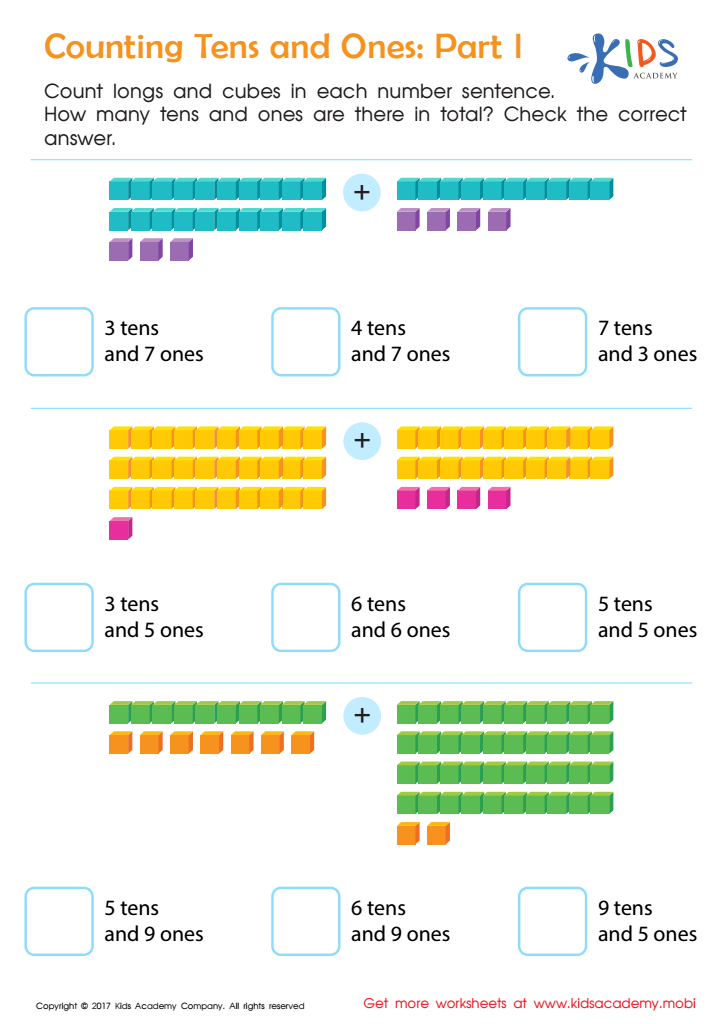
Counting Tens and Ones: Part 1 Worksheet
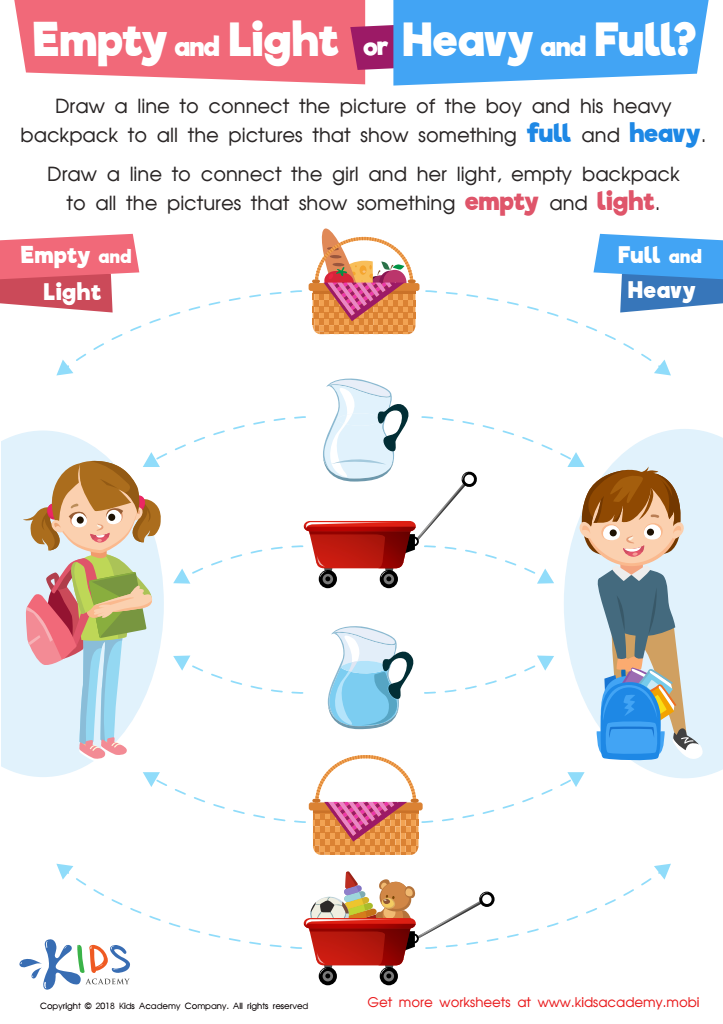
Empty and Light or Heavy and Full? Worksheet
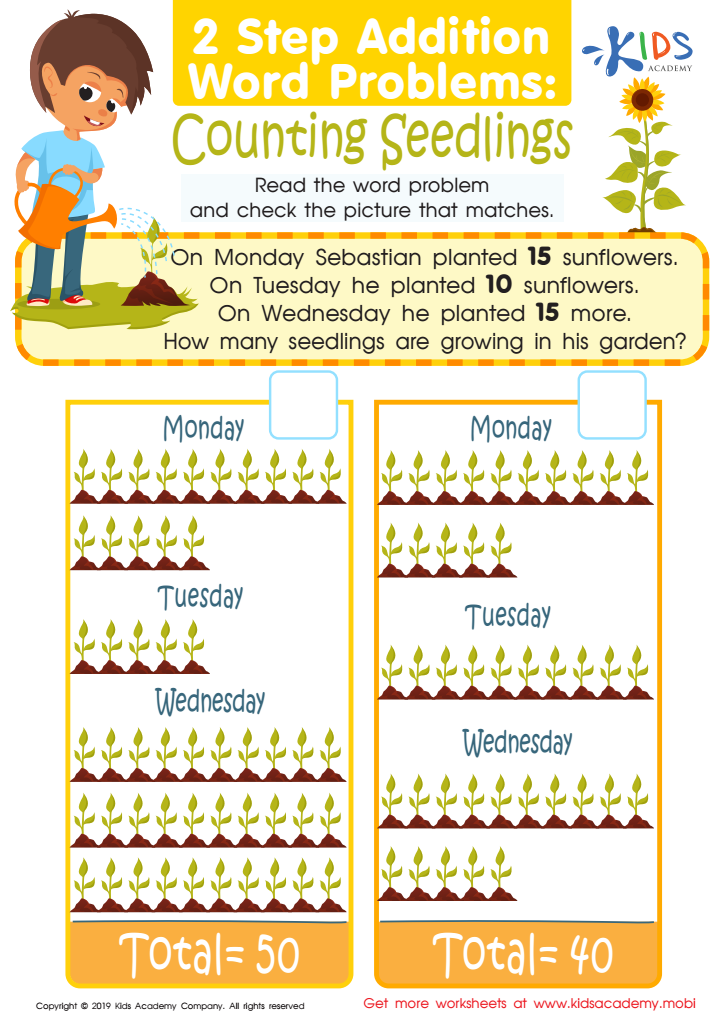
Counting Seedlings Worksheet
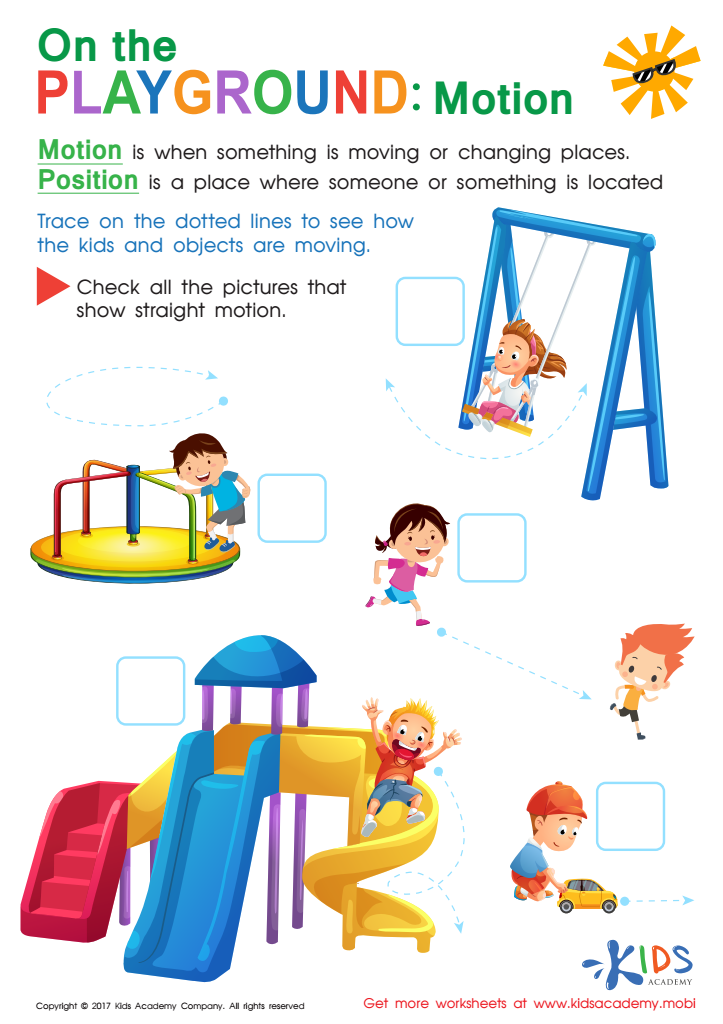
Position and Motion Worksheet
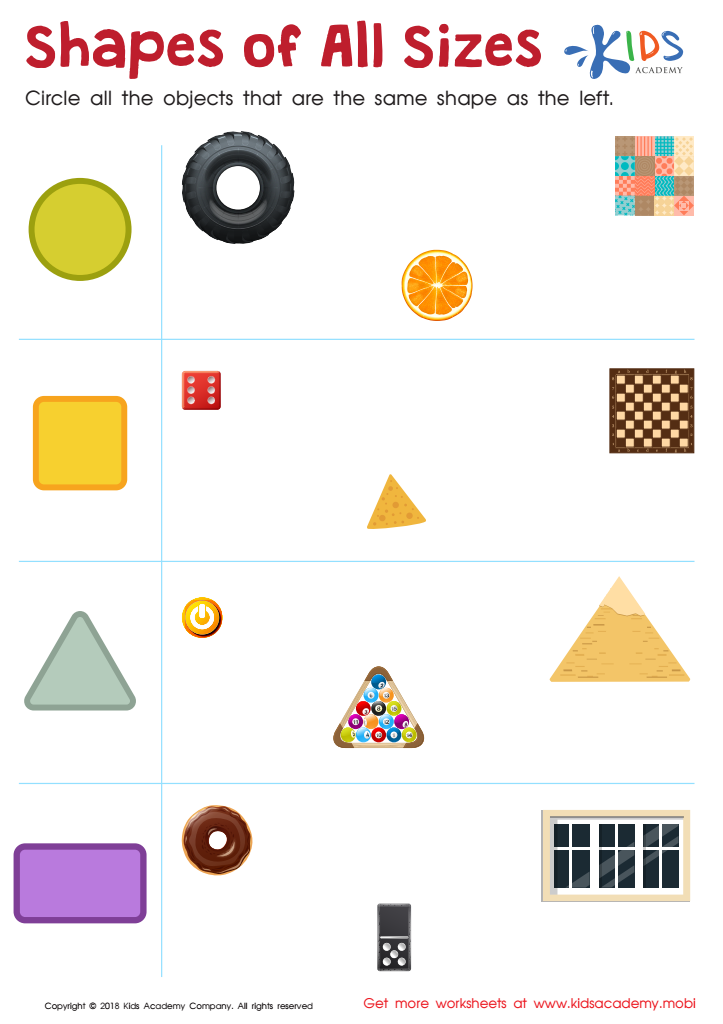
Shapes of All Sizes Worksheet
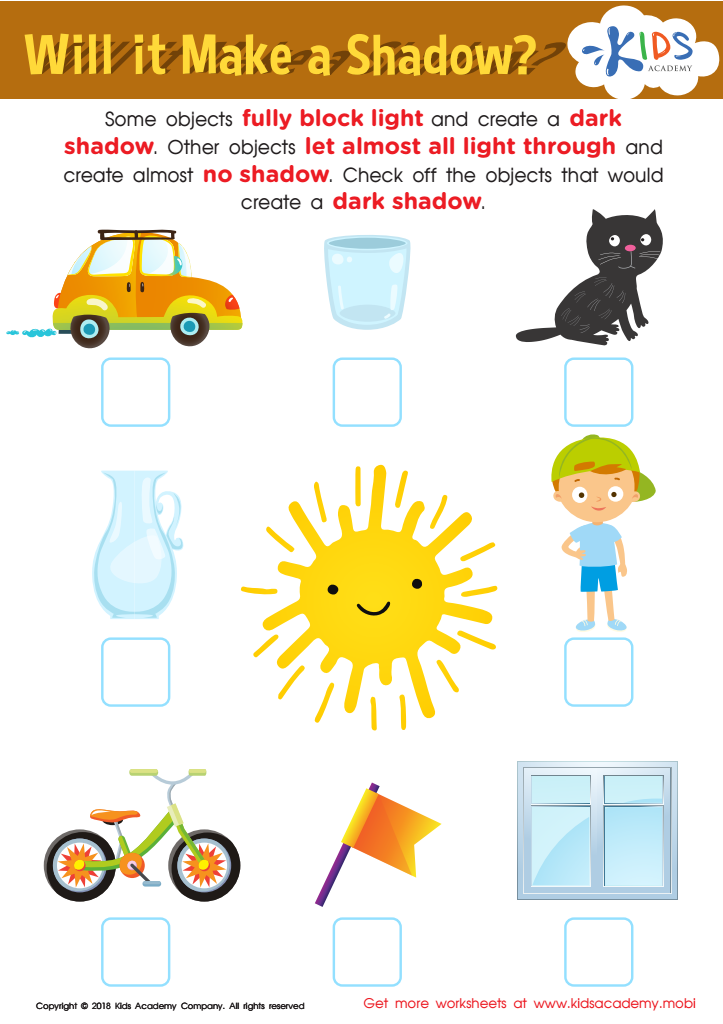
Will It Make a Shadow? Worksheet
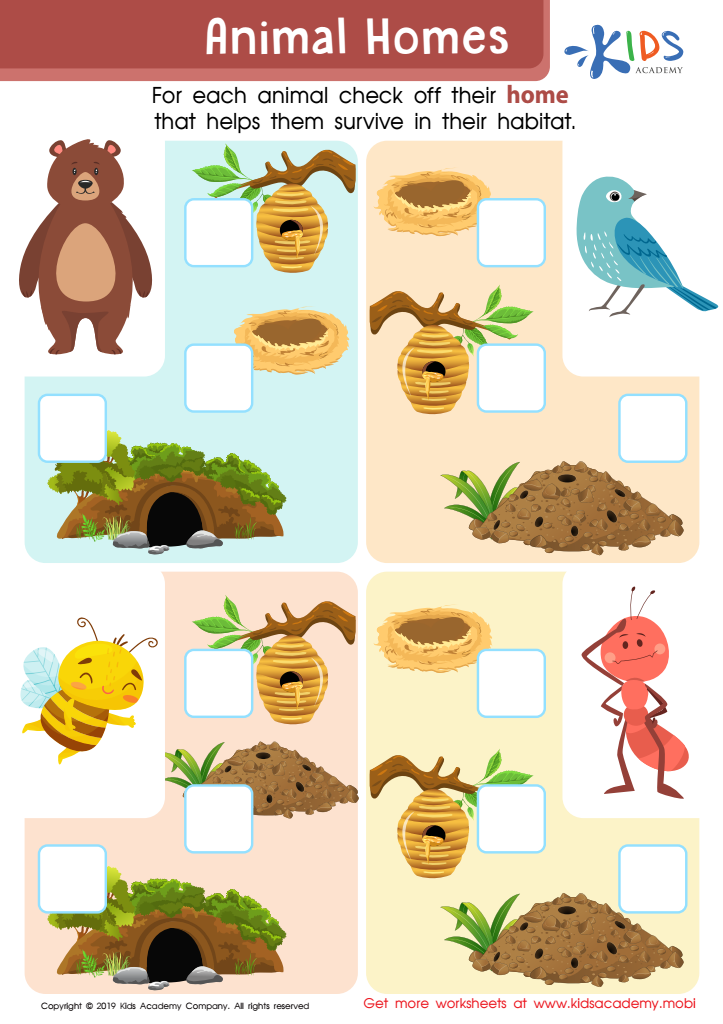
Animal Homes Worksheet
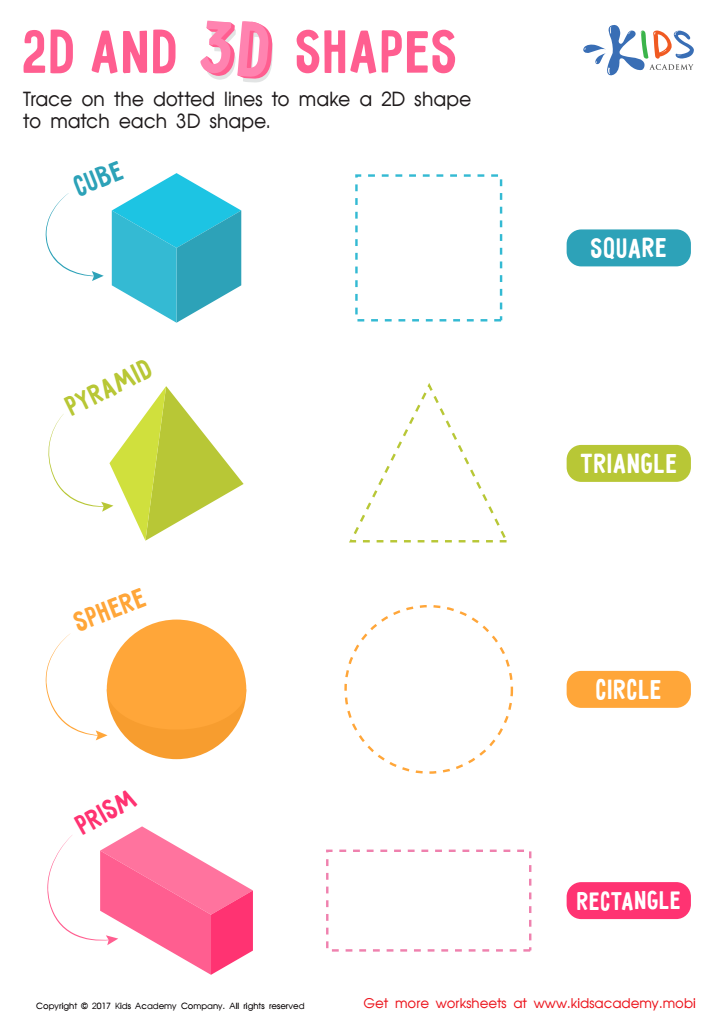
2D and 3D Shapes Worksheet
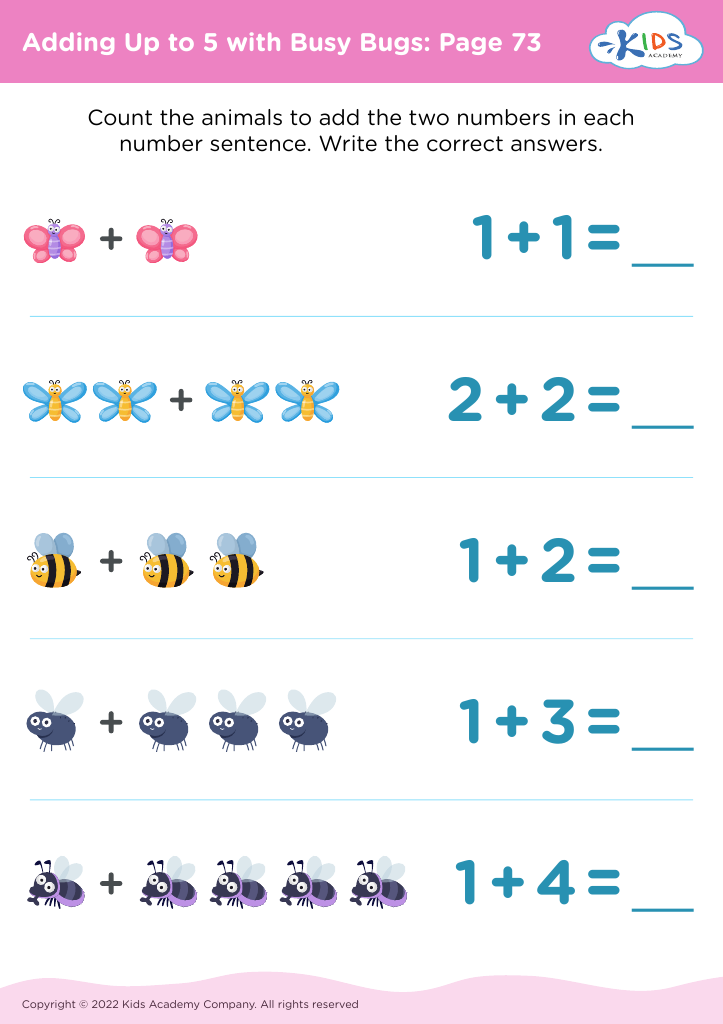
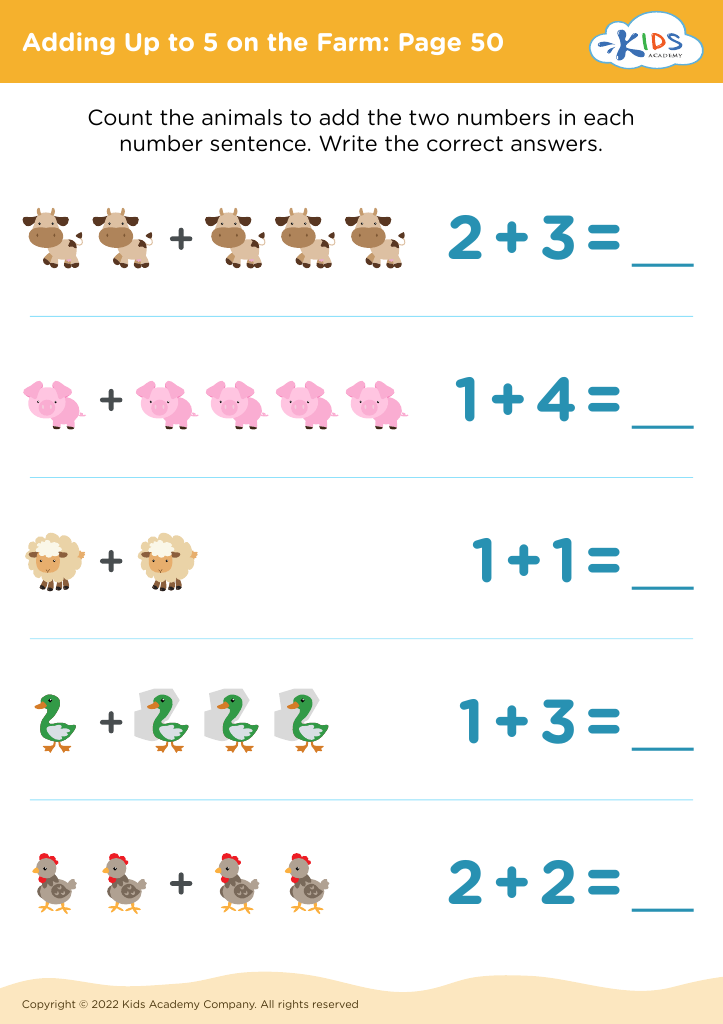
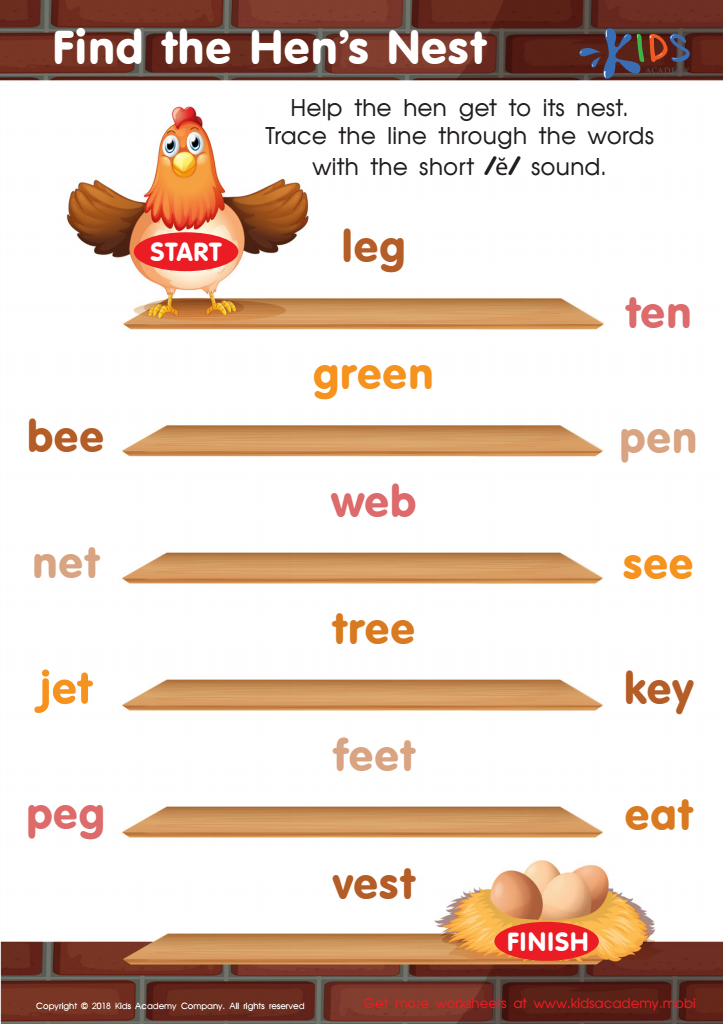
Find Hens Nest Reading Worksheet
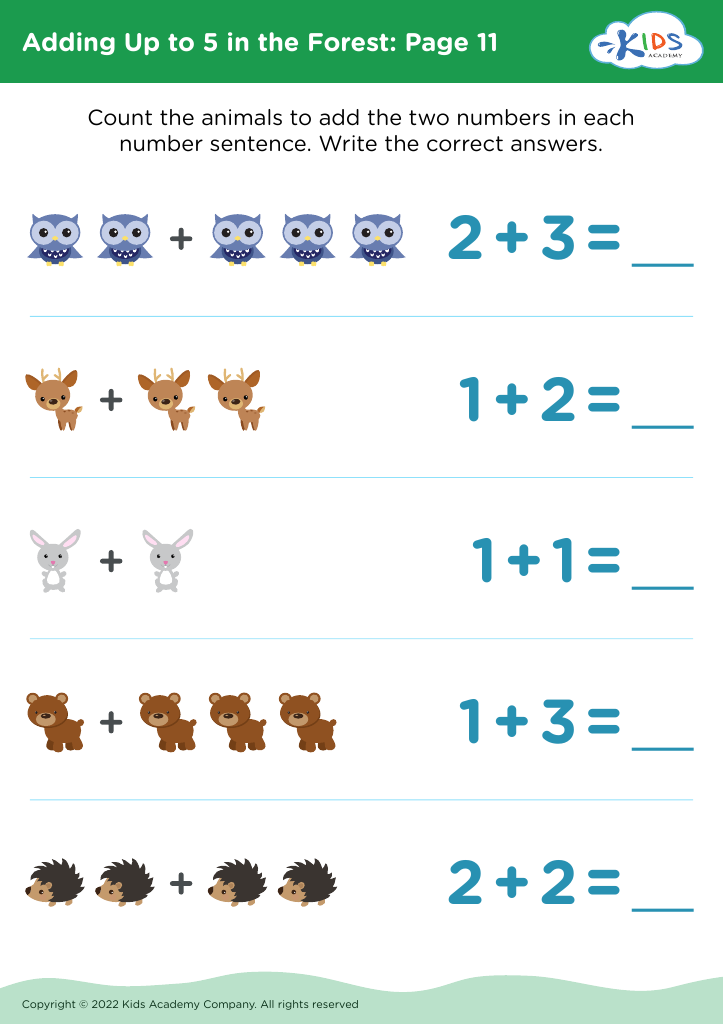
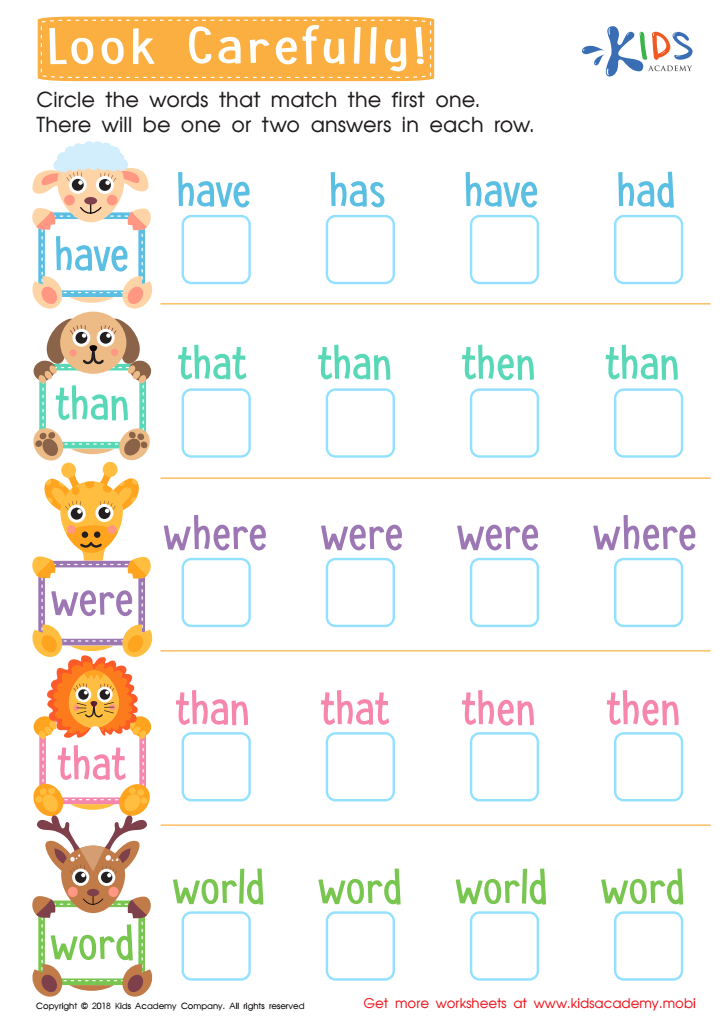
Look Carefully Worksheet
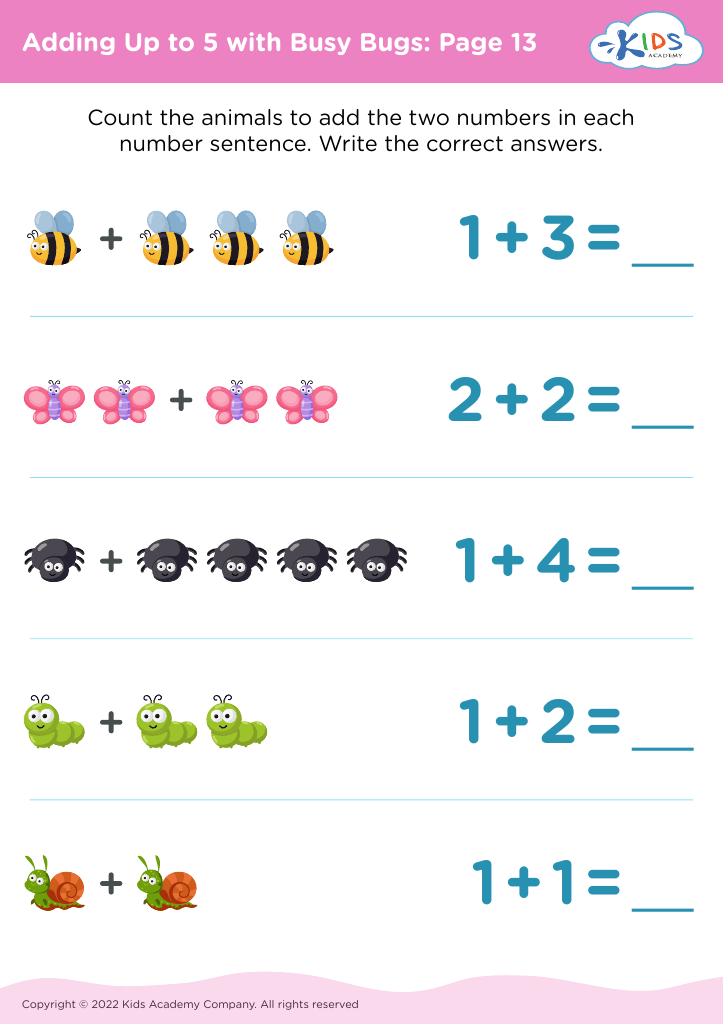
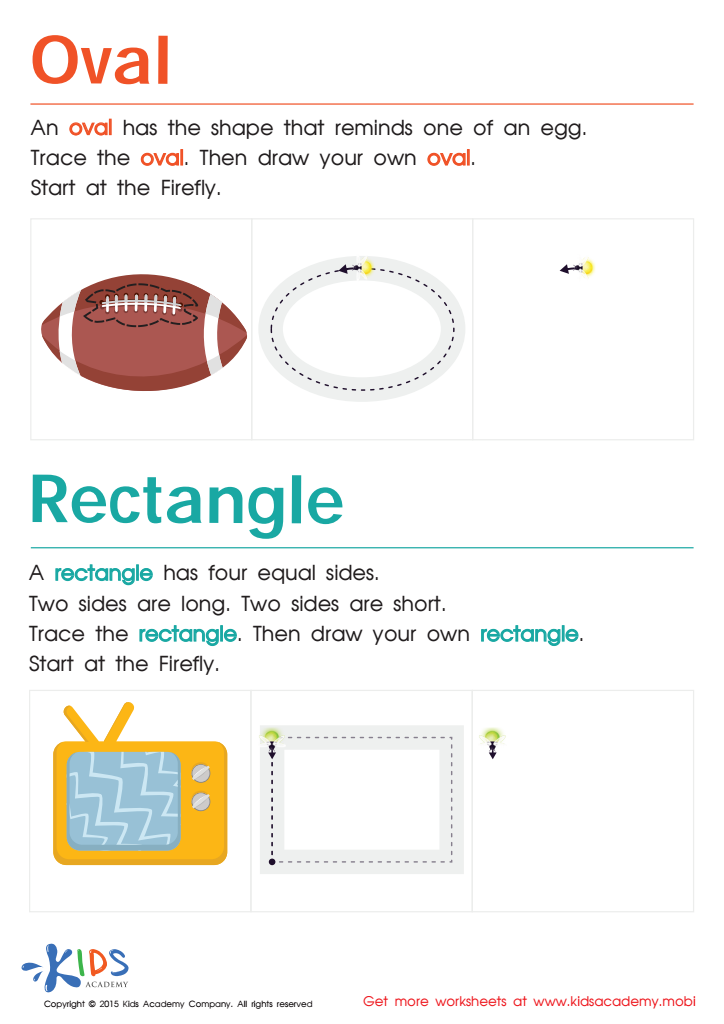
Easy Drawing of Ovals And Rectangles Worksheet
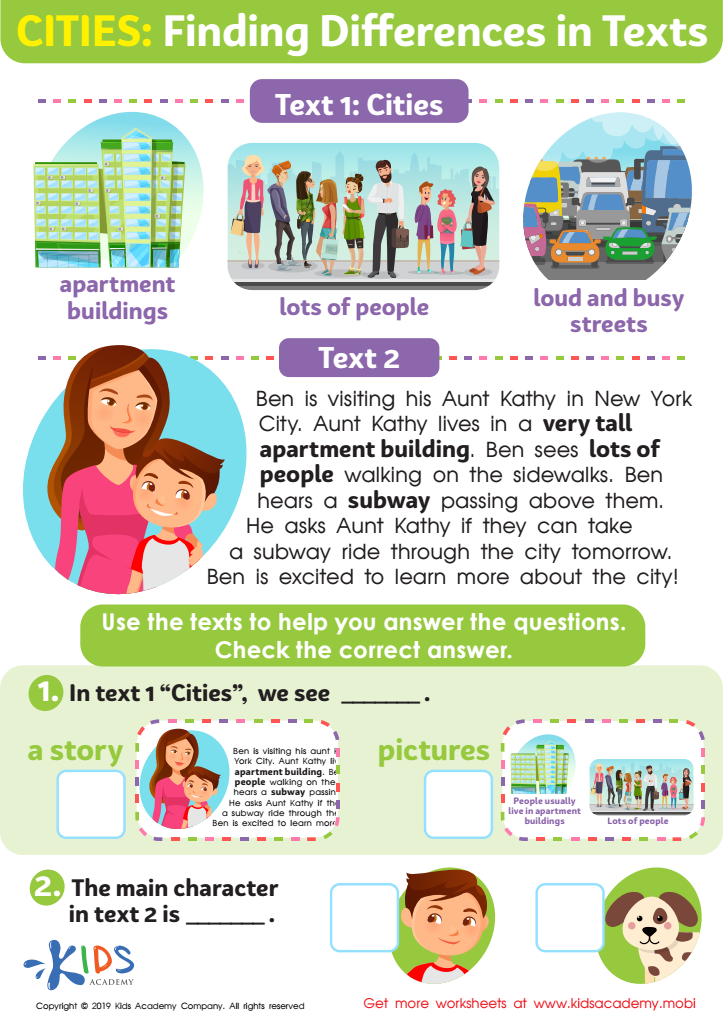
Cities: Finding Differences Worksheet

Take a Look - Part 1 Worksheet
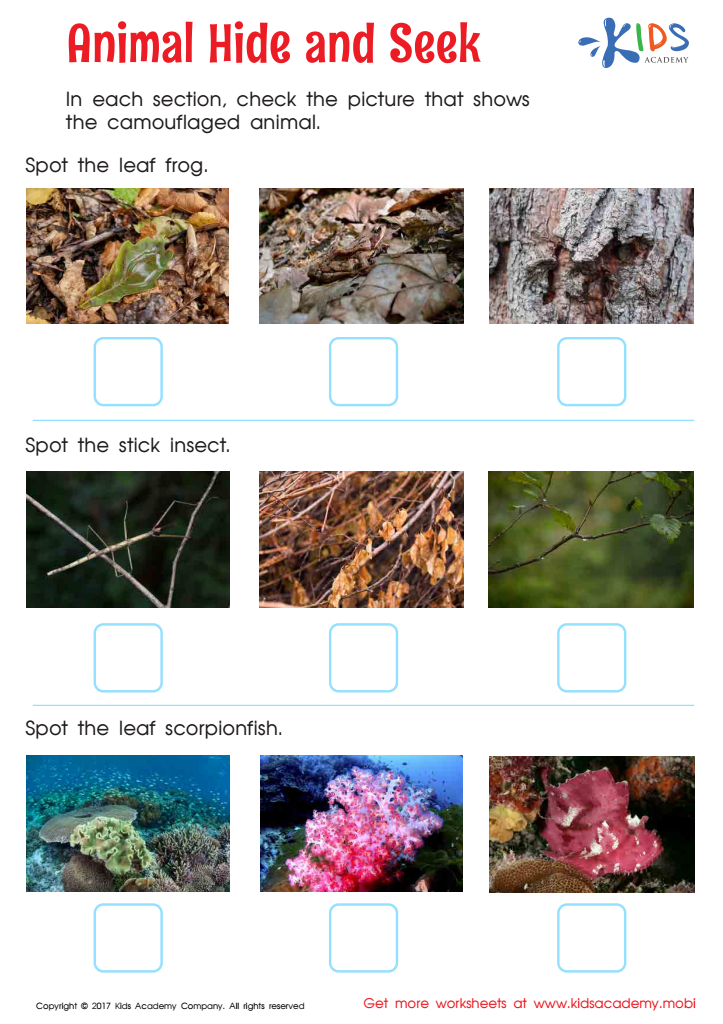
Animal Hide and Seek Worksheet
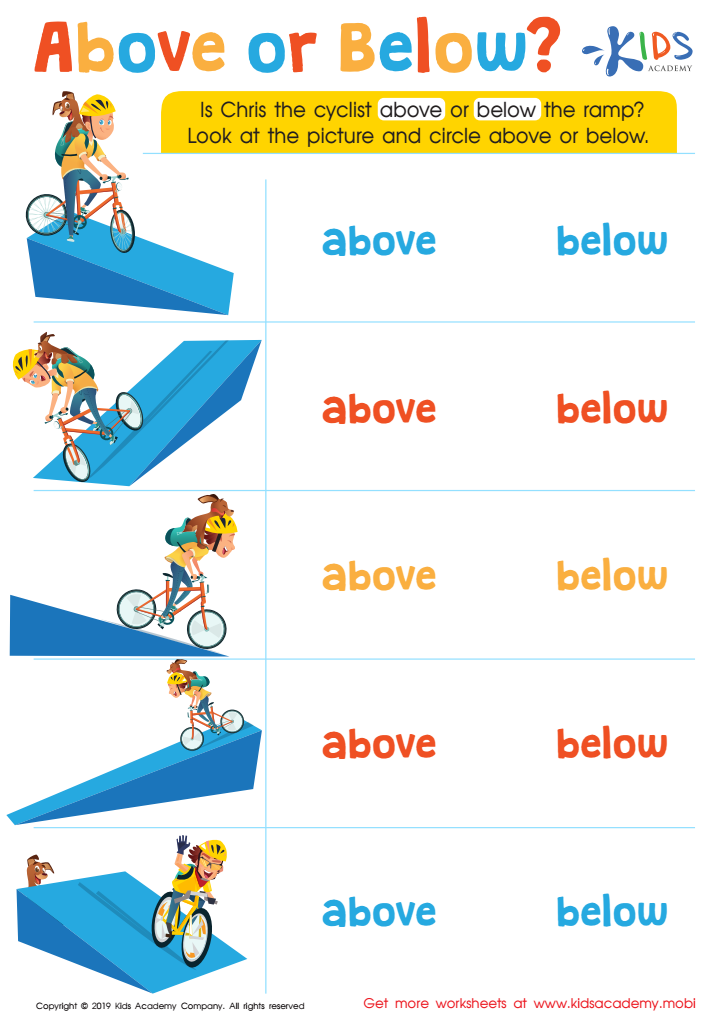
Above or Below? Worksheet
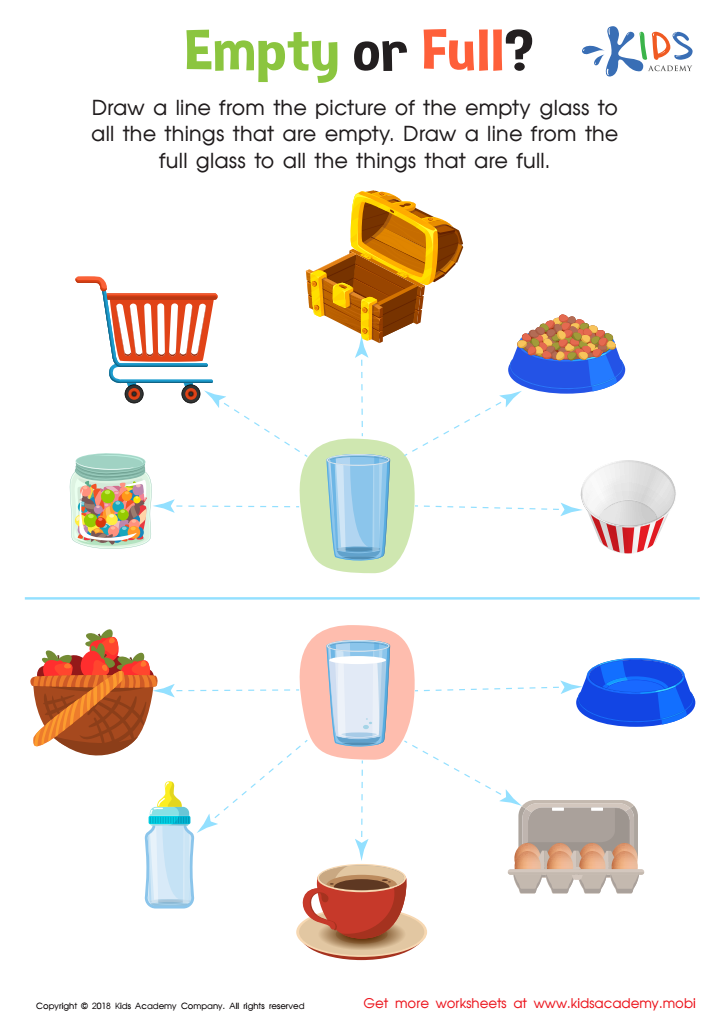
Empty or Full? Worksheet







Visual perception skills are crucial for children ages 5 to 8 as they play a significant role in their overall learning and development. At this stage, children's ability to interpret, evaluate, and respond to visual information is foundational for academics and daily life skills. These skills encompass the capacity to recognize shapes, distinguish colors, track moving objects, and understand spatial relationships.
Parents and teachers should care about these skills because they directly influence a child’s ability to read, write, and engage in problem-solving activities. For instance, strong visual perception can enhance reading comprehension by helping kids decipher letters and words, while effective spatial skills support geometry understanding in math.
Moreover, visual perception is linked to fine motor skills, such as writing and drawing, critical for self-expression and communication. By fostering these skills early on, parents and educators can equip children with the tools they need for academic success and confidence. Activities such as puzzles, eye-tracking games, and art projects can be effective ways to enhance visual perception in a fun and engaging manner. Ultimately, developing these skills early sets a strong foundation for lifelong learning and critical thinking.








