Visual perception Worksheets for Ages 5-8 - Page 3
63 filtered results
-
From - To
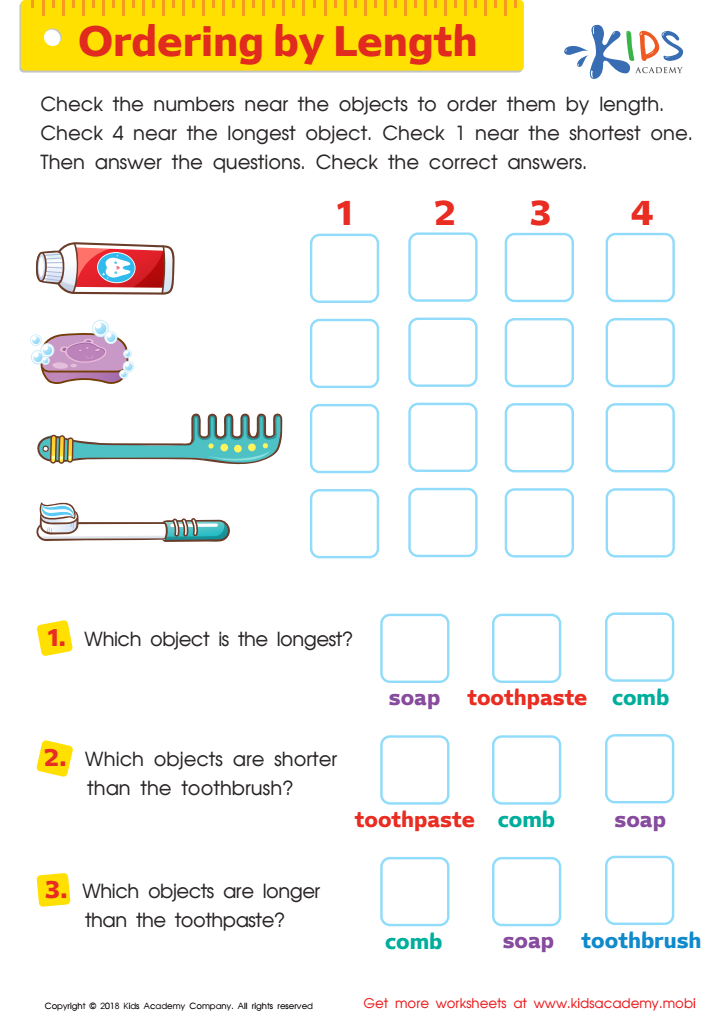
Ordering by Length Worksheet
 Assign to My Students
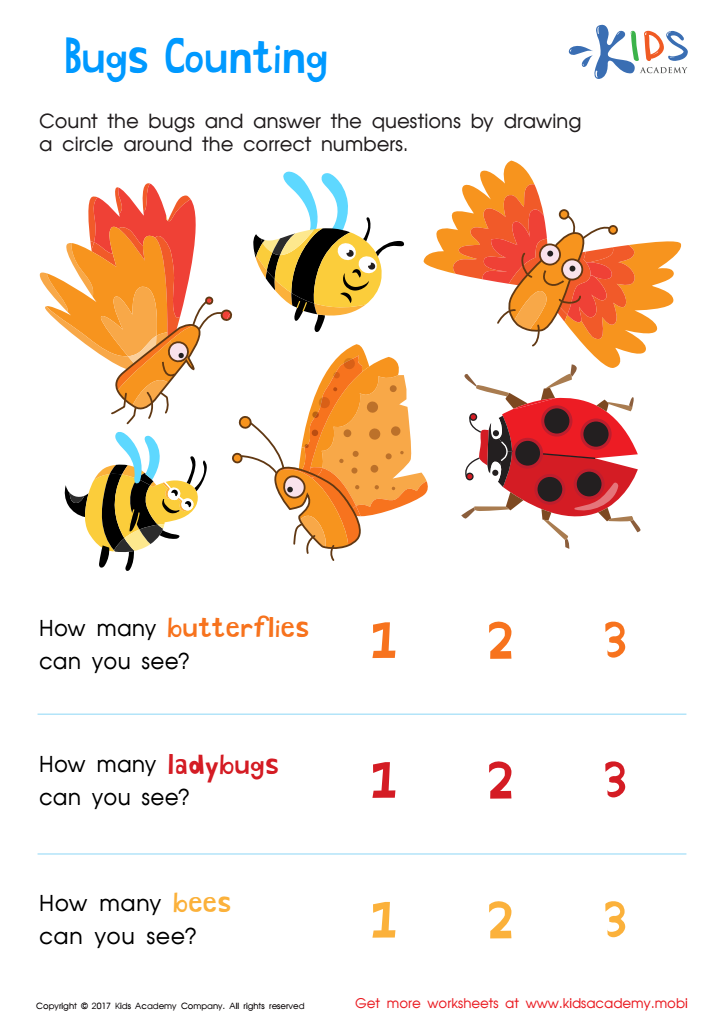
Bugs Counting Worksheet
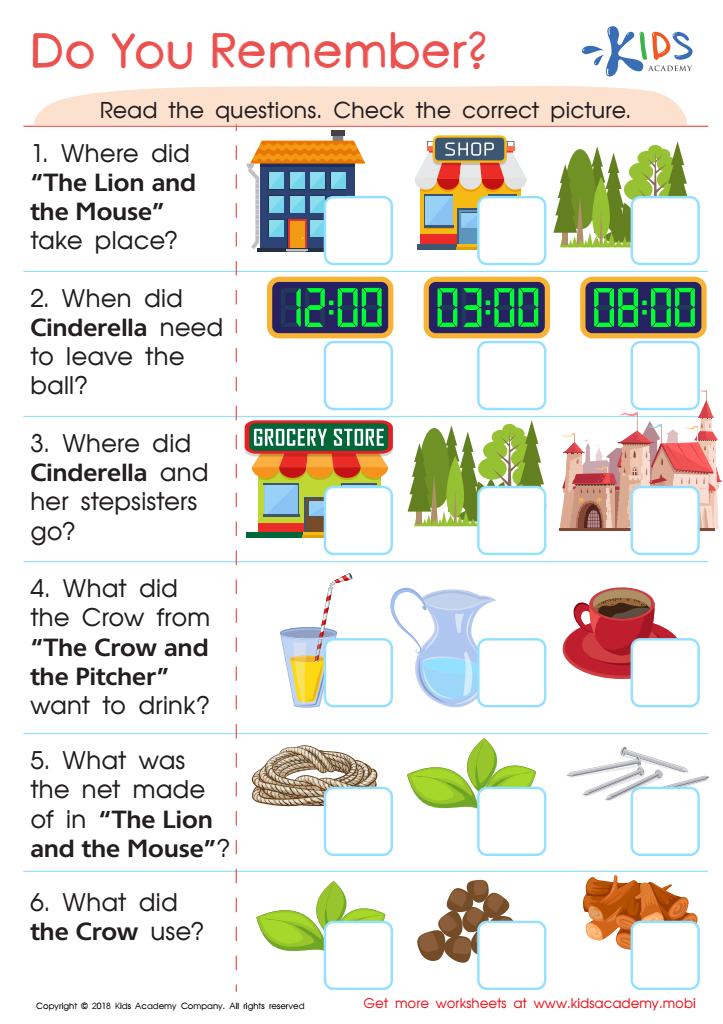
Do You Remember? Worksheet
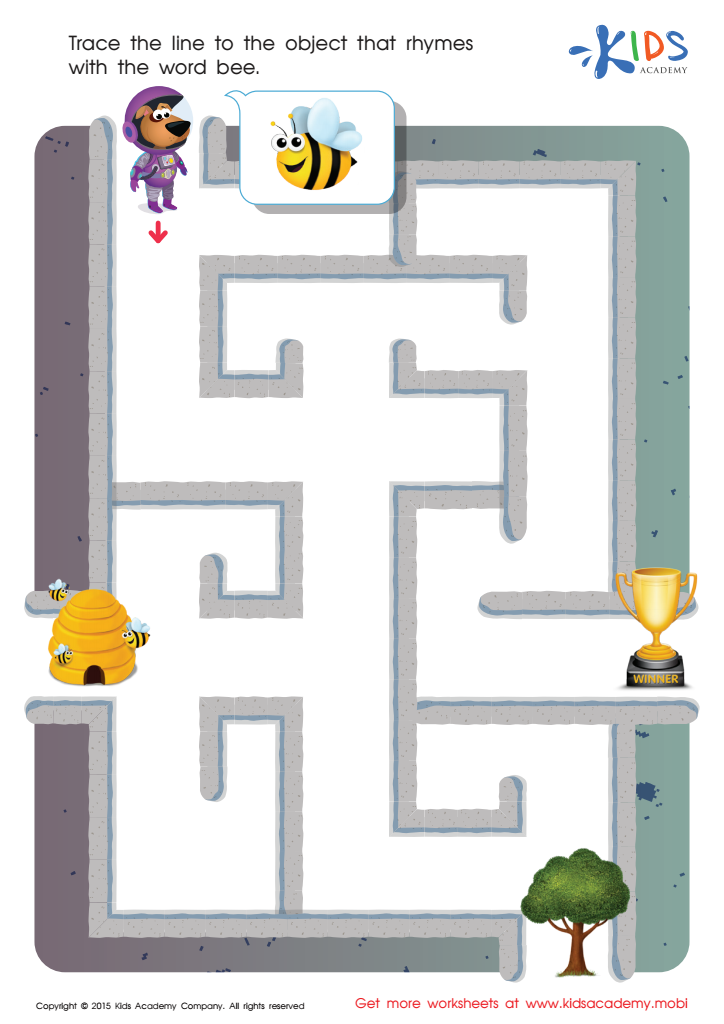
Bee Rhyming Words Worksheet
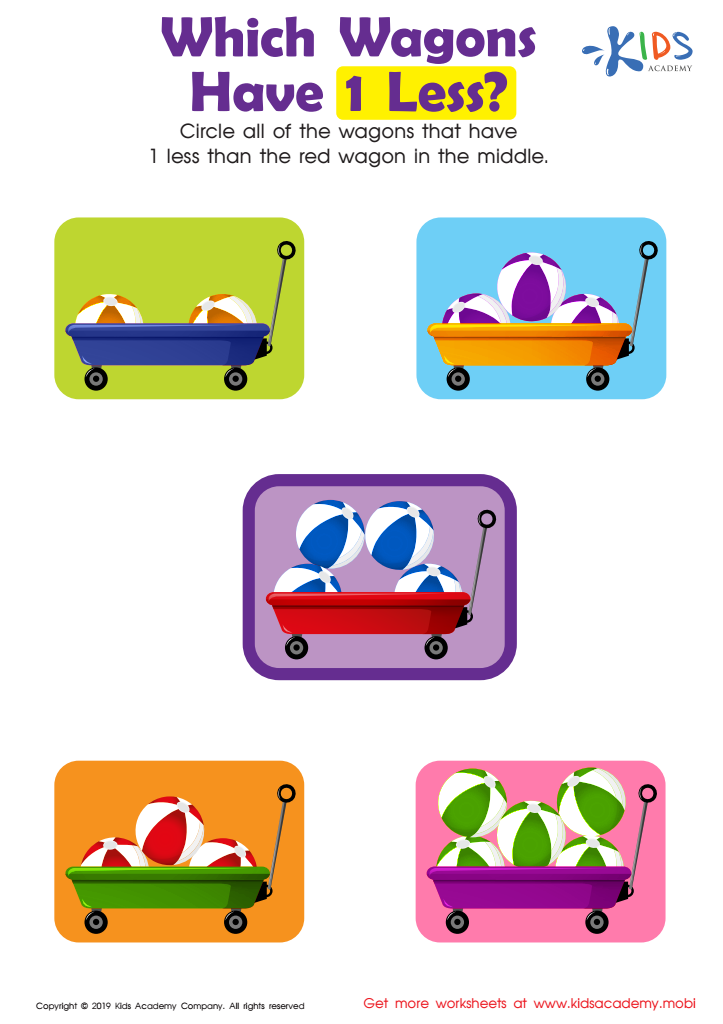
Which Wagons Have 1 Less? Worksheet
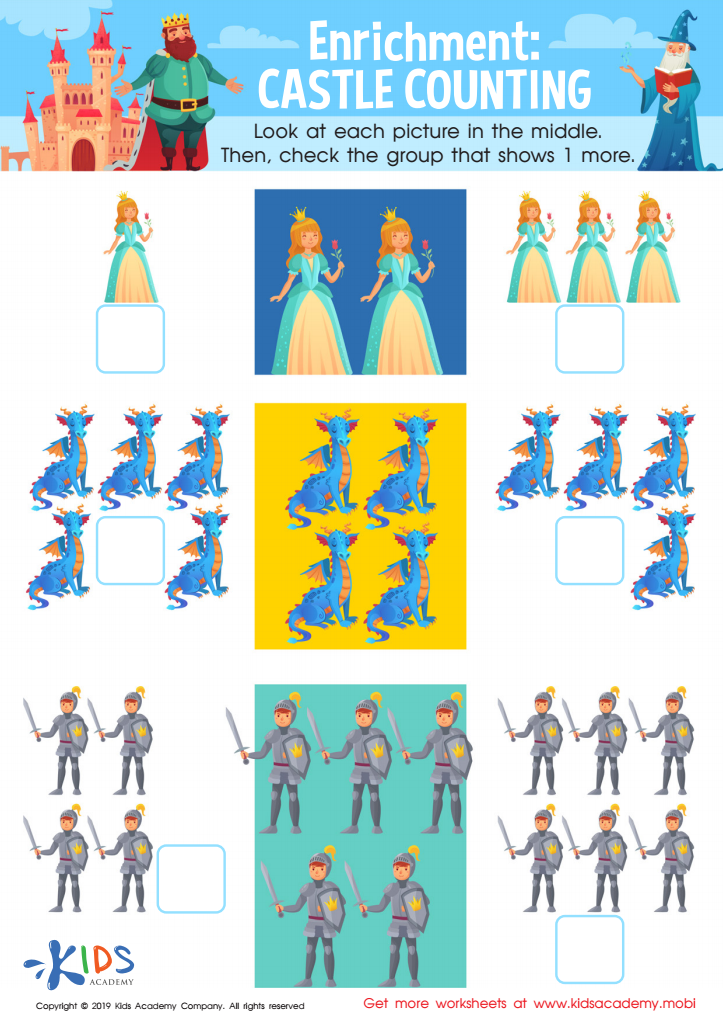
Enrichment: Castle Counting Worksheet
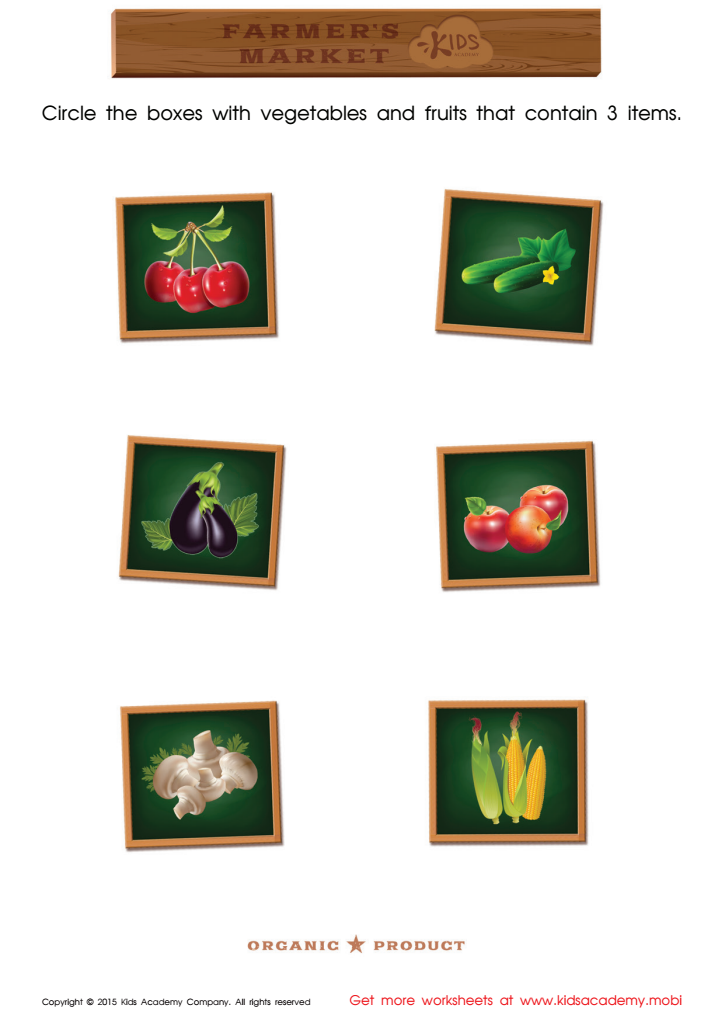
Count and Match Vegetables 1 – 5 Math Worksheet
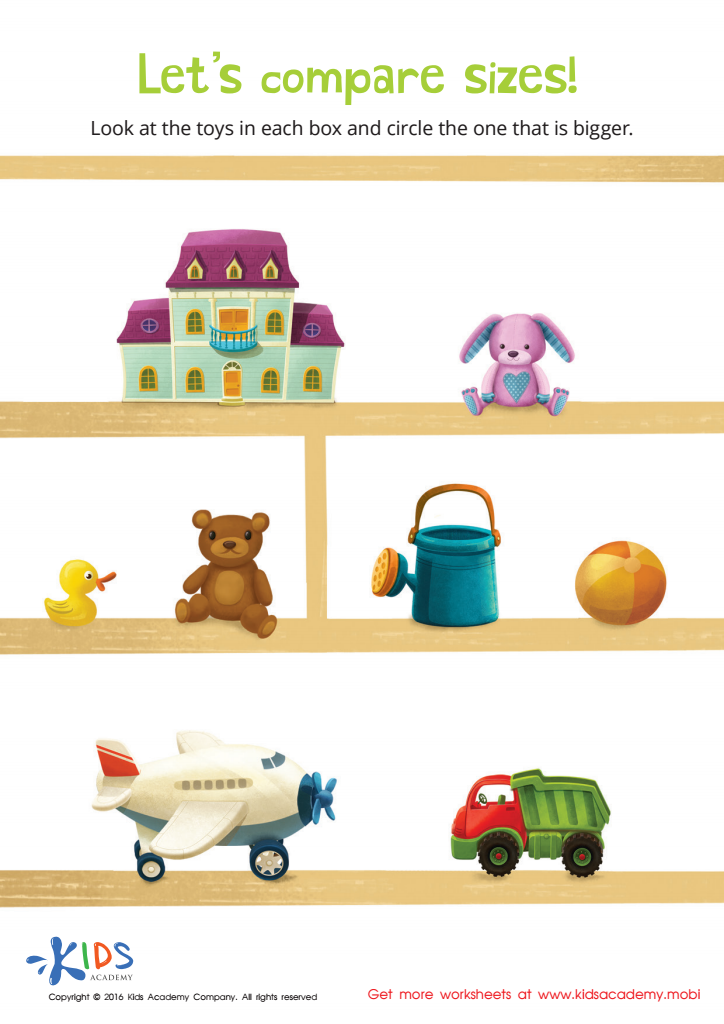
Classifying by Size Sorting Worksheet
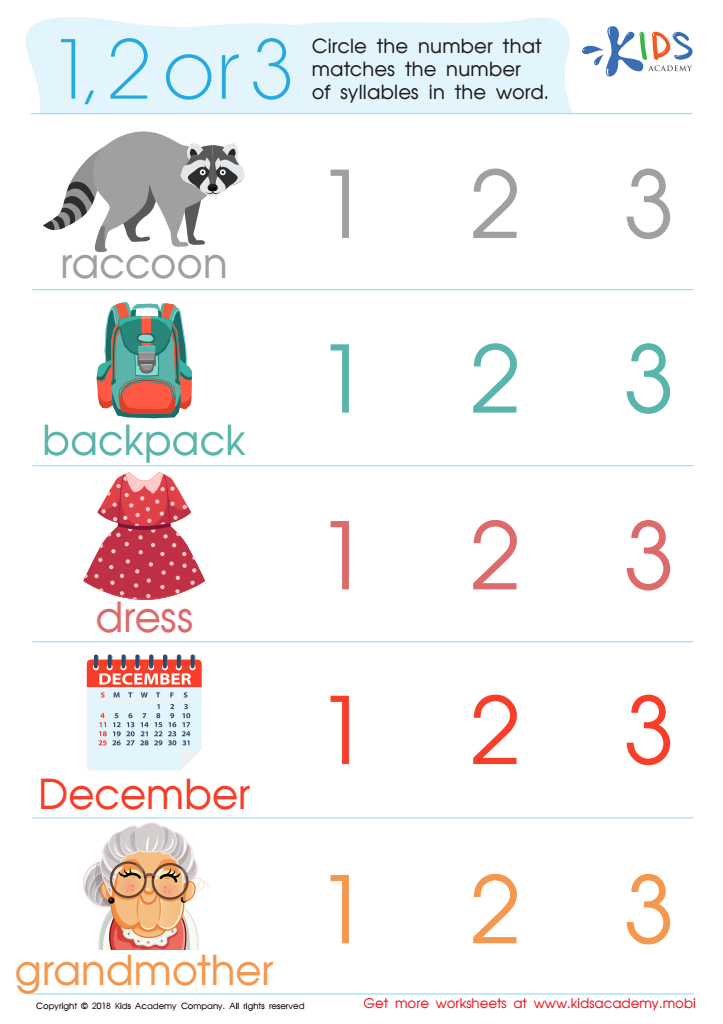
1, 2 or 3? Worksheet
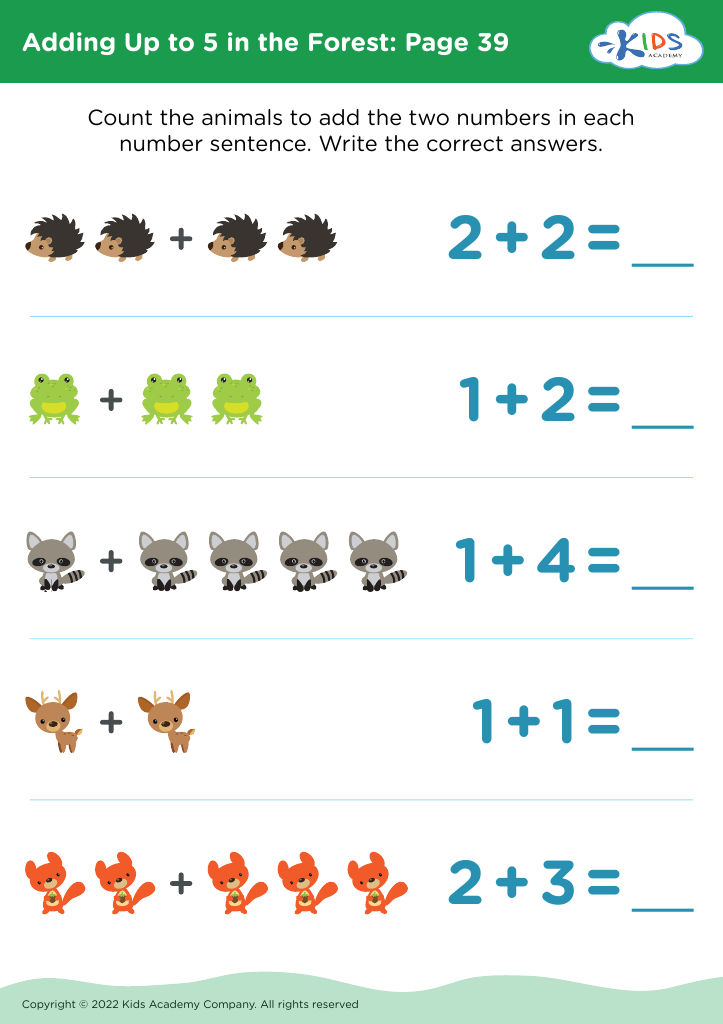
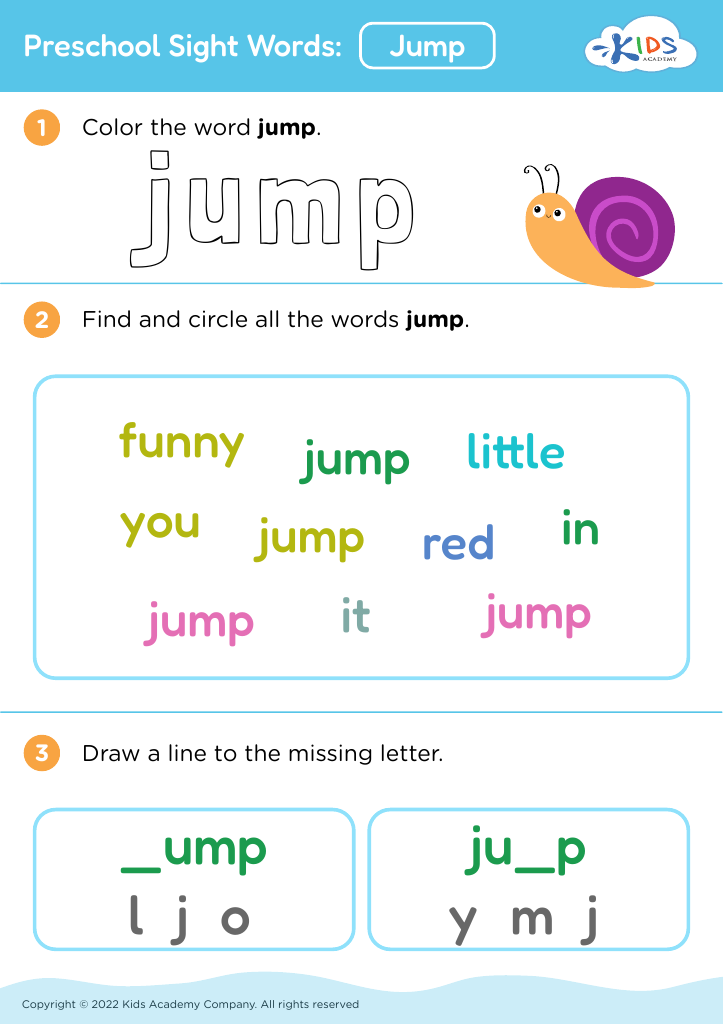
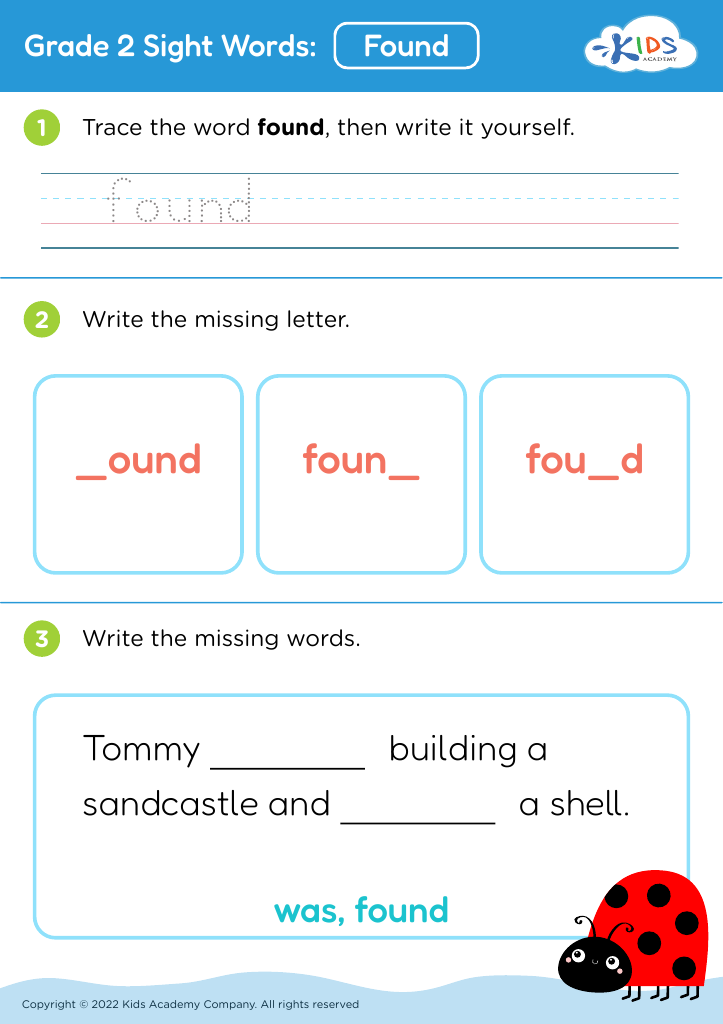



.jpg)

.jpg)


Visual perception is crucial for children ages 5-8 as it significantly impacts their learning, reading, writing, and daily functioning. During these formative years, their brains are developing rapidly and are particularly receptive to visual information. This period is marked by intricate growth in skills such as recognizing shapes, letters, numbers, and understanding spatial relationships. Consequently, parents and teachers need to support and enhance visual perception abilities.
Strong visual perception skills help children make sense of and interact with their environment. For instance, a child with well-developed visual discrimination can differentiate between similar shapes and letters, which is fundamental for reading and appreciating letter reversals (like 'b' vs. 'd'). Moreover, visual-motor integration allows children to copy shapes and letters—a critical skill for effective writing.
Activities like puzzles, drawing, mazes, or matching games can greatly boost visual perception. Warning signs of difficulties might include trouble with reading, writing, or everyday tasks such as tying shoelaces. Early identification and intervention can prevent future academic struggles and build confidence.
Therefore, nurturing visual perception isn't just about helping children to learn academically; it equips them with essential tools that influence their overall cognitive and developmental growth, setting a robust foundation for lifelong learning.








