Filters

1258 filtered results

Clear all filters
Favorites
With answer key
Interactive

1258 filtered results

Difficulty Level

Grade


Subject

    Check out this FREE Trial Lesson on Addition for age 5-8!

    A

    Favorites
    With answer key
    Interactive
    • 5-8
    • Addition
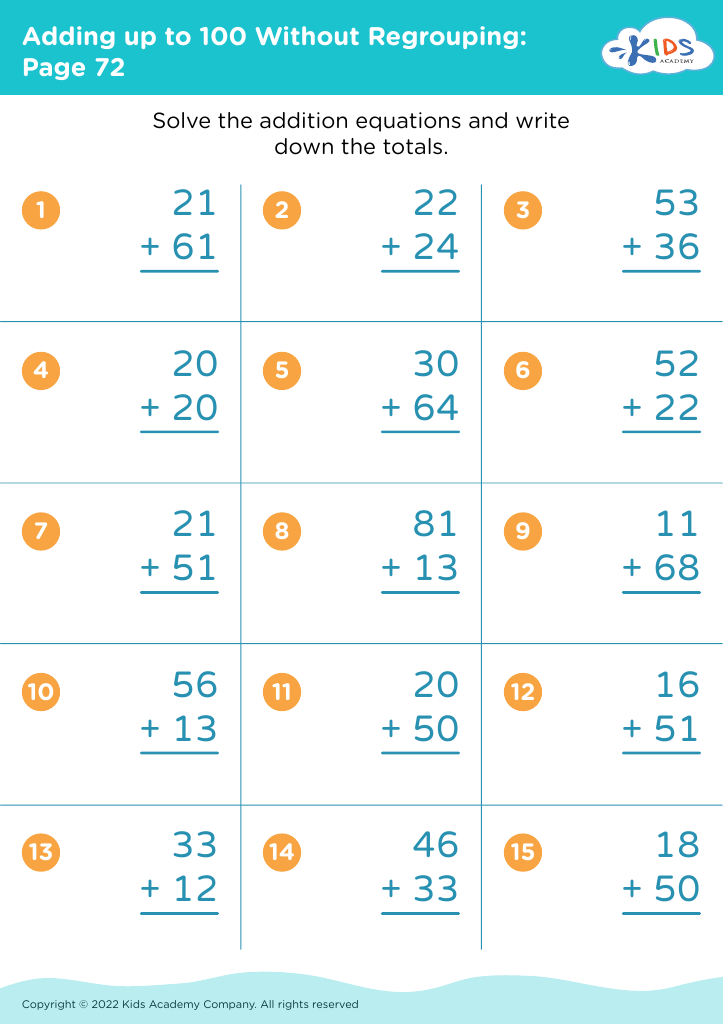
    Adding up to 100 Without Regrouping: Page 72
    Adding up to 100 Without Regrouping: Page 72
    Adding up to 100 Without Regrouping: Page 72
    Worksheet
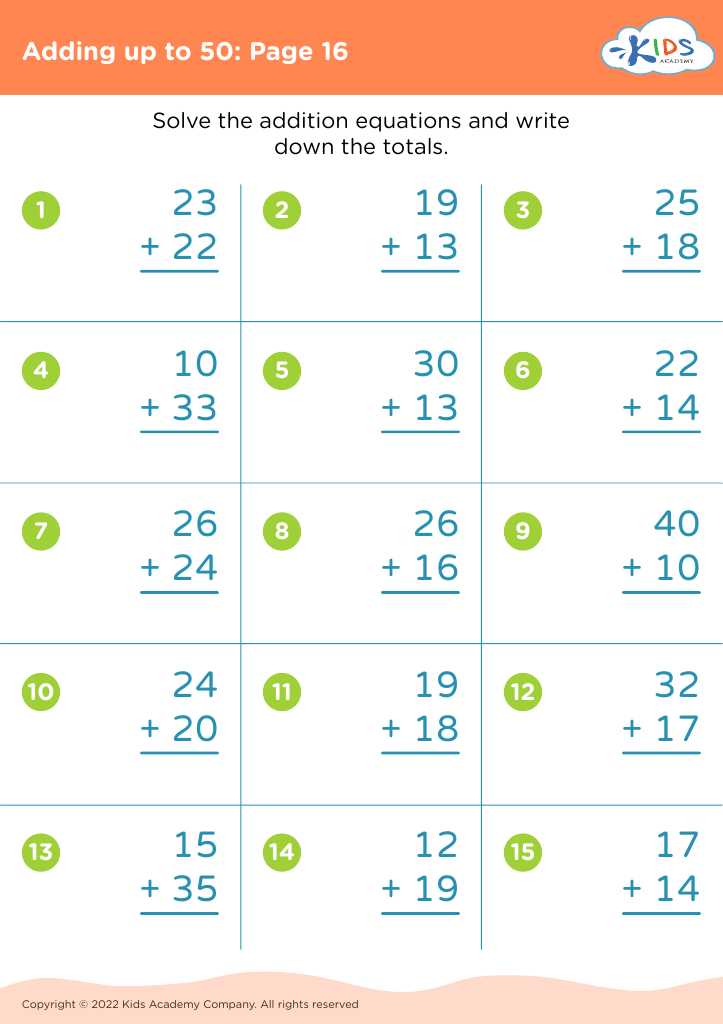
    Adding up to 50: Page 16
    Adding up to 50: Page 16

    Adding up to 50: Page 16

    Adding up to 50: Page 16
    Worksheet
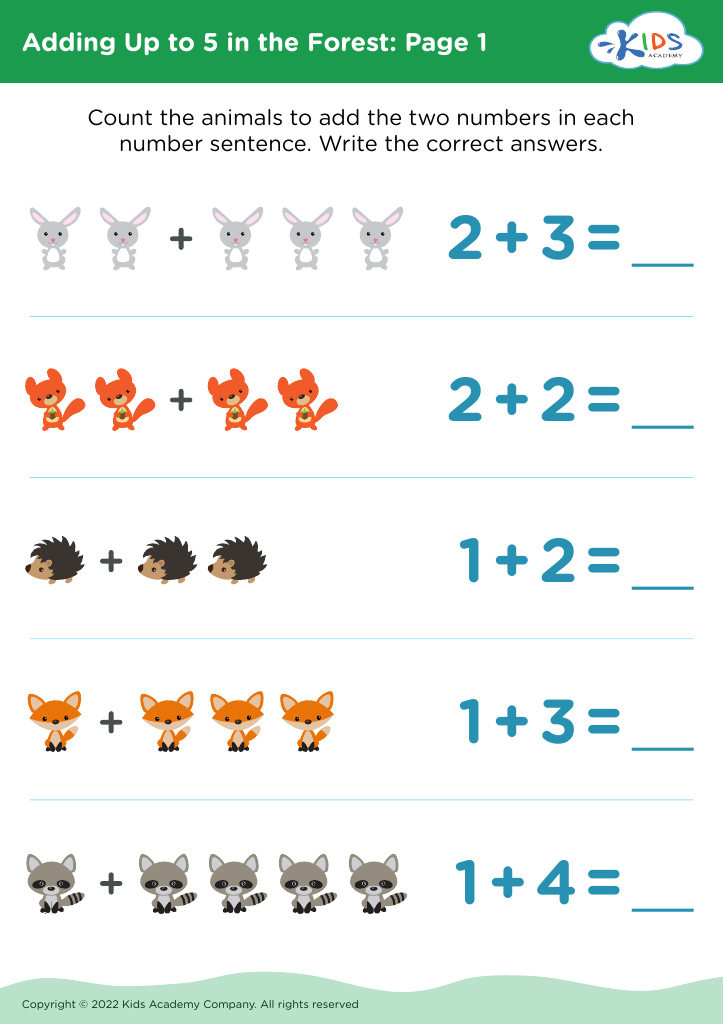
    Adding Up to 5 in the Forest: Page 1
    Adding Up to 5 in the Forest: Page 1
    Adding Up to 5 in the Forest: Page 1
    Worksheet
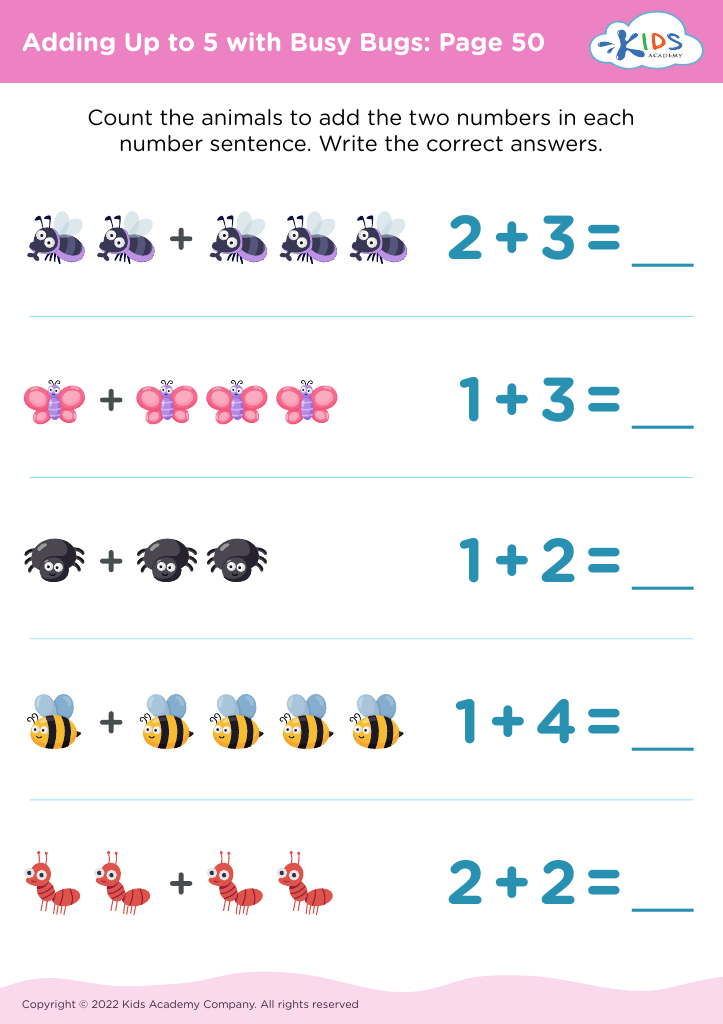
    Adding Up to 5 with Busy Bugs: Page 50
    Adding Up to 5 with Busy Bugs: Page 50
    Adding Up to 5 with Busy Bugs: Page 50
    Worksheet
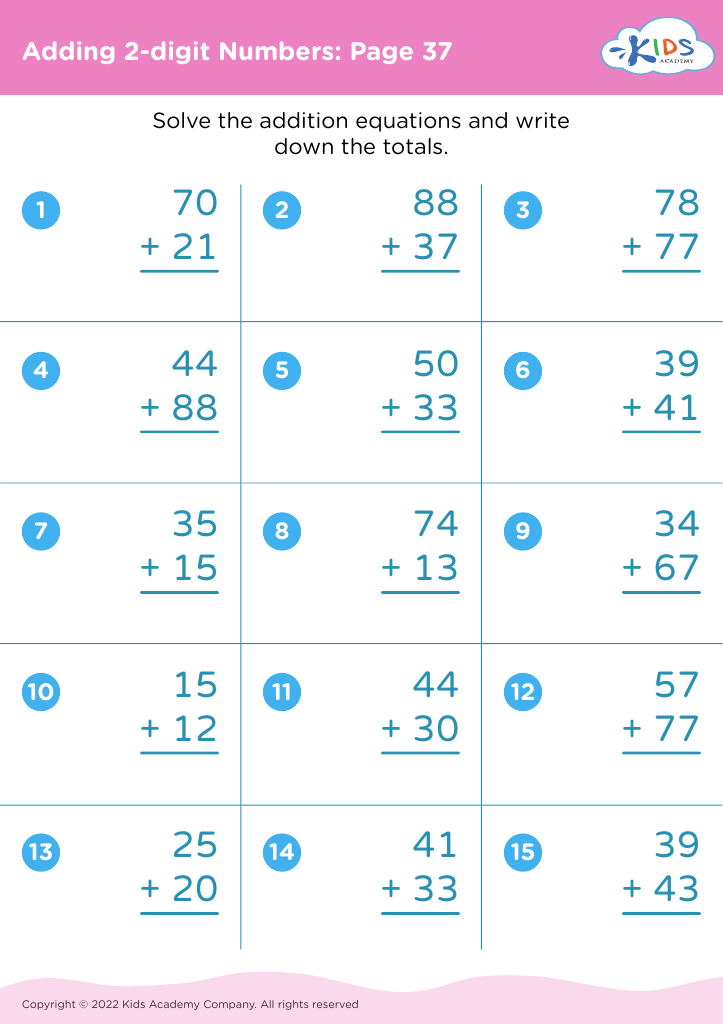
    Adding 2-digit Numbers: Page 37
    Adding 2-digit Numbers: Page 37

    Adding 2-digit Numbers: Page 37

    Adding 2-digit Numbers: Page 37
    Worksheet
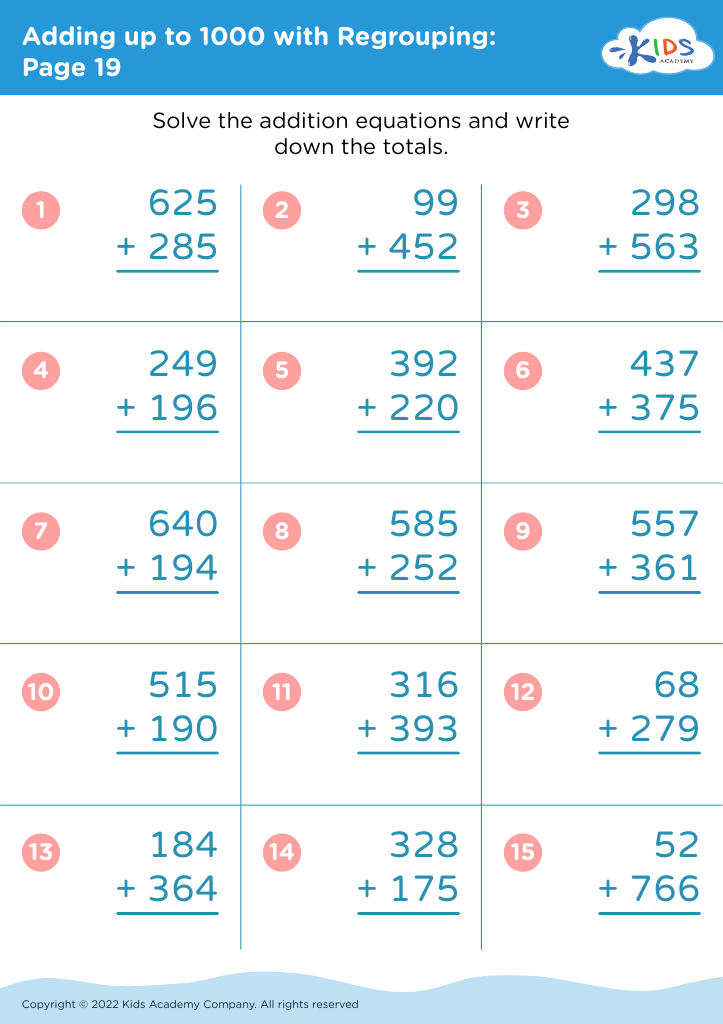
    Adding up to 1000 with Regrouping: Page 19
    Adding up to 1000 with Regrouping: Page 19
    Adding up to 1000 with Regrouping: Page 19
    Worksheet
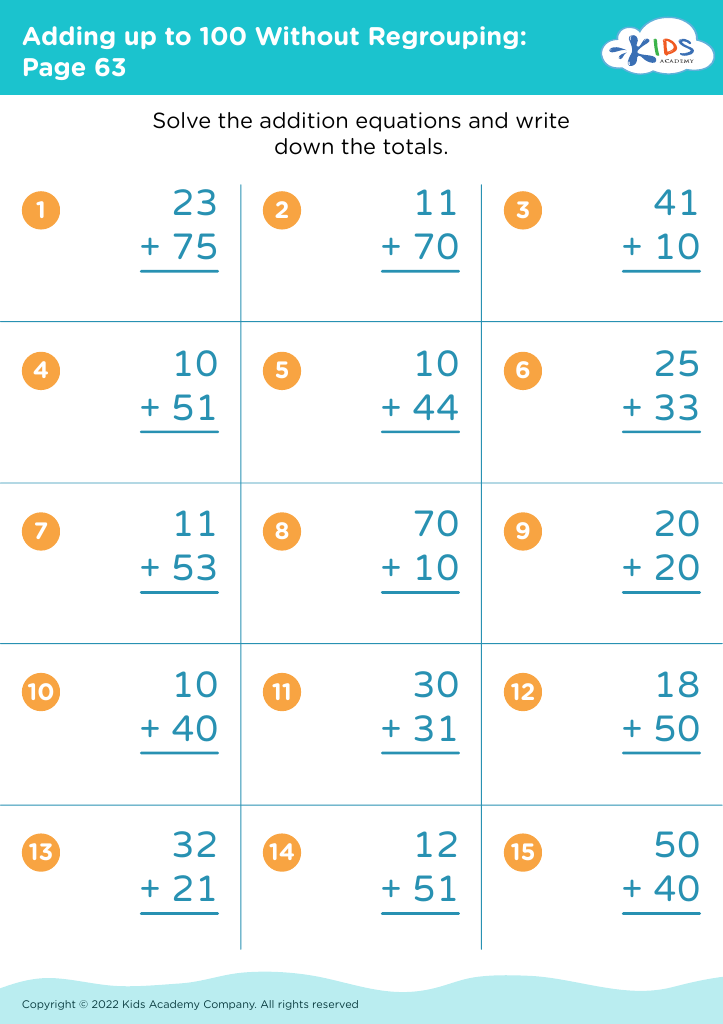
    Adding up to 100 Without Regrouping: Page 63
    Adding up to 100 Without Regrouping: Page 63
    Adding up to 100 Without Regrouping: Page 63
    Worksheet
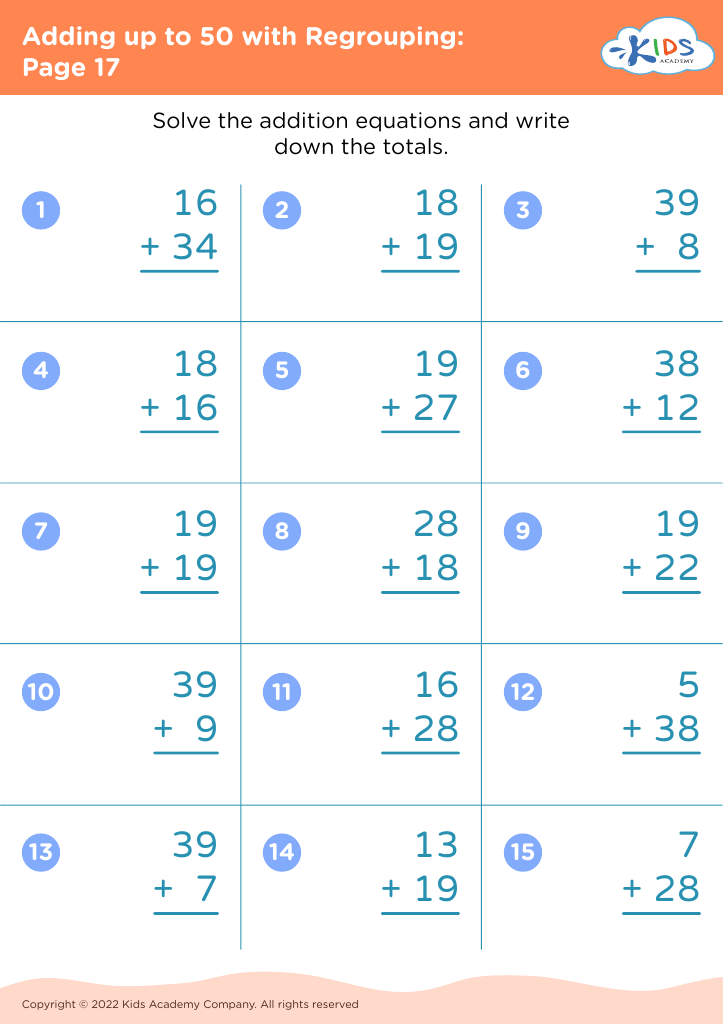
    Adding up to 50 with Regrouping: Page 17
    Adding up to 50 with Regrouping: Page 17
    Adding up to 50 with Regrouping: Page 17
    Worksheet
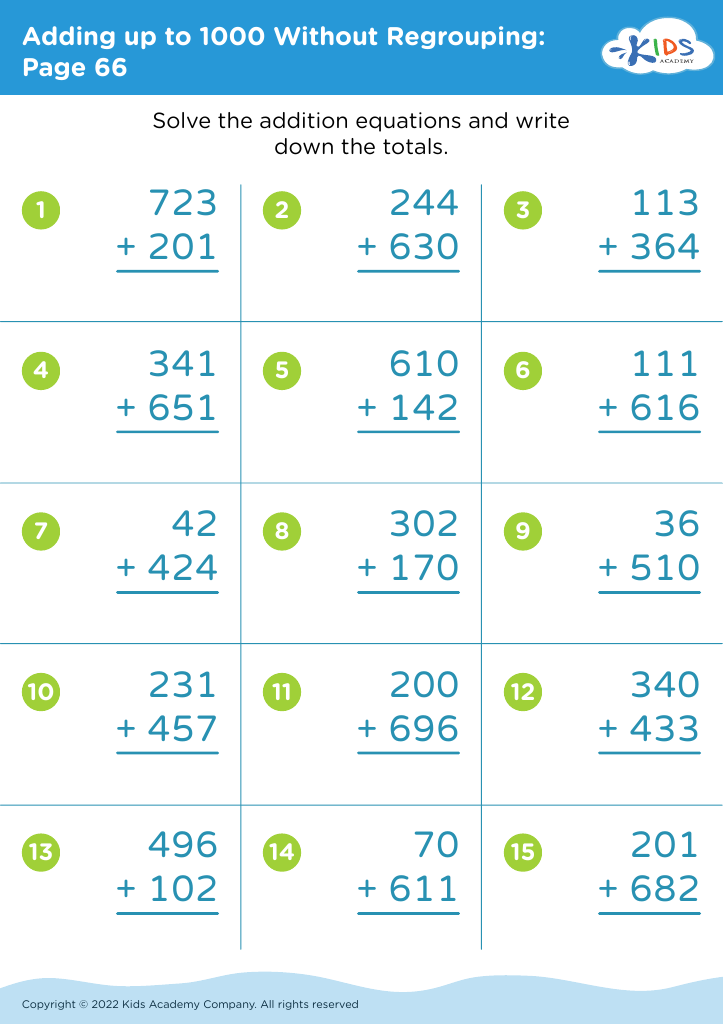
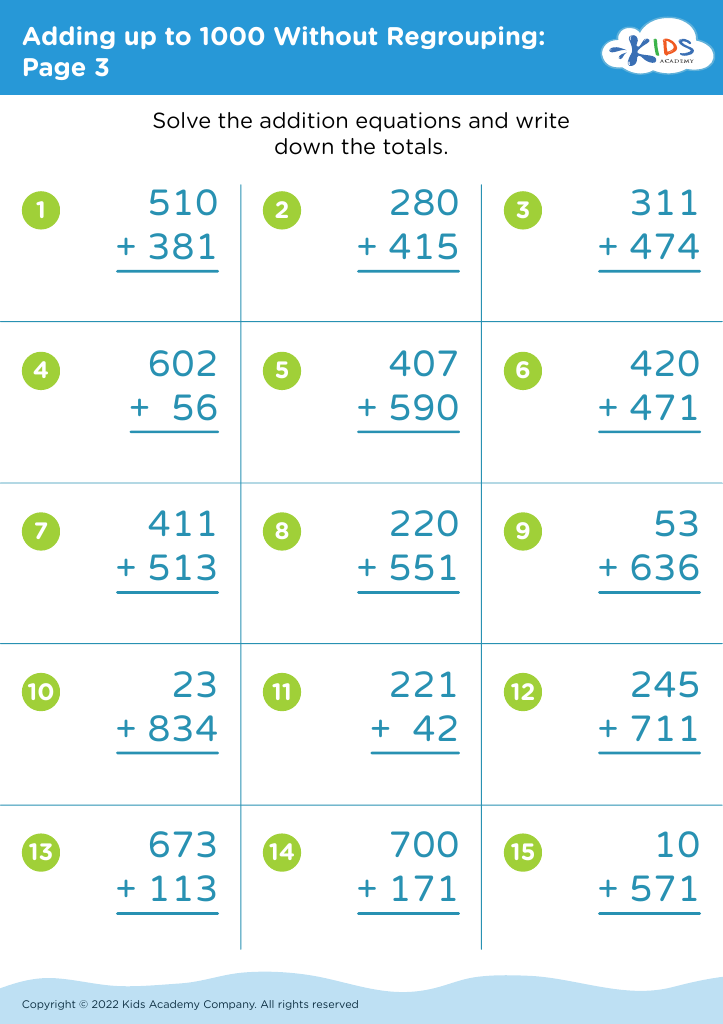
    Adding up to 1000 Without Regrouping: Page 66
    Adding up to 1000 Without Regrouping: Page 66
    Adding up to 1000 Without Regrouping: Page 66
    Worksheet
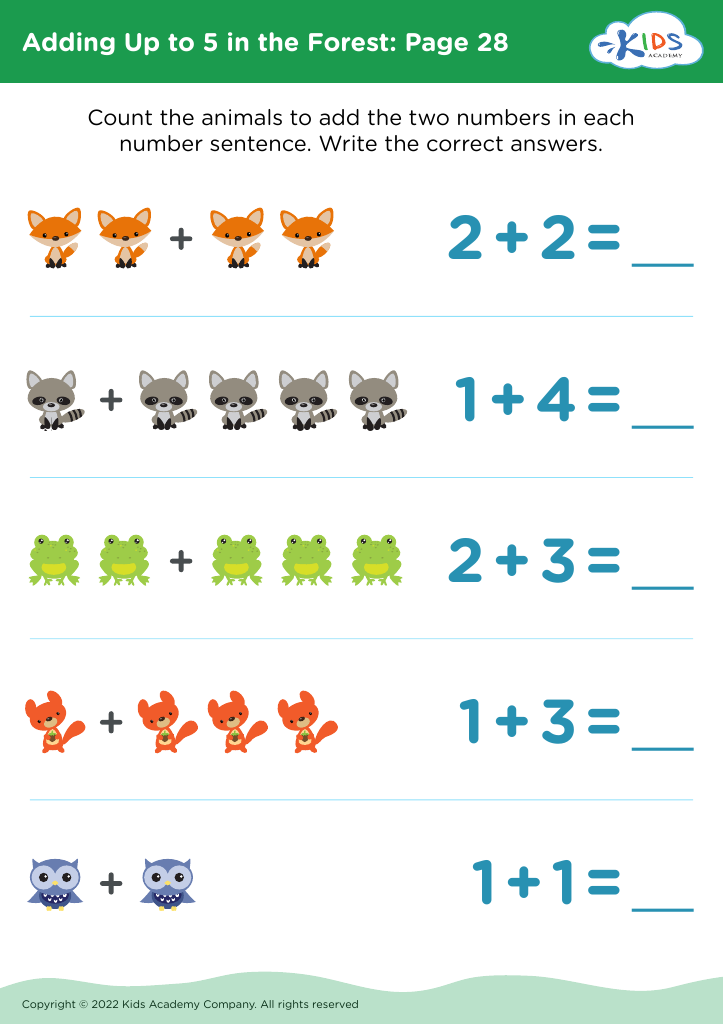
    Adding Up to 5 in the Forest: Page 28
    Adding Up to 5 in the Forest: Page 28
    Adding Up to 5 in the Forest: Page 28
    Worksheet
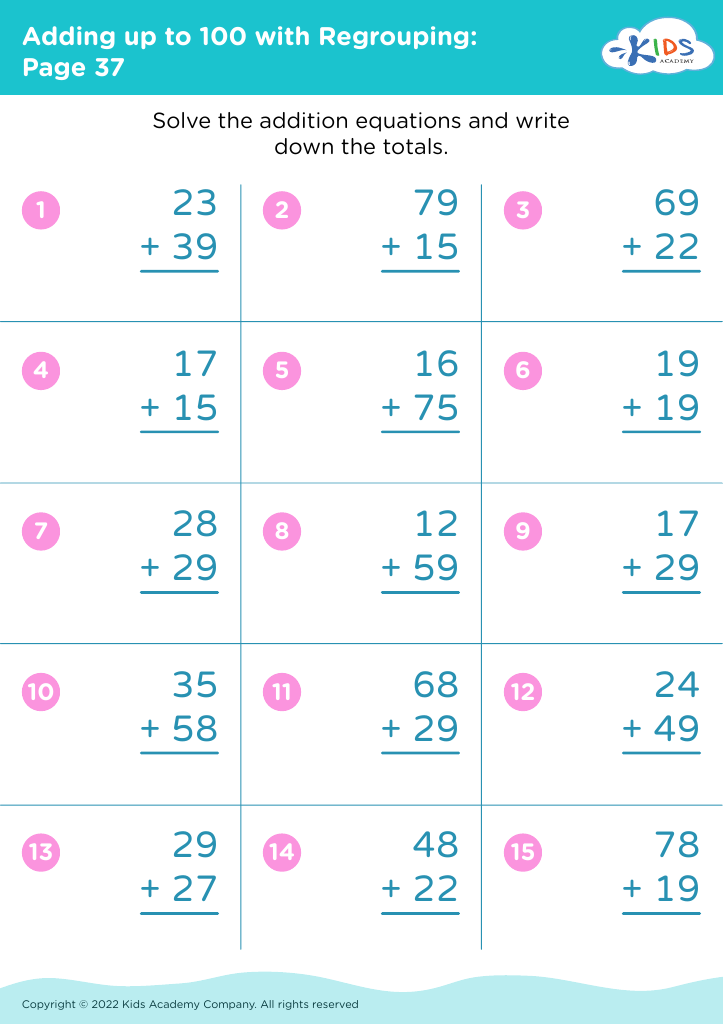
    Adding up to 100 with Regrouping: Page 37
    Adding up to 100 with Regrouping: Page 37
    Adding up to 100 with Regrouping: Page 37
    Worksheet
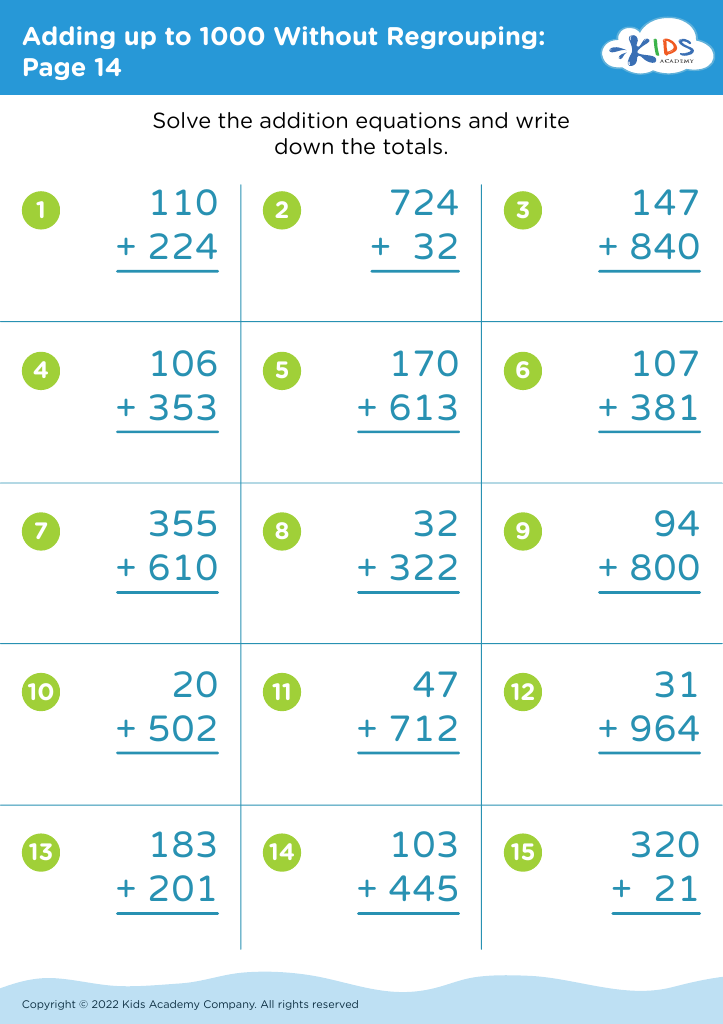
    Adding up to 1000 Without Regrouping: Page 14
    Adding up to 1000 Without Regrouping: Page 14
    Adding up to 1000 Without Regrouping: Page 14
    Worksheet
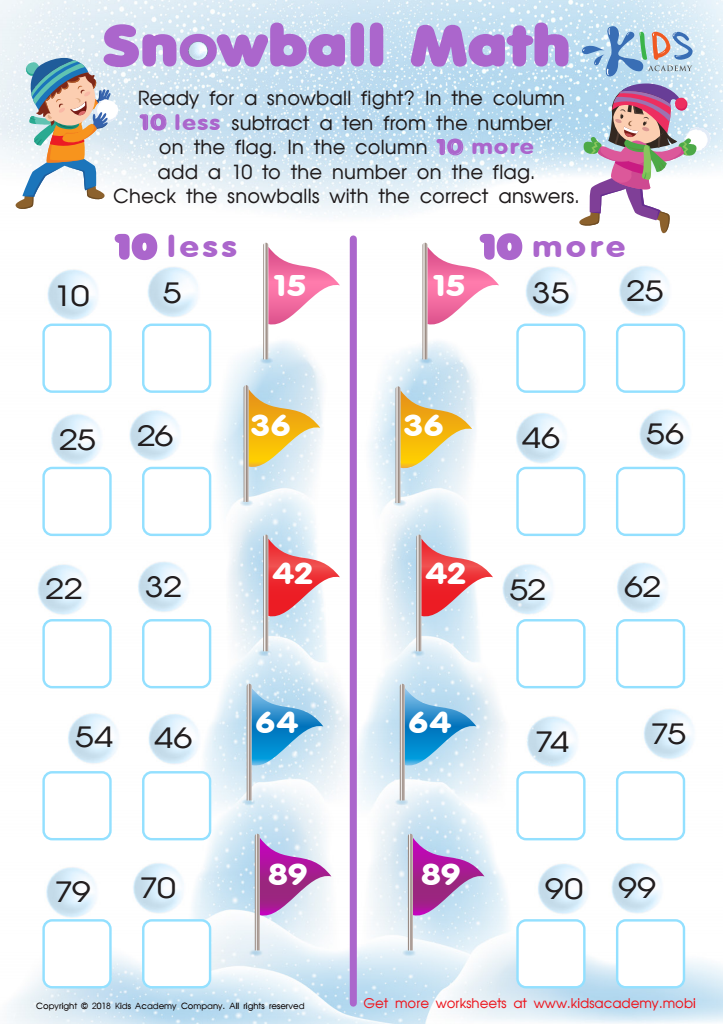
    Snowball Math Worksheet
    Snowball Math Worksheet

    Snowball Math Worksheet

    Kids can have a snowball fight and build math skills at the same time with this free worksheet. Kids can use tens to add and subtract for quick math equations and select the correct answers. No need to worry about getting cold either - these snowballs won't chill you!
    Snowball Math Worksheet
    Worksheet
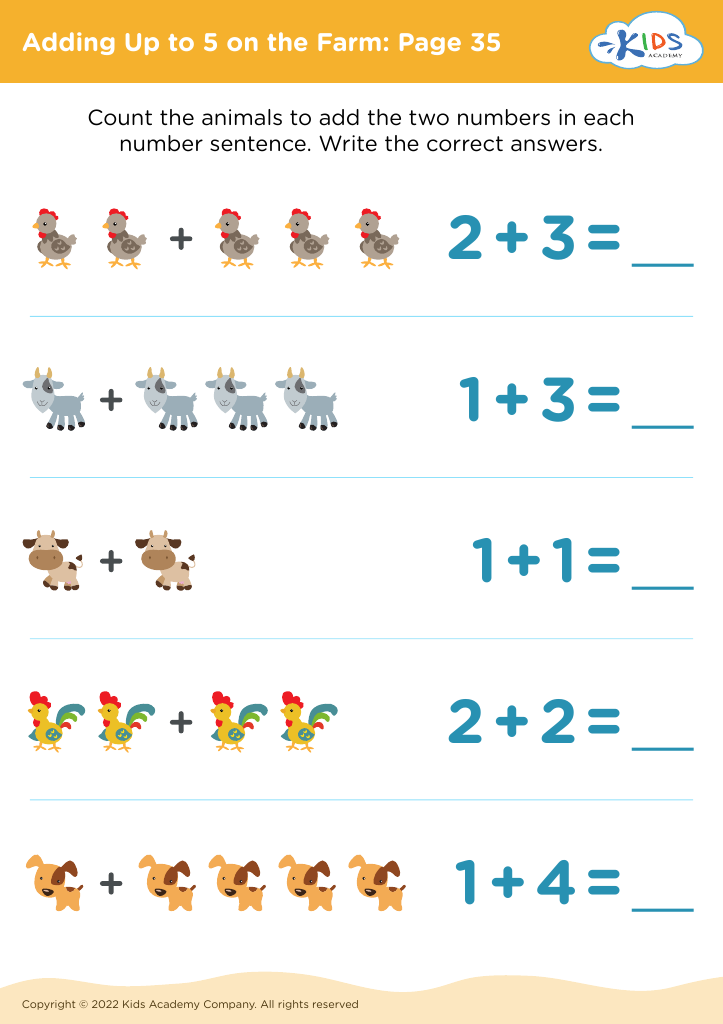
    Adding Up to 5 on the Farm: Page 35
    Adding Up to 5 on the Farm: Page 35
    Adding Up to 5 on the Farm: Page 35
    Worksheet
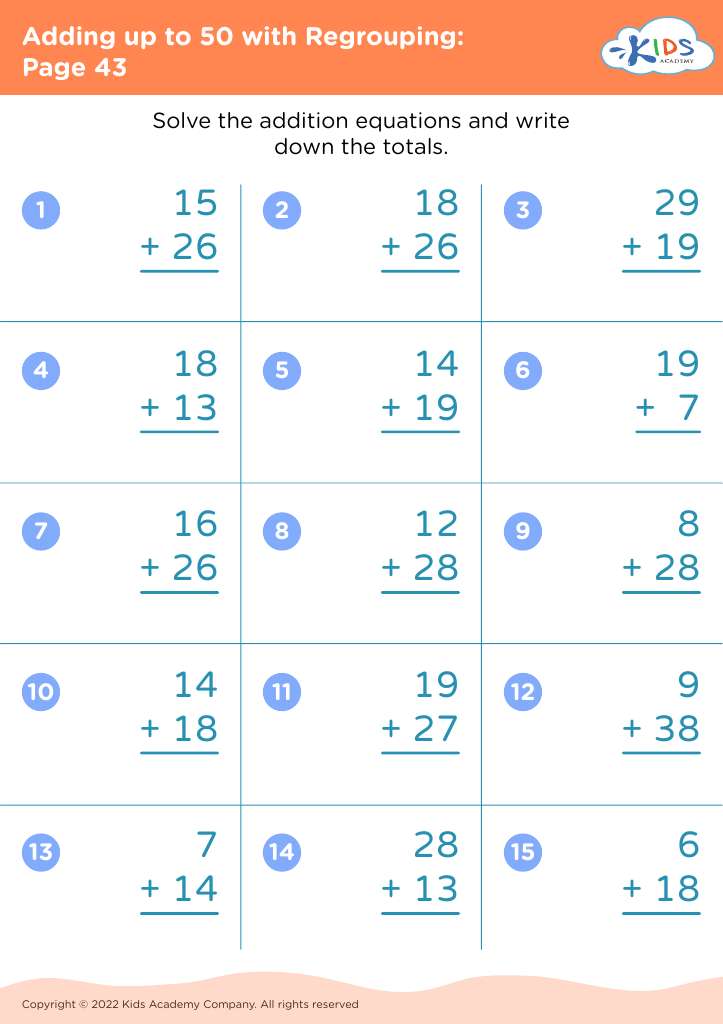
    Adding up to 50 with Regrouping: Page 43
    Adding up to 50 with Regrouping: Page 43
    Adding up to 50 with Regrouping: Page 43
    Worksheet
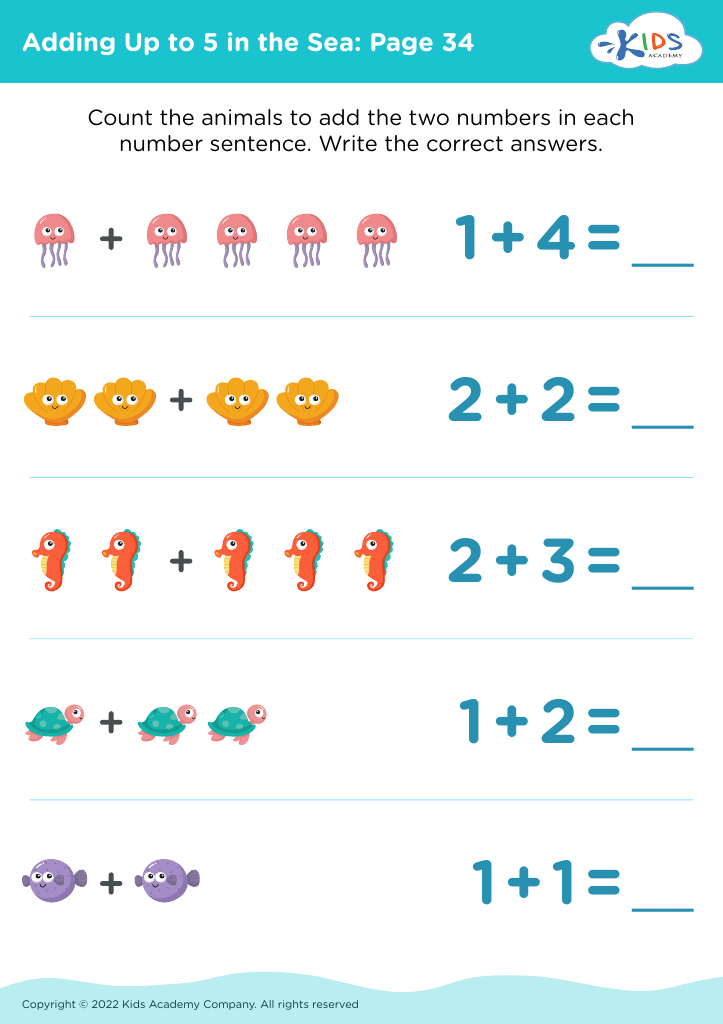
    Adding Up to 5 in the Sea: Page 34
    Adding Up to 5 in the Sea: Page 34
    Adding Up to 5 in the Sea: Page 34
    Worksheet
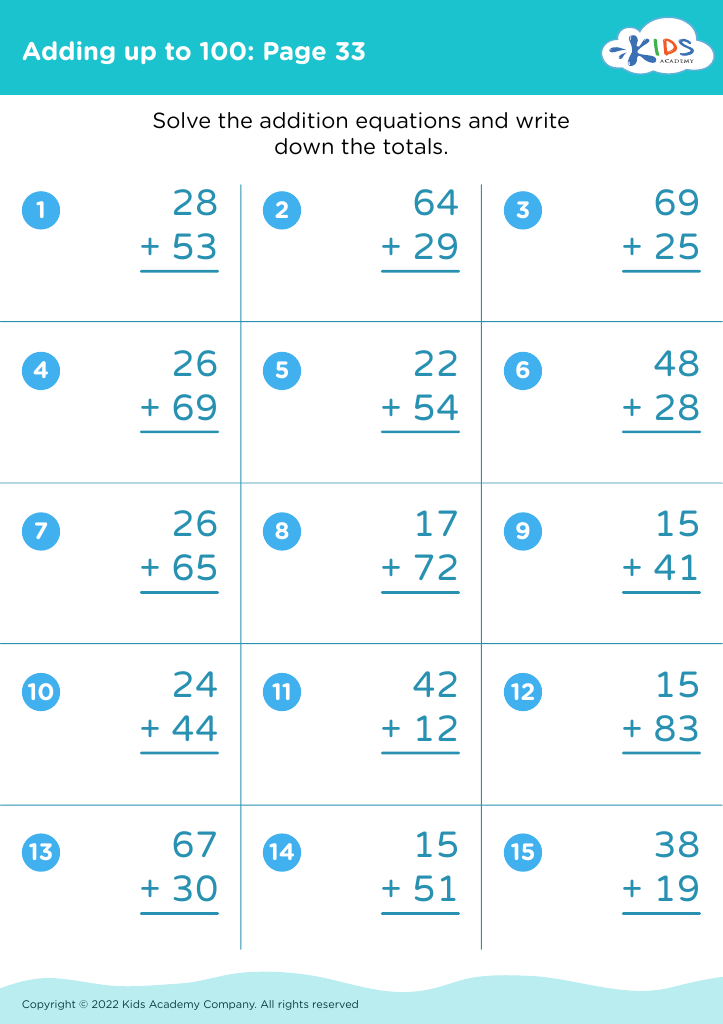
    Adding up to 100: Page 33
    Adding up to 100: Page 33

    Adding up to 100: Page 33

    Adding up to 100: Page 33
    Worksheet
    Two digit addition printable worksheet
    Two digit addition printable worksheet

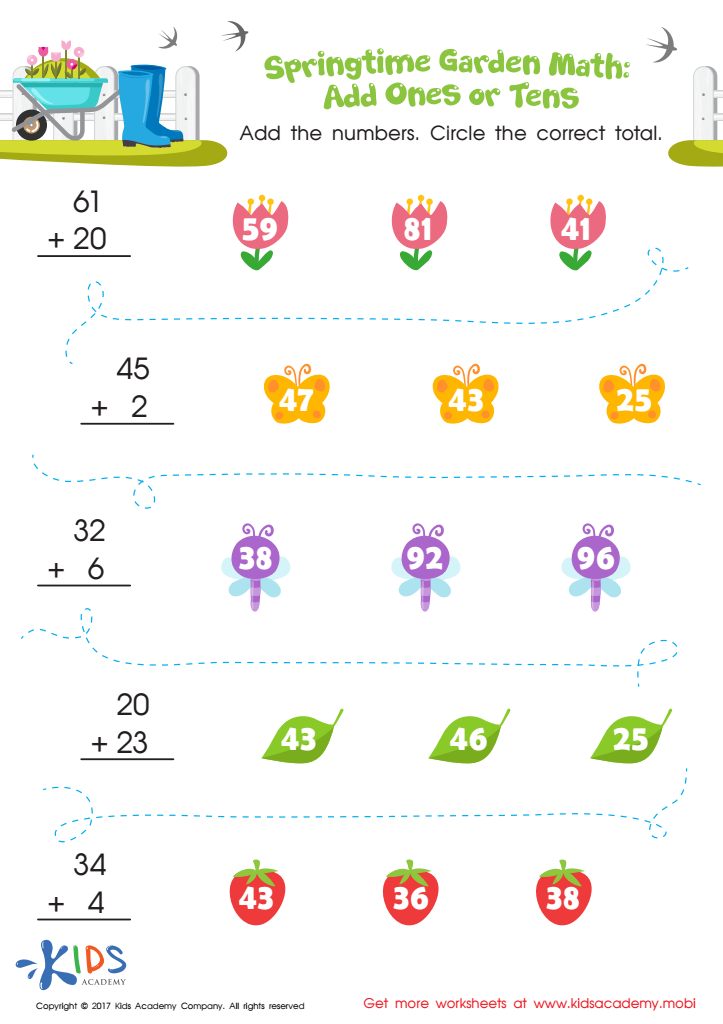
    Springtime Garden Math Worksheet
    Get your kid ready for math success with this bright garden-themed addition worksheet! They'll practice adding two-digit numbers and check their answers with the choices provided. It's an effective way to help kids build skills, as practice strengthens understanding. Get printing for math mastery!
    Springtime Garden Math Worksheet
    Worksheet
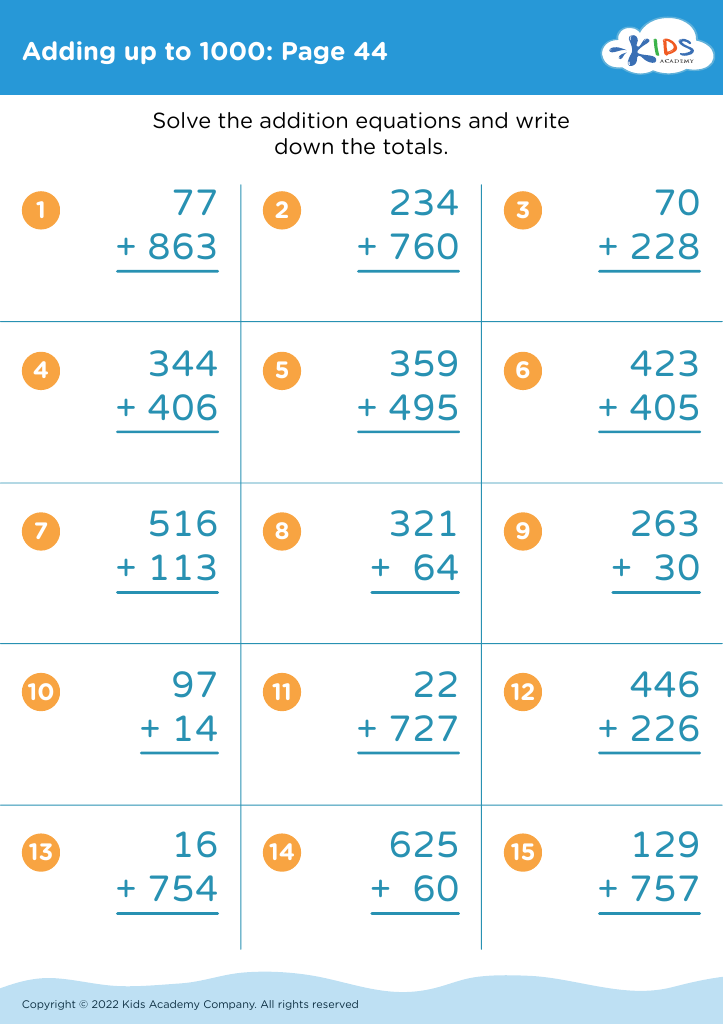
    Adding up to 1000: Page 44
    Adding up to 1000: Page 44

    Adding up to 1000: Page 44

    Adding up to 1000: Page 44
    Worksheet
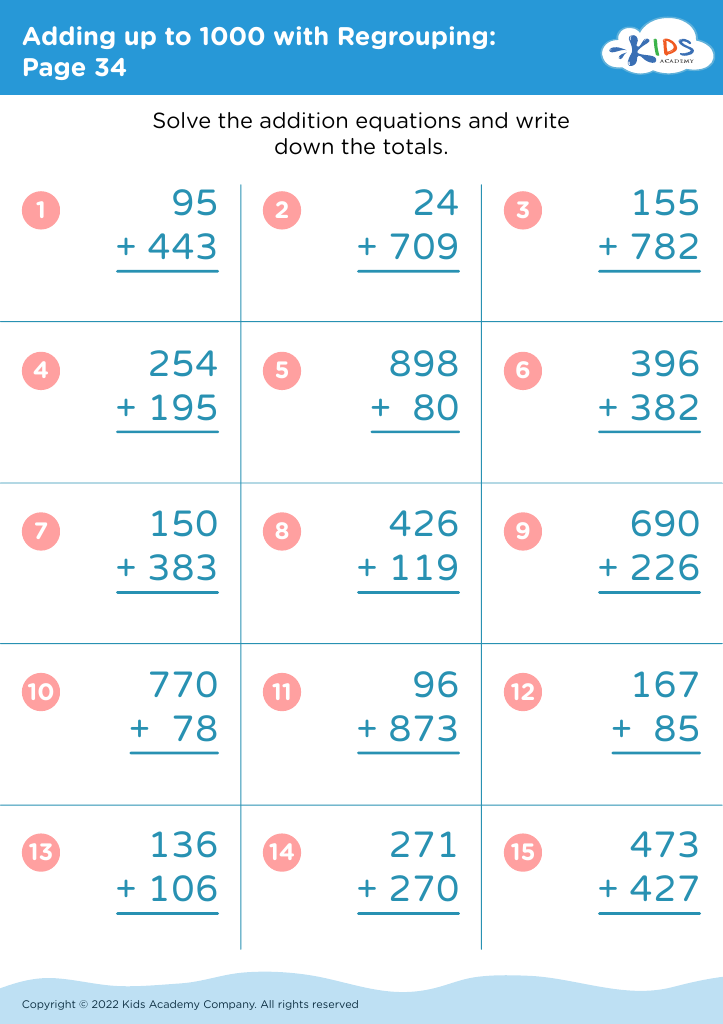
    Adding up to 1000 with Regrouping: Page 34
    Adding up to 1000 with Regrouping: Page 34
    Adding up to 1000 with Regrouping: Page 34
    Worksheet
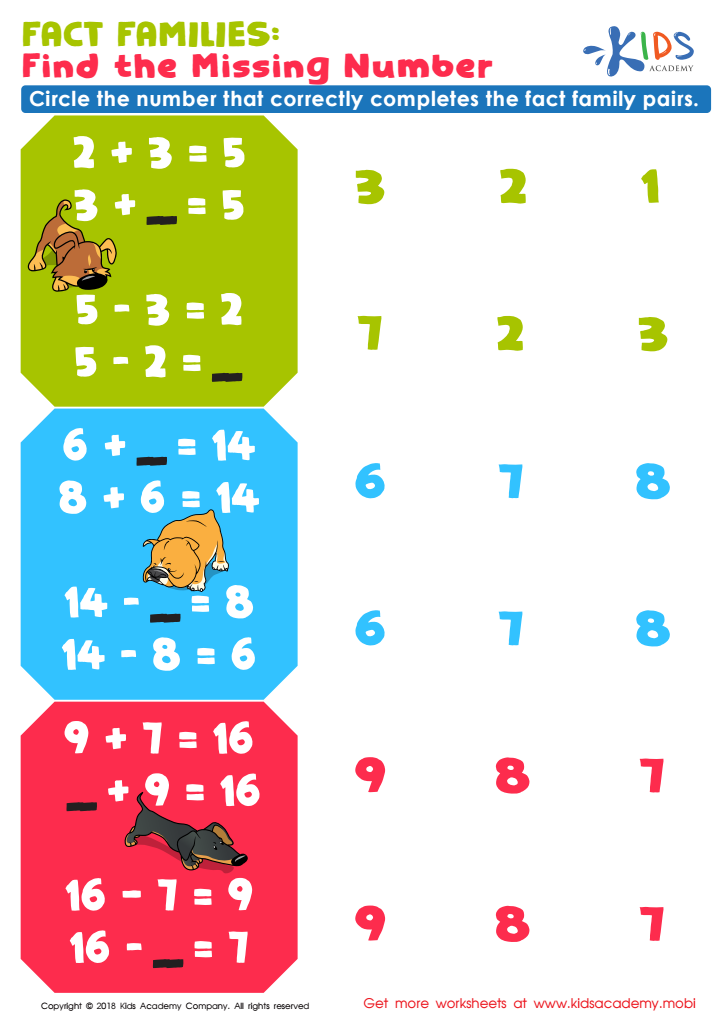
    Fact Families: Find Missing Number Worksheet
    Fact Families: Find Missing Number Worksheet
    Fact Families: Find Missing Number Worksheet

    Assess your student's addition and subtraction knowledge with this worksheet exercise. Task them to identify missing numbers in the fact families and circle the number that completes the pair. Strengthen their reasoning skills and enhance their math concepts.
    Fact Families: Find Missing Number Worksheet
    Worksheet
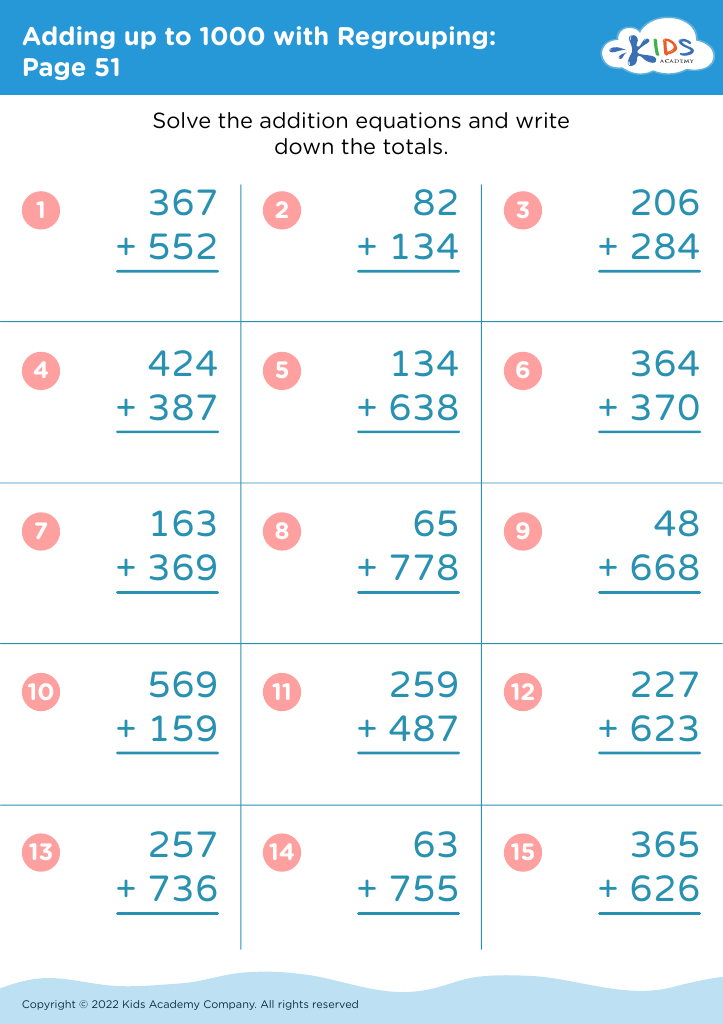
    Adding up to 1000 with Regrouping: Page 51
    Adding up to 1000 with Regrouping: Page 51
    Adding up to 1000 with Regrouping: Page 51
    Worksheet
    Adding Up to 5 in the Sea: Page 69
    Adding Up to 5 in the Sea: Page 69
    Adding Up to 5 in the Sea: Page 69
    Worksheet
    Easter Arrays Worksheet

    Easter Arrays Worksheet

    Easter Arrays Worksheet

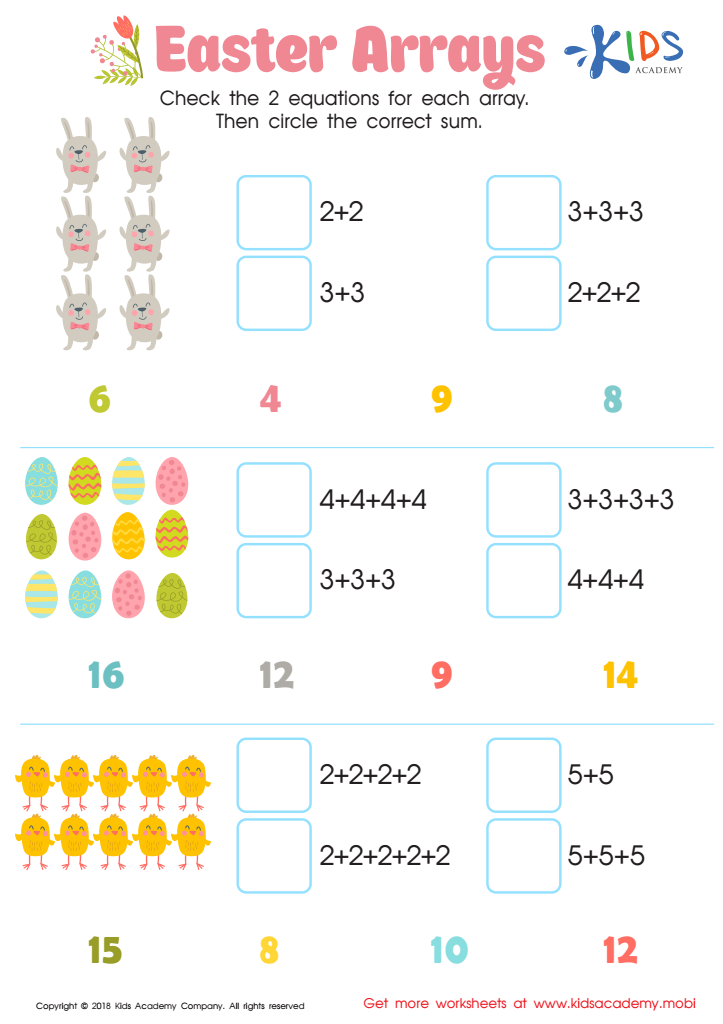
    Does your child love Easter? Do they adore the Easter bunny and egg hunts? Help them have fun with this worksheet! Go through it with them and check the equations for each array. Then, have them circle the correct sum. It's a great way to make the holiday extra exciting!
    Easter Arrays Worksheet
    Worksheet


    Parents and teachers should care about teaching addition to children ages 5-8 because it's a foundational math skill that fosters cognitive development and sets the stage for more advanced arithmetic and problem-solving abilities. Learning addition helps young children understand numbers and their relationships, which are critical for navigating not only school-based math but also practical situations like sharing toys or dividing snacks.

    Early exposure to addition builds confidence and enthusiasm for math, which can prevent math anxiety and contribute to a lifelong positive attitude toward problem-solving. When children develop a strong grasp of basic addition, they are better equipped to tackle more complex mathematical concepts such as subtraction, multiplication, and division later on.

    Additionally, addition promotes logical thinking and enhances memory and attention to detail due to the step-by-step processes involved. It integrates well with other developmental skills like counting and pattern recognition. By ensuring that children ages 5-8 have robust addition skills, parents and teachers are investing in their overall educational foundation, critical thinking, and everyday practical life skills, thus better preparing them for future academic challenges and real-world scenarios.