
Vocabulary Building Addition Worksheets for Ages 5-8
5 filtered results
Difficulty Level
Grade
Age
-
From - To
Subject
Activity
Standards
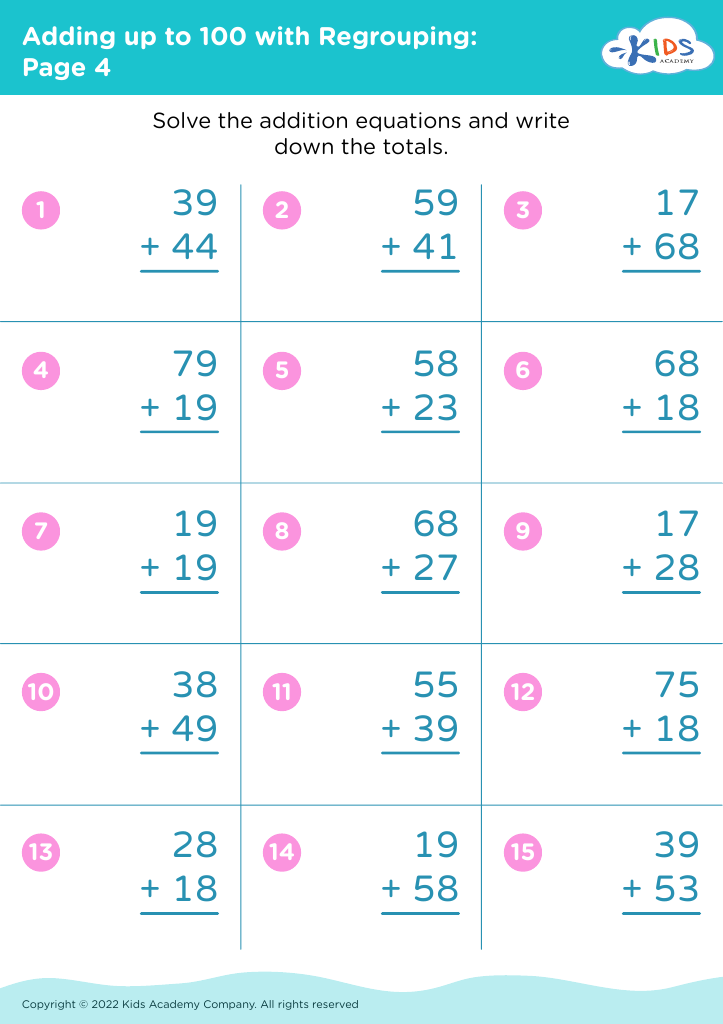
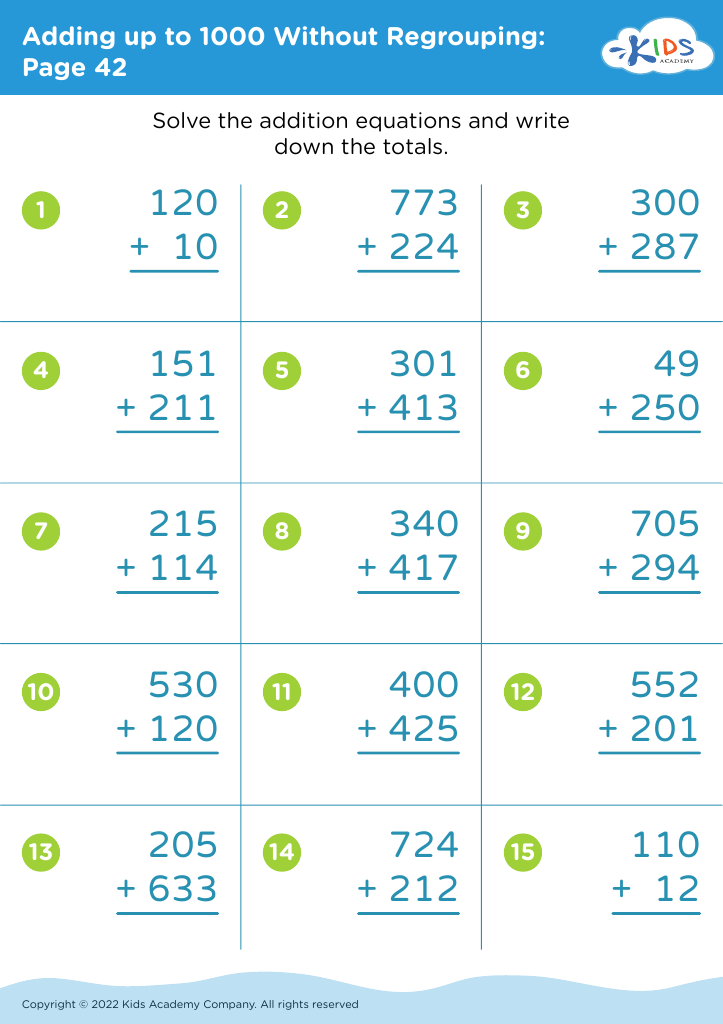
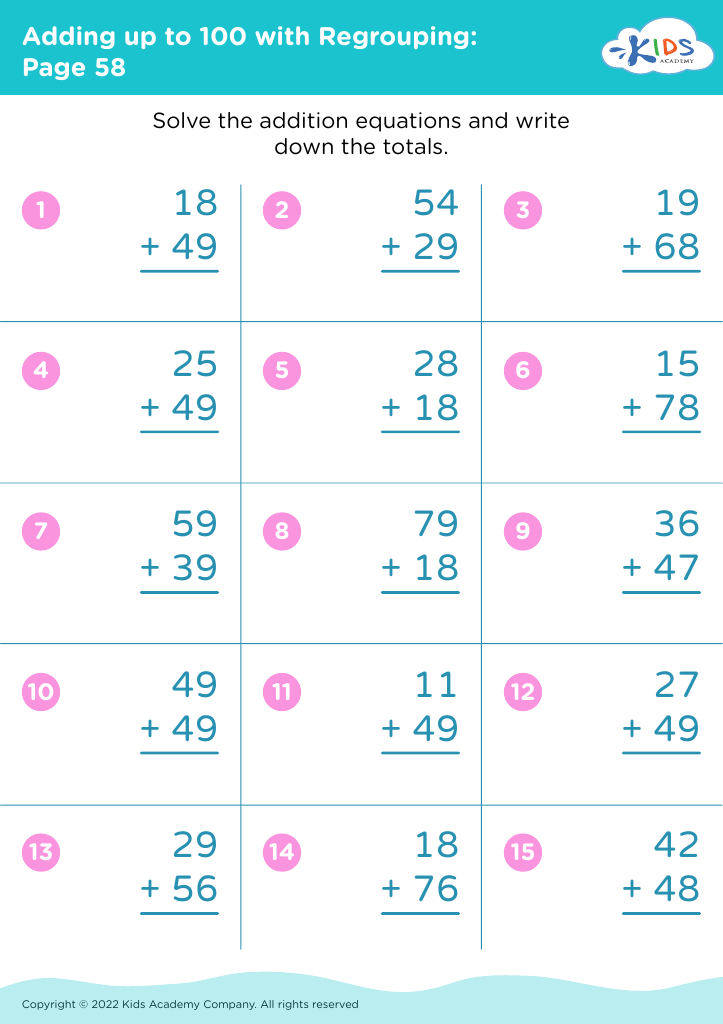
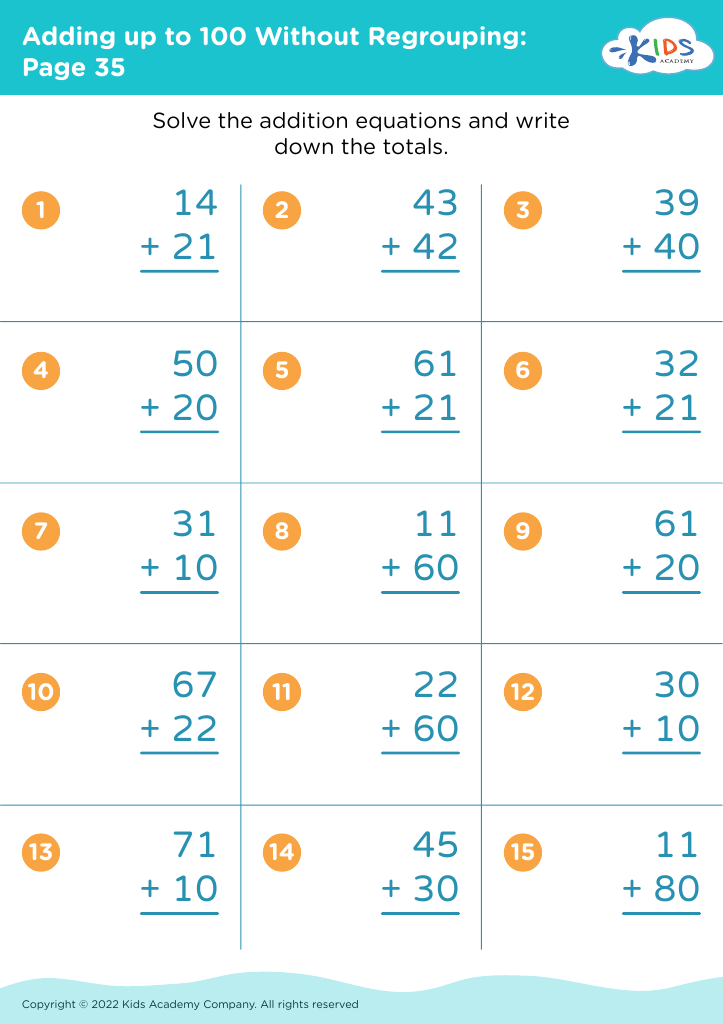
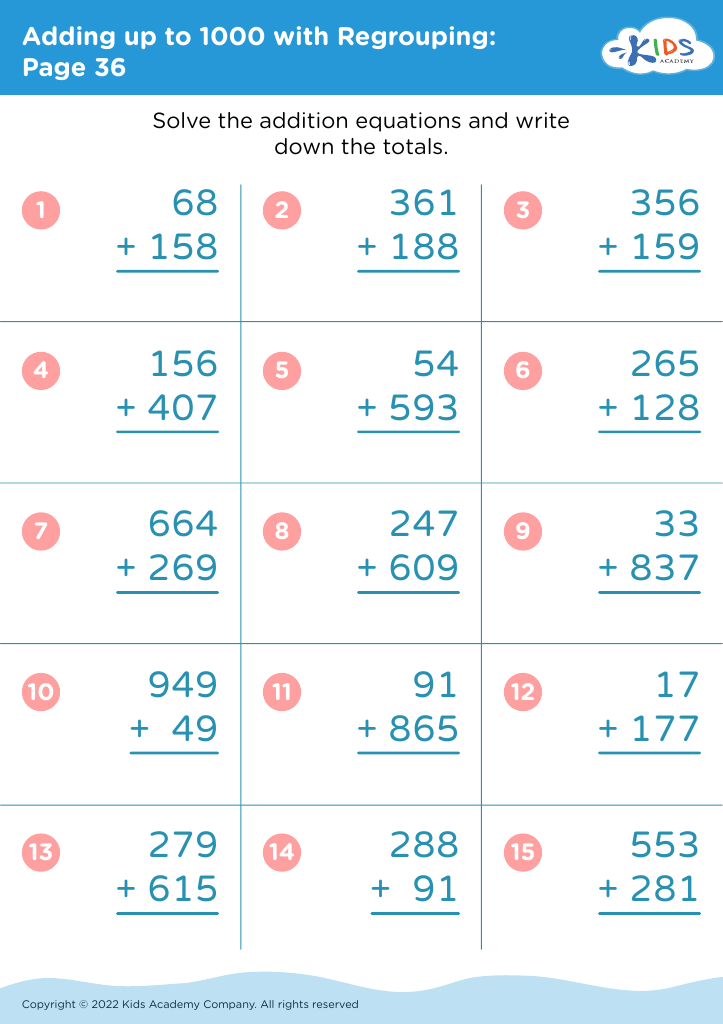
Boost your child’s math and language skills with our engaging Vocabulary Building Addition Worksheets for ages 5-8. Designed to make learning fun, these worksheets combine basic addition problems with vocabulary exercises, helping kids develop their arithmetic abilities while expanding their word knowledge. Each worksheet contains colorful, kid-friendly illustrations to keep young learners motivated and attentive. Ideal for classroom use or at-home practice, our worksheets encourage hands-on learning and critical thinking. By integrating math and language concepts, we create a holistic educational experience that supports your child’s overall academic growth. Download now to enhance their learning journey!
Favorites
With answer key
Interactive
Join Kids Academy for Free
Who is primarily going to use this learning content?








Vocabulary building in children aged 5-8 is crucial for their overall educational success and personal development. During these formative years, young minds are incredibly receptive to learning new words and concepts. A rich vocabulary enhances their ability to read and comprehend complex texts, thereby establishing a robust foundation for academic achievement. Studies show that children who possess a broad vocabulary are generally more successful in school, as they can more easily understand instructions, grasp new ideas, and express themselves clearly.
Furthermore, developing a strong vocabulary positively impacts social and emotional growth. With a broader range of words, children can more effectively articulate their thoughts and feelings, boosting their confidence and sociability. This enhanced communication skill enables them to forge stronger relationships with peers, teachers, and family members.
Additionally, early exposure to diverse vocabulary sets the stage for lifelong learning and curiosity. It cultivates an eagerness to explore new topics and ideas, which is essential for intellectual development. Parents and teachers play a key role in this process by introducing new words through engaging activities, such as reading stories, playing word games, and incorporating new terms into everyday conversations.
In essence, vocabulary building is a cornerstone of a child’s cognitive and social development, empowering them to achieve both academic success and personal fulfillment.








