Problem-solving abilities Geometry Worksheets for Ages 5-8
5 filtered results
-
From - To
Discover our engaging Problem-Solving Abilities Geometry Worksheets designed for children aged 5-8. These educational yet fun printables focus on shapes, spatial reasoning, and basic geometry concepts that help boost critical thinking and problem-solving skills. From identifying geometric shapes to solving puzzles, our worksheets cater to young learners, nurturing their logical reasoning and creativity. Perfect for classroom use or at-home practice, these activities support early math development, making learning an enjoyable experience. Equip your child with the tools for success in school and beyond with our thoughtfully crafted worksheets at Kids Academy.
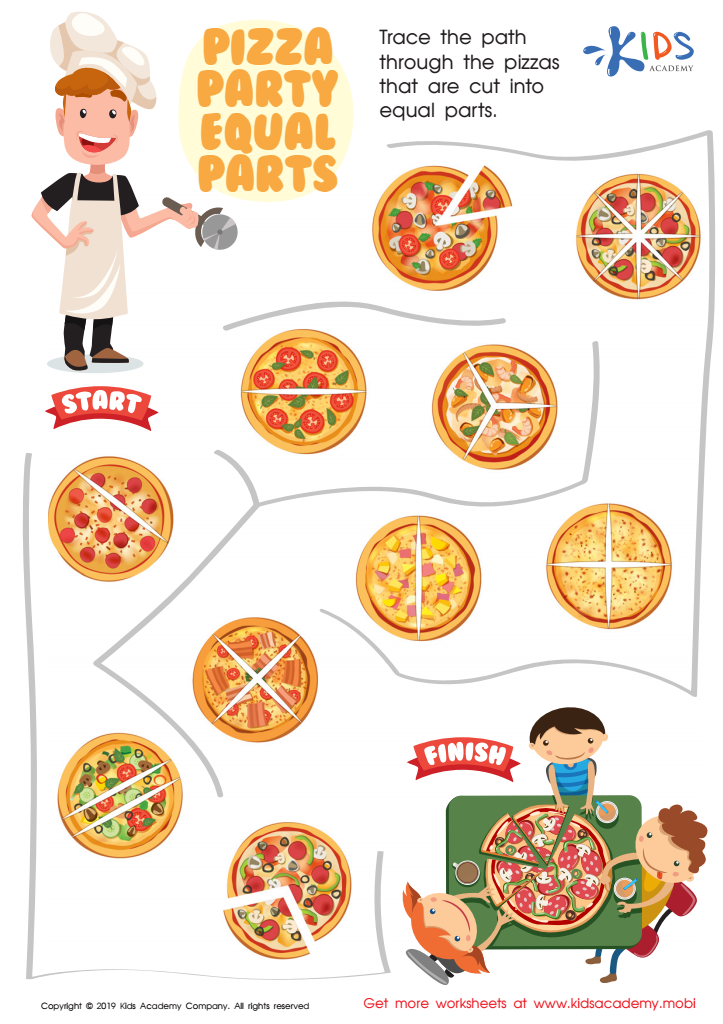
Pizza Party Equal Parts Worksheet
 Assign to My Students











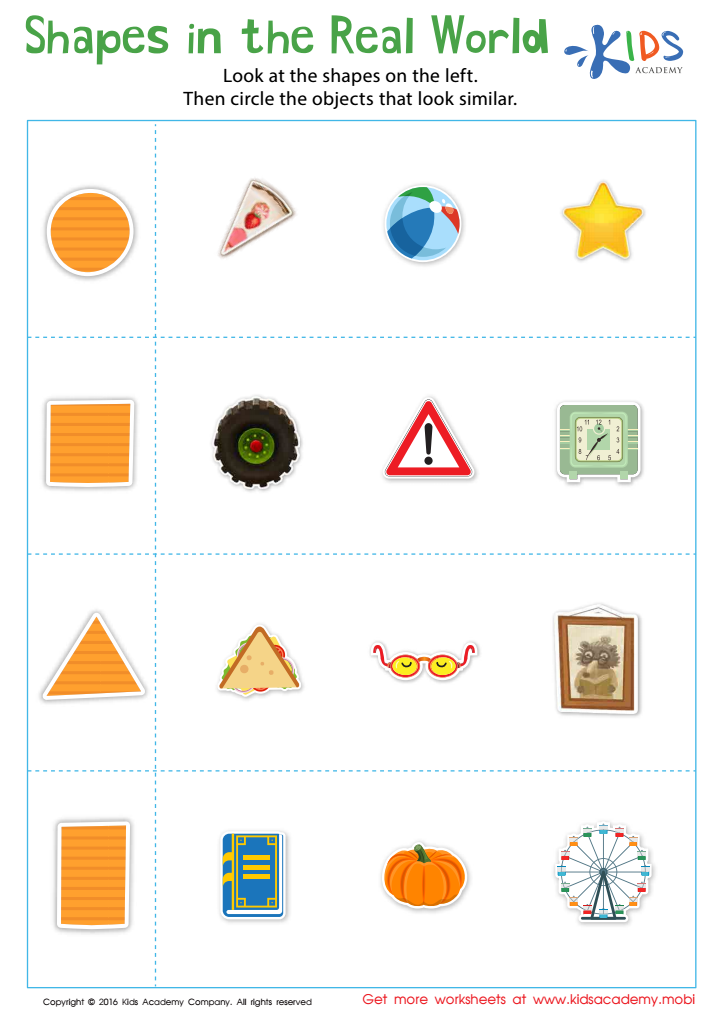
Shapes in the Real World Worksheet
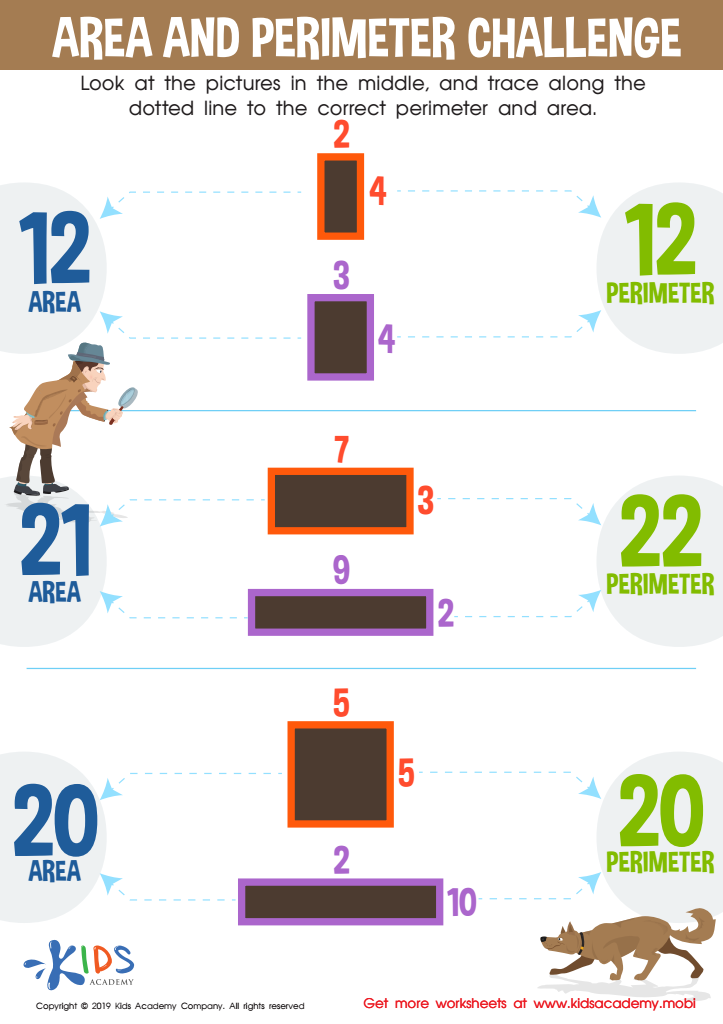
Area and Perimeter Challenge Worksheet
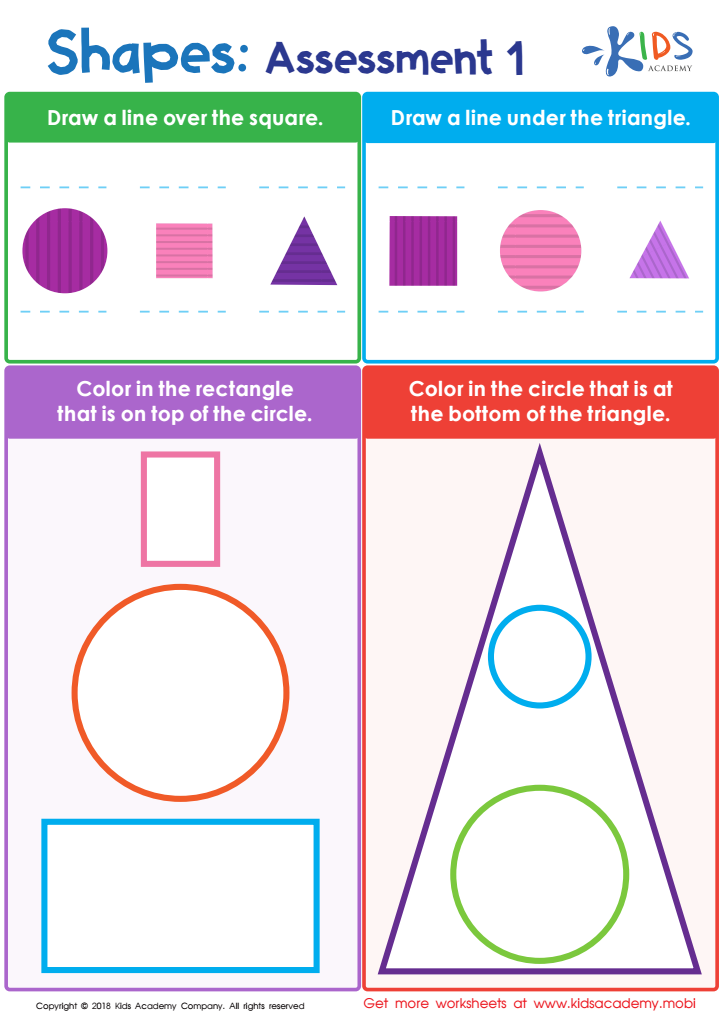
Shapes: Assessment 1 Worksheet
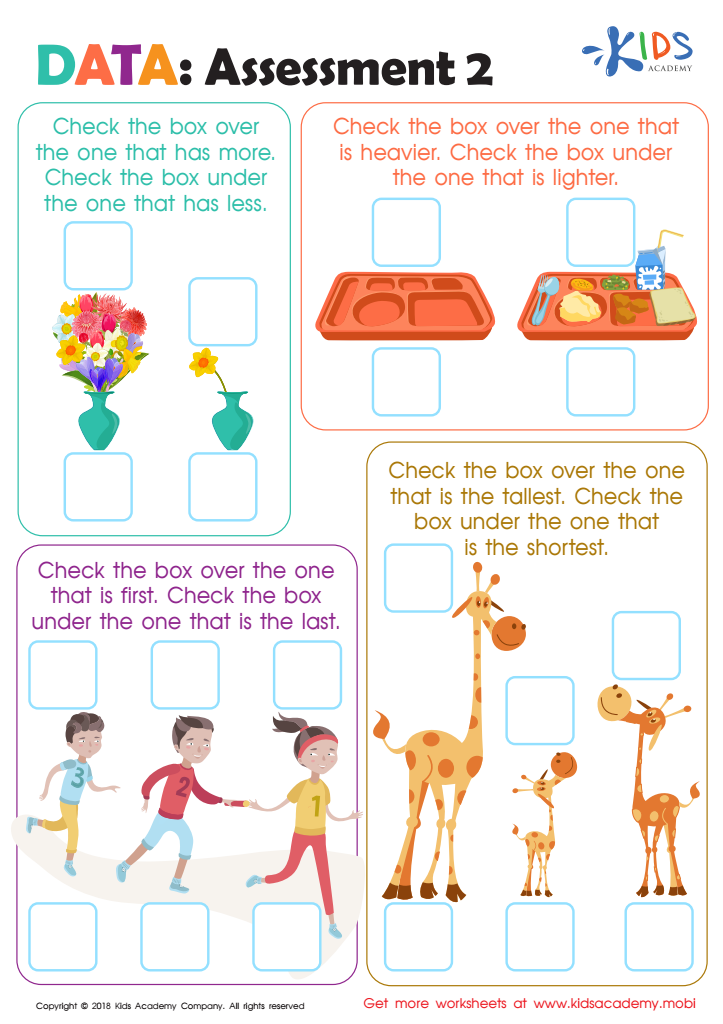
Data: Assessment 2 Worksheet








Problem-solving abilities in geometry for children aged 5-8 lay a critical foundation for their overall cognitive development and future academic success. At this early stage, geometry provides a concrete way for children to understand abstract concepts through shapes, sizes, positions, and spatial reasoning. Developing these skills can significantly enhance a child's logical thinking, analytical abilities, and creativity.
Fostering problem-solving abilities in young children equips them with essential tools for tackling everyday challenges both inside and outside the classroom. For instance, understanding shapes and spatial relationships helps children navigate their environment more effectively, whether finding their way in a new place or organizing objects in a meaningful way.
Moreover, early exposure to geometry can enhance a child's confidence in mathematics, dispelling the notion that math is daunting or difficult. Geometry-based problem-solving activities promote persistence and resilience as children learn to work through difficulties and celebrate solutions.
Parents and teachers should realize that the skills developed through geometric problem-solving are transferable across subjects. Whether it's reading maps, engaging in the arts, or even interpreting scientific data, a strong foundation in geometric problem-solving equips children with a versatile skill set. By encouraging these abilities, educators and parents enable children to grow into thoughtful, capable, and adaptable learners.








