Counting practice Numbers Worksheets for Ages 5-8 - Page 2
44 filtered results
-
From - To
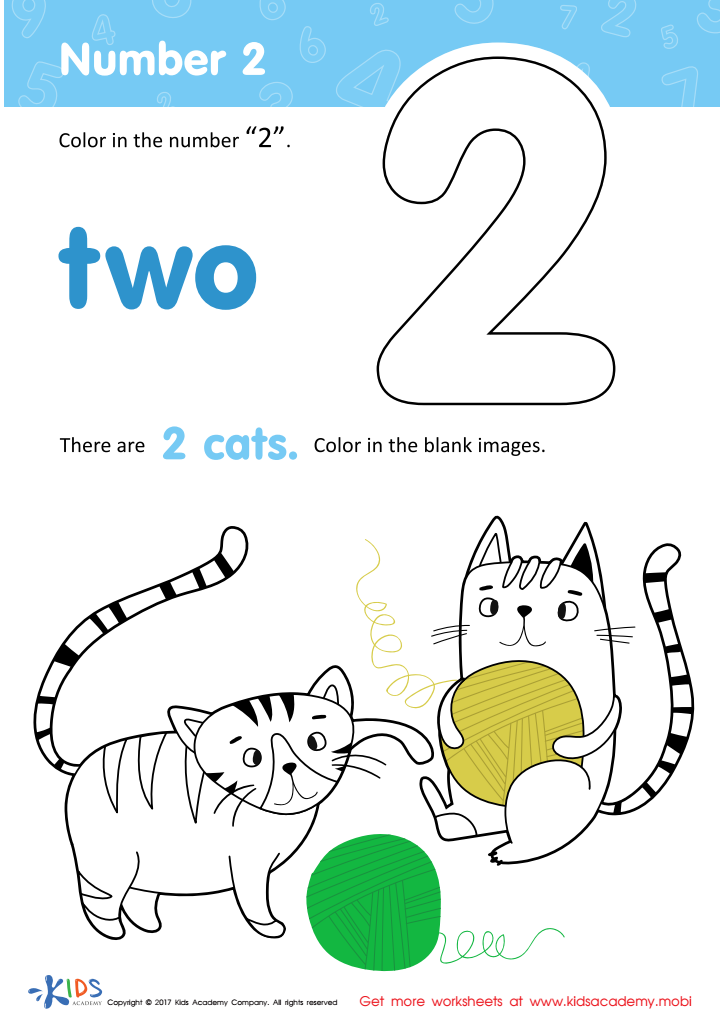
Number 2 Printable
 Assign to My Students
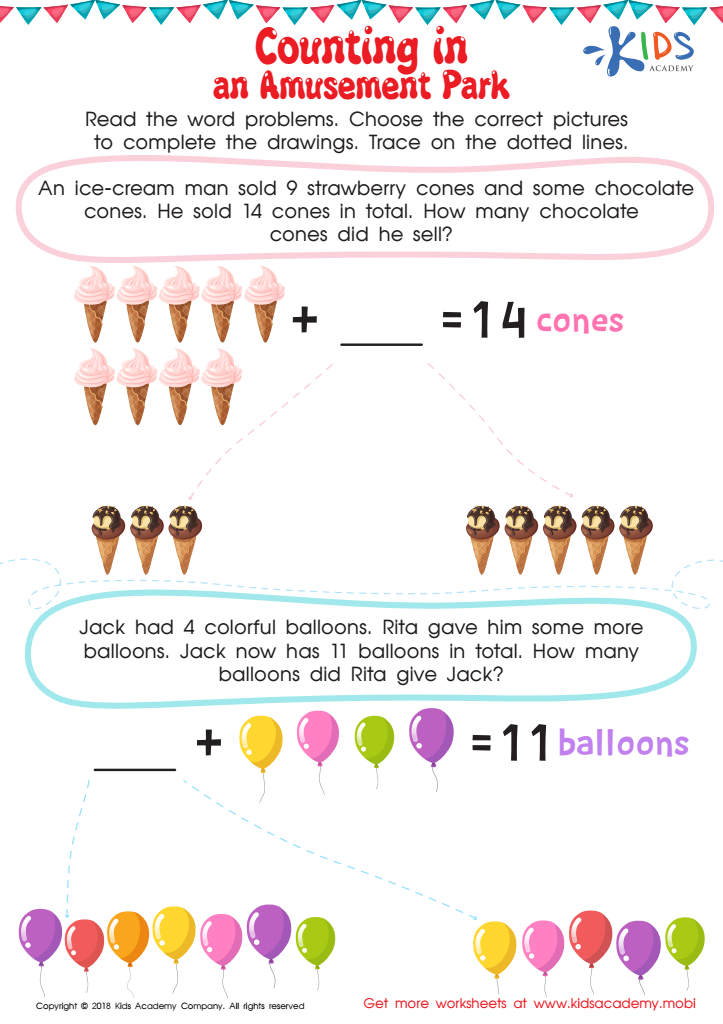
Counting in an Amusement Park Worksheet
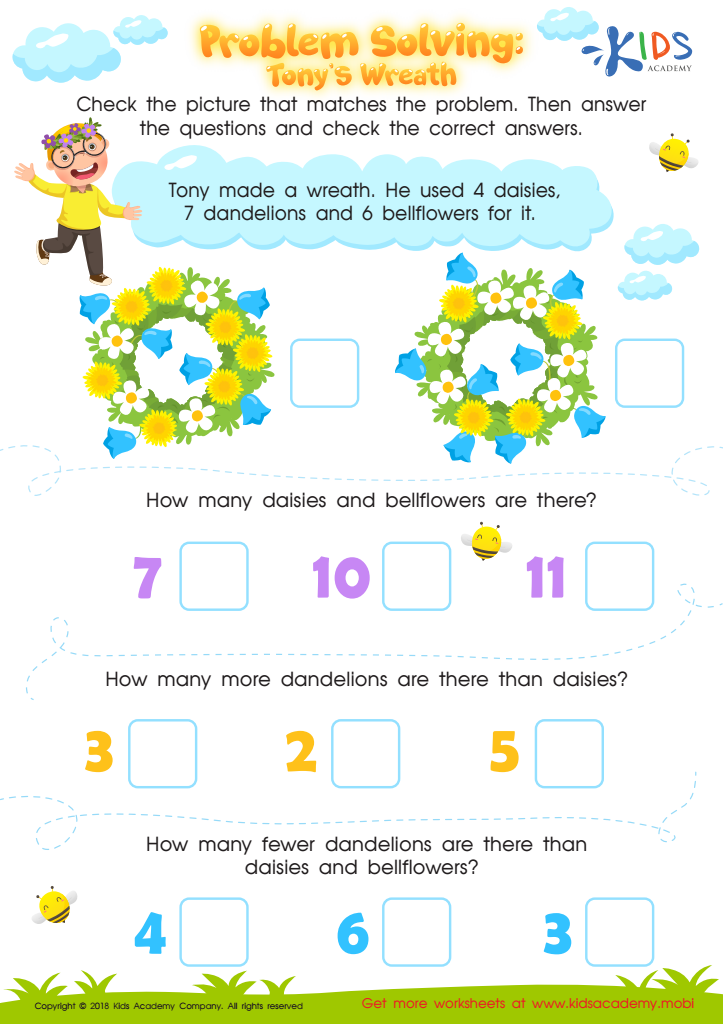
Problem Solving: Tony's Wreath Worksheet
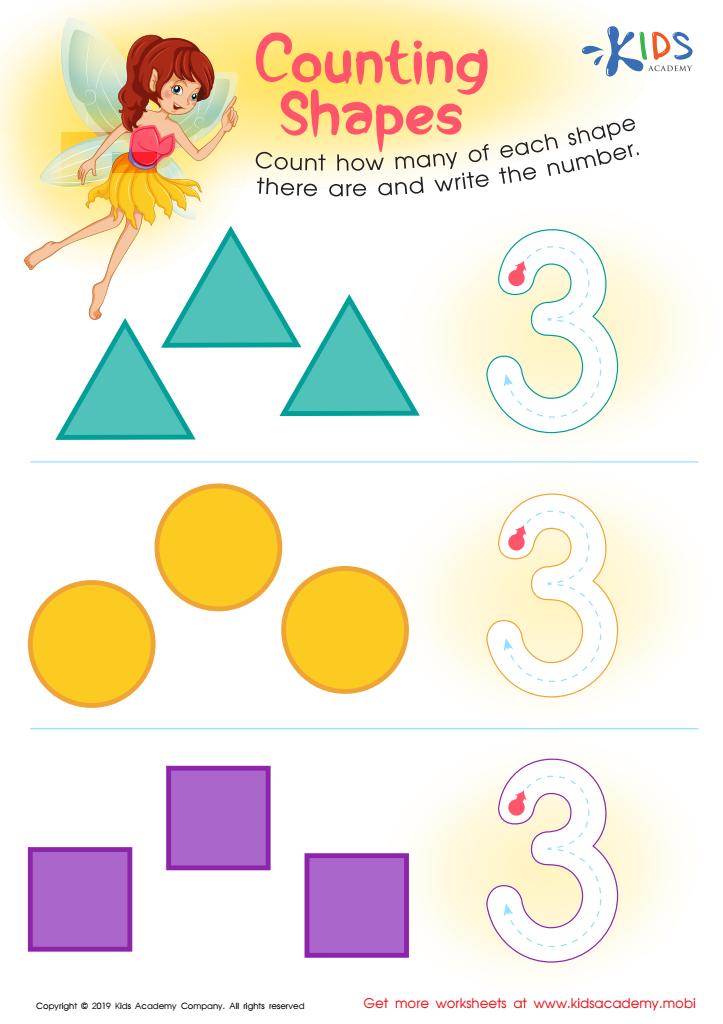
Counting Shapes Worksheet
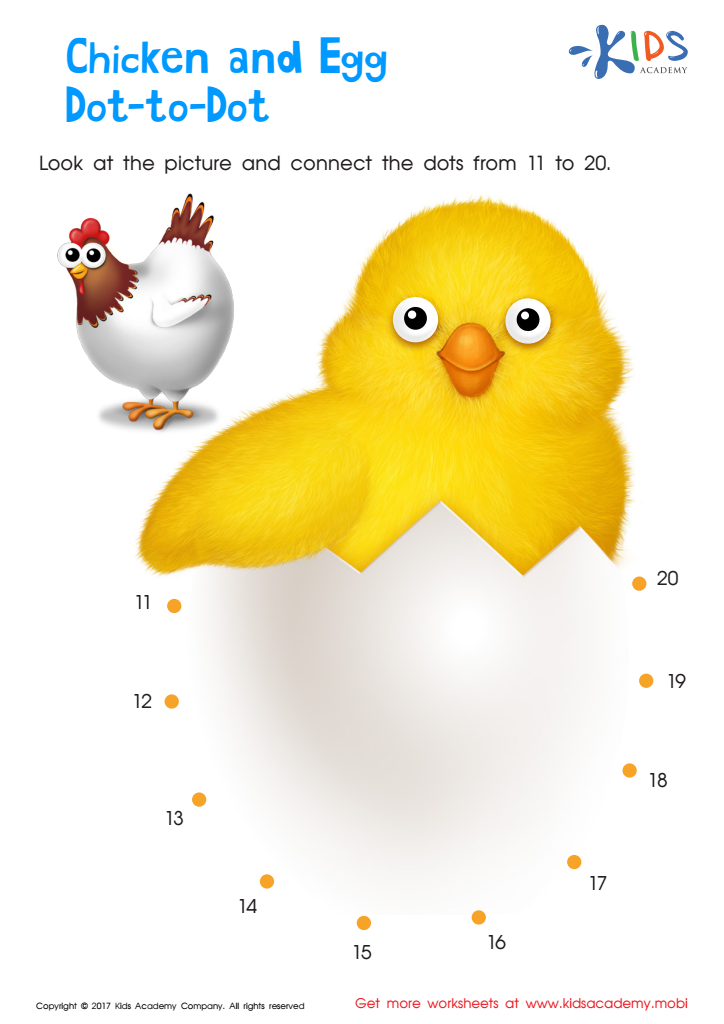
Ordering 11–20: Chicken & Egg Dot–to–dot Worksheet
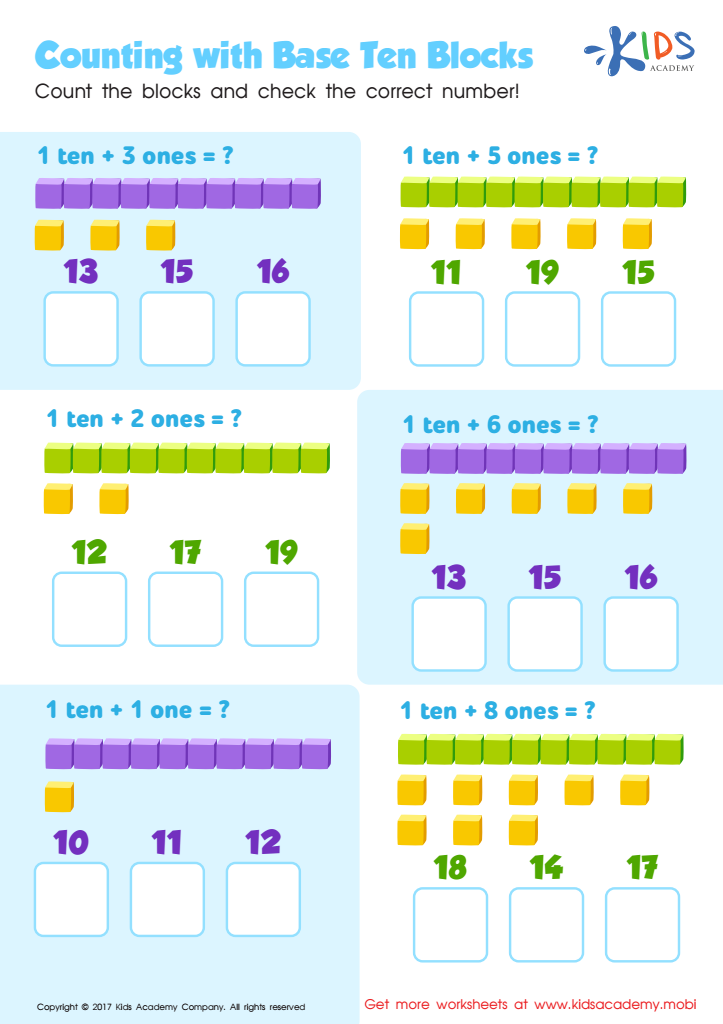
Counting with Base Ten Blocks Worksheet
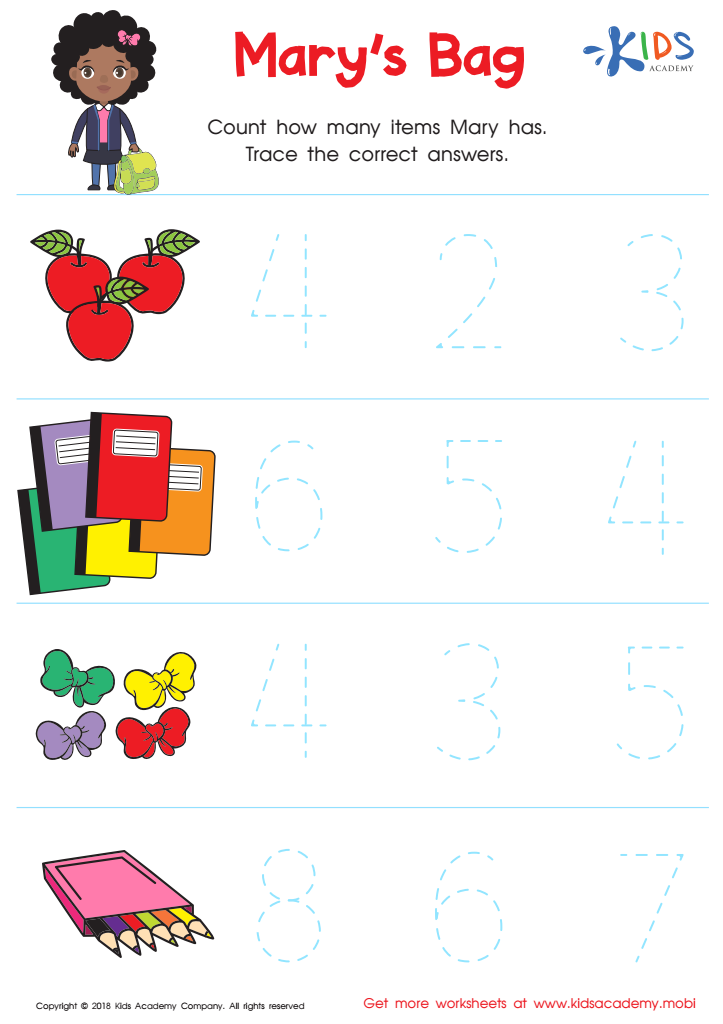
Kindergarten Number Tracing: Mary's Bag Worksheet
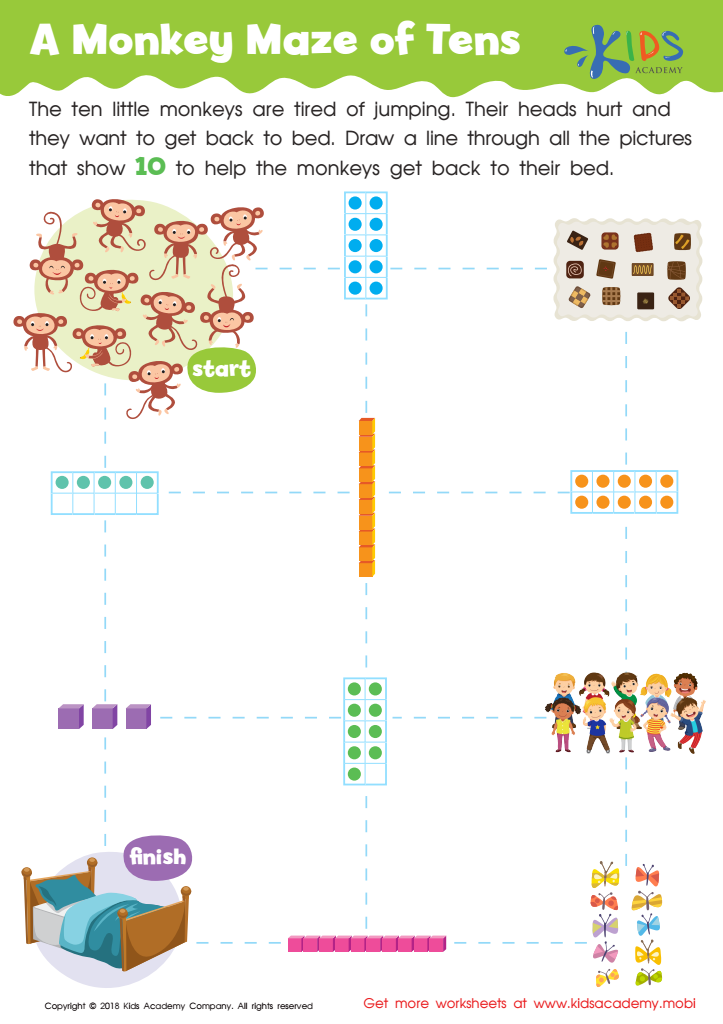
A Monkey Maze of Tens Worksheet

Eight Geese Worksheet
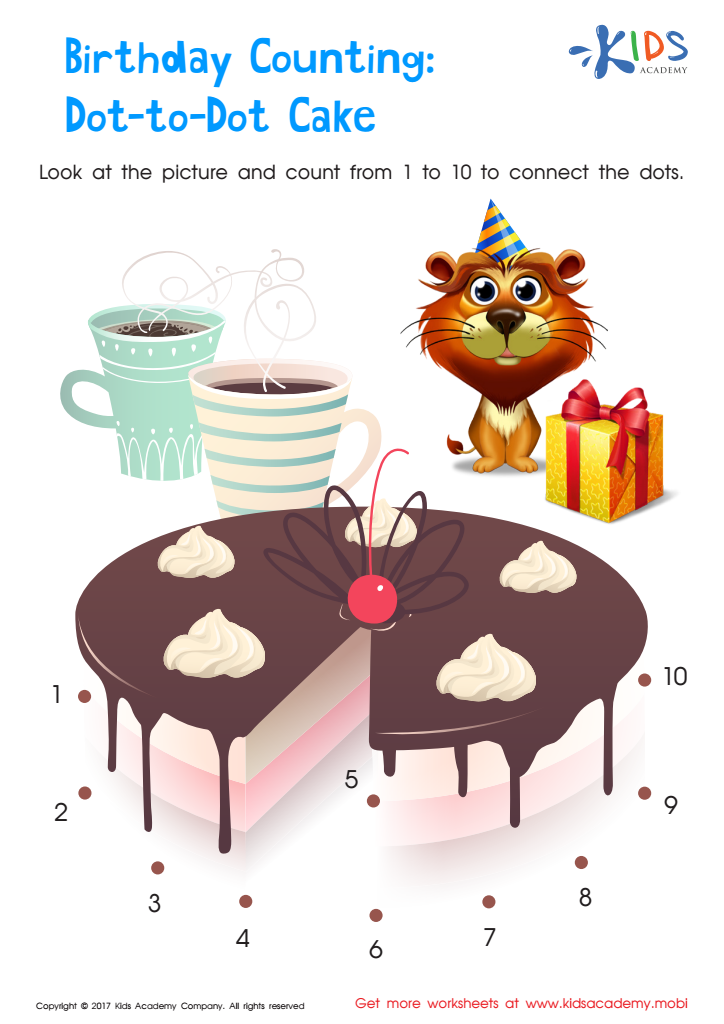
Birthday Counting Connect Dots Worksheet
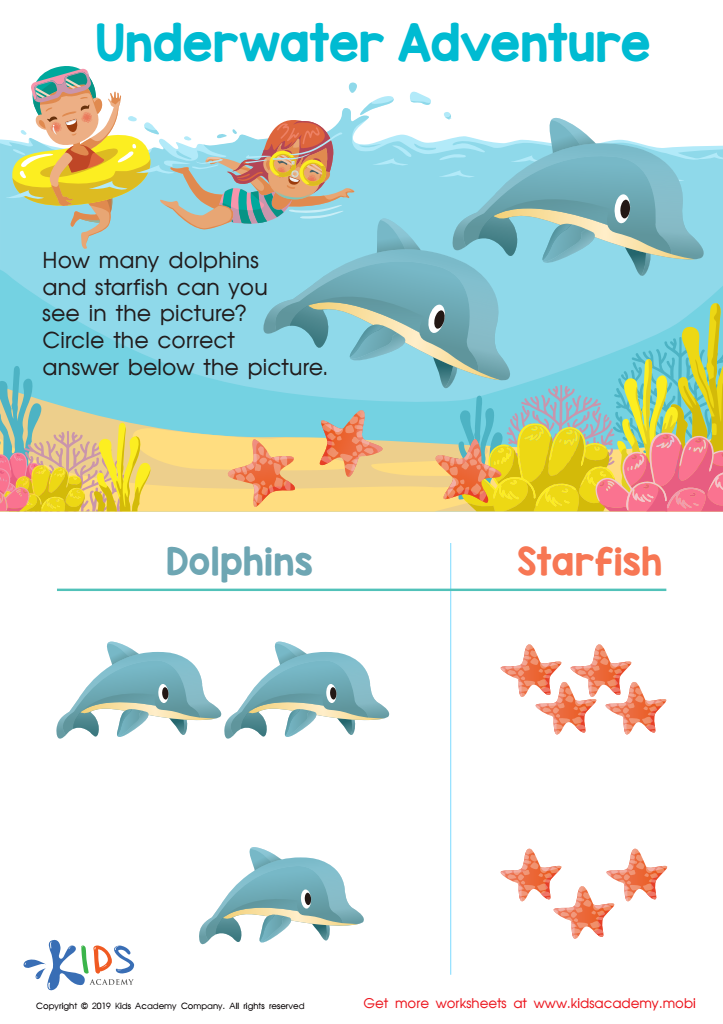
Underwater Adventure Worksheet
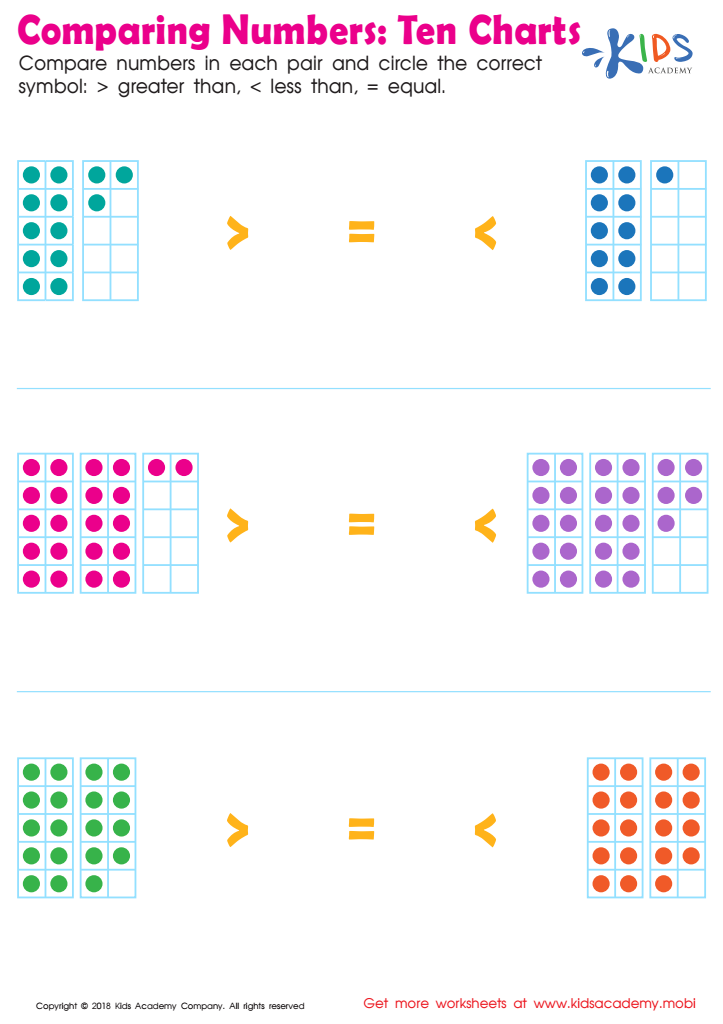
Ten Charts Worksheet

Make 6 Worksheet
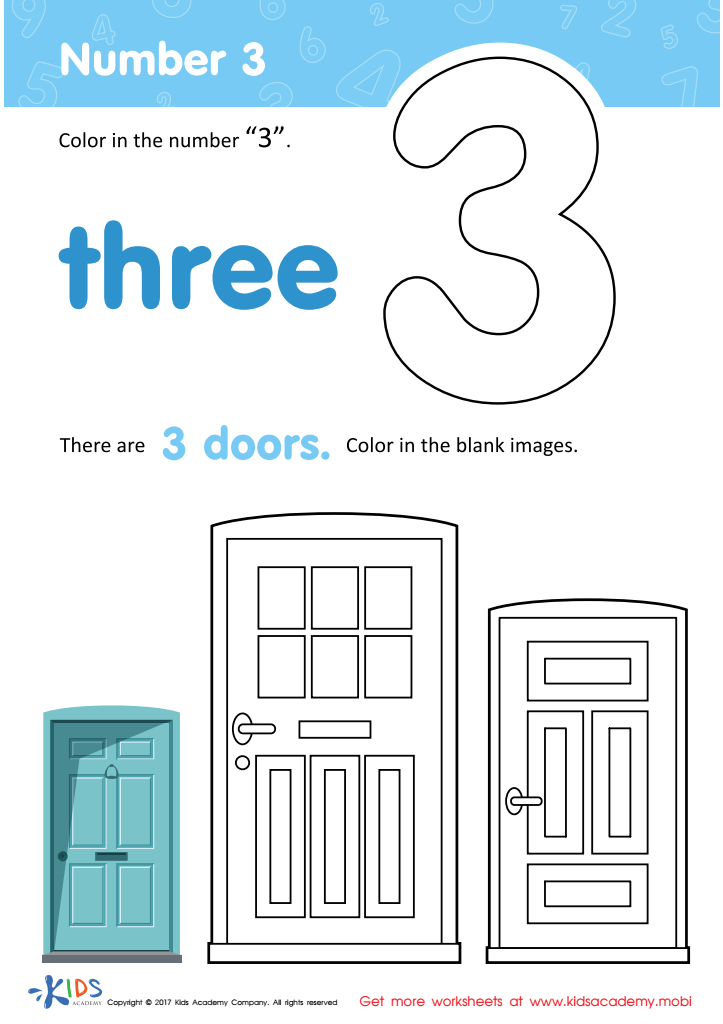
Number 3 Worksheet
Assign to My Students
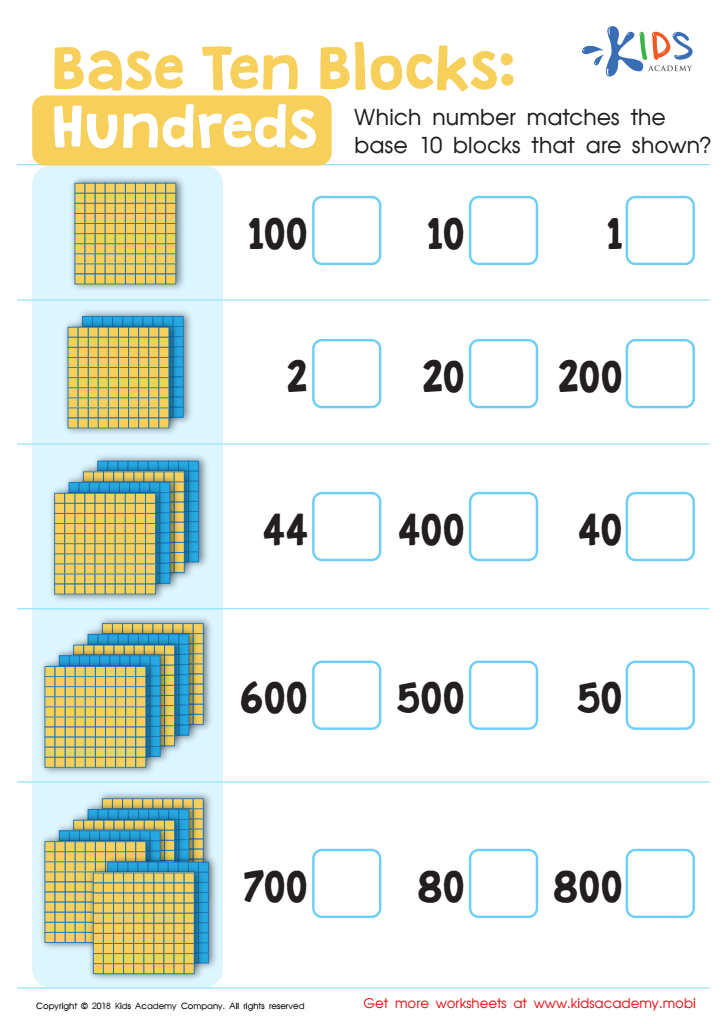
Base Ten Blocks: Hundreds Worksheet
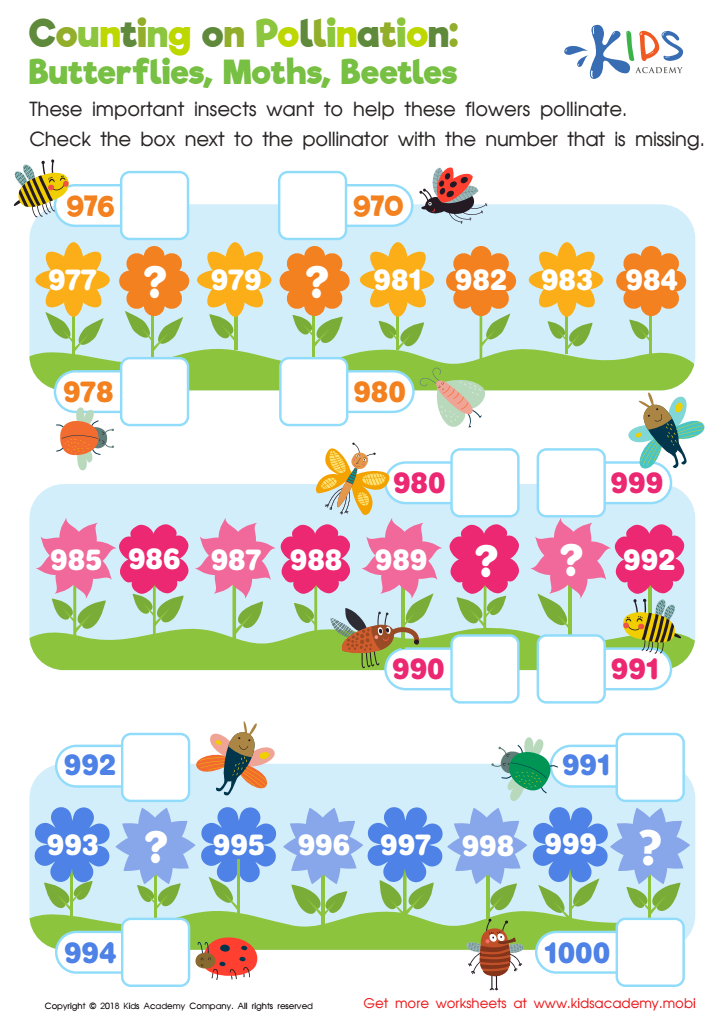
Counting on Pollination: Butterflies, Moths, Beetles Worksheet
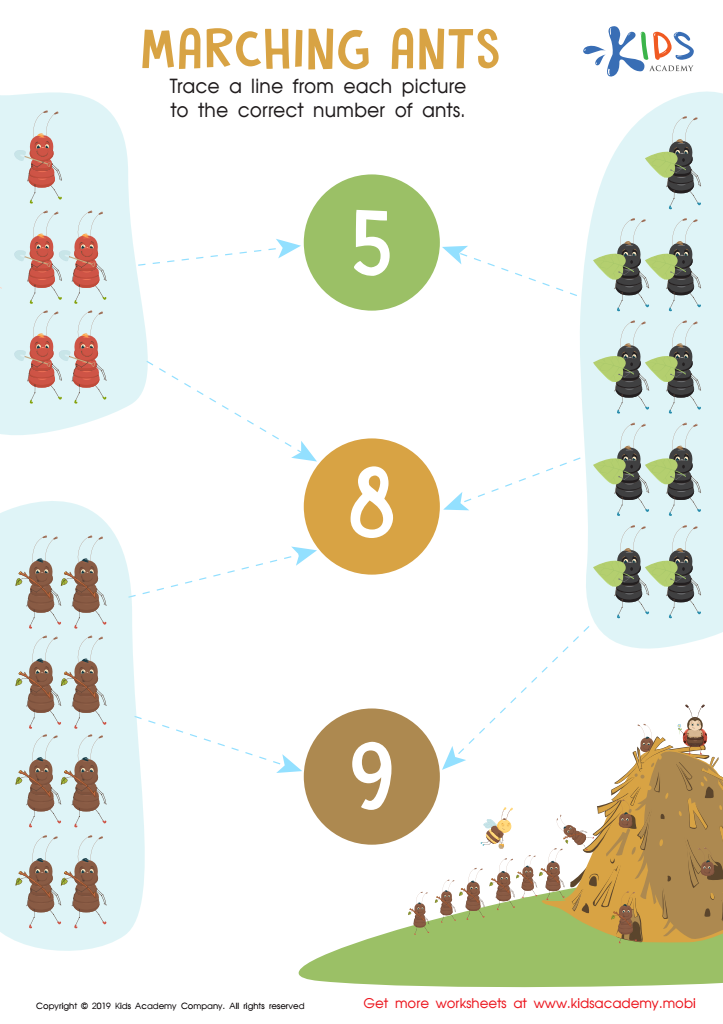
Marching Ants Worksheet

Counting on the City Skyline: Dot-to-Dot Worksheet
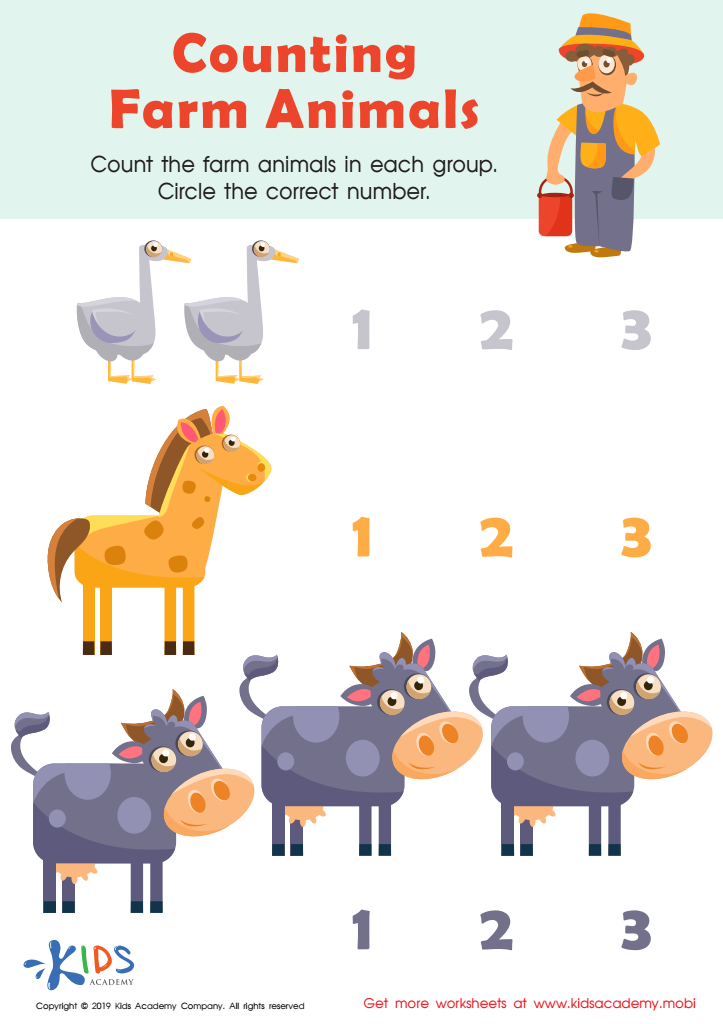
Counting Farm Animals Worksheet
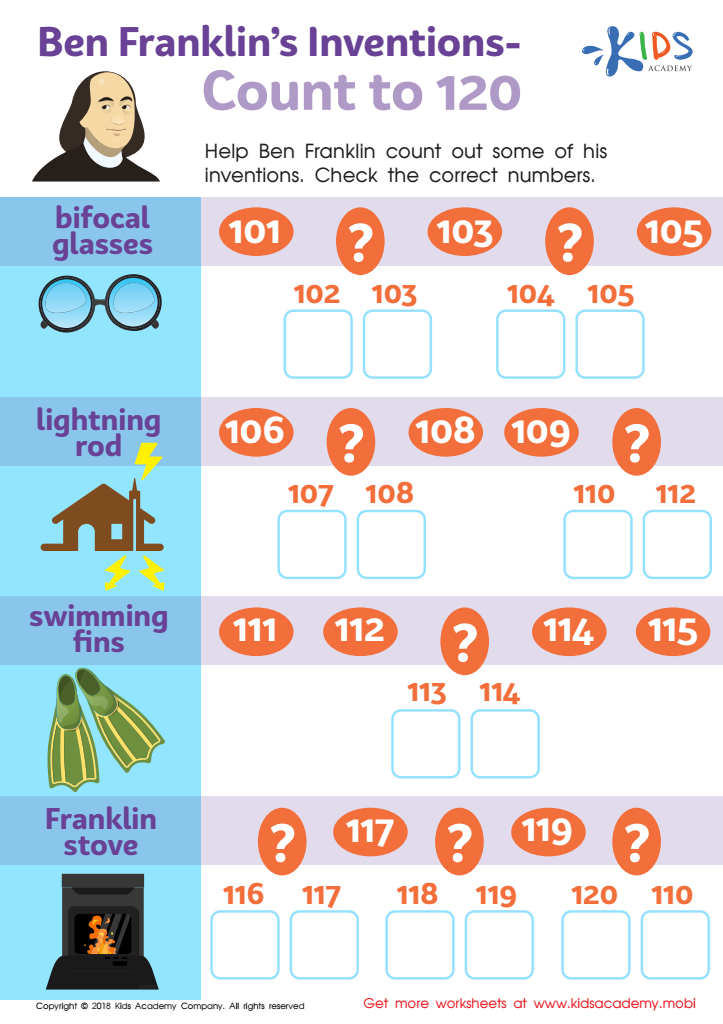
Ben Franklin’s Inventions – Count to 120 Worksheet







Counting practice for children aged 5-8 is crucial for their mathematical development and overall cognitive skills. At this formative stage, children are building the foundational knowledge that will support all future learning in math. Mastering counting helps them understand number concepts, which is vital for more complex mathematical operations such as addition, subtraction, multiplication, and division.
Moreover, counting enhances a child's ability to comprehend the world around them. When children practice counting, they become proficient in identifying patterns, sequences, and basic arithmetic relationships, which aids in problem-solving and logical thinking. These skills are not only applicable in math but also in daily tasks, from recognizing numbers on a clock to grasping the concept of quantity while measuring ingredients in a recipe.
Additionally, engaging in counting activities supports language development, as children learn to articulate numbers and follow numeric patterns. This dual boost in math and language skills prepares them for academic success in more than one subject area.
For teachers, consistent counting practice can pinpoint a child's proficiency level, identifying both strengths and areas needing reinforcement. For parents, encouraging counting through play and daily activities reinforces learning outside the classroom, fostering a supportive and enriched learning environment. In essence, counting practice forms a cornerstone of educational and cognitive development during a pivotal growth period.








