Shape Recognition Math Worksheets for Ages 5-8 - Page 3
113 filtered results
-
From - To
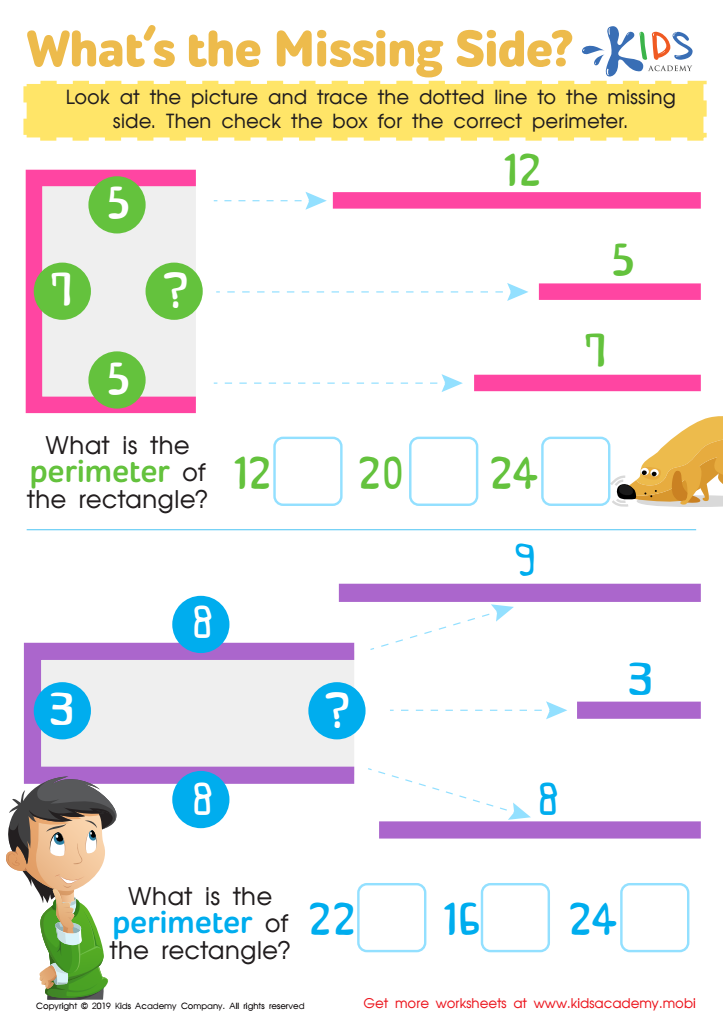
What's the Missing Side Worksheet
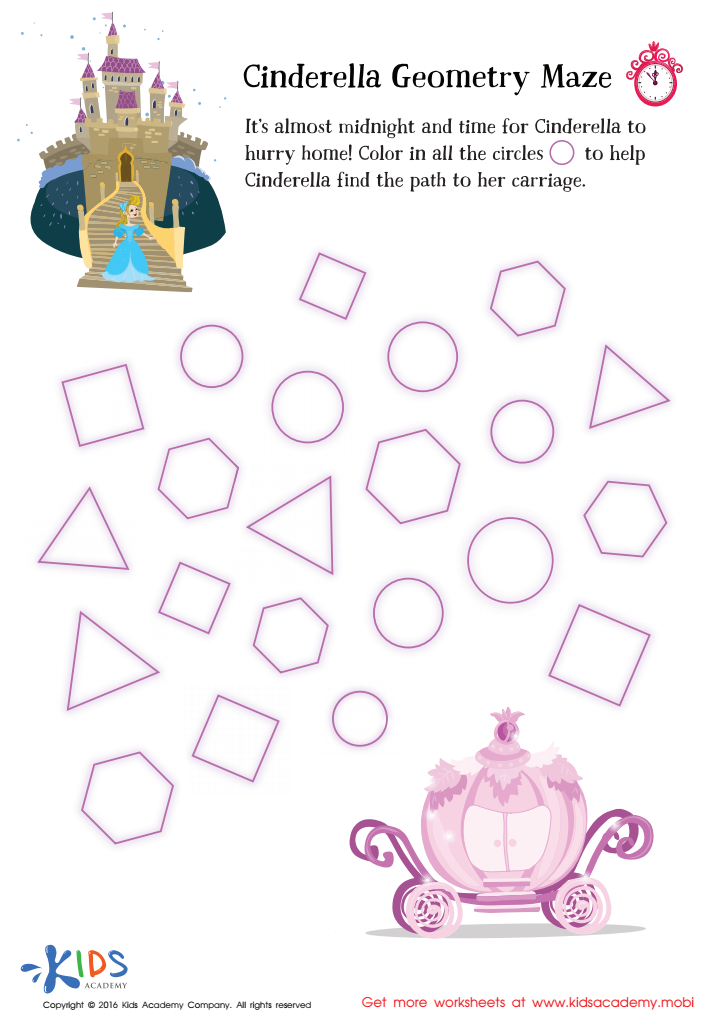
Cinderella Geometry Maze Worksheet
Preschool Geometry Match Up Worksheet
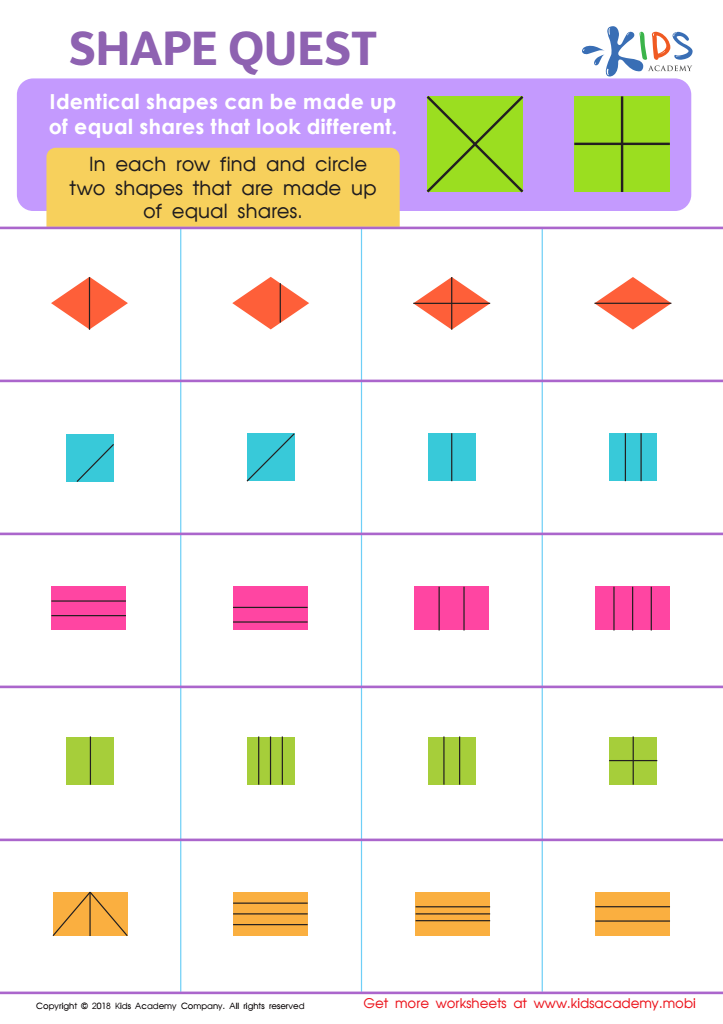
Shape Quest Worksheet
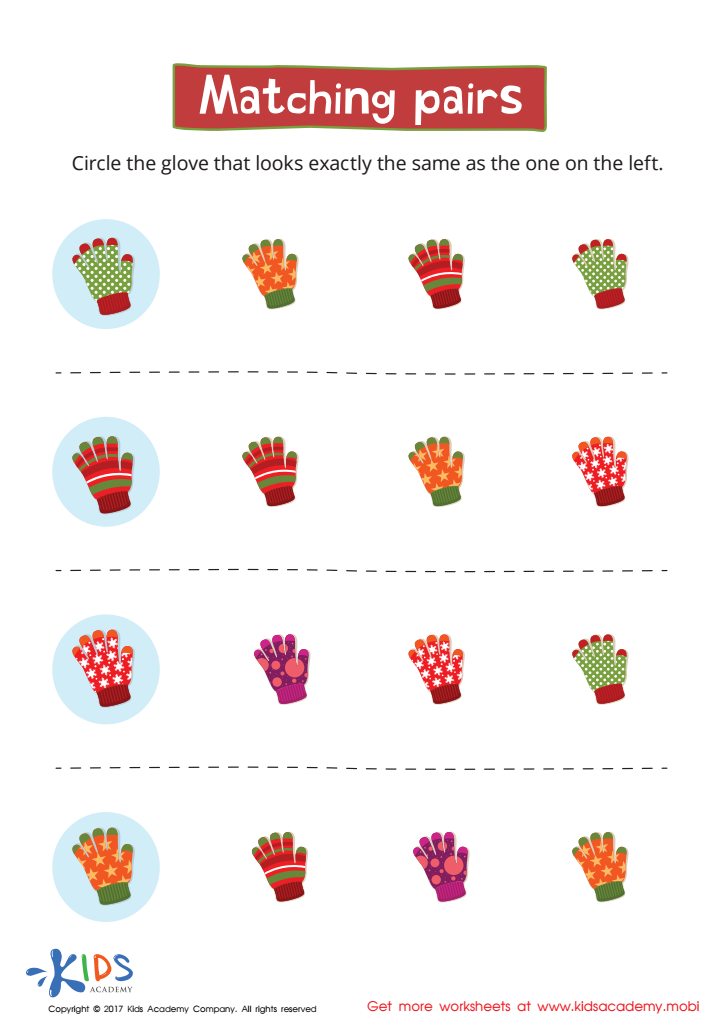
Matching: Matching Pairs Worksheet
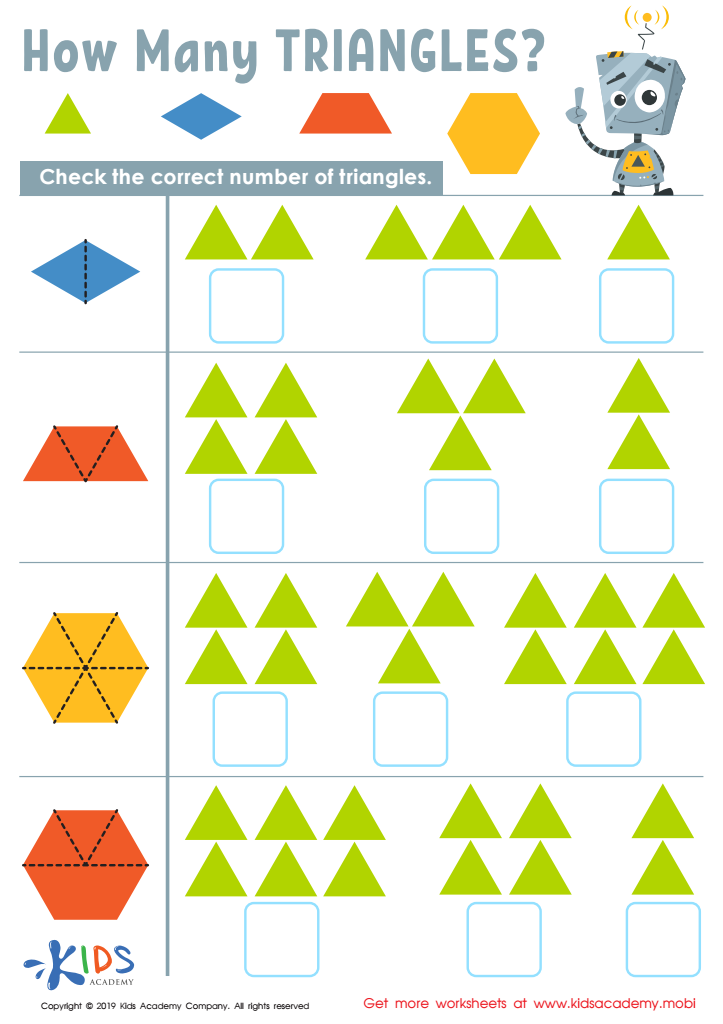
How Many Triangles Worksheet

Learning to Draw Crescents And Triangles Worksheet
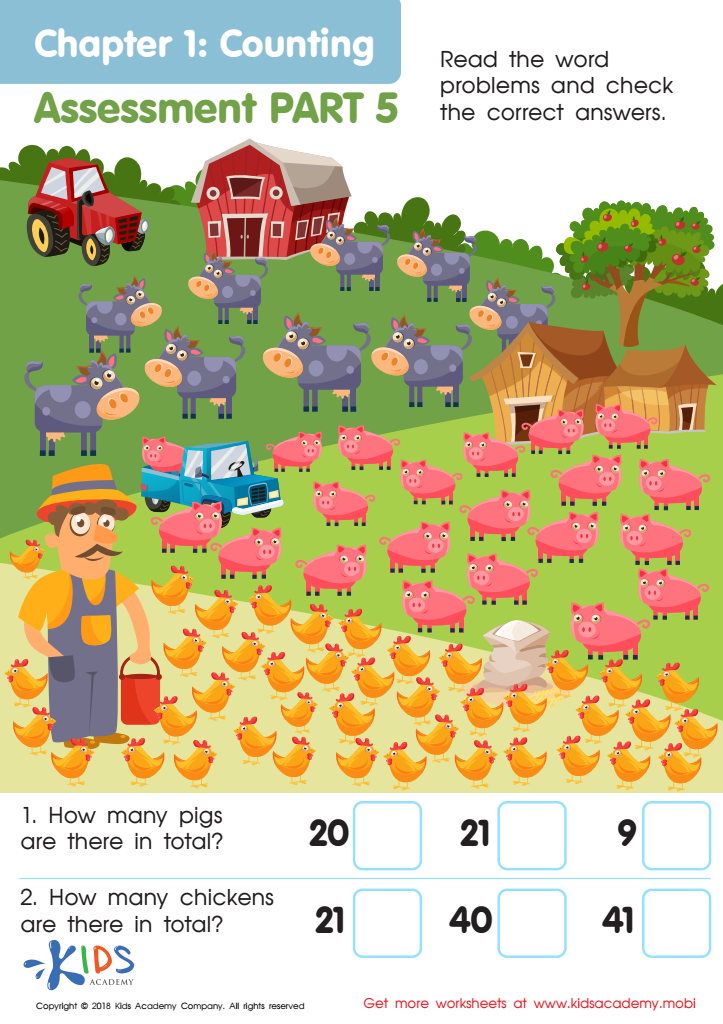
Counting: Assessment 5 Worksheet
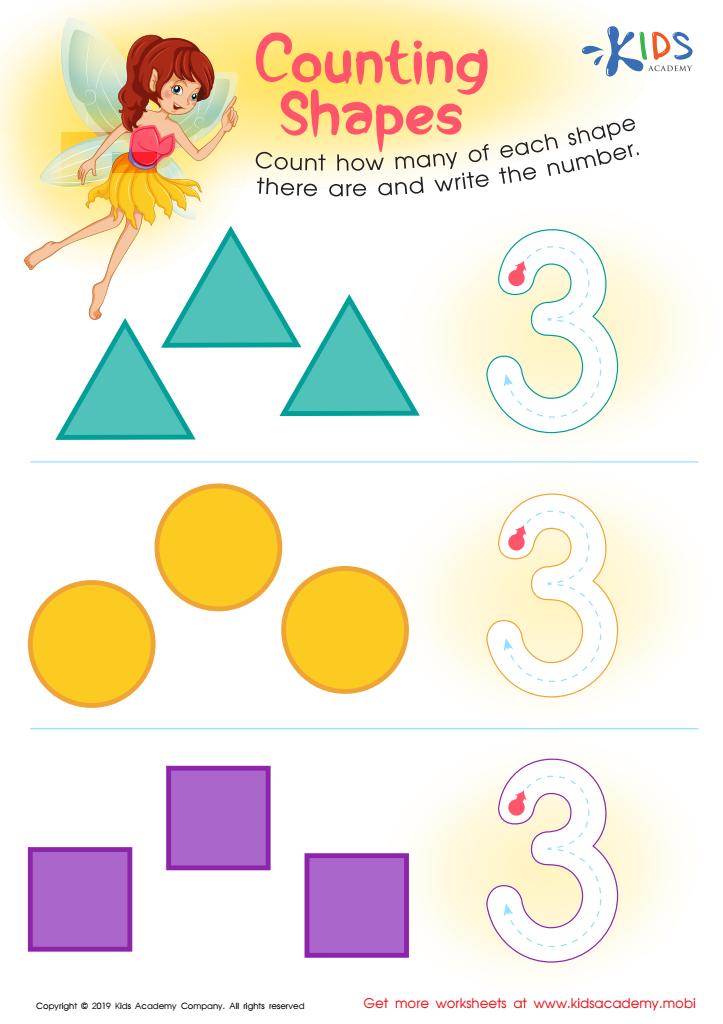
Counting Shapes Worksheet
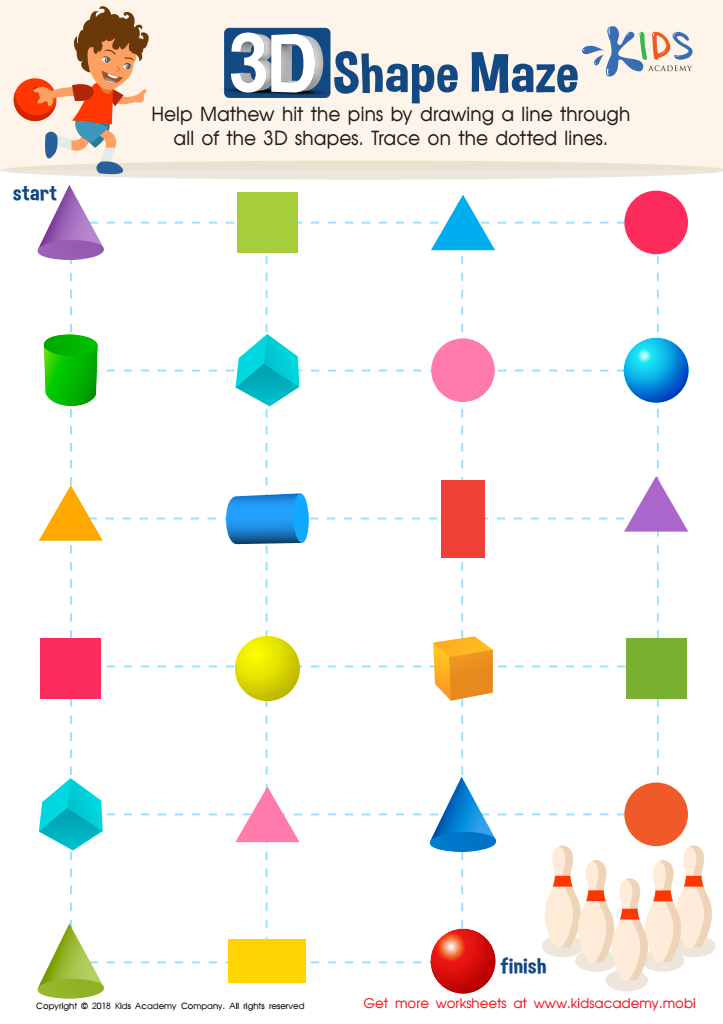
Shapes Maze Geometry Worksheet
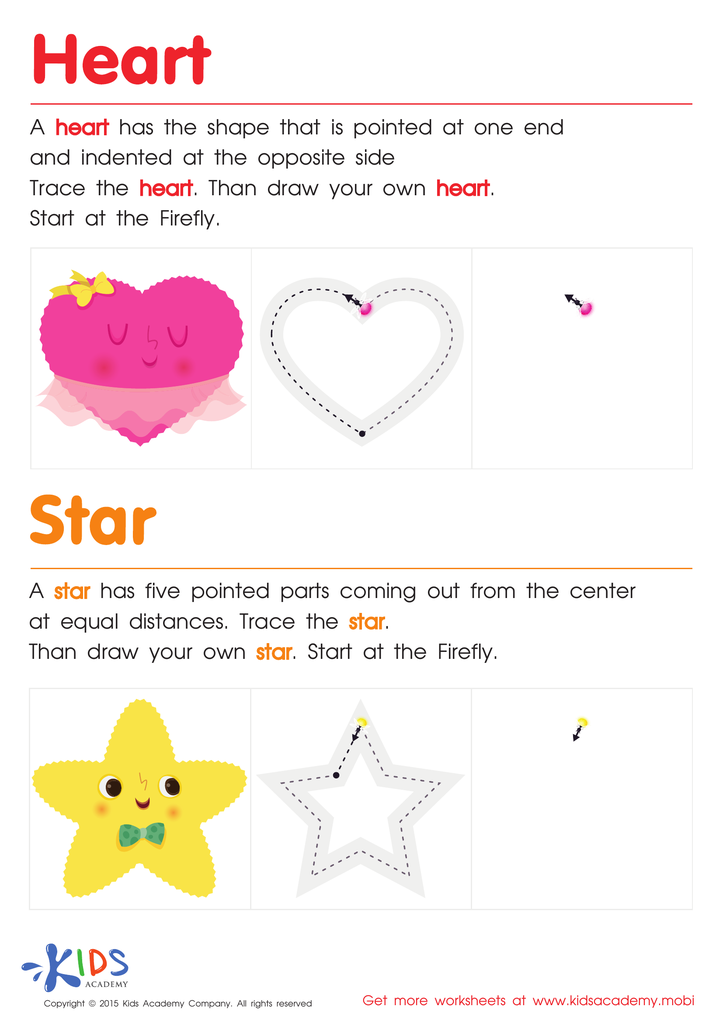
Let's Learn to Draw Hearts And Stars Printable
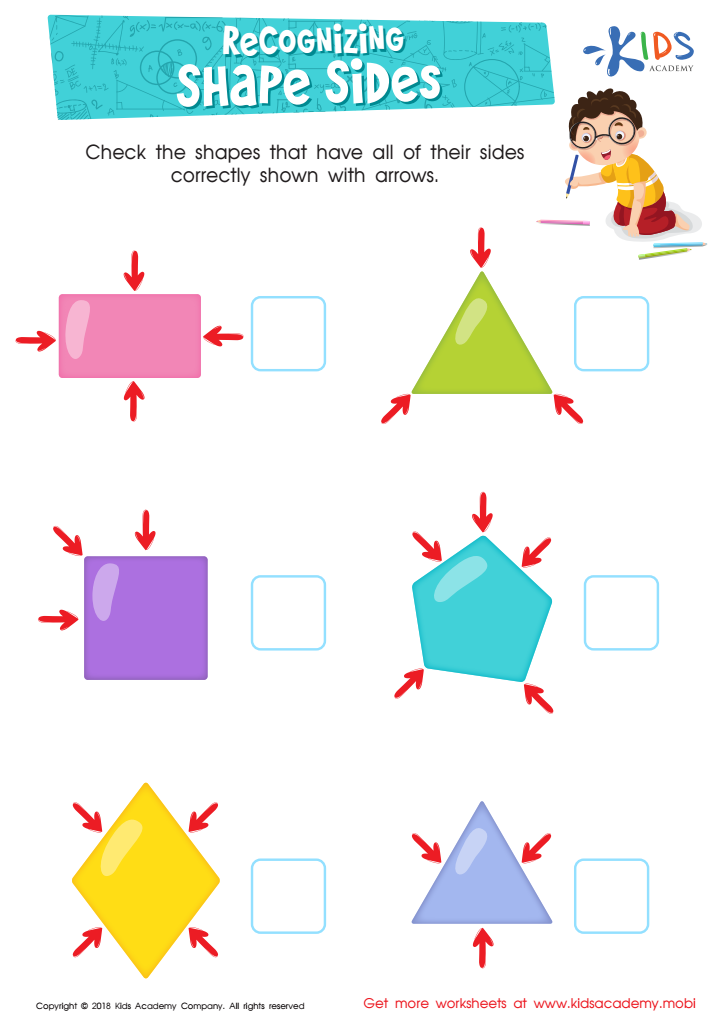
Recognizing Shape Sides Worksheet
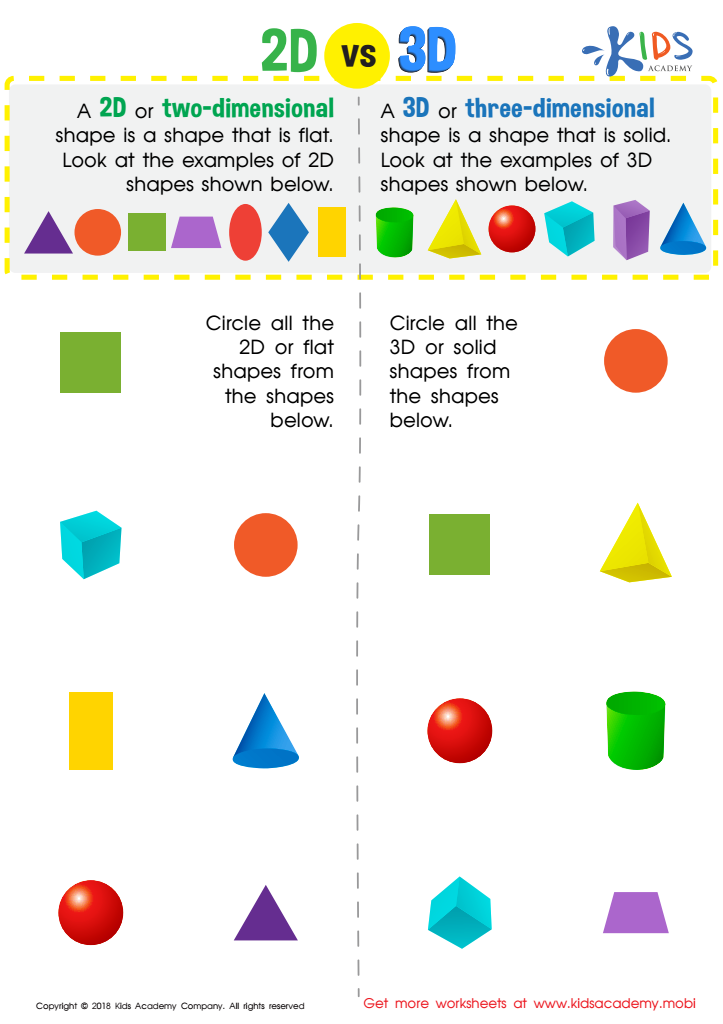
2D vs 3D Shapes Worksheet
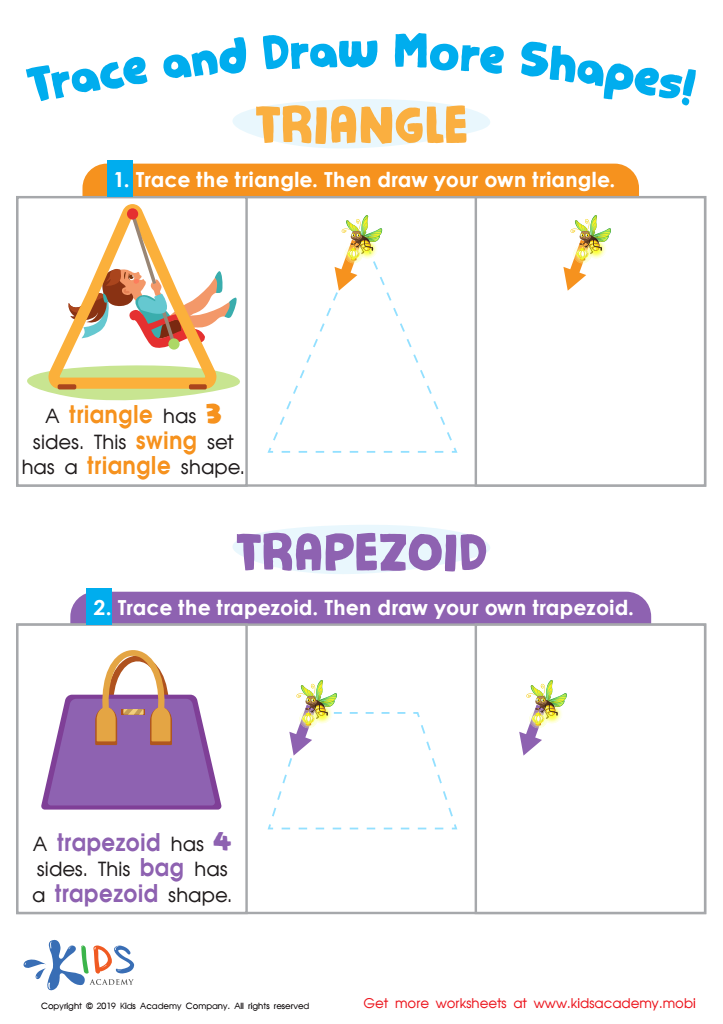
Trace and Draw More Shapes Worksheet
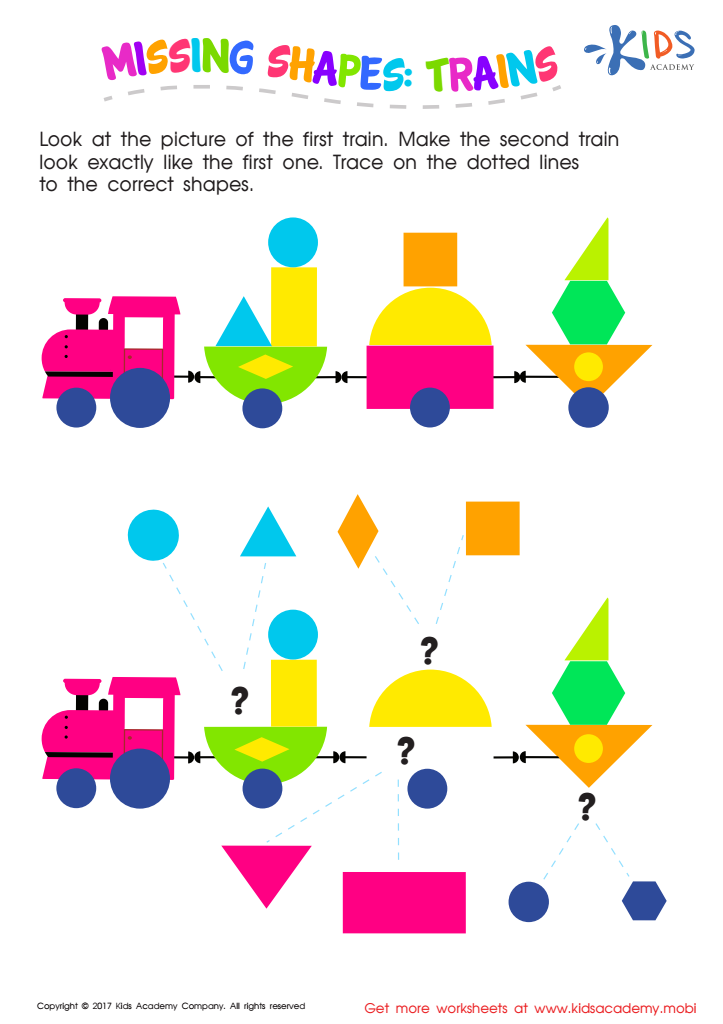
Missing Shapes: Trains Worksheet
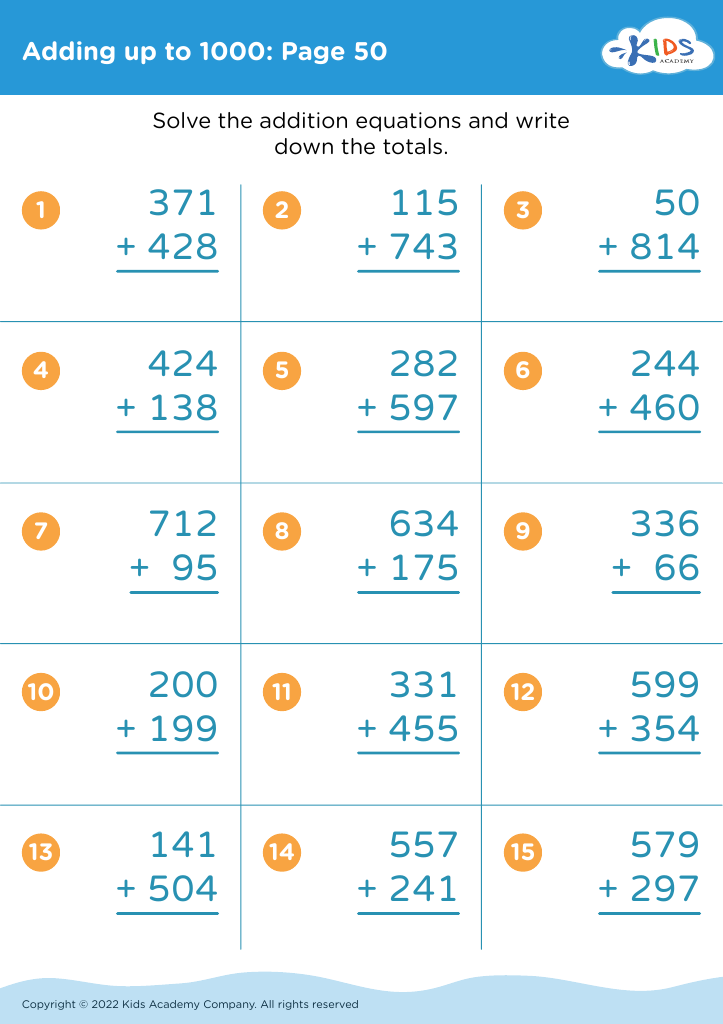
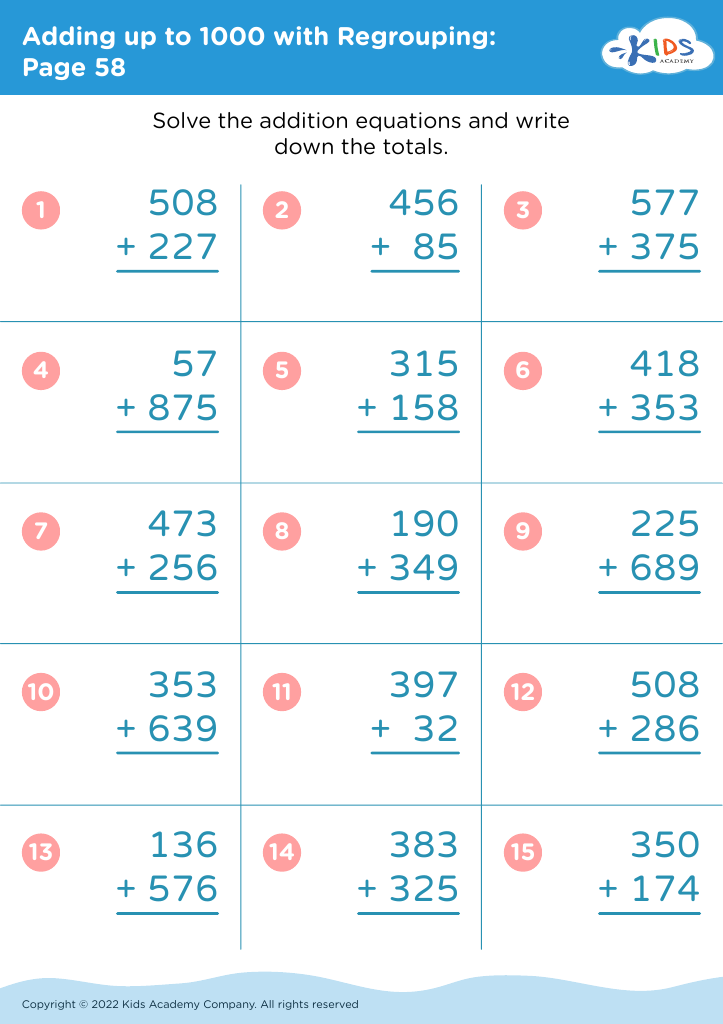
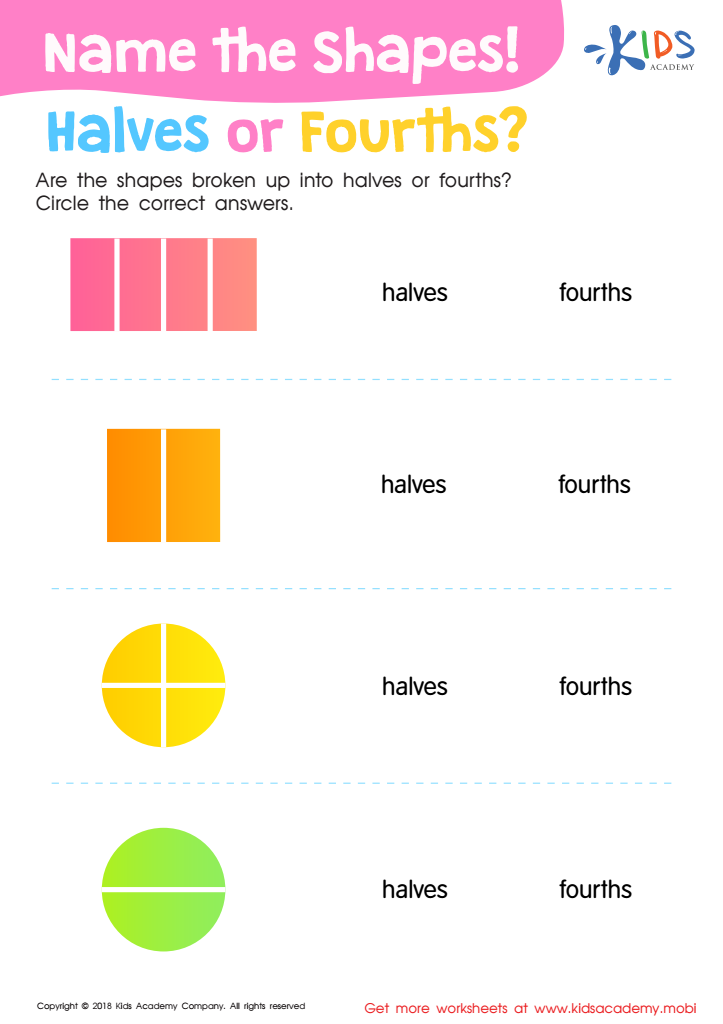
Name the Shapes Halves or Fourths? Worksheet
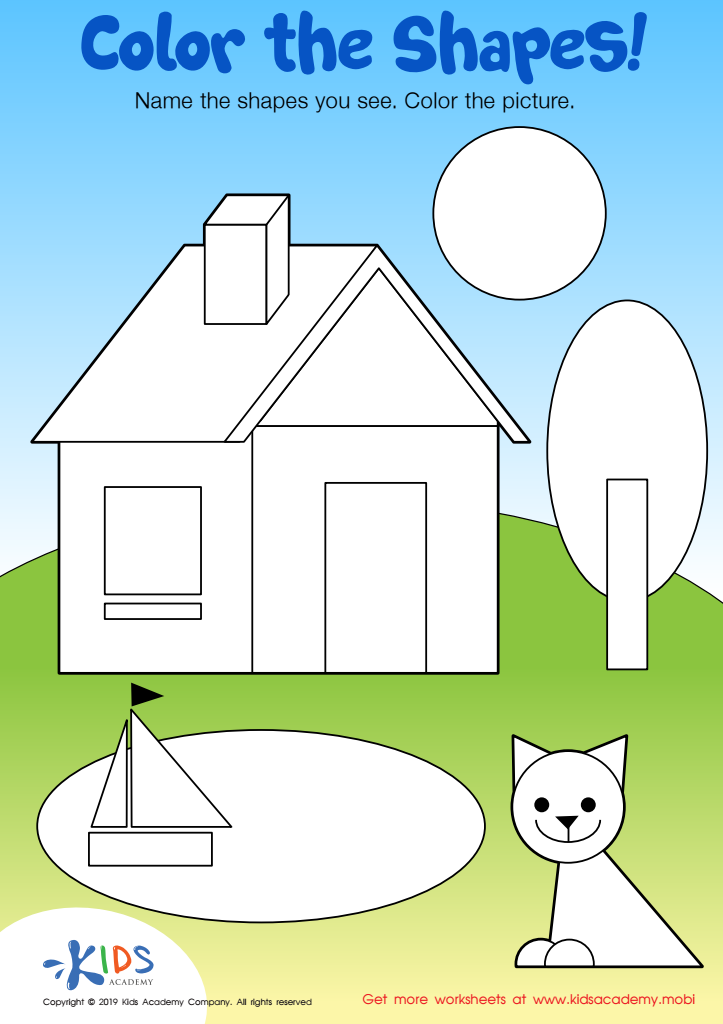
Color the Shapes Worksheet
 Assign to My Students







Shape recognition is a fundamental math skill crucial for children aged 5 to 8, laying the groundwork for future mathematical understanding and cognitive development. By learning to identify and differentiate shapes, children enhance their spatial awareness, which is vital in everyday tasks as well as advanced math concepts like geometry.
Parents and teachers should care about shape recognition because it promotes critical thinking and problem-solving skills. When children engage with shapes, they not only learn their attributes, but they also begin to understand concepts like symmetry, congruence, and patterns. This early exposure to geometry helps to nurture a child's ability to visualize and manipulate objects in space.
Moreover, shape recognition integrates seamlessly with other subjects—such as art, where understanding shapes can improve drawing and design, and science, through concepts of structure and form. Engaging with shapes provides children with hands-on learning opportunities, making math fun and interactive.
Investing time in shape recognition also supports language development, as children learn to articulate their understanding of shapes and directional concepts. Ultimately, fostering shape recognition at a young age builds a strong foundation for lifelong learning in mathematics and beyond.








