Understanding measurements Math Worksheets for Ages 5-8
26 filtered results
-
From - To
Explore our "Understanding Measurements" Math Worksheets designed for children ages 5-8! These engaging activities help young learners grasp essential measurement concepts through fun and interactive practices. With a focus on basic units such as length, weight, and volume, our worksheets encourage your child to compare sizes, visualize measurements, and develop critical thinking skills. Each worksheet is tailored to reinforce measurement skills while keeping learning enjoyable. Dive into a world of hands-on learning with vibrant illustrations and practical exercises that make understanding measurements both easy and fun. Perfect for classrooms or at-home learning, these worksheets provide an exciting way to spark your child's curiosity in math!
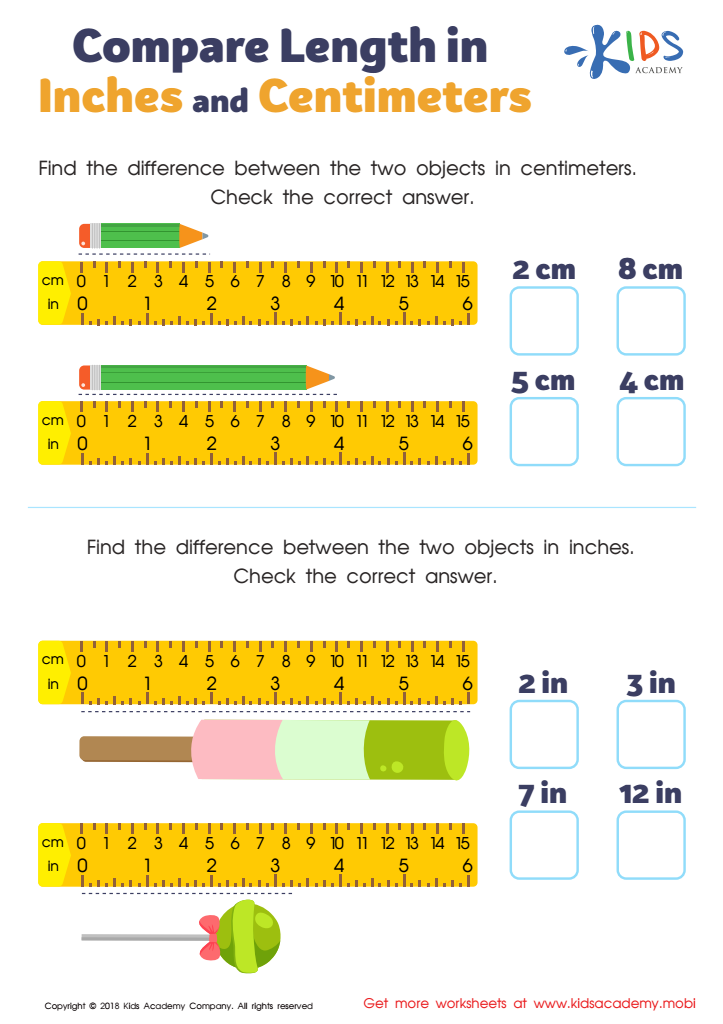
Compare Length in Inches and Centimeters Worksheet
 Assign to My Students
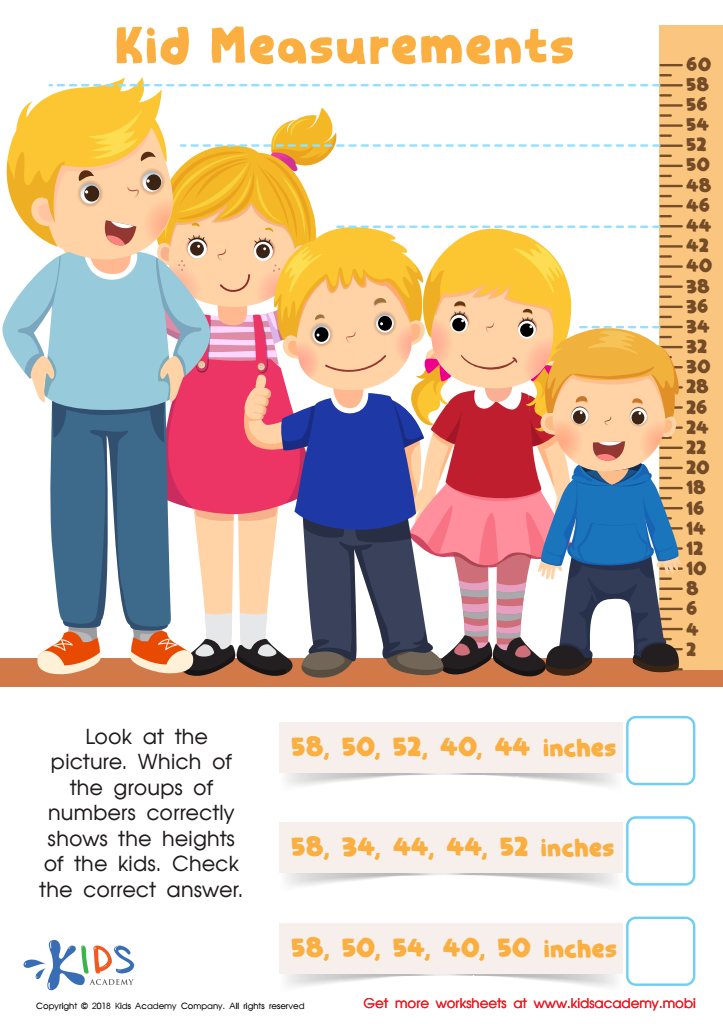
Kids Measurements Worksheet
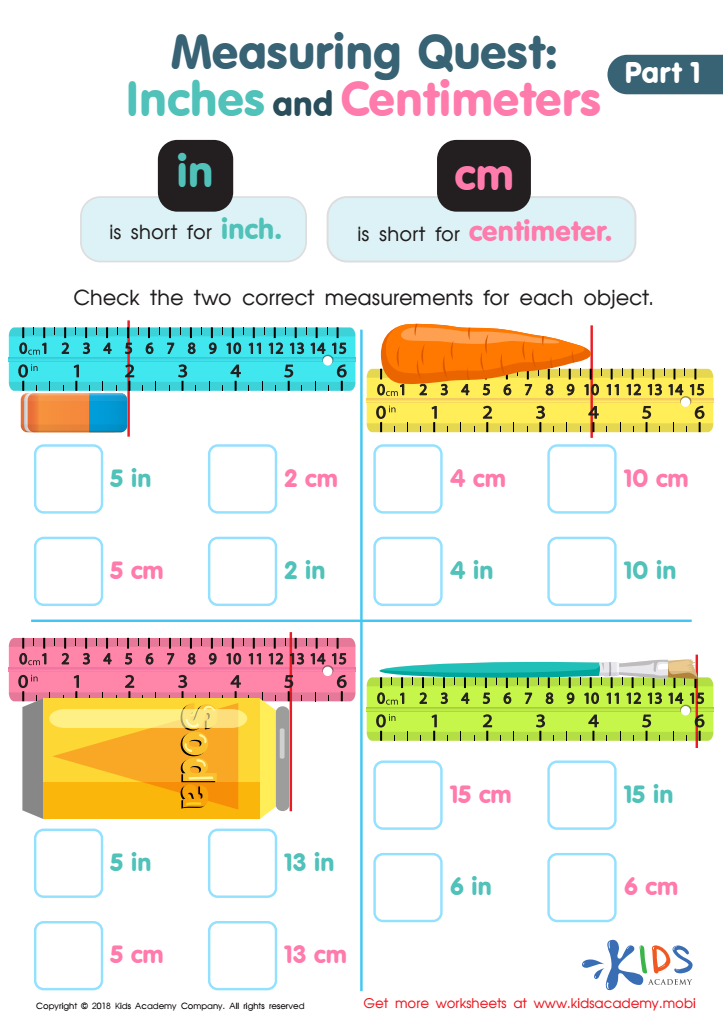
Measuring Quest: Inches and Centimeters Worksheet
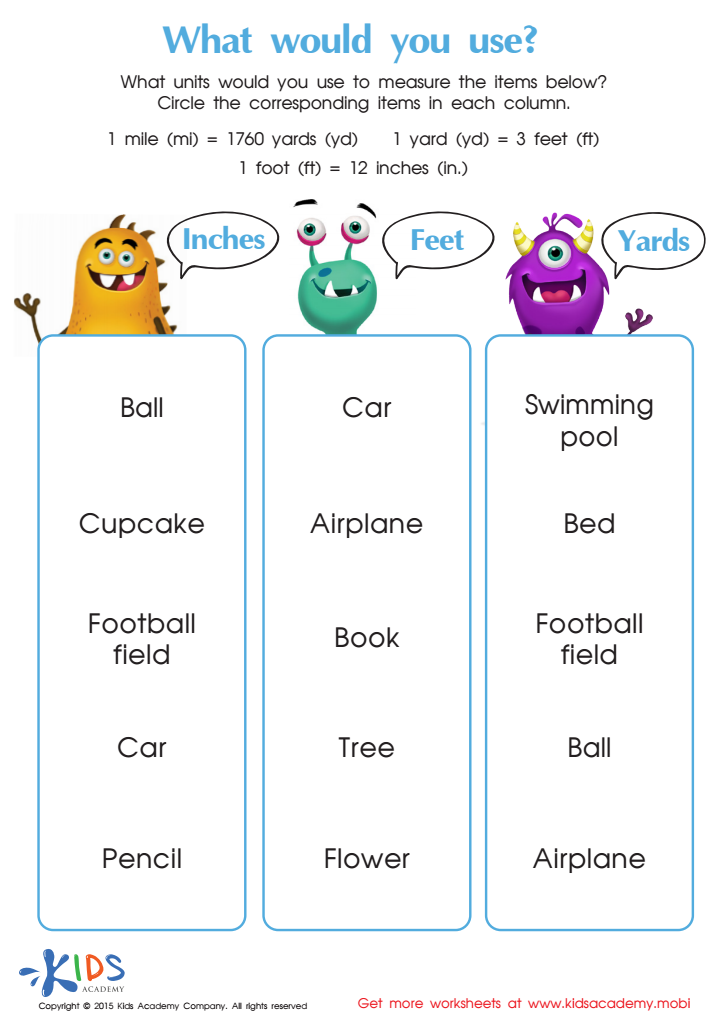
Learning about measuring objects in inches, feet and yards Worksheet
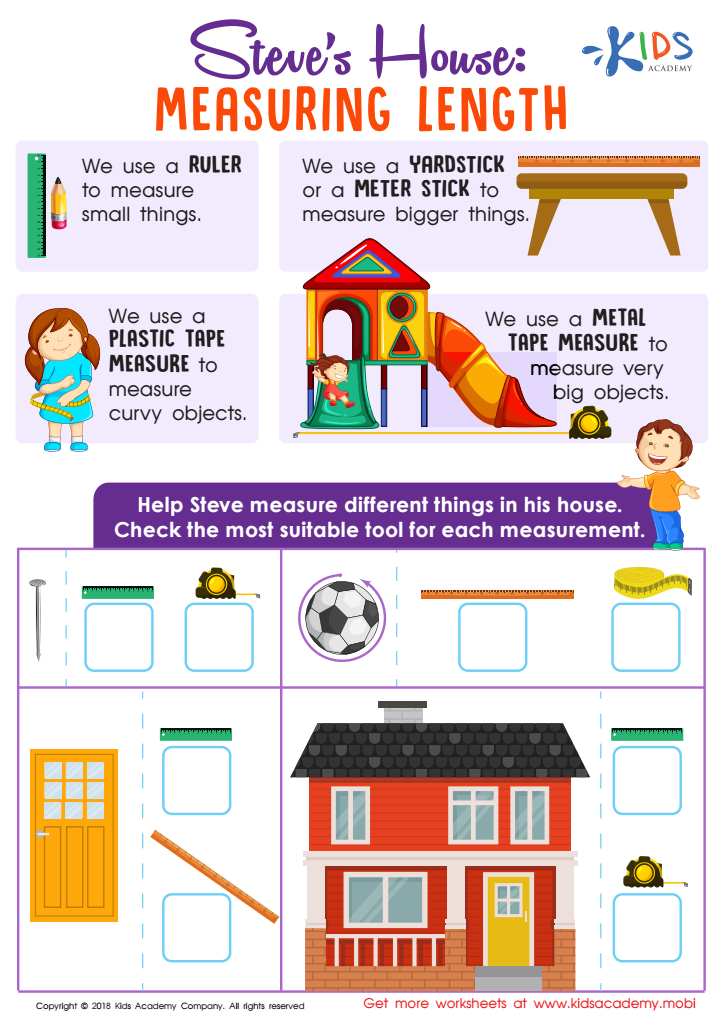
Steve's House: Measuring Length Worksheet
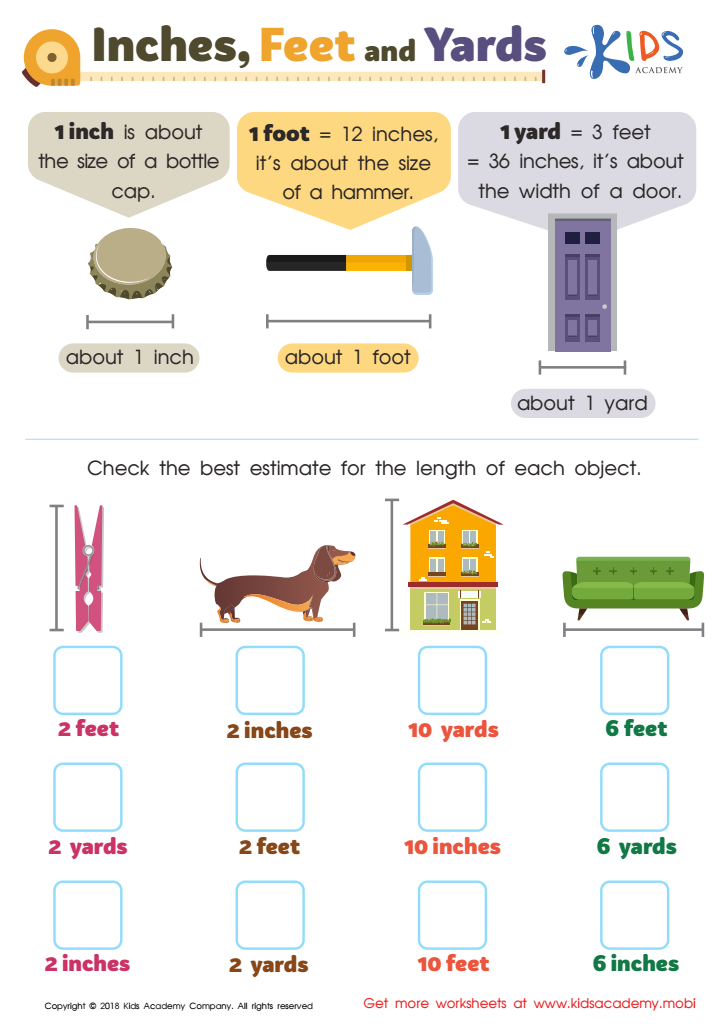
Inches, Feet and Yards Worksheet
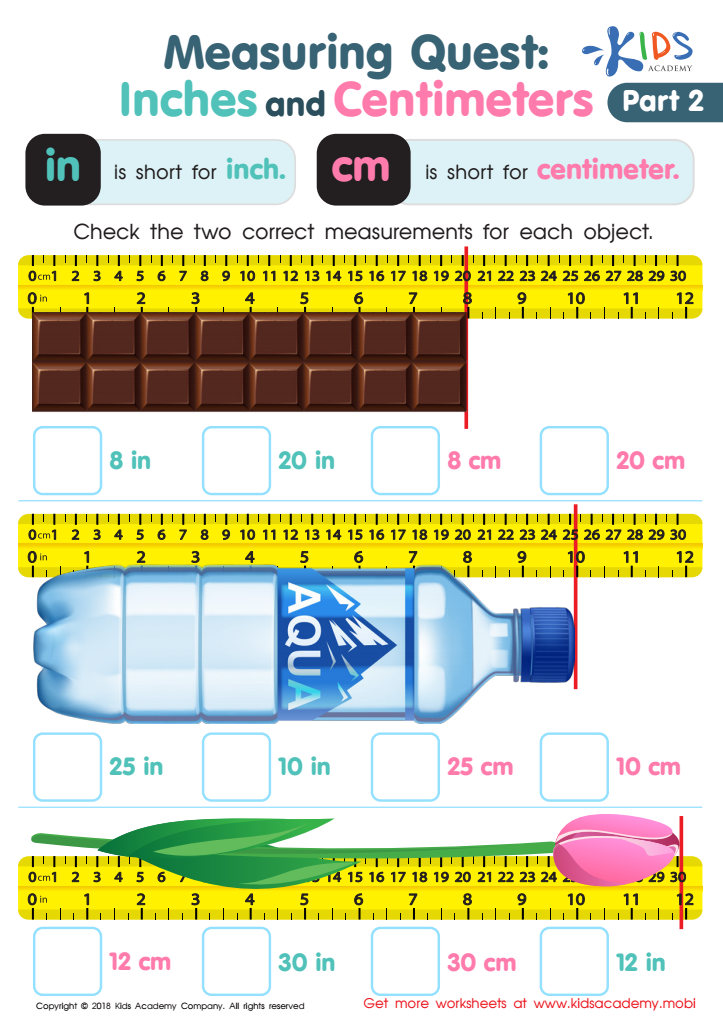
Measuring Quest: Inches and Centimeters - Part 2 Worksheet
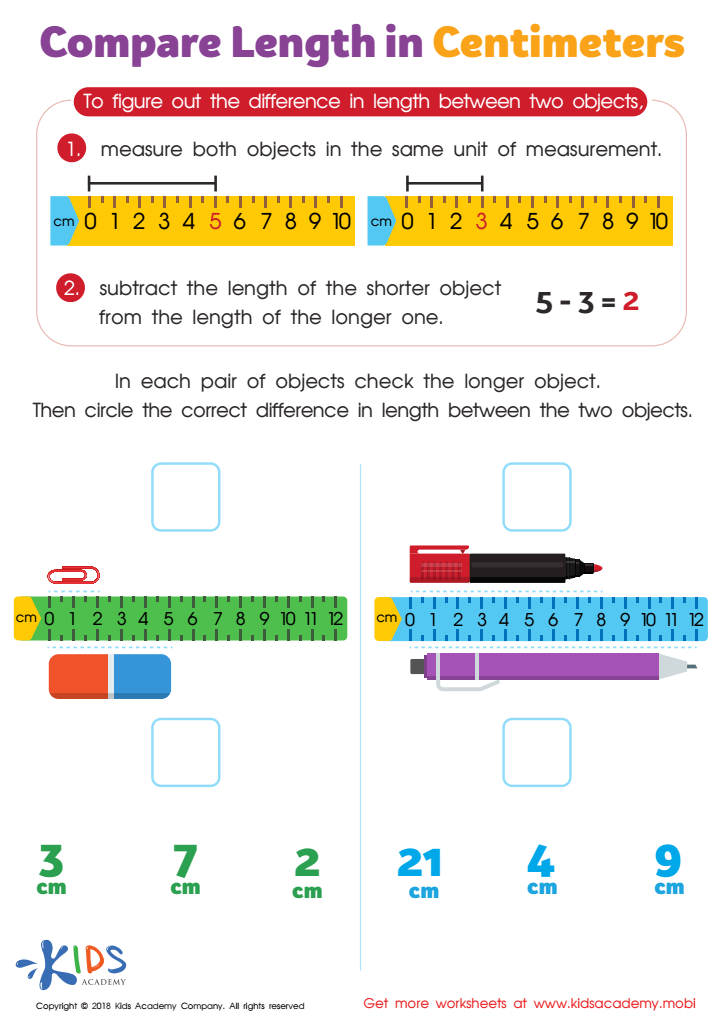
Compare Length in Centimeters Worksheet
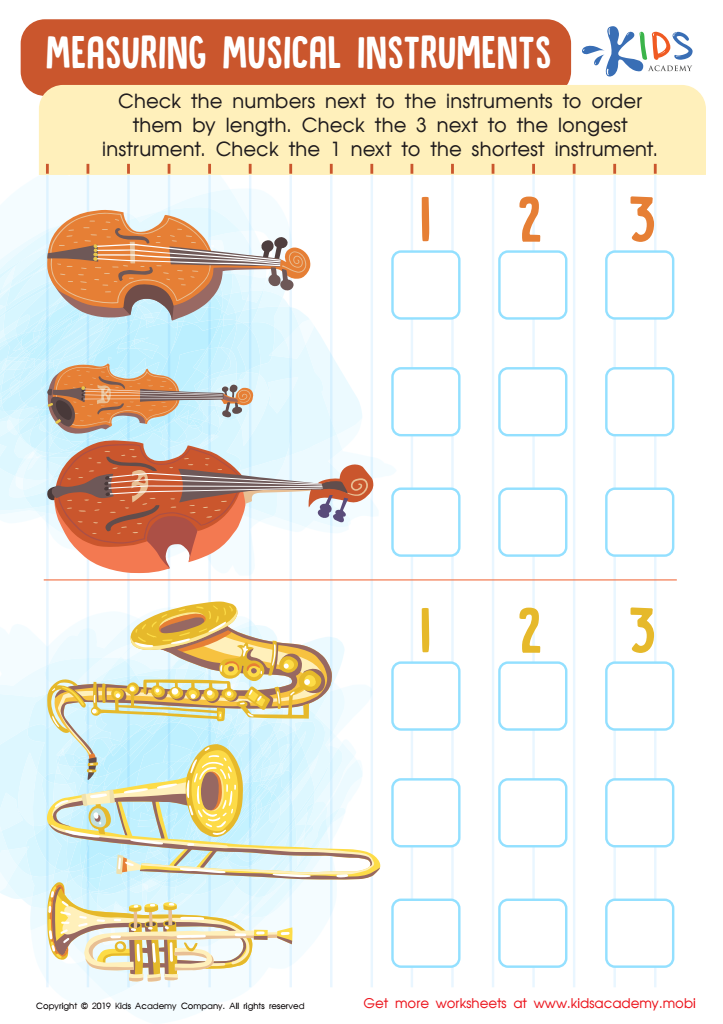
Measuring Musical Instruments Worksheet
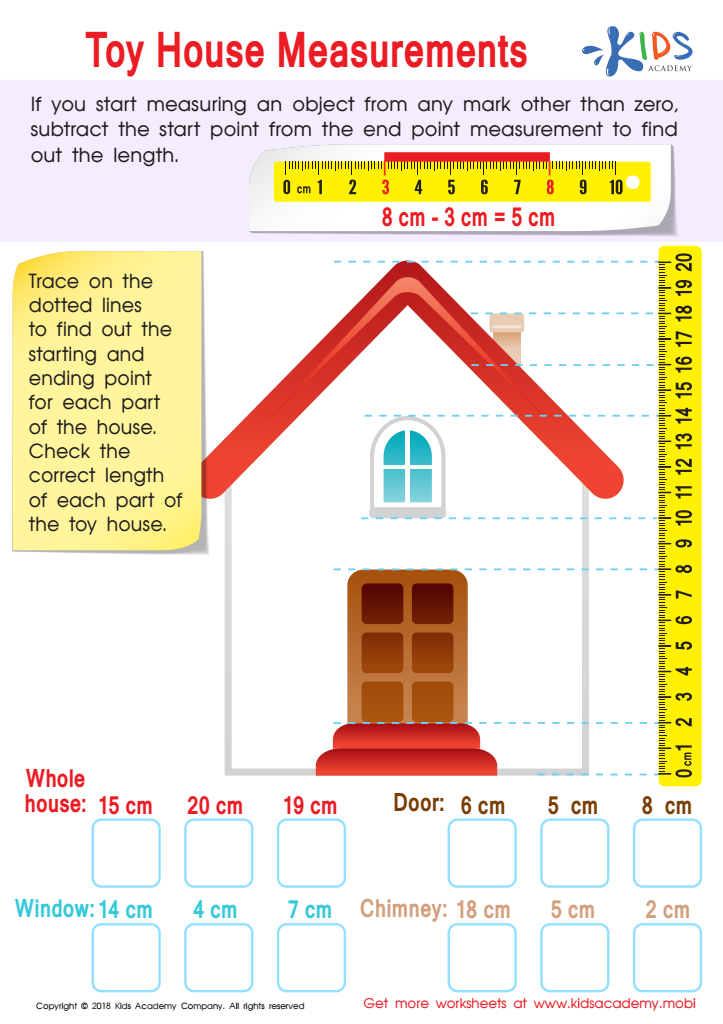
Toy House Measurements Worksheet
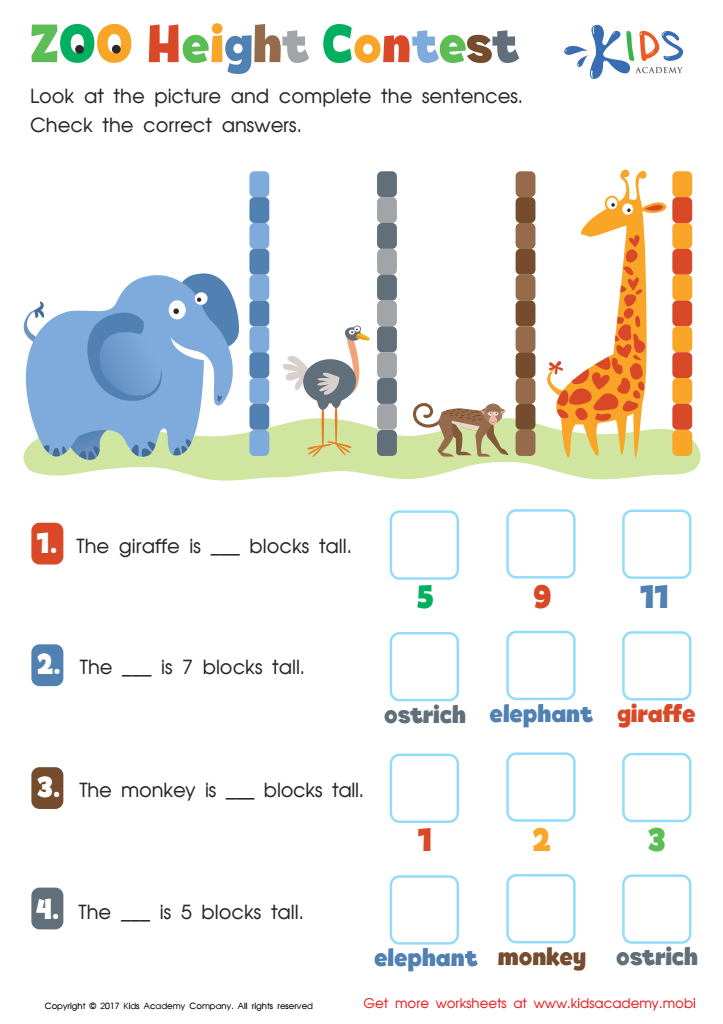
Zoo Height Contest Worksheet
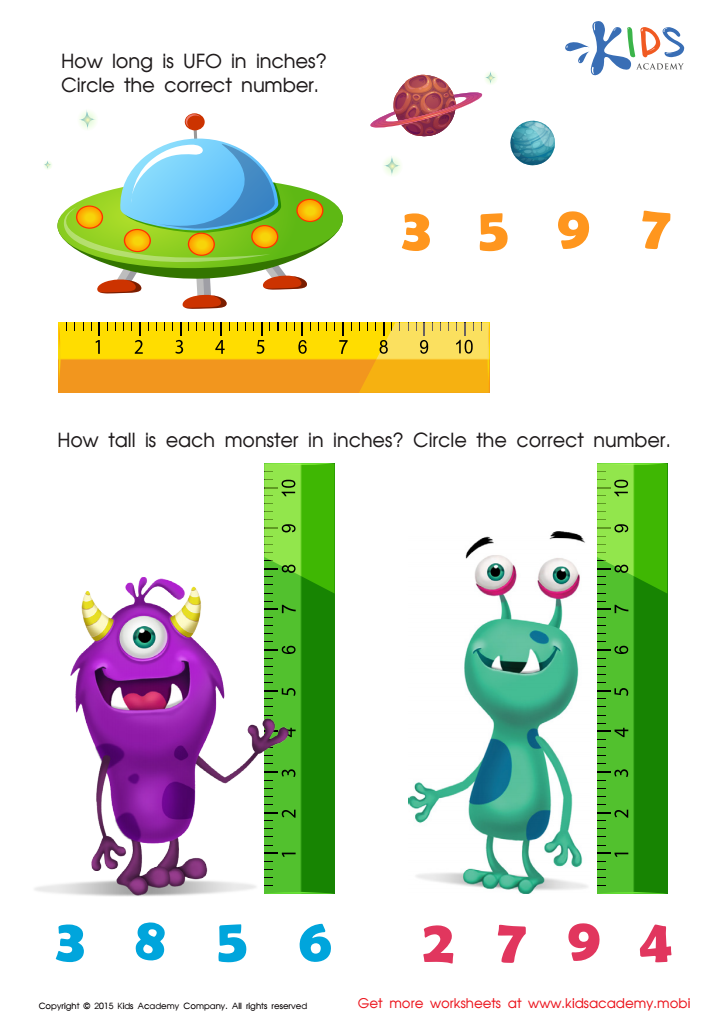
Measuring in Inches Worksheet
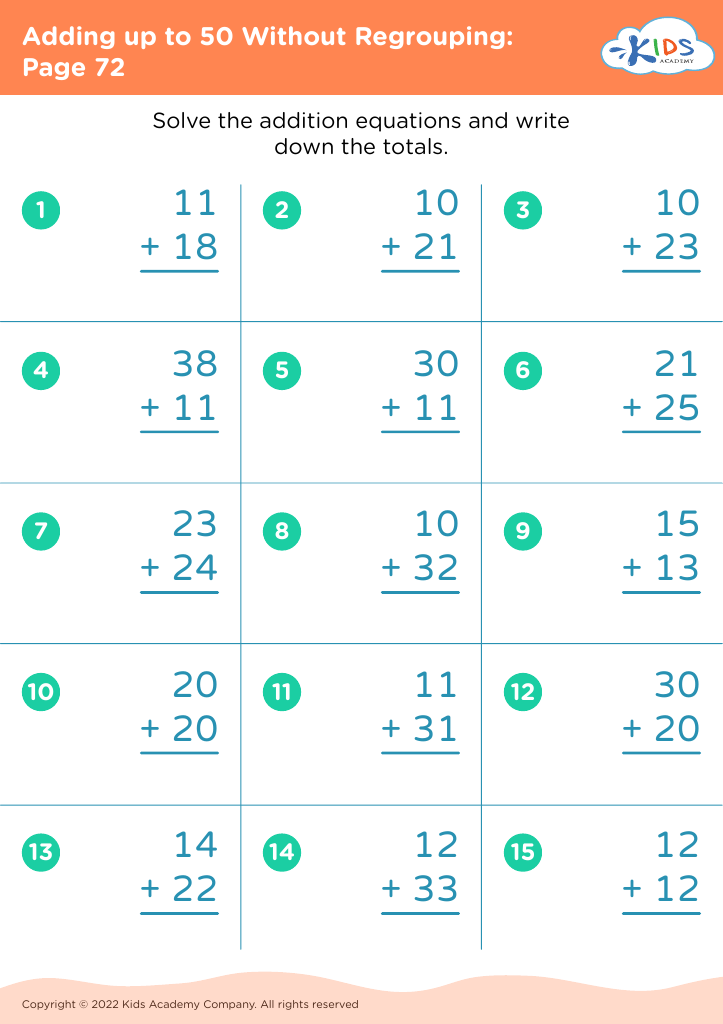
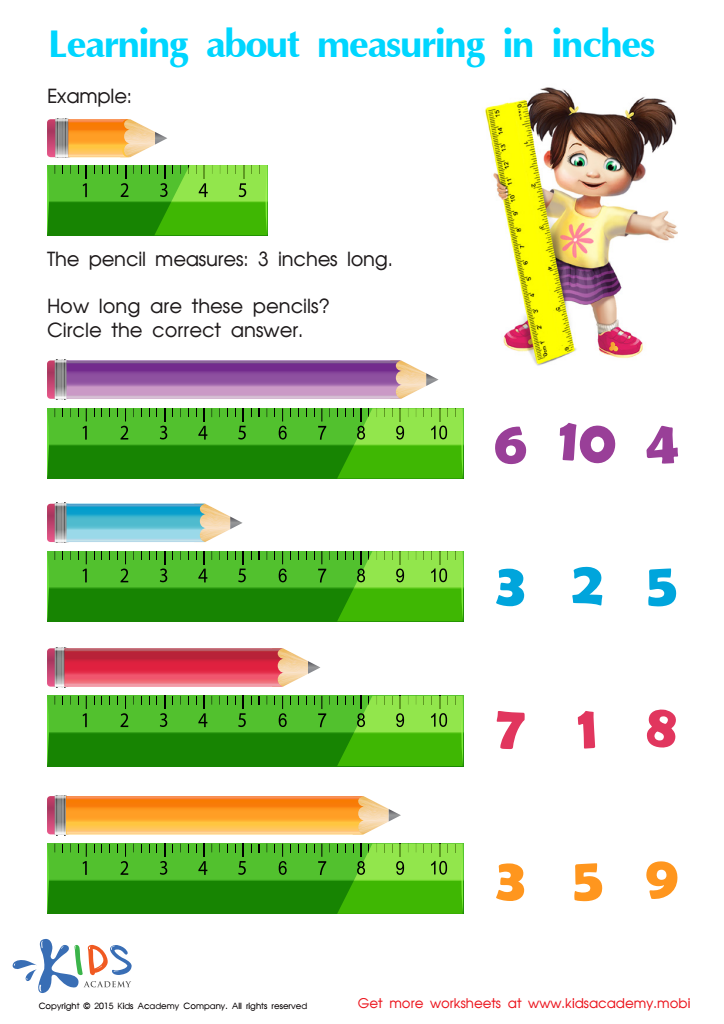
Learning About Measuring In Inches Printable
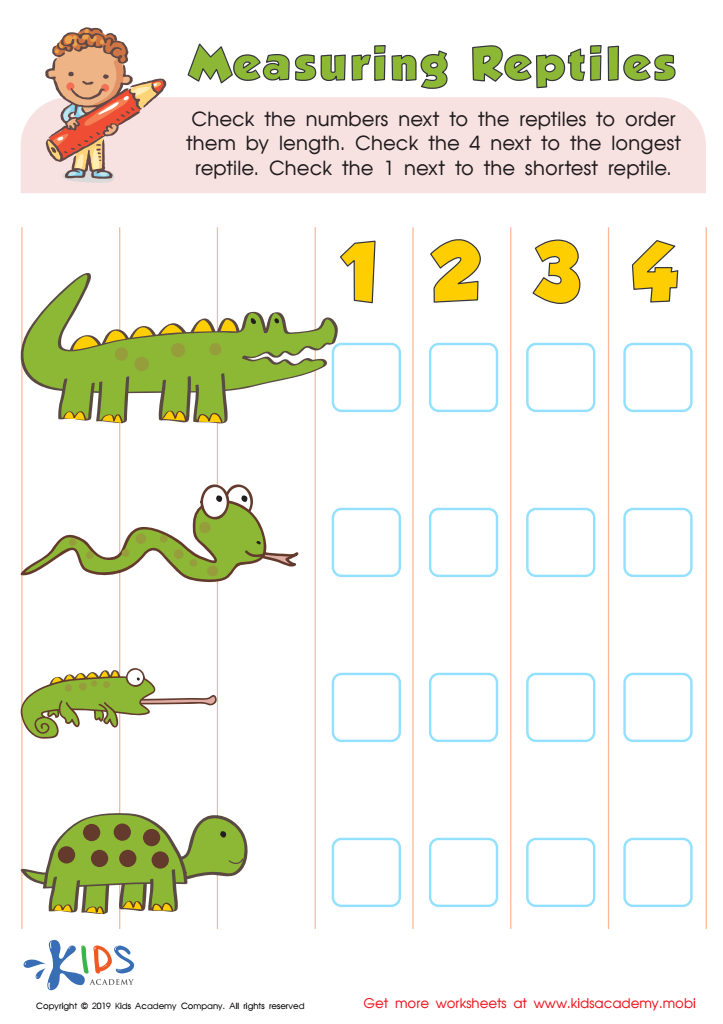
Measuring Reptiles Worksheet
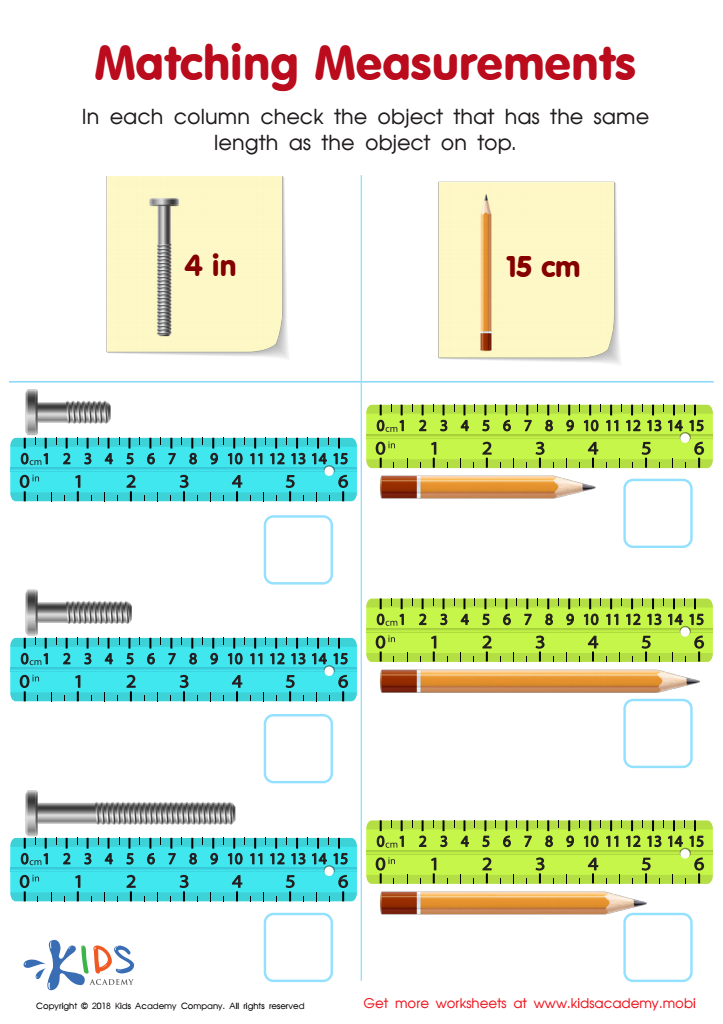
Matching Measurements Worksheet
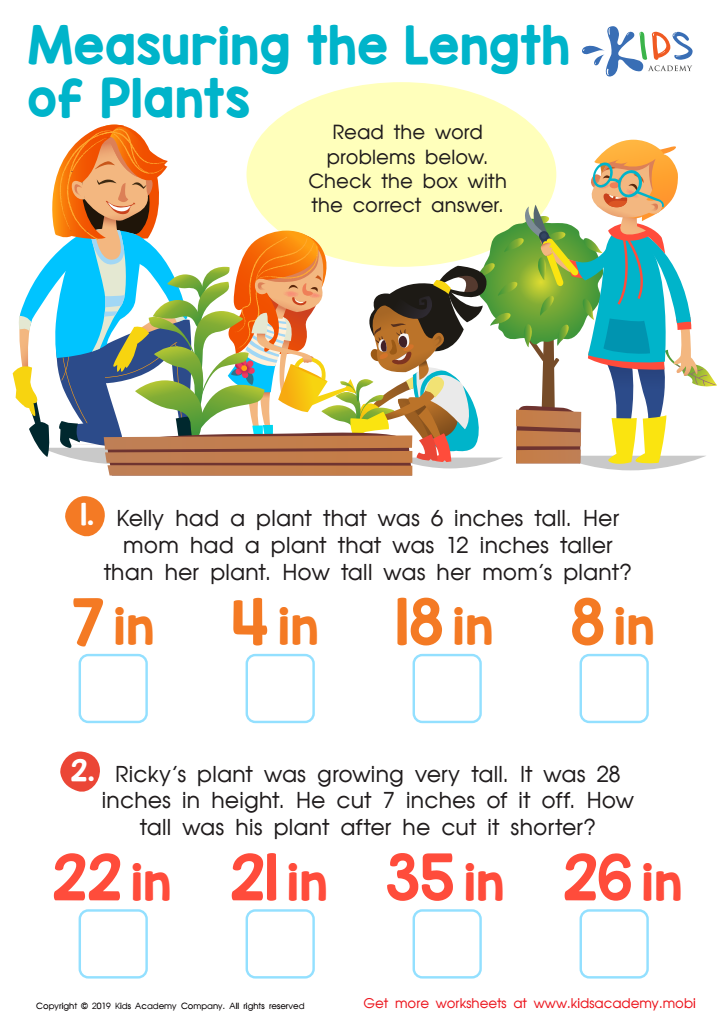
Measuring the Length of Plants Worksheet
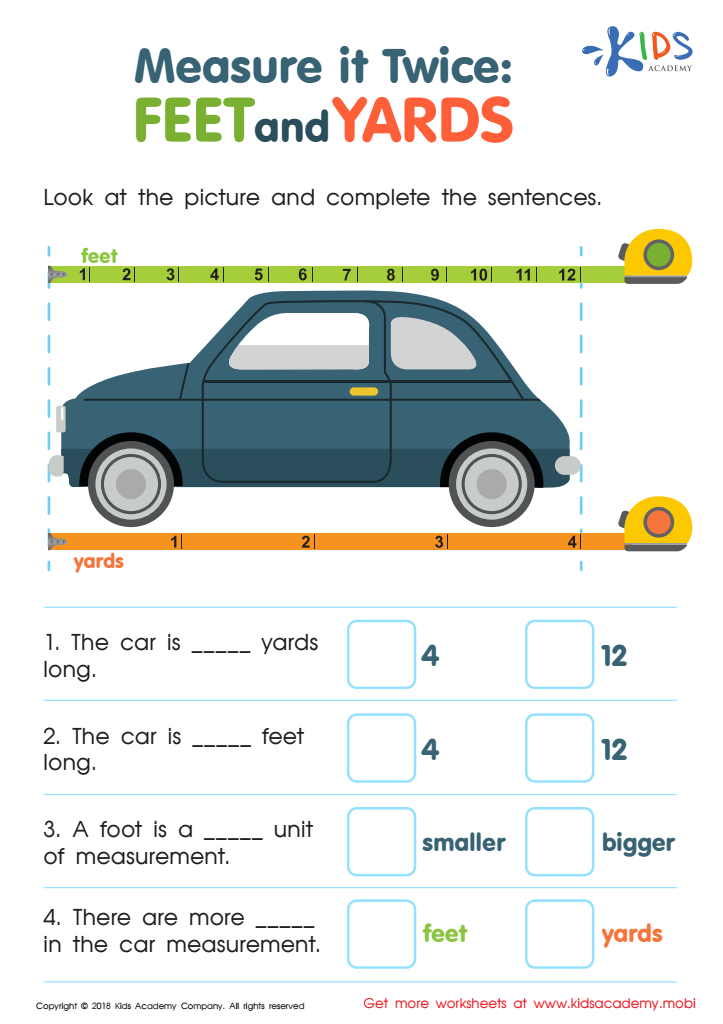
Measure It Twice: Feet and Yards Worksheet
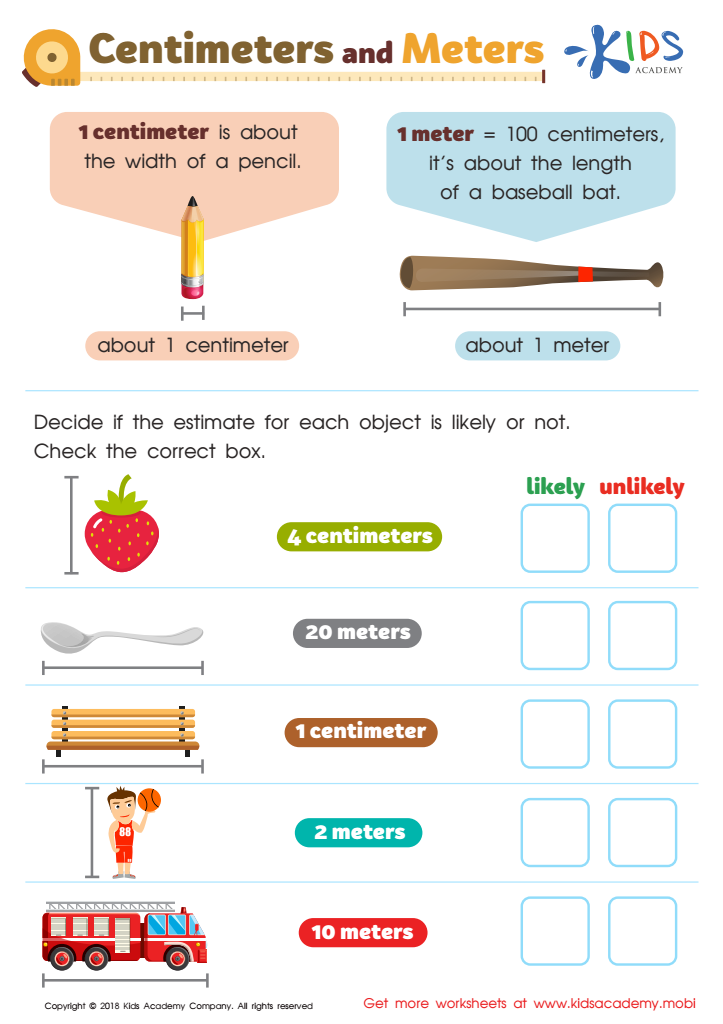
Centimeters and Meters Worksheet
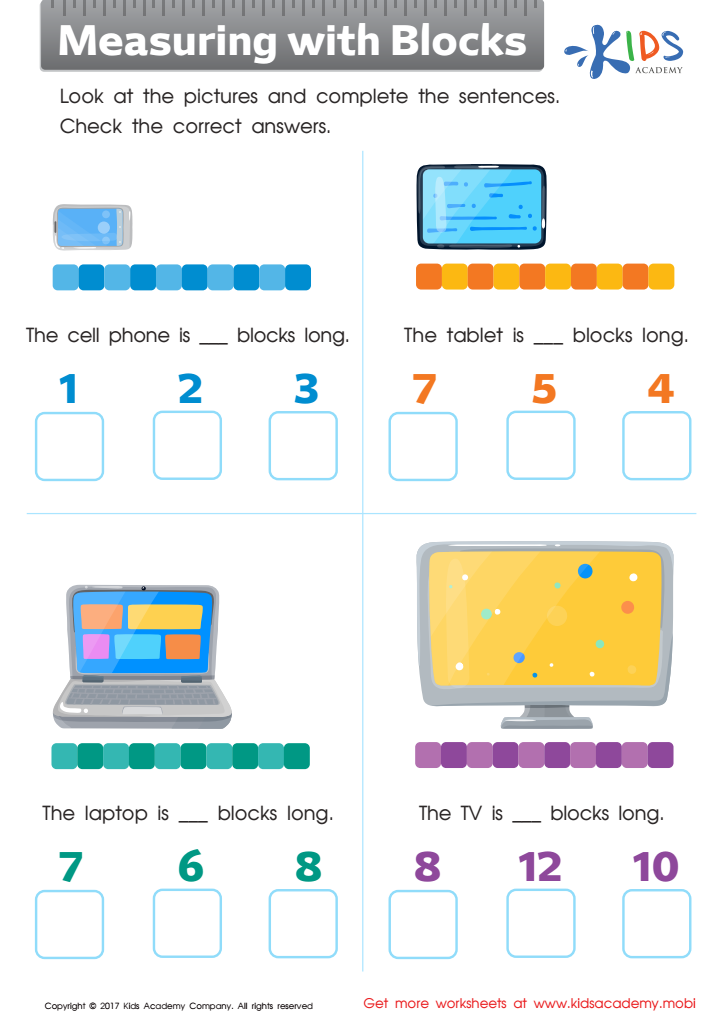
Measuring with Blocks Worksheet
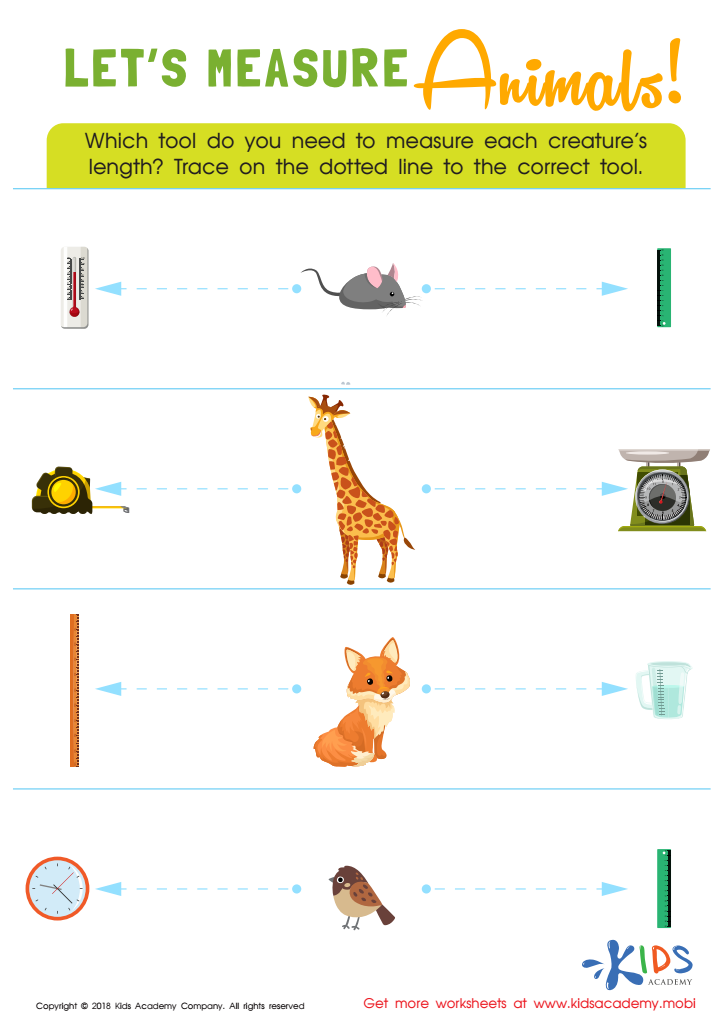
Let's Measure Animals! Worksheet
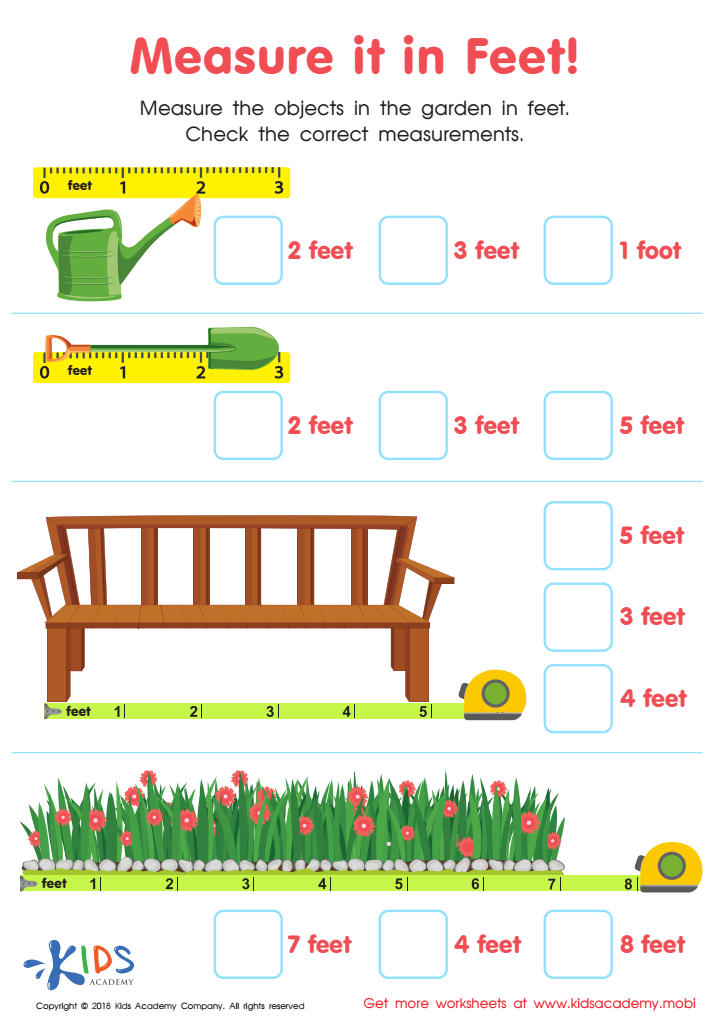
Measure it in Feet Worksheet
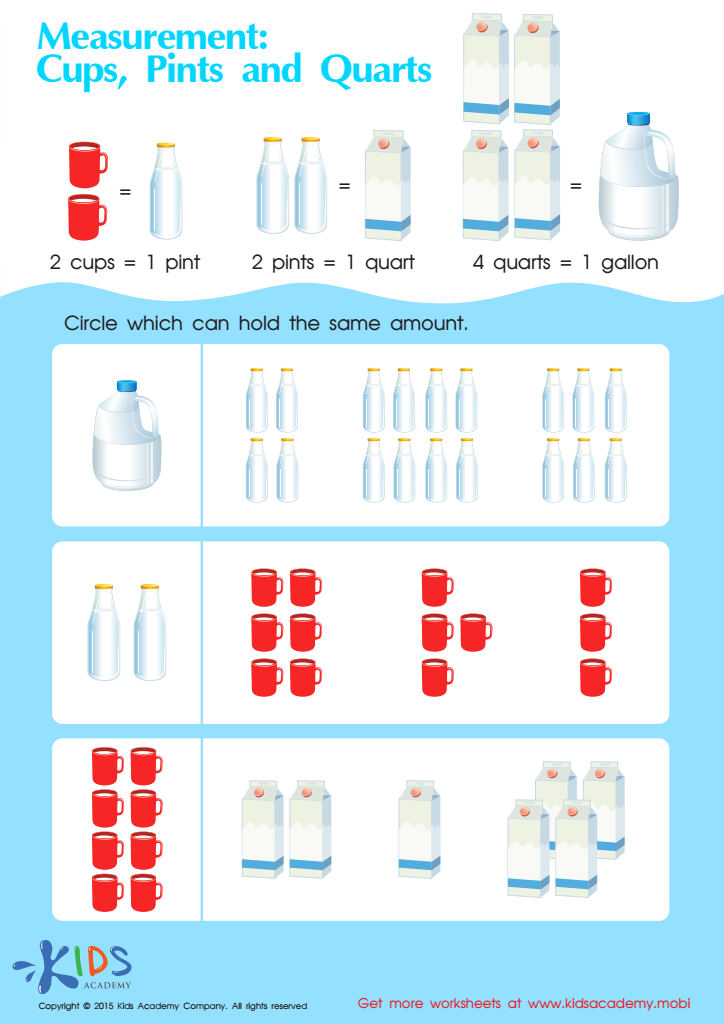
Cups, Pints and Quarts 2 Worksheet






Understanding measurements in mathematics is vital for children ages 5-8 as it lays a foundation for both academic success and practical life skills. At this developmental stage, children are naturally curious and eager to explore the world around them. Introducing measurement concepts—such as length, weight, volume, and time—promotes critical thinking and helps children make connections between mathematics and daily life.
When parents and teachers emphasize measurement, they assist children in developing spatial awareness and comparison skills. Children learn to categorize objects, understand their attributes, and solve problems through hands-on activities, which can lead to improved reasoning and analytical skills. Measurement is often integrated into real-world scenarios—like baking, shopping, or building—which fosters a deeper understanding of mathematical concepts while enhancing creativity and engagement.
Moreover, a solid grasp of measurements builds confidence in dealing with more complex math topics later on. This foundational knowledge is also essential for more structured learning in future grades, where the concepts of measurement become increasingly sophisticated. By prioritizing measurement learning in early education, parents and teachers set children on a path to becoming competent, confident learners who can navigate mathematical challenges effectively.








