Visual discrimination Math Worksheets for Ages 5-8
21 filtered results
-
From - To
Enhance your child's early math skills with our engaging Visual Discrimination Math Worksheets, designed for ages 5-8. These worksheets help young learners to hone their ability to identify differences and similarities among objects, crucial for developing strong math foundations. Through fun activities like matching, sorting, and pattern recognition, children will improve their attention to detail and critical thinking skills. Perfect for use at home or in the classroom, our visually appealing worksheets provide a supportive learning experience, ensuring your child gains confidence in their early math journey. Explore our collection today and make learning math a fun adventure!
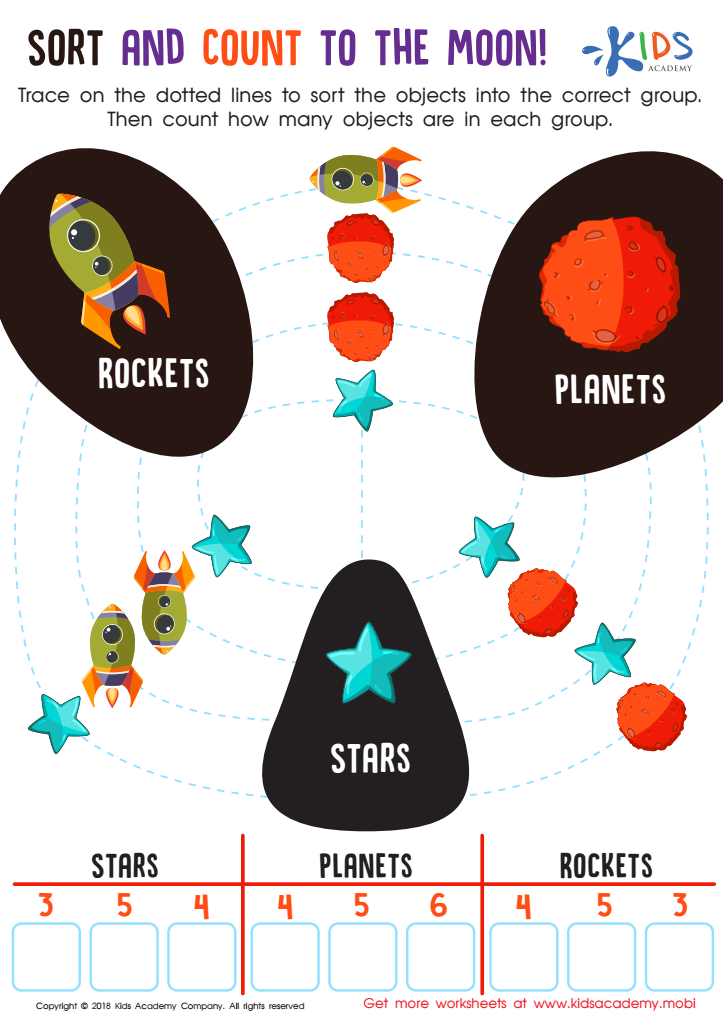
Sort and Count to the Moon Worksheet
 Assign to My Students
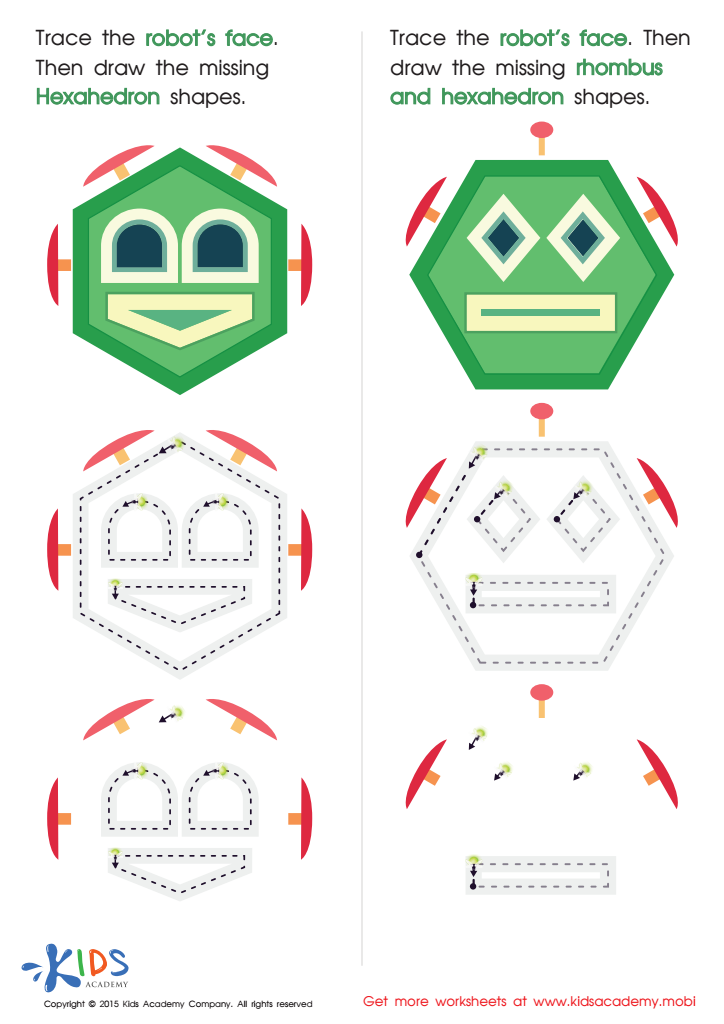
Practice Drawing Hexahedrons And a Rhombus Worksheet
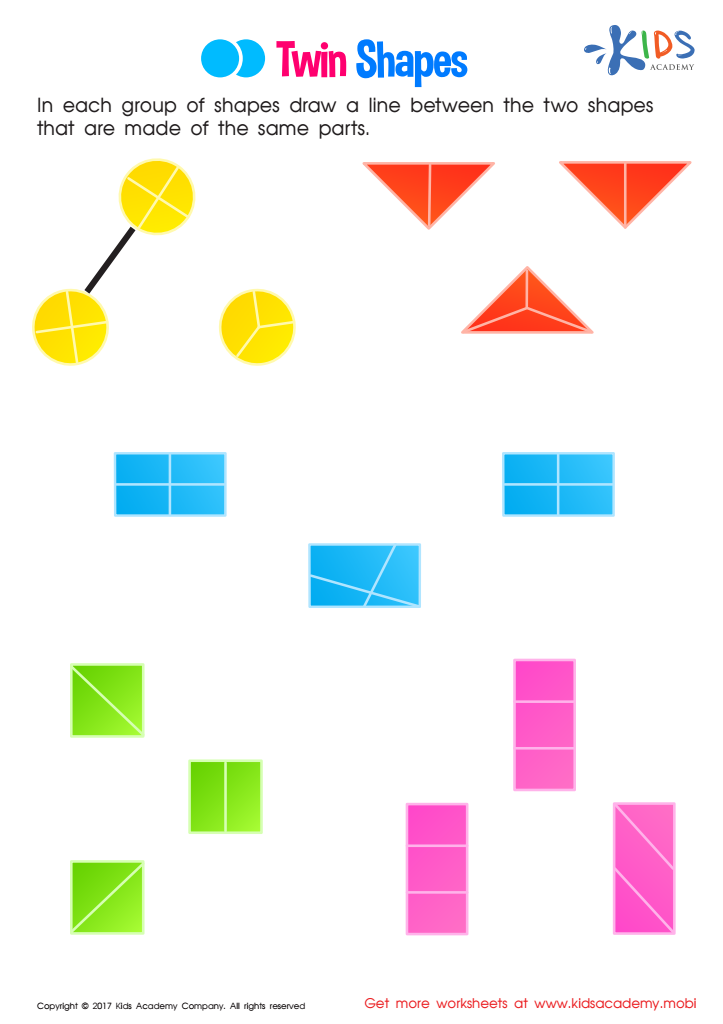
Twin Shapes Worksheet
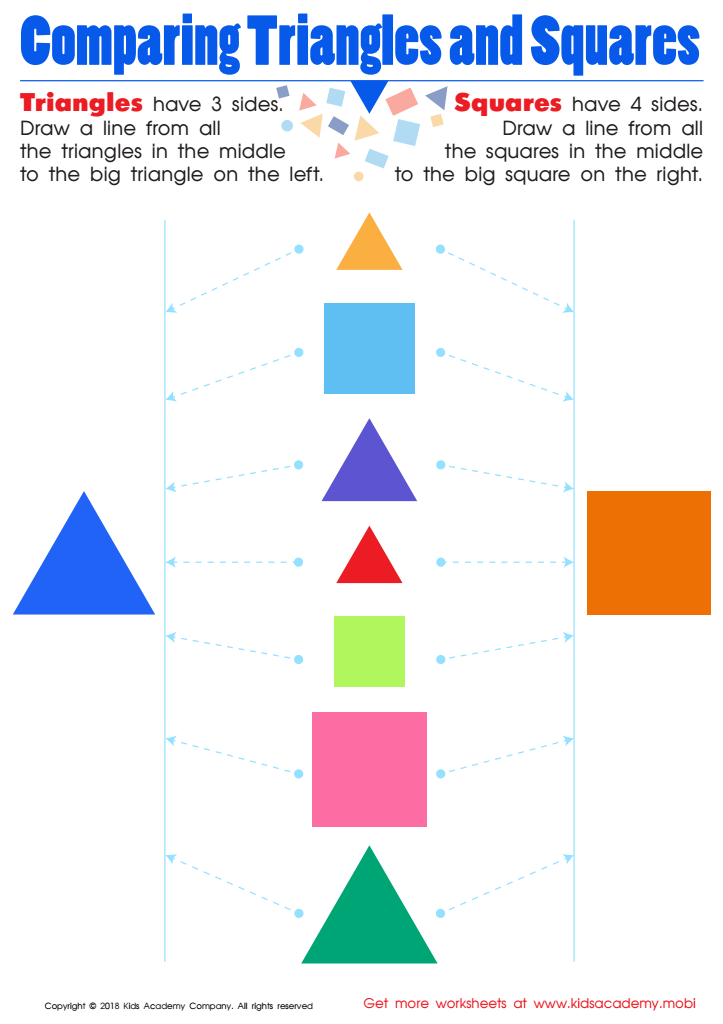
Comparing Triangles Squares Worksheet
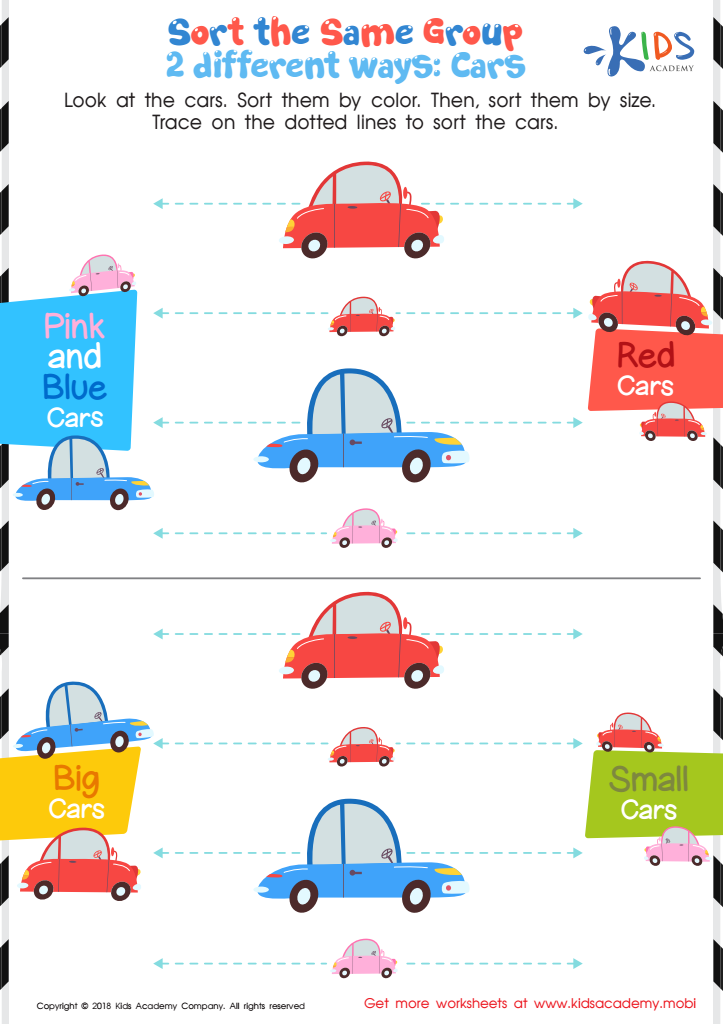
Sort the Same Group 2 Different Ways: Cars Worksheet
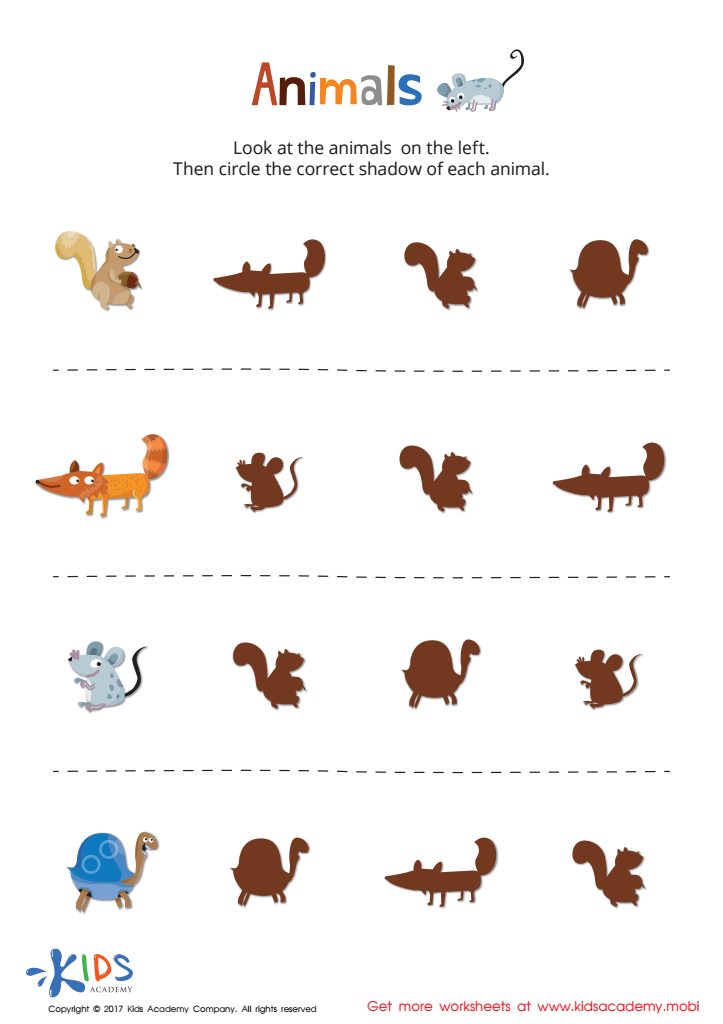
Animal Shadows Sorting Worksheet
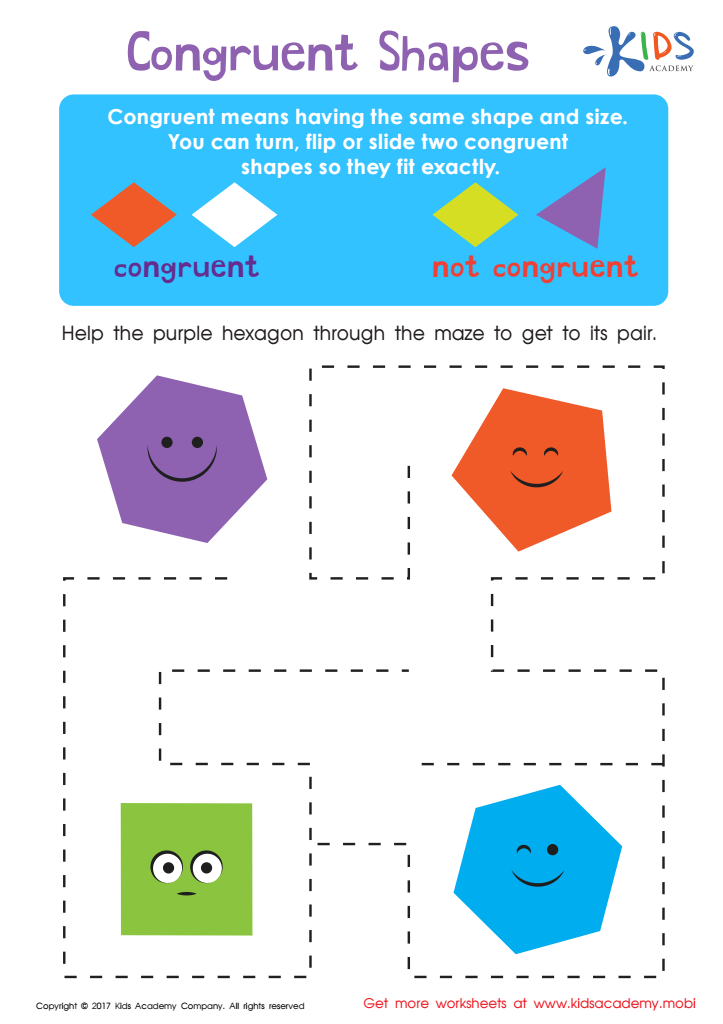
Congruent Shapes Worksheet
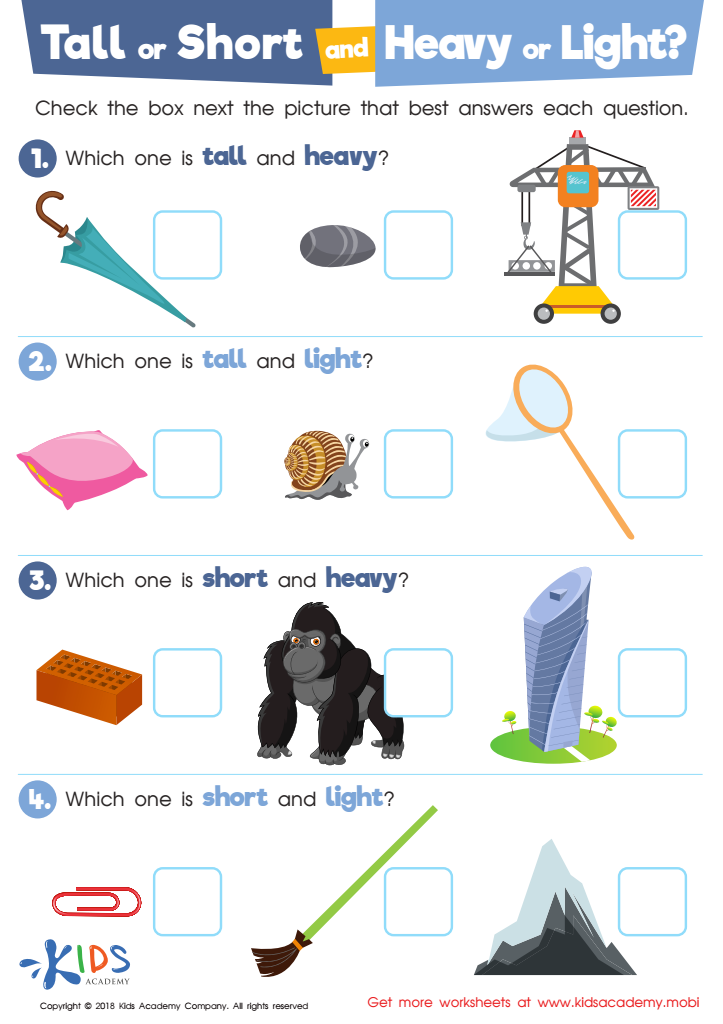
Tall or Short and Heavy or Light? Worksheet
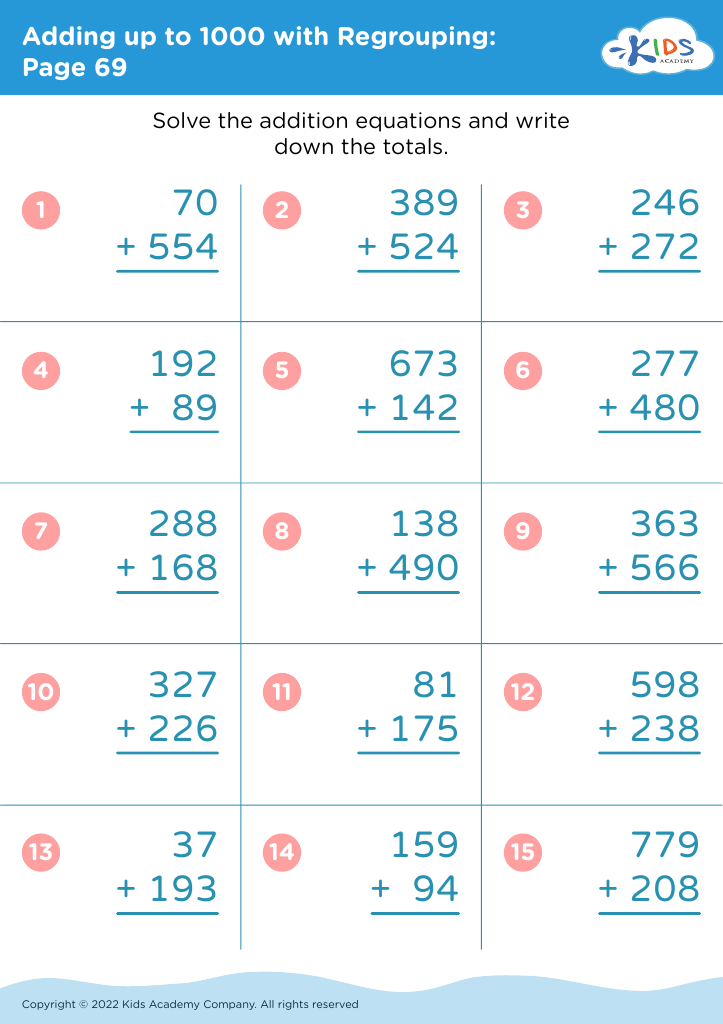
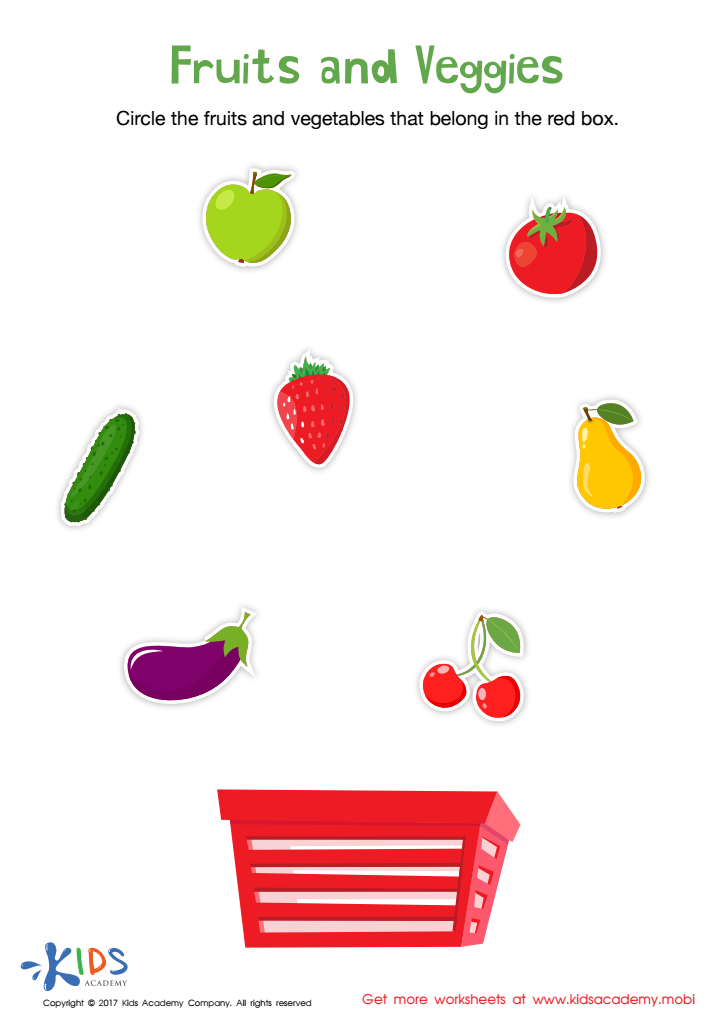
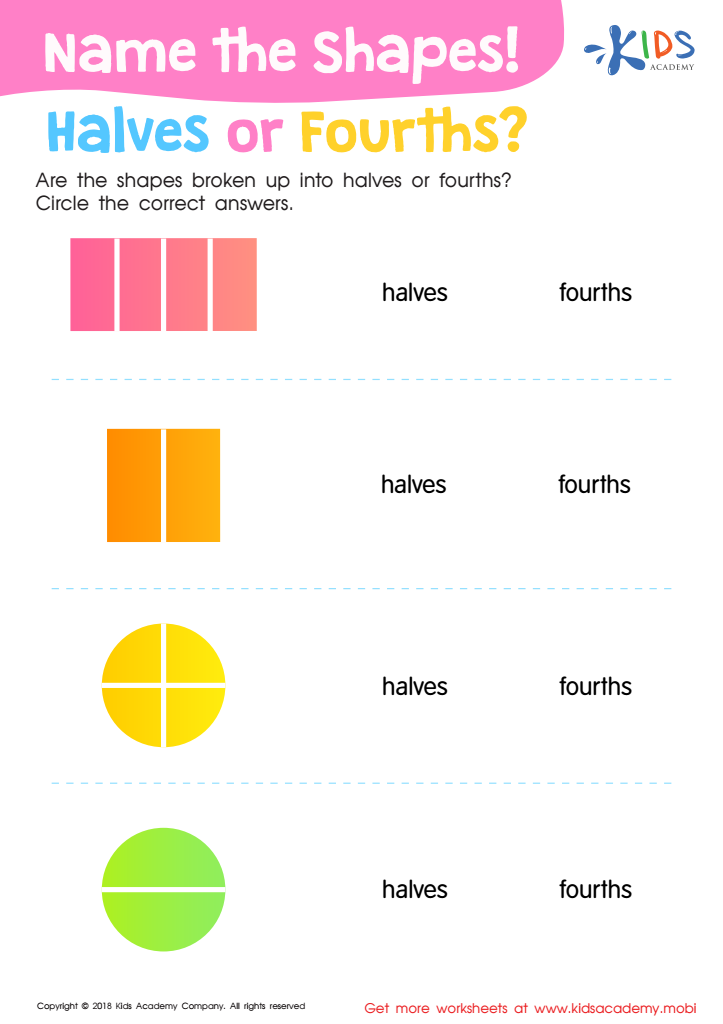
Name the Shapes Halves or Fourths? Worksheet
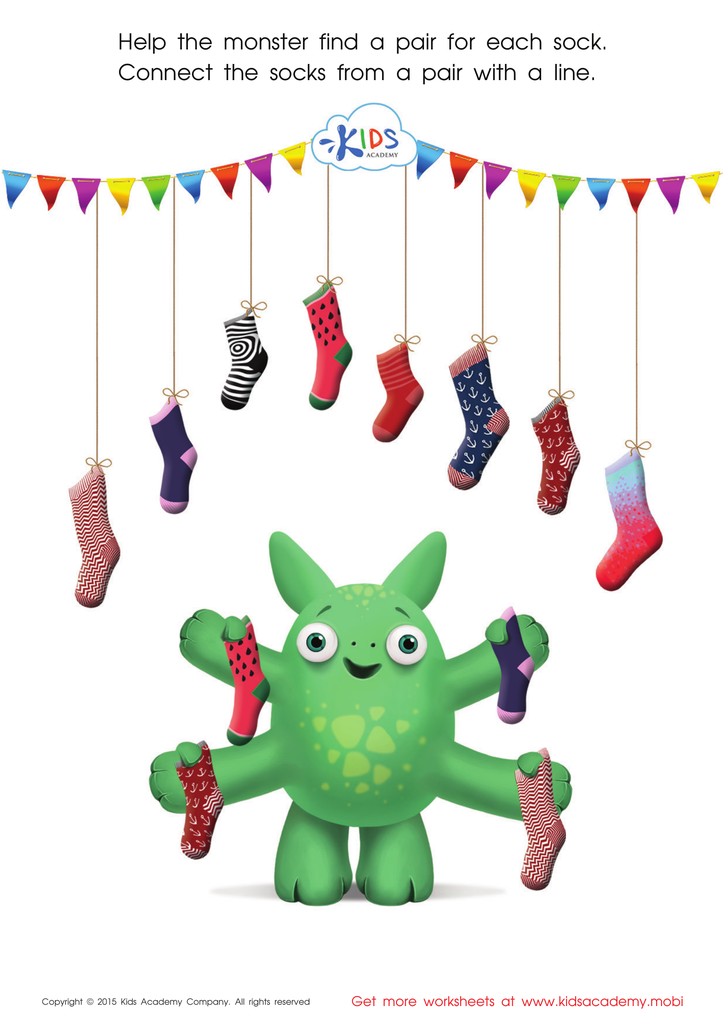
Math Matching Game: Monsterв's Socks Worksheet
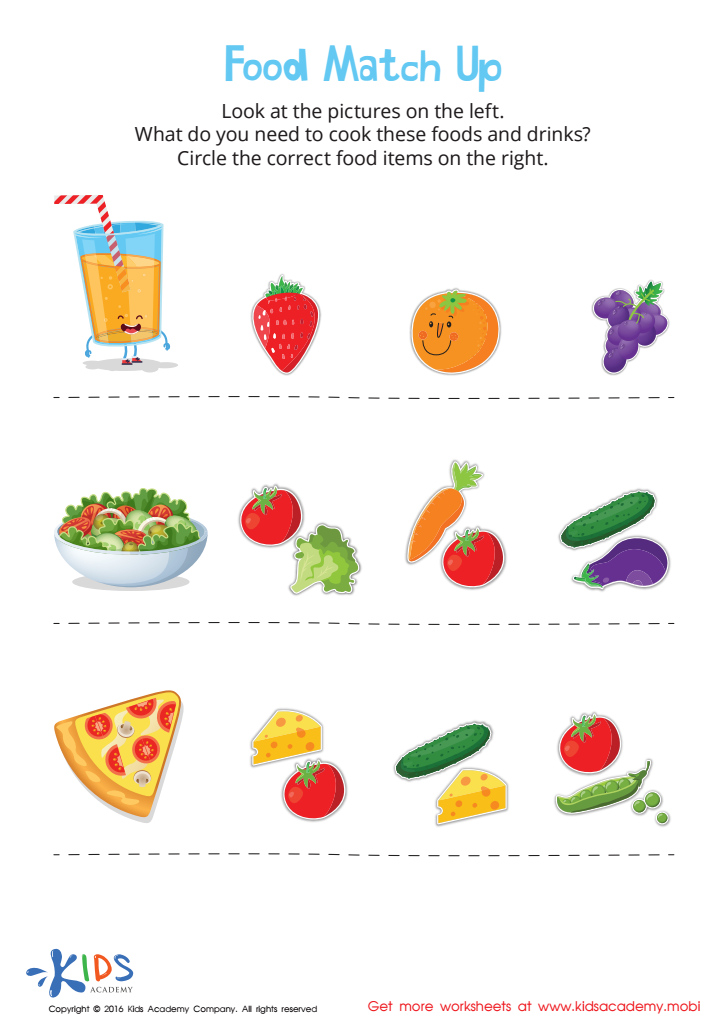
Food Match Up Worksheet
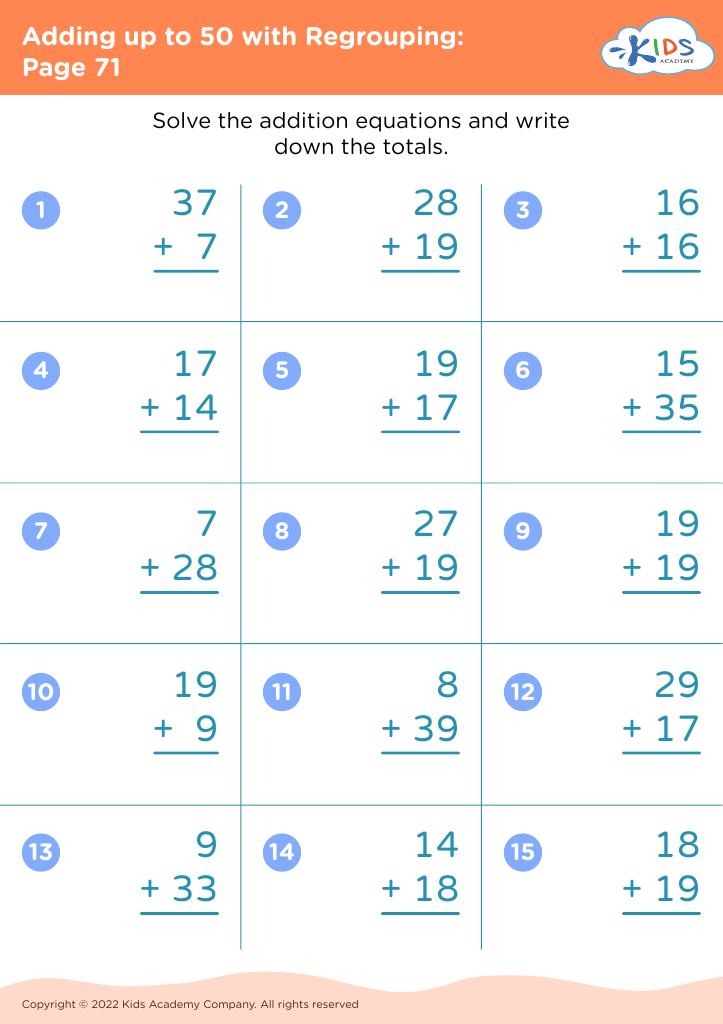
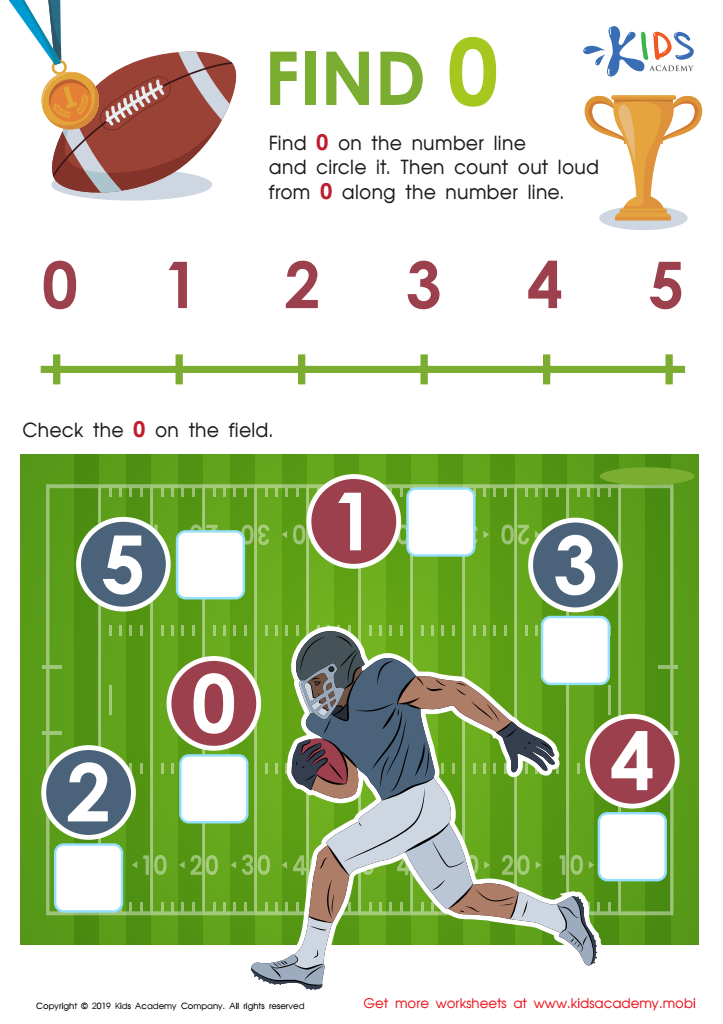
Find 0 Worksheet
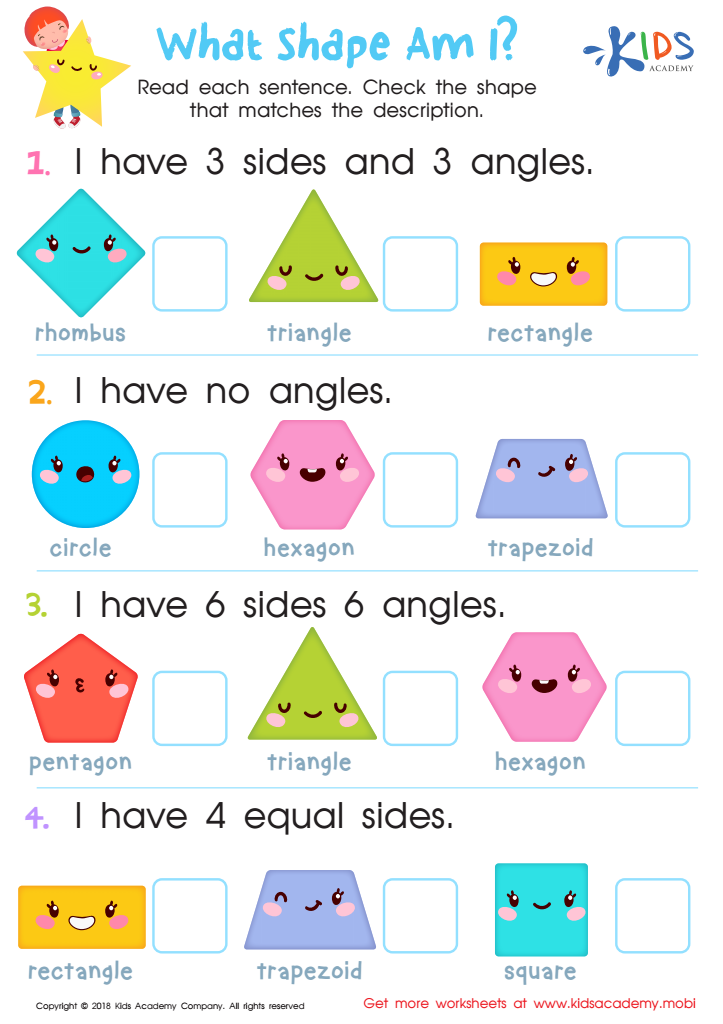
What Shape Am I? Worksheet
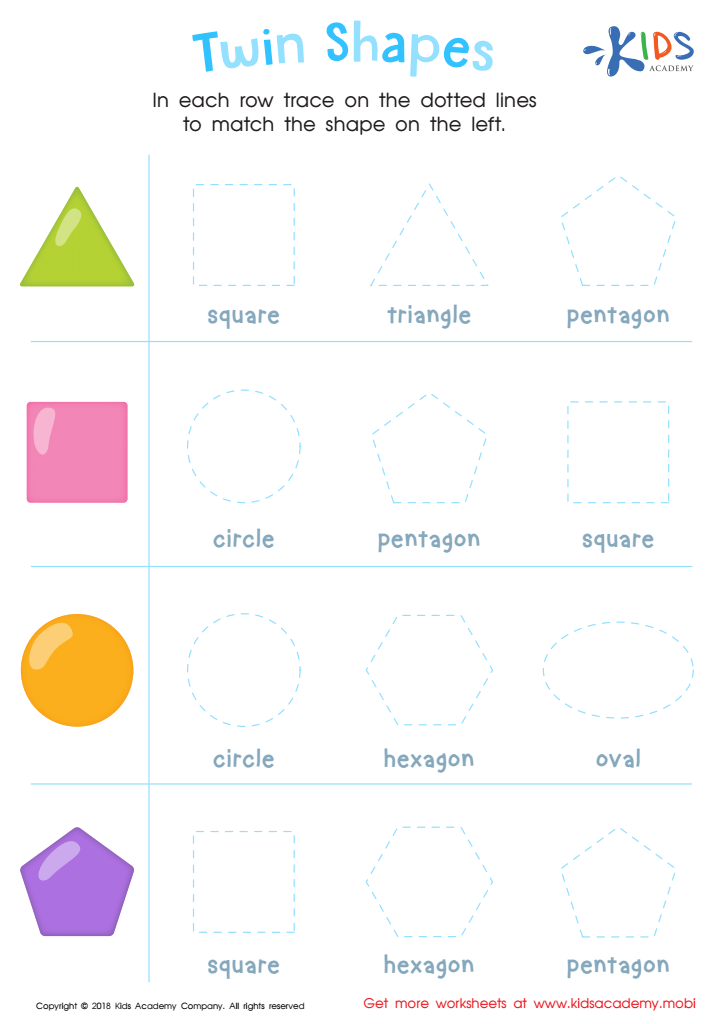
Twin Shapes Dot-to-Dot Worksheet
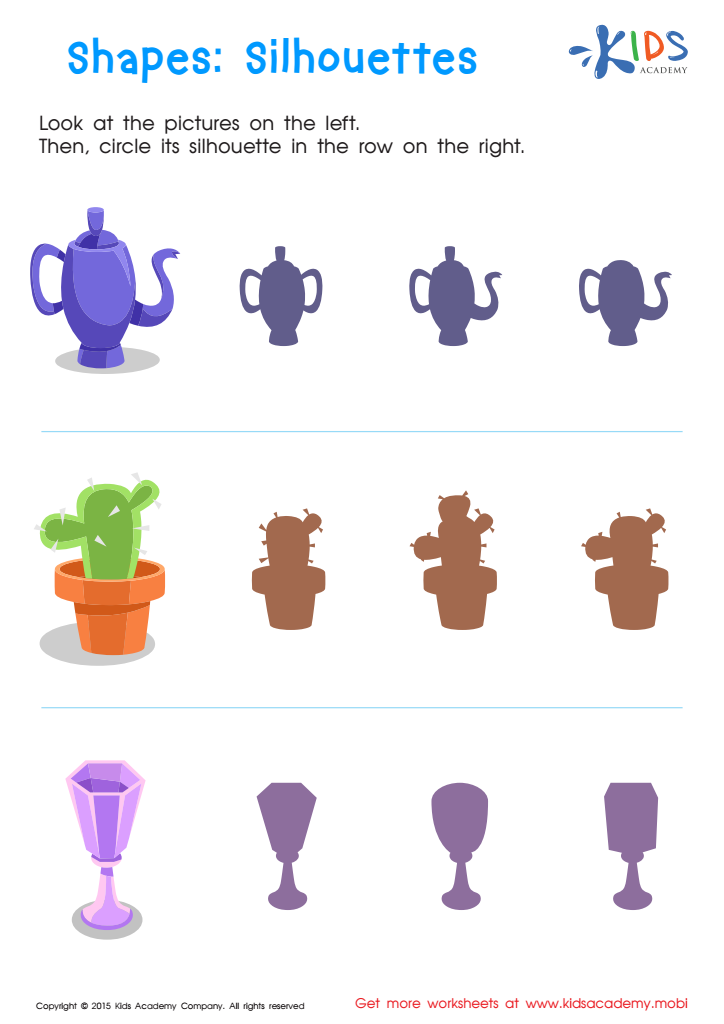
Silhouettes – Shapes Worksheet








Visual discrimination in math for children aged 5-8 is a cornerstone for their cognitive and academic development. This ability allows children to notice and differentiate the unique features of numbers, shapes, patterns, and objects. Here's why teachers and parents should prioritize it:
-
Foundation for Math Skills: Visual discrimination underpins number recognition, the ability to distinguish between numbers like 6 and 9 or 1 and 7, and understanding differences among geometric shapes.
-
Reading and Comprehension: It links directly to reading skills, helping children discriminate between similar-looking letters and words, thereby facilitating smoother reading and comprehension.
-
Problem-Solving Skills: By honing their ability to identify patterns and relationships, children enhance their logical reasoning and problem-solving abilities, which are crucial for more complex mathematical concepts as they advance in school.
-
Attention to Detail: Encouraging this skill helps children develop meticulous attention to detail, reducing errors in their work and boosting their confidence and academic success.
-
Daily Life Skills: Visual discrimination also extends to everyday tasks, such as differentiating colors, sizes, and shapes, which equips children to navigate their environments safely and independently.
Early intervention by parents and teachers in nurturing visual discrimination sets the stage for lifelong advantages in academic performance and daily activities, providing a solid bedrock for future intellectual growth.








