Logical thinking Matching Worksheets for Ages 5-8
5 filtered results
-
From - To
Unlock your child's potential with our engaging Logical Thinking Matching Worksheets for kids aged 5-8! Designed to enhance critical reasoning and problem-solving skills, these fun worksheets incorporate age-appropriate challenges that promote cognitive development. Each activity encourages young learners to connect related concepts, making learning an interactive adventure. Our resources are perfect for home schooling, supplemental education, or classroom use. With vibrant illustrations and captivating themes, children will enjoy honing their logical thinking abilities while building confidence in their skills. Explore our collection today and set your child on a path to success with playful and educational matching exercises!
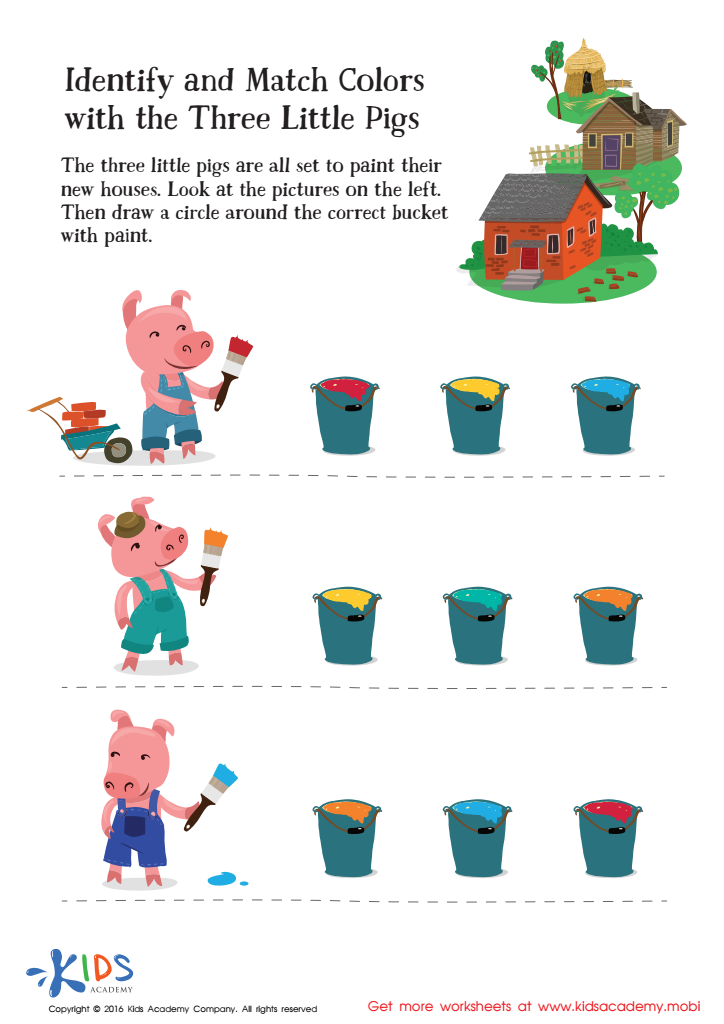
Fairy Tale Worksheet: Identify and Match Colors with Three Little Pigs
 Assign to My Students
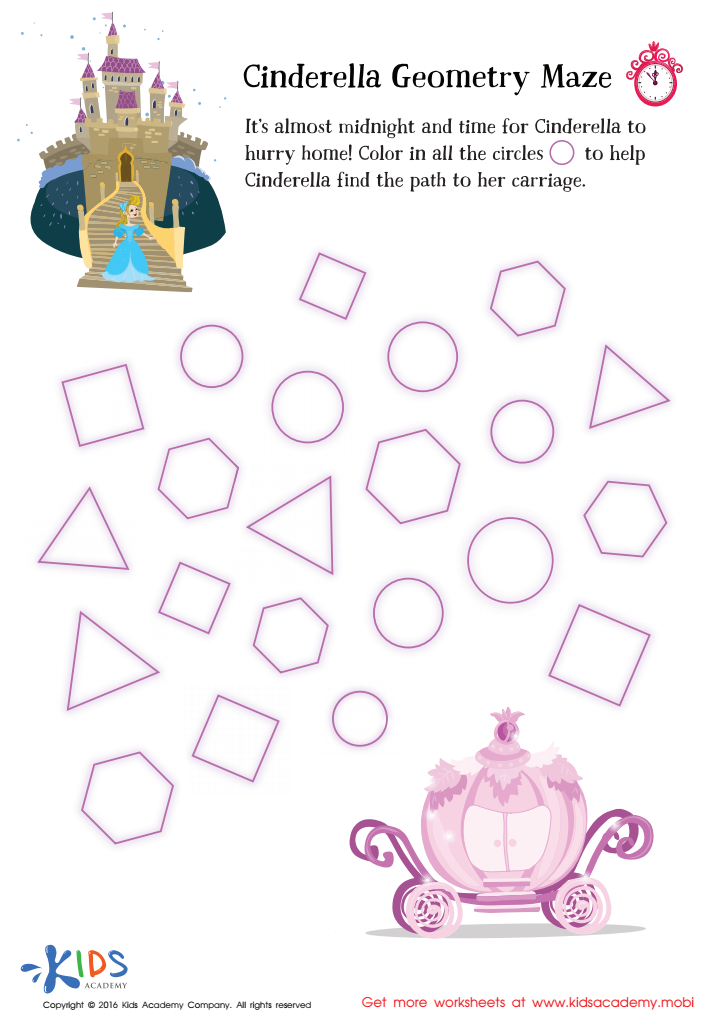
Cinderella Geometry Maze Worksheet
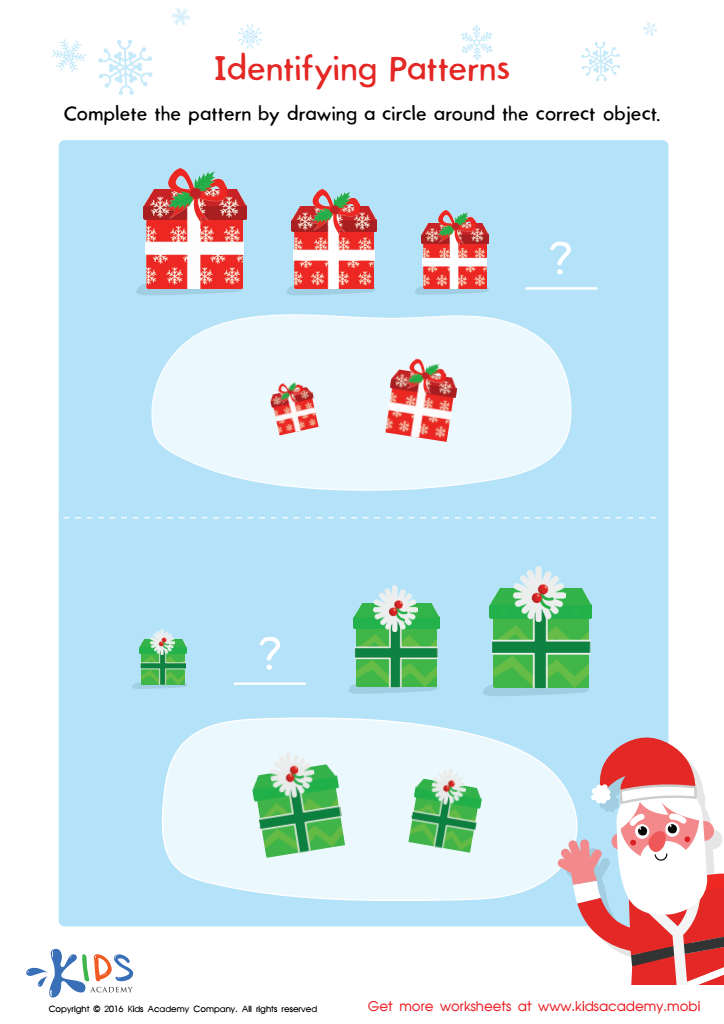
Identifying Patterns Worksheet
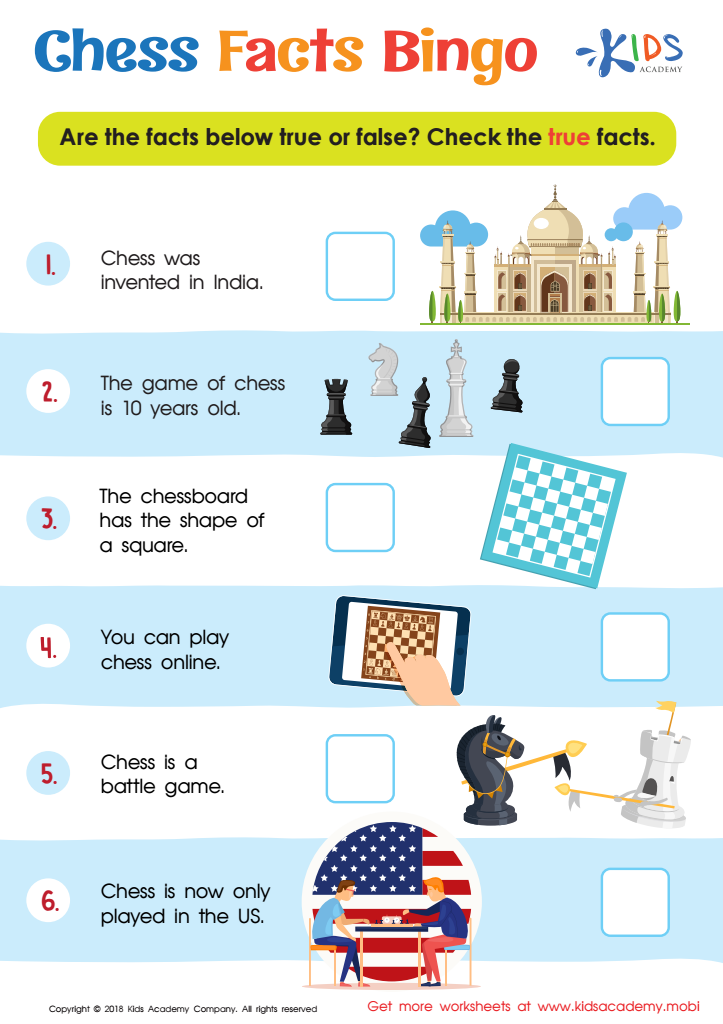
Chess Facts Bingo Worksheet
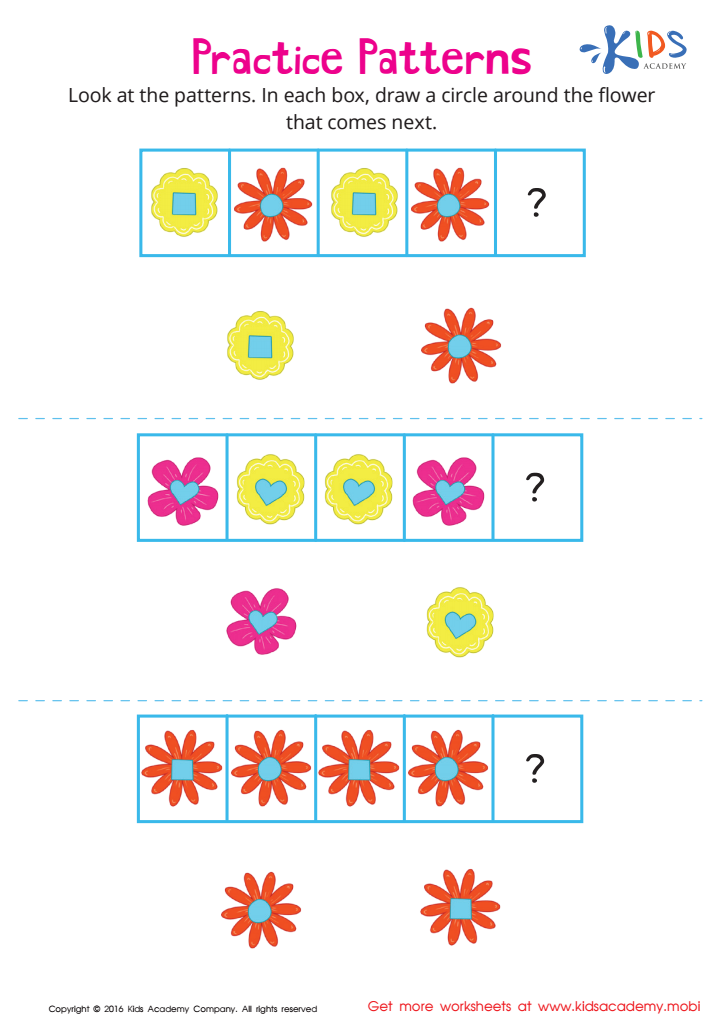








Logical thinking matching is a critical activity for children aged 5 to 8, as it lays the foundation for effective problem-solving and reasoning skills essential for academic success and everyday life. During this developmental stage, children are increasingly capable of recognizing patterns, making connections, and understanding relationships between different concepts.
Engaging in logical thinking matching helps enhance cognitive abilities by encouraging children to identify similarities and differences, categorize items, and think critically about how things relate to one another. This not only supports their cognitive growth but also boosts their confidence in making decisions and solving problems.
For parents and teachers, nurturing these skills is vital to ensuring that children develop a strong foundational understanding of mathematics, science, and literacy. Recognizing the importance of these skills early on can lead to better performance in school and increased motivation toward learning.
Moreover, logical thinking fosters creativity, as it allows children to approach challenges with an innovative mindset. Therefore, incorporating logical thinking matching activities into home and school curriculums can significantly enrich a child’s educational experience, equipping them with essential skills for their future. Ultimately, supporting logical thinking in young learners paves the way for their success in various aspects of life.








