Numbers up to 100 Worksheets for Ages 5-8 - Page 3
51 filtered results
-
From - To
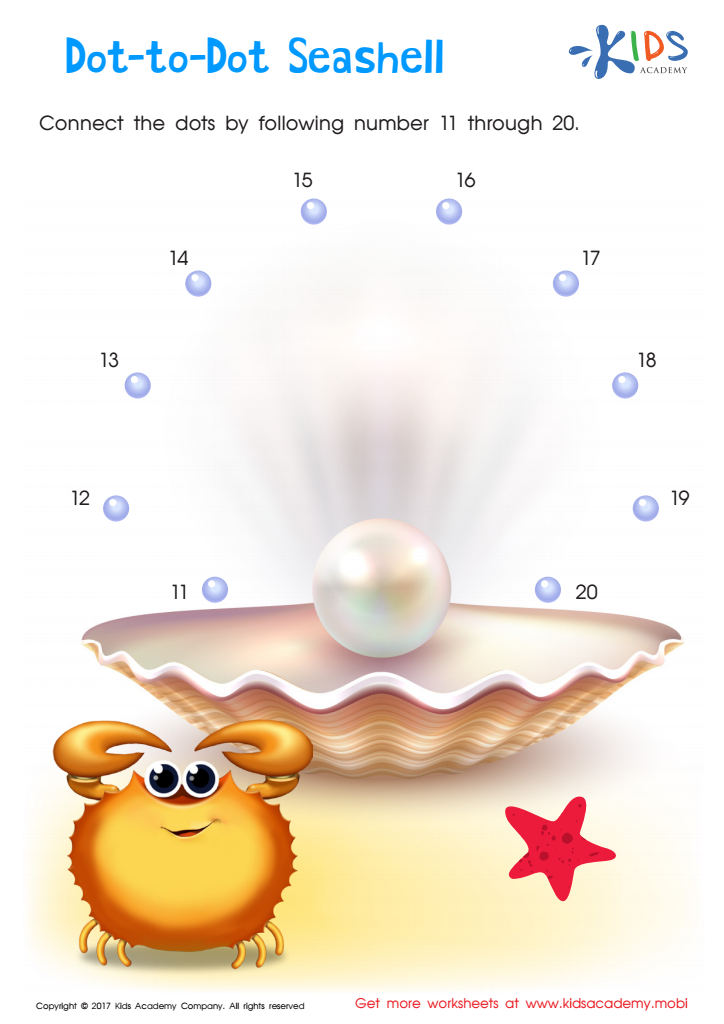
Ordering 11–20: Dot–to–dot Seashell Printable
 Assign to My Students
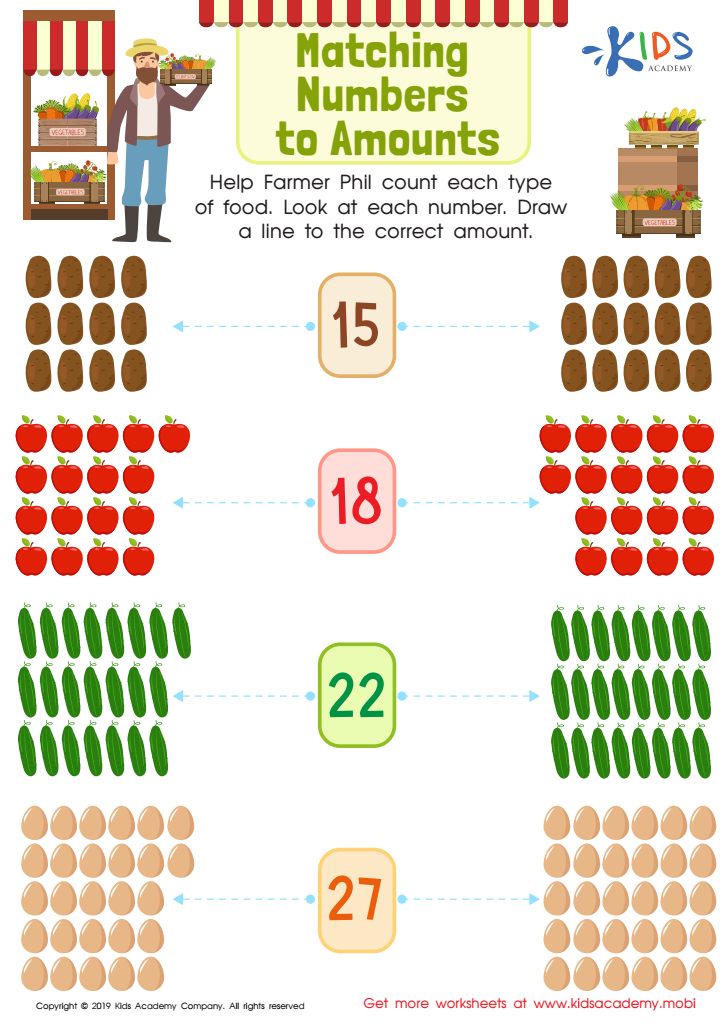
Matching Numbers to Amounts Worksheet

Counting on the City Skyline: Dot-to-Dot Worksheet


%20(1).jpg)
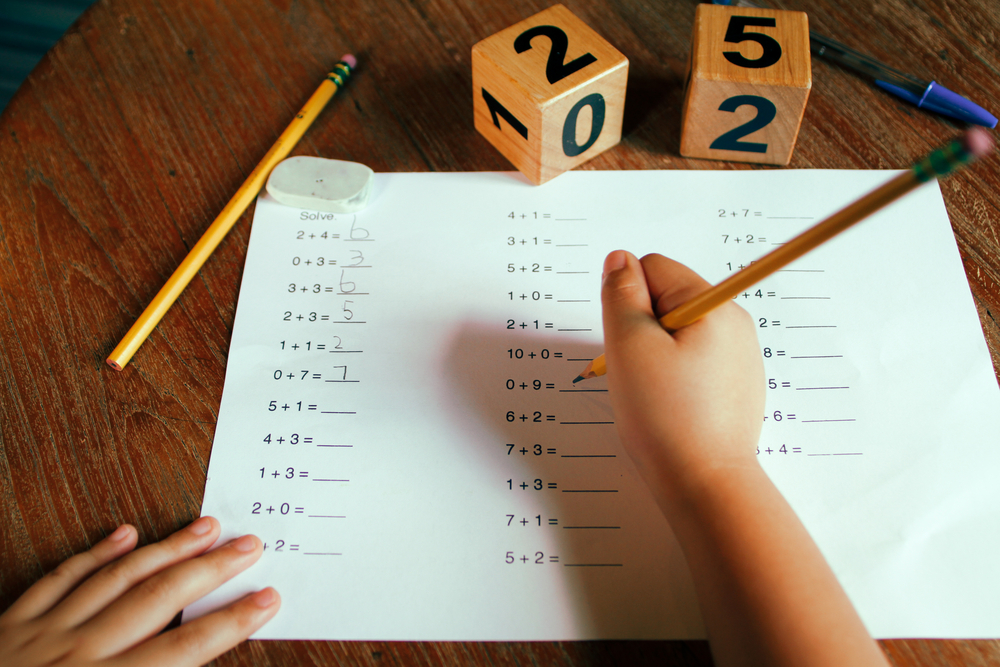




Understanding numbers up to 100 is crucial for children aged 5-8 as it lays the foundation for their future mathematical skills and overall cognitive development. Mastery of this number range enhances their ability to perform basic arithmetic operations, such as addition and subtraction, which are fundamental in day-to-day activities and more advanced math concepts.
By learning to recognize, count, and manipulate these numbers, children build confidence in their problem-solving abilities, which supports academic achievement across all subjects, not just math. Moreover, numbers up to 100 familiarize young learners with concepts like greater than, less than, and the sequence of numbers, fostering critical thinking.
In addition, math is integrated into various life situations, helping kids understand the world around them. From managing money to measuring ingredients for a recipe, math is everywhere.
Furthermore, parents and teachers contribute to a supportive learning environment by creating engaging experiences, such as games and activities centered around these numbers, thus making learning fun. This early foundation cultivates not only numeracy skills but also a positive attitude towards math, encouraging lifelong curiosity and a love for learning. Therefore, focusing on numbers up to 100 is essential for holistic development during these formative years.