Critical Thinking Sorting Worksheets for Ages 5-8
4 filtered results
-
From - To
Enhance your child's logical and critical thinking skills with our engaging Critical Thinking Sorting Worksheets, crafted for ages 5-8. These fun and educational worksheets from Kids Academy help young learners develop essential abilities in classification, comparison, and organization. Perfect for home or classroom use, each worksheet challenges kids to sort objects based on various attributes like size, shape, color, and more. As they work through the exercises, children improve their problem-solving strategies while having fun. Cultivate a foundation for future academic success with our expertly designed sorting worksheets that make learning enjoyable and effective.
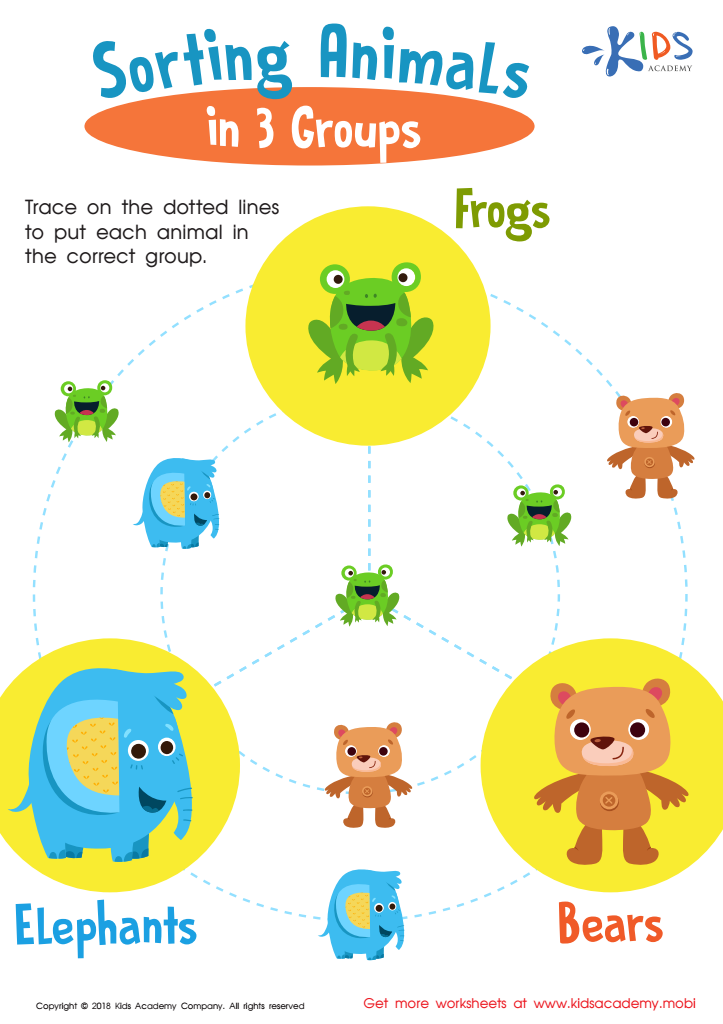
Sorting Animals in 3 Groups Worksheet
 Assign to My Students
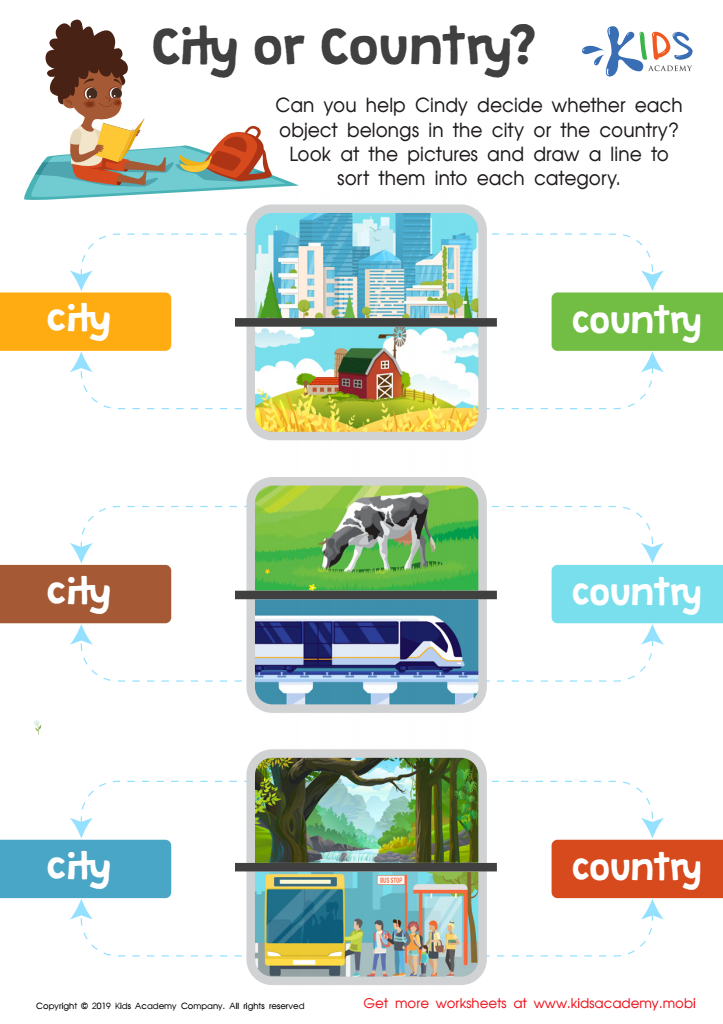
City or Country? Worksheet
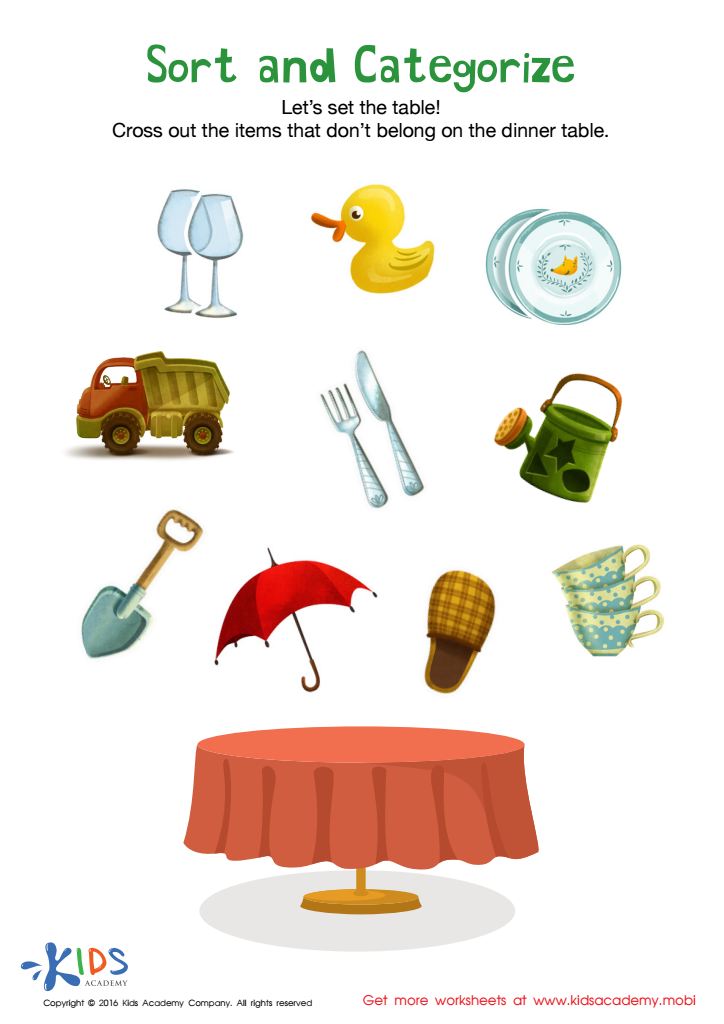
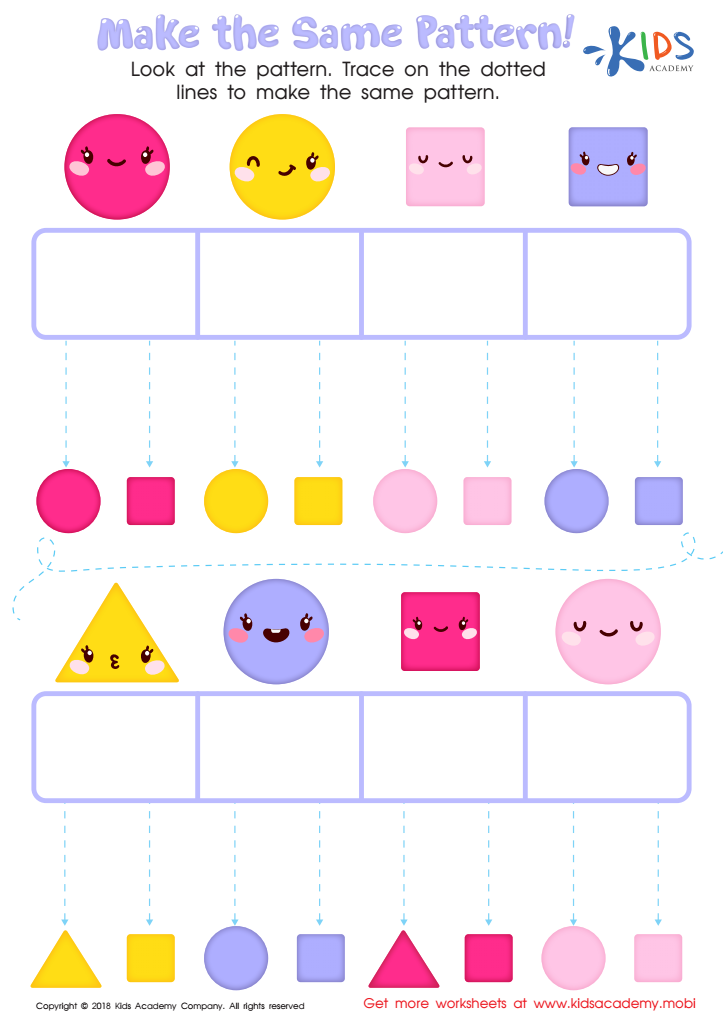
Make the Same Pattern Worksheet








Critical thinking is a vital skill that lays the foundation for children's ability to navigate and understand the world around them. For ages 5-8, formative years characterized by rapid cognitive development, engaging in critical thinking sorting activities is especially beneficial. These activities foster mental growth by teaching children to categorize, compare, and differentiate between concepts or objects. They bolster analytical abilities and encourage curiosity, promoting an intrinsic love for learning.
When parents and teachers nurture critical thinking early, they equip children with problem-solving skills essential for academic success and everyday decision-making. Sorting activities, for instance, challenge youngsters to observe characteristics and make informed choices based on thoughtful analysis. This enhances their cognitive flexibility and adaptability, critical qualities in our fast-changing world.
Moreover, critical thinking sorting also integrates emotional and social-learning aspects. As children discuss their reasoning with adults or peers, they develop communication skills and learn to respect different viewpoints. This social engagement enriches their learning experience and supports development in emotional intelligence.
For parents and teachers, emphasizing critical thinking from an early age helps raise independent, confident, and thoughtful individuals. Encouraging these skills ensures that children are not just passive recipients of information but active learners capable of reasoning and understanding complexities beyond the surface level.








