Problem-Solving Skills Sorting Worksheets for Ages 5-8
4 filtered results
-
From - To
Enhance your child’s problem-solving skills with our engaging sorting worksheets designed for ages 5-8. These worksheets focus on key concepts such as categorization, comparison, and analysis, helping children develop essential critical thinking abilities. Each activity is carefully crafted to capture young learners' attention, making the process of honing problem-solving skills fun and effective. Your child will engage with colorful visuals and relatable scenarios that promote logical reasoning and decision-making. Ideal for classroom or home use, these worksheets provide an excellent resource for building foundational skills in a playful manner. Download and watch your child thrive in their learning journey today!
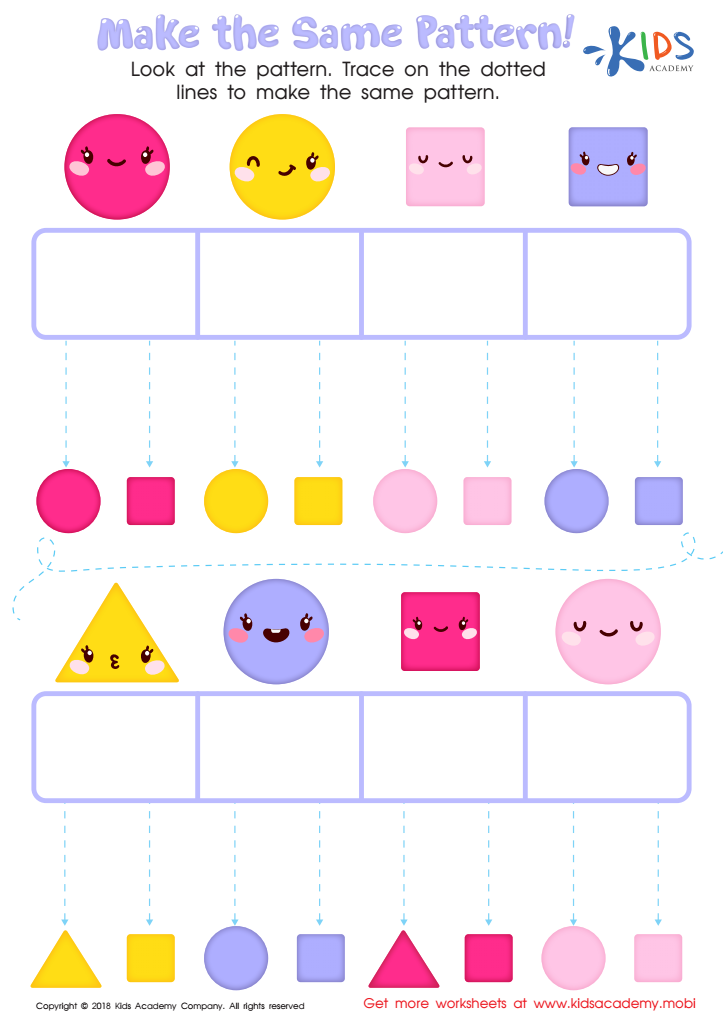
Make the Same Pattern Worksheet
 Assign to My Students
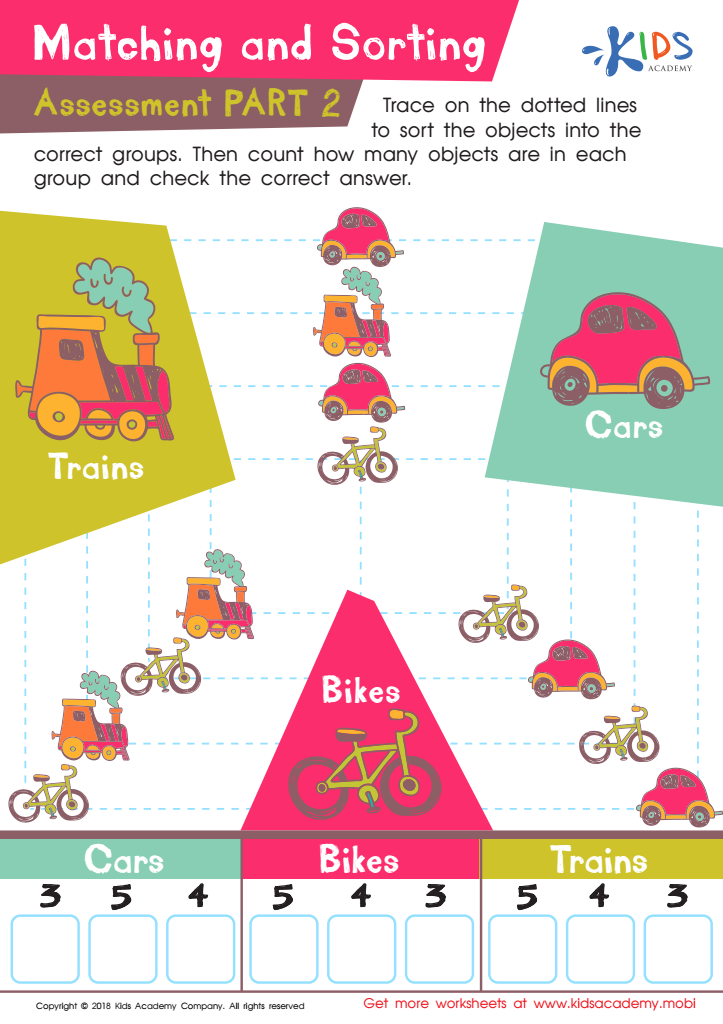
Matching and Sorting for Kindergarten: Assessment 2 Worksheet
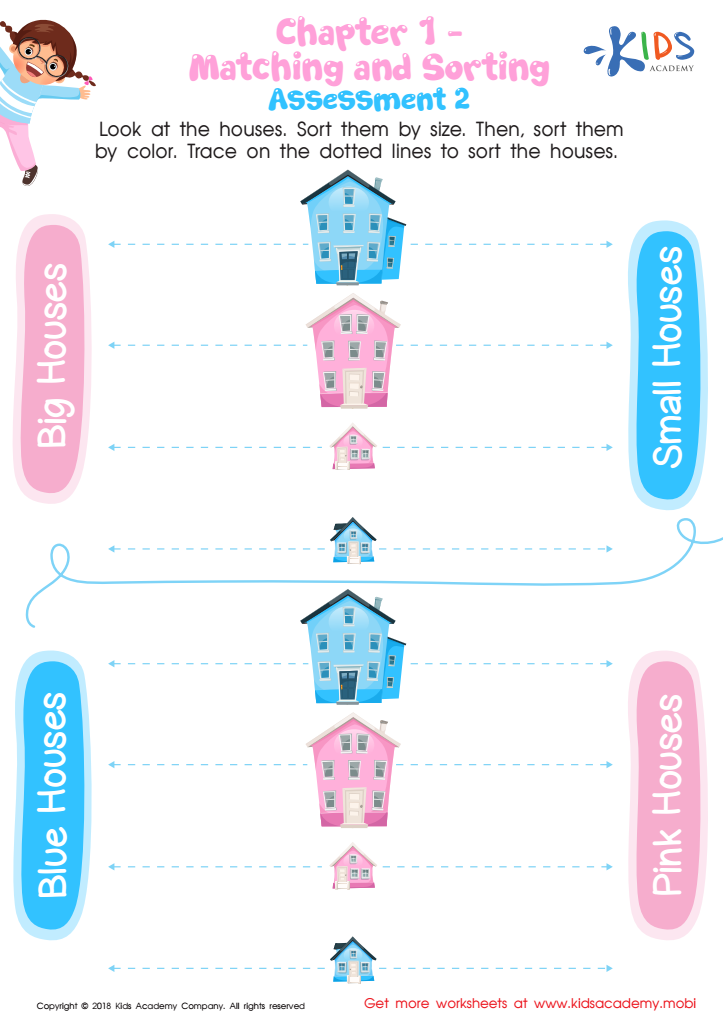
Matching and Sorting for Preschool: Assessment 2 Worksheet
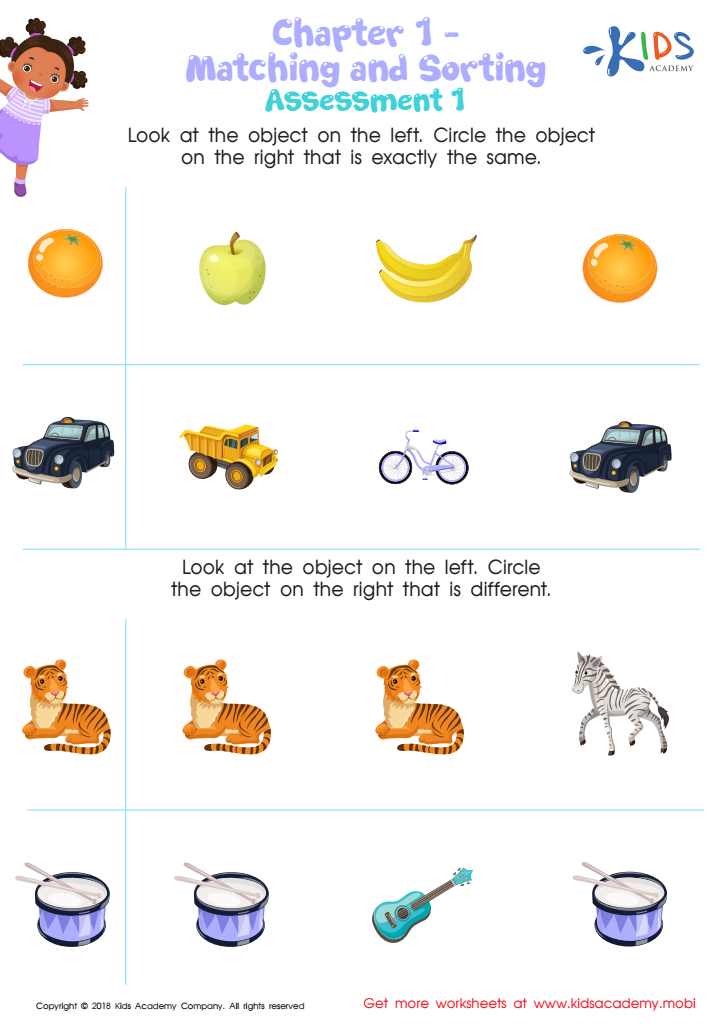
Matching and Sorting for Preschool: Assessment 1 Worksheet








Problem-solving skills are crucial for children aged 5-8 as they lay the foundation for future academic and life success. These skills encourage critical thinking, creativity, and resilience, all of which are essential in navigating challenges both in and out of the classroom. When children engage in sorting activities, they learn to categorize information, recognize patterns, and develop organizational skills. These foundational abilities not only enhance their cognitive development but also facilitate better decision-making.
For parents and teachers, fostering these skills at an early age opens the door to effective collaboration, communication, and overall emotional intelligence. Sorting tasks help children learn how to analyze situations, consider different perspectives, and adopt a systematic approach to problem-solving. Observing their children's thought processes during such activities also provides insights into their individual learning styles and needs.
Moreover, sorting exercises can be easily integrated into daily life through playful interactions with everyday objects, making learning enjoyable and engaging. By caring for and actively promoting problem-solving skills, adults play a vital role in equipping children with the tools necessary for tackling academic challenges and real-life problems, ultimately contributing to a more empowered and confident generation.








