Categorization skills Reading Worksheets for Ages 5-8
5 filtered results
-
From - To
Boost your child's reading and critical thinking skills with our Categorization Skills Reading Worksheets, designed specifically for ages 5-8. These engaging worksheets help young learners sort and classify objects, words, and concepts, enhancing their understanding of relationships and improving vocabulary. With a variety of fun exercises, including sorting games and matching activities, your child will develop essential reading skills while having a blast. Our printables can easily be integrated into any lesson plan or used for at-home practice. Foster a love for learning and support your child's educational journey with our targeted resources that make categorization both enjoyable and effective!
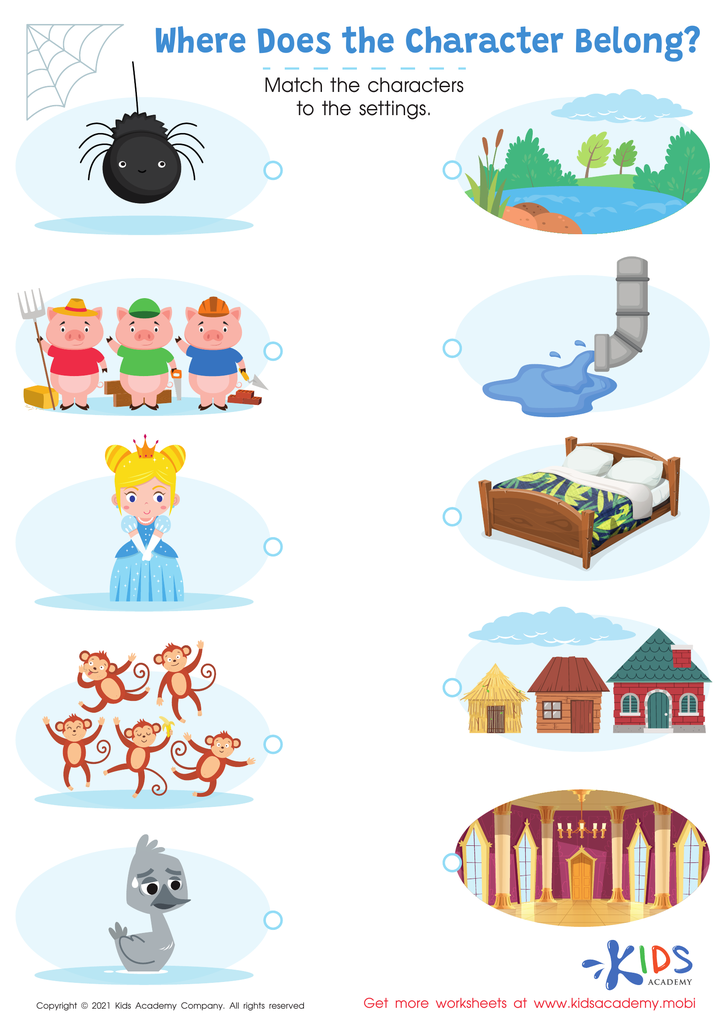
Where Does the Character Belong? Worksheet
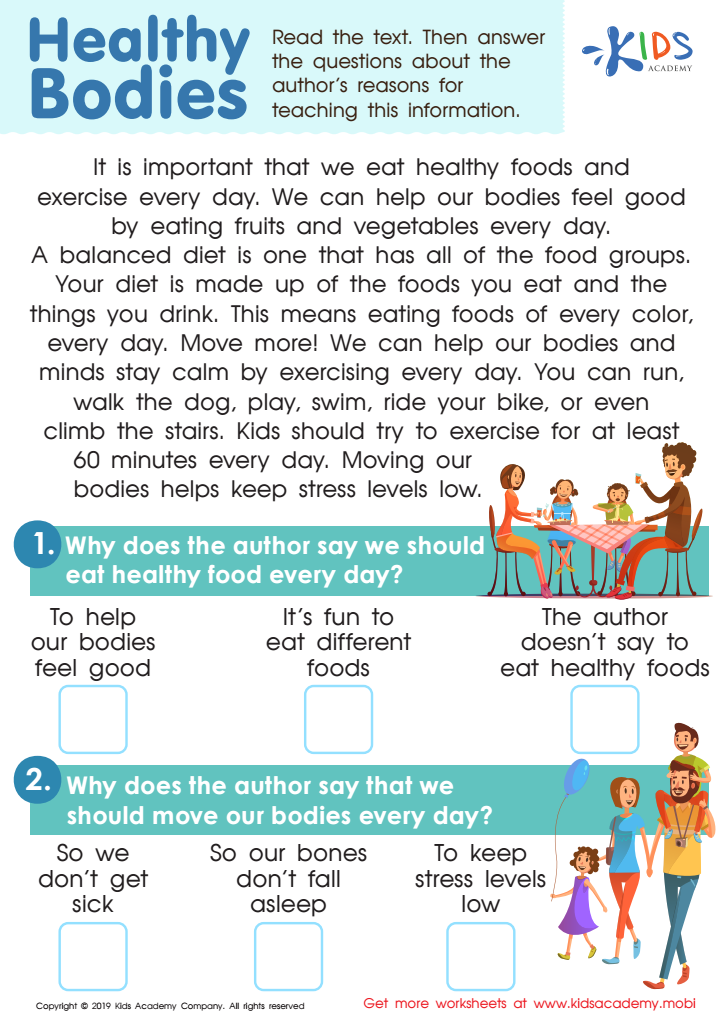
Healthy Bodies Worksheet
 Assign to My Students
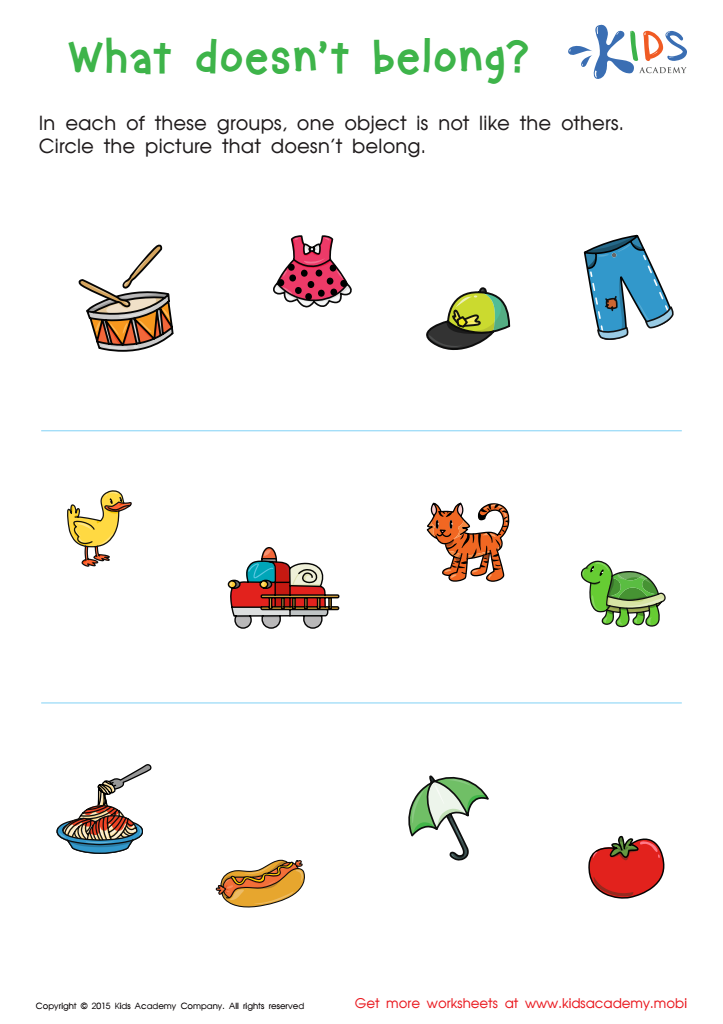
First Words: What Doesn't Belong Worksheet
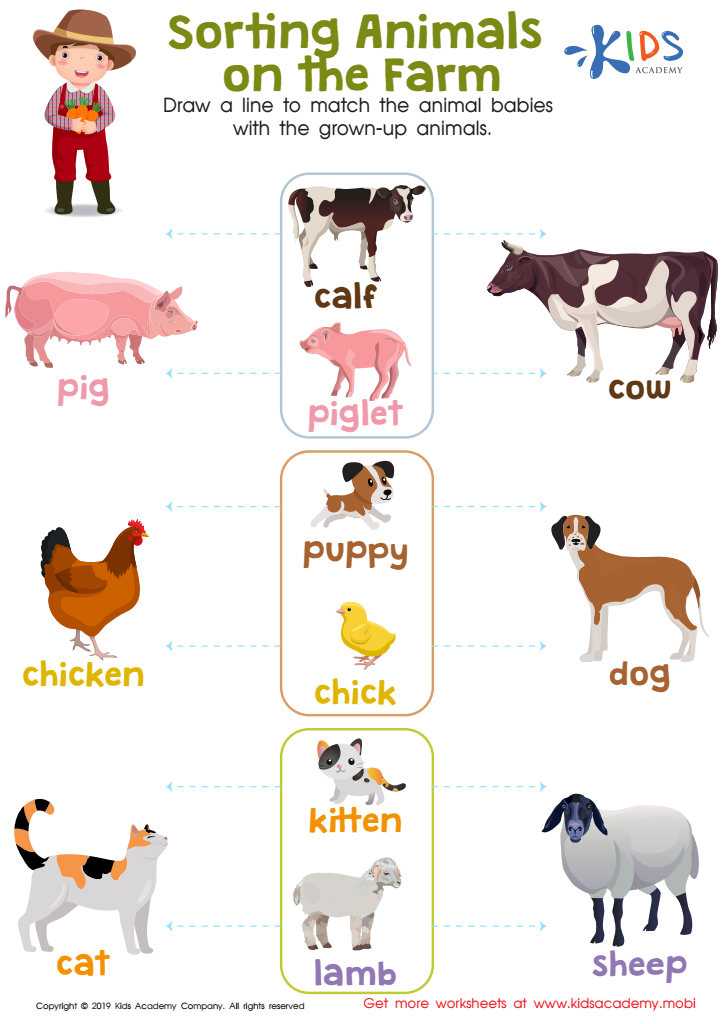
Sorting Animals on the Farm Worksheet
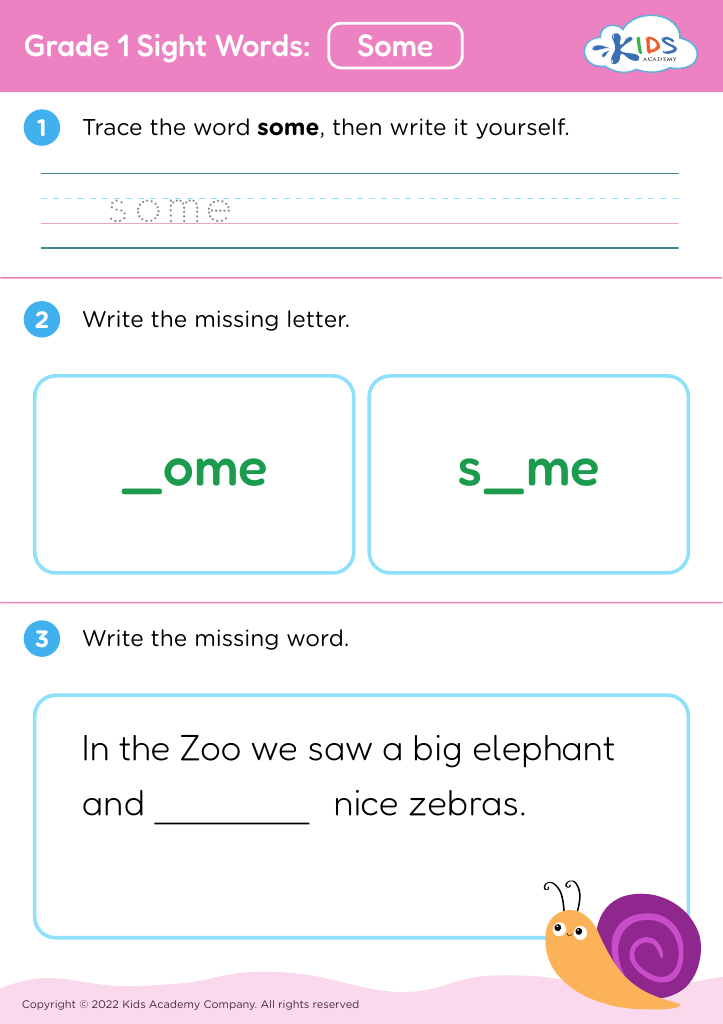








Categorization skills are crucial for children ages 5-8 as they serve as the foundation for effective reading comprehension and critical thinking. At this age, children are developing the ability to group objects, ideas, and concepts based on shared characteristics, which enhances their understanding of the world around them.
First and foremost, categorization helps children make sense of new information. When they encounter a story or text, categorizing characters, settings, and events allows them to relate new material to something they already know. This process strengthens memory retention and enhances vocabulary development.
Moreover, categorization skills foster critical thinking. As children learn to identify similarities and differences among various categories, they develop analytical abilities essential for problem solving. These skills also promote organizational strategies, which are important not only in reading but across various subjects in school.
Parents and teachers play a vital role in nurturing these skills through engaging activities such as sorting games, classification tasks, and interactive reading. By prioritizing categorization skills, adults can help children build a robust framework for reading comprehension, enabling them to become confident, lifelong learners who process and comprehend information efficiently. Investing in these foundational skills will yield benefits throughout a child’s educational journey and beyond.








