Counting practice Reading Worksheets for Ages 5-8
17 filtered results
-
From - To
Enhance your child's numeracy skills with our engaging Counting Practice Reading Worksheets, designed for ages 5-8. These worksheets combine reading comprehension with fundamental counting exercises, fostering a love for learning through fun activities. Children will practice counting items, recognizing numbers, and developing essential reading skills, all in one interactive experience. Our user-friendly printable resources cater to various learning levels, making them perfect for home or classroom use. Equip your child with the foundational skills needed for academic success while igniting their imagination. Explore our diverse collection today and make counting a joyful adventure!
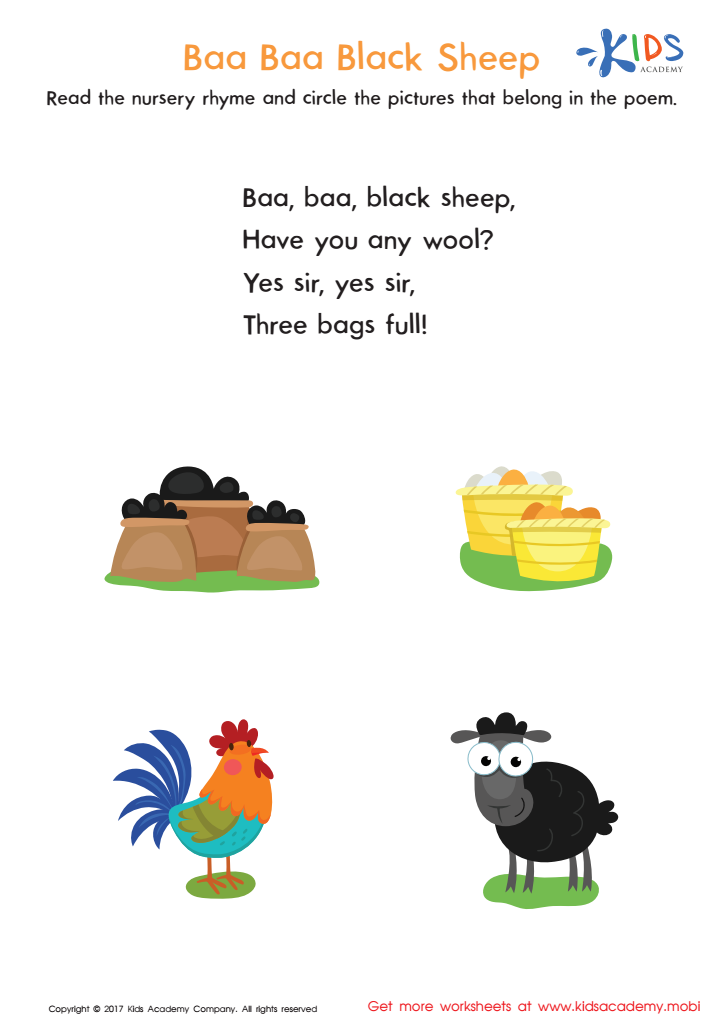
Baa Baa Black Sheep Printable
 Assign to My Students
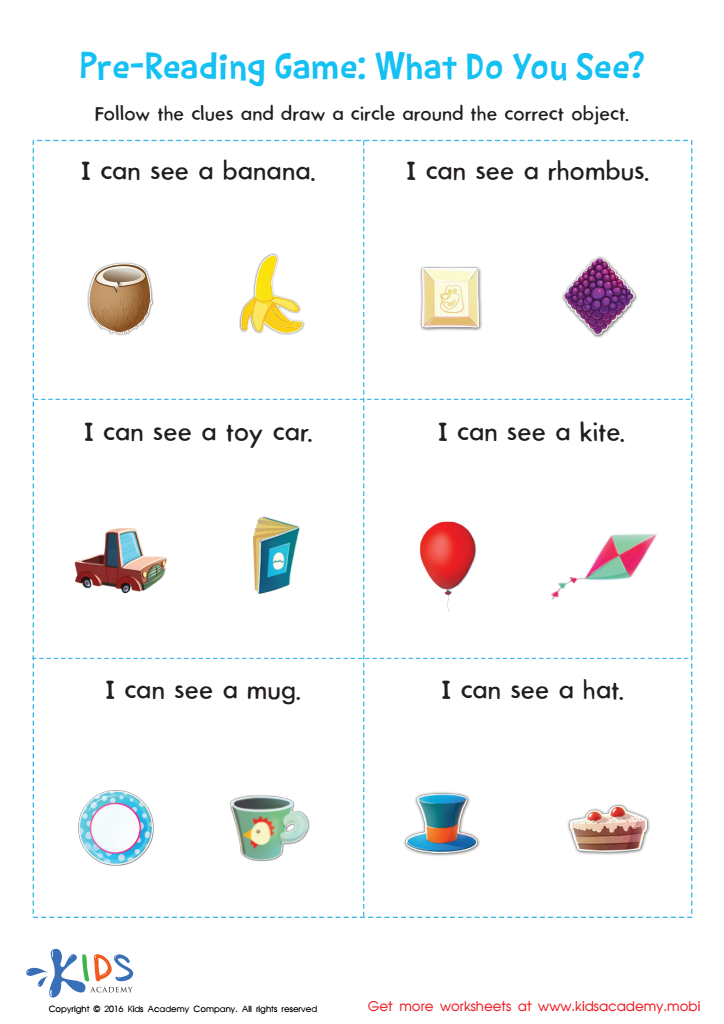
Pre–reading Worksheet: What Do You See?
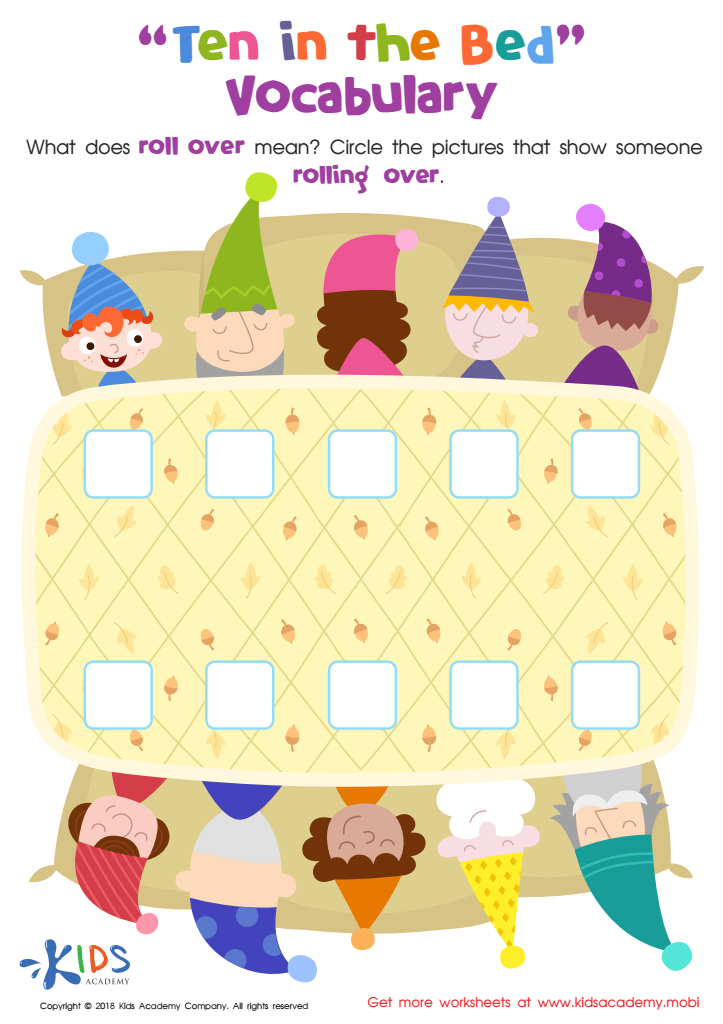
Ten in the Bed: Vocabulary Worksheet
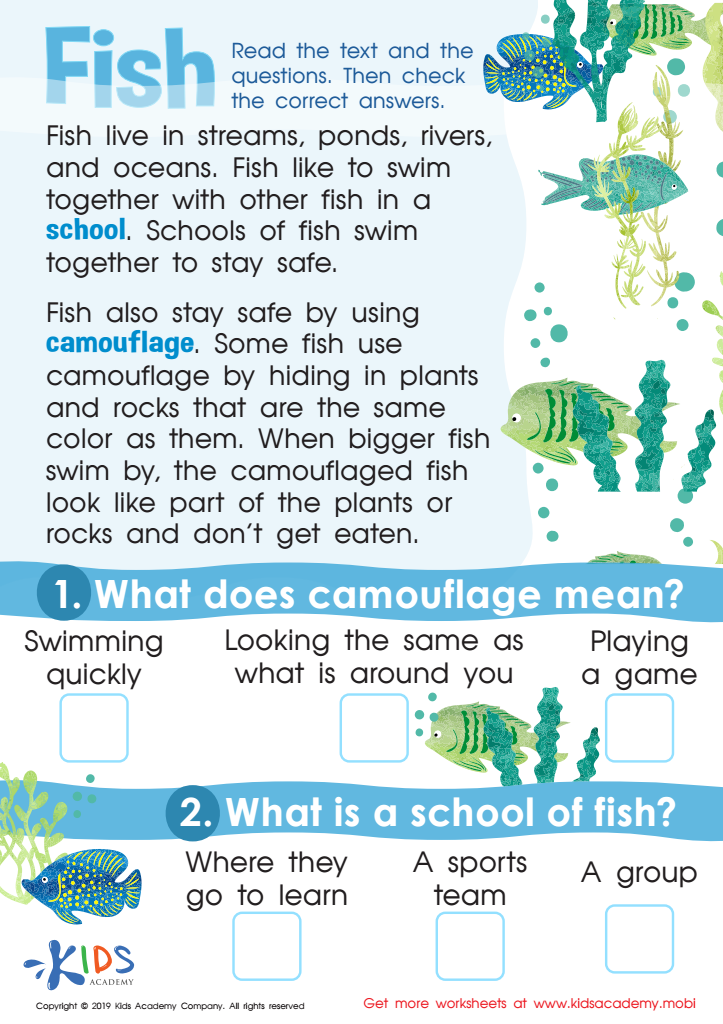
Fish Worksheet
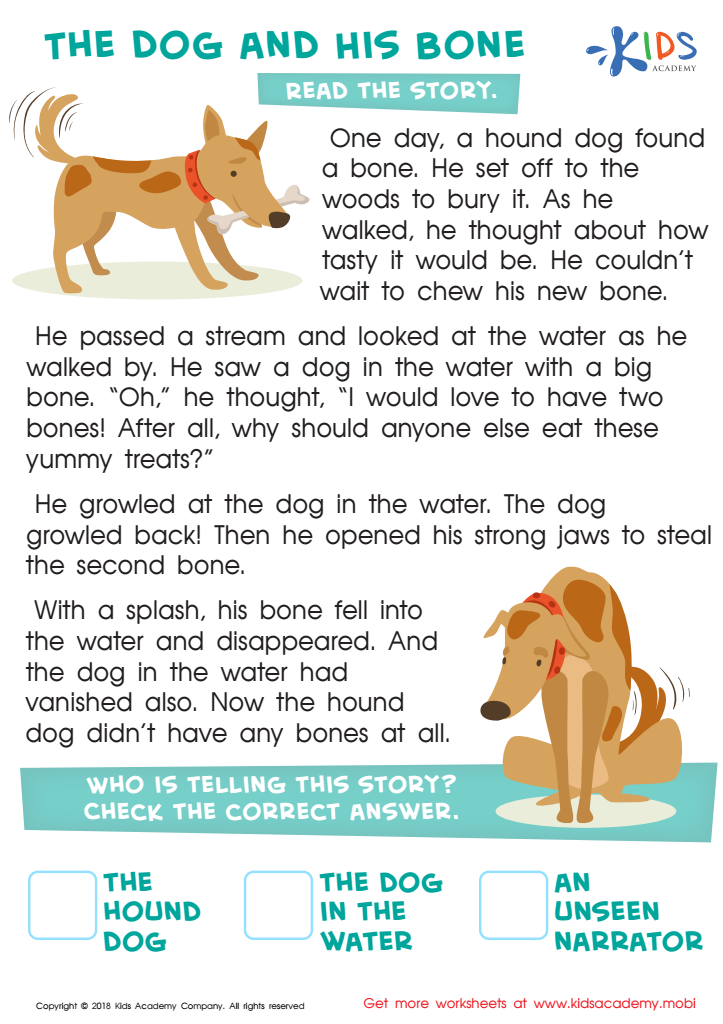
The Dog and His Bone Worksheet
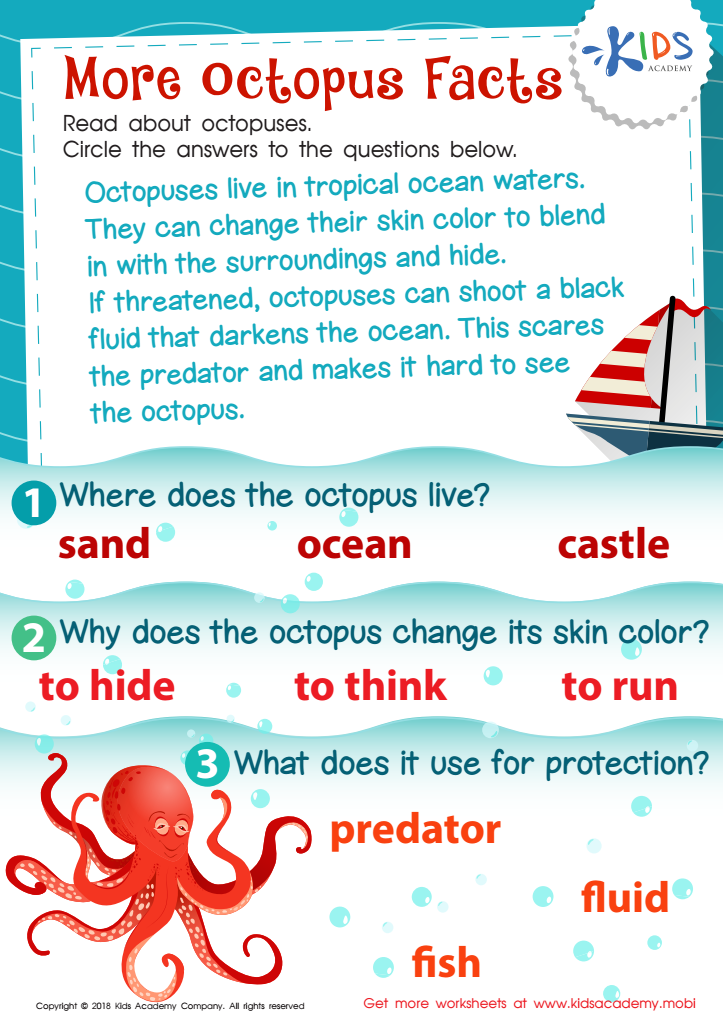
More Octopus Facts Worksheet
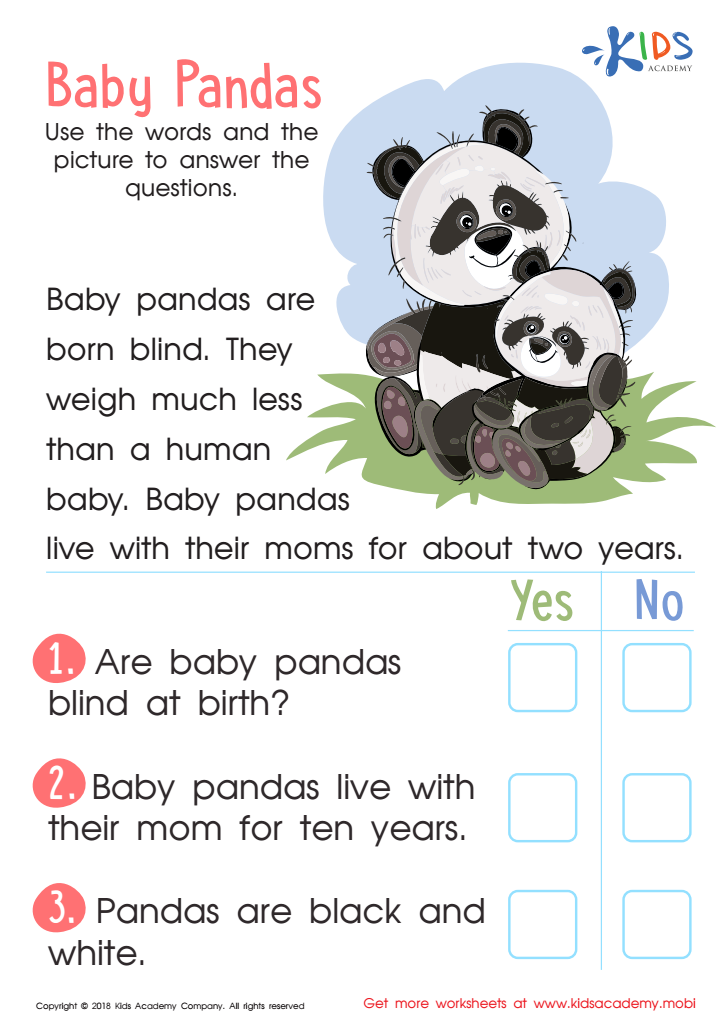
Baby Pandas Worksheet
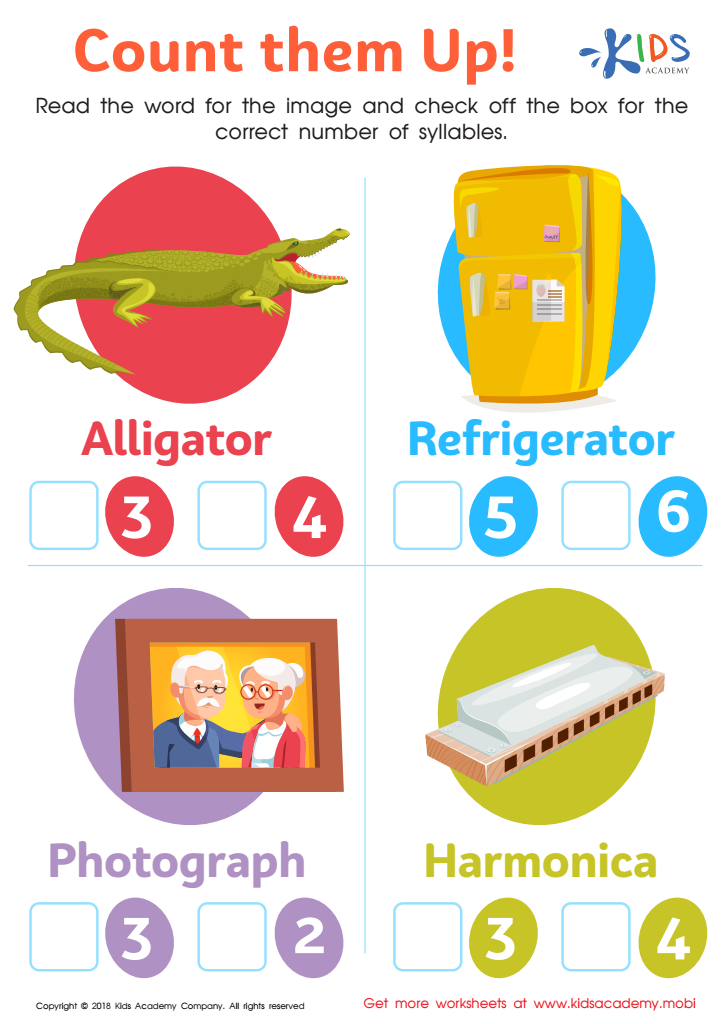
Count Them Up Worksheet
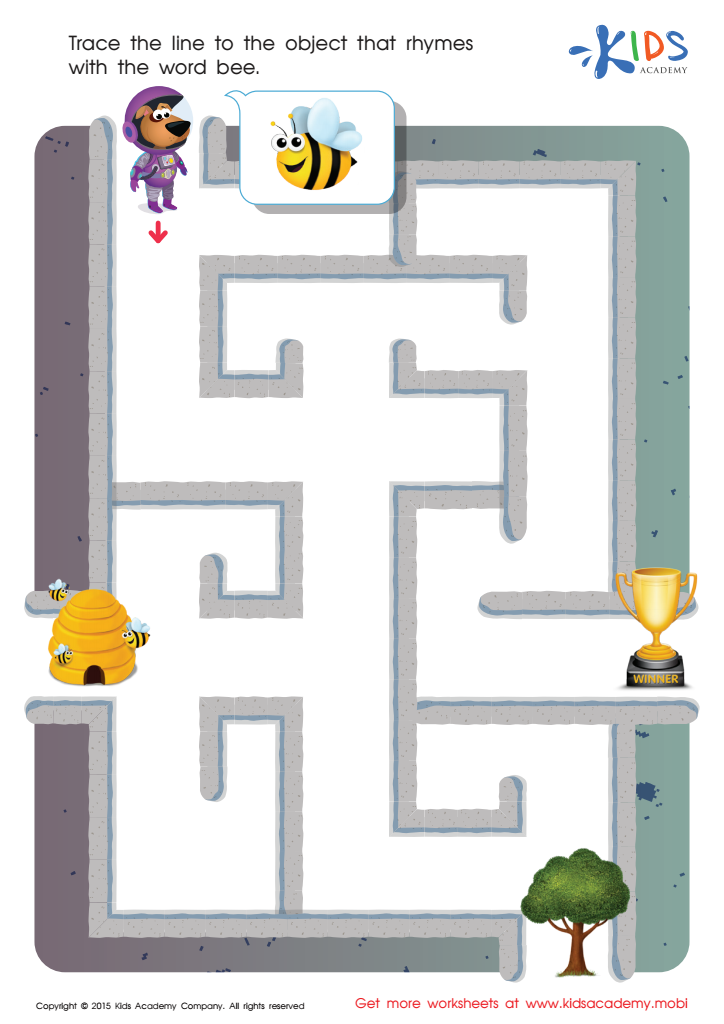
Bee Rhyming Words Worksheet
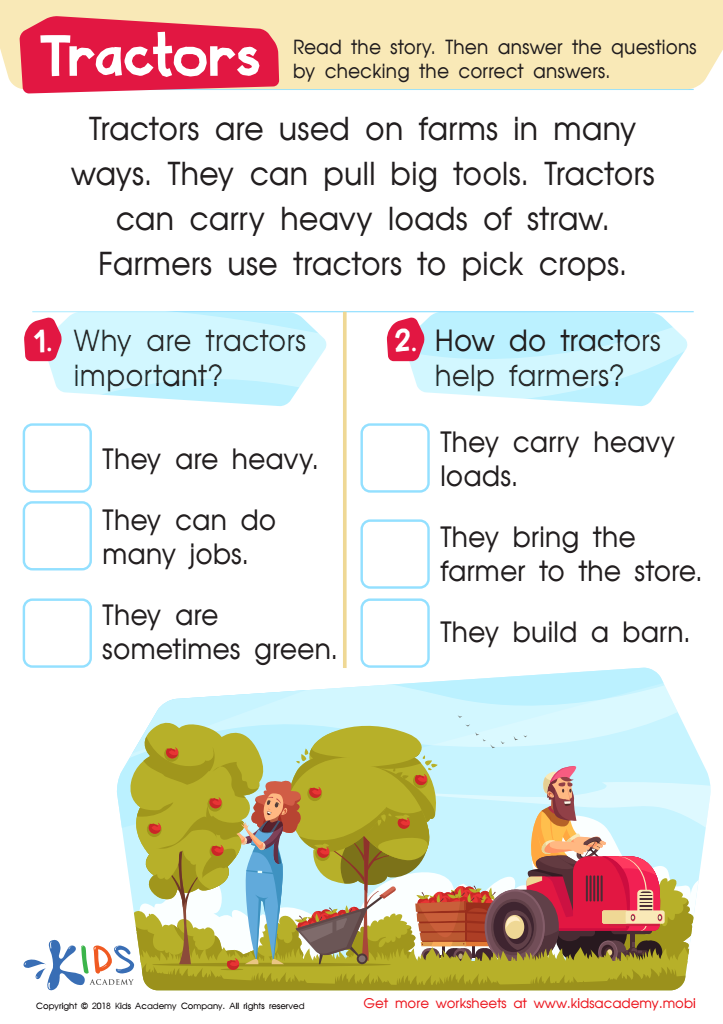
Tractors Worksheet
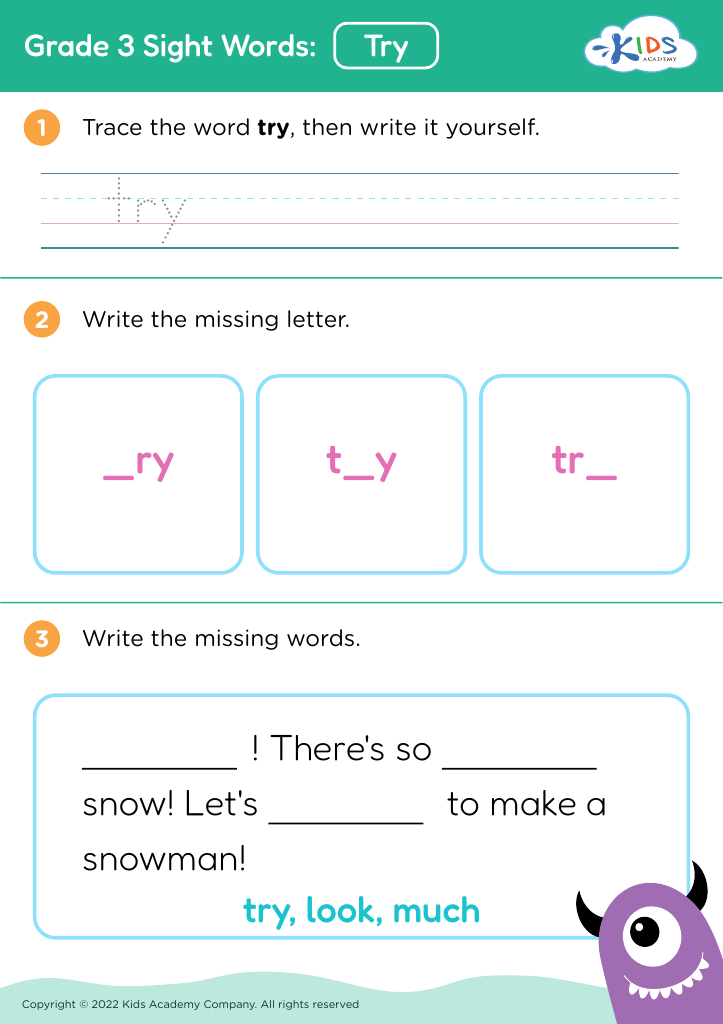
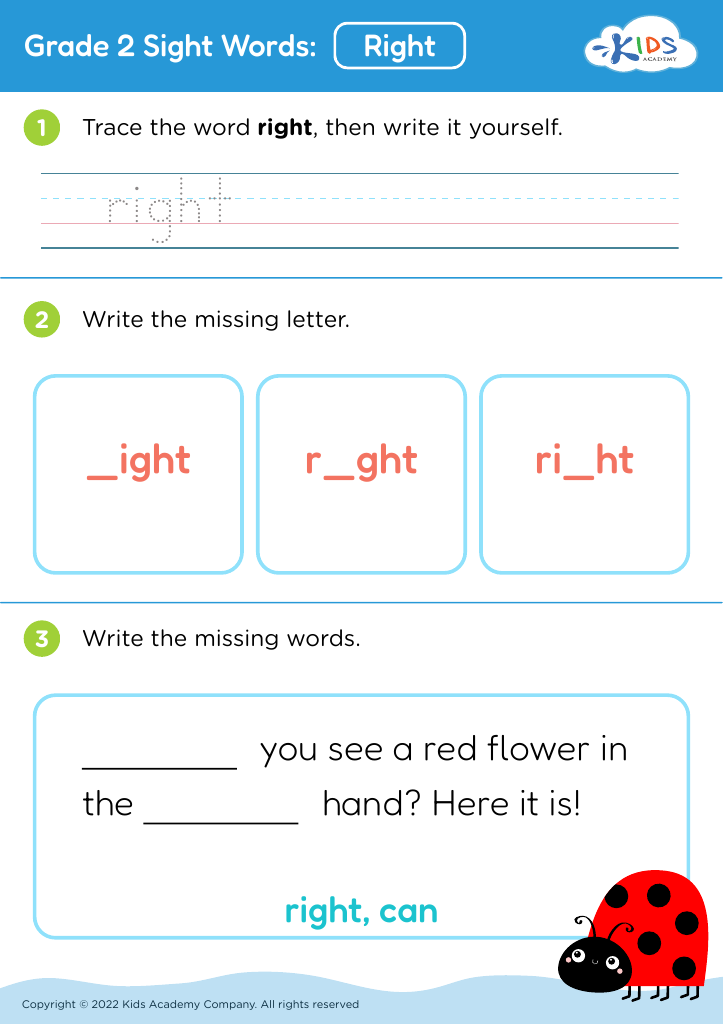
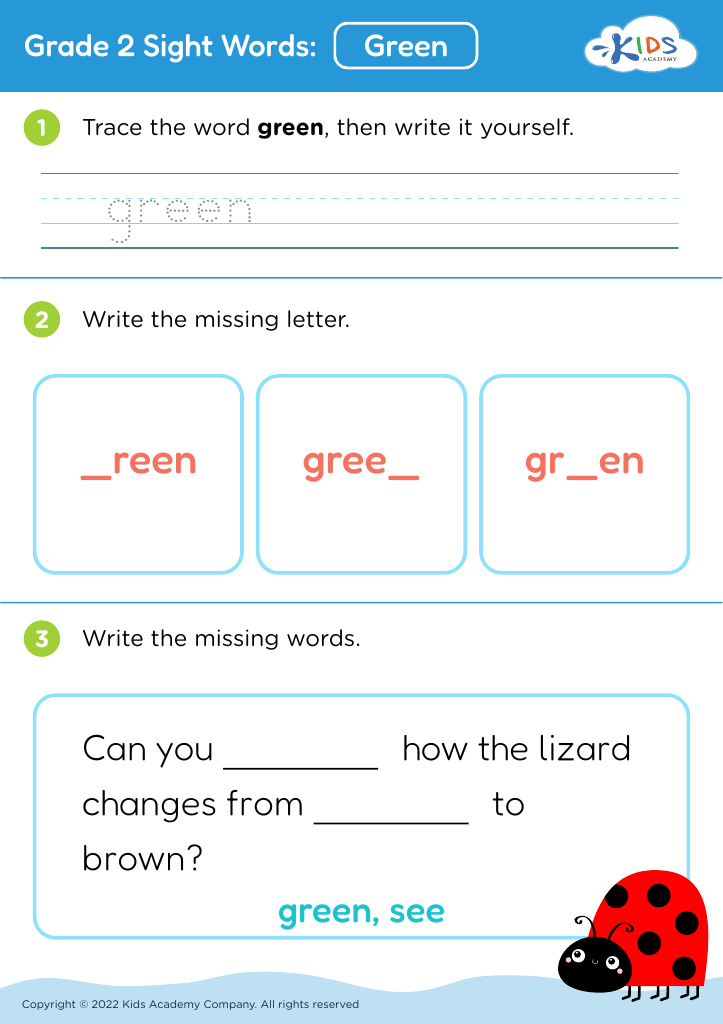
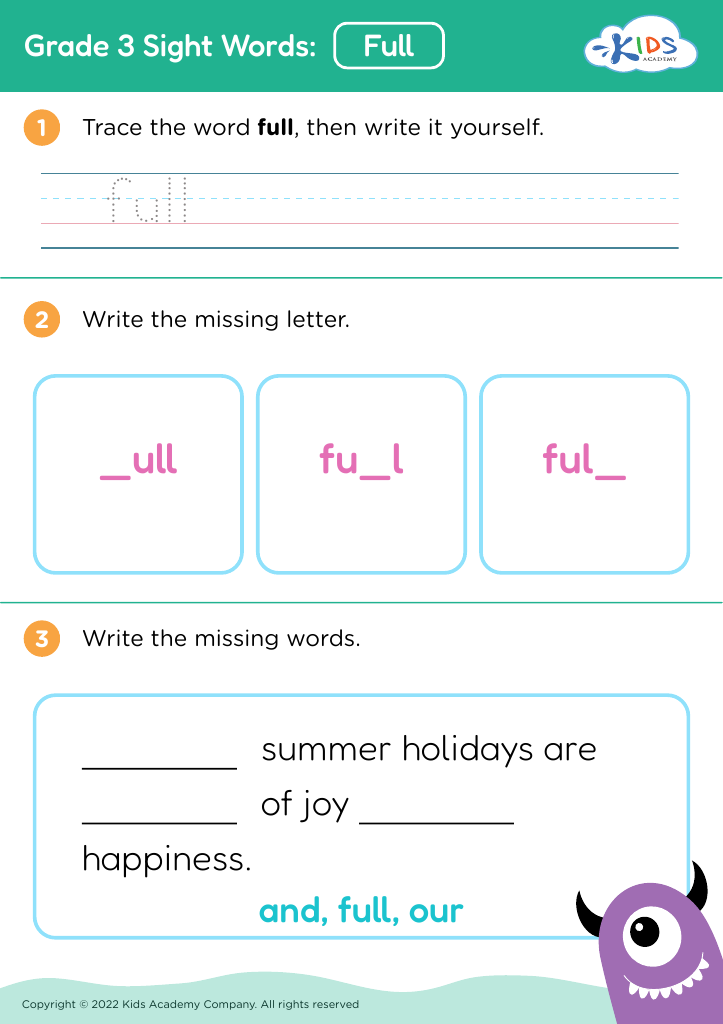
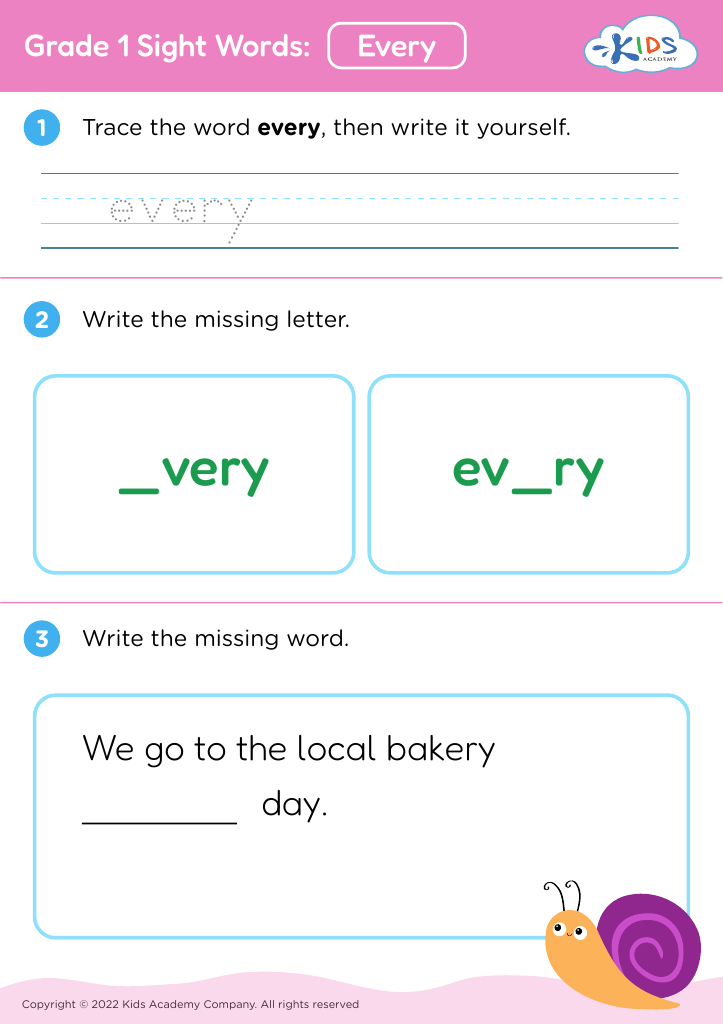
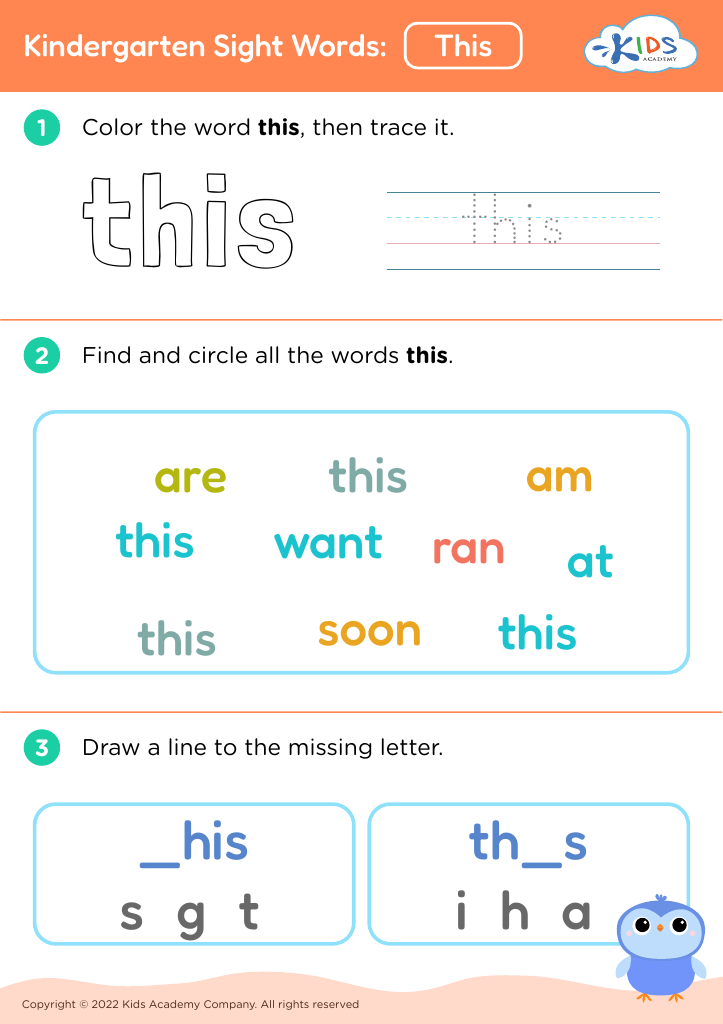
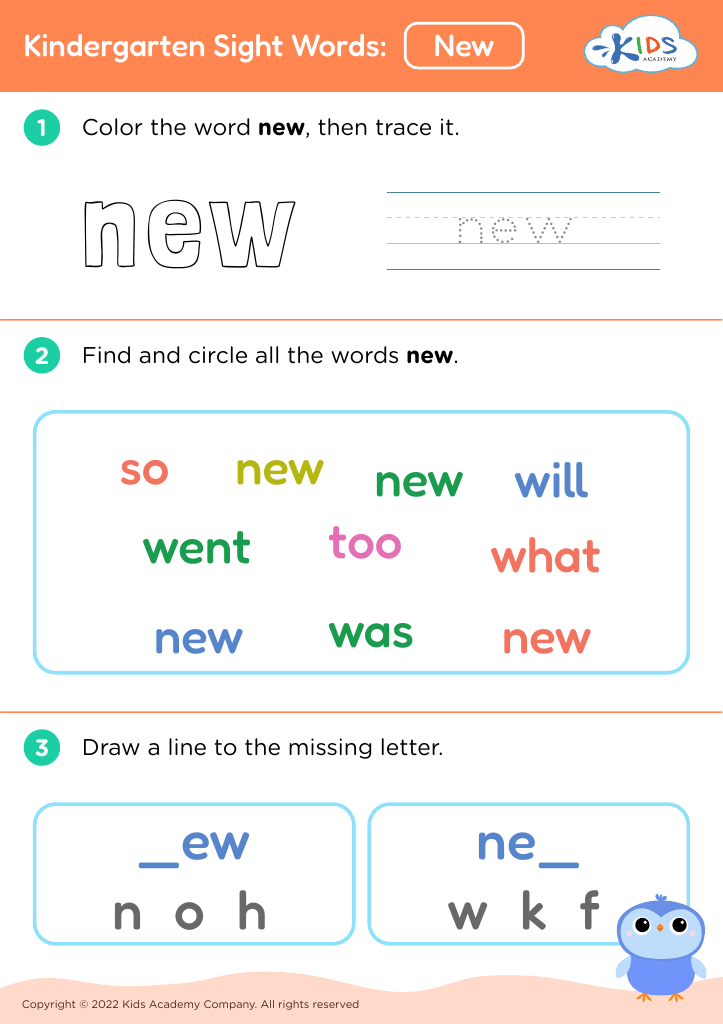








Counting practice reading for ages 5-8 is fundamental in fostering a strong mathematical foundation and language development. At this critical age, children are naturally curious and eager to learn, making it the perfect time for engaging activities that combine counting with reading. Parents and teachers should care about this dual approach because it enhances cognitive skills. When children learn to count through storybooks or verbal interactions, they develop their numerical understanding alongside vocabulary and comprehension skills.
Additionally, consistent counting practice helps cultivate attention to detail and boosts problem-solving abilities, preparing them for more complex mathematical concepts later. It also encourages a love for reading, as stories incorporating numbers become more enjoyable and interactive.
Furthermore, counting practice reading promotes social skills during group activities or shared reading sessions, creating opportunities for collaboration and communication. This holistic approach not only supports academic growth but also nurtures a child’s confidence and enthusiasm for learning. In summary, integrating counting practice with reading is essential for developing well-rounded, literate individuals equipped with essential skills for lifelong learning. Parents and teachers play a crucial role in this process and should prioritize these activities in their educational strategies.








