Check out this FREE Trial Lesson on Reading for age 5-8!

Match Objects that Fit Together

Favorites
With answer key
Interactive
  • 5-8
  • Understanding fractions
  • Reading
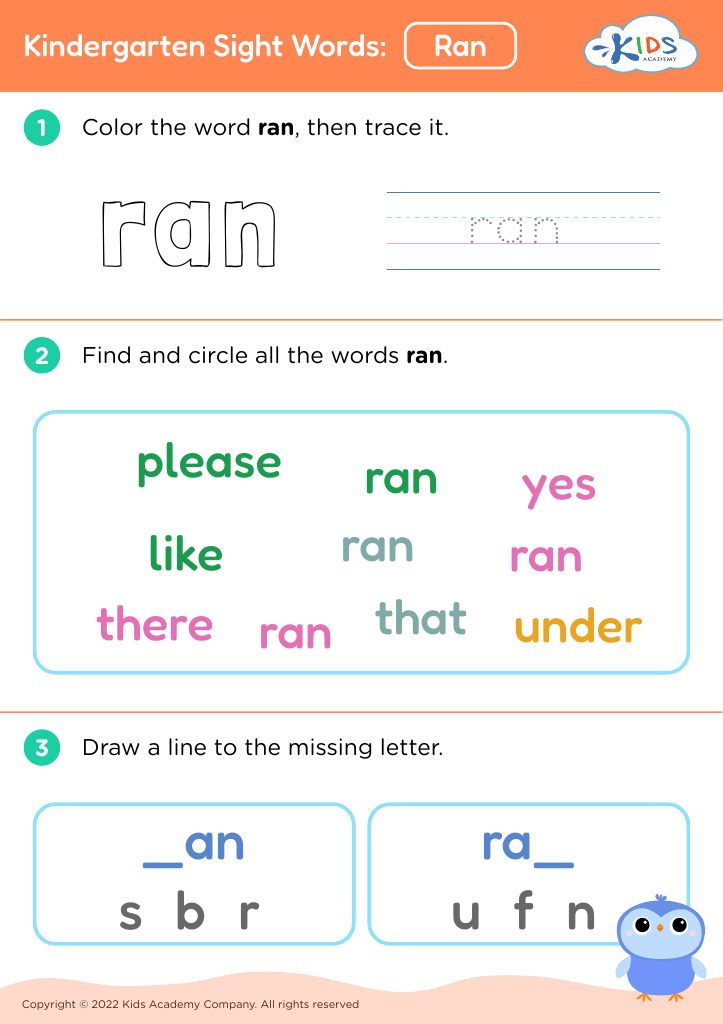
Kindergarten Sight Words: Ran

Kindergarten Sight Words: Ran

Kindergarten Sight Words: Ran
Worksheet
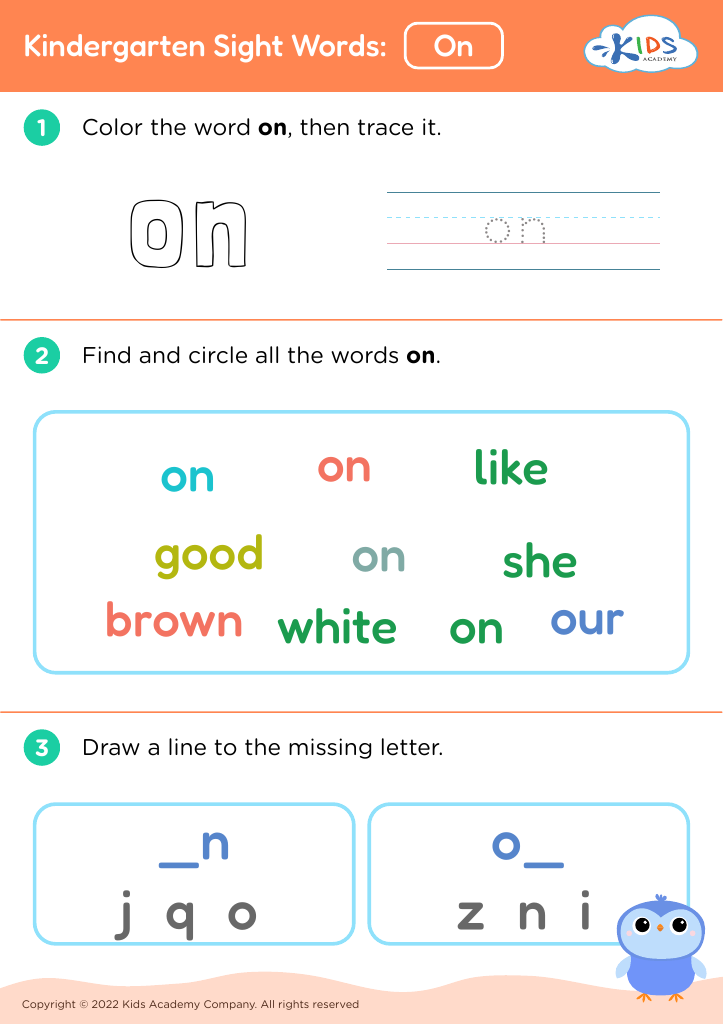
Kindergarten Sight Words: On

Kindergarten Sight Words: On

Kindergarten Sight Words: On
Worksheet
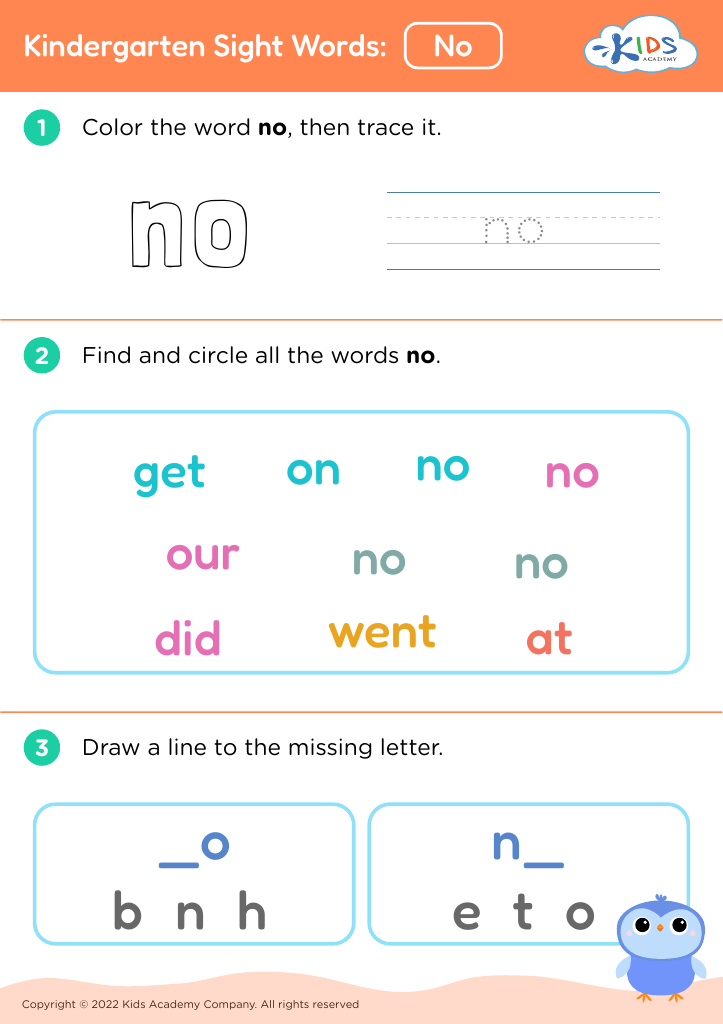
Kindergarten Sight Words: No

Kindergarten Sight Words: No

Kindergarten Sight Words: No
Worksheet
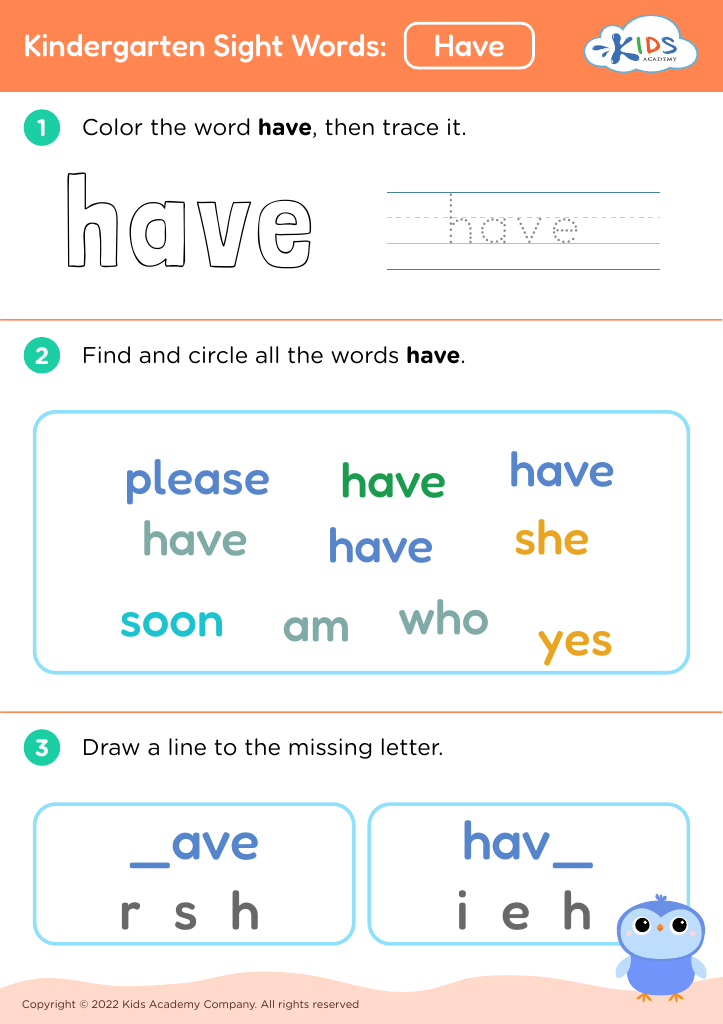
Kindergarten Sight Words: Have

Kindergarten Sight Words: Have

Kindergarten Sight Words: Have
Worksheet
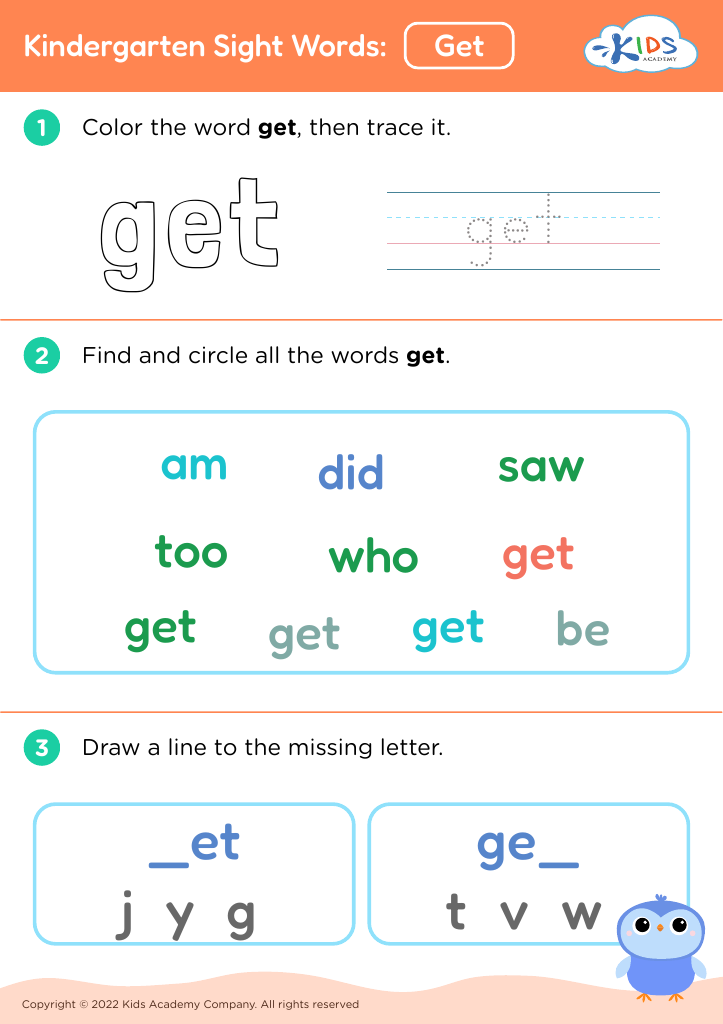
Kindergarten Sight Words: Get

Kindergarten Sight Words: Get

Kindergarten Sight Words: Get
Worksheet
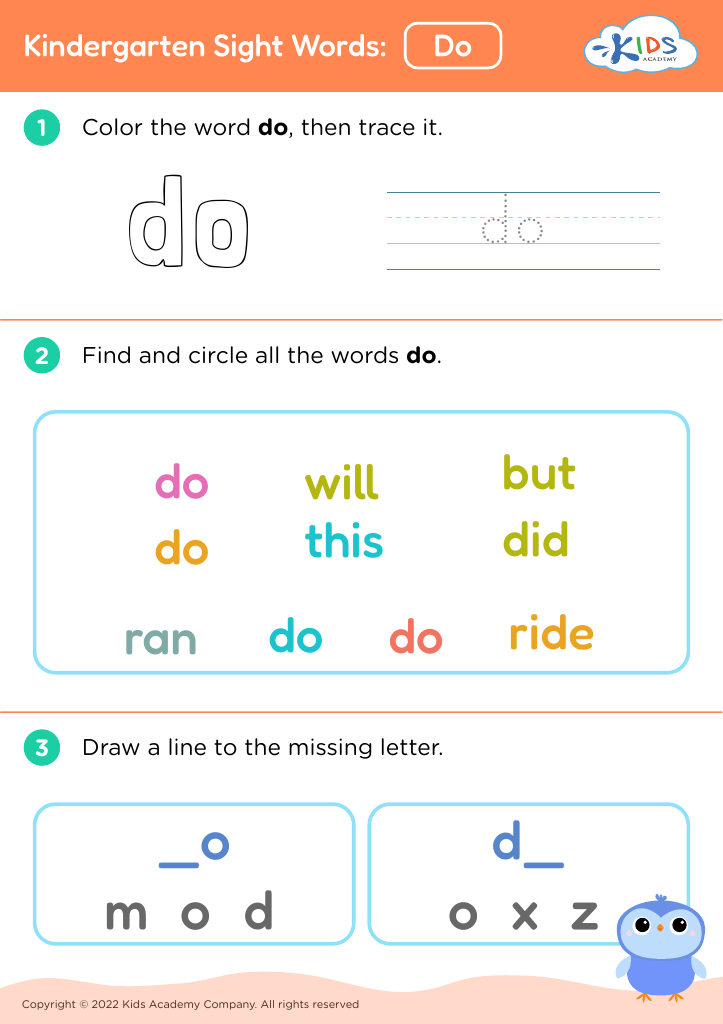
Kindergarten Sight Words: Do

Kindergarten Sight Words: Do

Kindergarten Sight Words: Do
Worksheet
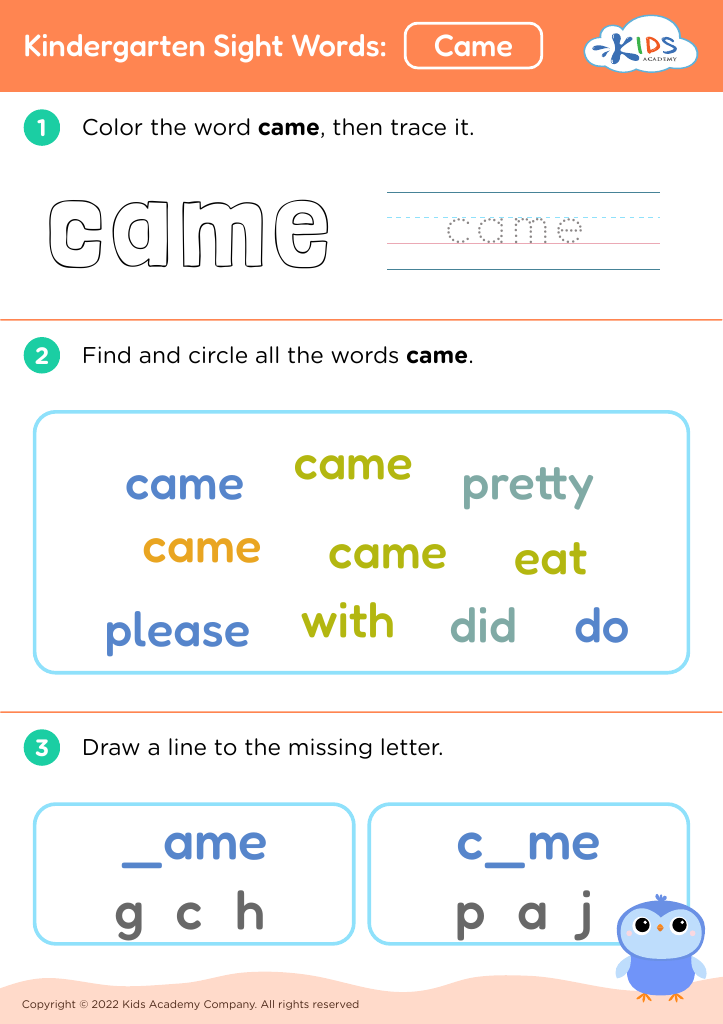
Kindergarten Sight Words: Came

Kindergarten Sight Words: Came

Kindergarten Sight Words: Came
Worksheet
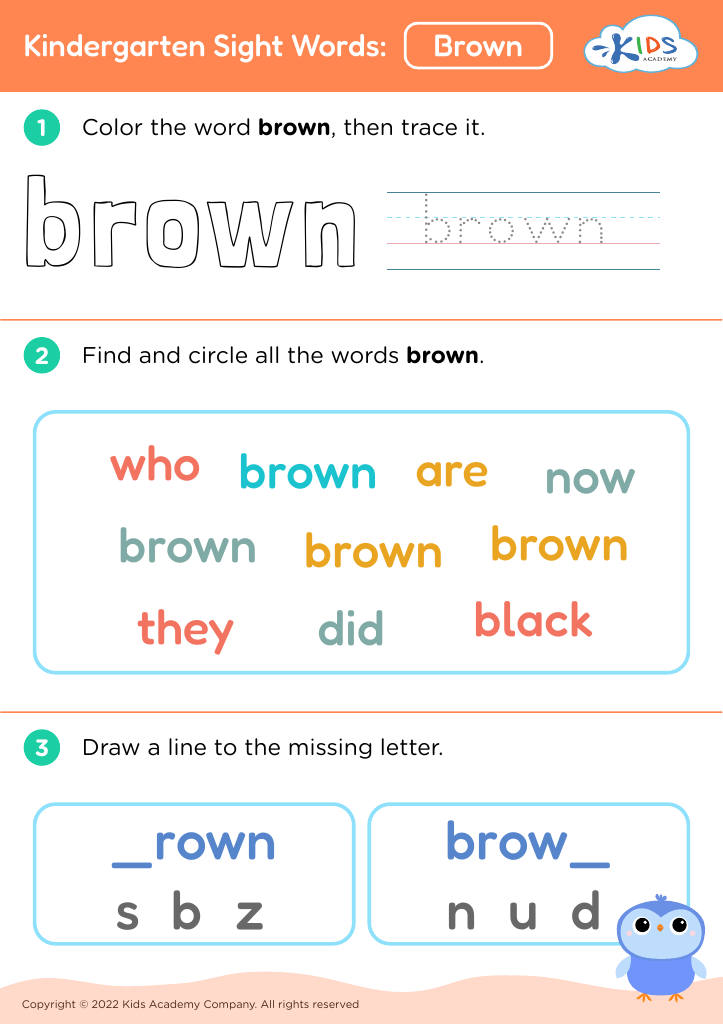
Kindergarten Sight Words: Brown

Kindergarten Sight Words: Brown

Kindergarten Sight Words: Brown
Worksheet
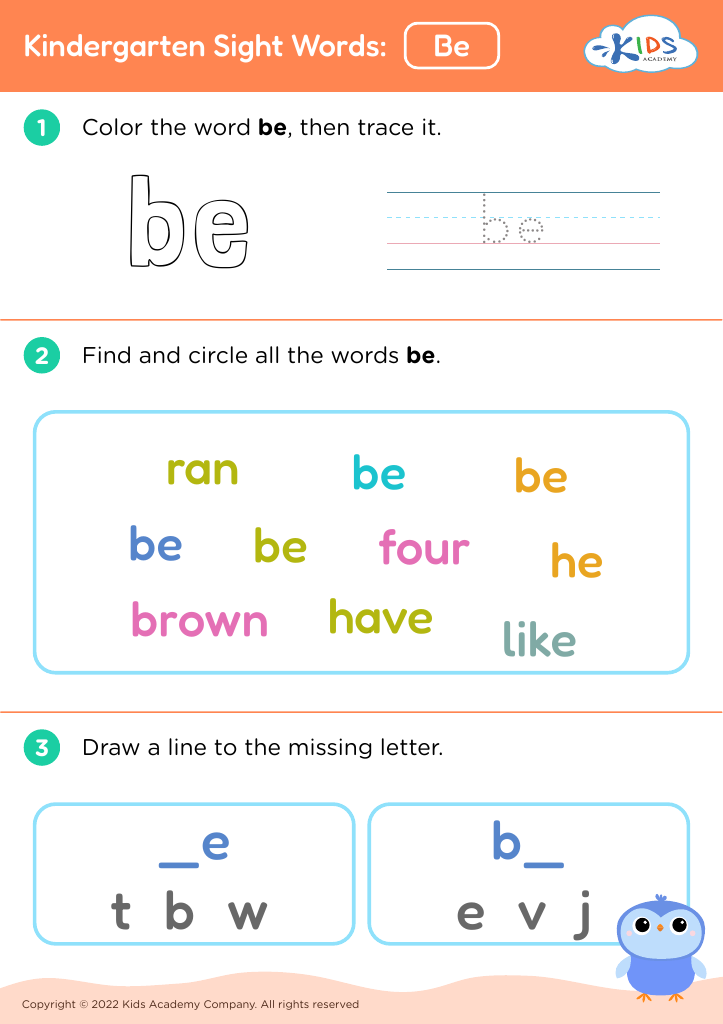
Kindergarten Sight Words: Be

Kindergarten Sight Words: Be

Kindergarten Sight Words: Be
Worksheet
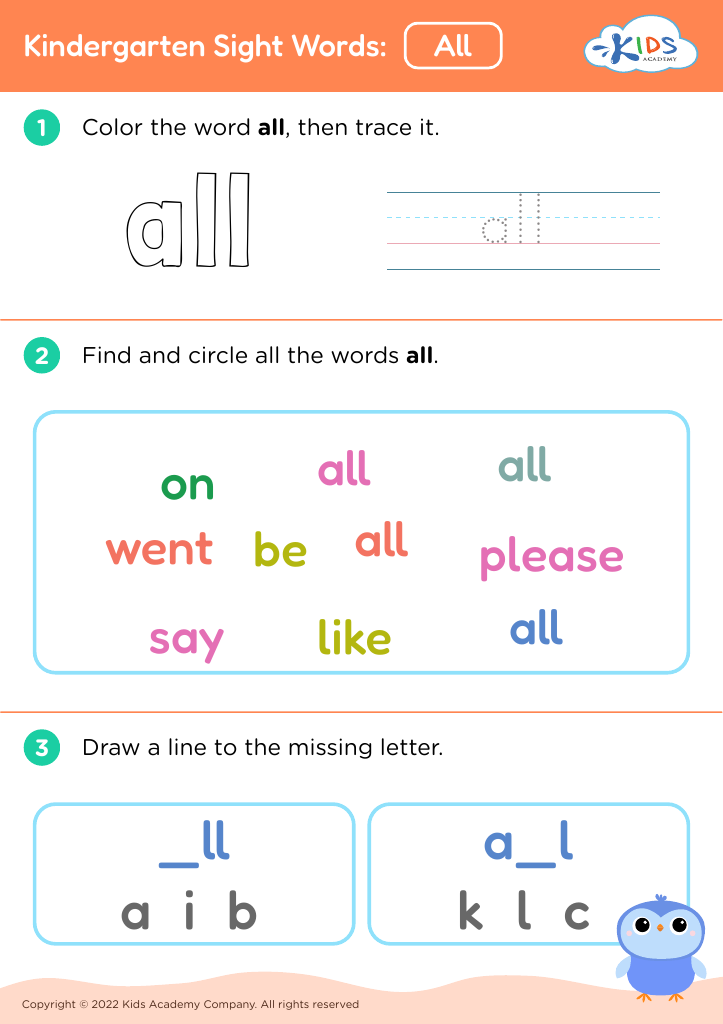
Kindergarten Sight Words: All

Kindergarten Sight Words: All

Kindergarten Sight Words: All
Worksheet
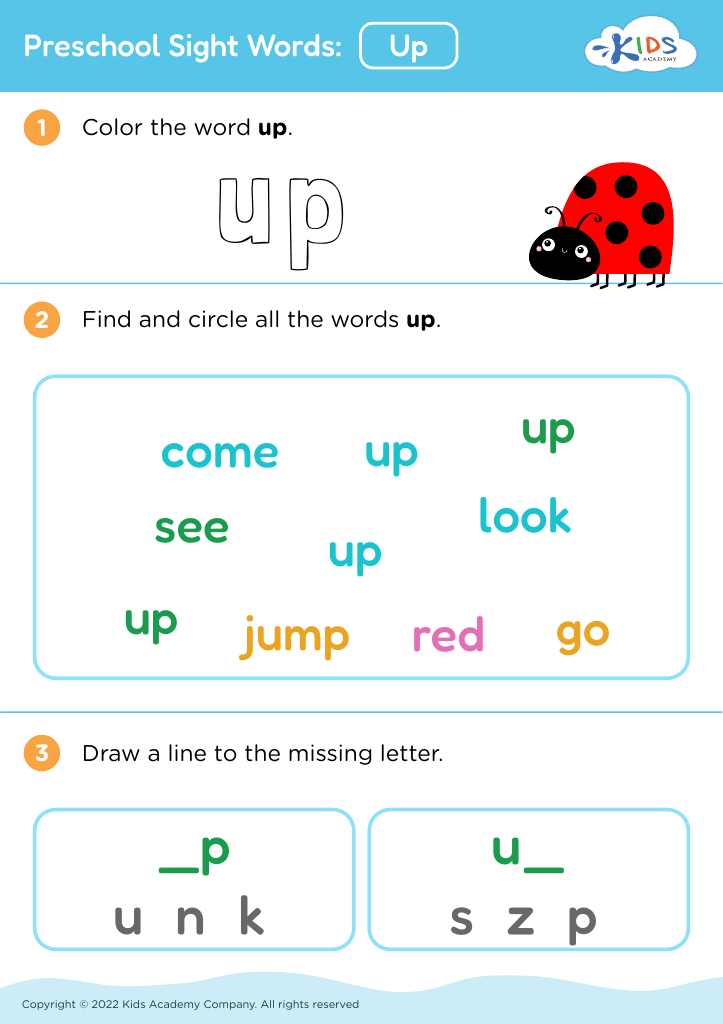
Preschool Sight Words: Up

Preschool Sight Words: Up

Preschool Sight Words: Up
Worksheet
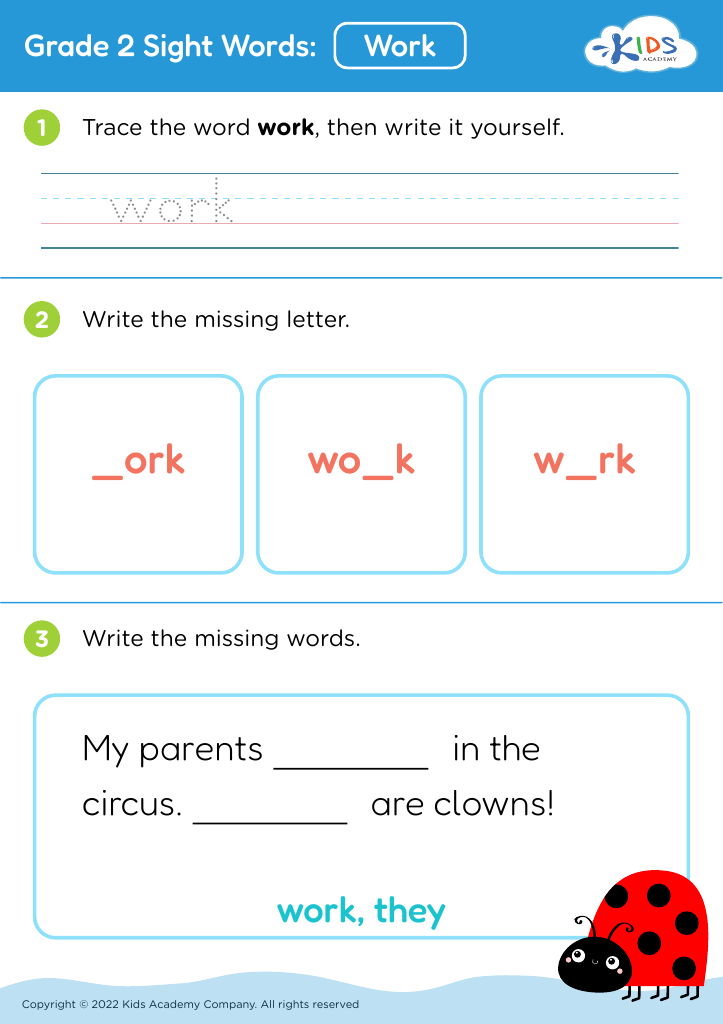
Grade 2 Sight Words: Work

Grade 2 Sight Words: Work

Grade 2 Sight Words: Work
Worksheet


... 2 3

Understanding fractions is a fundamental skill for young learners, typically ages 5-8, that establishes a foundation for advanced mathematical concepts. At this age, children are developing critical cognitive abilities, and grasping fractions helps them improve number sense and the understanding of parts versus wholes, both essential in real-life applications and future academic pursuits.

Parents and teachers should care about teaching fractions because it promotes problem-solving and analytical thinking. When children learn how to identify, compare, and use fractions, they become better equipped to tackle complex problems in mathematics and beyond. This skill is also directly applicable to daily activities, such as cooking, dividing items, and understanding time—situational examples that make learning meaningful and practical.

Moreover, early exposure to fractions enhances students' confidence and reduces math anxiety. Ensuring that children build a solid mathematical foundation early on sets them up for success by smoothing the transition to more complex topics, like decimals, percentages, and ratios, encountered later in their educational journey.

In summary, understanding fractions equips young learners with essential skills that underpin many aspects of both academic and everyday life. By fostering these skills, parents and teachers lay the groundwork for continued educational success, making it a topic worth prioritizing in early childhood education.