Animal identification Science Worksheets for Ages 5-8
8 filtered results
-
From - To
Explore the fascinating world of animals with our Animal Identification Science Worksheets, designed for children ages 5-8. These engaging activities encourage young learners to identify various animals, understand their habitats, and recognize their unique characteristics. Perfect for reinforcing science concepts, these worksheets integrate fun and education, helping children develop critical thinking and observation skills. The colorful illustrations and easy-to-follow prompts make learning accessible and enjoyable. Whether in the classroom or at home, these resources support early STEM education and spark curiosity about the natural world. Join us in nurturing a love for science and nature in your little explorers!
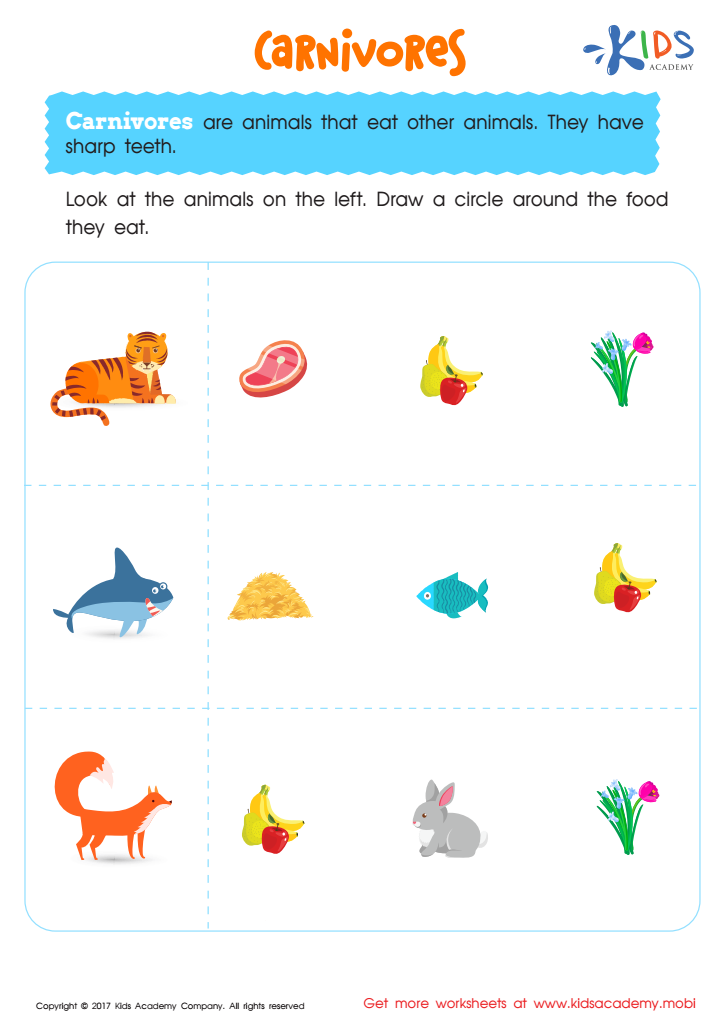
Carnivores Worksheet
 Assign to My Students
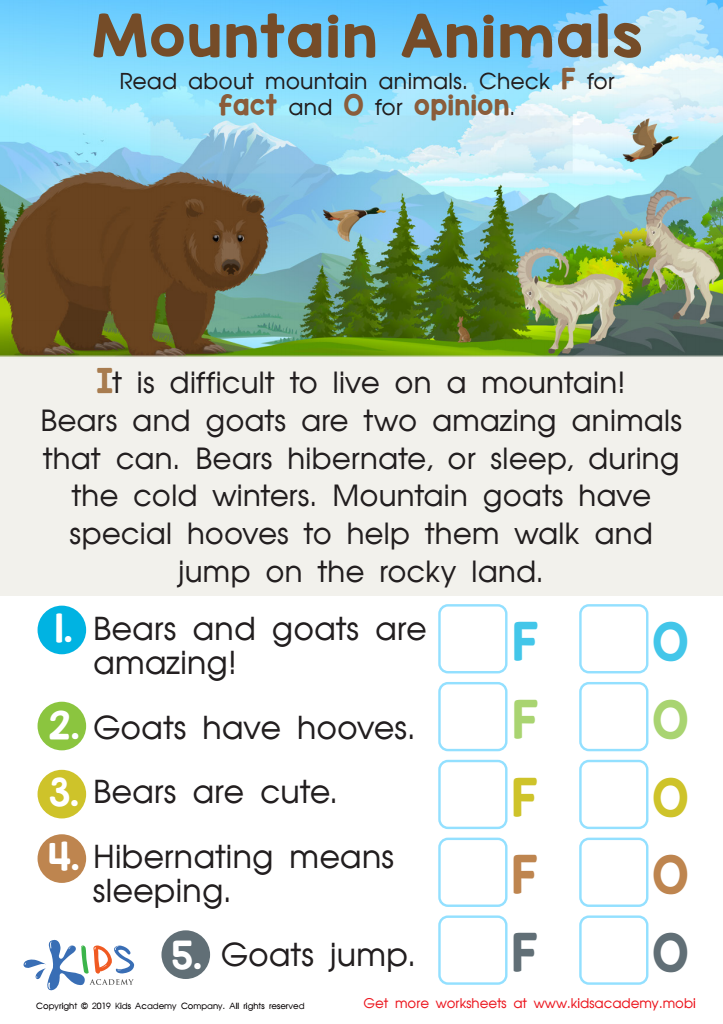
Mountain Animals Worksheet
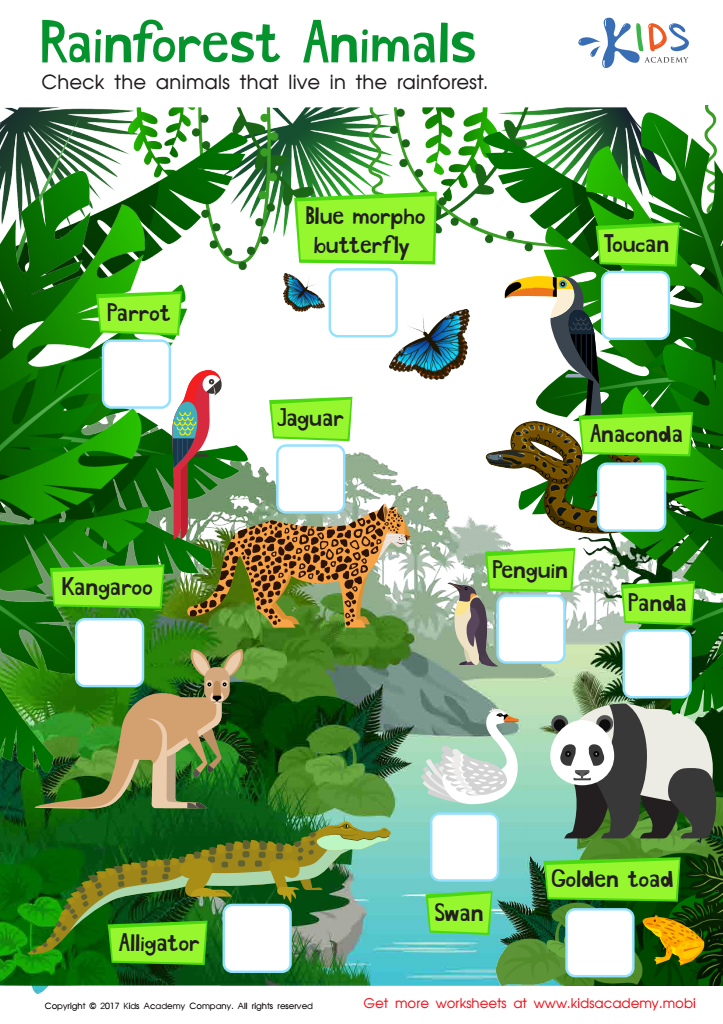
Rainforest Animals Worksheet
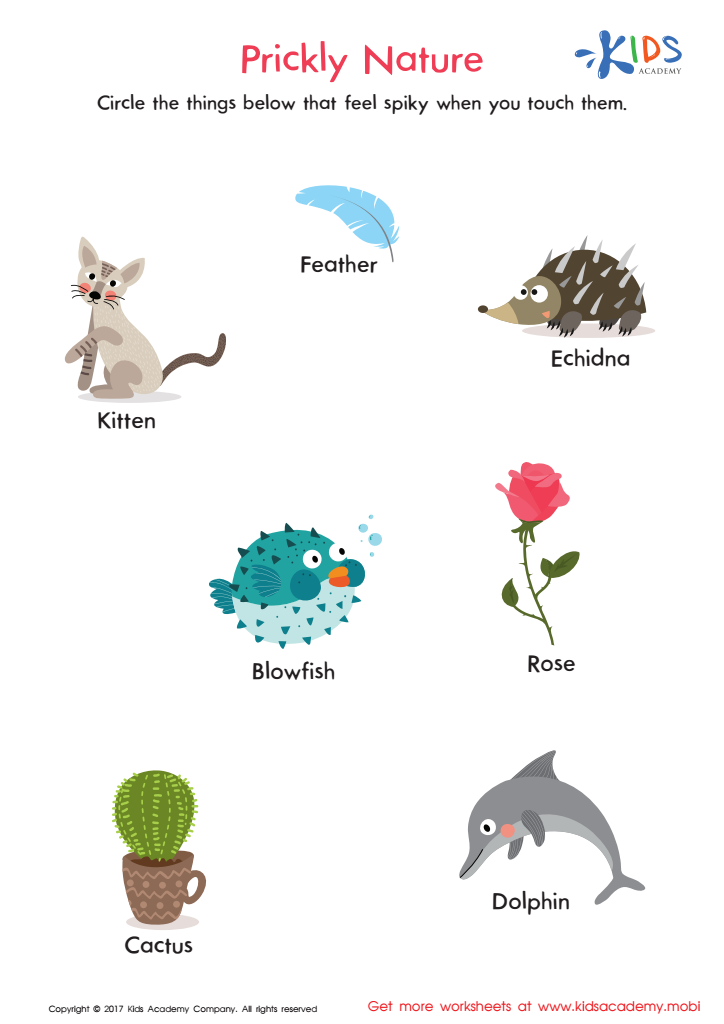
Prickly Nature Worksheet
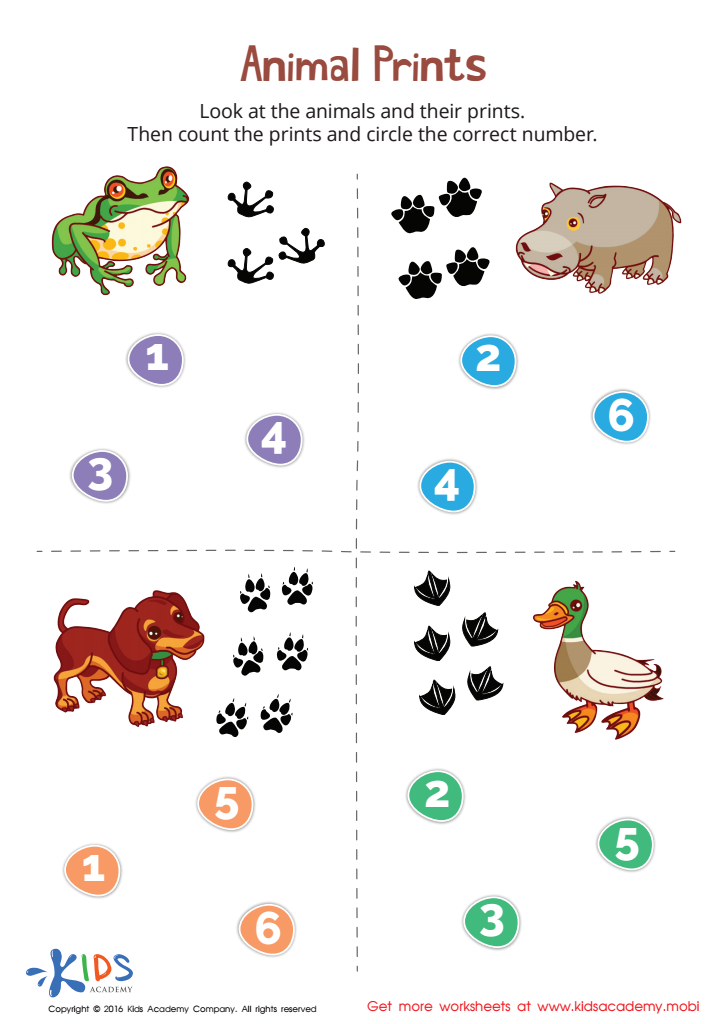
Animal Prints Match-Up Worksheet
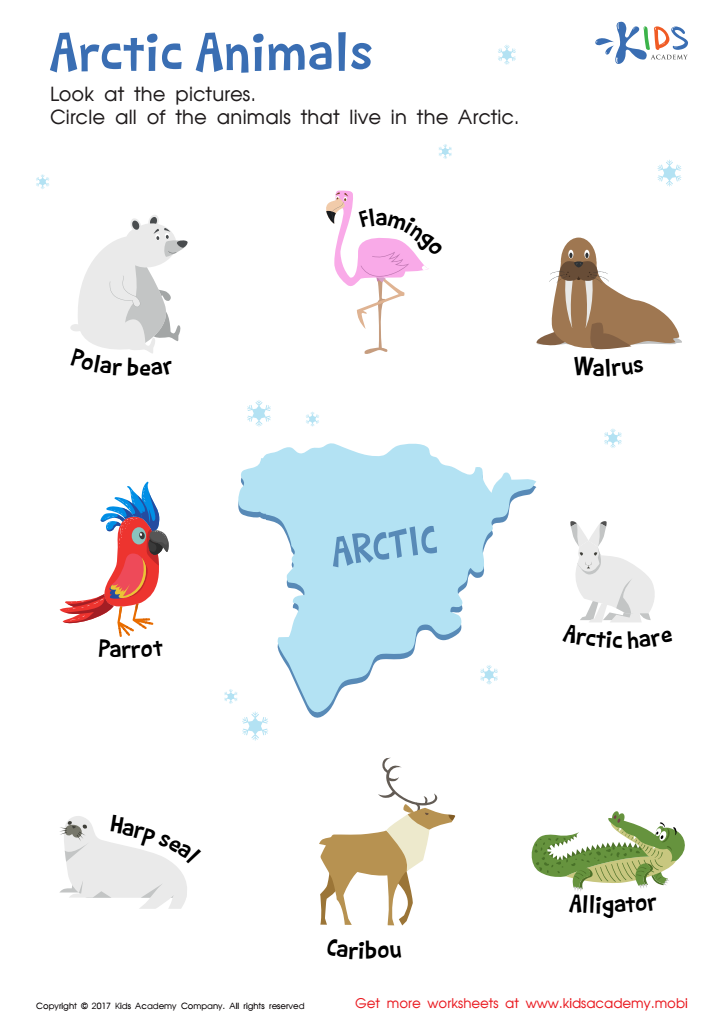
Arctic Animals Worksheet
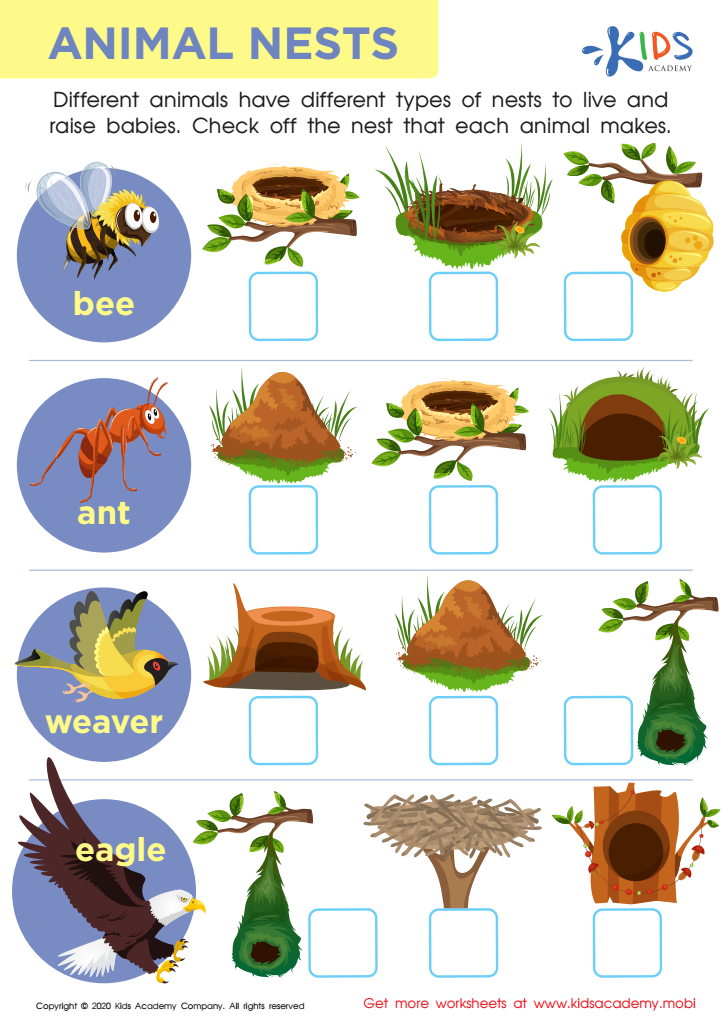
Animal Nests Worksheet
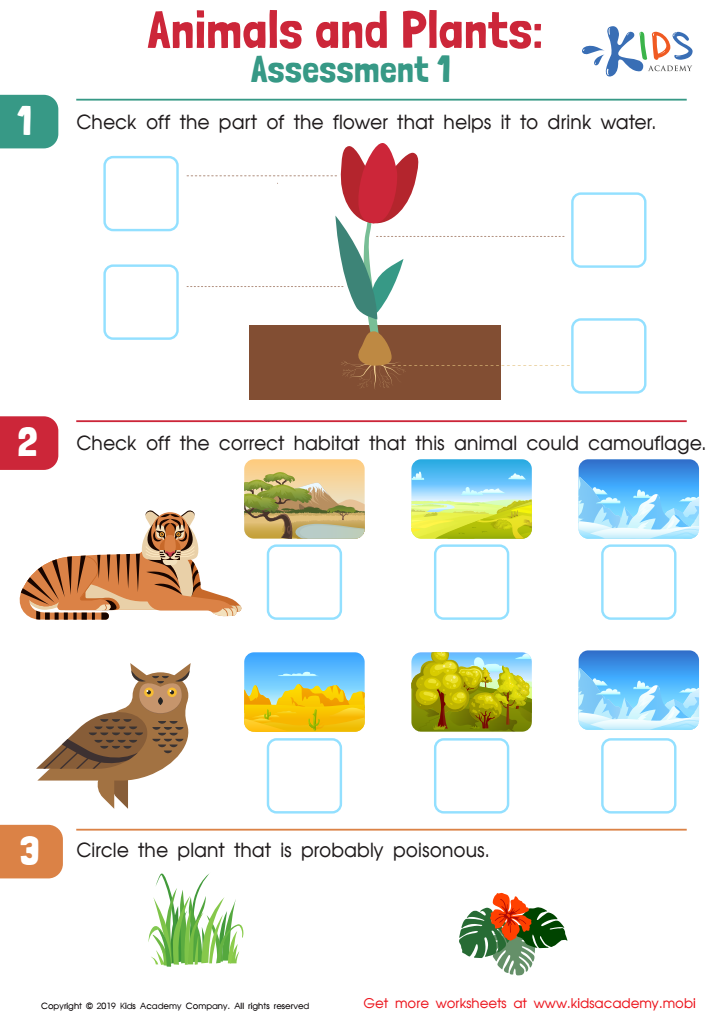
Animals and Plants: Assessment 1 Worksheet




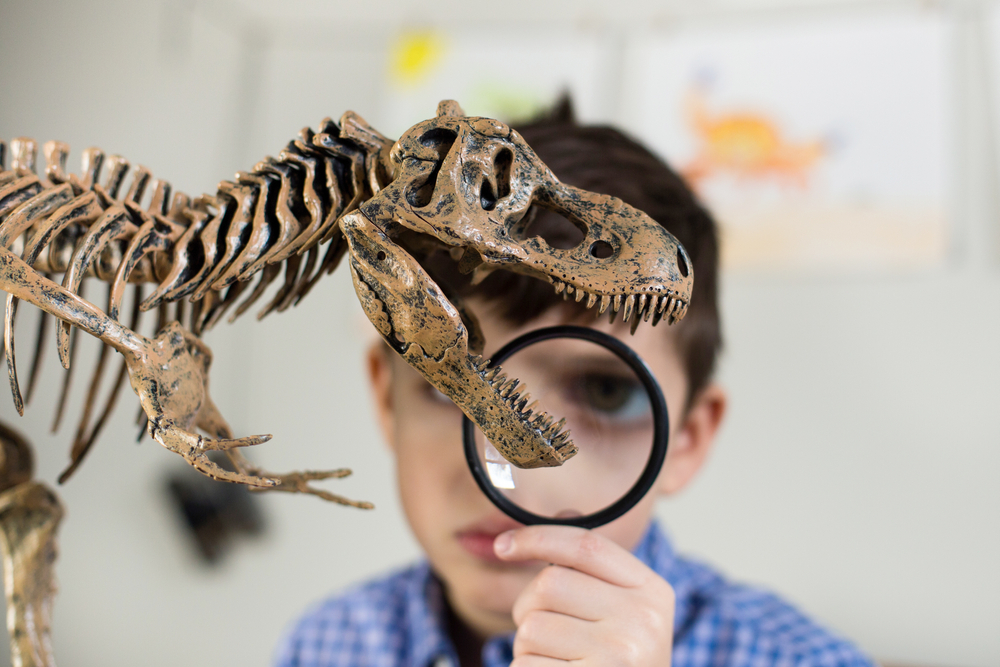



Animal identification science is crucial for young learners, as it fosters a deep connection between children and the natural world. Understanding how to recognize different animals teaches respect and appreciation for biodiversity. This knowledge can spark curiosity, encouraging children to ask questions about how various species live and interact within their ecosystems.
Moreover, incorporating animal identification in early education aligns with key learning goals, such as observing, classifying, and describing—skills fundamental to scientific literacy. When parents and teachers engage students in activities like identifying local birds, insects, and mammals, they enhance observational skills and critical thinking.
Learning about animal identification also promotes environmental stewardship. Children learn the importance of protecting habitats and conserving species, nurturing a sense of responsibility toward their surroundings. This awareness can foster the next generation of conservationists, instilling values that benefit the planet.
In a diverse classroom, introducing discussions about animals represents various cultural significance, thus fostering inclusivity and empathy. Overall, animal identification science not only enriches children’s lives with knowledge and curiosity but also supports social and emotional growth by promoting empathy toward all forms of life. Engaging with nature sets the foundation for lifelong learning and connection to the environment.







