Developing analytical skills Science Worksheets for Ages 5-8
4 filtered results
-
From - To
Discover our engaging "Developing Analytical Skills Science Worksheets" designed specifically for children ages 5-8. These interactive worksheets foster critical thinking and problem-solving abilities through hands-on activities centered around fundamental science concepts. Young learners will explore topics such as patterns, observations, and comparisons, helping them to analyze data and draw conclusions. Our carefully crafted resources encourage curiosity and make learning fun, ensuring children develop essential skills while enjoying the wonders of science. Perfect for classroom use or at-home learning, our worksheets provide teachers and parents with the tools they need to inspire a love for exploration and discovery in young minds.
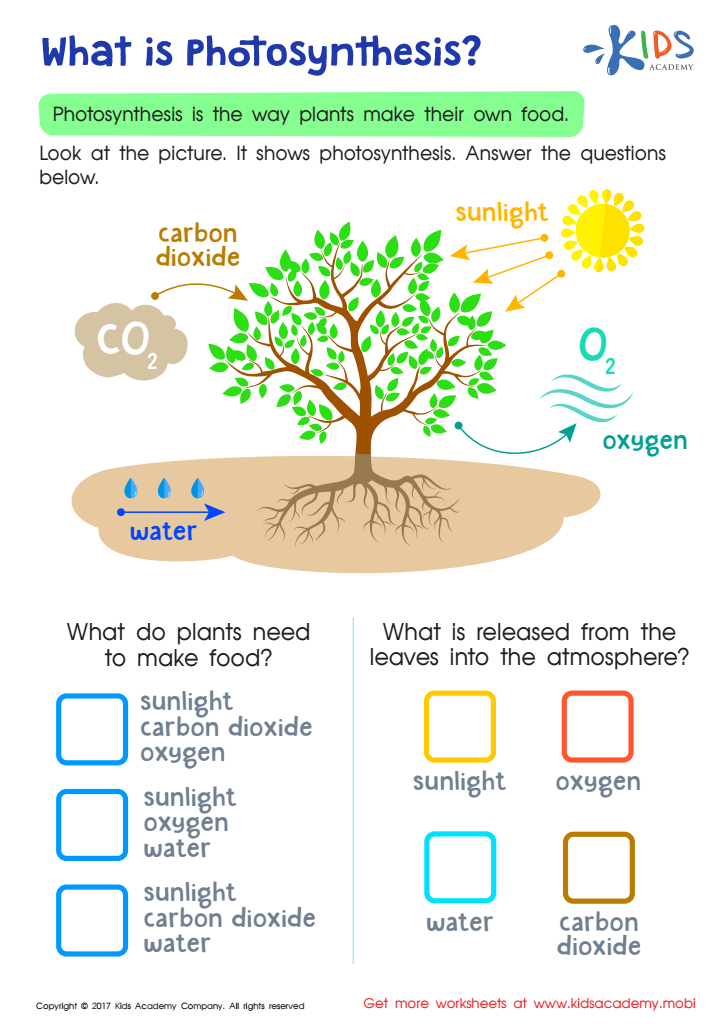
What is Photosynthesis Printable
 Assign to My Students
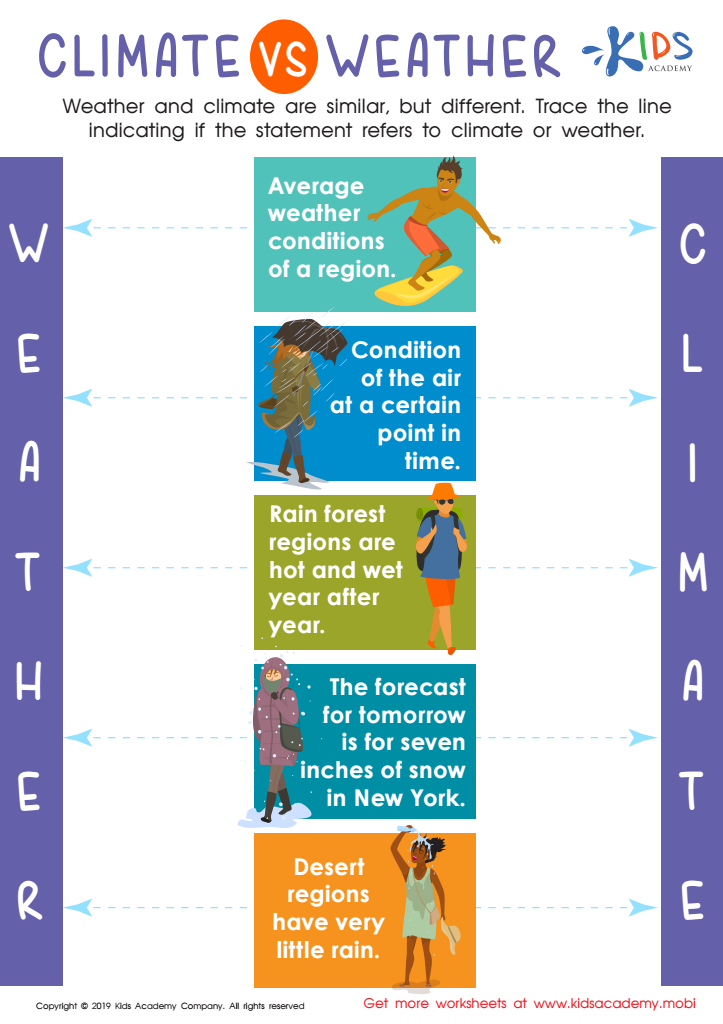
Climate vs Weather Worksheet
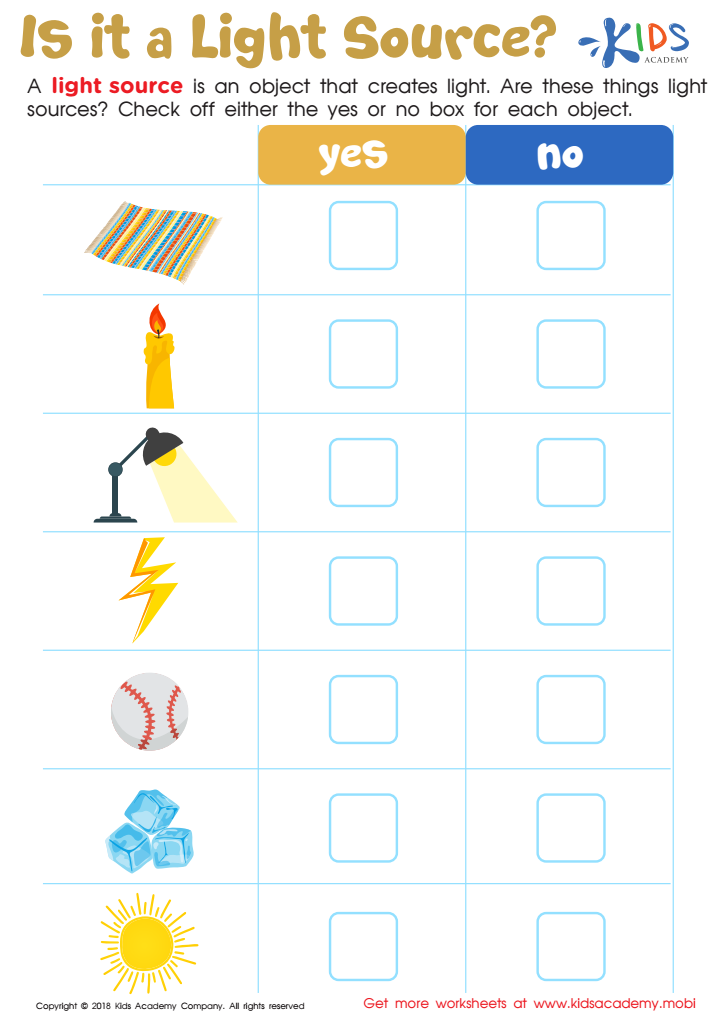
Is It a Light Source? Worksheet

How Light Travels Worksheet








Developing analytical skills in young children, particularly in the context of science, is vital for their overall cognitive growth and understanding of the world around them. For ages 5-8, children are naturally curious and eager to explore. Cultivating analytical skills nurtures this curiosity by teaching them how to observe, ask questions, and seek answers through logical reasoning.
By promoting analytical skills in science, parents and teachers prepare children to think critically, a foundation that is essential in today's information-rich environment. These skills enable young learners to make connections between concepts, recognize patterns, and draw conclusions based on evidence—essential components of effective problem-solving.
Moreover, early exposure to analytical thinking fosters a sense of agency and independence in children as they learn to investigate and engage with their surroundings scientifically. This can translate to increased engagement in their learning and better academic performance in the long run.
Ultimately, investing in analytical skill development for ages 5-8 sets the stage for a lifetime of inquiry, encourages a love of learning, and equips children with the tools they need to navigate the challenges of the future—both in science and in broader life contexts.







