Problem-Solving Skills Community Worksheets for Ages 5-8
10 filtered results
-
From - To
Welcome to our Problem-Solving Skills Community Worksheets designed specifically for children ages 5-8! These engaging and interactive worksheets aim to enhance critical thinking, analytical abilities, and creative problem-solving strategies in young learners. Each worksheet encourages kids to explore real-life scenarios, promoting essential skills that will benefit their academic and social development. With activities tailored to stimulate curiosity and foster collaboration, children will learn to navigate challenges and approach complex situations confidently. Perfect for classroom use or home learning, these worksheets provide valuable practice that makes learning both educational and fun. Dive into the world of problem-solving today!

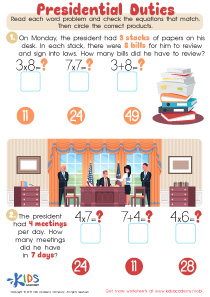
Community Doctors: Maze Printable
 Assign to My Students
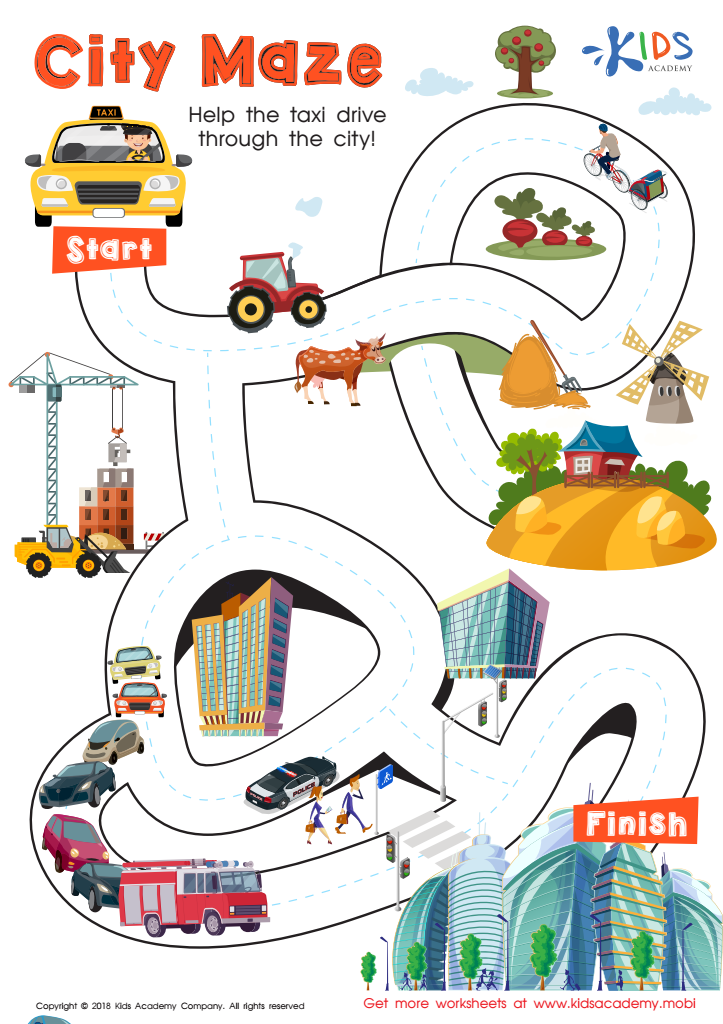
City Maze Worksheet
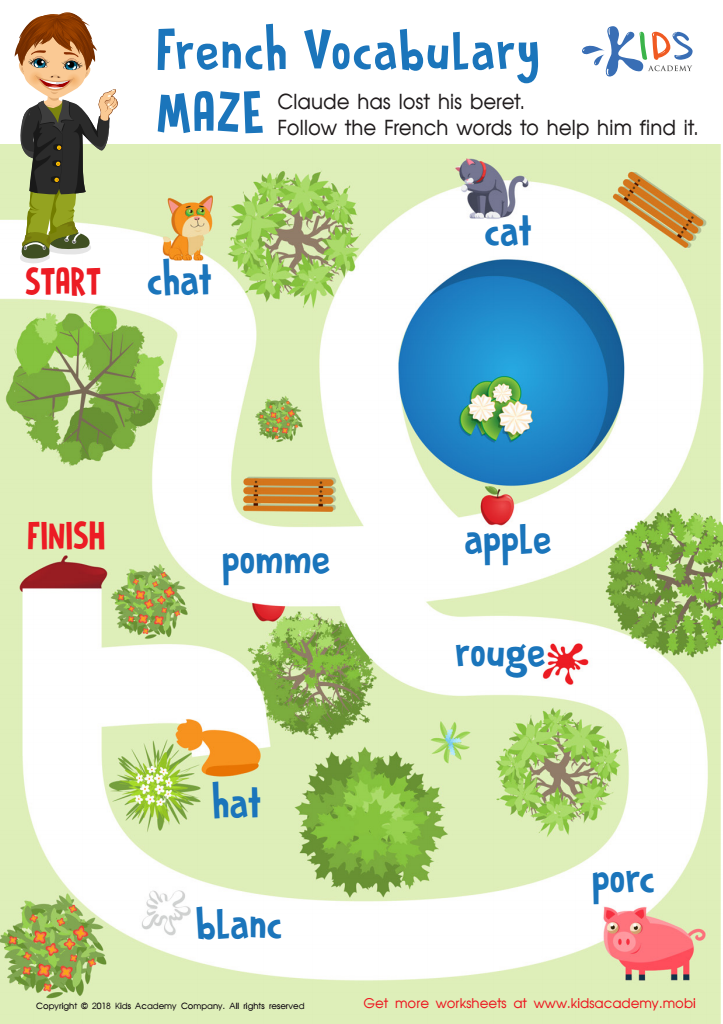
French Vocabulary Maze Worksheet
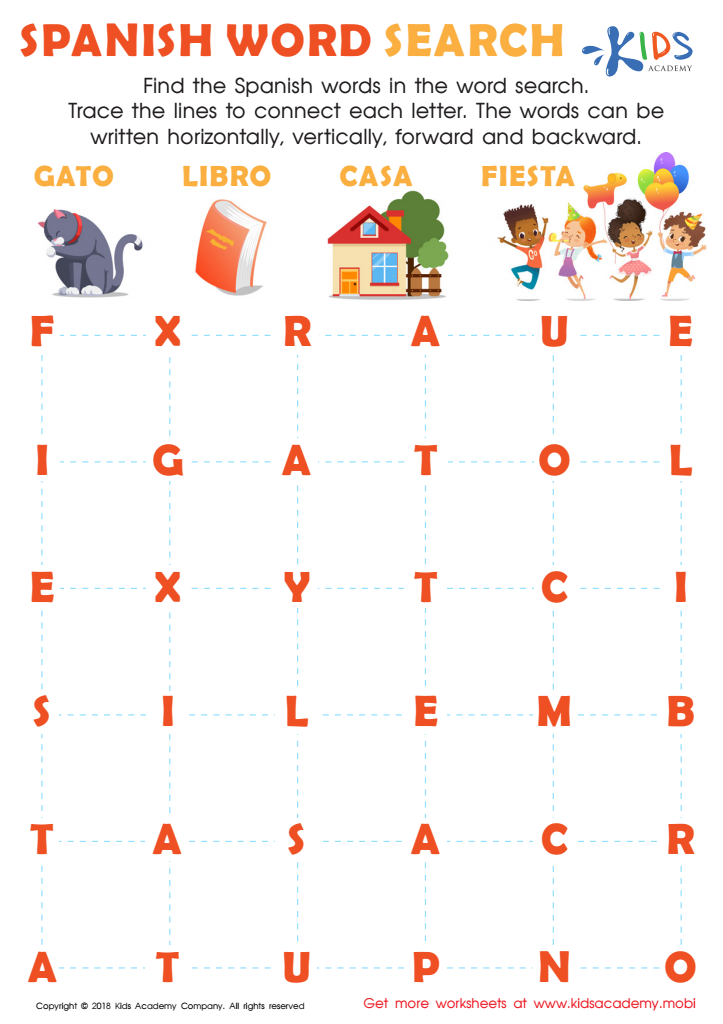
Spanish Word Search Worksheet

At the Market Worksheet

Towns Worksheet

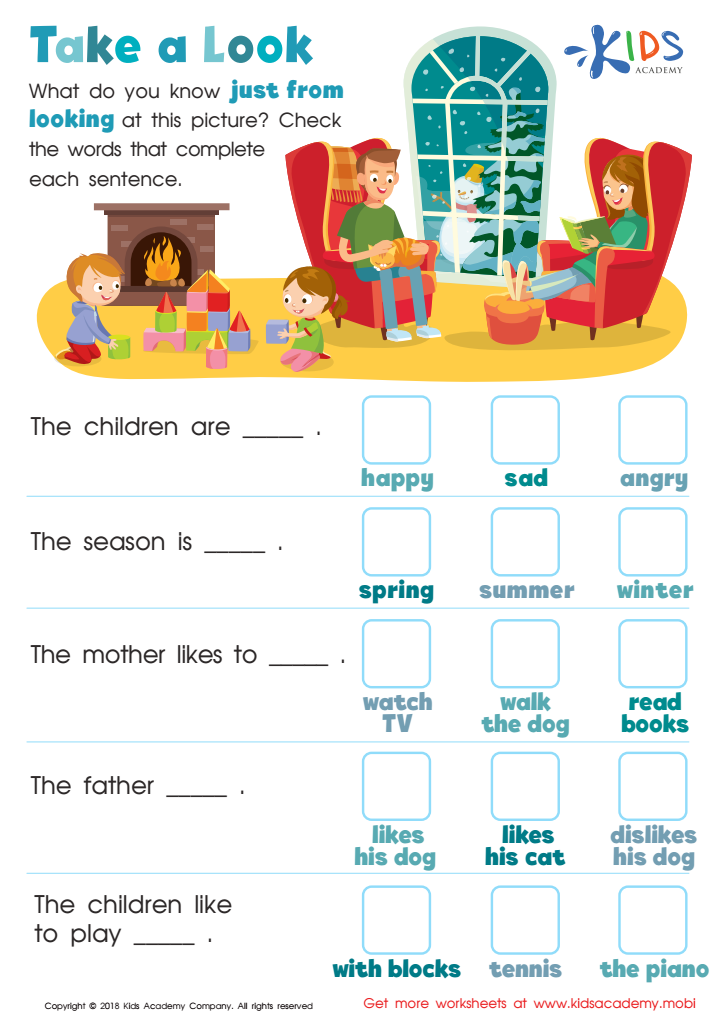
Take a Look - Part 1 Worksheet
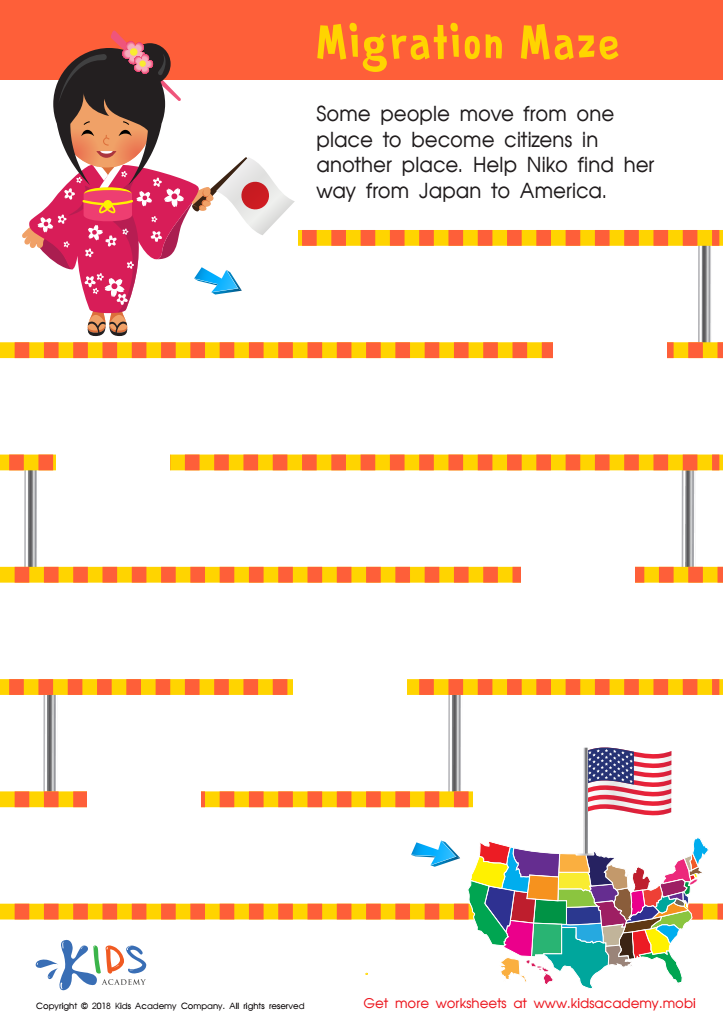
Migration Maze Worksheet
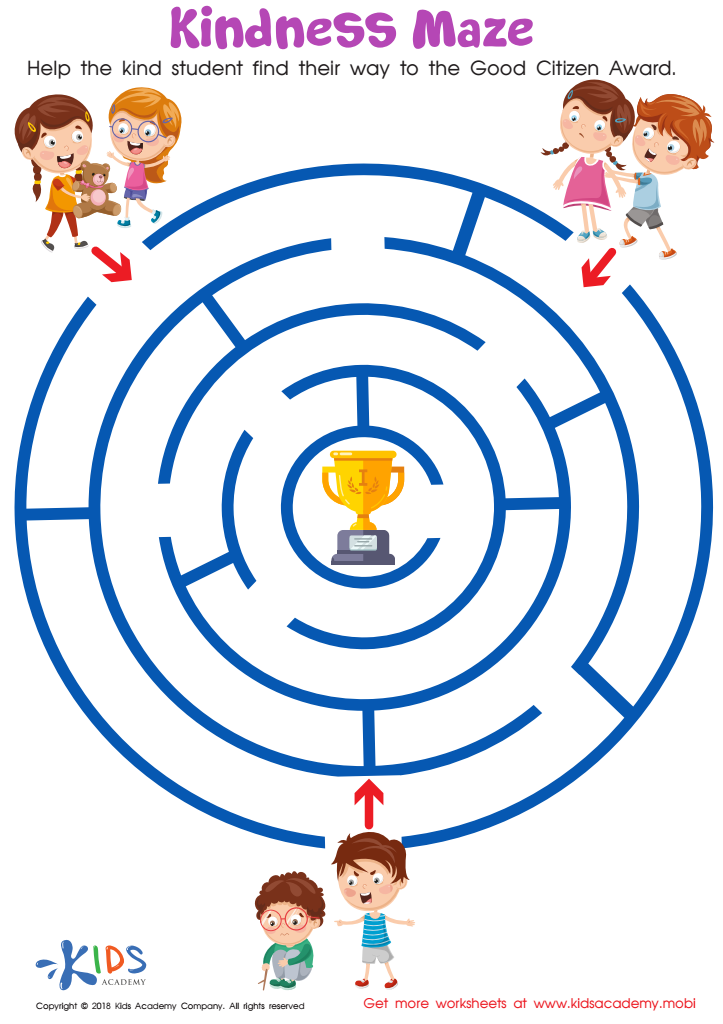
Kindness Maze Worksheet








Parents and teachers should prioritize Problem-Solving Skills Development in children aged 5-8 because these skills are foundational for lifelong learning and success. At this young age, children are naturally curious and eager to explore, making it the perfect time to cultivate critical thinking and problem-solving abilities. Engaging in problem-solving activities helps children learn to analyze situations, think creatively, and make informed decisions.
Furthermore, these skills promote social-emotional development. As children navigate challenges, they develop resilience, patience, and the ability to work collaboratively. They learn how to express their thoughts effectively, listen to others, and appreciate diverse perspectives, which are essential for fostering a harmonious community both in and out of the classroom.
Incorporating problem-solving skill development into daily routines also aligns with educational standards and supports cognitive growth. It encourages children to approach problems with a growth mindset, viewing challenges as opportunities for learning rather than obstacles.
By nurturing problem-solving skills at an early age, parents and teachers work together to equip children with the competencies they need to thrive academically, socially, and emotionally. Investing in these skills ultimately enhances their confidence and prepares them for future educational endeavors and life experiences.