Fine Motor Skills History Worksheets for Ages 5-8
4 filtered results
-
From - To
Enhance your child's fine motor skills with our engaging History Worksheets designed specifically for ages 5-8. These worksheets combine learning about history with essential fine motor skill development. Each activity promotes hand-eye coordination, dexterity, and control through fun and interactive tasks. Perfect for home or classroom use, these worksheets include diverse exercises such as tracing, cutting, and coloring, all while teaching historical concepts and events. Foster your child's curiosity about the past while supporting their physical development with our thoughtfully crafted materials. Explore our collection and provide your child a meaningful and skill-building learning experience!

Happy Diwali Printable
 Assign to My Students

Easter Holiday Printable
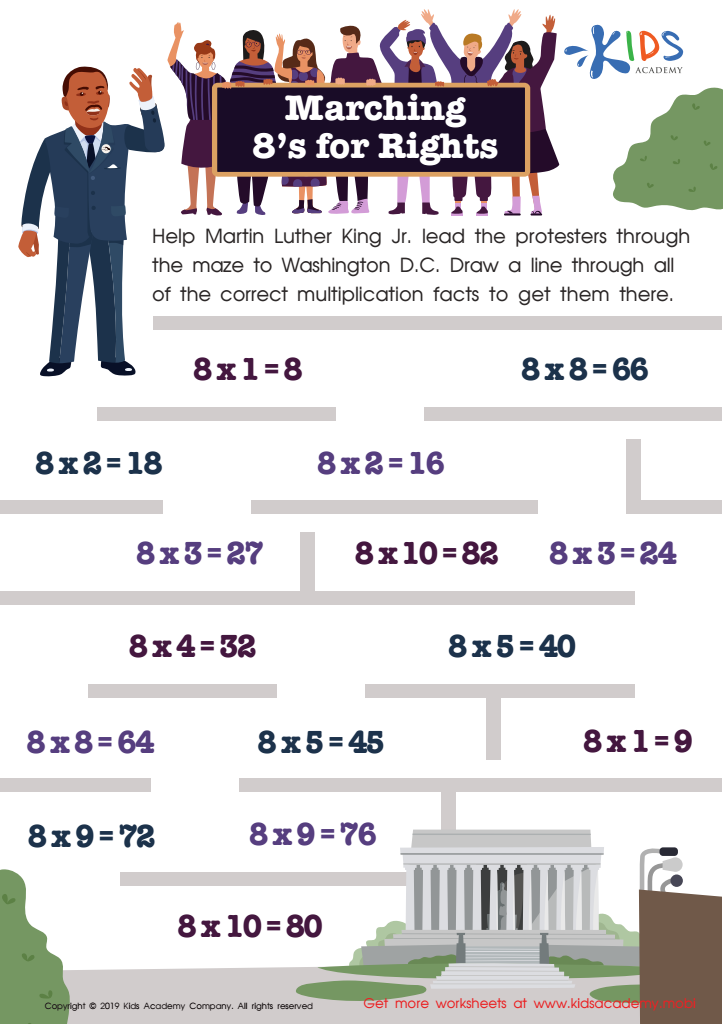
Marching 8’s for Rights Worksheet
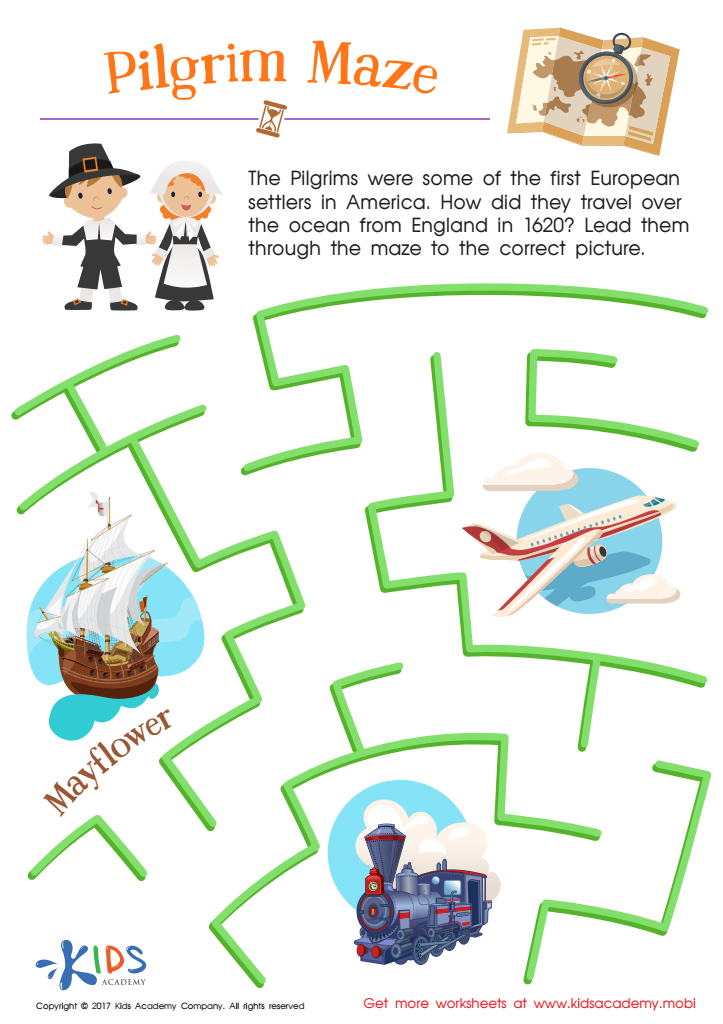
Pilgrim Maze Worksheet








Fine motor skills, essential for tasks like writing, drawing, and self-care, play a vital role in a child’s development between the ages of 5 to 8. Understanding the history of fine motor skills development can provide parents and teachers with valuable insights into the progression of these abilities. Over time, educational practices have evolved, highlighting the significance of hands-on activities in fostering these skills.
Historically, fine motor skills were often overlooked, but modern research emphasizes their connection to cognitive development and academic success. Activities such as cutting, threading, and building with small pieces promote dexterity and hand-eye coordination, laying a foundation for more complex tasks. Ignoring this aspect of development can hinder a child’s ability to engage fully with their education.
Furthermore, by recognizing the milestones of fine motor skills development, caregivers can identify potential challenges early on. This awareness allows for timely interventions, ensuring children receive the support they need to thrive. When parents and teachers prioritize fine motor skill development, they not only enhance a child's immediate ability to perform tasks but also nurture lifelong skills that contribute to independence, confidence, and overall academic and social success. Ultimately, this knowledge equips caregivers to create enriching environments that promote holistic development.








