Reading comprehension History Worksheets for Ages 5-8 - Page 2
41 filtered results
-
From - To
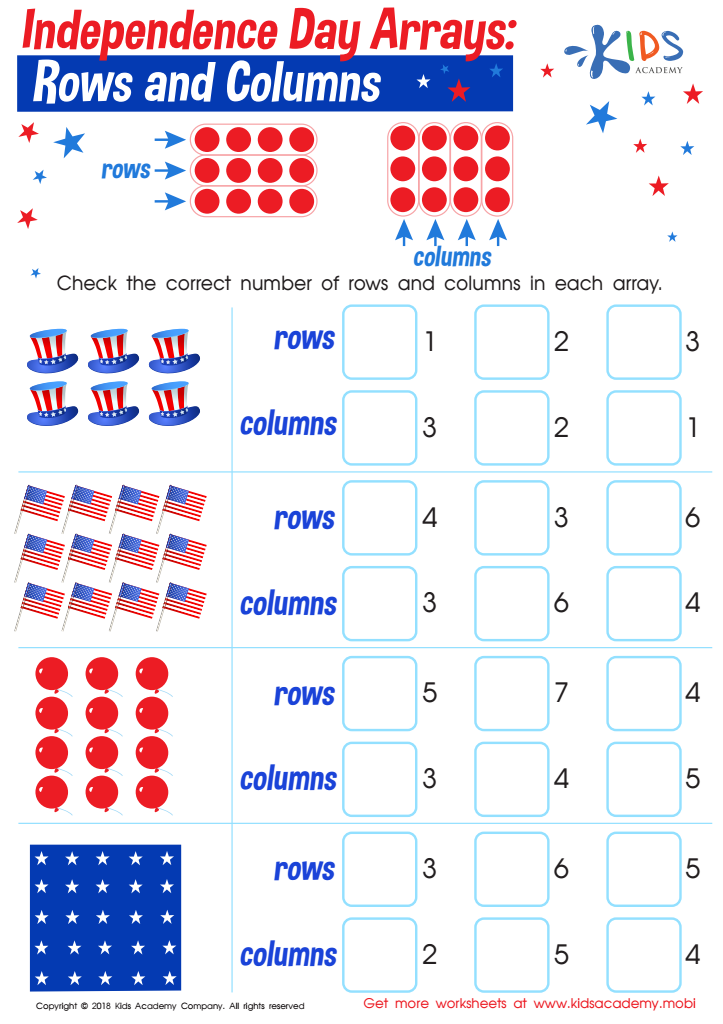
Independence Day Arrays: Rows and Columns Worksheet
 Assign to My Students
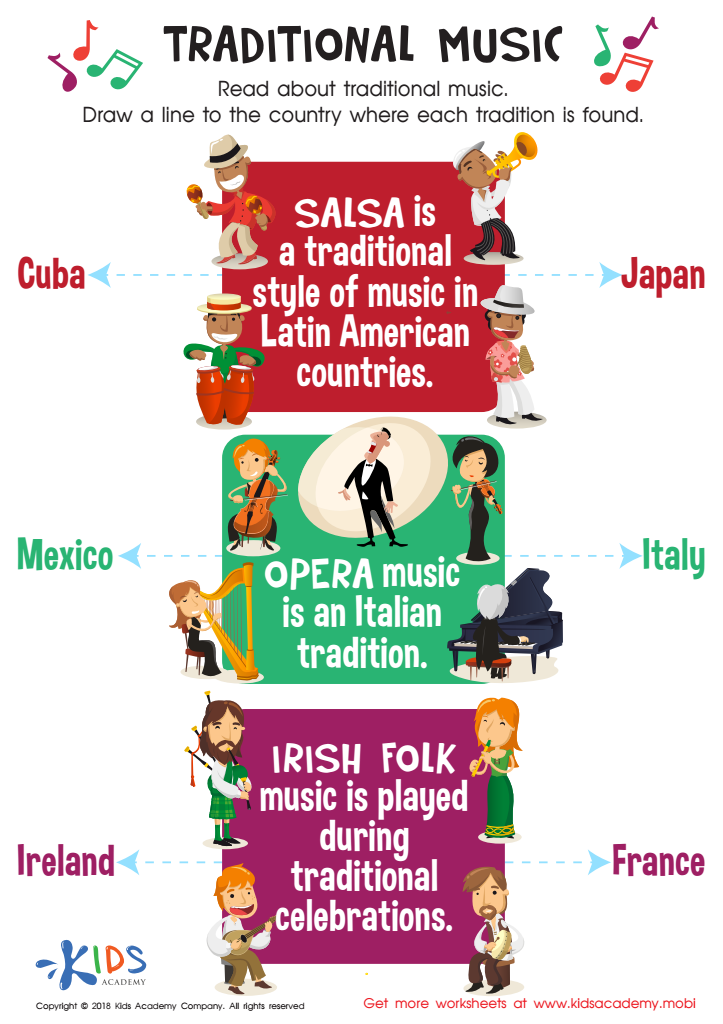
Traditional Music Worksheet
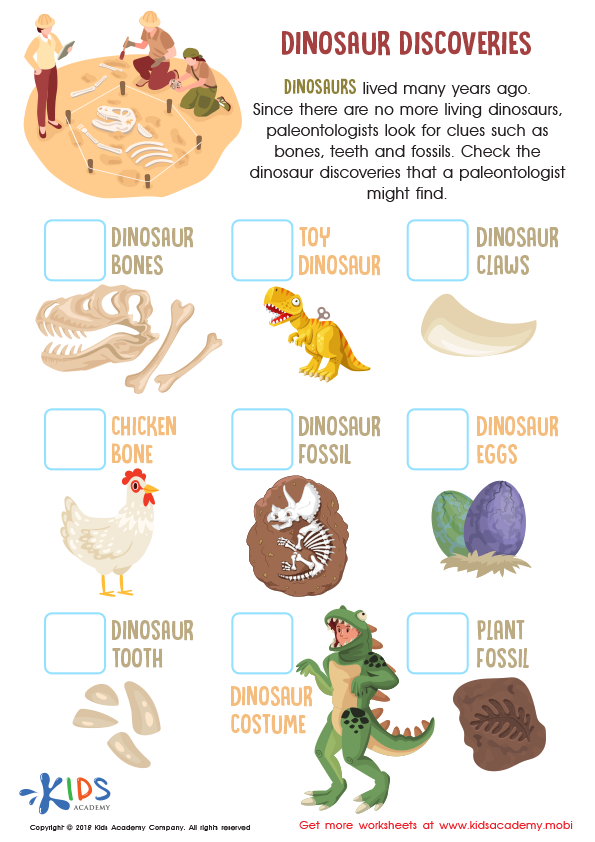
Dinosaur Discoveries Worksheet
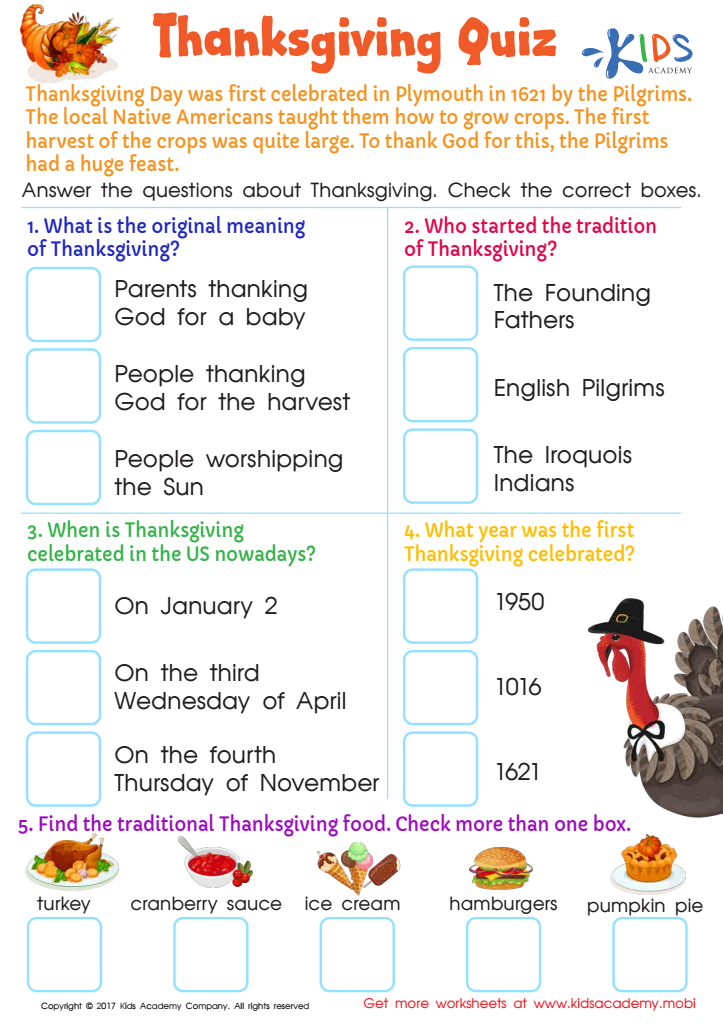
Thanksgiving Quiz Worksheet
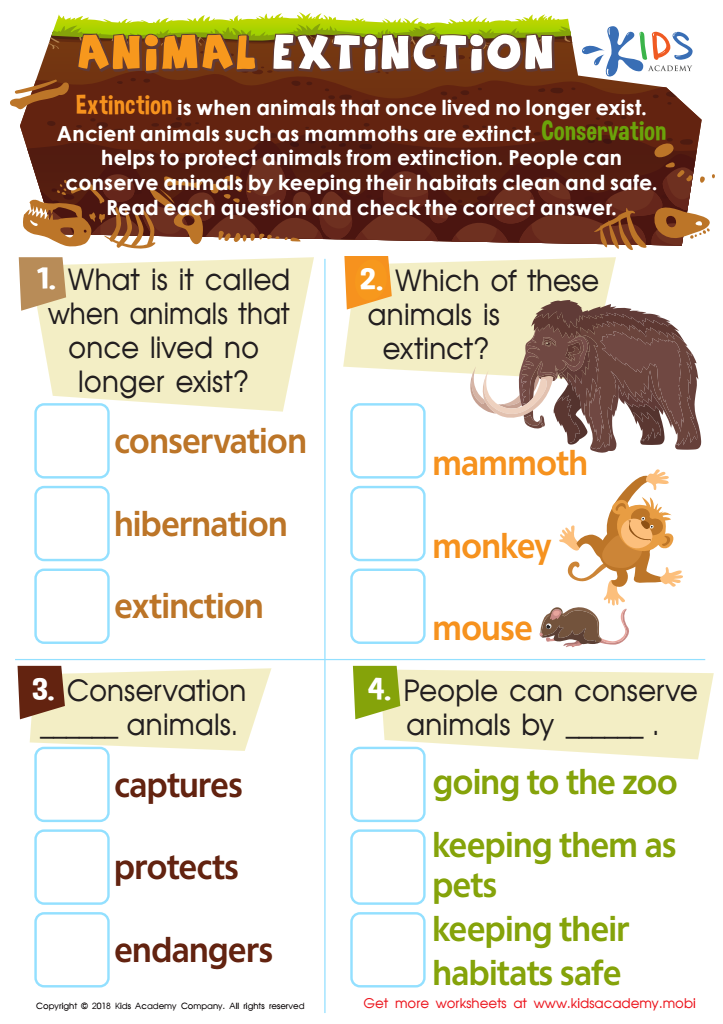
Animal Extinction Worksheet
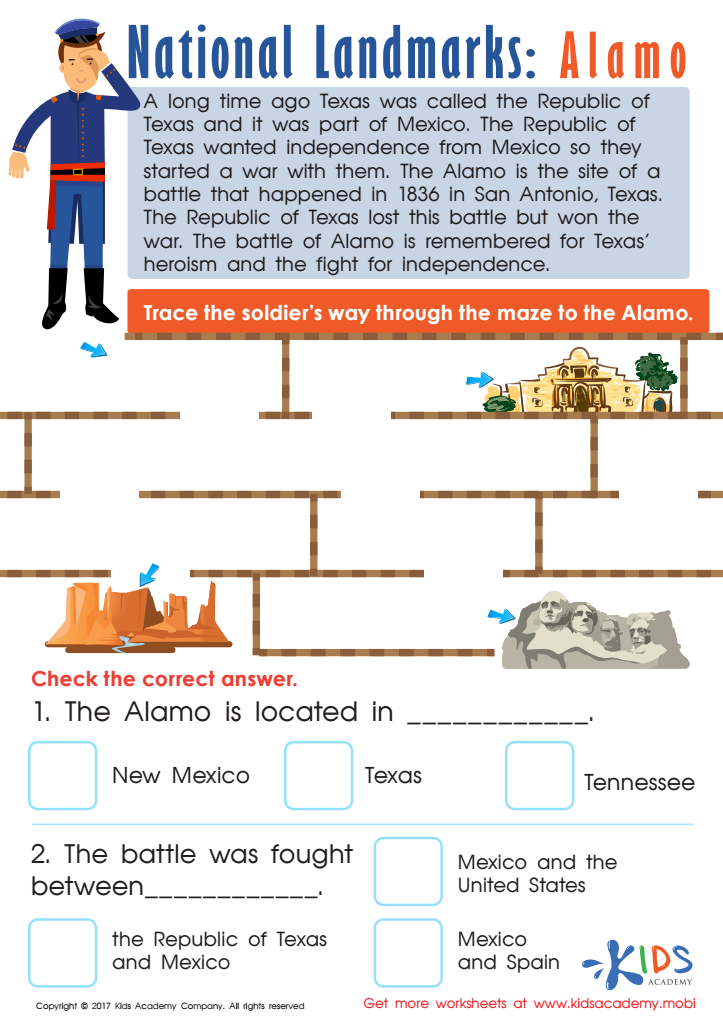
Alamo Printable Worksheet
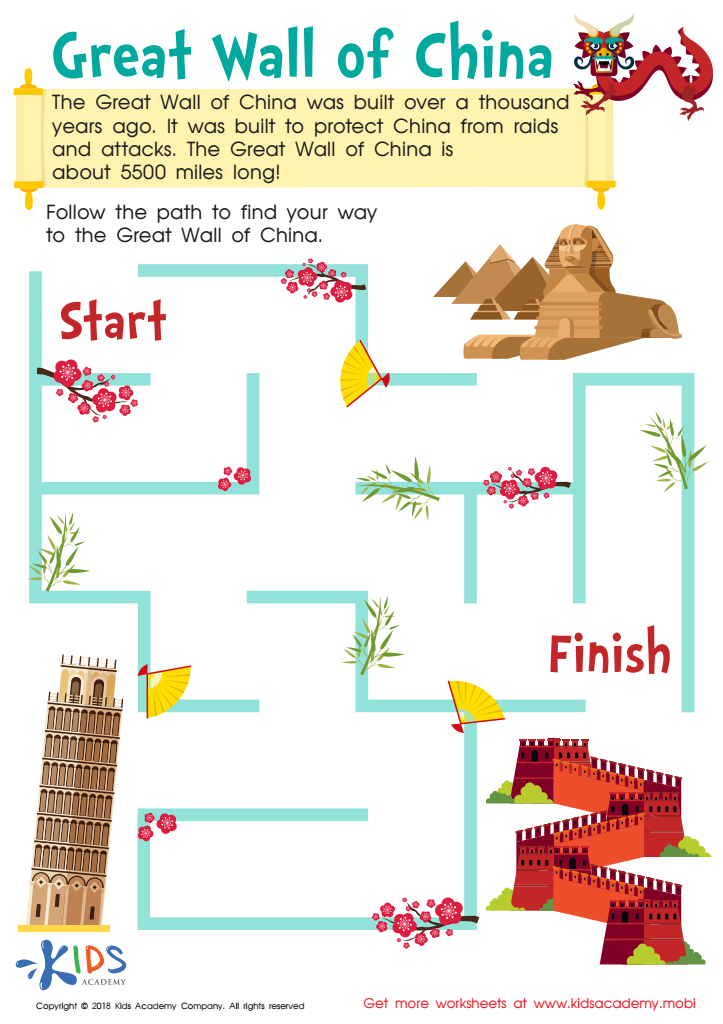
Great Wall of China Worksheet
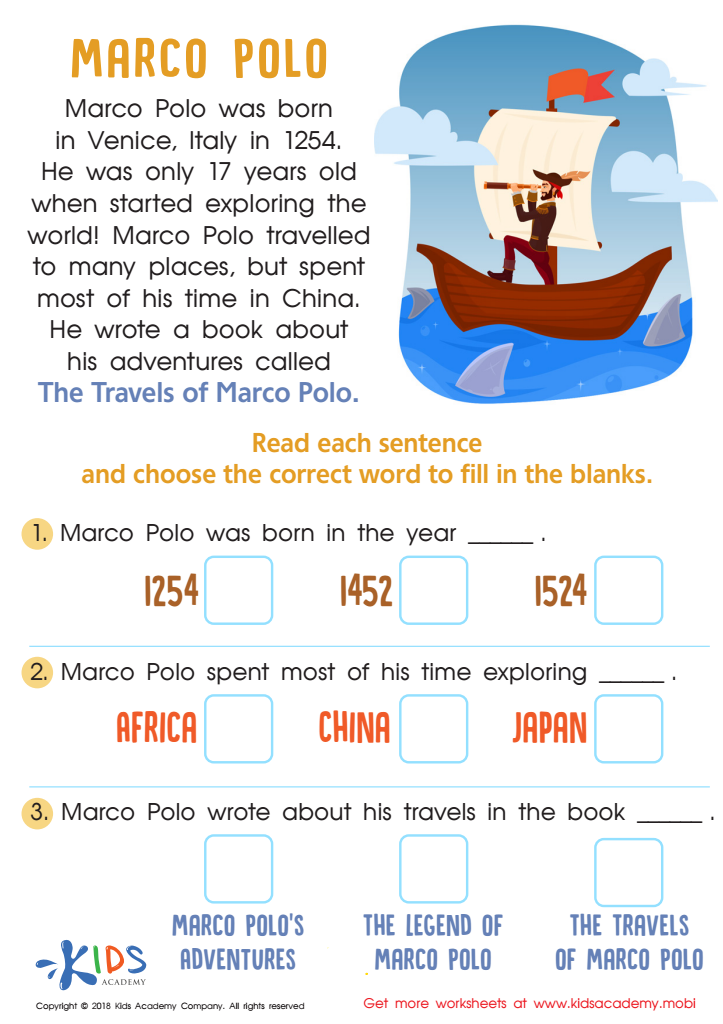
Marco Polo Worksheet
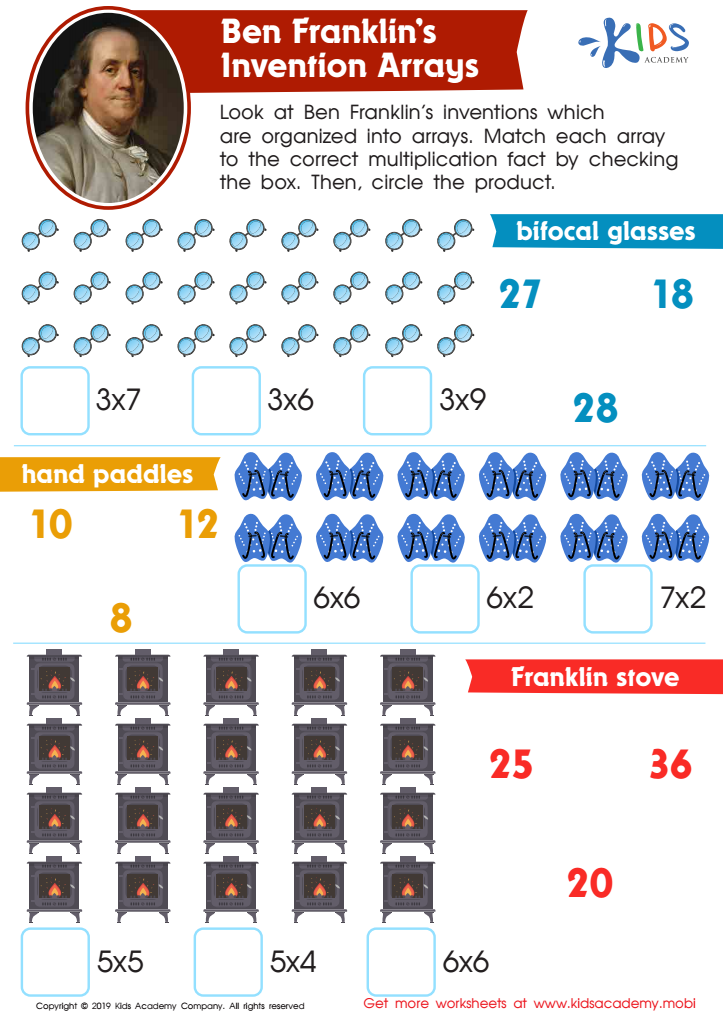
Ben Franklin’s Invention Arrays Worksheet
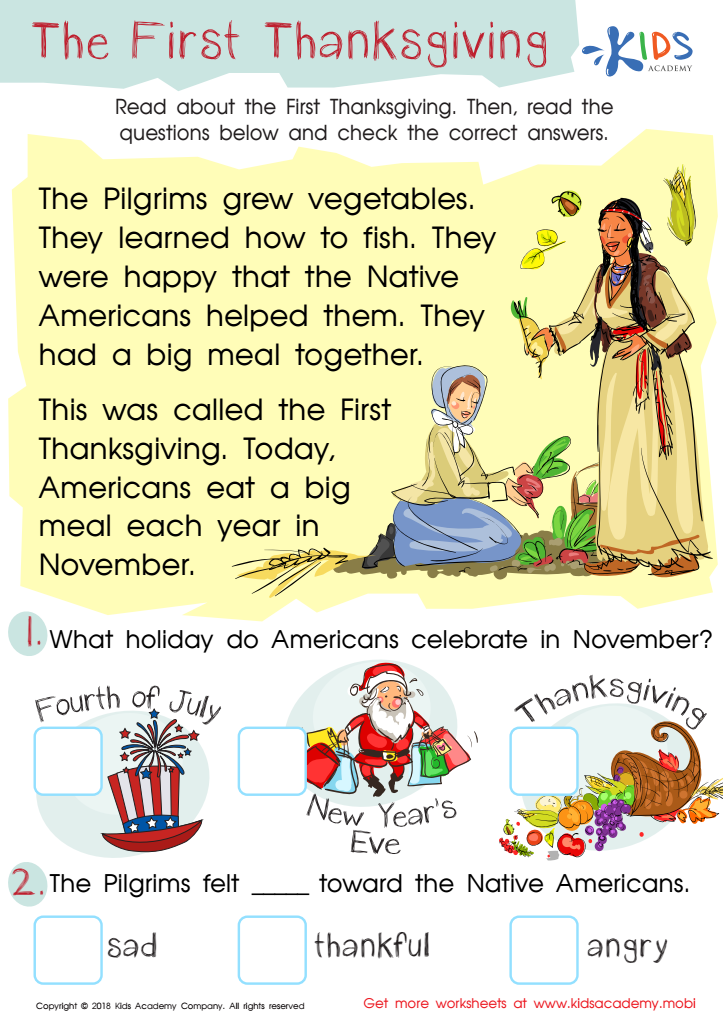
Assessment: First Thanksgiving Worksheet
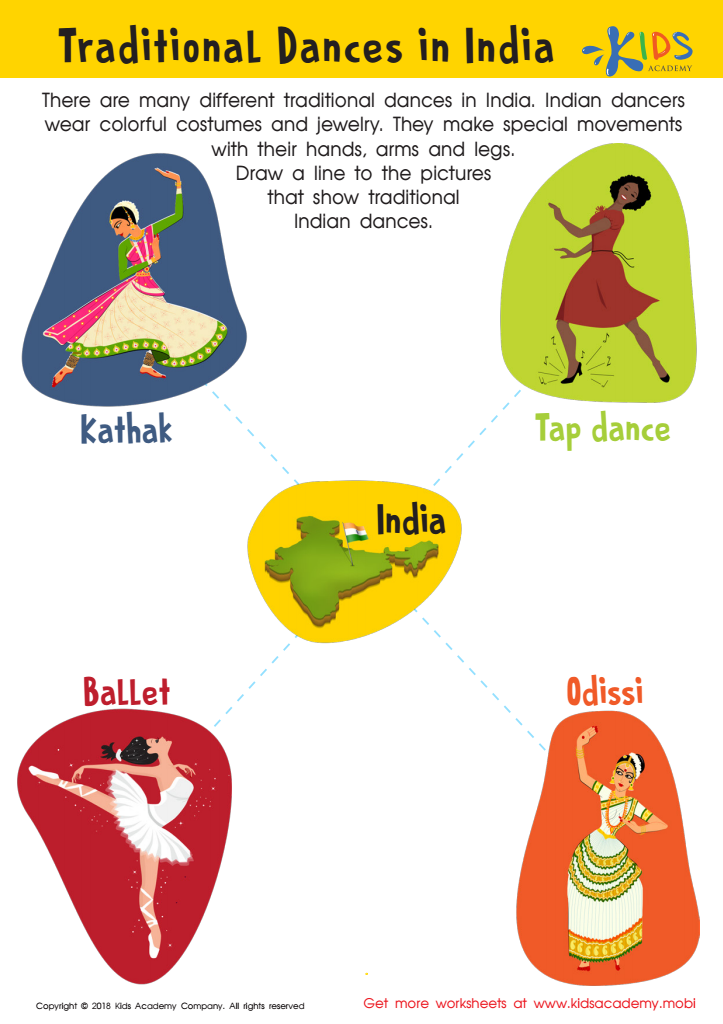
Traditional Dances in India Worksheet
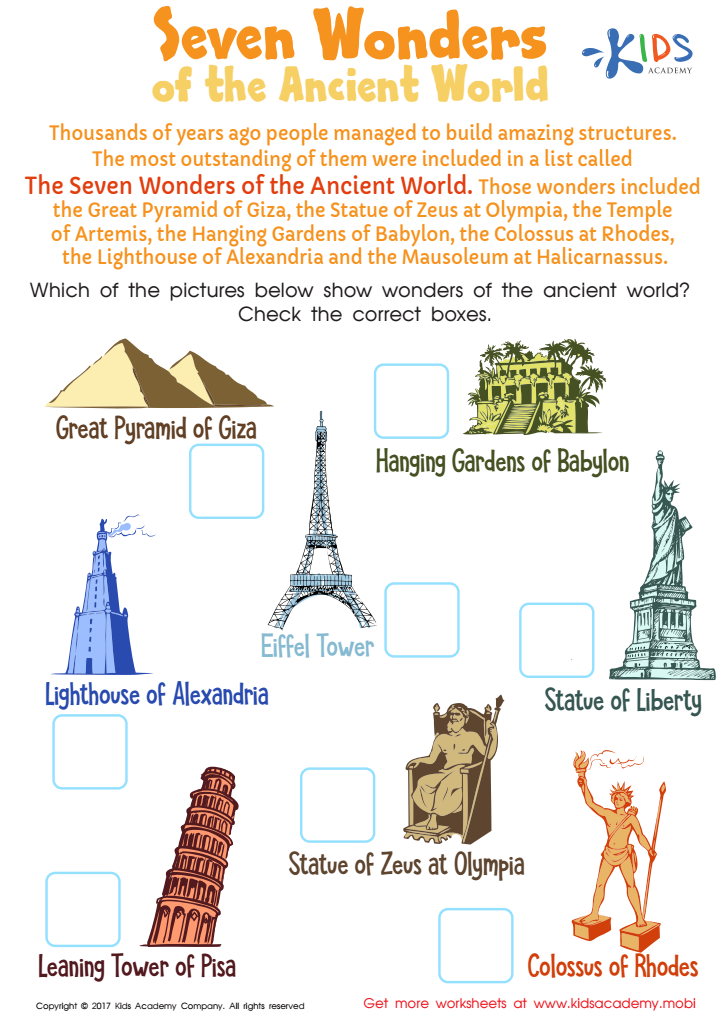
Seven Wonders of the Ancient World Worksheet
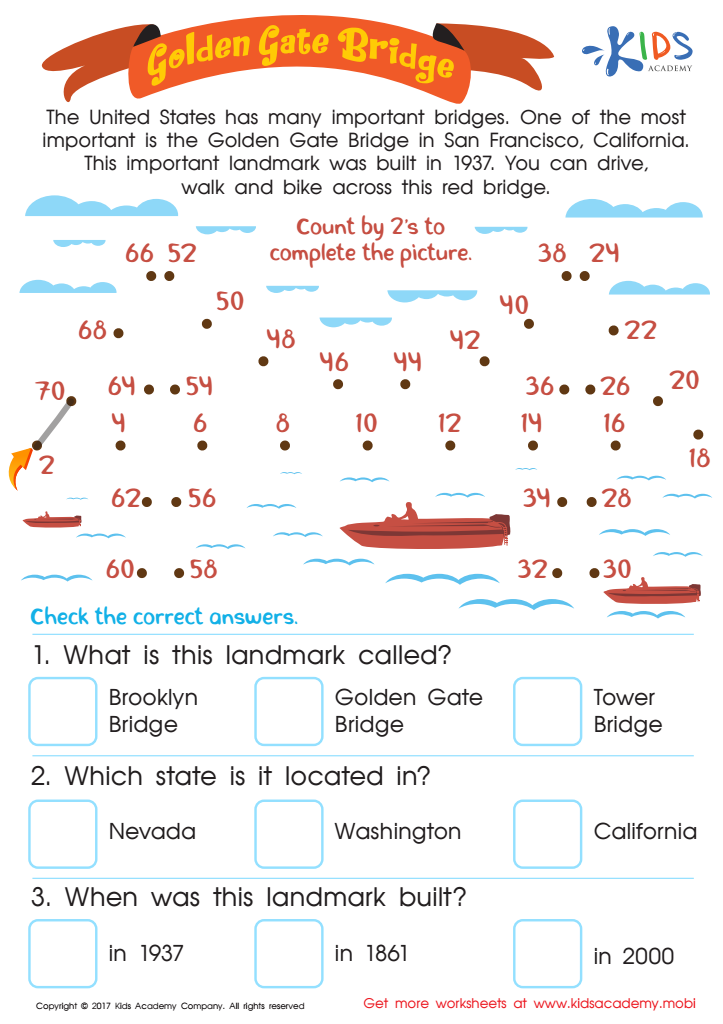
Golden Gate Bridge Worksheet
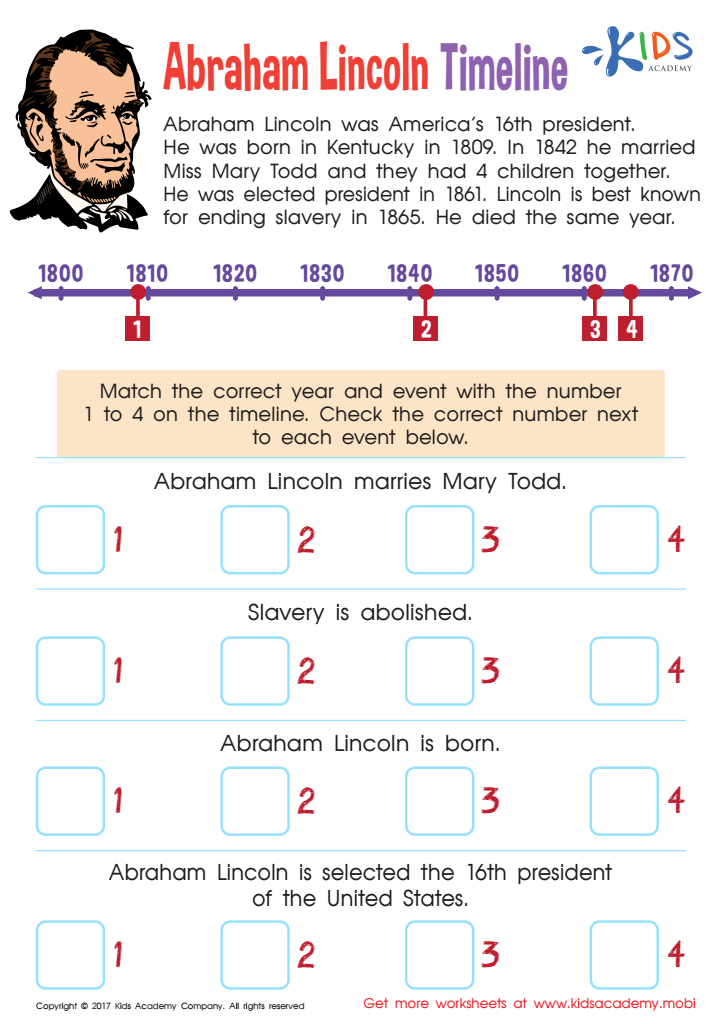
Abraham Lincoln Timeline Worksheet
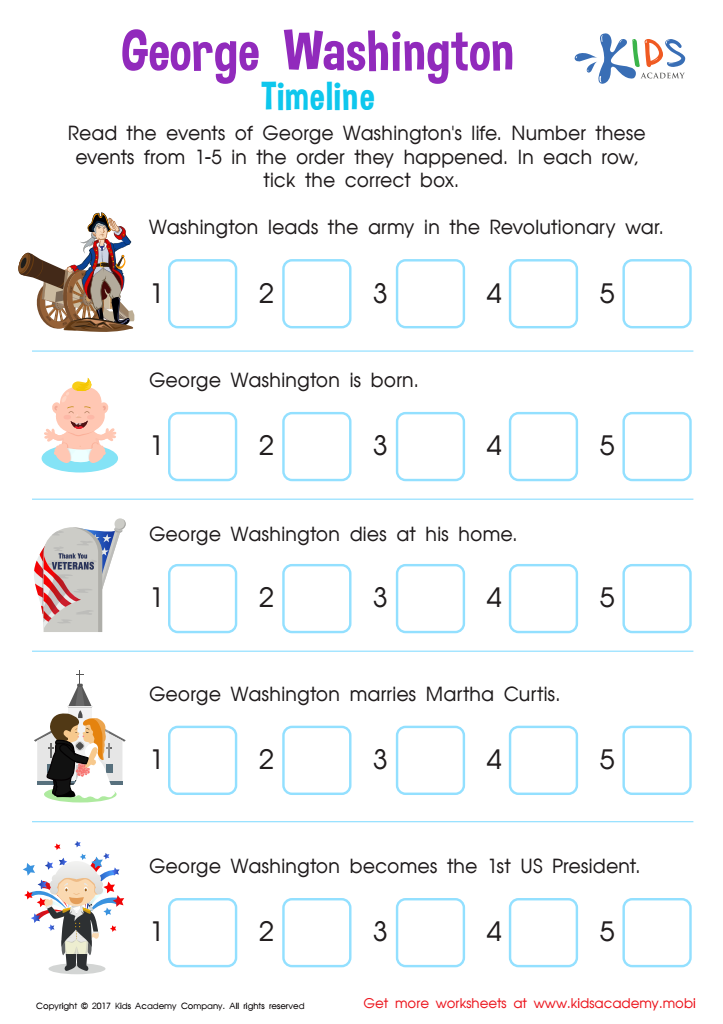
George Washington Timeline Worksheet
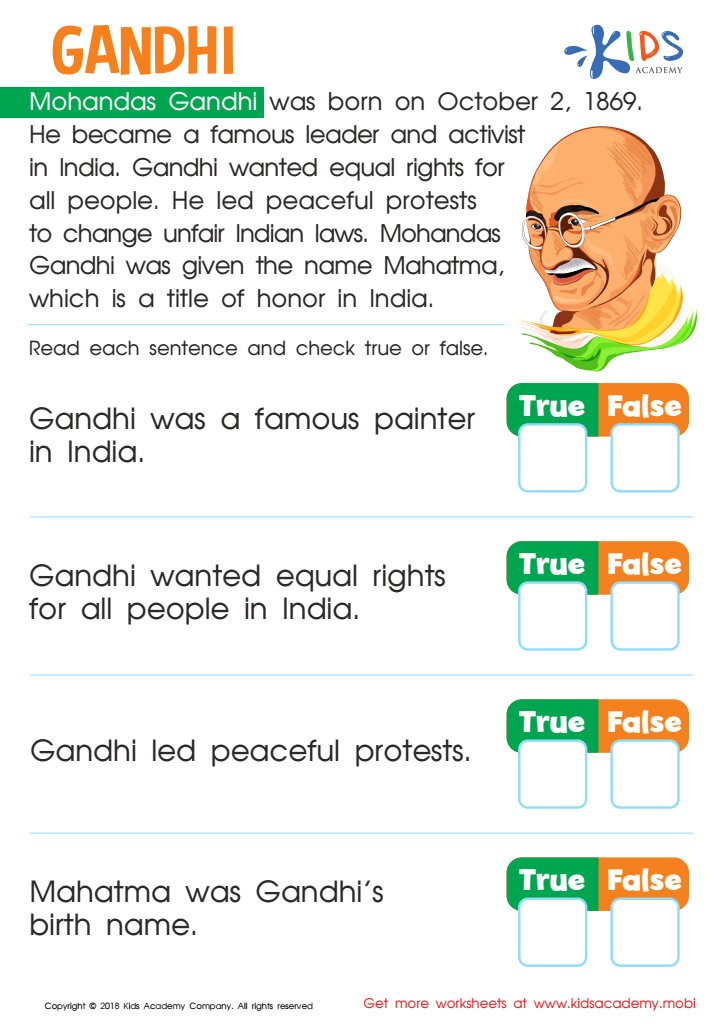
Gandhi Worksheet
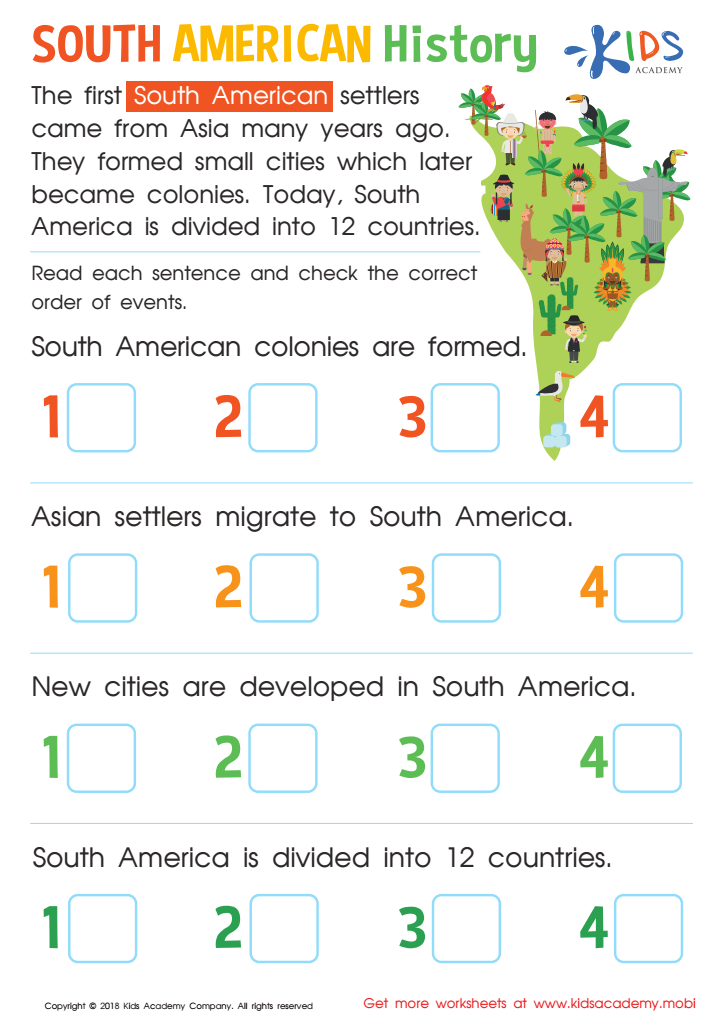
South American History Worksheet








Reading comprehension is foundational for children's academic success, particularly in subjects like history, which enhances their cognitive and emotional development. For children ages 5-8, understanding historical narratives improves their language skills, vocabulary, and critical thinking abilities. When parents and teachers focus on reading comprehension in history, they help children make sense of timelines, cause and effect, and key historical events in an engaging and memorable way.
Early exposure to history reinforces comprehension by introducing complex sentence structures and diverse topics. This fosters curiosity and a lifelong interest in learning. Comprehending historical events and figures allows children to draw conclusions and relate past occurrences to the present, promoting empathy and cultural awareness. For example, reading about various cultural holidays can help children appreciate different traditions and values.
Furthermore, strong reading comprehension skills in history lay a vital foundation for more advanced studies. As students progress to higher grades, they encounter complex texts and must interpret and analyze information critically. If these skills aren’t developed early, children might struggle with future academic challenges.
Thus, parents and teachers should emphasize history comprehension at a young age to ensure well-rounded intellectual growth and to cultivate informed, empathetic individuals capable of understanding and participation in their diverse world.








