
Understanding democracy Social Studies Worksheets for Ages 5-8
3 filtered results
Difficulty Level
Grade
Age
-
From - To
Subject
Activity
Standards
Dive into democracy with our "Understanding Democracy Social Studies Worksheets for Ages 5-8"! Our carefully crafted worksheets introduce young learners to the core principles of democracy through engaging activities that make learning fun and accessible. Children will explore key concepts such as voting, leadership, community, and decision-making, fostering critical thinking and active participation. Designed to align with educational standards, these printable worksheets offer an immersive, hands-on experience that inspires a lifelong appreciation for civic values. Equip young minds with the knowledge and confidence to become informed, active citizens. Accessible, educational, and interactive—perfect for classrooms and home learning alike!
Favorites
With answer key
Interactive
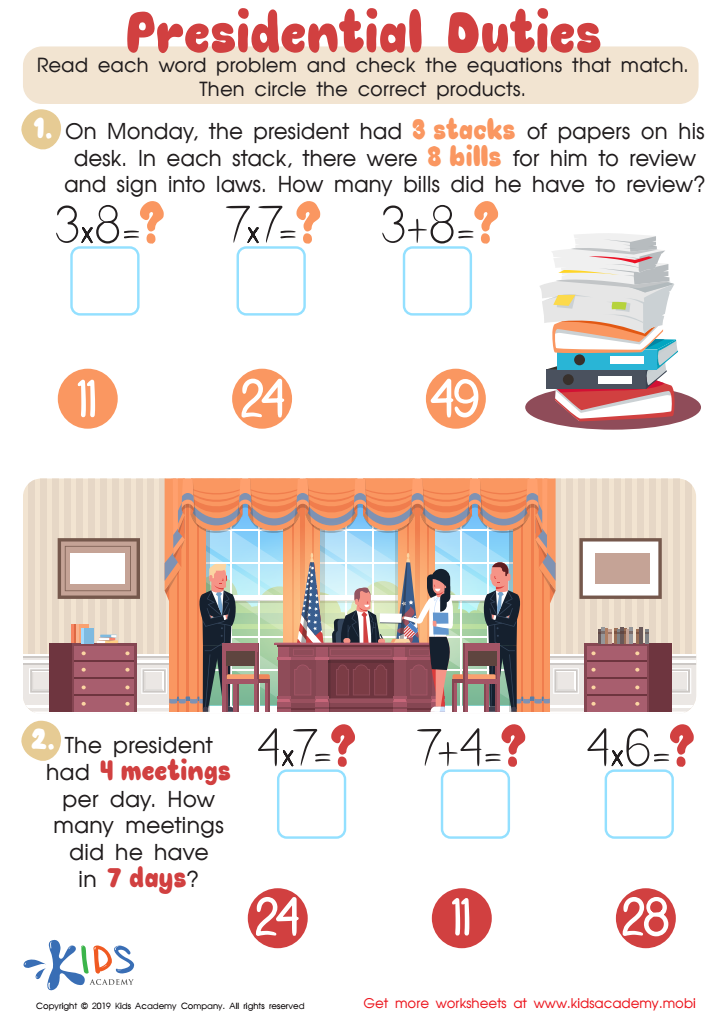
Presidential Duties Worksheet
Presidents have many duties. Utilize this worksheet to review the important ones while solving multiplication word problems. Read each passage, determine the equation, then find the product and select the correct answer.
 Assign to My Students
Presidential Duties Worksheet
Worksheet
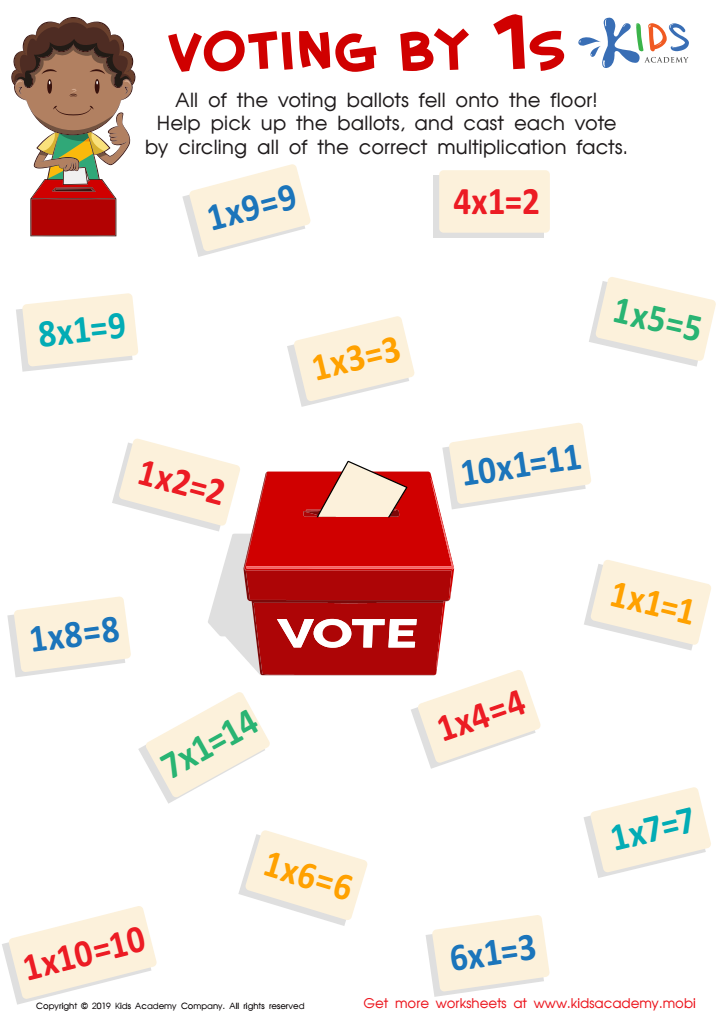
Voting by 1s Worksheet
Ask your child if they can list duties of a good citizen. These include voting, to elect right leaders. With this worksheet, the voting ballots have fallen to the floor! Help your kids pick them up and cast each vote by circling the correct multiplication facts.
Voting by 1s Worksheet
Worksheet
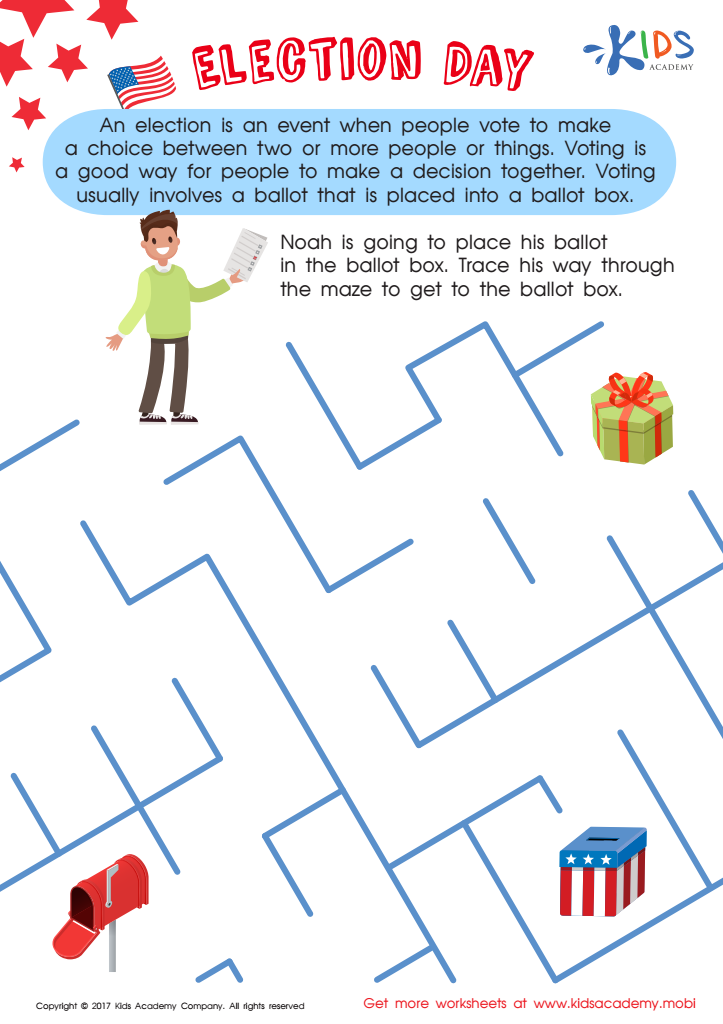
Election Day Worksheet
Get the election day worksheet PDF and teach them the value of voting - an integral part of our democracy! 80 words
Election Day Worksheet
Worksheet
Join Kids Academy for Free
Who is primarily going to use this learning content?






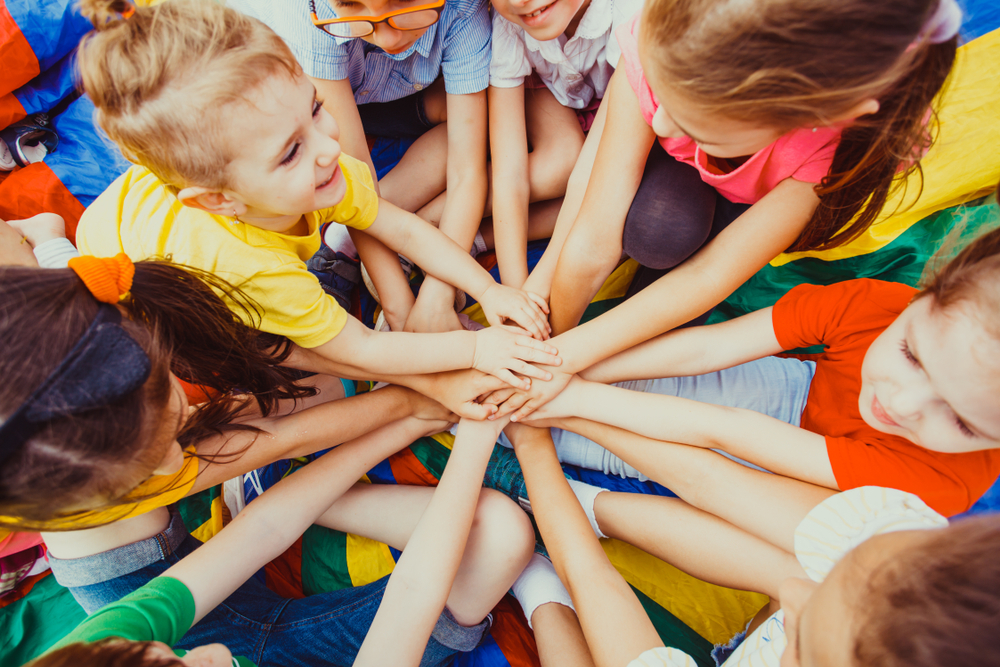

Introducing young children ages 5-8 to the fundamentals of democracy through social studies is crucial for several reasons. First, it fosters early civic engagement. Understanding basic democratic principles, such as voting, fairness, and community participation, helps children recognize their role within a society. This early insight lays the groundwork for active, informed citizenship as they mature.
Second, teaching democracy nurtures critical thinking and decision-making skills. When children learn about choices, rights, and responsibilities, they begin to comprehend the importance of evaluating options and respecting diverse viewpoints—skills essential for problem-solving in everyday life.
Additionally, understanding democracy promotes empathy and social responsibility. Children exposed to concepts like equality and justice begin to appreciate the importance of treating others with respect and standing against unfair practices. This can significantly enhance their interpersonal relationships and community interactions.
Lastly, it aligns with the holistic development goals of education. Social studies often integrate storytelling, role-playing, and group discussions, making learning interactive and engaging. These activities not only teach children about democracy but also improve language, social, and cognitive skills.
In sum, introducing democracy to young children equips them with critical life skills, fosters a strong sense of community and fairness, and encourages active participation in societal roles, creating a robust foundation for their future.








