Community Worksheets for Ages 5-8 - Page 2
31 filtered results
-
From - To

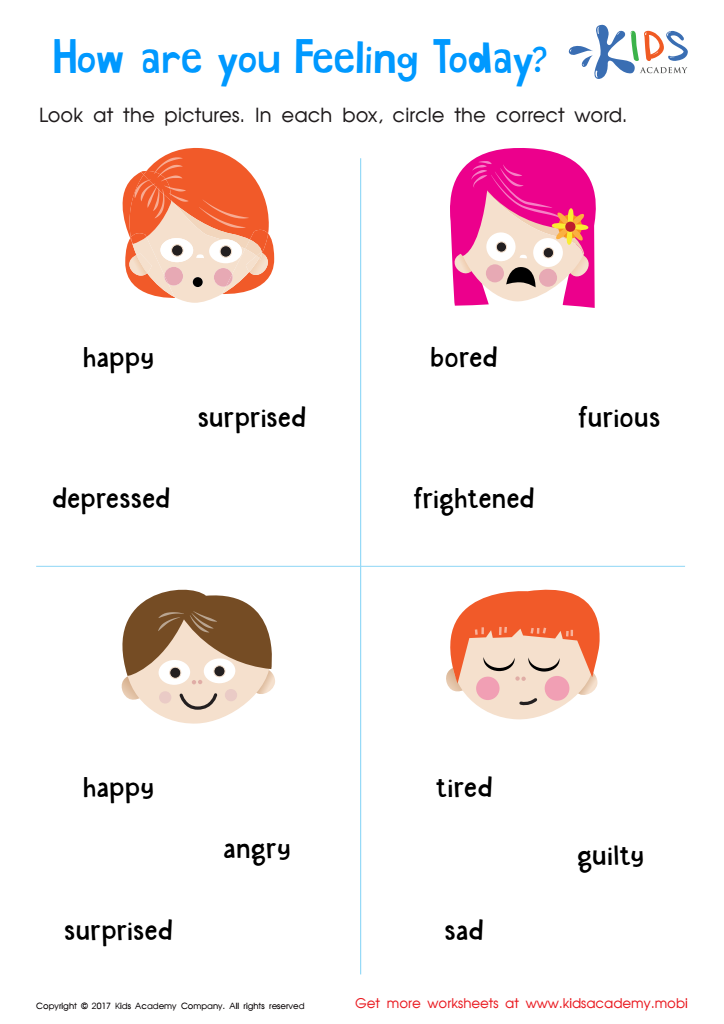
Understanding Feelings Worksheet
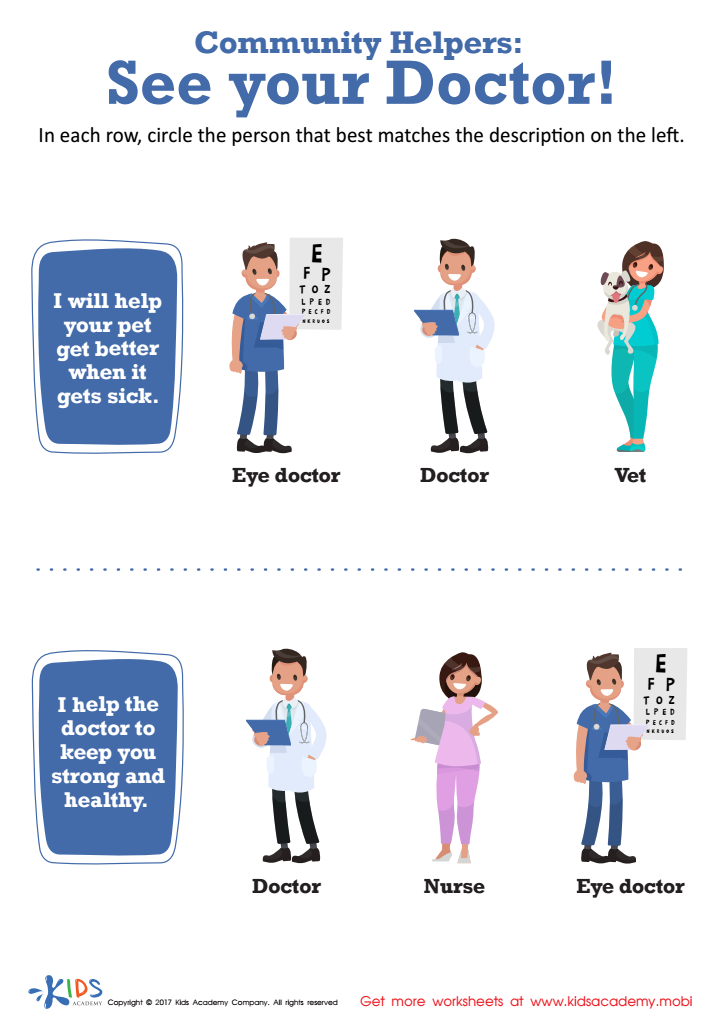
See Your Doctor (Part 2) Printable

Family Coloring Page
 Assign to My Students
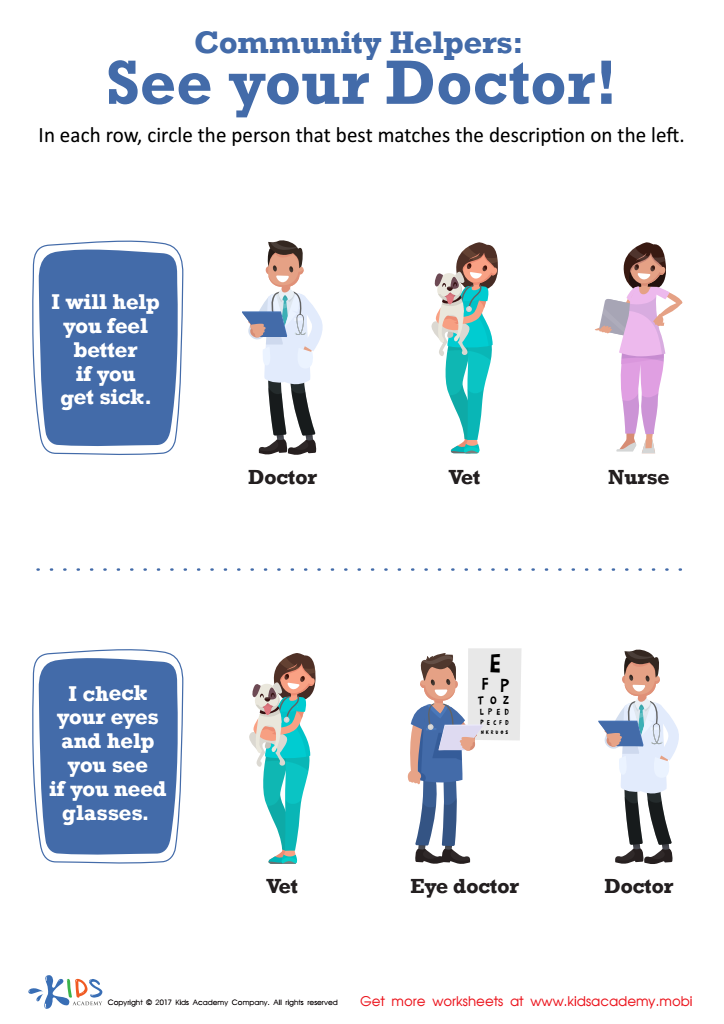
See Your Doctor (Part 1) Printable
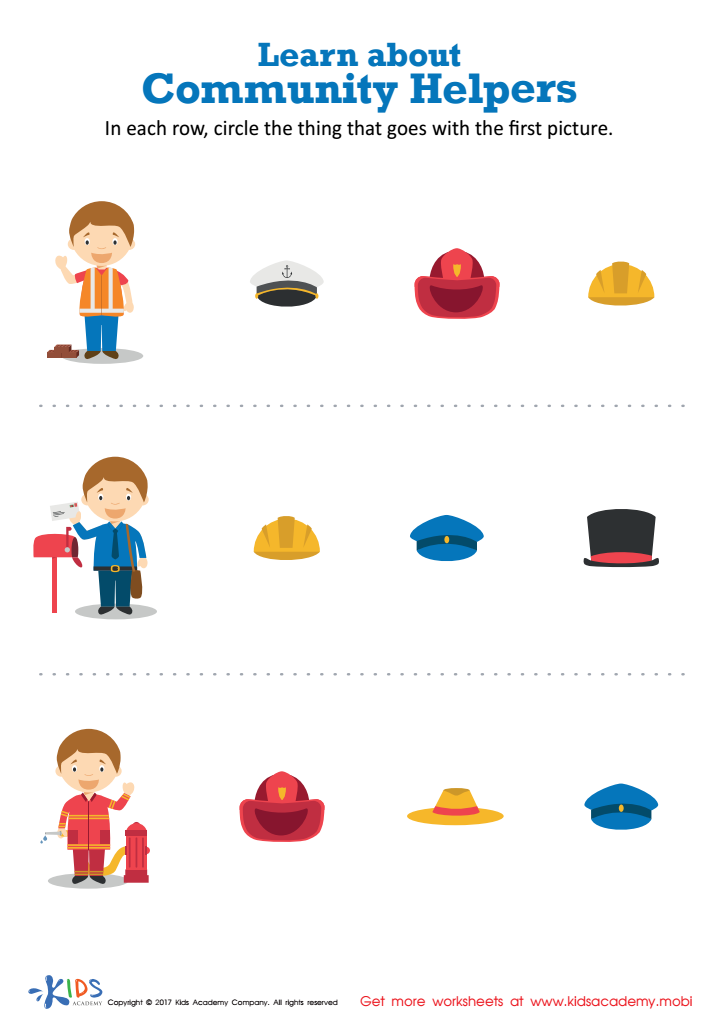
Learn about Community Helpers Printable
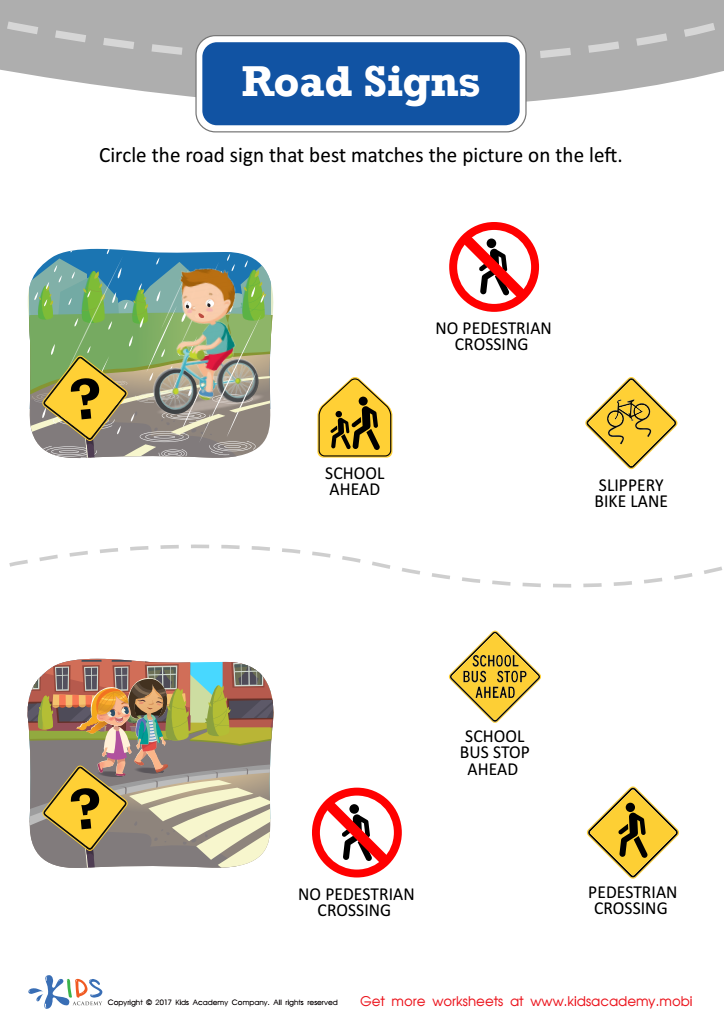
Road Signs (Part 2) Printable








Parents and teachers should care about community involvement for children ages 5-8 because it significantly enhances their social, emotional, and cognitive development. At this age, children are forming their identities and learning how to interact with others. Engaging with a community helps them build social skills, empathy, and teamwork as they collaborate with peers, participate in group activities, or attend community events.
Additionally, community involvement exposes children to diverse perspectives and cultures, fostering an appreciation for diversity early in life. It also instills a sense of belonging, helping them develop confidence and security in their relationships. Teachers and parents who facilitate community connections can enhance learning by integrating real-world experiences into the curriculum, making lessons more meaningful and relevant.
Furthermore, parental involvement in the community serves as a role model for children about the importance of civic responsibility and giving back.
By being actively engaged in their communities, parents and teachers can nurture a supportive environment that reinforces positive values and learning experiences, ultimately contributing to well-rounded, socially conscious individuals ready to contribute to society. In summary, community involvement is essential for developing important life skills and fostering a caring, inclusive environment for young children.