Measurement Worksheets for Ages 5-9 - Page 4
110 filtered results
-
From - To
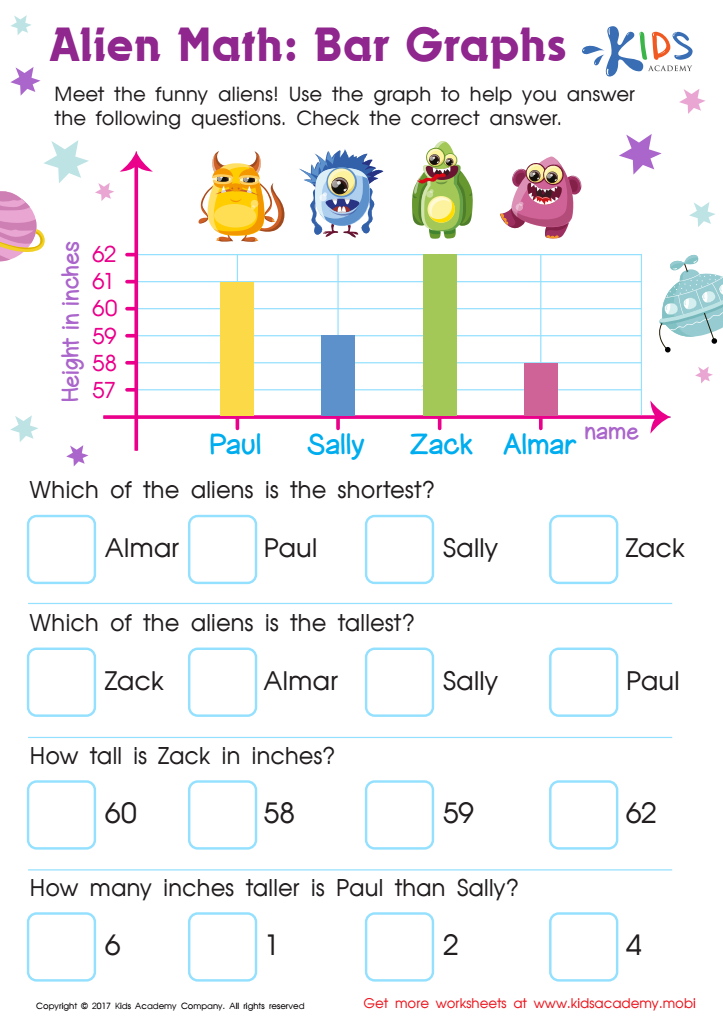
Bar Graphs Worksheet
 Assign to My Students
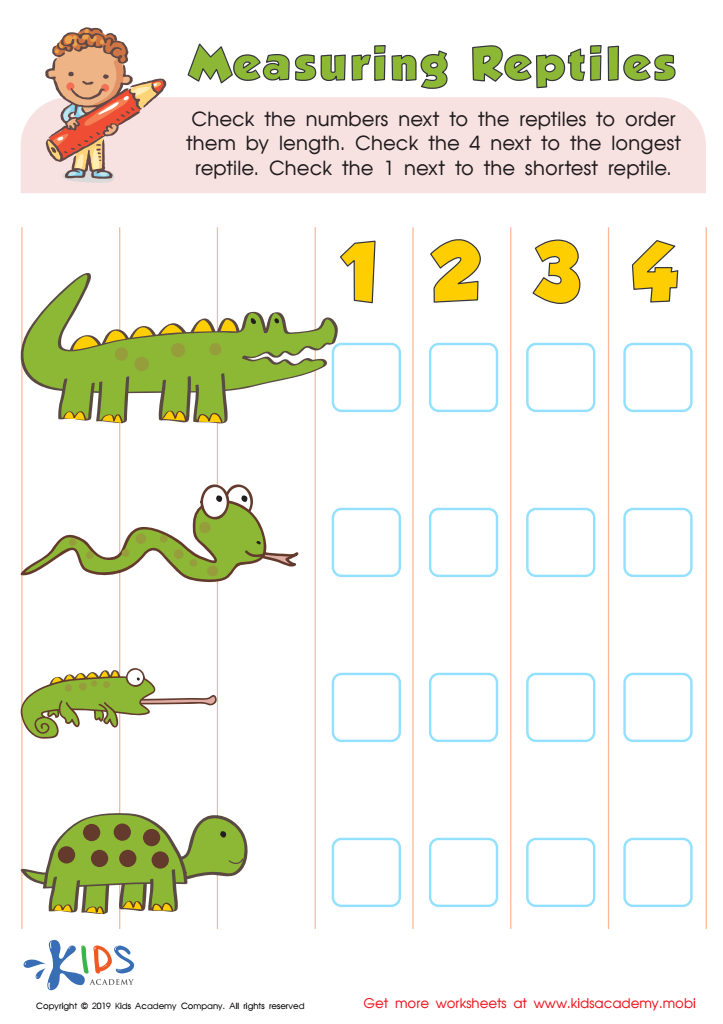
Measuring Reptiles Worksheet
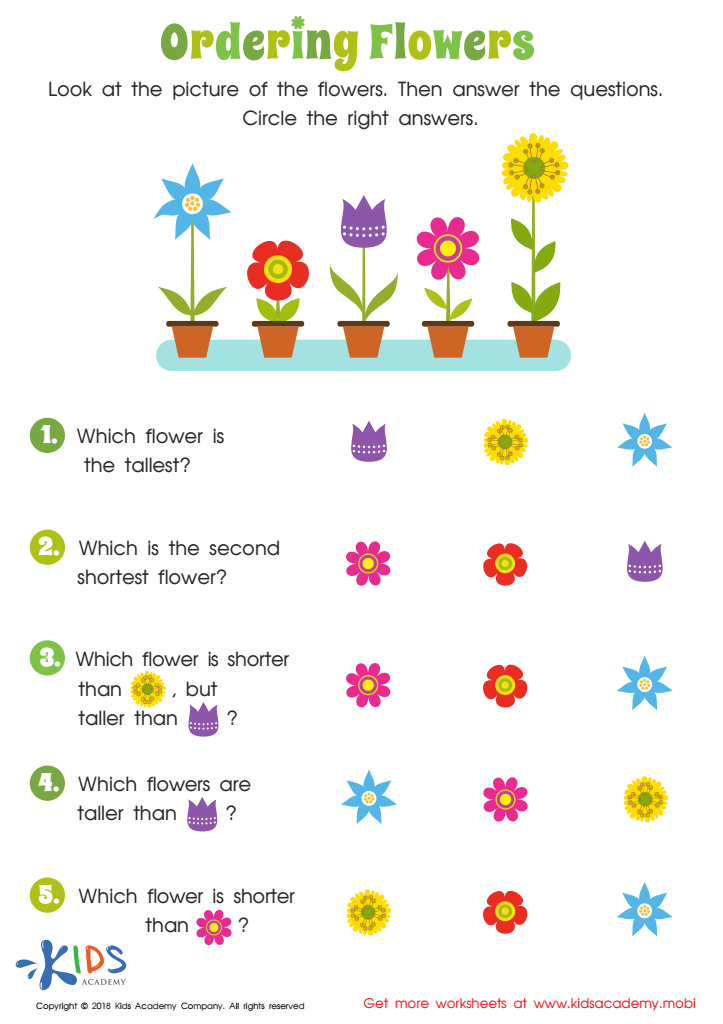
Ordering Flowers Worksheet
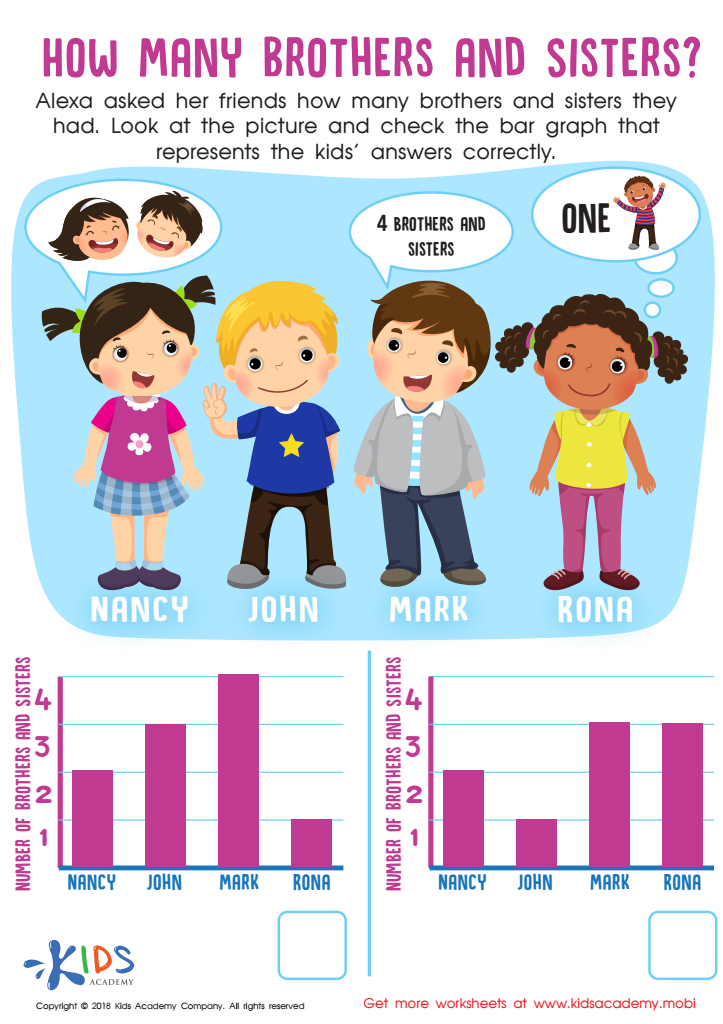
How Many Brothers and Sisters? Worksheet
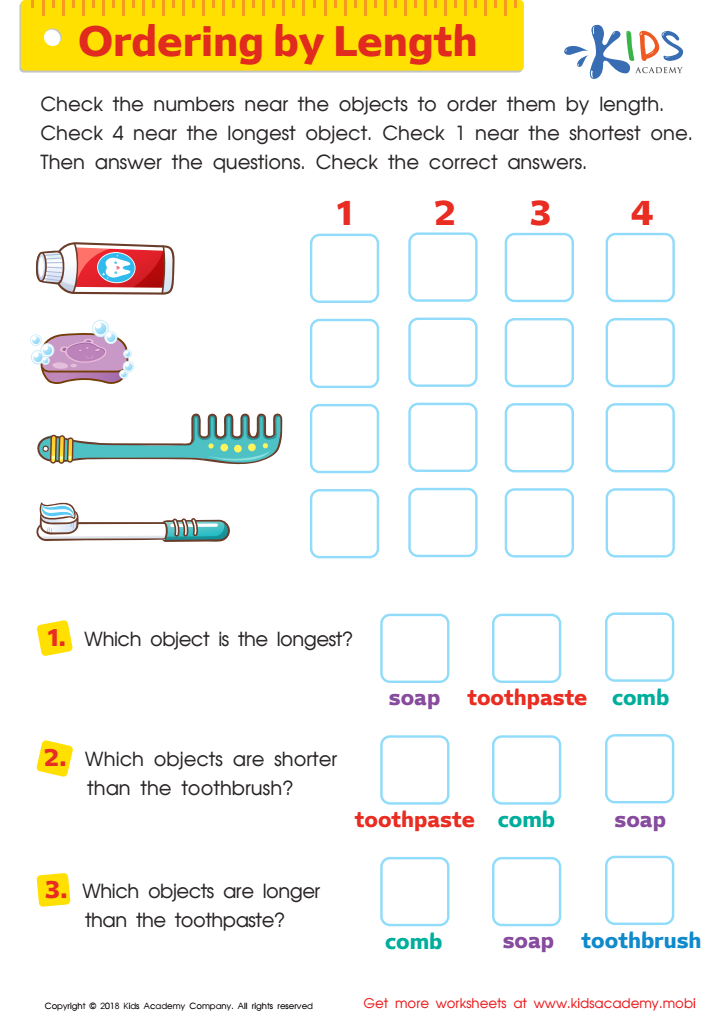
Ordering by Length Worksheet
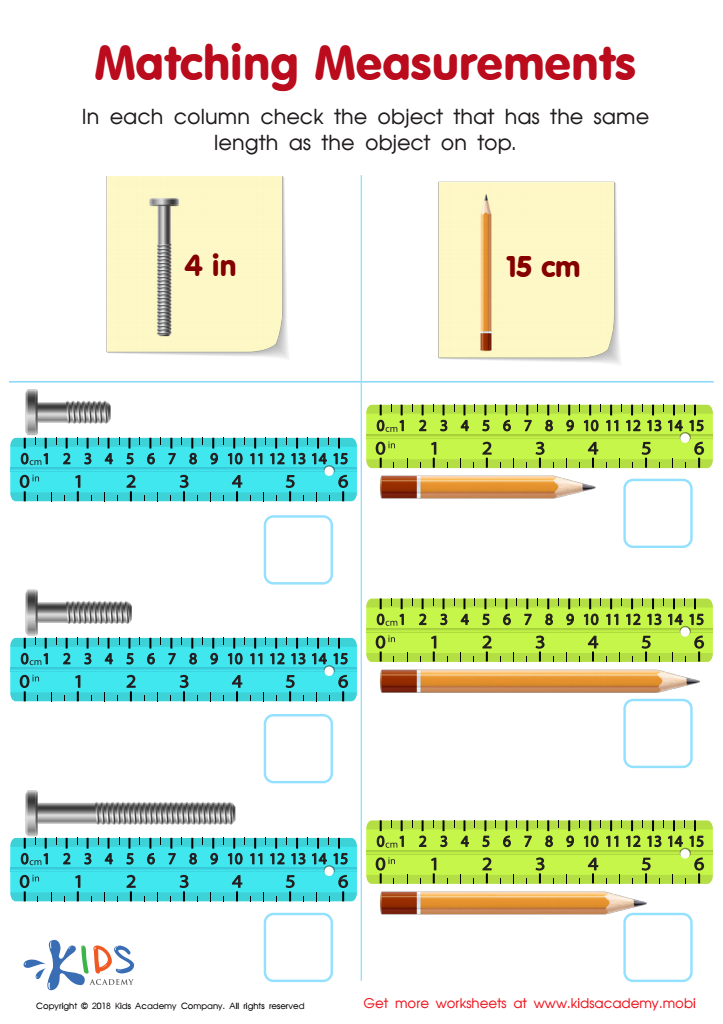
Matching Measurements Worksheet
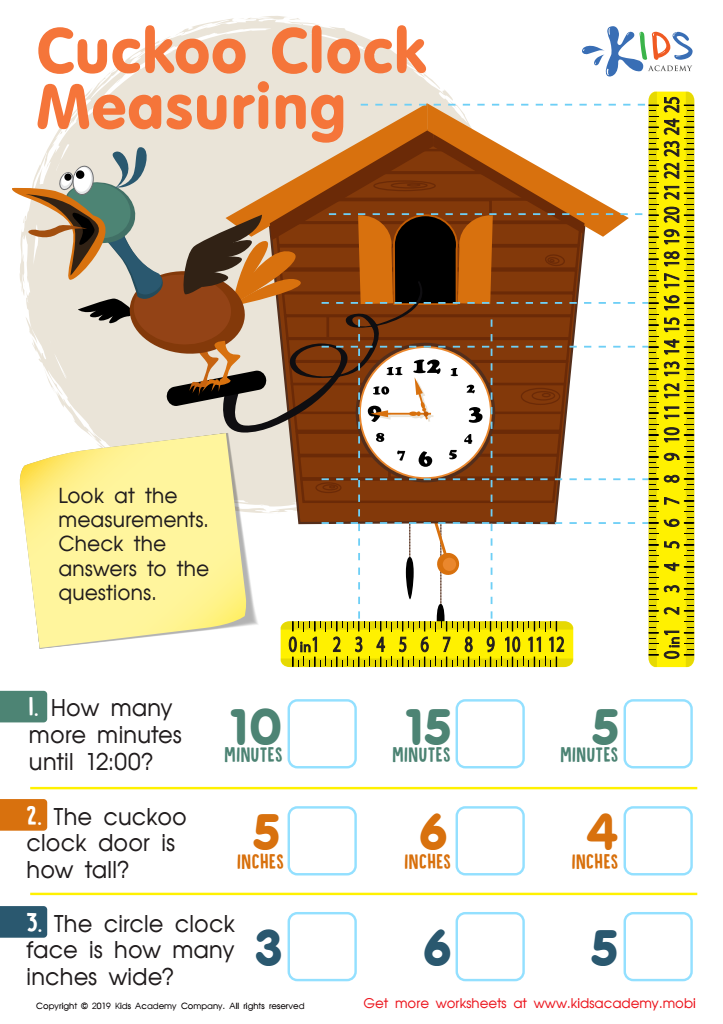
Cuckoo Clock Measuring Worksheet
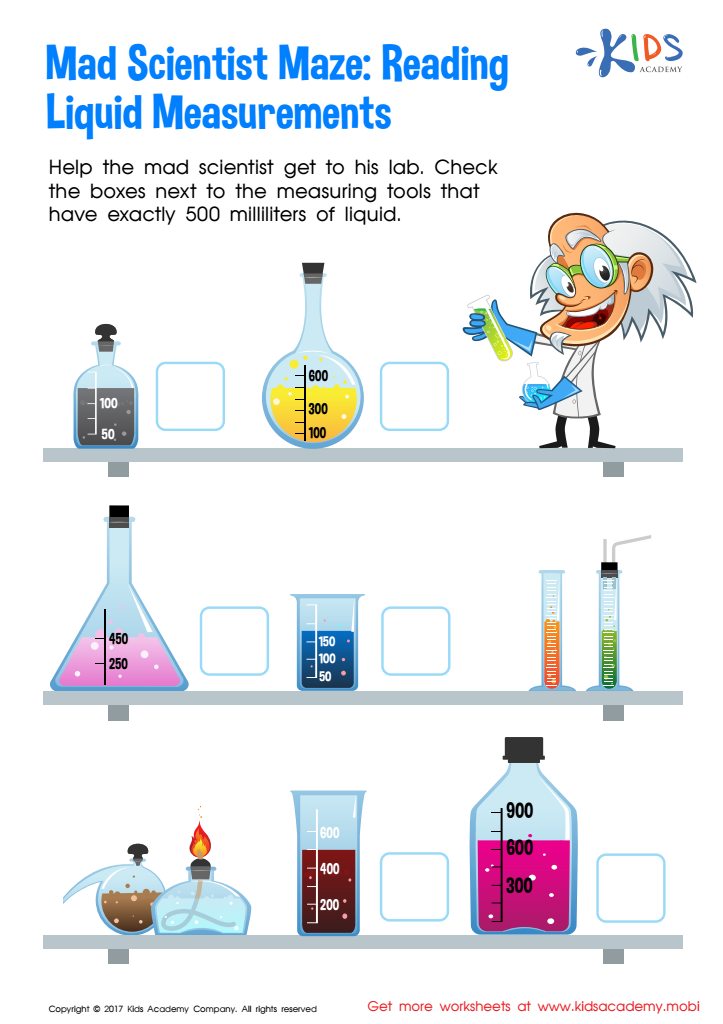
Reading Liquid Measurement Worksheet
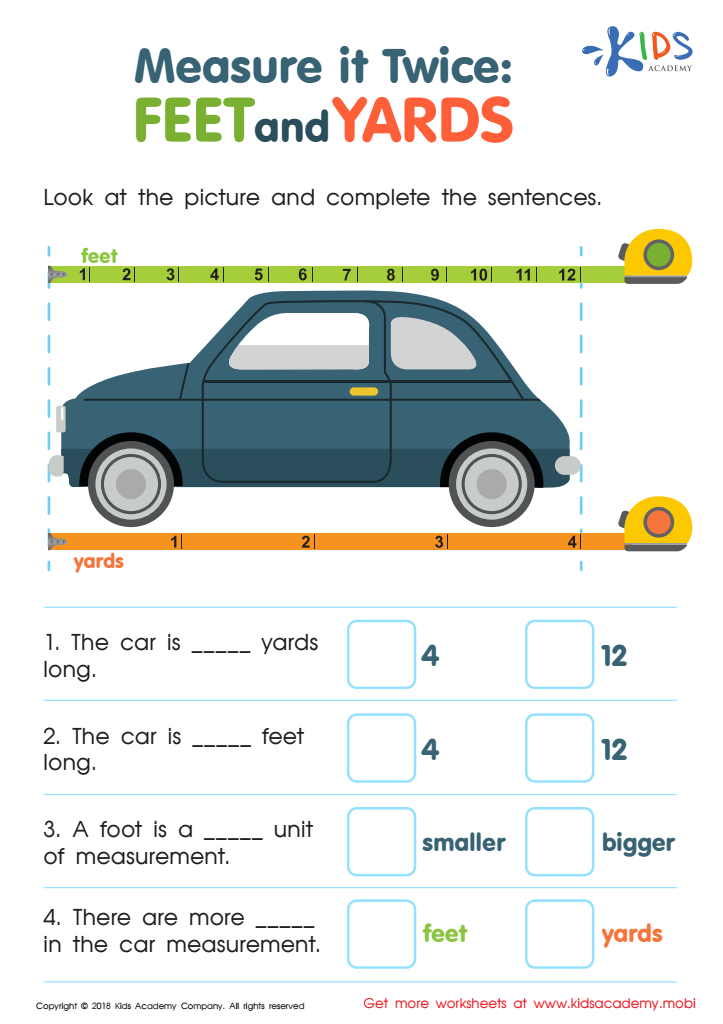
Measure It Twice: Feet and Yards Worksheet
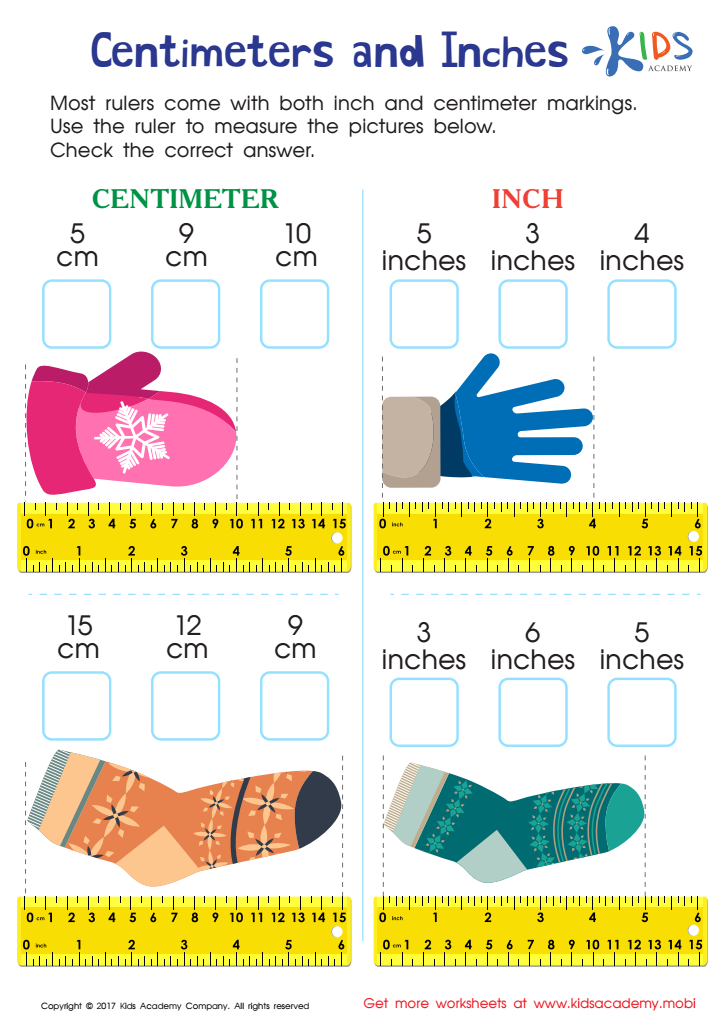
Centimeters and Inches Worksheet
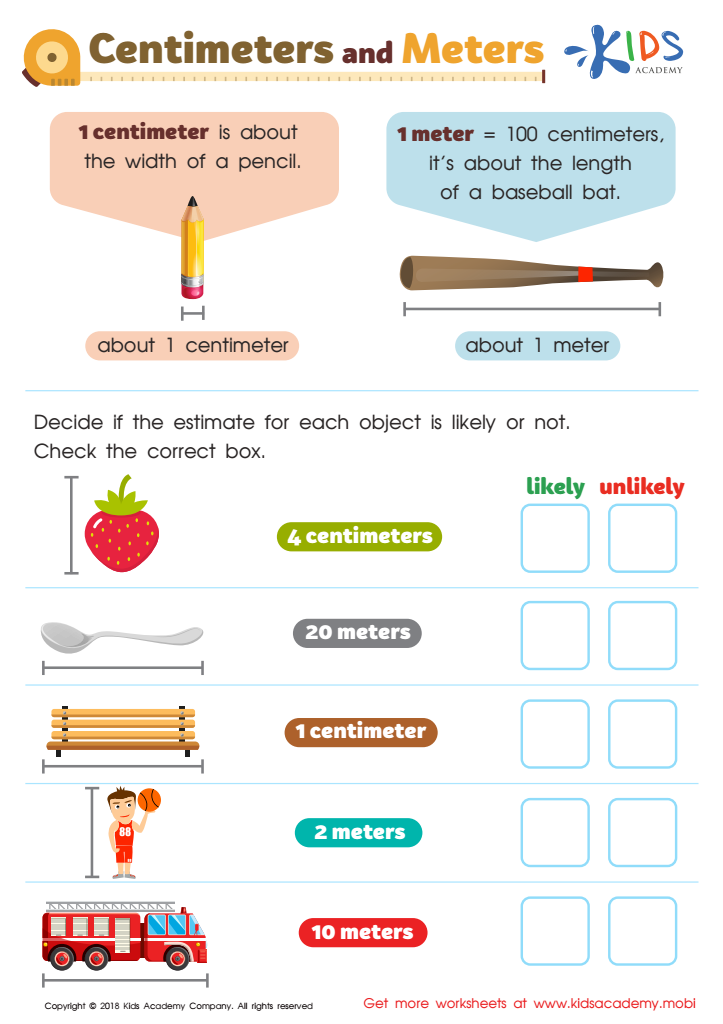
Centimeters and Meters Worksheet
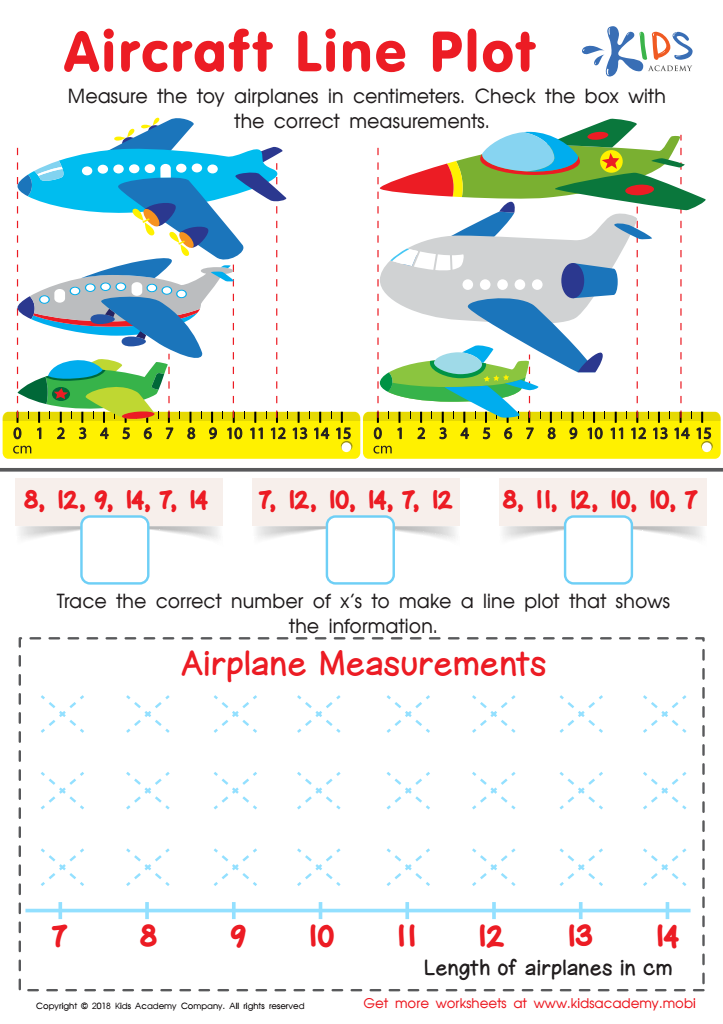
Aircraft Line Plot Worksheet
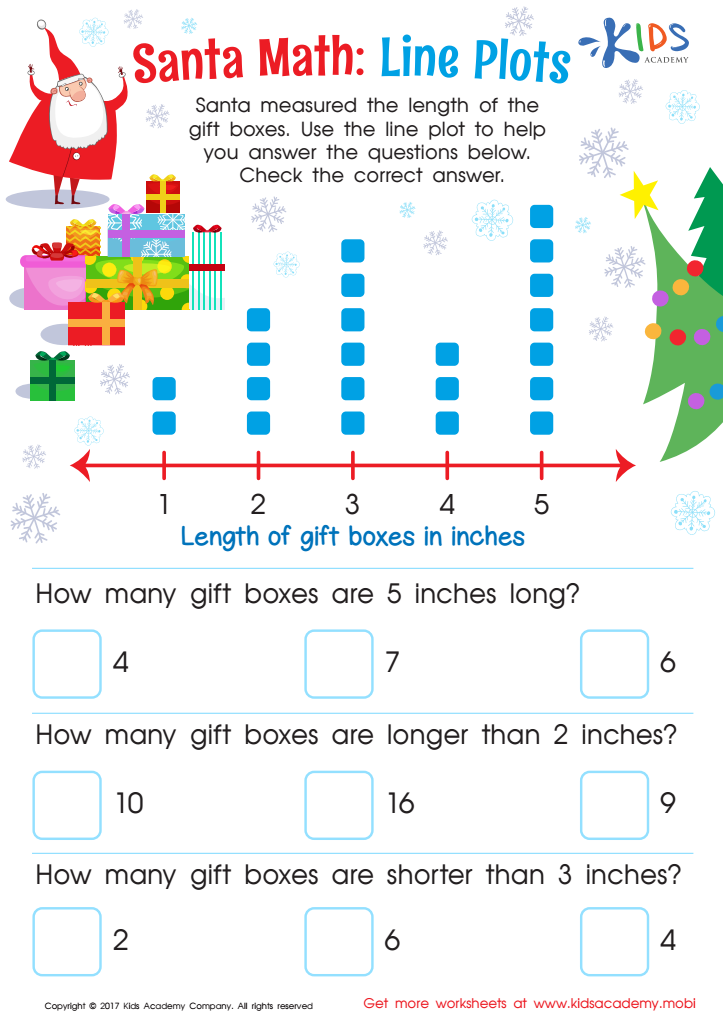
Line Plot Worksheet
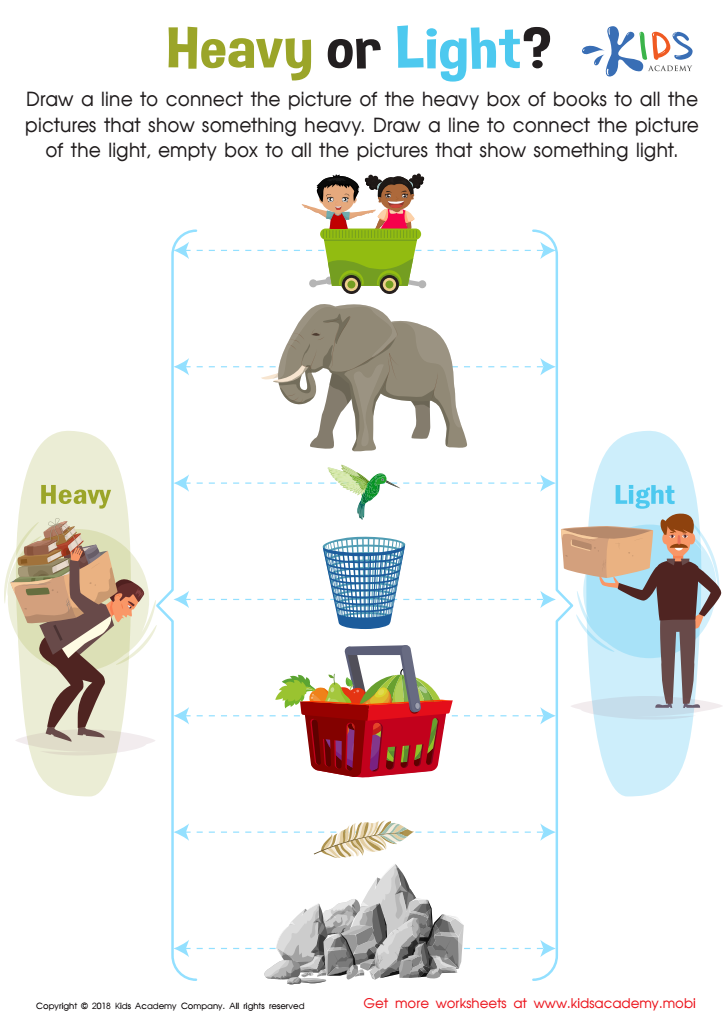
Heavy or Light? Worksheet
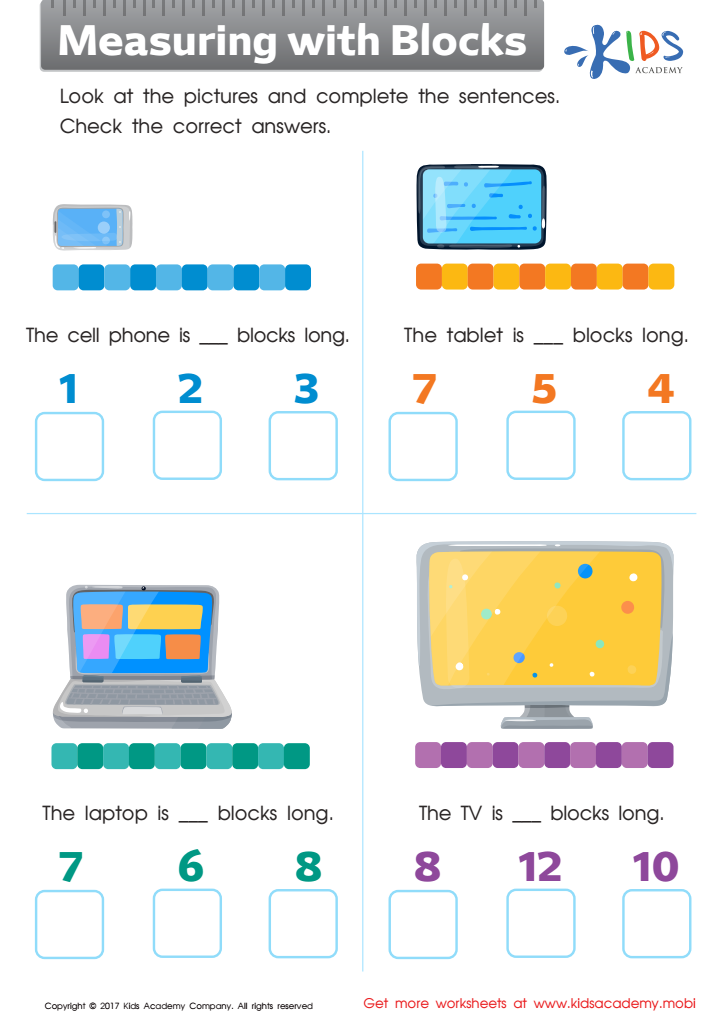
Measuring with Blocks Worksheet
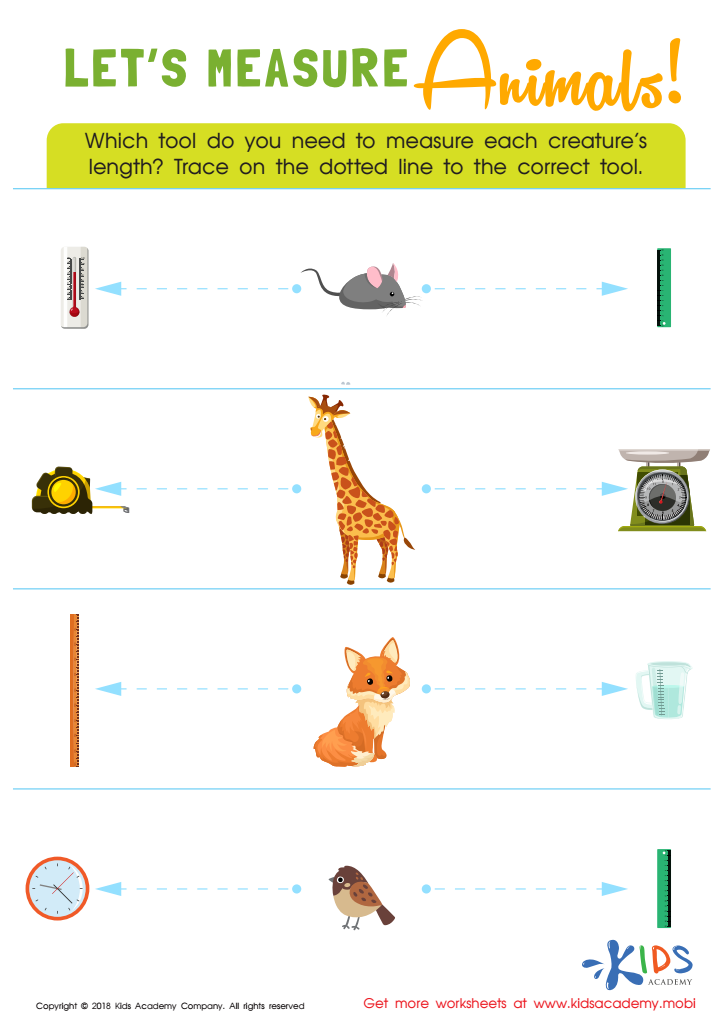
Let's Measure Animals! Worksheet
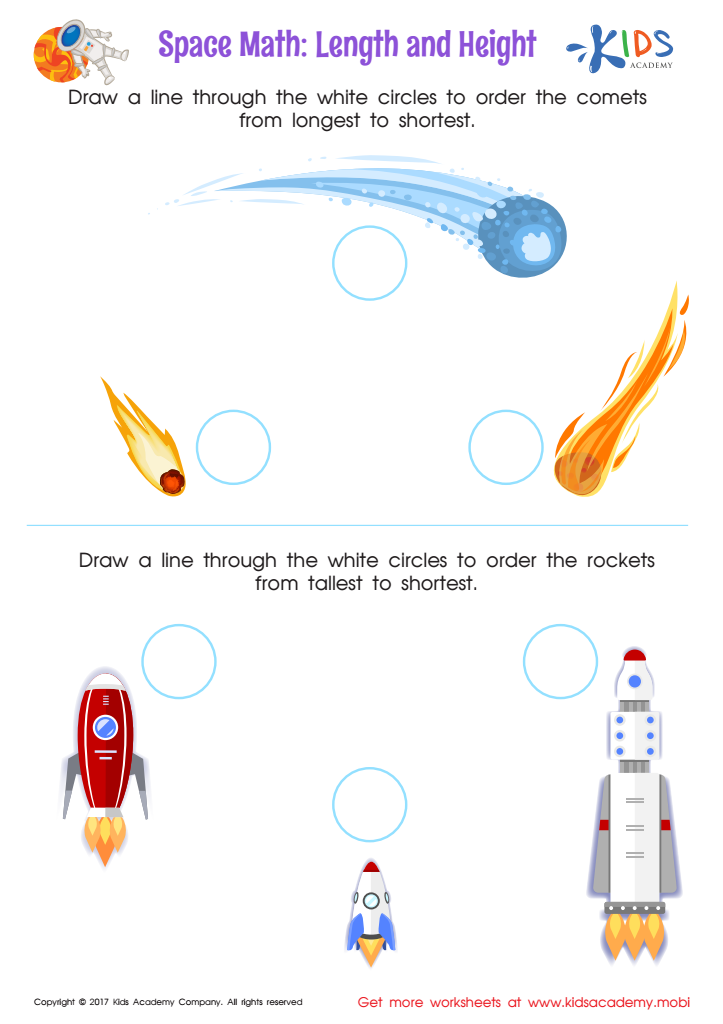
Space Math Worksheet
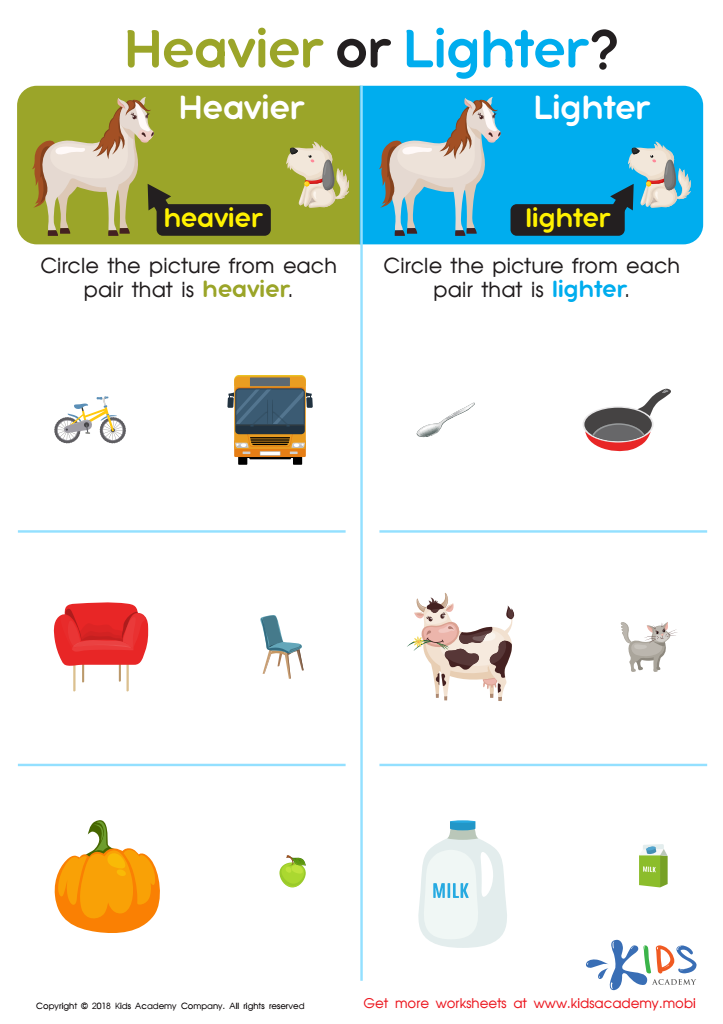
Heavier or Lighter? Worksheet
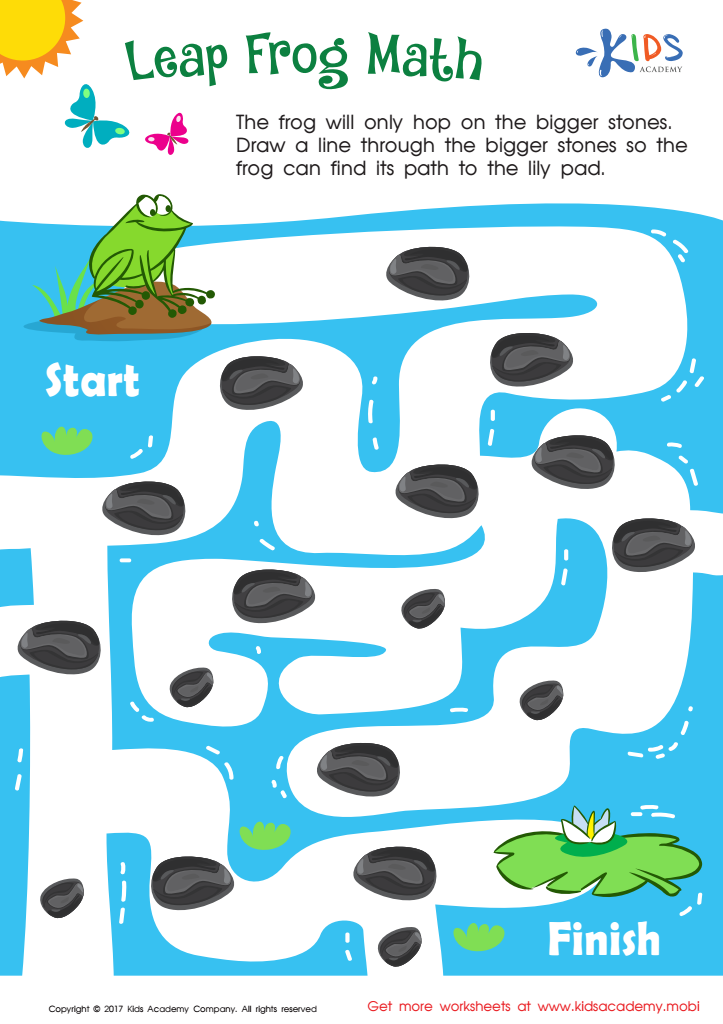
Math Puzzle Worksheet
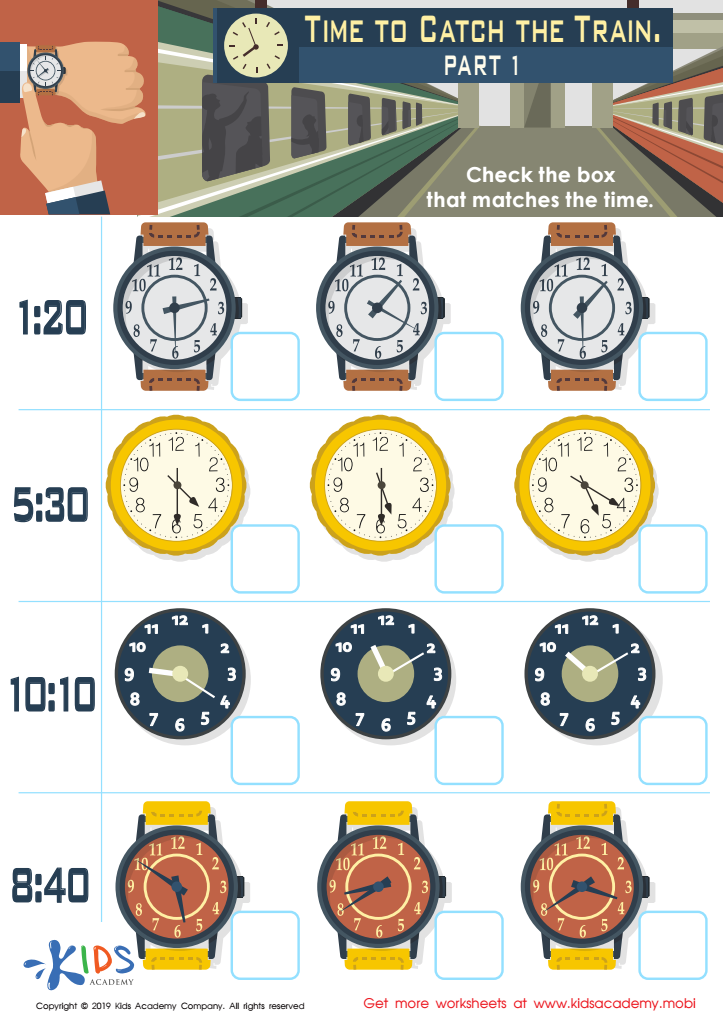
Time to Catch the Train Part 1 Worksheet
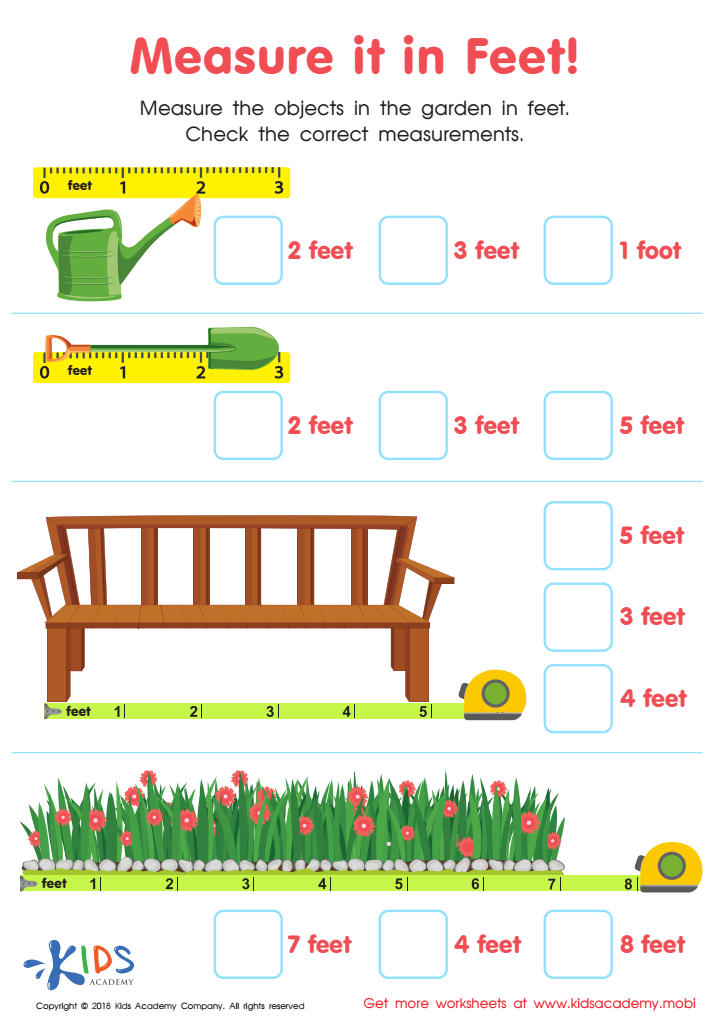
Measure it in Feet Worksheet
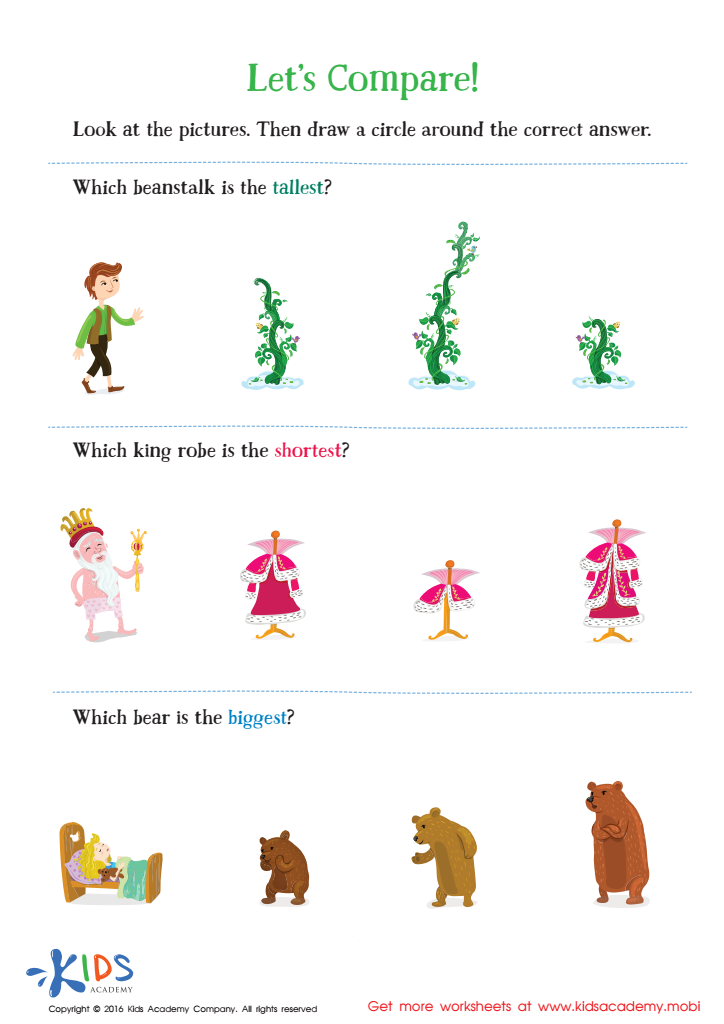
Fairy Tale Worksheet: Let's Compare
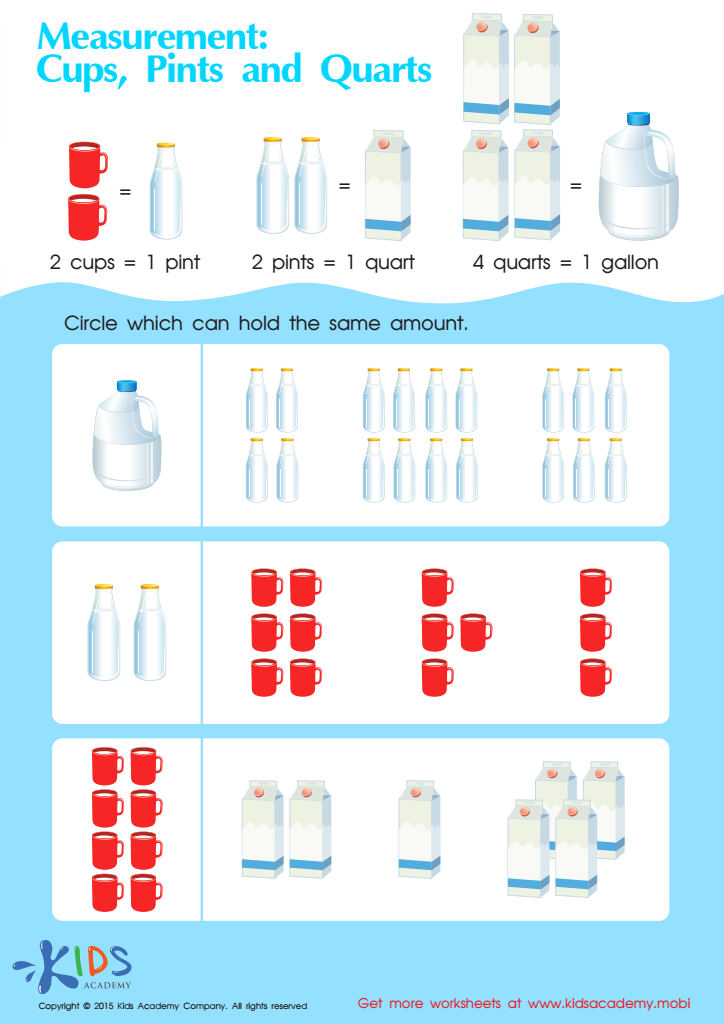
Cups, Pints and Quarts 2 Worksheet
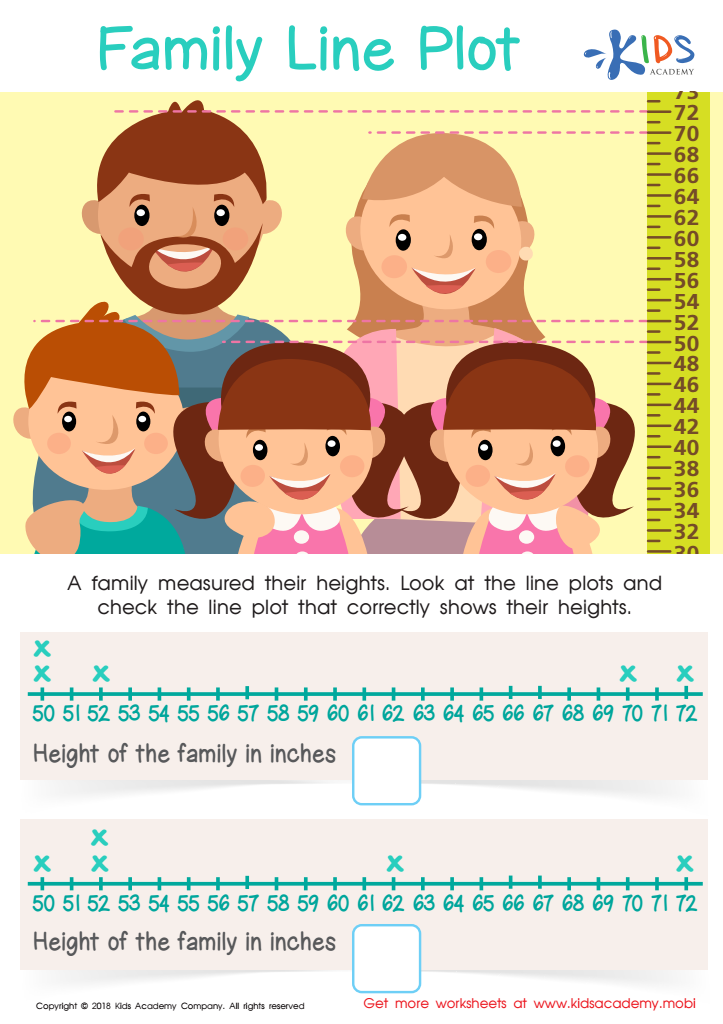
Family Line Plot Worksheet








Caring about measurement for ages 5-9 is crucial as it lays the foundation for critical math skills and everyday life competencies. During these formative years, children are naturally curious about the world around them, making it an ideal time to introduce concepts of length, weight, volume, and time. Learning measurement helps children understand and quantify their environment, promoting logical reasoning and problem-solving abilities.
Incorporating measurement into early education enhances cognitive development and encourages practical application of math in real-life contexts. For instance, measuring ingredients for a recipe or determining the time it takes to complete a task helps children see the relevance of math beyond the classroom. Furthermore, grasping measurement principles strengthens their ability in other subjects like science and engineering, fostering a well-rounded academic future.
Parents and teachers who prioritize teaching measurement skills also support the development of fine motor skills through activities like using rulers, scales, and measuring cups. Additionally, it instills a sense of accuracy and attention to detail, encouraging conscientious work habits. Overall, focusing on measurement helps young learners build a strong Math foundation, enhances their analytical thinking, and equips them with practical skills essential for daily life and future academic success.








